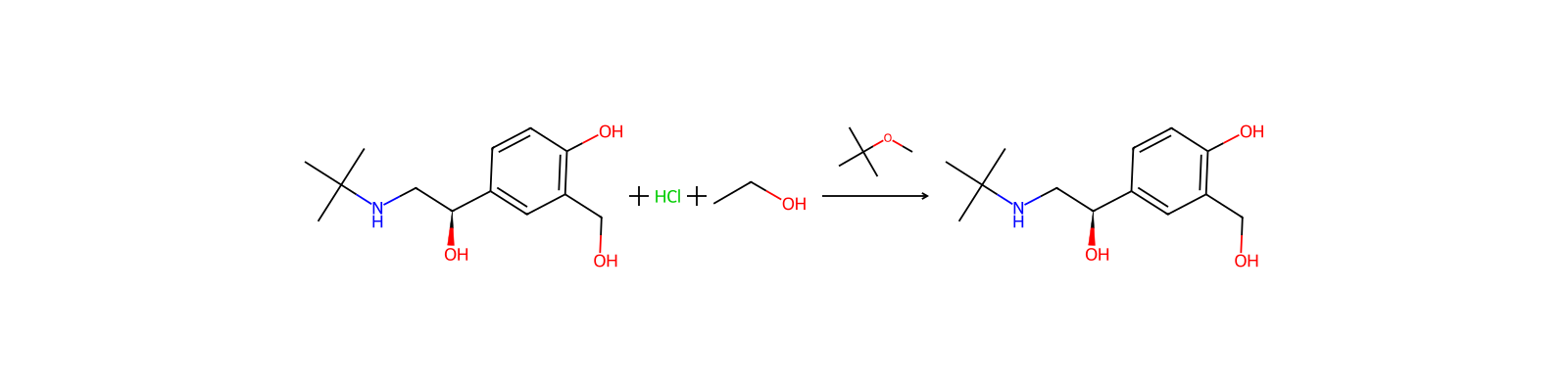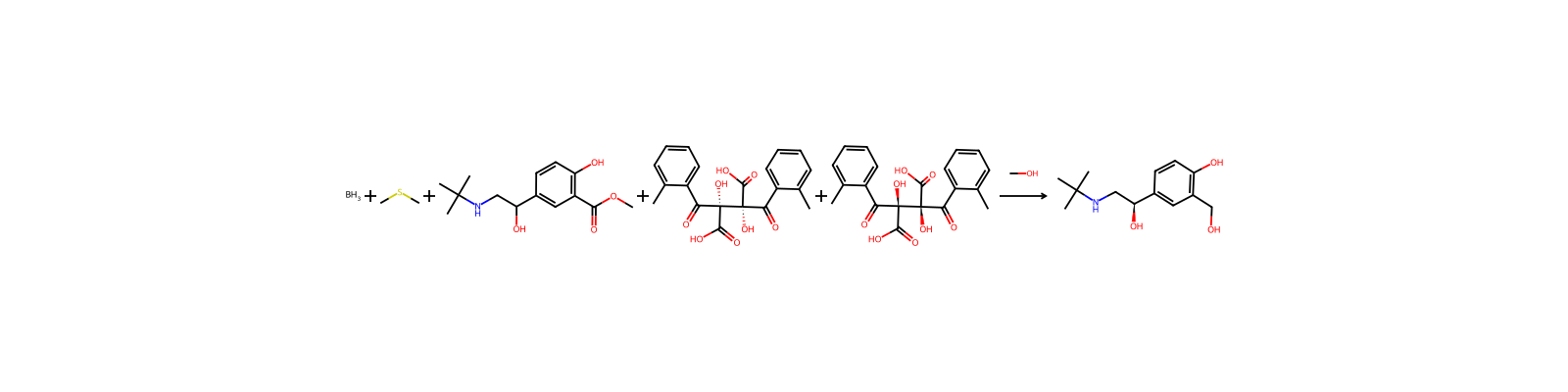
HRID 1455720As product

34391-04-3CC(C)(C)NC[C@H](O)c1ccc(O)c(CO)c1NDAUXUAQIAJITI-LBPRGKRZSA-N(R)-salbutamol is an albuterol.
34391-04-3DTXSID80187964CHEMBL1002CHEBI:8746Safety information is for reference only and does not replace the supplier’s Safety Data Sheet (SDS), applicable regulations, or professional assessment.
Salbutamol is a beta(2)-adrenergic agonist and thus it stimulates beta(2)-adrenergic receptors. Binding of albuterol to beta(2)-receptors in the lungs results in relaxation of bronchial smooth muscles. It is believed that salbutamol increases cAMP production by activating adenylate cyclase, and the actions of salbutamol are mediated by cAMP. Increased intracellular cyclic AMP increases the activity of cAMP-dependent protein kinase A, which inhibits the phosphorylation of myosin and lowers intracellular calcium concentrations. A lowered intracellular calcium concentration leads to a smooth muscle relaxation and bronchodilation. In addition to bronchodilation, salbutamol inhibits the release of bronchoconstricting agents from mast cells, inhibits microvascular leakage, and enhances mucociliary clearance.
β2 adrenergic receptors on airway smooth muscle are Gs coupled and their activation by levosalbutamol leads to activation of adenylate cyclase and to an increase in the intracellular concentration of 3',5'-cyclic adenosine monophosphate (cyclic AMP). Increased cyclic AMP activates protein kinase A which itself inhibits the phosphorylation of myosin produces lower intracellular ionic calcium concentrations, inducing muscle relaxation. Increased cyclic AMP concentrations are also associated with the inhibition of the release of mediators from mast cells in the airways, potentially contributing to its benefit in asthma attacks.
Pure (R)-salbutamol formulation known as levosalbutamol is metabolised up to 12 times faster than (S)-salbutamol by intestine.
Hydrolyzed by esterases in tissue and blood to the active compound colterol. The drug is also conjugatively metabolized to salbutamol 4'-O-sulfate. Route of Elimination: Approximately 72% of the inhaled dose is excreted in the urine within 24 hours, 28% as unchanged drug and 44% as metabolite. Half Life: 1.6 hours
EDN2NBH5SS
LEVALBUTEROL
Mechanisms of Action [MoA] - Adrenergic beta2-Agonists
Established Pharmacologic Class [EPC] - beta2-Adrenergic Agonist
Levalbuterol is a beta2-Adrenergic Agonist. The mechanism of action of levalbuterol is as an Adrenergic beta2-Agonist.
LEVALBUTEROL
Inhalation delivers the medication directly into the airways and lungs, thereby minimizing side effects because of reduced systemic absorption of the inhaled medications.
excreted into the urine.
DescriptionSalbutamol is a bronchodilator medication that eases muscle tension in the airways adjoining with the lungs and enhances the flow of air circulating through the lungs. It is a short-acting medication that is used in the treatment of acute bronchopulmonary disorders which may include chronic obstructive pulmonary disorders (COPD), and chronic instances of bronchospasm resultant of acute bronchitis and bronchial asthma. It can also be used for the prophylactic treatment of training-induced bronchospasm. Salbutamol indicates 29 times more selectivity for beta2 receptors as compared to beta1 receptors, which gives it a higher specificity for adrenergic receptors positioned in the heart. Salbutamol comprises a racemic combination of Sand Risomers, where the R-isomer illustrates a higher affinity (about 150 times more) than the S-isomer, which is directly linked to increased toxicity. This has also influenced the development of levalbuterol.
DescriptionLevalbuterol was launched in the US for the treatment or prevention of bronchospasm in patients with reversible obstructive airway disease. It is the single R-enantiomer version of racemic albuterol (salbutamol) marketed for more than 30 years as a mainstay in the treatment of asthma. The R-isomer can be obtained with an excellent optical purity by enantiomeric purification based on the separation of diastereomeric tartrates. This isomer retains solely the desired bronchodilating effect of the racemic mixture due to a potent agonistic effect on β2-adrenoceptors, with a lower incidence of β- mediated side effects such as pulse rate increase, tremor and decrease in blood glucose and potassium levels. A pivotal clinical trial with two doses of levalbuterol and racemic albuterol, given by nebulization, demonstrated a greater improvement in lung function for the pure enantiomer levalbuterol.
Uses(R)-Salbutamol is used in composition and methods to reduce beta-agonist-mediated tachyphylaxis.
UsesSalbutamol is the β2-agonist used most commonly for the prevention and treatment of bronchospasm. I t is most commonly administered in its inhaled form by metered-dose inhaler (1–2 puffs of 100μg each) or via nebuliser in more severe cases of bronchospasm (2.5–5mg). In patients with lifethreatening asthma it may be administered i.v. as both a bolus (250μg) and infusion (3–20μgmin –1). Intravenous administration requires cardiac monitoring as tachyarrhythmias may be significant. Salbutamol may also be used in the management of hyperkalaemia, temporarily driving K+ intracellularly via stimulation of the Na+–K+ ATPase pump.
DefinitionChEBI: (R)-salbutamol is an albuterol.