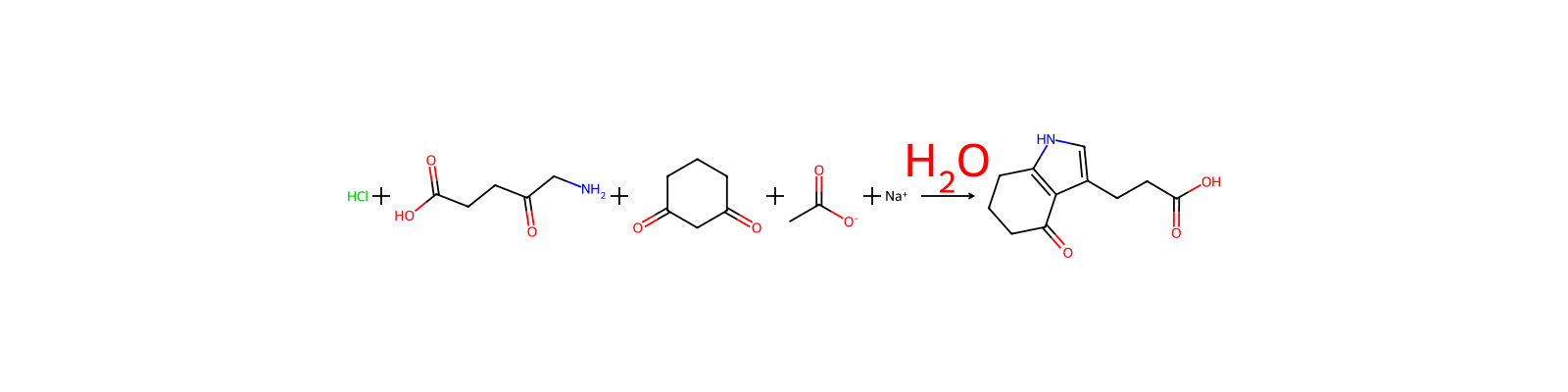
HRID 24337As reactant

5451-09-2Cl.NCC(=O)CCC(=O)OZLHFONARZHCSET-UHFFFAOYSA-N5-aminolevulinic acid hydrochloride is a hydrochloride that is the monohydrochloride of 5-aminolevulinic acid. It is metabolised to protoporphyrin IX, a photoactive compound which accumulates in the skin. Used in combination with blue light illumination for the treatment of minimally to moderately thick actinic keratosis of the face or scalp. It has a role as an antineoplastic agent, a photosensitizing agent, a dermatologic drug and a prodrug. It contains a 5-ammoniolevulinic acid.
5451-09-2DTXSID5045914CHEMBL1200582Breast Feeding; Lactation; Milk, Human; Dermatologic Agents; Photosensitizing Agents
FDA approved drugs -> Active ingredient
EMA approved medicines: Human medicine
EMA approved medicines: Human medicine
FDA approved drugs -> Active ingredient
Safety information is for reference only and does not replace the supplier’s Safety Data Sheet (SDS), applicable regulations, or professional assessment.
According to the presumed mechanism of action, photosensitization following application of aminolevulinic acid (ALA) topical solution occurs through the metabolic conversion of ALA to protoporphyrin IX (PpIX), which accumulates in the skin to which aminolevulinic acid has been applied. When exposed to light of appropriate wavelength and energy, the accumulated PpIX produces a photodynamic reaction, a cytotoxic process dependent upon the simultaneous presence of light and oxygen. The absorption of light results in an excited state of the porphyrin molecule, and subsequent spin transfer from PpIX to molecular oxygen generates singlet oxygen, which can further react to form superoxide and hydroxyl radicals. Photosensitization of actinic (solar) keratosis lesions using aminolevulinic acid, plus illumination with the BLU-UTM Blue Light Photodynamic Therapy Illuminator (BLU-U), is the basis for aminolevulinic acid photodynamic therapy (PDT).
AMINOLEVULINIC ACID HYDROCHLORIDE
Fluorescence Contrast Activity [MoA]; Porphyrinogens [CS]; Porphyrin Precursor [EPC]; Optical Imaging Agent [EPC]
Drugs that are pharmacologically inactive but when exposed to ultraviolet radiation or sunlight are converted to their active metabolite to produce a beneficial reaction affecting the diseased tissue. These compounds can be administered topically or systemically and have been used therapeutically to treat psoriasis and various types of neoplasms.
Description5-Aminolevulinic acid hydrochloride (5-ALA) is a naturally occurring amino acid that is an intermediate in the biosynthesis of chlorophyll and haemoglobin. It has anti-inflammatory, antioxidant and antitumour activities, and 5-Aminolevulinic acid hydrochloride-mediated sonodynamic therapy (SDT) has antitumour effects on pancreatic cancer cells. In addition, it is a visualising agent that causes high-grade gliomas to fluoresce under blue light, which can help guide surgeons in removing tumours and is considered a useful imaging tool for brain tumour resection.
UsesNaturally occurring amino acid; precursor of tetrapyrroles in the biosynthesis of chlorophyll and heme. Antineoplastic (photosensitizer).
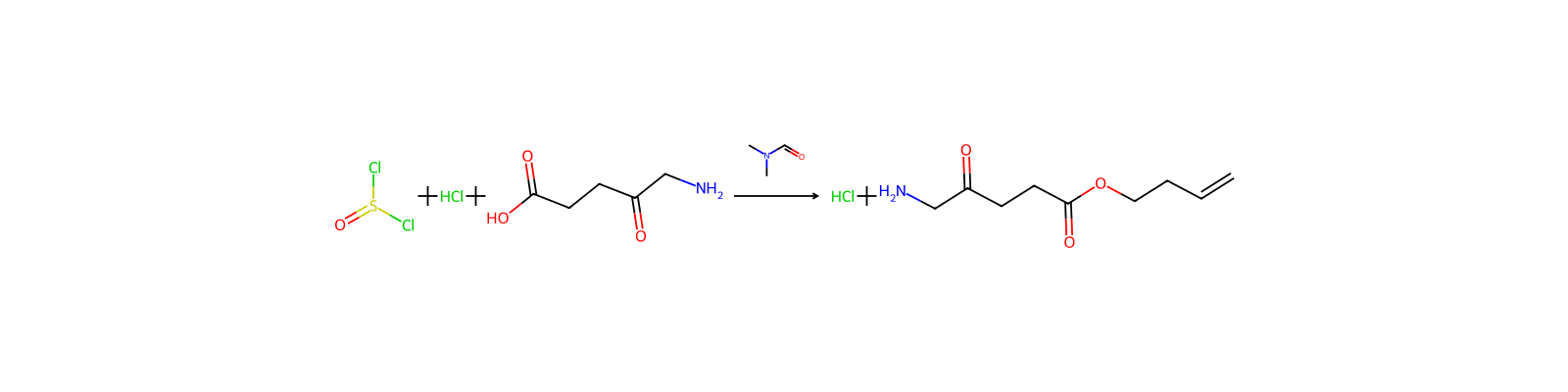


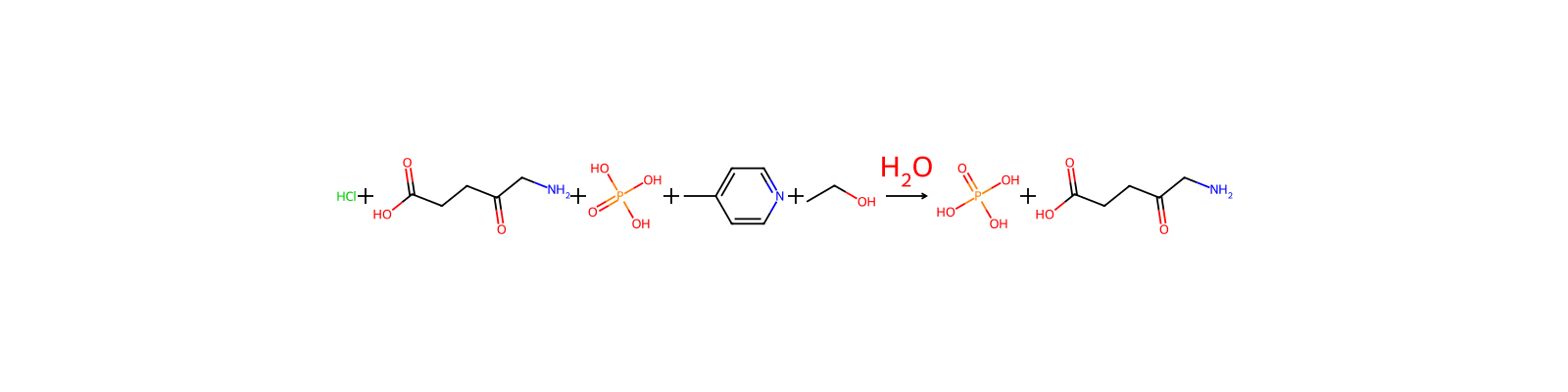


CHEBI:132969Uses5-Aminolevulinic acid hydrochloride has been used as a supplement for culturing Escherichia coli cells for heme biosynthesis.
Uses5-Aminolevulinic acid hydrochloride (5-ALA) finds an important role as a precursor in the synthesis of tetrapyrroles such as chlorophyll and heme. It is widely utilized in photodynamic therapy of diseases namely, Pagets disease and human papillomavirus (HPV) infection-associated cervical condylomata acuminata.
DefinitionChEBI: 5-aminolevulinic acid hydrochloride (5-ALA) is a hydrochloride that is the monohydrochloride of 5-aminolevulinic acid. It is metabolised to protoporphyrin IX, a photoactive compound which accumulates in the skin. Used in combination with blue light illumination for the treatment of minimally to moderately thick actinic keratosis of the face or scalp. It has a role as an antineoplastic agent, a photosensitizing agent, a dermatologic drug and a prodrug. It contains a 5-ammoniolevulinic acid.