Reaction equation
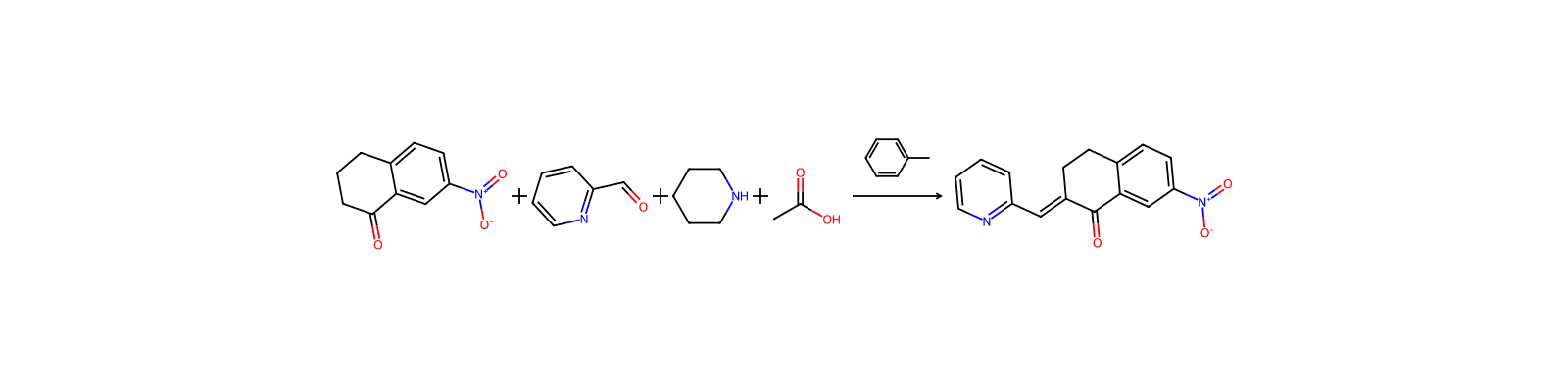
[N+:1]([C:4]1[CH:13]=[C:12]2[C:7]([CH2:8][CH2:9][CH2:10][C:11]2=[O:14])=[CH:6][CH:5]=1)([O-:3])=[O:2].[N:15]1[CH:20]=[CH:19][CH:18]=[CH:17][C:16]=1[CH:21]=O.N1CCCCC1.C(O)(=O)C>C1(C)C=CC=CC=1>[N+:1]([C:4]1[CH:13]=[C:12]2[C:7]([CH2:8][CH2:9][C:10](=[CH:21][C:16]3[CH:17]=[CH:18][CH:19]=[CH:20][N:15]=3)[C:11]2=[O:14])=[CH:6][CH:5]=1)([O-:3])=[O:2]Participants
6




Procedure
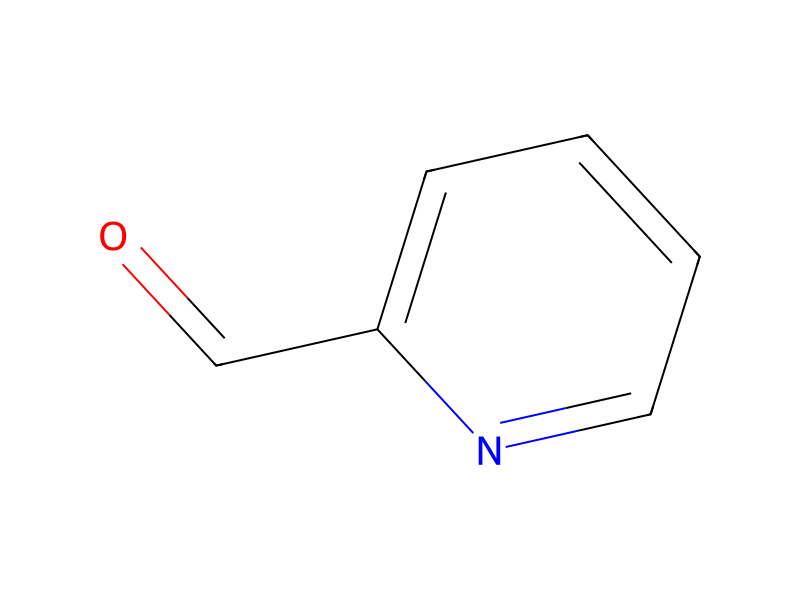
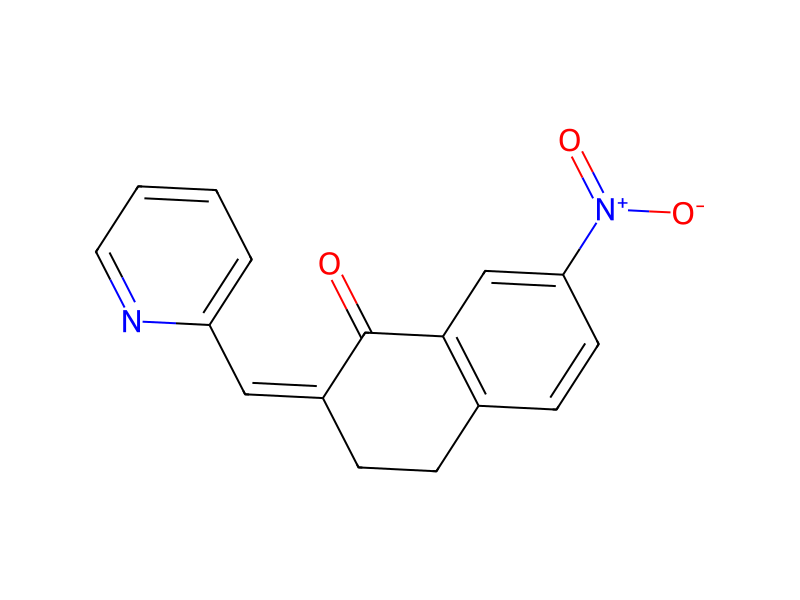
7-Nitro-1-tetralone (500 mg), pyridine-2-aldehyde (315 mg), piperidine (0.15 ml) and acetic acid (0.4 ml) are dissolved in toluene (10 ml), and the mixture is heated under reflux for 12 hours. The reaction solution is washed with water, and the organic layer is dried over sodium sulfate. The solvent is evaporated under reduced pressure. The residue is purified by silica gel chromatography (eluent: gradient from 0% to 100% hexane/ethyl acetate) to give 7-nitro-1-oxo-2-(2-pyridylmethylidene)-1,2,3,4-tetrahydronaphthalene (140 mg).
Workup
- temperaturethe mixture is heated
- temperatureunder reflux for 12 hours
- washThe reaction solution is washed with water
- dry with materialthe organic layer is dried over sodium sulfate
- customThe solvent is evaporated under reduced pressure
- customThe residue is purified by silica gel chromatography (eluent: gradient from 0% to 100% hexane/ethyl acetate)
Sources & evidence
- ORD record
- ord-8189913a89c34604a80c6e562e94b274
- Source dataset
- uspto-grants-2006_08
- Patent number
- US07084176B2
Linked notes
Loading…