HomeMCPWorkbenchSkills
HomeWorkbenchNotificationsMe
llms.txt · MCP GuidePrivacy Policy · Terms of Service · Supportv1.8.3
  1. Home
  2. /Compound

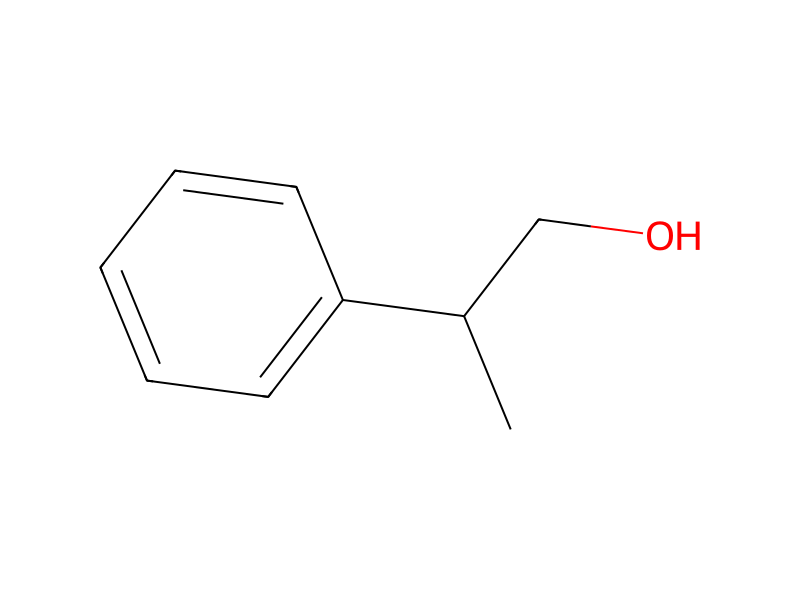
2-Phenyl-1-propanol

HCID 14295
New reaction
Print
Basic informationOverviewNames & identifiersPropertiesSafety & regulationChemistry & industryRelated reactionsCompound notes
Substructure searchFind similar structures

Basic information

CAS
1123-85-9
Standard SMILES
CC(CO)c1ccccc1
InChIKey
RNDNSYIPLPAXAZ-UHFFFAOYSA-N
Molecular formula
C9H12O
Average molar mass
136.19 g/mol
Monoisotopic mass
136.088815

Overview

2-Phenyl-1-propanol is a member of benzenes.

Names & identifiers

Preferred name
2-Phenyl-1-propanol
IUPAC
2-phenylpropan-1-ol
English name
beta-Methylphenethyl alcohol
Molecular formula
C9H12O
Molecular weight
136.19

Names & synonyms

2-Phenylpropan-1-ol2-Phenyl-1-propanol1123-85-9Hydratropic alcoholbeta-Methylphenethyl alcohol2-Phenylpropyl alcoholHydratropyl alcohol1-Hydroxy-2-phenylpropane2-Phenylpropanol-11-Propanol, 2-phenyl-Benzeneethanol, beta-methyl-FEMA No. 2732
Show more names
FEMA 27322-PHENYL PROPYL ALCOHOL3-Bromo-β2-phenylpropan-HYDRATROPAALKOHOLhydratropylalcohol
DTXSID8037756NSC-523227ZYZ88DWUPHENETHYL ALCOHOL, beta-METHYL-DTXCID6017756RefChem:478219214-379-7Benzeneethanol, .beta.-methyl-

Database identifiers

CAS
1123-85-9
PubChem CID
14295
DTXSID
DTXSID8037756
ChEMBL
CHEMBL2323841
ChEBI
CHEBI:193640
UNII
27ZYZ88DWU
EC Number
214-379-7
Nikkaji
J69.580G

Properties

Computed structural properties

XLogP
2.4
Topological polar surface area
20.2 Ų
Hydrogen bond donors
1
Hydrogen bond acceptors
1
Rotatable bonds
2
Heavy atoms
10
Formal charge
0
Complexity
84.7

Experimental & physicochemical properties

PolymersOther Classes -> Alcohols and Polyols, Other
FragrancesFragrance Ingredient (beta-Methylphenethyl alcohol) -> IFRA transparency List
Food AdditivesFLAVORING AGENT OR ADJUVANT -> FDA Substance added to food
Density0.971-0.978
Flavoring AgentsEU Flavoring substances
Solubility · 2 items

Soluble in oils; Slightly soluble in water

Soluble (in ethanol)

Boiling Point · 2 items

113.00 to 114.00 °C. @ 14.00 mm Hg

219 °C

Refractive Index1.523-1.530
Physical Description · 2 items

Colorless liquid; [Alfa Aesar MSDS]

Colourless liquid; Sweet floral lilac, hyacinth type aroma

Physicochemical properties

Melting point
-37 °C · -37 °C
Boiling point
223 °C · 223 °C
Density
1 · 1.00
vapor pressure
3.45 hPa · 3.45hPa at 25℃
FEMA
2732 · 2732 | BETA-METHYLPHENETHYL ALCOHOL
refractive index
1.52 · 1.52
FLAVIS Number
2.073 · 02.073 | 2-Phenylpropan-1-ol
Flash point
94 °C · 94 °C
storage temp.
Sealed in dry,Room Temperature
pka
14.79 · 14.79±0.10(Predicted)
form
clear liquid
color
Colorless to Almost colorless
Specific Gravity
1.015 · 1.015
Odor
100 % · at 100.00 %. green spicy hyacinth balsam lilac honeysuckle
Odor Type
balsamic
biological source
synthetic
Water Solubility
insoluble
JECFA Number
1459 · 1459
BRN
1906760 · 1906760
Major Application
flavors and fragrances
Cosmetics Ingredients Functions
PERFUMING
InChI
1S/C9H12O/c1-8(7-10)9-5-3-2-4-6-9/h2-6,8,10H,7H2,1H3
InChIKey
RNDNSYIPLPAXAZ-UHFFFAOYSA-N
SMILES
CC(CO)c1ccccc1
LogP
1.8 at · 1.8 at 20℃
CAS DataBase Reference
1123 · 1123-85-9(CAS DataBase Reference)
Substances Added to Food (formerly EAFUS)
BETA-METHYLPHENETHYL ALCOHOL
FDA UNII
27 ZYZ88DWU · 27ZYZ88DWU
NIST Chemistry Reference
Benzeneethanol, «beta»-methyl-(1123-85-9)
EPA Substance Registry System
Benzeneethanol, .beta.-methyl- (1123-85-9)
UNSPSC Code
12352100 · 12352100
NACRES
22 · NA.22
Symbol(GHS)
7 · GHS07
Signal word
Warning
Hazard statements
302 · H302
Precautionary statements
280 f · P280f
PPE
Eyeshields, Gloves, multi-purpose combination respirator cartridge (US)
Hazard Codes
Xn
Risk Statements
22 · 22
Safety Statements
23 · 23-24/25-36
WGK Germany
2 · 2
RTECS
8590000 · SG8590000
TSCA
TSCA listed
HS Code
2906299090 · 2906299090
Storage Class
10 · 10 - Combustible liquids
REACH Registrations
Active

Safety & regulation

Safety information is for reference only and does not replace the supplier’s Safety Data Sheet (SDS), applicable regulations, or professional assessment.

GHS classification

GHS Classification · 3 items

This chemical does not meet GHS hazard criteria for 93.1% (268 of 288) of all reports.

Not Classified

Aggregated GHS information provided per 288 reports by companies from 5 notifications to the ECHA C&L Inventory.

Hazard information

Regulatory Information · 4 items

Chemical: Benzeneethanol, .beta.-methyl-

Commission Regulation (EC) No 1565/2000 (Repealed by Com. Implementing Reg. (EU) No 872/2012)

REACH registered substance: 2-phenylpropan-1-ol (EC: 214-379-7)

Benzeneethanol, .beta.-methyl-: Does not have an individual approval but may be used under an appropriate group standard

Other Safety InformationEvaluation - Chemicals that are unlikely to require further regulation to manage risks to environment
Hazards Summary · 1 item

Causes changes in liver, bladder, and kidney weights, changes in erythrocyte count, normocytic anemia, and weight loss in 13-week oral studies of rats; [RTECS] Safe when used as a flavoring agent in food; [JECFA] May cause irritation; Harmful by ingestion; [Alfa Aesar MSDS]

Hazard Classes and CategoriesNot Classified

Safety data

PPE
Eyeshields, Gloves, multi-purpose combination respirator cartridge (US)
wgk
2
tsca
TSCA listed
rtecs
SG8590000
hs_code
2906299090
risk_code
22
Signal word
Warning
Symbol(GHS)
GHS07
hazard_code
Xn
safety_code
23-24/25-36
Storage Class
10 - Combustible liquids
Hazard statements
H302
REACH Registrations
Active
Precautionary statements
P280f

Chemistry & industry

Pharmacology

Cellular LocationsCytoplasm

Uses & manufacturing

UsesUsed as a flavoring agent; [FDA]
Use Classification · 4 items

Fragrance Ingredients

Flavouring Agent -> FLAVOURING_AGENT -> JECFA Functional Classes

Flavoring Agents -> JECFA Flavorings Index

Flavouring Agent -> FLAVOURING_AGENT -> JECFA Functional Classes

General Manufacturing InformationBenzeneethanol, .beta.-methyl-: ACTIVE
Applications · 3 items

Descriptionβ-Methylphenethyl alcohol has a faint, aromatic odor reminiscent of hyacinth. May be prepared by reduction of the corresponding aldehyde with zinc and acetic acid and subsequent saponification of the sodium salt; two optically active isomers (d- and l-) are known.

Uses2-Phenyl-1-propanol was used to study the synergism between enzyme catalysis and microwave irradiation.

General DescriptionThe mass spectra of 2-phenyl-1-propanol was studied by positive- and negative-ion-fast atom bombardment-mass spectrometric ionization technique.

Preparation methods

PreparationBy reduction of the corresponding aldehyde with zinc and acetic acid and subsequent saponification of the sodium salt; two optically active isomers (d- and l-) are known

Upstream & downstream products

Upstream raw materials

2-PhenylpropionaldehydeSodium borohydride

Downstream products

2-Phenylpropionaldehyde

Additional notes

DefinitionChEBI: 2-Phenyl-1-propanol is a member of benzenes.

Related reactions

32 records
New reaction record
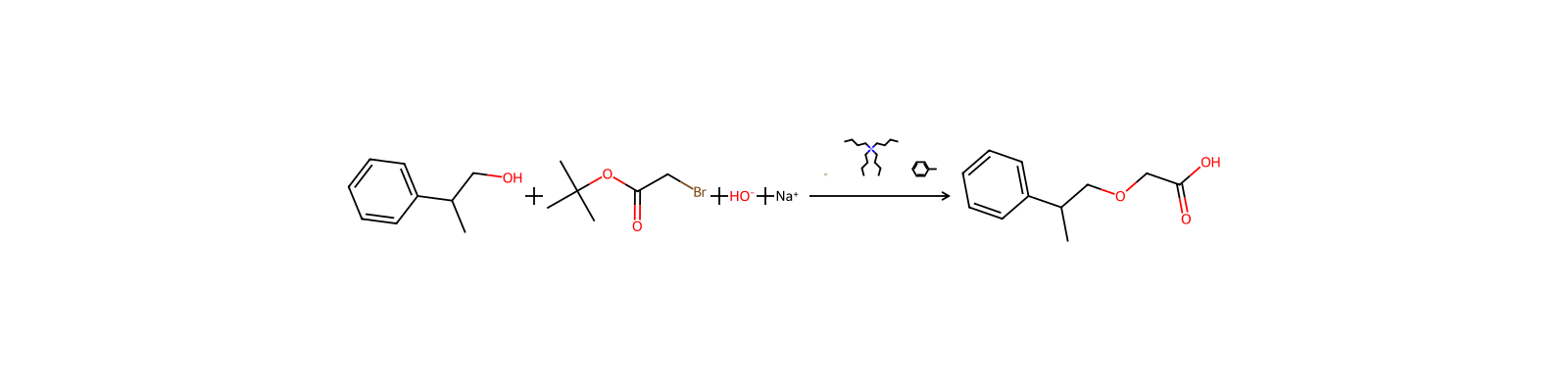
HRID 368825 reaction equation
HRID 368825As product
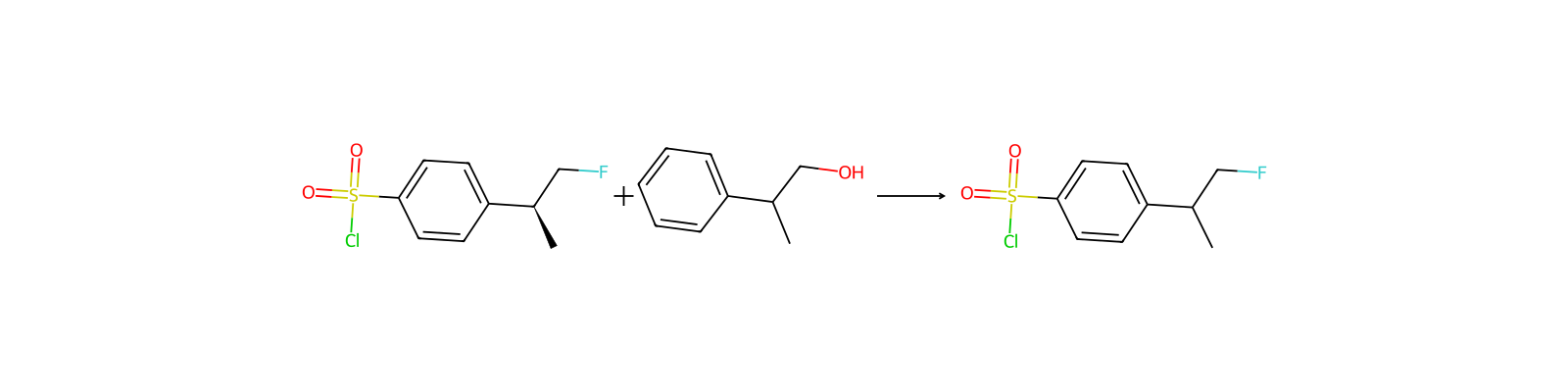
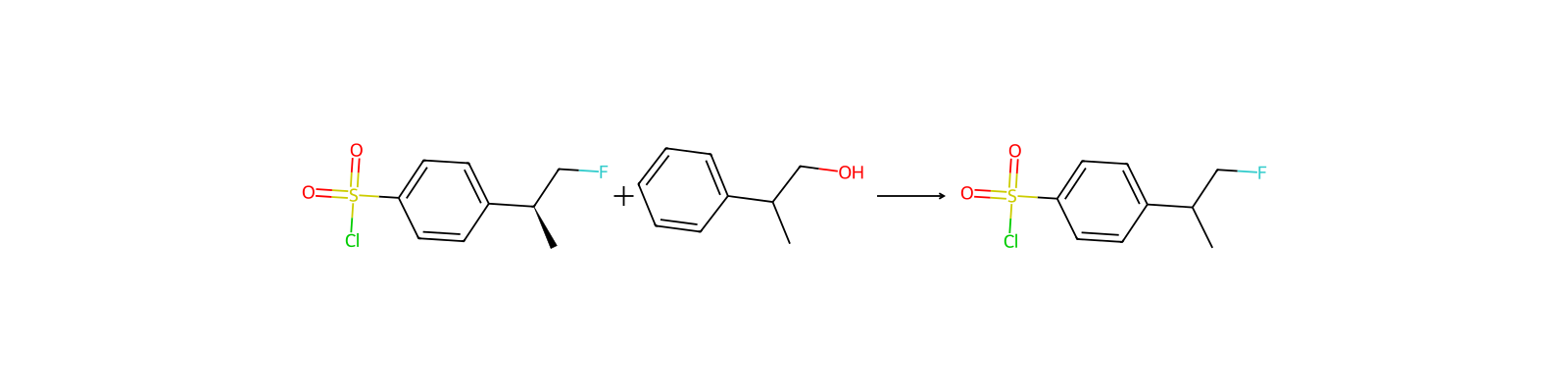
HRID 390301 reaction equation
HRID 390301As reactant
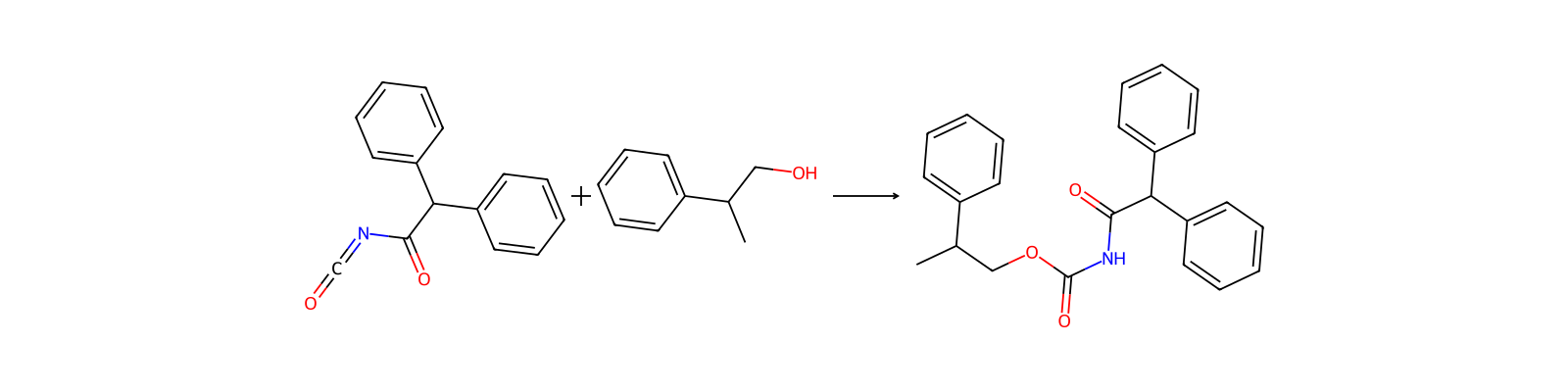
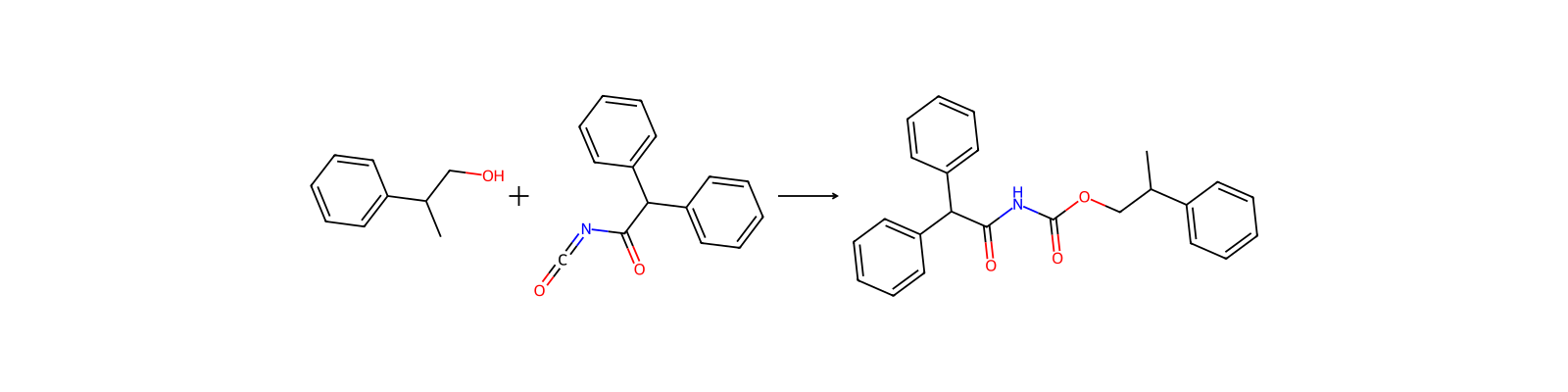
HRID 392701 reaction equation
HRID 392701As reactant
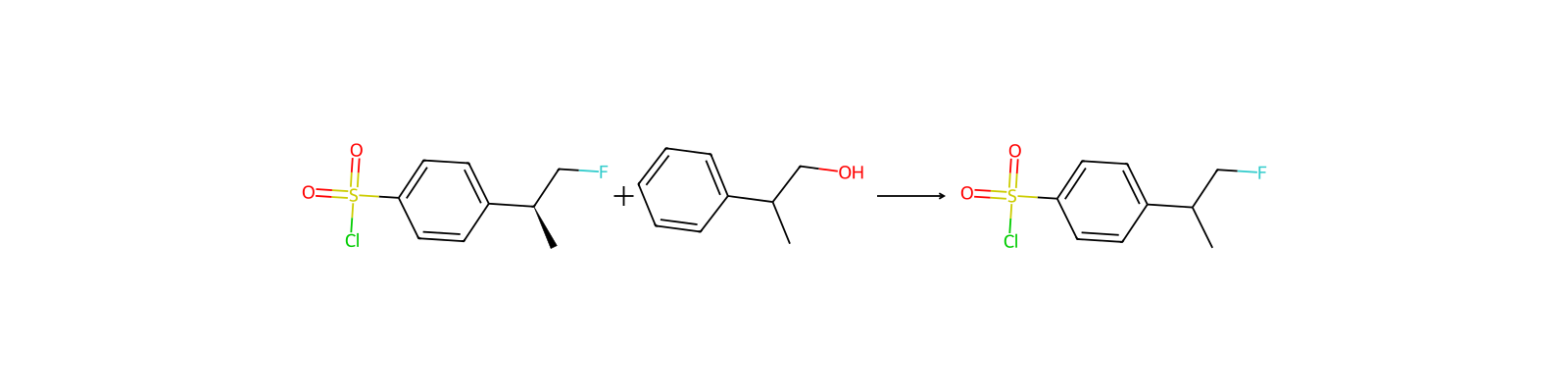
HRID 450712 reaction equation
HRID 450712As reactant
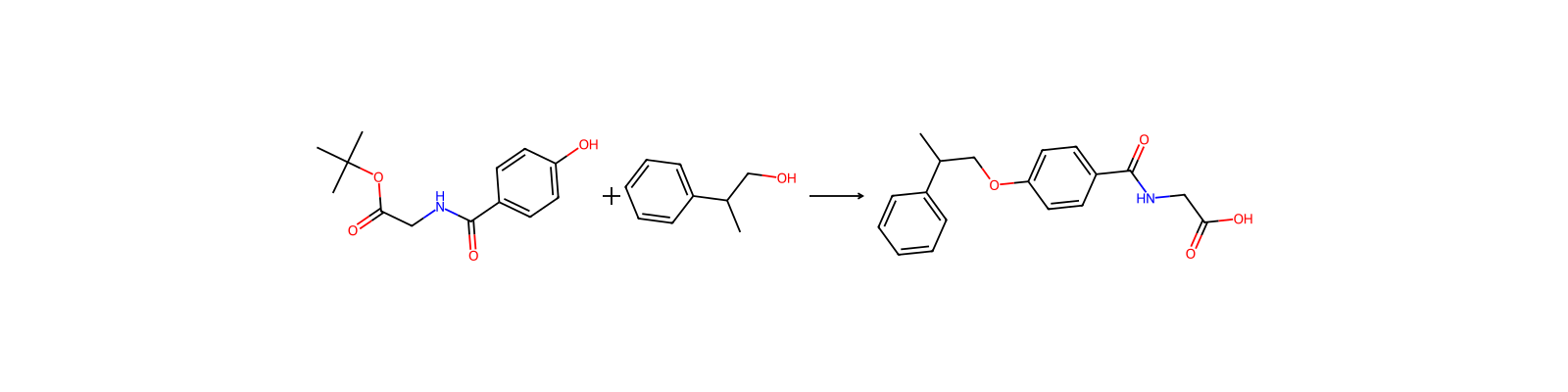
HRID 456304 reaction equation
HRID 456304As reactant
HRID 613754 reaction equation
HRID 613754As reactant
HRID 870340 reaction equation
HRID 870340As reactant
HRID 946325 reaction equation
HRID 946325As reactant
PreviousPage 1 of 4

Compound notes

On this pageBasic informationOverviewNames & identifiersPropertiesSafety & regulationChemistry & industryRelated reactionsCompound notes