HomeMCPWorkbenchSkills
HomeWorkbenchNotificationsMe
llms.txt · MCP GuidePrivacy Policy · Terms of Service · Supportv1.8.3
  1. Home
  2. /Compound

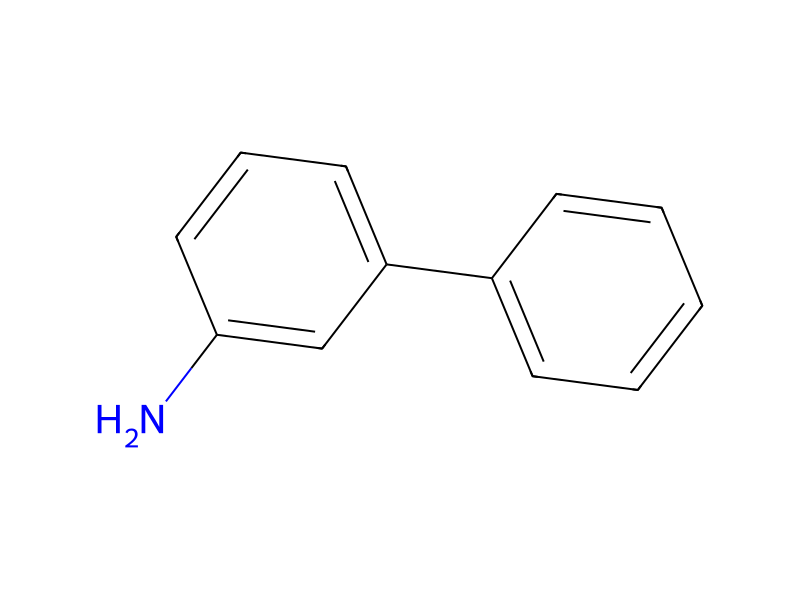
3-Aminobiphenyl

HCID 16717
New reaction
Print
Basic informationOverviewNames & identifiersPropertiesSafety & regulationChemistry & industryRelated reactionsCompound notes
Substructure searchFind similar structures

Basic information

CAS
2243-47-2
Standard SMILES
Nc1cccc(-c2ccccc2)c1
InChIKey
MUNOBADFTHUUFG-UHFFFAOYSA-N
Molecular formula
C12H11N
Average molar mass
169.22 g/mol
Monoisotopic mass
169.08914936

Overview

3-Aminobiphenyl is an amine derivative of biphenyl. It is used to manufacture azo dyes. It is a known human carcinogen[2] and so it has been largely replaced by less toxic compounds.

Names & identifiers

Preferred name
3-Aminobiphenyl
IUPAC
3-phenylaniline
English name
3-Aminobiphenyl
Molecular formula
C12H11N
Molecular weight
169.22

Names & synonyms

3-Aminobiphenyl2243-47-2m-Aminobiphenyl3-BIPHENYLAMINEm-PhenylanilineP632PQP3U1DTXSID2036825RefChem:497716DTXCID0016825675-679-53-Phenylaniline[1,1'-Biphenyl]-3-amine
Show more names
AKOS BAR-2291AMINOBIPHENYL(3-)
biphenyl-3-aminebiphenyl-3-ylamine3-Aminodiphenyl(1,1'-Biphenyl)-3-amineMFCD00047846CHEMBL16426843-AMINO-1,1'-BIPHENYL3-phenylphenylamine

Database identifiers

CAS
2243-47-2、41674-04-8
PubChem CID
16717
DTXSID
DTXSID2036825
ChEMBL
CHEMBL1642684
UNII
P632PQP3U1
EC Number
675-679-5
Nikkaji
J70.024J

Properties

Computed structural properties

XLogP
3.3
Topological polar surface area
26 Ų
Hydrogen bond donors
1
Hydrogen bond acceptors
1
Rotatable bonds
1
Heavy atoms
13
Formal charge
0
Complexity
149

Experimental & physicochemical properties

SpringerMaterials Properties13C nuclear magnetic resonance spectrum

Physicochemical properties

Melting point
31 · 31–31.5 °C (87.8–88.7 °F; 304.1–304.6 K)
Boiling point
177 · 177–8 °C (351–46 °F; 450–281 K)
Density
1.077 g/cm3 · 1.077 g/cm3
refractive index
1.6125 · 1.6125 (estimate)
Flash point
110 °C · > 110 °C - closed cup
storage temp.
Keep in dark place,Inert atmosphere,Room temperature
solubility
soluble in Methanol
pka
4.25 · 4.25(at 18℃)
form
solid
color
white
InChI
1S/C12H11N/c13-12-8-4-7-11(9-12)10-5-2-1-3-6-10/h1-9H,13H2
InChIKey
MUNOBADFTHUUFG-UHFFFAOYSA-N

Safety & regulation

Safety information is for reference only and does not replace the supplier’s Safety Data Sheet (SDS), applicable regulations, or professional assessment.

GHS classification

GHS Classification · 4 items

Warning

H302 (97.6%): Harmful if swallowed [Warning Acute toxicity, oral]

P261, P264, P264+P265, P270, P271, P280, P301+P317, P302+P352, P304+P340, P305+P351+P338, P319, P321, P330, P332+P317, P337+P317, P362+P364, P403+P233, P405, and P501 (click each P-code to see the statement)

Aggregated GHS information provided per 42 reports by companies from 5 notifications to the ECHA C&L Inventory. Each notification may be associated with multiple companies.

Hazard information

Hazard Classes and CategoriesAcute Tox. 4 (97.6%)

Toxicology

Carcinogen ClassificationNot listed by IARC.

Safety data

wgk
3
rtecs
DU8900000
ridadr
UN2811
hs_code
2921499090
risk_code
20/21/22-36/37/38-51-22
Signal word
Warning
Symbol(GHS)
GHS07
hazard_code
Xi,Xn,N
hazard_note
Irritant
safety_code
26-36/37/39-36-61-45-25-24
hazard_class
6.1

Chemistry & industry

Uses & manufacturing

UsesIt is used to manufacture azo dyes.

Applications

UsesProduct of smoking tobacco

Upstream & downstream products

Upstream raw materials

Palladium (II) AcetateSilica gelHexaneAcetonitrileTetrabutylammonium bromideSodium sulfateSodium chloridePhenylboronic acidPalladiumTetrakis(triphenylphosphine)palladiumPotassium phosphate tribasicEthyl acetateSodium hydroxideDimethyl ether3-Bromoaniline1,2-DimethoxyethanePetroleum ether

Related reactions

111 records
New reaction record
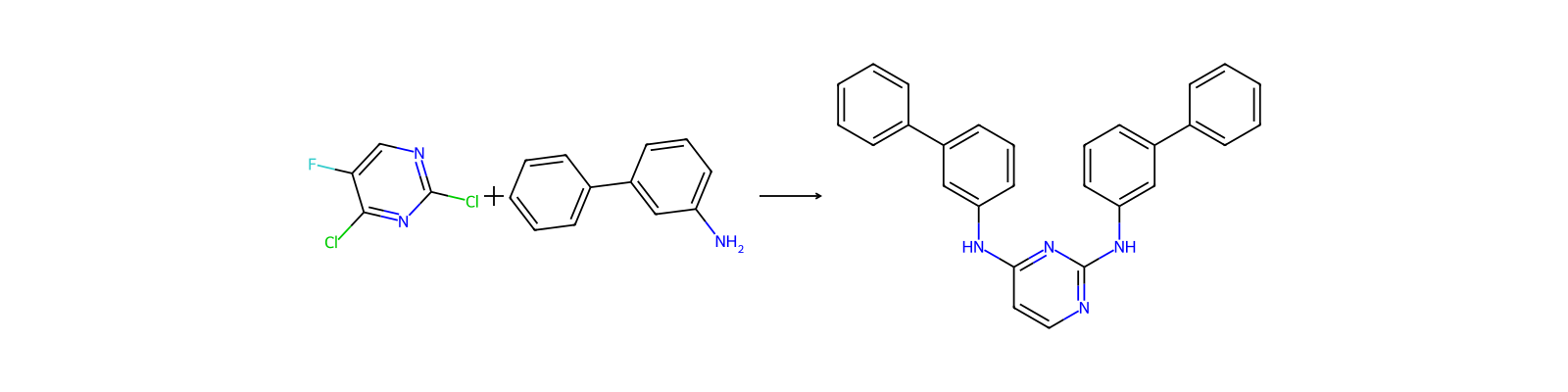
HRID 9359 reaction equation
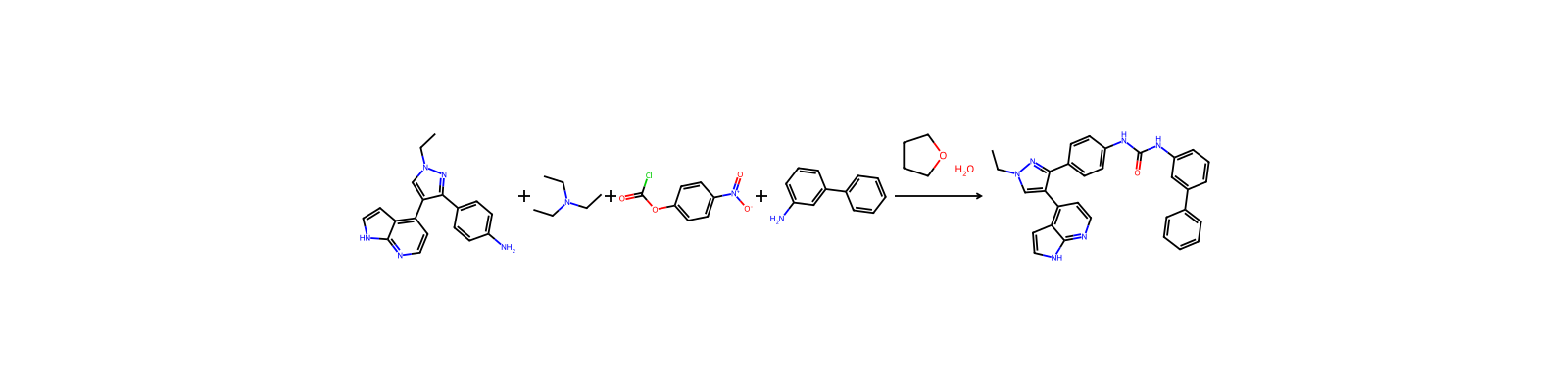
HRID 9359As reactant
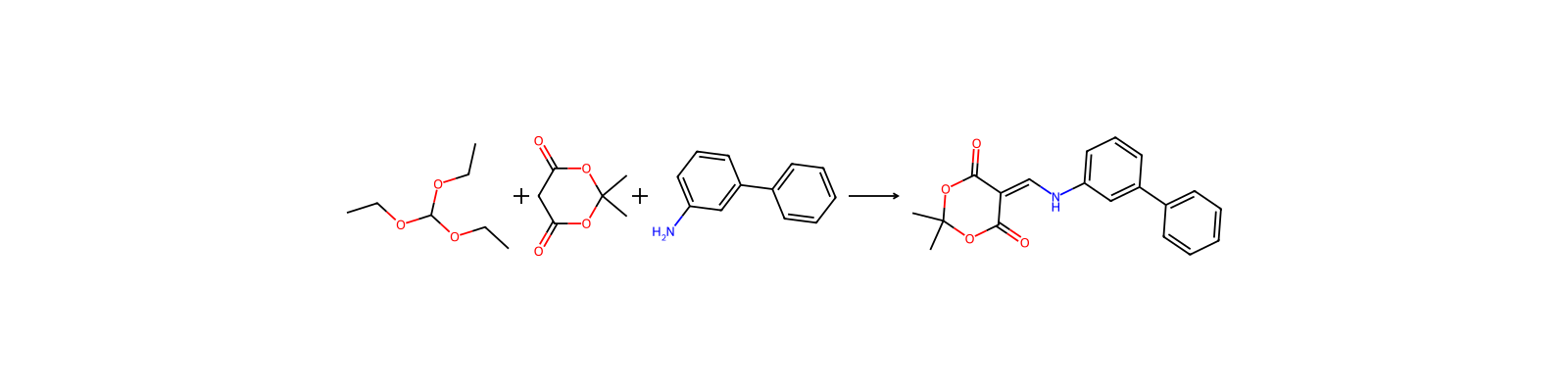
HRID 28856 reaction equation
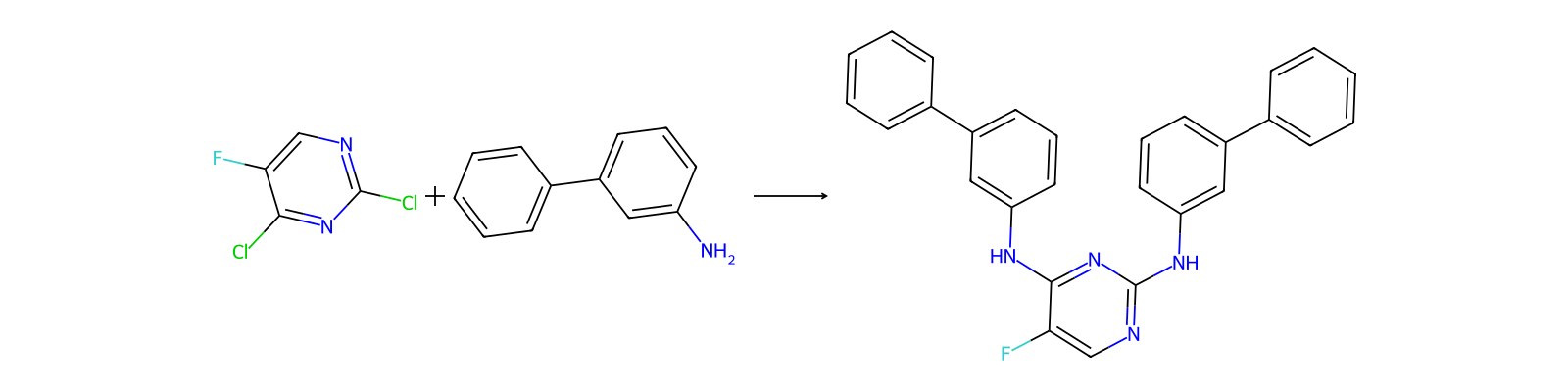
HRID 28856As reactant
HRID 63209 reaction equation
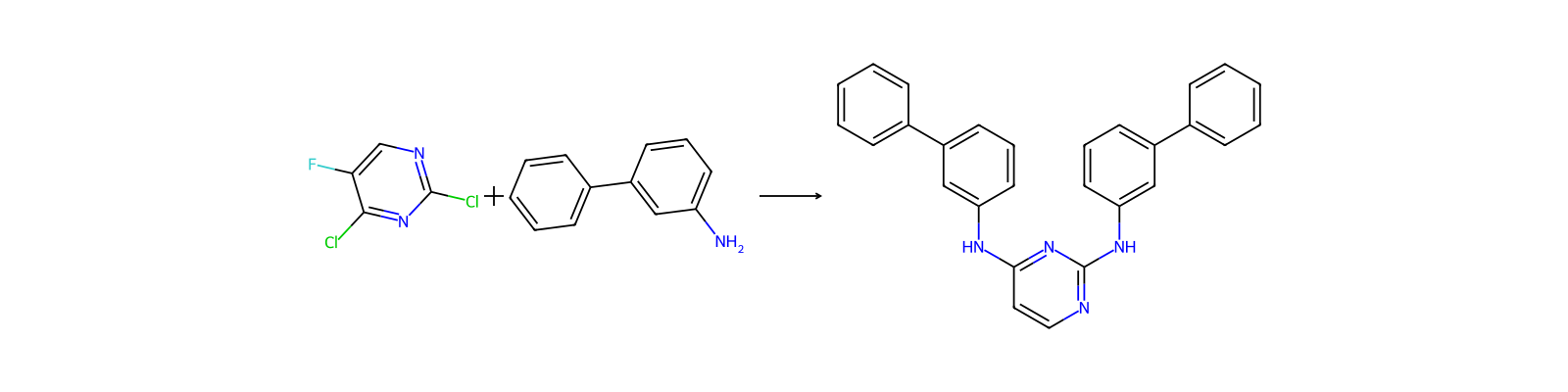
HRID 63209As reactant
HRID 70036 reaction equation
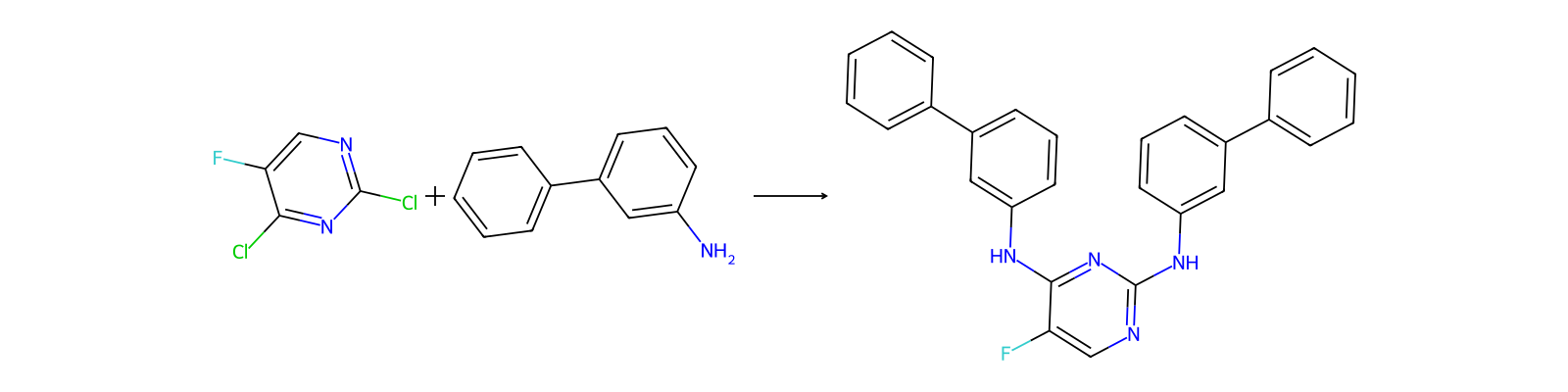
HRID 70036As reactant
HRID 71373 reaction equation
HRID 71373As reactant
HRID 71628 reaction equation
HRID 71628As reactant
HRID 76482 reaction equation
HRID 76482As reactant
HRID 76739 reaction equation
HRID 76739As reactant
PreviousPage 1 of 14

Compound notes

On this pageBasic informationOverviewNames & identifiersPropertiesSafety & regulationChemistry & industryRelated reactionsCompound notes
SMILES
Nc1cccc(c1)-c2ccccc2
CAS DataBase Reference
2243 · 2243-47-2(CAS DataBase Reference)
EWG's Food Scores
1 · 1
FDA UNII
632 PQP3U1 · P632PQP3U1
Comptox DTXSID
2036825 · DTXSID2036825
UNSPSC Code
12352100 · 12352100
NACRES
22 · NA.22
Symbol(GHS)
7 · GHS07
Signal word
Warning
Hazard statements
302 · H302-H315-H319-H335
Precautionary statements
261 · P261-P264-P270-P301+P312-P302+P352-P305+P351+P338
target organs
Respiratory system
Hazard Codes
Xi,Xn,N
Risk Statements
20 · 20/21/22-36/37/38-51-22
Safety Statements
26 · 26-36/37/39-36-61-45-25-24
RIDADR
2811 · UN2811
WGK Germany
3 · 3
RTECS
8900000 · DU8900000
Hazard Note
Irritant
HazardClass
6.1 · 6.1
PackingGroup
III
HS Code
2921499090 · 2921499090
Storage Class
11 · 11 - Combustible Solids
Hazard Classifications
4 OralEye · Acute Tox. 4 OralEye Irrit. 2Skin Irrit. 2STOT SE 3
Limited Quantities
5 kg · 5.0 kg (11 lbs) (solid)
Excepted Quantities
Max Inner Pack (30g or 30ml) and Max Outer Pack (1Kg or 1L)
Storage Class
11 - Combustible Solids
packing_group
III
target organs
Respiratory system
Hazard statements
H302-H315-H319-H335
Limited Quantities
5.0 kg (11 lbs) (solid)
Excepted Quantities
Max Inner Pack (30g or 30ml) and Max Outer Pack (1Kg or 1L)
Hazard Classifications
Acute Tox. 4 OralEye Irrit. 2Skin Irrit. 2STOT SE 3
Precautionary statements
P261-P264-P270-P301+P312-P302+P352-P305+P351+P338
Sodium carbonate