ヨウ化銅
Copper(1+) iodide; Copper(I) iodide; Cuprous iodide; Cuprous iodide (CuI)

基本情報
- CAS
7681-65-4- 標準SMILES
[Cu][I]- InChIKey
LSXDOTMGLUJQCM-UHFFFAOYSA-M- 分子式
- CuI
- 平均分子量
- 190.45 g/mol
- 単同位体質量
- 189.83407
概要
See also: Cuprous iodide (preferred).
名称と識別子
- 優先名称
- Copper(1+) iodide; Copper(I) iodide; Cuprous iodide; Cuprous iodide (CuI)
- IUPAC
- iodocopper
- 現地名
- ヨウ化銅
- 英語名
- Cuprous iodide
- 分子式
- CuI
- 分子量
- 190.45
名称と別名
Copper(1+) iodide; Copper(I) iodide; Cuprous iodide; Cuprous iodide (CuI)copper(1)iodidecopper (I)iodidecopper(I)-iodidecopper-(I)iodidecopper(1) iodidecopper (I)-iodidecopper(I)- iodidecopper-(I) iodidecopper-(I)-iodideiodide copper (I)cop-per(1) iodide
名称をさらに表示
よう化第一銅(CuI)銅(I)ヨージドよう化銅(I)(CuI)ヨード銅(I)ヨウ化第一ヨウ化第一銅よう化銅(I)ヨウ化銅(Ⅰ)よう化銅(Ⅰ)〔第一〕よう化銅(I)(よう化第一銅)よう化第一銅(Ⅰ)ヨウ化銅(ICOPPER(I) IODIDE, PURATRONIC®, 99.998% (METALS BASIS)よう化銅(I), 99.5%ヨウ化銅ヨウ化銅ヨウ化銅よう化銅(I) (99.999%-Cu) PURATREMよう化銅(I), Puratronic®, 99.998% (metals basis)よう化銅(I), 98%CuICOPPER IODIDECOPPER(I) IODIDEIodocopperCopper iodide (CuI)MarshiteCooper IodideCoprous iodideHydro-gieneIodocopper(I)
copper (1) iodidecopper (1+) iodideCopper(I) iodide, 98%SCHEMBL2388orb2900887SCHEMBL38809028HY-Y0961AKOS015902661
データベース識別子
- CAS
7681-65-4- PubChem CID
- 24350
物性
構造計算による物性
- 極性表面積
- 0 Ų
- 水素結合供与体数
- 0
- 水素結合受容体数
- 0
- 回転可能結合数
- 0
- 重原子数
- 2
- 形式電荷
- 0
- 複雑度
- 2
物理化学的性質
- 融点
- 605 °C · 605 °C (lit.)
- 沸点
- 1290 °C/1 · 1290 °C/1 atm (decomp)(lit.)
- 比重(密度)
- 5.62 g/mL · 5.62 g/mL at 25 °C (lit.)
- 蒸気圧
- 10 mm · 10 mm Hg ( 656 °C)
- 屈折率
- 2.346 · 2.346
- 闪点
- 1290 °C · 1290°C
- 貯蔵温度
- 30 °C · Store below +30°C.
- 溶解性
- 希酸水溶液: 不溶(lit.)
- 外見
- 粉
- 比重
- 5.62 · 5.62
- 色
- 白色~薄茶色
- 水溶解度
- 不溶性
- 比熱容量
- 0.28 J/ · Cp(crystal): 0.28 J/(g·K), at 25℃
- Merck
- 14 · 14,2662
- 化粧品成分の機能
- デオドラント抗菌剤
- InChI
- 1S/Cu.HI/h;1H/q+1;/p-1
- InChIKey
- LSXDOTMGLUJQCM-UHFFFAOYSA-M
- SMILES
- [Cu+].[I-]
- Hardness, Mohs
- 2.5 · 2.5
- Knoop Microhardness
- 192 · 192, N/mm2
- CAS データベース
- 7681 · 7681-65-4(CAS DataBase Reference)
安全と法規制
安全情報は参考情報です。供給元の安全データシート(SDS)、適用法令、専門家による評価に代わるものではありません。
危険有害性情報
CSL Reaction Information
CSL00139
CUPROUS IODIDE + 4-AZIDO-L-PHENYLALANINE
Explosion hazard
Explosive
AZIDE
User-Reported
安全データ
- F
- 8
- wgk
- 3
- tsca
- TSCA listed
- ridadr
- UN 3077 9/PG 3
- hs_code
- 28276000
- risk_code
- 22-36/37/38-50/53
- 化審法
- 1-295
- 安衛法
- 57,57-2
- hazard_code
- Xn,N,Xi
- safety_code
- 22-24/25-26-61-57-37/39-29
- hazard_class
- 9
- 毒劇物取締法
- III
- Hazard Classifications
- Acute Tox. 4 OralAquatic Acute 1Aquatic Chronic 1Eye Dam. 1Skin Irrit. 2Skin Sens. 1ASTOT RE 1 Oral
- ストレージクラス
- 6.1D - Non-combustible acute toxic Cat.3toxic hazardous materials or hazardous materials causing chronic effects
- 有毒物質データの
- 7681-65-4(Hazardous Substances Data)
化学と産業
応用分野
解説CuI(190.45).硫酸銅水溶液に二酸化硫黄を通じつつヨウ化カリウム水溶液を加えると,白色の粉末状沈殿として得られる.立方晶系,せん亜鉛鉱型構造.ヨウ化銅は,密度5.63 g cm-3.融点605 ℃,沸点1290 ℃.水に難溶.アンモニア水,ヨウ化カリウムおよびシアン化カリウム水溶液には錯イオンをつくって溶ける.有機反応の触媒,難燃剤,樹脂改質剤として用いられるほか,超イオン伝導体として注目されており,導電剤,固体電解質の成分などとしても用いられる.[CAS 7681-65-4]森北出版「化学辞典(第2版)
用途有機合成試薬や人工降雨剤など幅広い分野で用いられている。
使用Cuprous iodide is used in the preparation of alkynyl imines, which are crucial intermediates for the synthesis of pyrroles and pyrrole heterocycles. It plays a role in the synthesis of BTBT derivatives, specifically benzothieno[3,2-b]benzothiophene, which are semiconductors used in transistors. Beyond its synthetic utility, copper (I) iodide serves as a catalyst for N-arylation of amines and amino acids, facilitating organic reactions. It also has practical applications as an ice-nucleating chemical, a coating in cathode-ray tubes, and as a source of iodine in animal feeds.
一般的な説明Odorless tan or off-white solid. Sinks in water. Marshite, CuI, octahedral crystals to 4 mm
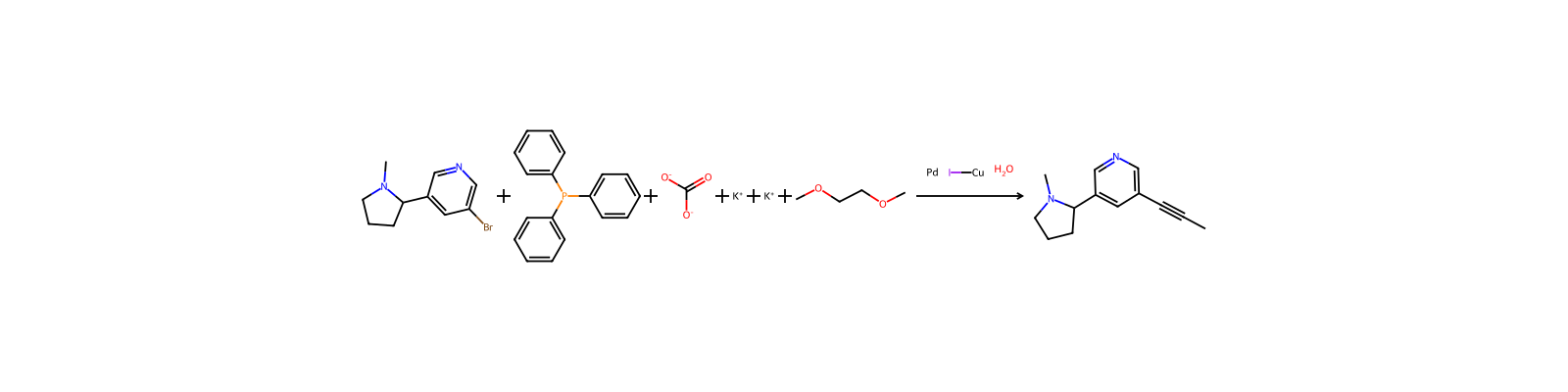
使用用途ヨウ化銅は、電子材料や触媒、樹脂改質剤、医薬といった多方面の原料として使用されています。 1. 電子材料 ヨウ化銅は、電子材料の分野では無機P型半導体の材料として知られています。 半導体には、電子が動くN型半導体とホール (電子のぬけた穴) が動くP型半導体の2種類があります。この中でP型半導体は、実際には電子が移動することでホールがあたかも動くとした半導体で、その中で有機と無機の半導体が製作されています。ヨウ化銅は、このうちの無機P型半導体の材料として優れた特性をもつため使用されています。 2. 有機合成試薬 ヨウ化銅は、有機合成化学分野では触媒やヨウ素化試薬として用いられます。 薗頭カップリング、ウルマン反応などをはじめとするクロスカップリング反応において触媒、あるいは助触媒として働きます。また、と同様に、臭化アリールからヨウ化アリールへの変換反応にも用いることができます。ヨウ化アリールは、各種カップリング反応において臭化アリールより高い反応性を示すことから、この変換は産業的にも重要です。
調製方法
純化方法Cuprous iodide can be freshly prepared by dissolving an appropriate quantity of CuI in boiling saturated aqueous NaI over 30minutes. Pure CuI is obtained by cooling and diluting the solution with water, followed by filtering and washing sequentially with H2O, EtOH, EtOAc, Et2O and pentane, then drying in vacuo for 24hours [Dieter, J Am Chem Soc 107 4679 1985]. Alternatively wash it with H2O, then EtOH and finally with Et2O containing a little iodine. Traces of H2O are best removed first by heating at 110o and then at 400o. Exess of I2 is removed completely at 400o. It dissolves in Et2O if an amine is present to form the amine complex. On heating it becomes red, then black, but changes to white on cooling. It is sparingly soluble in H2O or alkali iodide solutions but readily soluble in NH3 (which absorbs CO) and in cyanide or thiosulfate solutions. [Glemser & Sauer in Handbook of Preparative Inorganic Chemistry (Ed Brauer) Academic Press Vol II p 1007 1965, Bawn & Ledwith Chem Ind (London) 1180 1957.]
関連反応
22,774 件






化合物ノート
読み込み中…