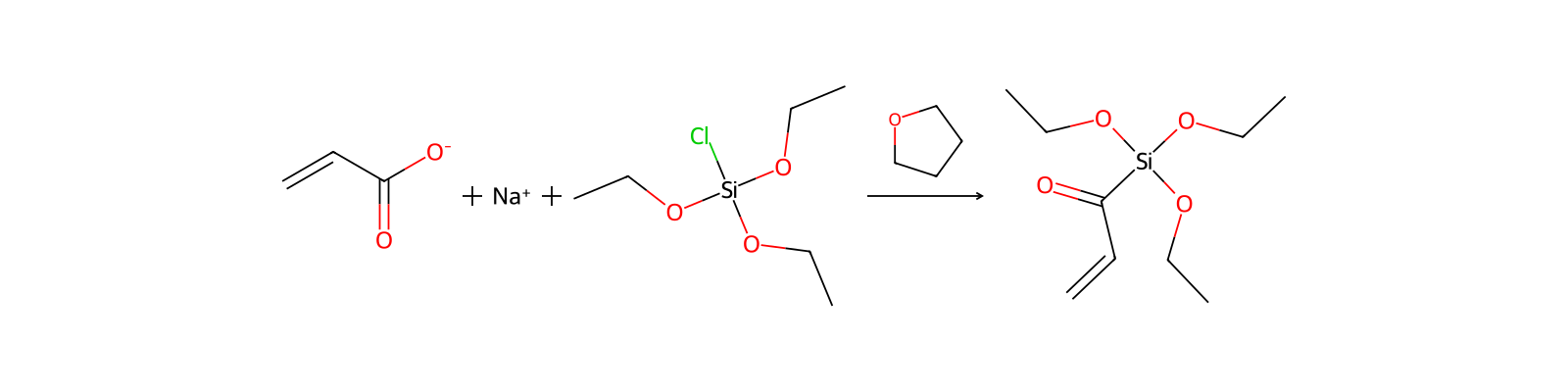
HRID 11980As reactant
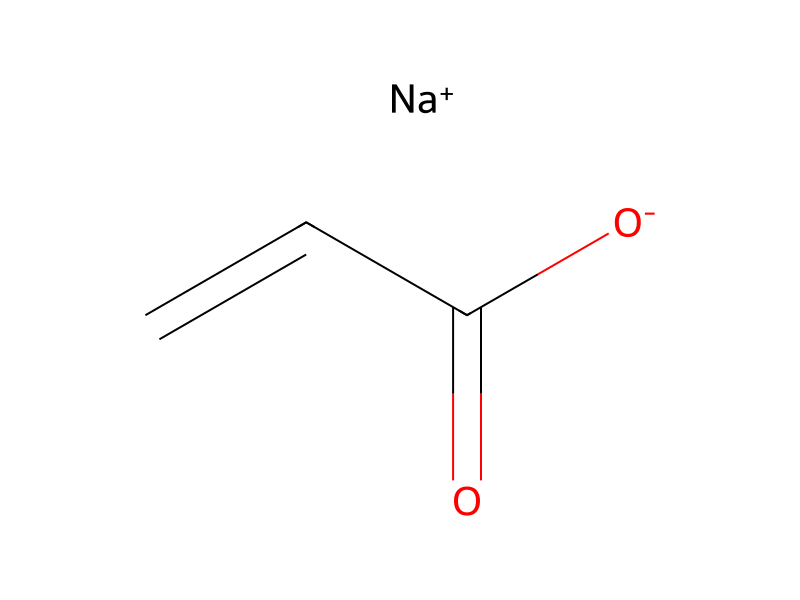
25549-84-2C=CC(=O)[O-].[Na+]NNMHYFLPFNGQFZ-UHFFFAOYSA-MSee other relationships...
25549-84-2、7446-81-3DTXSID4027652CHEMBL3185326Liquid
Liquid; [IUCLID] White to cream colored solid; [MSDSonline]
Safety information is for reference only and does not replace the supplier’s Safety Data Sheet (SDS), applicable regulations, or professional assessment.
This chemical does not meet GHS hazard criteria for 13.8% (60 of 434) of reports.
Warning
H315 (11.8%): Causes skin irritation [Warning Skin corrosion/irritation]
P264, P264+P265, P273, P280, P302+P352, P305+P351+P338, P321, P332+P317, P337+P317, P362+P364, P391, and P501 (click each P-code to see the statement)
Aggregated GHS information provided per 434 reports by companies from 15 notifications to the ECHA C&L Inventory. Each notification may be associated with multiple companies.
Chemical: 2-Propenoic acid, sodium salt (1:1)
2-Propenoic acid, sodium salt (1:1) is listed on the EPA's Chemical Data Reporting (CDR) system. Manufacturers and importers of 2-Propenoic acid, sodium salt (1:1) are required to report information about their production and use of this chemical to the EPA under the Toxic Substances Control Act (TSCA). (40 eCFR Part 711)
REACH registered substance: Sodium acrylate (EC: 231-209-7)
Sodium acrylate: Does not have an individual approval but may be used as a component in a product covered by a group standard. It is not approved for use as a chemical in its own right.
Sodium acrylate is a food additive permitted for direct addition to food for human consumption, as long as 1) the quantity added to food does not exceed the amount reasonably required to accomplish its intended physical, nutritive, or other technical effect in food, and 2) when intended for use in or on food it is of appropriate food grade and is prepared and handled as a food ingredient. The following surfactant and related adjuvants may be safely added to pesticide use dilutions by a grower or applicant prior to application to the growing crop: sodium acrylate and acrylamide copolymer with a minimum average molecular weight of 10,000,000 in which 30 percent of the polymer is comprised of acrylate units and 70 percent acrylamide units, for use as a drift control agent in herbicide formulations applied to crops at a level not to exceed 0.5 ounces of the additive per acre.
Permitted by FDA for use in foods and herbicides; Used as the active ingredient in a liquid deodorant; [HSDB] Used as an intermediate for polymers; [IUCLID]
Plastic Composites Manufacturing [Category: Industry]
All Other Basic Organic Chemical Manufacturing
2-Propenoic acid, sodium salt (1:1): ACTIVE
Sodium acrylate was the active ingredient in a liquid deodorant.





SRP: At the time of review, criteria for land treatment or burial (sanitary landfill) disposal practices are subject to significant revision. Prior to implementing land disposal of waste residue (including waste sludge), consult with environmental regulatory agencies for guidance on acceptable disposal practices.
Sodium acrylate is a food additive permitted for direct addition to food for human consumption, as long as 1) the quantity added to food does not exceed the amount reasonably required to accomplish its intended physical, nutritive, or other technical effect in food, and 2) when intended for use in or on food it is of appropriate food grade and is prepared and handled as a food ingredient. The following surfactant and related adjuvants may be safely added to pesticide use dilutions by a grower or applicant prior to application to the growing crop: sodium acrylate and acrylamide copolymer with a minimum average molecular weight of 10,000,000 in which 30 percent of the polymer is comprised of acrylate units and 70 percent acrylamide units, for use as a drift control agent in herbicide formulations applied to crops at a level not to exceed 0.5 ounces of the additive per acre.