Reaction equation
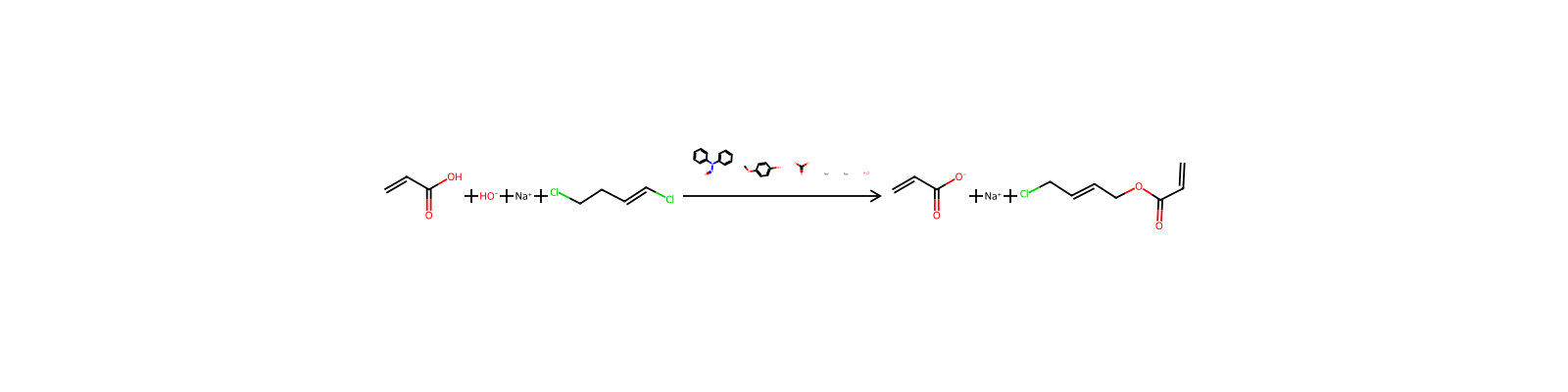
[C:1]([OH:5])(=[O:4])[CH:2]=[CH2:3].[OH-].[Na+:7].[Cl:8][CH:9]=[CH:10][CH2:11][CH2:12]Cl>N(N(C1C=CC=CC=1)C1C=CC=CC=1)=O.COC1C=CC(O)=CC=1.C([O-])([O-])=O.[Na+].[Na+].O>[C:1]([O-:5])(=[O:4])[CH:2]=[CH2:3].[Na+:7].[C:1]([O:5][CH2:12][CH:11]=[CH:10][CH2:9][Cl:8])(=[O:4])[CH:2]=[CH2:3]Participants
9
Reactant 3



Product 2
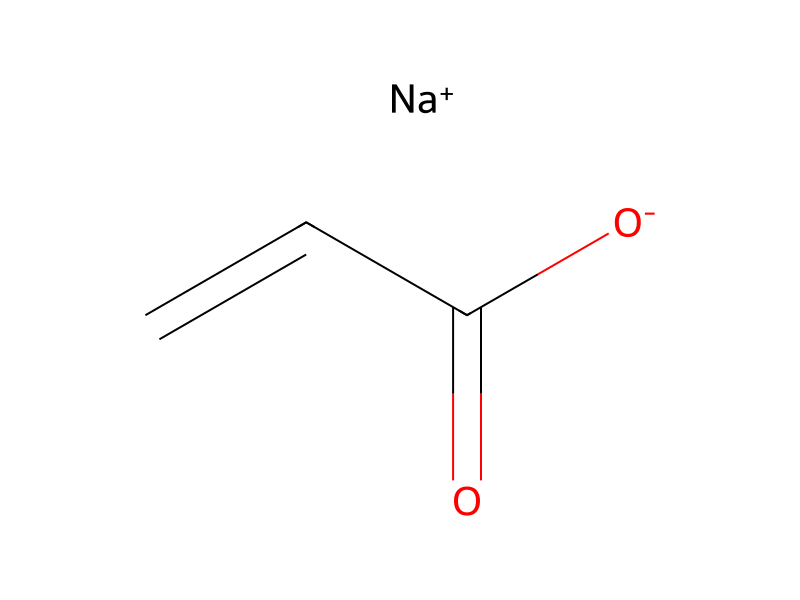

Reagents, catalysts & solvents 4



Procedure
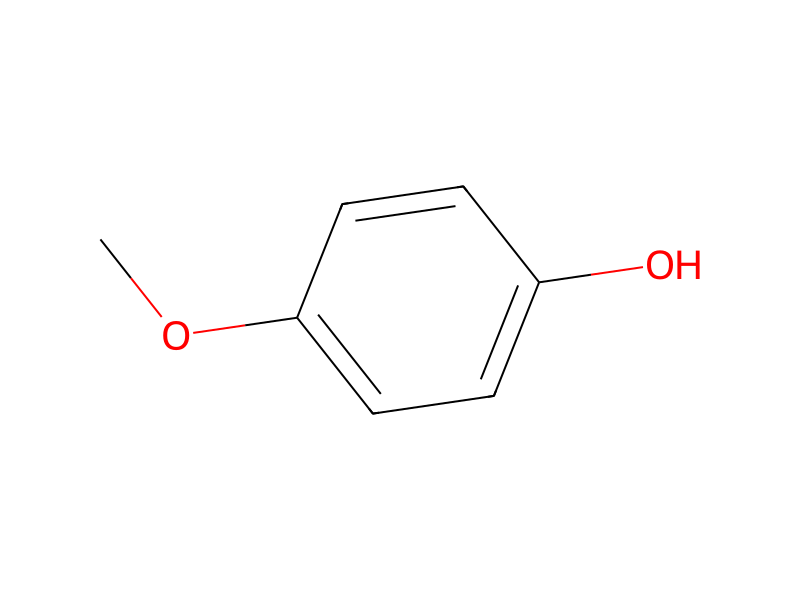
An aqueous solution of sodium acrylate is prepared from 216.2 g of acrylic acid (100%=3 mol), 262.8 g of NaOH (50%) and 497 g of water. 3.7 g of N-nitrosodiphenylamine and 3.7 g of 4-methoxyphenol are added to stabilize the solution. 12 g of the quaternary ammonium salt used in Example 1 are also added. 1,125 g (9 mol) of 1,4-dichlorobutene are run in at 90° C. 15.9 g of Na2CO3 are added after 1 hour and the mixture is left to react for a further 2 hours at 90° C. After phase separation, the organic layer is distilled under vacuum. 286.0 g (1.78 mol) of 4-chloro-2-butenyl acrylate (59.4% of the theoretical yield) are obtained. 641 g (5.13 mol) of dichlorobutene are recovered.
Workup
- additionare also added
- customare run in at 90° C
- waitthe mixture is left
- customto react for a further 2 hours at 90° C
- customAfter phase separation
- distillationthe organic layer is distilled under vacuum
Sources & evidence
- ORD record
- ord-eddb0e008f4a405c8c5cc153b3a440e1
- Source dataset
- uspto-grants-1981_04
- Patent number
- US04260812
Linked notes
Loading…