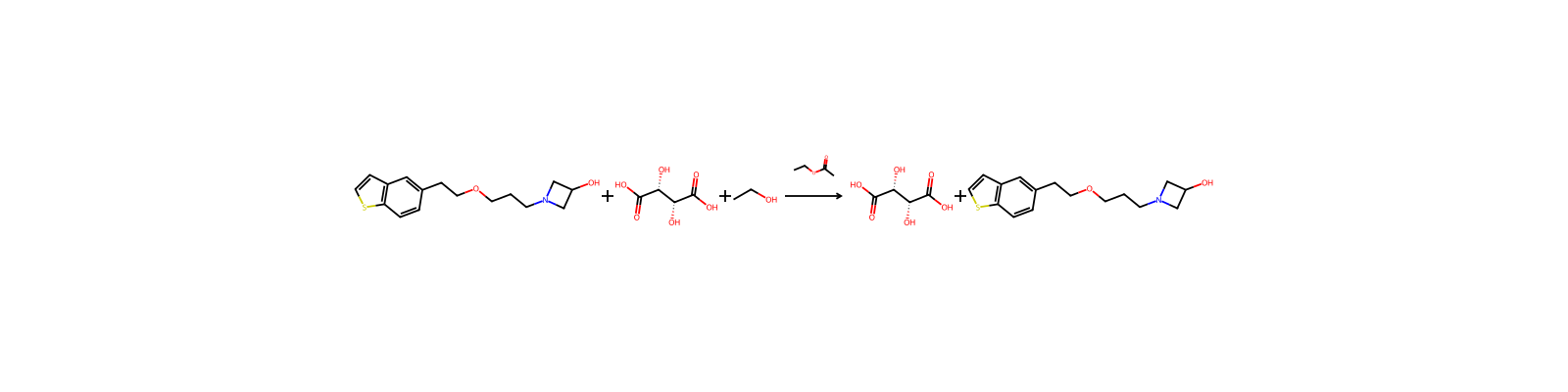
HRID 7453als Edukt
L-Tartaric acid
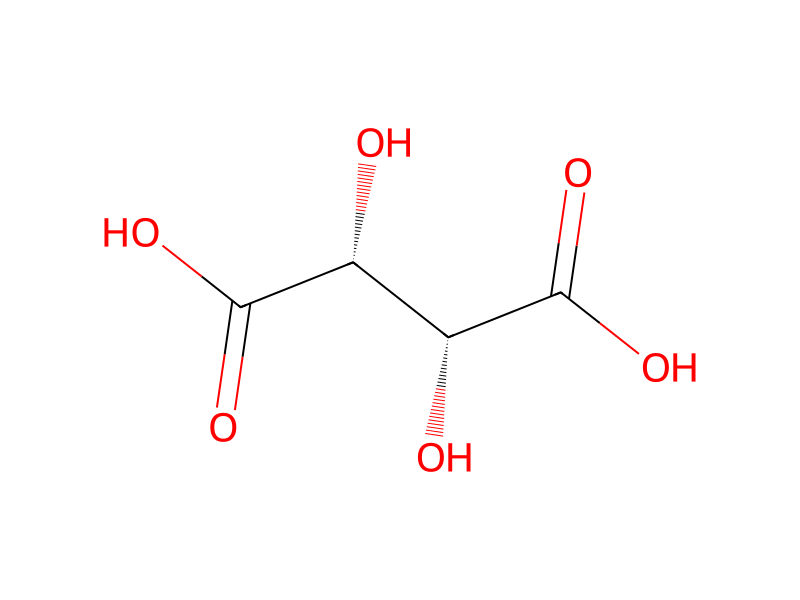
133-37-9O=C(O)[C@H](O)[C@@H](O)C(=O)OFEWJPZIEWOKRBE-JCYAYHJZSA-NL-tartaric acid is the L-enantiomer of tartaric acid. It is a conjugate acid of a L-tartrate(1-). It is an enantiomer of a D-tartaric acid.
Other Classes -> Organic Acids
Other Classes -> Organic Acids
Fragrance Ingredient ((+)-Tartaric acid) -> IFRA transparency List
Fragrance Ingredient (Tartaric acid (d-, l-, dl-, meso-)) -> IFRA transparency List
-0.76 (calculated)
-1.2
Relative density (water = 1): 1.79
1.76 @25 °C
582 mg/mL at 20 °C
Sicherheitsangaben dienen nur zur Orientierung und ersetzen weder das Sicherheitsdatenblatt (SDB) des Lieferanten noch geltende Vorschriften oder eine fachliche Bewertung.
This chemical does not meet GHS hazard criteria for 0.9% (44 of 4731) of reports.
Danger
H302 (42.5%): Harmful if swallowed [Warning Acute toxicity, oral]
P261, P264, P264+P265, P270, P271, P272, P280, P301+P317, P302+P352, P304+P340, P305+P351+P338, P305+P354+P338, P317, P319, P321, P330, P332+P317, P333+P317, P337+P317, P362+P364, P403+P233, P405, and P501 (click each P-code to see the statement)
Aggregated GHS information provided per 4731 reports by companies from 33 notifications to the ECHA C&L Inventory. Each notification may be associated with multiple companies.
This chemical does not meet GHS hazard criteria for 5.1% (26 of 506) of reports.
Chemical: Butanedioic acid, 2,3-dihydroxy- (2R,3R)-
Chemical: Butanedioic acid, 2,3-dihydroxy-, (R*,R*)-(.+-.)-
Regulation (EC) No 1333/2008 (amended)
Butanedioic acid, 2,3-dihydroxy- (2R,3R)- is listed on the EPA's Chemical Data Reporting (CDR) system. Manufacturers and importers of Butanedioic acid, 2,3-dihydroxy- (2R,3R)- are required to report information about their production and use of this chemical to the EPA under the Toxic Substances Control Act (TSCA). (40 eCFR Part 711)
REACH registered substance: (+)-tartaric acid (EC: 201-766-0)
REACH registered substance: (±)-tartaric acid (EC: 205-105-7)
IMAP assessments - Butanedioic acid, 2,3-dihydroxy-, (R*,R*)-(.+-.)-: Human health tier I assessment
IMAP assessments - Butanedioic acid, 2,3-dihydroxy- [R-(R*,R*)]-: Human health tier I assessment
Tartaric acid is used to generate carbon dioxide through interaction with sodium bicarbonate following oral administration. Carbon dioxide extends the stomach and provides a negative contrast medium during double contrast radiography. In high doses, this agent acts as a muscle toxin by inhibiting the production of malic acid, which could cause paralysis and maybe death.
Oral or parenteral doses of monosodium 14C-L(+)-tartrate (400 mg/kg) are rapidly excreted by rats and a proportion completely metabolized to CO2. The oral dose was well-absorbed.
Only about 15-20% of consumed tartaric acid is secreted in the urine unchanged.
Used as a synergist for antioxidants, acid, emulsifier, sequestrant, and flavoring agent; [JECFA]
Levo form of dextrorotatory tartaric acid; Found throughout nature and classified as a fruit acid; Used in soft drinks and foods, as an acidulant, complexing agent, pharmaceutic aid (buffering agent), in photography, tanning, ceramics, and to make tartrates; Diethyl and dibutyl ester derivatives are commercially significant for use in lacquers and in textile printing; [Merck Index] Used as an intermediate, in construction and ceramics applications, in cleaning products, cosmetics/personal care products, and metal surface treatments (including galvanic and electroplating products); [ECHA REACH Registrations] Used as a flavoring agent, anticaking agent, drying agent, firming agent, humectant, leavening agent, and pH control agent for foods; [FDA] Permitted for use as an inert ingredient in non-food pesticide products; [EPA]
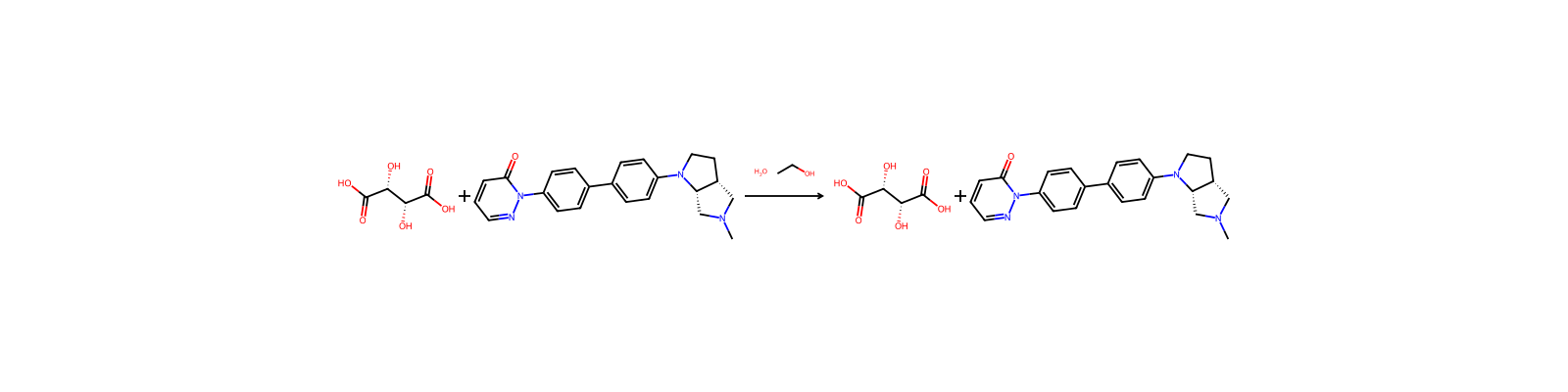



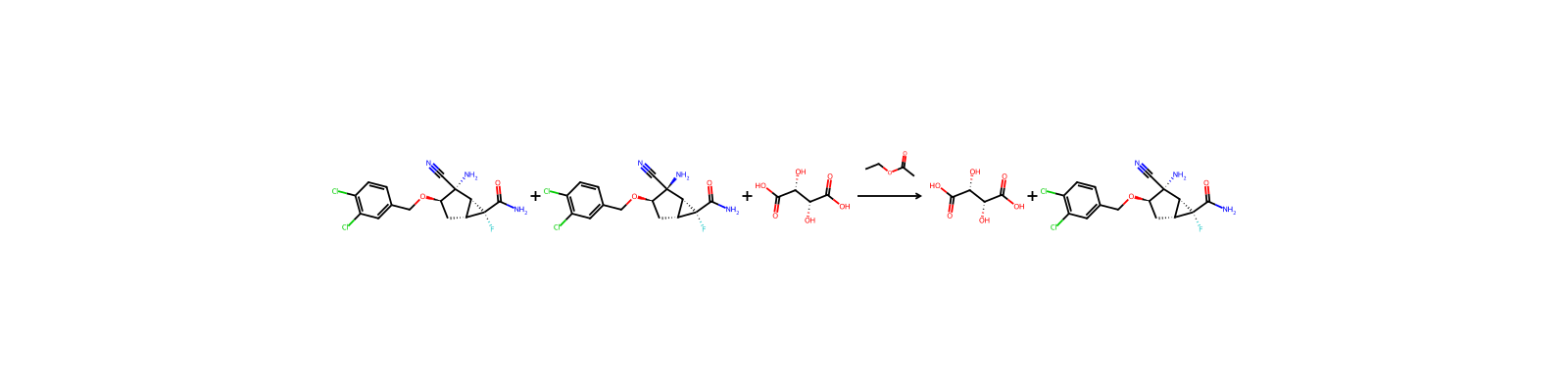

133-37-9、868-14-4、87-69-4DTXSID8023632CHEMBL1236315CHEBI:15671Solubility in water, g/l at 20 °C: 1400 (very soluble)
soluble in water and alcohol; 1 gm in 0.8 ml water
1 g in 3 ml 95% alcohol (in ethanol)
FDA approved drugs -> Active ingredient
FDA approved drugs -> Active ingredient
Between 168 °C and 170 °C
169 °C
206 °C
Causes burns; Inhalation of aerosol may cause pulmonary edema; [ICSC] An irritant; [Acros Organics MSDS]
A local irritant; [Merck Index] May cause serious eye injury; [ECHA REACH Registrations] Maximum total daily intake of tartrate of 0-6 mg/kg (unconditional acceptance) and 6-20 mg/kg (conditional acceptance); [JECFA] A skin and strong eye irritant; [Alfa Aesar MSDS]
Skin Irrit. 2 (22.1%)
Acute Tox. 4 (42.5%)
Fresh air, rest. Seek medical attention if you feel unwell.
Remove contaminated clothes. Rinse skin with plenty of water or shower.
Rinse with plenty of water for several minutes (remove contact lenses if easily possible). Refer immediately for medical attention.
Rinse mouth. Give one or two glasses of water to drink. Seek medical attention if you feel unwell.
Personal protection: particulate filter respirator adapted to the airborne concentration of the substance. Sweep spilled substance into covered containers. If appropriate, moisten first to prevent dusting. Store and dispose of according to local regulations.
Cough. Sore throat. Burning sensation.
Redness.
Redness. Pain. Severe burns.
Cough. Sore throat. Burning sensation. Nausea. Vomiting.
The authors of this 2022 publication looked at ASPCA Animal Poison Control Center electronic database reports of dogs that developed acute kidney injury following ingestion of cream of tartar (potassium bitartrate) or tamarinds. They noted that the clinical signs, laboratory findings, and histopathologic lesions were similar to those reported in the grape and raisin toxicosis found in dogs. Given the sensitivity of dogs to tartaric acid, the authors proposed that tartaric acid is the likely toxic component associated with both grape and tamarind acute kidney injury. These authors also noted that detartration (removal of tartrates) of processed products could explain the lack of reported toxicosis following exposure to agents such as grape juice, jam, and wine. Further, the authors noted that thermal decomposition of tartaric acid may explain the anecdotal observation that cooked grapes and raisins
Electroplating [Category: Plate]
Use (kg; approx.) in Germany (2009): >1000
Other
The authors report that the electrowinning of ternary lithium-ion battery leachates using tartaric acid achieves 99.1% cobalt purity in a batch mode, and high puriity and high recovery of metallic cobalt, nickel , and manganese dioxide in a scalable flow system.
EPA Safer Chemical Functional Use Classes -> Processing Aids and Additives
Safer Chemical Classes -> Green half-circle - The chemical is expected to be of low concern
Food additives
Fragrance Ingredients
Fragrance Ingredients
Flavouring Agent -> FLAVOURING_AGENTFood Additives -> ACID; ANTIOXIDANT_SYNERGIST; EMULSIFIER; SEQUESTRANT; SYNERGIST -> JECFA Functional Classes
Food, beverage, and tobacco product manufacturing
Butanedioic acid, 2,3-dihydroxy- (2R,3R)-: ACTIVE
Occurrenced-Tartaric acid occurs in many fruits or other parts of the plant, free or combined with potassium, calcium or magnesium. It is also reported found in raw, lean fish, white wine, red wine and port wine.
VerwendenDL-Tartaric acid is used as a synergist for antioxidants, emulsifier, sequestrant and flavoring agent. It is also added with citric acid to prepare effervescent salts, thereby enhancing the taste of oral medications. It is also utilized in pigments, processing aids, ink, toner and colorant products. It acts as a chelating agent in metal and farming industries. Further, it is used as lubricant and grease. It is mixed with sodium bicarbonate and used as a leavening agent in food preparation. In the pharmaceutical industry, it is utilized in the preparation of tartar emetic, which is used in cough syrup as an expectorant.
synthetischeThe tartrates used in commerce are obtained as a by-product of wine manufacture and have the L(+) configuration. Produced from argols or wine lees, which are formed in the manufacture of wine by extracting the potassium acid tartrate, transforming this into the calcium salt and then acidifying with dilute sulfuric acid; also by oxidation of d-glucose with nitric acid. The dl-tartaric acid is obtained by boiling the d-tartaric acid with an aqueous solution of NaOH or by oxidation of fumaric acid. The l- and the meso-tartaric acid are also known, but are less important.
DefinitionChEBI: DL-Tartaric acid is a tetraric acid that is butanedioic acid substituted by hydroxy groups at positions 2 and 3. It has a role as a human xenobiotic metabolite and a plant metabolite. It is a conjugate acid of a 3-carboxy-2,3-dihydroxypropanoate.