144930-01-8Cc1cc(NS(=O)(=O)c2ccc(N)cc2)no1JLKIGFTWXXRPMT-UHFFFAOYSA-NCrystals or white powder. (NTP, 1992)
144930-01-8、144993-89-5、723-46-6DTXSID8026064CHEMBL443CHEBI:9332Pharmaceuticals -> Used in Switzerland
Pharmaceuticals
Pharmaceuticals -> Listed in ZINC15
Pharmaceuticals -> Antibiotics
Pharmaceuticals -> Antibiotics (Sulfonamide)
log Kow = 0.89
0.7
0.73
Odorless
PRACTICALLY ODORLESS
Yellow-white powder
Almost white
Crystals from dilute ethanol
WHITE TO OFF-WHITE CRYSTALLINE POWDER
Colorless crystalline powder
less than 1 mg/mL at 68 °F (NTP, 1992)
PRACTICALLY INSOL IN WATER, ETHER & CHLOROFORM; 1 G IN 50 ML ALCOHOL & ABOUT 4 ML ACETONE; DISSOLVES IN HCL HYDROGEN CHLORIDE OR SODIUM HYDROXIDE SOLN THROUGH SALT FORMATION
Safety information is for reference only and does not replace the supplier’s Safety Data Sheet (SDS), applicable regulations, or professional assessment.
This chemical does not meet GHS hazard criteria for 32.1% (53 of 165) of reports.
Warning
H315 (38.2%): Causes skin irritation [Warning Skin corrosion/irritation]
P261, P264, P264+P265, P271, P272, P273, P280, P302+P352, P304+P340, P305+P351+P338, P319, P321, P332+P317, P333+P317, P337+P317, P362+P364, P391, P403+P233, P405, and P501 (click each P-code to see the statement)
Aggregated GHS information provided per 165 reports by companies from 26 notifications to the ECHA C&L Inventory. Each notification may be associated with multiple companies.
Warning
The Approved Drug Products with Therapeutic Equivalence Evaluations List identifies currently marketed prescription drug products, incl sulfamethoxazole, approved on the basis of safety and effectiveness by FDA under sections 505 of the Federal Food, Drug, and Cosmetic Act.
Cribb AE et al; Adverse Drug React Toxicol Rev 15 (1): 9-50 1996. Adverse reactions to sulfonamide and sulfonamide-trimethoprim antimicrobials: clinical syndromes and pathogenesis.
J01EE01
J01EC01
J - Antiinfectives for systemic use
QJ - Antiinfectives for systemic use
Sulfamethoxazole is a bacteriostatic sulfonamide antibiotic that inhibits a critical step in bacterial folate synthesis. It is generally given in combination with [trimethoprim], a dihydrofolate reductase inhibitor, which inhibits the reduction of dihydrofolic acid to tetrahydrofolic acid. Studies have shown that bacterial resistance develops more slowly with the combination of the two drugs than with either trimethoprim or sulfamethoxazole alone, as together they inhibit sequential steps in the bacterial folate synthesis pathway. Sulfonamides, including sulfamethoxazole, have been implicated in hypersensitivity reactions - these agents should be discontinued at the first sign of a developing rash, as this may signal the start of a more severe reaction such as Stevens-Johnson syndrome or toxic epidermal necrolysis. Sulfamethoxazole treatment may contribute to folate deficiency and should therefore be used with caution in patients at a higher risk of developing a deficiency. Hemolysis has been observed in patients with glucose-6-phosphate dehydrogenase deficiency who are using sulfamethoxazole/trimethoprim.
Sulfamethoxazole is a sulfonamide that inhibits bacterial dihydrofolic acid synthesis due to its structural similarity to an endogenous substrate, para-aminobenzoic acid (PABA). Most bacteria meet their need for folic acid by synthesizing it from PABA, as opposed to Animalia that require exogenous folic acid sources. Sulfamethoxazole competitively inhibits dihydropteroate synthase, the enzyme responsible for bacterial conversion of PABA to dihydrofolic acid. Inhibition of this pathway prevents the synthesis of tetrahydrofolate and, ultimately, the synthesis of bacterial purines and DNA, resulting in a bacteriostatic effect.
Sulfonamides are usually bacteriostatic in action. Sulfonamides interfere with the utilization of p-aminobenzoic acid (PABA) in the biosynthesis of tetrahydrofolic acid (the reduced form of folic acid) cofactors in susceptible bacteria. Sulfonamides are structural analogs of PABA and appear to interfere with PABA utilization by competitively inhibiting the enzyme dihydropteroate synthase, which catalyzes the formation of dihydropteroic acid (a precursor of tetrahydrofolic acid) from PABA and pteridine; however, other mechanism(s) affecting the biosynthetic pathway also may be involved. Compounds such as pyrimethamine and trimethoprim, which block later stages in the synthesis of folic acid, act synergistically with sulfonamides. Only microorganisms that synthesize their own folic acid are inhibited by sulfonamides; animal cells and bacteria which are capable of utilizing folic acid precursors or preformed folic acid are not affected by these drugs. The antibacterial activity of the sulfonamides is reportedly decreased in the presence of blood or purulent body exudates. /Sulfonamides/
Insoluble in ethyl ether
In water, 610 mg/L at 37 °C
The solubility interactions of trimethoprim and sulfamethoxazole in binary solvents were studied using hexane (n-hexane)-ethyl acetate, ethyl acetate-methyl alcohol (methanol), and methyl alcohol-water as the solve mixtures. When solubilities were obtained for individual components, trimethoprim exhibited solvation in ethyl acetate-methyl alcohol mixtures, while sulfamethoxazole showed weaker solute-solvent interactions in the solvent series. At its peak, the solubility of sulfamethoxazole was about 8 times higher than that of trimethoprim when the drugs were combined. Sulfamethoxazole lowered trimethoprim solubility by 13-74%. Similarly, trimethoprim suppressed sulfamethoxazole solubility by 10-94%. In water, although mutual solubility was reduced, the solubility ratio of trimethoprim to sulfamethoxazole was 1:4 on the mol fraction scale.
Breast Feeding; Lactation; Milk, Human; Anti-Infective Agents; Antibacterial Agents; Sulfonamides
FDA approved drugs -> Active ingredient
Pharmaceuticals -> UK Veterinary Medicines Directorate List
Pharmaceuticals -> Animal Drugs -> Approved in Taiwan
333 °F (NTP, 1992)
167 °C
MP: 209-210 °C; crystals from alcohol /N4-Acetylsulfamethoxazole/
MP: 171 °C
167 °C
Duffield P; Am J Nurs 96: 16I-16J, 16L Oct 1996. Managing urinary tract infections. Part 1. Caring for children and the elderly.
Duffield P; Am J Nurs 96: 16B-16D Sep 1996. Managing urinary tract infections. Part 1. Diagnosing and treating adults.
Skin Irrit. 2 (38.2%)
Skin Irrit. 2 (100%)
EYES: First check the victim for contact lenses and remove if present. Flush victim's eyes with water or normal saline solution for 20 to 30 minutes while simultaneously calling a hospital or poison control center. Do not put any ointments, oils, or medication in the victim's eyes without specific instructions from a physician. IMMEDIATELY transport the victim after flushing eyes to a hospital even if no symptoms (such as redness or irritation) develop.
SMALL SPILLS AND LEAKAGE: If a spill of this chemical occurs, FIRST REMOVE ALL SOURCES OF IGNITION, then you should dampen the solid spill material with acetone and transfer the dampened material to a suitable container. Use absorbent paper dampened with acetone to pick up any remaining material. Seal your contaminated clothing and the absorbent paper in a vapor-tight plastic bag for eventual disposal. Solvent wash all contaminated surfaces with acetone followed by washing with a soap and water solution. Do not reenter the contaminated area until the Safety Officer (or other responsible person) has verified that the area has been properly cleaned.
SRP: At the time of review, criteria for land treatment or burial (sanitary landfill) disposal practices are subject to significant revision. Prior to implementing land disposal of waste residue (including waste sludge), consult with environmental regulatory agencies for guidance on acceptable disposal practices.
RECOMMENDED RESPIRATOR: Where the neat test chemical is weighed and diluted, wear a NIOSH-approved half face respirator equipped with a combination filter cartridge, i.e. organic vapor/acid gas/HEPA (specific for organic vapors, HCl, acid gas, SO2 and a high efficiency particulate filter). (NTP, 1992)
Salicylates reportedly increases serum sulfonamide levels, presumably by displacement from plasma protein binding sites. /sulfonamides/
These medications /coumarin- or indandione-derivative anticoagulants; hydantoin anticonvulsants or oral antidiabetic agents/ may be displaced from protein binding sites and/or their metabolism may be inhibited by some sulfonamides, resulting in increased or prolonged effects and/or toxicity; dosage adjustments may be necessary during and after sulfonamide therapy. /Sulfonamides/
Concurrent use of bone marrow depressants with sulfonamides may increase the leukopenic and/or thrombocytopenic effects; if concurrent use is required, close observation for myelotoxic effects should be considered. /Sulfonamides/
Concurrent long-term use of sulfonamides /with estrogen-containing, oral contraceptives/ may result in increased incidence of breakthrough bleeding and pregnancy. /Sulfonamides/
For more Interactions (Complete) data for SULFAMETHOXAZOLE (18 total), please visit the HSDB record page.
EC50 Synechoccus leopolensis (Algae) 0.03 mg/L/96 hr; Effect: growth /Conditions of bioassay not specified in source examined/ /from table/
EC50 Ceriodaphnia dubia (Invertebrate) 15.51 mg/L/48 hr; Effect: Immobilization /Conditions of bioassay not specified in source examined/ /from table/
TERRESTRIAL FATE: Based on a classification scheme(1), an estimated Koc value of 72(SRC), determined from a log Kow of 0.89(2) and a regression-derived equation(3), indicates that sulfamethoxazole is expected to have high mobility in soil(SRC). The pKa1 and pKa2 values for sulfamethoxazole are 1.6 and 5.7(4), respectively, indicating that this compound will partially exist in the anion form in the environment and anions generally do not adsorb more strongly to soils containing organic carbon and clay than their neutral counterparts(5). Volatilization of sulfamethoxazole from moist soil surfaces is not expected to be an important fate process(SRC) given an estimated Henry's Law constant of 6.4X10⁻¹³ atm-cu m/mole(SRC), using a fragment constant estimation method(6). Sulfamethoxazole is not expected to volatilize from dry soil surfaces(SRC) based upon an estimated vapor pressure of 6.9X10⁻⁸ mm Hg(SRC), determined from a fragment constant method(7). In general, sulfonamide antimicrobials are not readily biodegraded and persist in soils(8).
AQUATIC FATE: Based on a classification scheme(1), an estimated Koc value of 72(SRC), determined from a log Kow of 0.89(2) and a regression-derived equation(3), indicates that sulfamethoxazole is not expected to adsorb to suspended solids and sediment(SRC). Volatilization of sulfamethoxazole from water surfaces is not expected(3) based upon an estimated Henry's Law constant of 6.4X10⁻¹³ atm-cu m/mole(SRC), developed using a fragment constant estimation method(4). According to a classification scheme(5), an estimated BCF of 3(SRC) from its log Kow(2) and a regression-derived equation(6), suggests the potential for bioconcentration in aquatic organisms is low(SRC). In general, sulfonamide antimicrobials are not readily biodegraded(7).
AQUATIC FATE: Using an aquatic outdoor field microcosm, sulfamethoxazole at low, medium, high, and ultrahigh test chemical concentrations of 0.31, 6.31, 19, and 182.78 ug/L, respectively, resulted in average field half-lives of 18.7, 19.4, 17.5 and 20.3 days, respectively(1). Hydrolysis was not an important fate process based on laboratory dark control experiments, nor was biodegradation(1). Differences were not noted in sunlight-exposed pond water and autoclaved pond water, suggesting photodegradation is an important environmental fate process. The observed major photoproduct, 4-amino-N-(5-methyl-2-oxazolyl)benzenesulfonamide, remained photoreactive as does sulfanilic acid and 3-amino-5-methylisoxazole, leading to further degradation in irradiated surface waters(1).
ATMOSPHERIC FATE: According to a model of gas/particle partitioning of semivolatile organic compounds in the atmosphere(1), sulfamethoxazole, which has an estimated vapor pressure of 6.9 mm Hg at 25 °C(SRC) determined from a fragment constant method(2), will exist in both the vapor and particulate phases in the ambient atmosphere. Vapor-phase sulfamethoxazole is degraded in the atmosphere by reaction with photochemically-produced hydroxyl radicals(SRC); the half-life for this reaction in air is estimated to be 2 hrs(SRC), calculated from its rate constant of 2.0X10⁻¹⁰ cu cm/molecule-sec at 25 °C(SRC) that was derived using a structure estimation method(3). The spring, summer, fall winter direct photolysis half-lives at 20 degrees north were (days): 0.2, 0.2, 0.4 and 0.5; at 30 degrees N: 0.3, 0.3 0.4 and 0.6; at 40 degrees N: 0.5, 0.2, 0.6 and 1.5; at 50 degrees N: 0.5, 0.3, 1.5 and 5, respectively(4).
Supermarket surveys conducted in County of Berne, Switzerland in 1989 did not turn up any detectable amounts of sulfamethazone in 20 samples each of veal, beef or pork, detection limit of 1 ug/kg(1). Sulfamethazole was detected in 1 of 2,363 samples (95.73% of these samples were from bovine, pigs, and poultry with 4.27% of samples being fish), collected from 1994-1998 in Slovenia; the compound fell into the 10<50 ng/g wet weight concentration class (detection limit of 0.01 mg/kg) and was not from poultry tissues(2).
Potential adverse effects on fetus: May cause jaundice and kernicterus in fetus. Potential side effects on breast-fed infant: Excreted in low concentrations. Cited by U.S. Pharmacopeia Dispensing Information to be contraindicated in first 2 months of life because of risk of kernicterus, but American Academy of Pediatrics considers safe for breast-feeding. Sulfonamides may cause hemolytic anemia in G6PD /glucose 6-phosphate dehydrogenase/ deficient infants. Comments: Trimethoprimsulfamethoxazole may interfere with folic acid metabolism. FDA Category: C (C = Studies in laboratory animals have revealed adverse effects on the fetus (teratogenic, embryocidal, etc.) but there are no controlled studies in pregnant women. The benefits from use of the drug in pregnant women may be acceptable despite its potential risks, or there are no laboratory animal studies or adequate studies in pregnant women.) /Sulfonamides/ /from table II/
/AQUATIC SPECIES/ The growth-inhibiting and binary joint effects of 12 antibacterial agents on the freshwater green alga Pseudokirchneriella subcapitata (Korschikov) Hindak were investigated over 72-hr exposures. The toxicity values (the median inhibitory concentration value, in micromoles) in decreasing order of sensitivity were triclosan (0.0018) > triclocarban (0.054) > roxithromycin (0.056) > clarithromycin (0.062) > tylosin (0.20) > tetracycline (2.25) > chlortetracycline (3.49) > norfloxacin (5.64) > sulfamethoxazole (7.50) > ciprofloxacin (20.22) > sulfamethazine (31.26) > trimethoprim (137.78). Several of these antibacterial compounds would be toxic at the micrograms per liter concentrations reported in surface waters and sewage effluents. Simple additive effects were observed in binary mixtures of sulfonamides, and most tylosin, triclosan, or triclocarban combinations. Potentially synergistic effects were observed in binary mixtures of the same class, such as macrolides, tetracyclines, and fluoroquinolones, as well as in some combined drugs, such as trimethoprim and sulfonamides or tylosin and tetracyclines. Potentially antagonistic effects were only observed between tylosin and triclocarban, triclosan and norfloxacin, and triclocarban and norfloxacin. Although present at low concentrations in the aquatic environment, mixtures of these antibacterial agents can potentially affect algal growth in freshwater systems due to their combined action.
/PLANTS/ Antibiotics are known to have antichloroplastic properties, but their effects on aquatic higher plants are virtually unknown. In order to address this issue, 25 pharmaceuticals, including 22 antibiotics, were assessed for phytotoxicity to the aquatic higher plant Lemna gibba. A 7-day static-renewal test was used, and plants were treated with 0, 10, 30, 100, 300, and 1,000 ug/L of pharmaceutical-containing growth media. Phytotoxicity was assessed using multiple growth and biochemical endpoints. Effective concentration (EC)50, EC25, and EC10 values as well as tests for significant differences between treatments and controls lowest-observed-effect concentration (LOECs) were calculated for each endpoint. Twelve different classes of antibiotics were assessed; however, only members of the fluoroquinolone, sulfonamide, and tetracycline classes of antibiotics displayed significant phytotoxicity. The most toxic members of each of these classes tested were lomefloxacin, sulfamethoxazole, and chlortetracycline, with wet weight EC25 values of 38, 37, and 114 ug/L, respectively. Injury symptoms were comparatively uniform and consistent among chemical classes while degree of phytotoxicity varied considerably. Both of these criteria varied markedly between classes. Wet mass was consistently the most sensitive endpoint above 100 ug/L; conversely, frond number was the most sensitive below 100 ug/L. Pigment endpoints were significantly less sensitive than growth endpoints.
The following link will take the user to the National Toxicology Program (NTP) Test Agent Search Results page, which tabulates all of the "Standard Toxicology & Carcinogenesis Studies", "Developmental Studies", and "Genetic Toxicity Studies" performed with this chemical. Clicking on the "Testing Status" link will take the user to the status (i.e., in review, in progress, in preparation, on test, completed, etc.) and results of all the studies that the NTP has done on this chemical. [http://ntp-apps.niehs.nih.gov/ntp_tox/index.cfm?fuseaction=ntpsearch.searchresults&searchterm=723-46-6][Available from: http://ntp-apps.niehs.nih.gov/ntp_tox/index.cfm?fuseaction=ntpsearch.searchresults&searchterm=723-46-6]
Sulfamethoxazole concentrations in sewage treatment plant effluents were 0.07-0.09 ug/L (France), 0.09 ug/L (Greece), not detected to 0.03 ug/L (Italy), and 0.02 ug/L (Sweden)(1). Levels in samples from Switzerland and Germany ranged from 0.40 to 2.0 ug/L(1). The compound was detected in the effluent from 8 Canadian municipal waster treatment plants in five cities at a median concentration of 0.243 ug/L, maximum 0.871 ug/L; the plants were sampled in 2002(2). Sulfamethoxazole median concentration in outflows of German waste treatment plants sampled from 1996-1998 was 0.40 ug/L; maximum of 2.0 ug/L(3). Leachate samples were collected on September 6, 2000, down gradient from the Norman Municipal Landfill research site in central Oklahoma; the landfill was established in the 1920s and closed in 1985(4). Sulfamethazole was tested for but not detected, reporting limits of 0.05 and 0.023 ug/L, using two separate analytical methods(4). Maximum concentrations of 0.07 and 0.09 ug/L have been reported in sewage effluents from the Pierre Benite (southern Lyon, at the confluence of the Saone and Rhone Rivers) and Chatillon-sur-Charlaronne (on the Dombes plateau, northeast of Lyon) sewage treatment plants, France(5). Based on human therapy consumption (listed as a US Top 200 prescription drug in 1998 by IMS Health), a predicted concentration of sulfamthoxazole in untreated municipal waster water is 3,800 ng/L (excluding metabolism) and 3,200 ng/L (including metabolism)(6).
The concentration of sulfamethoxazole in runoff from manured arable and grassland test plots was determined. Manure containing 10 g/kg manure was applied to arable land in winter wheat postharvest stage and grassland soil. Residue levels in slurries applied were 5.1 and 5.3 g/20 kg, resulting in runoff via aqueous phase of 0.9 and 15.5%, respectively. Using manure containing 1 g/20 kg and then applied to arable land in winterwheat post harvest, arable in cultivator drill stage and grassland, residue levels in slurries of 0.6, 0.3 and 0.3 g/20 kg, respectively, and 1.6, 0.2 and 13.3% in runoff emissions via aqueous phase, respectively, were observed(1). Higher runoff emissions were found from manured grassland plots on arable land; runoff was reduced by soil cultivation(1).
The Koc of sulfamethoxazole is estimated as 72(SRC), using a log Kow of 0.89(1) and a regression-derived equation(2). According to a classification scheme(3), this estimated Koc value suggests that sulfamethoxazole is expected to have high mobility in soil. The pKa1 and pKa2 of sulfamethoxazole are 1.6 and 5.7(4), respectively, indicating that this compound will partially exist in the anion form in the environment and anions generally do not adsorb more strongly to soils containing organic carbon and clay than their neutral counterparts(5). However, aromatic amines are expected to bind strongly to humus or organic matter in soils due to the high reactivity of the aromatic amino group(6,7), suggesting that mobility may be much lower in some soils(SRC). Reports of non-extractable sulfonamide in soils may be explained by covalent cross-coupling to soil organic matter(8). Treated waste water effluent containing sulfamethoxazole was applied to soil columns over 23 days; the compound was detected in the drainage samples at a concentration of 0.02 ug/L; however, there was a residual in the laboratory blank, at a concentration of 0.004 ug/L(9).
/HUMAN EXPOSURE STUDIES/ Objective: To study the safety and efficacy of desensitization with the use of a combination product of sulfamethoxazole and trimethoprim in previously hypersensitive patients infected with the human immunodeficiency virus. Design: Prospective survey, with a median follow-up of 16 mos (range, 5-24 mos). Setting: Day-care hospital in a referral center. Patients: All human immunodeficiency virus-infected patients who had a history of allergic reactions (eg, rash) to sulfamethoxazole-trimethoprim and who required sulfamethoxazole-trimethoprim prophylaxis. Intervention: The desensitization procedure took 2 days. The full dose (sulfamethoxazole-trimethoprim, 400-80 mg) was reached on the third day according to the following schedule: day 1--4-0.8 mg at 9 am, 8-1.6 mg at 11 am, 20-4 mg at 1 pm, and 40-8 mg at 5 pm; day 2--80-16 mg at 9 am, 160-32 mg at 3 pm, and 200-40 mg at 9 pm; and day 3--400-80 mg at 9 am. Main outcome measure: The onset of cutaneous adverse effects attributable to sulfamethoxazole-trimethoprim therapy within 3 mos after desensitization. Results: Of the 48 evaluable patients, 37 (77%) tolerated sulfamethoxazole-trimethoprim desensitization without toxic effects and continued to take sulfamethoxazole-trimethoprim daily. Desensitization failed in 11 cases (5 on day 1, 3 on day 2, and 1 each on days 9, 11, and 90). Acute hypotension and a nonfatal myocardial infarction developed in 1 of these patients. The factors that were predictive of failure were a relatively high CD4+ cell percentage (11% vs 8%; P = .008) and a relatively high CD4+/CD8+ ratio (0.27 vs 0.12; P = 0.02). Conclusions: The efficacy of desensitization with sulfamethoxazole-trimethoprim was confirmed; this desensitization procedure was more often successful in patients with lower CD4+ cell percentages and CD4+/CD8+ ratios. However, sulfamethoxazole-trimethoprim therapy should be reintroduced carefully.
/HUMAN EXPOSURE STUDIES/ /Investigators/ identified 40 patients (25 men and 15 women) who developed calculi composed totally or partially of sulfonamides (acetylsulfamethoxazole, sulfadiazine, and acetylsulfisoxazole) between 1980 and 1987. The incidence of sulfonamide stones if less than 1% of stones. Patient characteristics were determine from questionnaires sent to the patients and attending physicians. The majority of patients developed symptoms 1 to 4 weeks after beginning sulfonamide therapy. The bladder was the most common stone location. Obstruction of the urinary system by the acetyl derivatives of the drugs is the most serious consequence of sulfonamide therapy. Early recognition of drug-related stones is essential to protect patients from recurrences, reduce the risk of renal complications, and avoid continuing ineffective therapeutic regimens.
/HUMAN EXPOSURE STUDIES/ Of hospitalized patients who were monitored during 359 courses of therapy with sulfamethoxazole, 3.0% experienced allergic reactions. Skin rashes, eosinophilia and drug fever were the commonest manifestations, and serious reactions were rare.
AEROBIC: In general, sulfonamide antimicrobials are not readily biodegraded and persist in soils(1). The compound is non-biodegradable in sewage treatement(5). Sulfamethoxazole was not degraded using the Closed Bottle Test and a sewage inoculum obtained from a municipal sewage treatment plant which also treats sewage of five German hospitals(2). A theoretical oxygen demand of 2 and 4% after 14 and 28 days, respectively, in a Close Bottle test using a municipal sewage treatment plant inoculum also categorizes this compound as non-biodegradable, 60% being the cutoff(3). Using the OECD 301 D test, no biodegradation was observed after 40 days(4).
The Approved Drug Products with Therapeutic Equivalence Evaluations List identifies currently marketed prescription drug products, incl sulfamethoxazole, approved on the basis of safety and effectiveness by FDA under sections 505 of the Federal Food, Drug, and Cosmetic Act.
/Sulfonamides inhibit bacterial growth by preventing para-aminobenzoic acid (PABA) from being incorporated/ into dihydropteroic acid, the immediate precursor of folic acid. Sensitive microorganisms are those that must synthesize their own folic acid; bacteria that can utilize preformed folate are not affected. Bacteriostasis induced by sulfonamides is counteracted by PABA competitively. Sulfonamides do not affect mammalian cells by this mechanism, since they require preformed folic acid and cannot synthesize it. /Sulfonamides/
Sulfonamides are broad-spectrum, bacteriostatic anti-infectives. They are structural analogs of para-aminobenzoic acid and competively inhibit a bacterial enzyme, dihydropteroate synthetase, that is responsible for incorporation of para-aminobenzoic acid into dihydrofolic acid. This blocks the synthesis of dihydrofolic acid and decreases the amount of metabolically active tetrahydrofolic acid, a cofactor for the synthesis of purines, thymidine, and DNA. /Sulfonamides/
The hydroxylamine and nitroso metabolites formed by N4-oxidation of sulfonamides are thought to be involved in the pathogenesis of idiosyncratic reactions to this class of drugs. Idiosyncratic reactions to sulfonamides are characterized by multisystemic toxicity, including hepatitis, nephritis, dermatitis, and blood dyscrasias (aplastic anemia, agranulocytosis). Previously it has been shown that cytochrome p-450 in the liver metabolizes sulfamethoxazole to its hydroxylamine metabolite. In this paper the N4-oxidation of sulfamethoxazole by activated monocytes and neutrophils (human and canine) to form sulfamethoxazole hydroxylamine and nitrosulfamethoxazole is reported. The presumed nitroso intermediate was not detected. Purified myeloperoxidase and prostaglandin H synthase were also capable of mediating the oxidation of sulfamethoxazole. The present studies suggest that myeloperoxidase is responsible for the observed oxidation by phagocytic cells. Oxidation by neutrophils may play a role in agranulocytosis, and oxidation by monocytes may facilitate antigen presentation. Extrahepatic bioactivation of sulfonamides by peroxidases in phagocytic cells and other tissues may be important in determining the range of adverse reactions to sulfonamides that occur.
Hypersensitivity syndromes are severe drug induced side effects with skin rashes, fever and/or multiorgan-system abnormalities which are not pharmacologically related. ... These reactions are considered to be immune-mediated but the precise mechanisms are not completely understood. Clinical features, which resemble and EBV infection, and some immunological studies suggest that T-cell mediated immunity is involved in the pathogenesis of this rare disease. In the literature, allopurinol and anticonvulsant hypersensitivity syndromes are clinically well characterized entities, while the definition of hypersensitivity syndrome elicited by other drugs is rather confusing. ... Two patients, one with sulfamethoxazole- and one with allopurinol-induced hypersensitivity syndrome /are presented/. In both cases a lymphocyte transformation test (LTT) was performed and /investigators/ analyzed the T-cell activation parameters CD25 and HLA-DR on CD4- and CD8- T-cells to demonstrate in vivo activation of T-cells during the active disease. Both patients show increased activation of T-cells with elevated levels of HLA-DR on CD8+ cells. The T-cell activation correlated with the clinical course. /The/ data supports an immunological pathogenesis for hypersensitivity syndromes and the concept that drug specific T-cells are involved in hypersensitivity syndromes.
The average serum half-life of sulfamethoxazole is 10 hours and may be increased in patients with severely impaired renal function.
Half life of sulfamethoxazole in babies during first 10 days of life is considerably longer than in adults. It falls rapidly, being about 9 hr at 3 wk of age and 4-5 hr at 1 yr. It then increases toward half life characteristic for adults, namely, 10-11 hr.
In individuals with normal renal function, the elimination half-life of sulfamethoxazole is 7-12 hours. The elimination half-life of sulfamethoxazole begins to increase appreciably when the creatinine clearance rate decreases to about 30 mL/minute, and in patients with creatinine clearances of less than 10 mL/minute, a half-life of 22-50 hours has been reported.
Sulfonamides are generally classified as short-acting, intermediate-acting, or long-acting depending on the rate at which they are absorbed and eliminated. Sulfamethizole, sulfasalazine, and sulfisoxazole are generally considered to be short-acting sulfonamides and reportedly have plasma half-lives of about 4-8 hours. Sulfadiazine and sulfapyridine are generally considered to be intermediate-acting sulfonamides and reportedly have plasma half-lives of about 7-17 hours. /Sulfonamides/
The disposition kinetics of a single oral dose of sulfamethoxazole administered as a 960 mg dose of a combination product with trimethoprim (co-trimoxazole) were studied in 6 healthy male volunteers (aged 23 to 29 yr) and in 15 untreated pulmonary tuberculosis patients. The elimination half-life in healthy volunteers ranged from 8.67 to 13.7 hr and in patients, 6.5 to 13.5 hr. No significant difference in the elimination half-lives were found in healthy male volunteers and untreated patients with pulmonary tuberculosis.
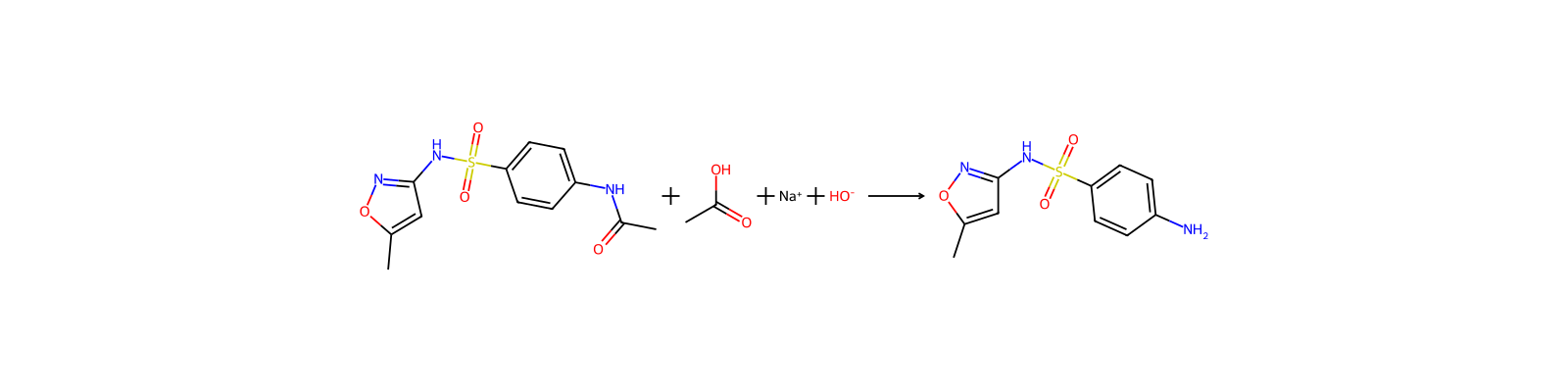
Sulfamethoxazole metabolism is mediated primarily by arylamine N-acetyltransferase (NAT) enzymes, which are responsible for acetylation of sulfamethoxazole at its N4 position. Sulfamethoxazole may also undergo oxidation at its C5 and N4 atoms, the latter of which is catalyzed by CYP2C9. Glucuronidation of the N4 atom, likely mediated by unspecified UGT enzymes, is an additional minor route of metabolism. None of the identified metabolites of sulfamethoxazole appear to carry antimicrobial activity. The hydroxylamine metabolite of sulfamethoxazole, generated via oxidation by CYP2C9, may be further converted to a more reactive nitroso- metabolite.
Although the liver is the major site of metabolism, sulfonamides may also be metabolized in other body tissues. Most sulfonamides are metabolized mainly by N4-acetylation. The degree of acetylation, which is a function of time, varies from less than 5% for sulfamethizole to up to 40% for sulfadiazine. The N4-acetyl metabolites, which do not possess antibacterial activity, have greater affinity for plasma albumin than does the nonacetylated drug and are usually less soluble than the parent sulfonamide, particularly in acidic urine. Like acetyl derivatives, glucuronide derivatives do not possess antibacterial activity; however, glucuronide derivatives are water soluble, appear to resemble the nonacetylated sulfonamide in plasma binding capacity, and have not been associated with adverse effects. /Sulfonamides/
The in vitro biotransformation of three sulfonamides ... was studied using primary cultures of pig hepatocytes. Incubation of monolayer cultures with sulfadimethoxine (SDM), sulfamethoxazole (SMZ) and 14C-sulfadimidine (SDD) resulted in the formation of the corresponding N4-acetylsulfonamide to different extents, depending upon the molecular structure of the drug. Addition of the acetylsulfonamides to the cells showed that these compounds were deacetylated, each to a different extent. A relatively low degree of acetylation (in case of 14C-sulfadimidine) was paralleled by extensive deacetylation (i.e. AcSDD), whereas extensive acetylation (i.e.sulfamethoxazole) was in concert with minor deacetylation (i.e.AcSMX). The addition of bovine serum albumin to the medium resulted in a decrease in conversion of sulfonamides as well as acetylsulfonamides. ...
The acetylation pattern of sulfamethoxazole was examined in six male and 16 female healthy volunteers selected according to their acetylation phenotype by analysis of the acetylation pattern of sulfadimidine. They were given a single oral dose of 10 mg/kg bw sulfamethoxazole, and blood (at 6 hr) and urine (0-6 hr) were analysed for the presence of total and free sulfamethoxazole (total minus free was considered to be the acetylated form). Sulfamethoxazole did not appear to undergo polymorphic acetylation.
Acetylation of sulfamethoxazole by human hepatic monomorphic (NAT1) and polymorphic (NAT2) arylamine N-acetyltransferase showed a higher affinity for the monomorphic enzyme (Kmax, 1.2 mmol/L and approximately 5 mmol/L for NAT1 and NAT2, respectively). The higher affinity for NAT1 indicated that acetylation by this enzyme predominates at therapeutic plasma concentrations, in agreement with the observed monomorphic acetylation of sulfamethoxazole in vivo. There were no differences in affinity between human recombinant NAT1 and NAT2 enzymes in converting sulfamethoxazole hydroxylamine to the reactive N-acetoxysulfamethoxazole.
For more Metabolism/Metabolites (Complete) data for SULFAMETHOXAZOLE (12 total), please visit the HSDB record page.
JE42381TNV
SULFAMETHOXAZOLE
Established Pharmacologic Class [EPC] - Sulfonamide Antimicrobial
Chemical Structure [CS] - Sulfonamides
Mechanisms of Action [MoA] - Cytochrome P450 2C9 Inhibitors
Sulfamethoxazole is a Sulfonamide Antimicrobial. The mechanism of action of sulfamethoxazole is as a Cytochrome P450 2C9 Inhibitor.
Sulfamethoxazole is rapidly absorbed following oral administration and has a bioavailability of 85-90%. The Tmax is approximately 1-4 hours following oral administration, and the Cmax at steady-state is 57.4 - 68.0 μg/mL.
Elimination occurs primarily via glomerular filtration and tubular secretion in the kidneys, with urine concentrations generally considerably higher than plasma concentrations. Approximately 84.5% of a single oral dose of sulfamethoxazole is recovered in the urine within 72 hours, of which ~30% is free sulfamethoxazole and the remainder is the N4-acetylated metabolite.
The volume of distribution sulfamethoxazole following a single oral dose was found to be 13 L. Sulfamethoxazole distributes into sputum, vaginal fluid, middle ear fluid, breast milk, and the placenta.
The oral and renal clearance of sulfamethoxazole have been estimated as 1.2 ± 0.2 and 0.22 ± 0.05 L/h, respectively.
In urine, approximately 20% of the sulfamethoxazole present is unchanged drug, 50-70% is the acetylated derivative, and 15-20% is the glucuronide conjugate.
Sulfamethoxazole is widely distributed into most body tissues. Sulfamethoxazole crosses the placenta. In general, the total serum protein binding of sulfamethoxazole is considered to be 50-70%; the acetylated metabolite of sulfamethoxazole is protein bound to a somewhat greater extent than is the unmetabolized drug. In uremic patients, serum protein binding of sulfamethoxazole is reduced. Sulfamethoxazole has an apparent volume of 10-16 liters. In uremic patients, the apparent volume of distribution of sulfamethoxazole increases substantially; this increase is partly caused by reduced binding of the drug to serum proteins.
Antibacterial /+ trimethoprim/
Sulfanilanilides with 3',5'-halogen substitutions had Ki values 6- to 57-fold lower than the Ki of sulfamethoxazole when tested against dihydropteroate synthase from Toxoplasma gondii. The compounds acted as competitive inhibitors. These compounds were also active against dihydropteroate synthase from Pneumocystis carinii, Mycobacterium avium, and Escherichia coli but were not significantly more active than sulfamethoxazole. The compounds were significantly more active in culture than were a standard agents. Against T. gondii in culture, 50% inhibitory concentrations were 7- to 30-fold lower than that of sulfadiazine; against P. carinii in culture, a concentration of 100 uM caused 33 to 95% inhibition of growth, compared with 9% inhibition with 100 uM sulfamethoxazole.
THERAP CAT: Antibacterial
THERAP CAT (VET): Antibacterial; antipneumocystic
For more Uses (Complete) data for SULFAMETHOXAZOLE (6 total), please visit the HSDB record page.
Use (kg) in Switzerland (2009): >1000
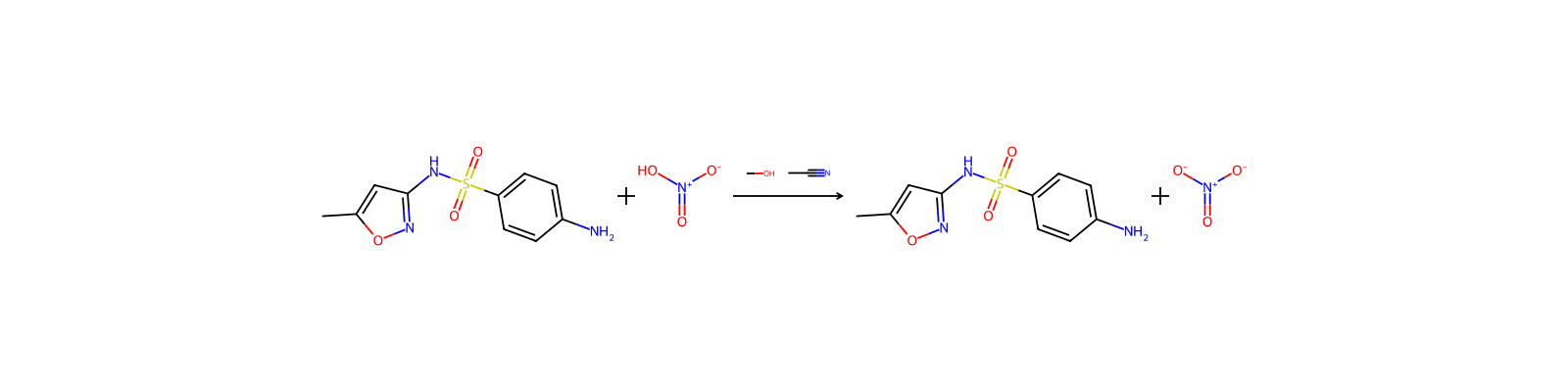
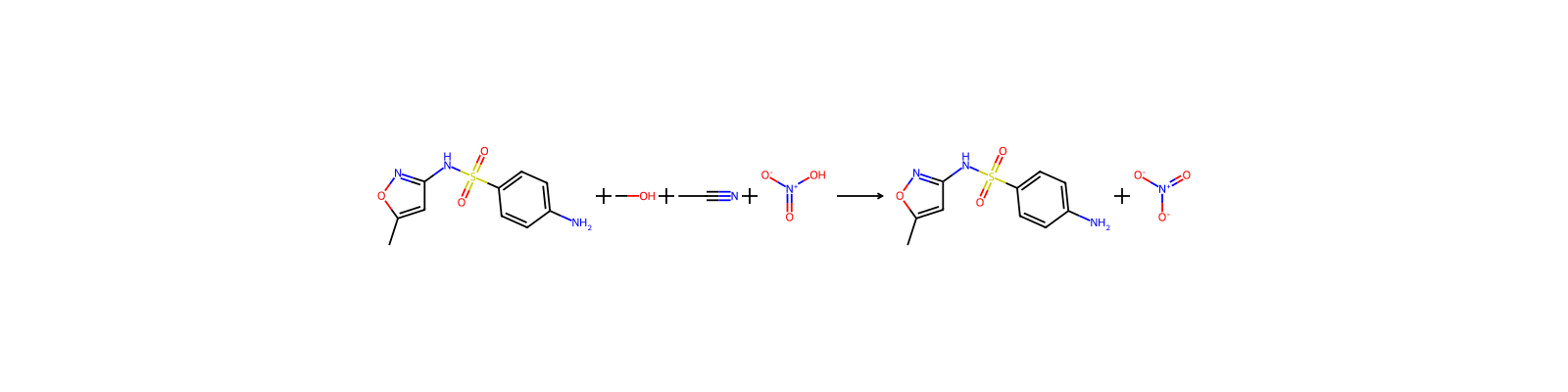
N-[4-[(5-methylisoxazol-3-yl)sulfamoyl]phenyl]acetamide; 4-[[(4-)aminophenyl)sulfonyl]amino]-N-(5-methylisoxazol-3-yl]benzenesulfonamide; 5-methylisoxazol-3-amine; 4-aminobenzenesulfonic acid; 4-aminobenzenesulfonamide; 4-amino-N-(3-methylisoxazol-5-yl)benzenesulfonamide
Oral Suspension: Trimethoprim 40 mg/5 mL and Sulfamethoxazole 200 mg/5 mL; Septra Suspension (with 0.26% alcohol, 0.1% methylparaben, and 0.1% sodium benzoate) Monarch /Co-trimoxazole/
Tablets: Trimethoprim 80 mg and Sulfamethoxazole 400 mg Bactrim (scored) /by/ Women First HealthCare; Trimethoprim 160 mg and Sulfamethoxazole 800 mg Bactrim DS (scored) /by/ Women First HealthCare; Septra (with povidone; scored) /by/ Monarch /Co-trimoxazole/
Parenteral for injection concentrate, for IV infusion Trimethoprim 16 mg/mL and Sulfamethoxazole 80 mg/mL; Sulfamethoxazole and Trimethoprim Concentrate for Injection (with alcohol 10%, benzyl alcohol 1%, diethanolamine 0.3%, propylene glycol 40%, and sodium metabisulfite 0.1%); Elkins-Sinn, GensiaSicor /Co-trimoxazole/
IT IS PRESENTLY MARKETED IN FIXED-DOSE COMBINATION WITH PHENAZOPYRIDINE (AZO GANTANOL) AS URINARY ANTISEPTIC & ANALGESIC, & WITH TRIMETHOPRIM.
SULFAMETHOXAZOLE, NF (GANTANOL), IS CLOSE CONGENER OF SULFISOXAZOLE ... SULFAMETHOXAZOLE IS AVAIL FOR ORAL USE, AS 500-MG TABLETS & AS SUSPENSION (100 MG/ML).
Pharmaceuticals -> Animal Drugs -> Approved in Taiwan
Pharmaceuticals -> Antiinfectives for systemic use -> Antibacterials for systemic use -> Sulfonamides and trimethoprims -> Intermediate-acting sulfonamides -> Antibiotics
UsesAs an antimicrobial agent, it is particularly effective in treating Staphylococcus aureus and E. coli. It is mainly used for the treatment of fowl cholera. It can be used as anti-infective drug and can be used for the treatment and prevention of acute and chronic urinary tract infections, respiratory infections, intestinal infections, Salmonella infections, children acute otitis media, and meningitis.
DescriptionLike sulfisoxazole, this drug is effective in treating infections caused by streptococci, gonococci, pneumococci, staphylococci as well as colon bacillus. Unlike sulfisoxazole, only about 70% of it binds with proteins in the plasma after oral administration, and it diffuses mostly to tissues and tissue fluids. However, since it is removed much slower than sulfisoxazole, it does not require frequent administration and is also the drug of choice for many systemic infections. Moreover, it is an ingredient of a combined drug named bactrim, biseptol, and so on (which will be examined later on), which has a fixed correlation with trimethoprim. Synonyms of this drug are gantanol, sinomin, sulfisomezole, and others.
Usesantibacterial, antipneumocystis
UsesAn antibacterial drug. Sulfonamide antibiotic that blocks the synthesis of dihydrofolic acid by inhibiting the enzyme dihydropteroate synthase.This compound is a contaminant of emerging concern (CECs).
General DescriptionSulfamethoxazole’s plasma half-life is 11 hours. Sulfamethoxazole is a sulfonamide drug closely relatedto sulfisoxazole in chemical structure and antimicrobial activity.It occurs as a tasteless, odorless, almost white crystallinepowder. The solubility of sulfamethoxazole in the pHrange of 5.5 to 7.4 is slightly lower than that of sulfisoxazole but higher than that of sulfadiazine, sulfamerazine, or sulfamethazine.Following oral administration, sulfamethoxazole is notabsorbed as completely or as rapidly as sulfisoxazole, andits peak blood level is only about 50% as high.
General DescriptionCrystals or white powder.
DefinitionChEBI: An isoxazole (1,2-oxazole) compound having a methyl substituent at the 5-position and a 4-aminobenzenesulfonamido group at the 3-position.
/HUMAN EXPOSURE STUDIES/ No increase in the incidence of defects was found in the offspring of 120 pregnant women who had been treated with sulfamethoxazole for bacteriuria, but only 10 of the women had been treated before the 16th week of pregnancy.
For more Human Toxicity Excerpts (Complete) data for SULFAMETHOXAZOLE (32 total), please visit the HSDB record page.