
HRID 3800反応物として
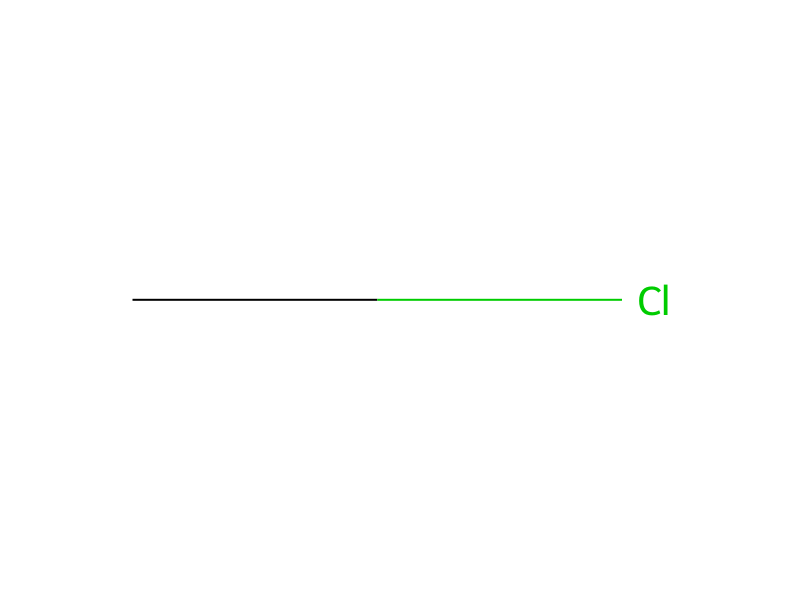
2108-20-5CClNEHMKBQYUWJMIP-UHFFFAOYSA-NChloromethane is also known as methyl chloride. It is a clear, colorless gas. It has a faint, sweet odor that is noticeable only at levels that may be toxic. It is heavier than air, and it is extremely flammable.
2108-20-5、74-87-3DTXSID0021541CHEMBL117545CHEBI:36014Hazardous Air Pollutants (HAPs)
Teratogens
Volatile Organic Compound (VOC)
log Kow = 0.91
0.91
Faint sweet ethereal odor
Mild odor
0.997 at -11.2 °F (USCG, 1999) - Less dense than water; will float
0.911 g/cu cm at 25 °C (pressure > 1 atm)
Bulk density: 7.68 lb/gal at 20 °C
Saturated liquid density: 62.170 lb/cu ft at -20 °F; liquid heat capacity: 0.362 Btu/lb-F at -20 °F; liquid viscosity: 0.320 centipoise at -20 °F; saturated vapor pressure: 67.520 lb/sq in at 65 °F; saturated vapor density: 0.60530 lb/cu ft at 65 °F; ideal gas heat capacity: 0.192 Btu/lb-F at 75 °F
安全情報は参考情報です。供給元の安全データシート(SDS)、適用法令、専門家による評価に代わるものではありません。
Danger
H220: Extremely flammable gas [Danger Flammable gases]
P203, P210, P222, P260, P280, P318, P319, P377, P381, P403, P405, and P501 (click each P-code to see the statement)
Danger
H220 (100%): Extremely flammable gas [Danger Flammable gases]
P203, P210, P222, P260, P280, P318, P319, P377, P381, P403, P405, P410+P403, and P501 (click each P-code to see the statement)
Chemical: Methane, chloro-
Hazard Traits - Developmental Toxicity; Environmental tox; Hepatotoxicity and Digestive System Toxicity; Nephrotoxicity and Other Toxicity to the Urinary System; Neurodevelopmental Toxicity; Neurotoxicity; Reproductive Toxicity
Methane, chloro- is listed on the EPA's Chemical Data Reporting (CDR) system. Manufacturers and importers of Methane, chloro- are required to report information about their production and use of this chemical to the EPA under the Toxic Substances Control Act (TSCA). (40 eCFR Part 711)
REACH registered substance: chloromethane; methyl chloride (EC: 200-817-4)
Methane, chloro- (methyl chloride): HSNO Approval: HSR001006 Approved with controls
The New Jersey Worker and Community Right to Know Act requires public and private employers to provide information about hazardous substances at their workplaces. (N.J.S.A. 34:5A-1 et. seq.)
Special Hazards of Combustion Products: Toxic and irritating gases are generated in fires.
· EXTREMELY FLAMMABLE.
· EXTREMELY FLAMMABLE.
Highly flammable. Heating will cause rise in pressure with risk of bursting. Gas/air mixtures are explosive.
/Chloromethane ... /causes/ central nervous system depression.
Cytotoxicity, the primary effect of methyl chloride, resulted in the disruption of the cell metab. and altered the electron transport processes of the respiratory chain. Thus, following 2-30 day inhalation exposure in rats (4 hr daily), the response was max by 8th day. Initially the activities of succinate dehydrogenase, alpha-glycerophosphate dehydrogenase, nonspecific esterase, decreased somewhat, whereas NAD-diaphorase and cytochrome oxidase increased. The activity of the diaphorase in the lymphoid tissue was high during the progress of the primary response. The secondary response was noted by 30th day when cytochrome oxidase activities are informative of the progress of toxic processes.
Previous data have demonstrated that methyl chloride is toxic to B6C3F1 mice under both acute and chronic exposure conditions, and that conjugation of methyl chloride with glutathione is a key step in the metabolism of methyl chloride. This study examined the role of glutathione in mediating the acute toxicity of methyl chloride to liver, kidney, and brain of male B6C3F1 mice. The lethal effects of a single 6 hr inhalation exposure of B6C3F1 males to 2500 ppm methyl chloride were completely prevented by pretreatment with the glutathione synthesis inhibitor, L-buthionine-S,R-sulfoximine (4 mmol L-BSO/kg, ip 1.5 hr prior to methyl chloride exposure). ... These results indicate that glutathione is an important component in the toxicity of methyl chloride to multiple organ systems in B6C3F1 mice. Reaction of methyl chloride with glutathione appears to constitute a mechanism of toxication, contrary to the role usually proposed for glutathione in detoxifying xenobiotics.
Inhalation of methyl chloride by male B6C3F1 mice resulted in a concentration-dependent depletion of glutathione in liver, kidney, and brain. Exposure for 6 hr to 100 ppm methyl chloride decreased the concentration of glutathione in mouse liver by 45%, while exposure to 2500 ppm for 6 hr lowered liver glutathione to approximately 2% of control levels. For those exposures which decreased liver glutathione to less than 20% of control levels, the extent of liver glutathione depletion was closely correlated with the capacity of a 9000 g supernatant fraction from the liver to undergo lipid peroxidation in vitro. Glutathione was depleted to a lesser extent in mouse brain and kidney, compared to liver, and no relationship to peroxidation was observed for single exposures to methyl chloride. ... Exposure of rats to 2000 ppm methyl chloride reduced liver glutathione to 20% of control levels, compared to 4.5% in mice similarly exposed, and under these exposure conditions the amount of lipid peroxidation measured in vitro was 40 fold greater in mouse liver than in rat liver. During exposure of mice to 2500 ppm methyl chloride, ethane expiration increased to an extent comparable to that produced by administration of 2 ml/kg of carbon tetrachloride. These findings suggest that glutathione depletion in liver may be an important component of methyl chloride induced hepatotoxicity.



Relative density (water = 1): 0.91
0.997 at -11.2 °F
0.00027 Pa.s at 20 °C (liquid, 0.5 MPa)
0.1834 cP at 20 °C
Slightly soluble (NTP, 1992)
In water, 5040 mg/L at 25 °C
Solubility at 20 °C (mL/100 mL): benzene 4723, carbon tetrachloride 3756, glacial acetic acid 3679, ethanol 3740; miscible with chloroform, ether
Soluble in ethanol; miscible with ethyl ether, acetone, benzene and chloroform
Solubility in water, g/100ml at 25 °C: 0.5
0.5%
Flammable gas. Very dangerous fire hazard when exposed to heat, flame or powerful oxidizers. ... May ignite on contact with aluminum chloride or powdered aluminum.
It is easily ignited.
Inhalation causes nausea, vomiting, weakness, headache, emotional disturbances; high concentrations cause mental confusion, eye disturbances, muscular tremors, cyanosis, convulsions. Contact of liquid with skin may cause frostbite. (USCG, 1999)
· Vapors may cause dizziness or asphyxiation without warning, especially when in closed or confined areas.
· Vapors may cause dizziness or asphyxiation without warning, especially when in closed or confined areas.
Chloromethane is also known as methyl chloride. It is a clear, colorless gas. It has a faint, sweet odor that is noticeable only at levels that may be toxic. It is heavier than air, and it is extremely flammable.
Low levels of methyl chloride occur naturally in the environment. Higher levels may occur at chemical plants where it is made or used. Acute (short-term) exposure to high concentrations of methyl chloride in humans has caused severe neurological effects. Methyl chloride has also caused effects on the heart rate, blood pressure, liver, and kidneys in humans. Chronic (long-term) animal studies have shown liver, kidney, spleen, and central nervous system (CNS) effects. Inhalation studies have demonstrated that methyl chloride causes reproductive effects in male rats, with effects such as testicular lesions and decreased sperm production. Human cancer data are limited. EPA has classified methyl chloride as a Group D carcinogen (not classifiable as to human carcinogenicity).
Slurred speech and staggering gait were observed in six workers exposed at 200-400 ppm for at least 2 weeks, but no changes in blood chemistries were found in these six cases. Liver injury has been documented in animal studies. [ACGIH] Possible frostbite from contact with liquid; [NIOSH] In high-dose reproductive studies of mice and rats, methyl chloride causes testicular damage; it causes increased heart valve birth defects in mice only. [Frazier, p. 286-7] Compared to other haloalkanes, methyl chloride is nontoxic to the liver. Steatosis may be observed in high-dose feeding studies of animals. [Zimmerman, p. 333] Has acute effects on the CNS, heart, liver, and kidneys; Possible CNS and reproductive effects after chronic exposure; [ICSC] Empirical data in support of a skin notation for methyl chloride [PMID 29708856]
1063 115
1063 115
1063 115
Repko JD, Lasley SM; CRC Crit Rev Toxicol 6 (4): 283-302 (1979). A review with 67 references on the biochemical basis for and the behavioral and neurological effects of methyl chloride toxicity.
USEPA; Chemical Hazard Information Profile: Chloromethane (Draft) p.V-3 (1978) EPA-560/10-78-001
USEPA; Subst Risk Notice, 8EHQ-0180-0324 (1980)
Repko Jd; Neurobehav Toxicol Terotol 3 (4): 425-9 (1981). This review focuses on the human case reports of acute and chronic exposures as well as some of the more important inhalation studies conducted with animals. The chemical and physical properties and the more important industrial uses are also discussed.
DHHS/ATSDR; Toxicological Profile for Chloromethane (1990) ATSDR/TP-90/07
Excerpt from ERG Guide 115 [Gases - Flammable (Including Refrigerated Liquids)]:
Shut off supply; if not possible and no risk to surroundings, let the fire burn itself out. In other cases extinguish with water spray. In case of fire: keep cylinder cool by spraying with water. Combat fire from a sheltered position.
Fresh air, rest. Artificial respiration may be needed. Refer for medical attention.
ON FROSTBITE: rinse with plenty of water, do NOT remove clothes. Refer for medical attention .
· CALL 911. Then call emergency response telephone number on shipping paper. If shipping paper not available or no answer, refer to appropriate telephone number listed on the inside back cover.
· ELIMINATE all ignition sources (no smoking, flares, sparks or flames) from immediate area.
· CALL 911. Then call emergency response telephone number on shipping paper. If shipping paper not available or no answer, refer to appropriate telephone number listed on the inside back cover.
· ELIMINATE all ignition sources (no smoking, flares, sparks or flames) from immediate area.
EYES: First check the victim for contact lenses and remove if present. Flush victim's eyes with water or normal saline solution for 20 to 30 minutes while simultaneously calling a hospital or poison control center. Do not put any ointments, oils, or medication in the victim's eyes without specific instructions from a physician. IMMEDIATELY transport the victim after flushing eyes to a hospital even if no symptoms (such as redness or irritation) develop.
General First Aid:
General First Aid:
(General first aid procedures)
Vapors are heavier than air and will collect in low areas. Vapors may travel long distances to ignition sources and flashback. Vapors in confined areas may explode when exposed to fire. Containers may explode in fire. Storage containers and parts of containers may rocket great distances, in many directions.
· Wear positive pressure self-contained breathing apparatus (SCBA).
· Wear positive pressure self-contained breathing apparatus (SCBA).
10.0 [ppm]
Suitable extinguishing media: Use water spray, alcohol-resistant foam, dry chemical or carbon dioxide.
Advice for firefighters: Wear self-contained breathing apparatus for firefighting if necessary.
Use water spray to cool unopened containers.
If material on fire or involved in fire: Do not extinguish fire unless flow can be stopped. Use water in flooding quantities as fog. Cool all affected containers with flooding quantities of water. Apply water from as far a distance as possible.
For more Fire Fighting Procedures (Complete) data for METHYL CHLORIDE (7 total), please visit the HSDB record page.
Keep container tightly closed in a dry and well-ventilated place. Contents under pressure. Moisture sensitive. Storage class (TRGS 510): Gases
Store in well-ventilated place controlled below 40 °C. No exposure to direct sunlight. ... Electrical equipment of spark-resistant construction is preferred.
Store separately from all other flammable materials. ... Before entering confined space where this chemical may be present, check to make sure that an explosive concentration does not exist. Methyl chloride must be stored to avoid contact with oxidizers (such as perchlorates, peroxides, chlorates, nitrates, and permanganates) or chemically active metals (such as sodium, potassium, powdered aluminum, zinc, and magnesium), since violent reactions occur. Store in tightly closed containers in a cool, well-ventilated area away from heat and direct sunlight. Sources of ignition, such as smoking and open flames, are prohibited where methyl chloride is used, handled, or stored in a manner that could create a potential fire ot explosion hazard. Wherever methyl chloride is used, handled, manufactured, or stored, use explosion-proof electrical equipment for fittings. Procedures for the handling, use, and storage of cylinders should be in compliance with OSHA 1910.101 and 1910.169, as with the recommendations of the Compressed Gas Association. A regulated, marked area should be established where this chemical is handled, used, or stored in compliance with OSHA Standard 1910.1045.
ACCIDENTAL RELEASE MEASURES: Personal precautions, protective equipment and emergency procedures: Use personal protective equipment. Avoid breathing vapors, mist or gas. Ensure adequate ventilation. Remove all sources of ignition. Evacuate personnel to safe areas. Beware of vapors accumulating to form explosive concentrations. Vapors can accumulate in low areas; Environmental precautions: Prevent further leakage or spillage if safe to do so. Do not let product enter drains; Methods and materials for containment and cleaning up: Clean up promptly by sweeping or vacuum.
Evacuate and restrict persons not wearing protective equipment from area of spill or leak until cleanup is complete. Remove all ignition sources. Establish forced ventilation to keep levels below explosive limit. Stop the flow of gas if it can be done safely. If source of leak is a cylinder and the leak cannot be stopped in place, remove leaking cylinder to a safe place in the open air, and repair leak or allow cylinder to empty. Keep this chemical out of confined space, such as a sewer, because of the possibility of explosion, unless the sewer is designed to prevent the buildup of explosive concentrations. It may be necessary to contain and dispose of this chemical as a hazardous waste.
Product: Burn in a chemical incinerator equipped with an afterburner and scrubber but exert extra care in igniting as this material is highly flammable. Offer surplus and non-recyclable solutions to a licensed disposal company. Contact a licensed professional waste disposal service to dispose of this material; Contaminated packaging: Dispose of as unused product.
Generators of waste (equal to or greater than 100 kg/mo) containing this contaminant, EPA hazardous waste number U045, must conform with USEPA regulations in storage, transportation, treatment and disposal of waste.
Methyl chloride is a waste chemical stream constituent which may be subjected to ultimate disposal by controlled incineration.
A potential candidate for rotary kiln incineration at a temperature range of 820 to 1,600 °C and residence times of seconds for liquids and gases, and hours for solids. A potential candidate for fluidized bed incineration at a temperature range of 450 to 980 °C and residence times of seconds for liquids and gases, and longer for solids.
For more Disposal Methods (Complete) data for METHYL CHLORIDE (6 total), please visit the HSDB record page.
ATSDR Toxicological Profile for Chloromethane - Succinctly characterizes the toxicologic and adverse health effects information.
Ranking: 121 (total points: 1077.68)
Lethargy may be more pronounced in patients also taking a benzodiazepine.
Human behavioral effects resulting from the ingestion of an average dose of diazepam and from 3 h of inhaling either 100 ppm or 200 ppm of methyl chloride (MeCl) were studied in the laboratory. Each of 56 volunteers was randomly assigned to one of six groups comprising the combinations of diazepam and placebo and one of the two levels of MeCl plus control. Each individual was tested in an environmental room on three tasks involving components of eye-hand coordination, mental alertness, and time discrimination. Both pretreatment and treatment data were obtained. Diazepam produced a significant 10% impairment in task performance, whereas the effect of 200 ppm of MeCl was marginally significant (average performance impairment of 4.5%). When the two agents were combined, total impairment was equal to the sum of the individually induced losses. Large interindividual differences in breath and blood levels were found for MeCl.
The effectiveness of the cyclooxygenase/lipoxygenase inhibitor, BW755C in preventing the toxicity induced in male F-344 rats by methyl chloride was examined; BW755C (10 mg/kg ip, 1 hr pre and postexposure) prevented both lethality (0/6 vs 8/12 in controls) and epididymal granuloma formation (0/6 vs 4/4 in control) in rats exposed to 7500 ppm methyl chloride 6 hr/day for 2 days. Additionally rats were exposed to 5000 ppm methyl chloride 6 hr/day for 5 days, with and without BW755C treatment as described above. The rats were killed on day 5 and tissues processed for light microscopic examination. Methyl chloride exposed rats showed hepatocellular cloudy swelling, degradation of renal proximal convoluted tubules, vacuolar degeneration in the adrenal cortex, necrosis of the internal granular layer of the cerebellum, and degenerative changes in the testis and epidermis, including formation of epididymal sperm granulomas. With the exception of the adrenal, tissues examined in rats of the methyl chloride/BW755C treatment group showed virtually no histological evidence of lesions. BW755C did not significantly alter metabolism of (14)C methyl chloride to (14)carbon dioxide or (14)carbon in urine, not did it affect the distribution to various organs of radioactivity derived from (14) methyl chloride. Therefore, BW755C protection against methyl chloride toxicity did not appear to result from altered methyl chloride metabolism or disposition. Instead, the protection was apparently related to the pharmacological activity of BW755C as an inhibitor of leukotriene and prostaglandin synthesis.
Inhalation of (14)C-labeled methyl chloride by rats ... at ... 6 hr exposure to 500 or 1500 ppm. ... Pretreatment of rats with cycloheximide reduced the amt of methyl chloride-derived radioactivity associated with tissue protein by 42-58%, whereas (3H)leucine incorporation was inhibited by 75-85%, indicating that most, but not necessarily all, of the uptake of (14)C-methyl chloride into protein was dependent on normal protein synthesis. Pretreatment with methotrexate inhibited the uptake of (14)C-methyl chloride into lipid, acid-insoluble material, RNA, and DNA by 47, 64, 65, and 93%, respectively. Pretreatment with methanol inhibited (14)C-methyl chloride uptake into acid-insoluble material by 66%. Most of the (14)carbon appearing in macromolecules following inhalation of (14)C-methyl chloride arose through metabolic incorporation, stemming from metabolism of methyl chloride via the 1-C pool. Methanol apparently competed with methyl chloride for entry into this pool, although the failure of ethanol, 4-methylpyrazole, or 3-amino-1,2,4-triazole to inhibit (14)C-methyl chloride incorporation indicated that methyl chloride was not metabolized to methanol per se. Methanol pretreatment also inhibited (14)CO2 evolution from (14)C-methyl chloride, indicating that metabolism of methyl chloride via 1-C pathways may be of major quantitative significance.
For more Interactions (Complete) data for METHYL CHLORIDE (6 total), please visit the HSDB record page.
Hepatic (Liver), Neurological (Nervous System), Renal (Urinary System or Kidneys), Reproductive (Producing Children)
Nervous
central nervous system, liver, kidneys, reproductive system
Toxicity Threshold (Cell Multiplication Inhibition Test) Entosiphon sulcatum (protozoa) 8000 mg/L
Toxicity Threshold (Cell Multiplication Inhibition Test) Scenedesmus quadricauda (green algae) 1450 mg/L
Toxicity Threshold (Cell Multiplication Inhibition Test) Microcystis aeruginosa (algae) 550 mg/L
LC50; Species: Lepomis macrochirus (/Bluegill)/; Conditions: static bioassay in fresh water at 23 °C, mild aeration applied after 24 hr; Concentration: 550 ppm for 96 hr
For more Ecotoxicity Values (Complete) data for METHYL CHLORIDE (6 total), please visit the HSDB record page.
TERRESTRIAL FATE: Based on a classification scheme(1), an estimated Koc value of 13(SRC), determined from a structure estimation method(2), indicates that methyl chloride is expected to have very high mobility in soil(SRC). Volatilization of methyl chloride from moist soil surfaces is expected to be an important fate process(SRC) given a Henry's Law constant of 8.82X10⁻³ atm-cu m/mole(3). Methyl chloride is expected to volatilize from dry soil surfaces(SRC) based upon a vapor pressure of 4300 mm Hg at 25 °C(4). Utilizing the Japanese MITI test, 1% of the Theoretical BOD was reached in 4 weeks(5) indicating that biodegradation is not an important environmental fate process in soil(SRC). However, a 77% biodegradation in 28 days using OECD Guideline 301D(6) suggests methyl chloride can biodegrade readily under certain conditions. Methyl chloride has been shown to biodegrade in soil microcosms(8) and in environmental waters(6,7). Overall, methyl chloride is not considered readily biodegradable, but it can be degraded by adapted bacteria and under anaerobic conditions(7).
AQUATIC FATE: Based on a classification scheme(1), an estimated Koc value of 13(SRC), determined from an estimation method(2), indicates that methyl chloride is not expected to adsorb to suspended solids and sediment(SRC). Volatilization from water surfaces is expected(3) based upon a Henry's Law constant of 8.82X10⁻³ atm-cu m/mole(4). Using this Henry's Law constant and an estimation method(3), volatilization half-lives for a model river and model lake are 2.1 hours and 2.8 days, respectively(SRC). According to a classification scheme(5), an estimated BCF of 3(SRC), from its log Kow of 0.91(6) and a regression-derived equation(2), suggests the potential for bioconcentration in aquatic organisms is low. Utilizing the Japanese MITI test, 1% of the Theoretical BOD was reached in 4 weeks(5) indicating that biodegradation is not an important environmental fate process in water(SRC). However, a 77% biodegradation in 28 days using OECD Guideline 301D(8) suggests methyl chloride can biodegrade readily under certain conditions. Methyl chloride has been shown to biodegrade in environmental waters(8,9). Overall, methyl chloride is not considered readily biodegradable, but it can be degraded by adapted bacteria and under anaerobic conditions(9). The half-life for the hydrolysis of methyl chloride is 0.93 yr at pH 7 and 25 °C(10); the rate is independent of pH below pH 10(10).
ATMOSPHERIC FATE: According to a model of gas/particle partitioning of semivolatile organic compounds in the atmosphere(1), methyl chloride, which has a vapor pressure of 4300 mm Hg at 25 °C(2), is expected to exist solely as a vapor in the ambient atmosphere. Gas-phase methyl chloride is degraded in the atmosphere by reaction with photochemically-produced hydroxyl radicals(SRC); the half-life for this reaction in air is estimated to be 445 days(SRC), calculated from its rate constant of 3.6X10⁻¹⁴ cu cm/molecule-sec at 25 °C(3). Methyl chloride does not absorb at wavelengths >290 nm(4) and, therefore, is not expected to be susceptible to direct photolysis by sunlight in the troposphere(SRC). The dominant loss mechanism for methyl chloride in the troposphere may be upward diffusion although washout by rain may have some importance(5). From the tropopause to about 30 km, both upward diffusion and reaction with hydroxyl radicals may have approximately equal importance, and above 30 km in the stratosphere diffusion, reaction with hydroxyl radicals, and direct photolysis may have approximately equal weight(5). The surface half-life resulting from upward diffusion is about 80 days(5).
The substance can be absorbed into the body by inhalation and through the skin.
inhalation, skin and/or eye contact (liquid)
IDENTIFICATION AND USE: Methyl chloride is a colorless compressed gas or liquid. Most methyl chloride is used as an intermediate feedstock in silicone fluids, elastomers, and resins. Methyl chloride has been used in timber products processing, as a blowing agent for some polystyrene foams, and as a refrigerant. It was formerly used as an aerosol propellant. As a pesticide, methyl chloride is not registered for current use in the U.S.; but approved pesticide uses may change periodically and so federal, state and local authorities must be consulted for currently approved uses. HUMAN EXPOSURE AND TOXICITY: The many symptoms of acute exposure include headache, nausea, irritation of the skin and eyes, central nervous system depression, pulmonary edema, hemolysis, chronic intoxication, paresthesia, narcosis, increased risk of spontaneous abortion, intravascular hemolysis, unconsciousness, rapid followed by slow respiration, painful joints, swelling of the extremities, diabetes, aspiration pneumonia, gross hematuria, reduction of blood pH, gastrointestinal injury, upper respiratory tract irritation, depression, fatigue, vertigo, liver damage, blood dyscrasias, acceleration of the pulse, congestion in the head, neurasthenic disorders, digestive disturbances, acoustical and optical delusions, arrhythmias produced by catecholamines, faintness, loss of appetite, hyporeflexia, gross hemoglobinuria, metabolic acidosis, GI hemorrhage, diverticula, kidney damage, lung damage, corneal injury, abdominal pain, increase in salivary gland tumors, cyanosis, convulsions, coma, and death. Deaths have occurred following single severe or repeated prolonged moderate overexposure. Methyl chloride is poisonous intravenously; moderately toxic by ingestion, subcutaneous, and intraperitoneal routes; mildly toxic by inhalation. Most cases of intoxication by methyl chloride have involved concentrations above 500 ppm. After methyl chloride leakage from a refrigerator occurred on board an Icelandic fishing vessel in 1963, many of the crew members were hospitalized due to various neurological symptoms and signs. Follow-up showed increased mortality due to cardiovascular diseases after 47 years. The suicide cases had developed severe depression after the methyl chloride intoxication. Methyl chloride at an atmospheric concentration of 1% (10,000 ppm or 20,700 mg/cu m) was mutagenic to TK6 human lymphoid cells in vitro and caused an increased incidence of sister chromatid exchange and breakage of DNA strands. ANIMAL STUDIES: Exposure of a rabbit's eye to pure methyl chloride gas at room temperature for ninety seconds caused only slight conjunctival hyperemia. CNS depression occurs at 40,000 ppm in rabbits and at 108,600 ppm in cats. Rats and mice were exposed by inhalation to methyl chloride for 6 hr/day for up to 12 days. All male mice exposed to 2000 ppm were dead or moribund by day 2, and all mice in the remaining 2000 ppm groups were moribund by day 5. The principal clinical signs, which were confined to the 5000 and 3500 ppm groups, included severe diarrhea and incoordination of the forelimbs. In rats, lesions observed in tissues examined included vacuolar degeneration of the zona fasciculata of the adrenal glands and degenerative changes in the seminiferous tubules and epididymis. Three of four dogs and both of two monkeys died after 4 weeks and 16 weeks, respectively, after exposure to 500 ppm for 6 hr/day, 6 days/wk. Mice and rats of both sexes were exposed at methyl chloride concentrations of 0, 50, 225 or 1000 ppm for 6 hr/day, 5 days/week for 2 years. A statistically significant increase in both malignant and nonmalignant renal tumors occurred in only the male mice exposed at 1000 ppm. In another two-year inhalation study, male and female rats were exposed to 0, 51, 224 or 997 ppm methyl chloride for 6 hr per day, five days per week. No increase in tumor incidence was reported. Birth defects with retarded development have been observed in rodents. Pregnant mice were exposed via inhalation on days 6-18 of gestation. Exposure at 500 or 750 ppm caused a statistically significant increase in the numbers of cardiac malformations. Exposures at concentrations of 250 or 100 ppm were considered nonteratogenic. Offspring of rats exposed similarly to methyl chloride showed no terata. Methyl chloride is mutagenic to bacteria and induces chromosomal aberrations in plants. It induces DNA damage in mammalian cells in vitro but not in vivo. In cultured mammalian cells, it induces mutations and sister chromatid exchanges and enhances viral cell transformation. Reaction of methyl chloride with glutathione appears to constitute a mechanism of toxication, contrary to the role usually proposed for glutathione in detoxifying xenobiotics.
U045; As stipulated in 40 CFR 261.33, when methyl chloride, as a commercial chemical product or manufacturing chemical intermediate or an off-specification commercial chemical product or a manufacturing chemical intermediate, becomes a waste, it must be managed according to Federal and/or State hazardous waste regulations. Also defined as a hazardous waste is any residue, contaminated soil, water, or other debris resulting from the cleanup of a spill, into water or on dry land, of this waste. Generators of small quantities of this waste may qualify for partial exclusion from hazardous waste regulations (40 CFR 261.5).
Pursuant to section 8(d) of TSCA, EPA promulgated a model Health and Safety Data Reporting Rule. The section 8(d) model rule requires manufacturers, importers, and processors of listed chemical substances and mixtures to submit to EPA copies and lists of unpublished health and safety studies. Chloromethane is included on this list. Effective date: 10/4/82; Sunset date: 10/4/92.
This action promulgates standards of performance for equipment leaks of Volatile Organic Compounds (VOC) in the Synthetic Organic Chemical Manufacturing Industry (SOCMI). The intended effect of these standards is to require all newly constructed, modified, and reconstructed SOCMI process units to use the best demonstrated system of continuous emission reduction for equipment leaks of VOC, considering costs, non air quality health and environmental impact and energy requirements. Methyl chloride is produced, as an intermediate or a final product, by process units covered under this subpart.
Listed as a hazardous air pollutant (HAP) generally known or suspected to cause serious health problems. The Clean Air Act, as amended in 1990, directs EPA to set standards requiring major sources to sharply reduce routine emissions of toxic pollutants. EPA is required to establish and phase in specific performance based standards for all air emission sources that emit one or more of the listed pollutants. Methyl chloride is included on this list.
Persons in charge of vessels or facilities are required to notify the National Response Center (NRC) immediately, when there is a release of this designated hazardous substance, in an amount equal to or greater than its reportable quantity of 100 lb or 45.4 kg. The toll free number of the NRC is (800) 424-8802. The rule for determining when notification is required is stated in 40 CFR 302.4 (section IV.D.3.b).
Methyl chloride
1
10000
Flammable chemical that can be released at a facility.
(AZ) ARIZONA 0.19 ug/L
(CT) CONNECTICUT 55 ug/L
(FL) FLORIDA 2.7 ug/L
(ME) MAINE 3 ug/L
For more State Drinking Water Guidelines (Complete) data for METHYL CHLORIDE (6 total), please visit the HSDB record page.
The effect of acute methyl chloride inhalation on F-344 rat tissue nonprotein SH (NPSH), largely reduced glutathione was studied. Rats were exposed to methyl chloride concentrations of 1500, 500 or 100 ppm. A 6 hr exposure to 1500 ppm methyl chloride decreased the nonprotein SH content of liver, kidney and lungs to 17, 27 and 30% of control values, respectively, while 500 ppm methyl chloride lowered the liver, kidney and lung nonprotein SH to 41, 59 and 55% of control values, respectively, demonstrating a concentration-related effect. Blood nonprotein SH did not differ from controls in either group. No statistically significant changes from controls in tissue or blood nonprotein SH were observed following a 100-ppm methyl chloride exposure. The extent of tissue nonprotein SH loss depended on exposure duration. Liver and kidney nonprotein SH returned to control nonprotein SH concentrations within 8 hr following exposure of 1500 ppm methyl chloride. Pretreatment of rats with Aroclor 1254 or SKF-525A (proadifen hydrochloride) did not alter the methyl chloride-induced decrease in tissue nonprotein SH. Methyl chloride reacted extensively with tissue nonprotein SH in vivo in a concentration-related fashion following acute inhaltion exposure. The most likely nonprotein SH constituent with which methyl chloride reacted was reduced glutathione. The finding that blood nonprotein SH was not affected, in contrast to liver, kidney or lung nonprotein SH, indicated a tissue-specific reaction between methyl chloride and SH groups, a reaction in which the tissue enzyme glutathione-S-alkyltransferase may play a role.
50-90 minutes
... Apparent steady-state blood methyl chloride (MeCl) concentrations were proportionate to exposure concentration in rats and dogs exposed to 50 and 1000 ppm. Furthermore, blood MeCl concentrations were similar in both species when they were exposed to the same concentration. A linear two-compartment open model described the blood MeCl data: alpha and beta phase elimination half-times corresponded to approximately 4 and 15 min, respectively, in rats, and 8 and 40 min in dogs.
The aim of the present study was to investigate how the genetic polymorphism in glutathione transferase T1 (GSTT1) affects the metabolism and disposition of methyl chloride in humans in vivo. The 24 volunteers (13 males and 11 females) who participated in the study were recruited from a group of 208 individuals previously phenotyped for GSTT1 by measuring the glutathione transferase activity with methyl chloride in lysed erythrocytes ex vivo. Eight individuals with high (+/+), eight with medium (+/0) and eight with no (0/0) GSTT1 activity were exposed to methyl chloride gas (10 ppm) in an exposure chamber for 2 hr. Uptake and disposition was studied by measuring the concentration of methyl chloride in inhaled air, exhaled air and blood. A two-compartment model with two elimination pathways corresponding to exhalation and metabolism was fitted to experimental data. The average net respiratory uptake of methyl chloride was 243, 158, and 44 umol in individuals with high, intermediate and no GSTT1 activity, respectively. Metabolic clearance was high (4.6 L/min) in the +/+ group, intermediate (2.4 L/min) in the +/0 group, and close to zero in 0/0 individuals, while the exhalation clearance was similar in the three groups. No exposure related increase in urinary S-methyl cysteine was detected. However, gender and the GSTTl phenotype seemed to affect the background levels. In conclusion, GSTT1 appears to be the sole determinant of methyl chloride metabolism in humans. Thus, individuals with nonfunctional GSTT1 entirely lack the capacity to metabolize methyl chloride.
Hepatic to formaldehyde and carbon dioxide. Elimination: Renal (N-acetyl-S-methylcysteine).
Methyl chloride is metabolized by conjugation with glutathione to yield S-methylglutathione, S-methylcysteine, and other sulfur-containing compounds that are excreted in the urine or further metabolized to methanethiol. Cytochrome P450-dependent metabolism of methanethiol may yield formaldehyde and formic acid, whose carbon atoms are then available to the one-carbon pool for incorporation into macromolecules or for formation of CO2. Alternatively, formaldehyde may be directly produced from chloromethane via a P450 oxidative dechlorination.
The conjugation of chloromethane with glutathione is primarily enzyme-catalyzed. In contrast to all other animal species investigated (rats, mice, bovine, pigs, sheep, and rhesus monkeys), human erythrocytes contain a glutathione transferase isoenzyme that catalyzes the conjugation of glutathione with methyl chloride. There are two distinct human subpopulations based on the amount or forms of this transferase.
For more Metabolism/Metabolites (Complete) data for METHYL CHLORIDE (13 total), please visit the HSDB record page.
Physiologically based pharmacokinetic (PBPK) models are often optimized by adjusting metabolic parameters so as to fit experimental toxicokinetic data. The estimates of the metabolic parameters are then conditional on the assumed values for all other parameters. Meanwhile, the reliability of other parameters, or the structural model, is usually not questioned. Inhalation exposures with human volunteers in our laboratory show that non-conjugators lack metabolic capacity for methyl chloride entirely, and that elimination in these subjects takes place via exhalation only. Therefore, data from these methyl chloride exposures provide an excellent opportunity to assess the general reliability of standard inhalation PBPK models for humans. A hierarchical population PBPK model for methyl chloride was developed. The model was fit to the experimental data in a Bayesian framework using Markov chain Monte Carlo (MCMC) simulation. In a Bayesian analysis, it is possible to merge a priori knowledge of the physiological, anatomical and physicochemical parameters with the information embedded in the experimental toxicokinetic data obtained in vivo. The resulting estimates are both statistically and physiologically plausible. Model deviations suggest that a pulmonary sub-compartment may be needed in order to describe the inhalation and exhalation of volatile methyl chloride adequately. The results also indicate that there may be significant intra-individual variability in the model parameters. ...
After exposure to 50 ppm, chloromethane breath levels range from 50-80 ug/L; while chloromethane blood levels range from 35-100 ug/L.
... Methyl chloride is rapidly absorbed from the lungs and rapidly reaches equilibrium with levels in blood and expired air approximately proportional to the exposure concentrations. At high concentrations, kinetic processes such as metabolism or excretion may become saturated limiting the rate of uptake. Animals studies show that methyl chloride is absorbed from the lungs and extensively distributed throughout the body.
During inhalation exposure to methyl chloride, blood:gas equilibrium is rapidly attained. Respiration and hepatic perfusion appear to be rate-limiting factors of gas uptake at low toxicant concentrations, while capacity of liver to conduct metabolism is rate-limiting at high concentrations.
For more Absorption, Distribution and Excretion (Complete) data for METHYL CHLORIDE (15 total), please visit the HSDB record page.
Methyl chloride is used mainly in the production of silicones where it is used to make methylate silicon. It is also used in the production of agricultural chemicals, methyl cellulose, quaternary amines, and butyl rubber and for miscellaneous uses including tetramethyl lead.
Methyl chloride is used as a methylating agent in the synthesis of many organic chemicals. [ACGIH]
For methyl chloride (USEPA/OPP Pesticide Code: 53202) there are 0 labels match. /SRP: Not registered for current use in the U.S., but approved pesticide uses may change periodically and so federal, state and local authorities must be consulted for currently approved uses./
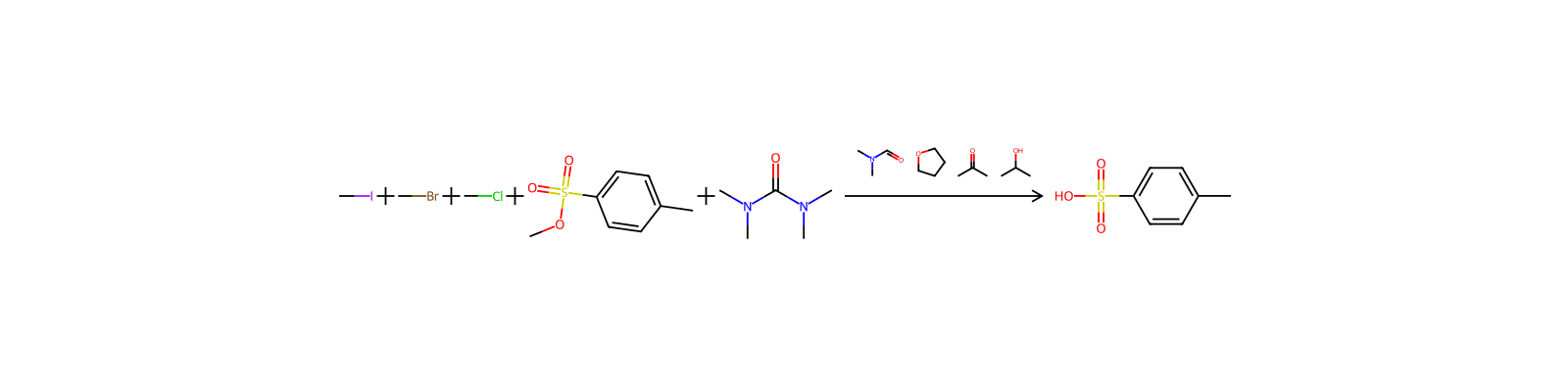
Monochloromethane is employed as a component in the Wurtz-Fittig reaction; it is also used in Friedel-Crafts reactions for the production of alkylbenzenes.
... a methylating agent: examples include its reaction with hydroxyl groups to give the corresponding ethers (methylcellulose from cellulose, various methyl ethers from phenolates), and its use in the preparation of methyl-substituted amino compounds (quaternary methylammonium compounds for tensides). All of the various methylamines result from its reaction with ammonia. Treatment of CH3Cl with sodium hydrogen sulfide under pressure and at elevated temperature gives methyl mercaptan.
Methyl chloride uses break down into the following categories: intermediates for silicons (89%); methyl cellulose ethers (3%); quaternary ammonium compounds (3%), herbicides (2%); butyl rubber (1%); and miscellaneous uses (2%).
The most likely contaminants in /chloromethane made by hydrochlorination of methanol/ ... are water vapor and hydrogen chloride gas.
A representative technical grade of methyl chloride contains not more than the following indicated quantities in ppm of impurities: water, 100; acid, such as HCl, 10; methyl ether, 20; methanol, 50; acetone, 50; residue, 100. No free chlorine should be detectable. Traces of higher chlorides are generally present in methyl chloride produced by chlorination of methane.
(1978) 3.80X10+9 GRAMS
(1982) 5.70X10+9 GRAMS
(1985) 8.98X10+9 g
2023: 850,000,000 - <1,000,000,000 lb
(1972) 4.54x10+2 million lb
(1975) 3.66x10+2 million lb
(1976) 3.78x10+2 million lb
(1978) 2.06X10+11 GRAMS
For more U.S. Production (Complete) data for METHYL CHLORIDE (11 total), please visit the HSDB record page.
CHEM INT FOR METHYLCHLOROSILANES, 76%; CHEM INT FOR TETRAMETHYL LEAD, 9%; SOLVENT & DILUENT IN PRODN OF BUTYL RUBBER, 3%; CHEM INT FOR OTHER CHEMS, EG, METHYL CELLULOSE, METHYLARSONATES, 12% (1981- EXCLUDES CHEM INT FOR METHYLENE CHLORIDE & CHLOROFORM)
Silicones, 72%; agricultural chemical, 8%; methyl cellulose, 6%; quaternary amines, 5%; butyl rubber, 3%; miscellaneous, including tetramethyl lead, 2%; export, 4% (1983)
CHEMICAL PROFILE: Methyl Chloride. Silicones, 74%; agricultural chemicals, 7%; methyl cellulose, 6%; quaternary amines, 5%; butyl rubber, 2%; miscellaneous, 2%; exports, 4%.
Methylchlorsilanes used as intermediates for silicones, 82%; methyl cellulose ethers, 6%; quaternary ammonium compounds, 4%; herbicides, 4%; butyl rubber, 2%; miscellaneous, 2%.
Monochloromethane production from methanol and hydrogen chloride is carried out catalytically in the gas phase at 0.3-0.6 MPa (3-6 bar) and temperatures of 280-350 °C. The usual catalyst is activated aluminum oxide. Excess hydrogen chloride is introduced in order to provide a more favorable equilibrium point (located 96-99% on the side of products at 280-350 °C) and to reduce the formation of dimethyl ether as a side product (0.2 to 1%). The raw materials must be of high purity in order to prolong catalyst life as much as possible. Technically pure (99.9%) methanol is employed, along with very clean hydrogen chloride. In the event that the latter is obtained from hydrochloric acid, it must be subjected to special purification (stripping) in order to remove interfering chlorinated hydrocarbons.
Derivation: (1) Chlorination of methane; (2) Action of hydrochloric acid on methanol either in vapor or liquid phase.
Grades: Pure (99.5% min), technical and two refrigerator grades.
High purity (99.5%) grade
Minimum purity 99.5%, liquid phase grades
Cosmetics product ingredient: Methyl chloride (Chloromethane)
Information on 2 consumer products that contain Methyl chloride in the following categories is provided:
All Other Basic Inorganic Chemical Manufacturing
Methane, chloro-: ACTIVE