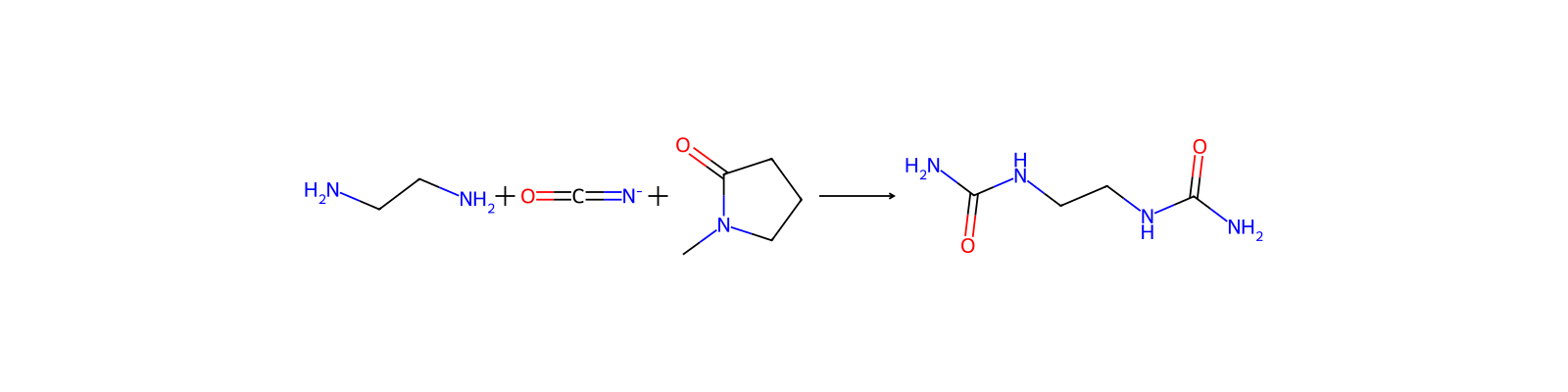
Isocyanate
Daten werden ergänzt – lade die Seite später neu, um den aktuellen Stand zu sehen
Grundinformationen
- CAS
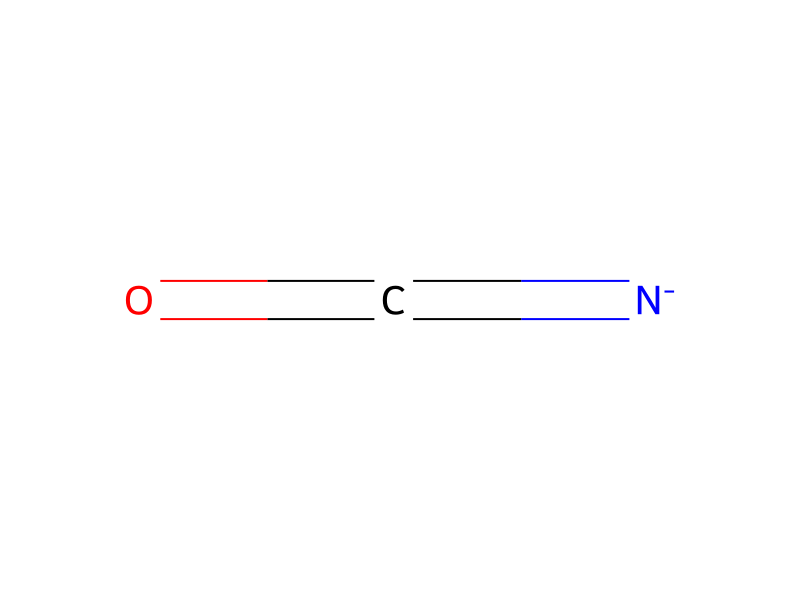
661-20-1- Standard-SMILES
[N-]=C=O- InChIKey
IQPQWNKOIGAROB-UHFFFAOYSA-N- Summenformel
- CNO-
- Durchschnittliche Molmasse
- 42,017 g/mol
- Monoisotopische Masse
- 41,9985372
Überblick
Cyanate is an organonitrogen compound and a pseudohalide anion. It has a role as a human metabolite. It is a conjugate base of a cyanic acid and an isocyanic acid.
Namen und Bezeichner
- Bevorzugter Name
- Isocyanate
- IUPAC
- isocyanate
- Englischer Name
- Cyanate
- Summenformel
- CNO-
- Molmasse
- 42.02
Namen und Synonyme
ISOCYANATE71000-82-3DTXSID001015810RefChem:149230DTXCID401473963cyanateCyanate ion661-20-1Cyanate ion(1-)Isocyanate ion(1-)Isocyanic acid, ion(1-)YML51WA0FW
Weitere Namen anzeigen
Cyanic acid anion
CyanatesUNII-YML51WA0FWisocynateIsocyanatescarbonyl amideCyanatcyanate anionfulminate ion
Datenbank-Bezeichner
- CAS
661-20-1、71000-82-3- PubChem CID
- 105034
- DTXSID
DTXSID001015810- ChEMBL
CHEMBL1161700- ChEBI
CHEBI:29195- UNII
- YML51WA0FW
- Nikkaji
- J263.680H
Eigenschaften
Berechnete StruktureigenschaftenWird ergänzt
- XLogP
- 1
- Polarare Oberfläche (TPSA)
- 18,1 Ų
- H-Brücken-Donoren
- 0
- H-Brücken-Akzeptoren
- 2
- Frei drehbare Bindungen
- 0
- Schwere Atome
- 3
- Formalladung
- -1
- Komplexität
- 27,8
Physikochemische Eigenschaften
- PH
- 1 · pKa1= 3.46(25℃)
- EPA chemische Informationen
- Cyanate (661-20-1)
Sicherheit und Regulatorisches
Sicherheitsangaben dienen nur zur Orientierung und ersetzen weder das Sicherheitsdatenblatt (SDB) des Lieferanten noch geltende Vorschriften oder eine fachliche Bewertung.
Toxikologische Informationen
Treatment
Antidotes to cyanide poisoning include hydroxocobalamin and sodium nitrite, which release the cyanide from the cytochrome system, and rhodanase, which is an enzyme occurring naturally in mammals that combines serum cyanide with thiosulfate, producing comparatively harmless thiocyanate. Oxygen therapy can also be administered. (L97)
Health Effects
Exposure to high levels of cyanide for a short time harms the brain and heart and can even cause coma, seizures, apnea, cardiac arrest and death. Chronic inhalation of cyanide causes breathing difficulties, chest pain, vomiting, blood changes, headaches, and enlargement of the thyroid gland. Skin contact with cyanide salts can irritate and produce sores. (L96, L97)
Exposure RoutesInhalation (L96) ; oral (L96) ; dermal (L96)
Toxicity Summary
Cyanide is an inhibitor of cytochrome c oxidase in the fourth complex of the electron transport chain (found in the membrane of the mitochondria of eukaryotic cells). It complexes with the ferric iron atom in this enzyme. The binding of cyanide to this cytochrome prevents transport of electrons from cytochrome c oxidase to oxygen. As a result, the electron transport chain is disrupted and the cell can no longer aerobically produce ATP for energy. Tissues that mainly depend on aerobic respiration, such as the central nervous system and the heart, are particularly affected. Cyanide is also known produce some of its toxic effects by binding to catalase, glutathione peroxidase, methemoglobin, hydroxocobalamin, phosphatase, tyrosinase, ascorbic acid oxidase, xanthine oxidase, succinic dehydrogenase, and Cu/Zn superoxide dismutase. Cyanide binds to the ferric ion of methemoglobin to form inactive cyanmethemoglobin. (L97)
Signs and SymptomsCyanide poisoning is identified by rapid, deep breathing and shortness of breath, general weakness, giddiness, headaches, vertigo, confusion, convulsions/seizures and eventually loss of consciousness. (L96, L97)
Chemie und Industrie
Pharmakologische Informationen
Metabolism/Metabolites
Cyanide is rapidly alsorbed through oral, inhalation, and dermal routes and distributed throughout the body. Cyanide is mainly metabolized into thiocyanate by either rhodanese or 3-mercaptopyruvate sulfur transferase. Cyanide metabolites are excreted in the urine. (L96)
Zugehörige Reaktionen
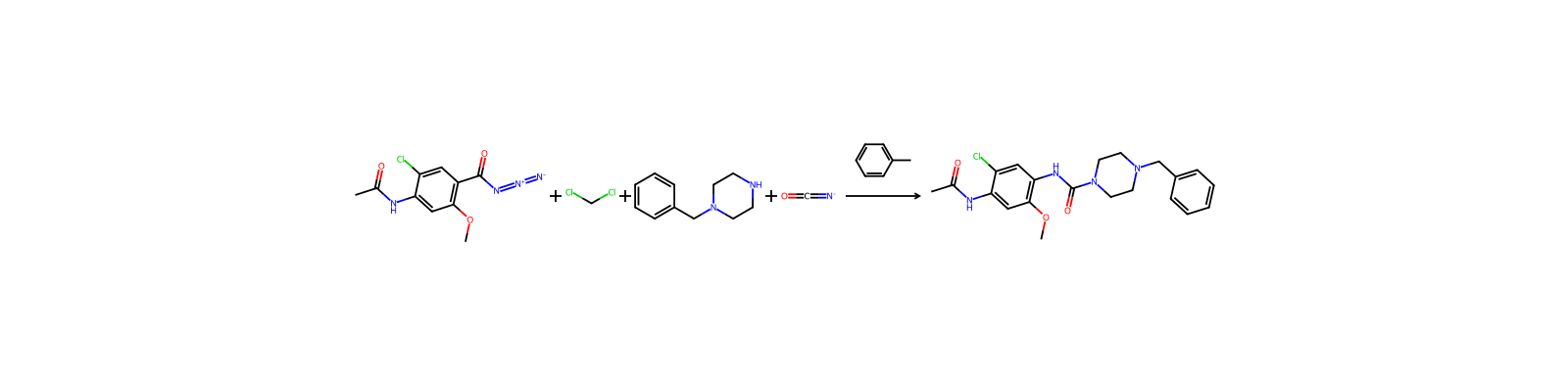
742




Notizen zur Verbindung
Wird geladen…