Reaktionsgleichung
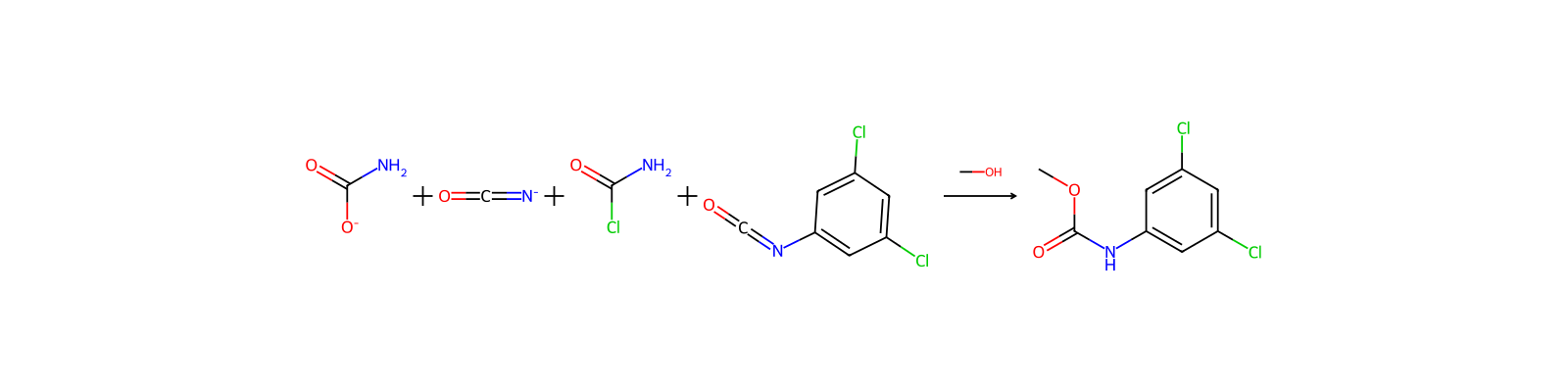
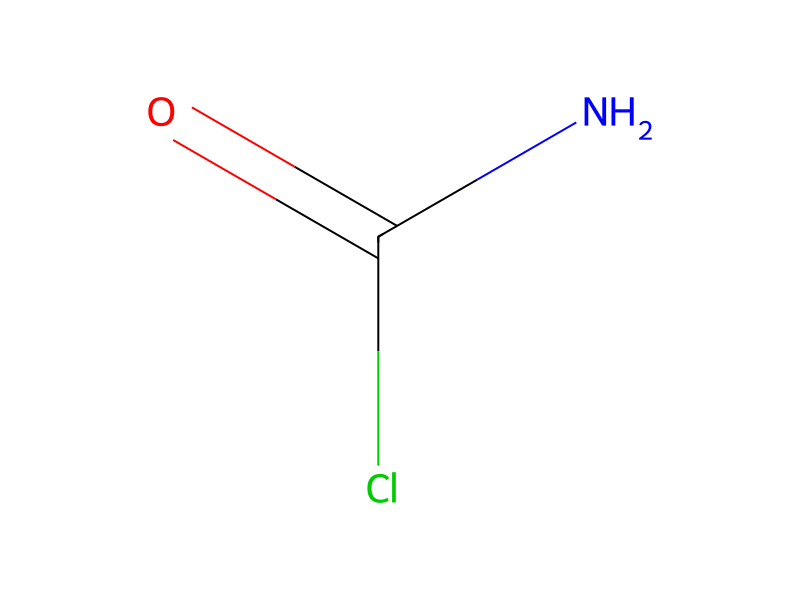
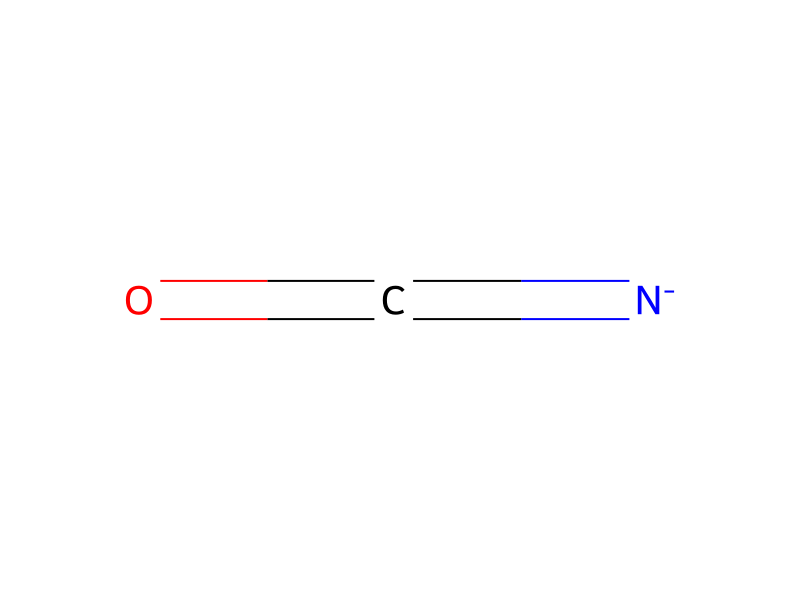
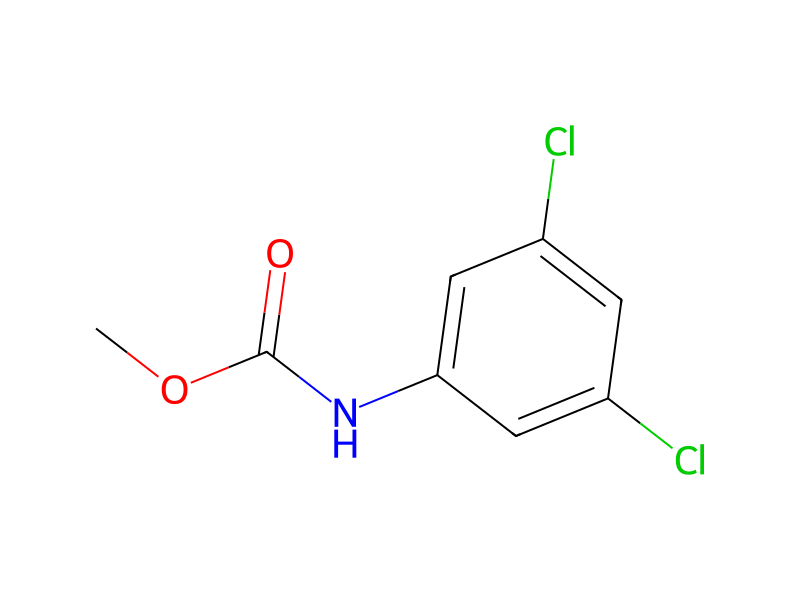
[C:1](=[O:4])([O-:3])[NH2:2].[N-]=C=O.[C:8](Cl)(=O)N.[Cl:12][C:13]1[CH:14]=[C:15](N=C=O)[CH:16]=[C:17]([Cl:19])[CH:18]=1>CO>[Cl:12][C:13]1[CH:14]=[C:15]([NH:2][C:1](=[O:3])[O:4][CH3:8])[CH:16]=[C:17]([Cl:19])[CH:18]=1Komponenten
6
Edukt 4

Produkt 1
Reagenzien, Katalysatoren, Lösungsmittel 1

Versuchsvorschrift
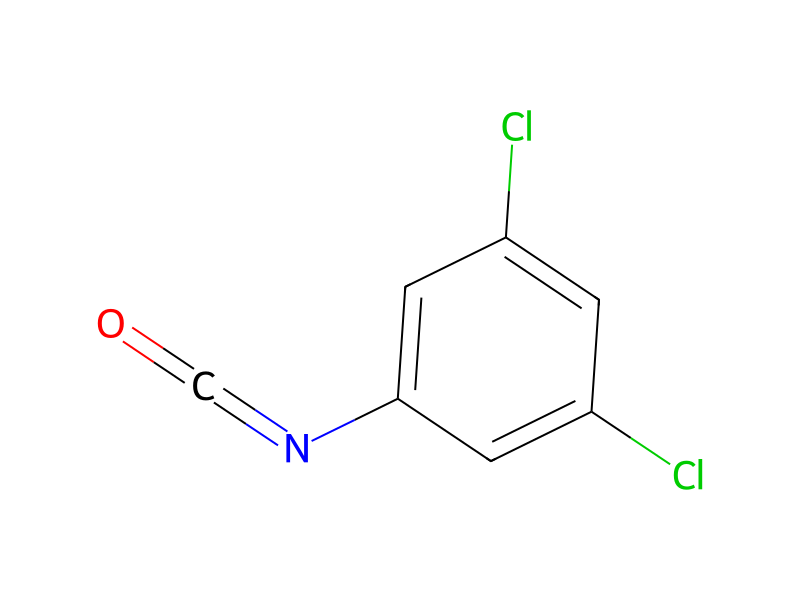
The carbamate used as the starting material is obtained by reacting an isocyanate with an alcohol or a carbamic acid chloride with an alcohol in the presence of an alkali, in the conventional manner. For example, reaction of 3,5-dichlorophenyl isocyanate with methyl alcohol gives methyl N-(3,5-dichlorophenyl)-carbamate (melting point 121° C.).
Aufarbeitung
- customis obtained
Quellen und Nachweise
- ORD-Eintrag
- ord-187aeb1e582644feb735ebd3aedb8f97
- Quelldatensatz
- uspto-grants-1980_09
- Patentnummer
- US04220787
Verknüpfte Notizen
Wird geladen…