
Grundinformationen
- Standard-SMILES
CC(=O)C(Cl)Cl- InChIKey
CSVFWMMPUJDVKH-UHFFFAOYSA-N- Summenformel
- C3H4Cl2O
- Durchschnittliche Molmasse
- 126,97 g/mol
- Monoisotopische Masse
- 125,96392011
Namen und Bezeichner
- Bevorzugter Name
- 1,1-Dichloroacetone
- IUPAC
- 1,1-dichloropropan-2-one
- Lokaler Name
- 1,1-Dichloraceton
- Englischer Name
- 1,1-Dichloroacetone
- Summenformel
- C3H4Cl2O
- Molmasse
- 126.97
Namen und Synonyme
1,1-Dichloroacetone513-88-21,1-Dichloro-2-propanone1,1-DICHLOROPROPANONE2-Propanone, 1,1-dichloro-Dichloromethyl methyl ketonealpha,alpha-DichloroacetoneDichloropropanoneDTXSID7021576MCU87D3FRTNSC-42725DTXCID601576
Weitere Namen anzeigen
1,1-DCAASYM-DICHLOROACETONEunsym-dichloroacetone1,1-DICHLOROPROPANONE-21,1-dichloro-2-propanon
RefChem:409794208-175-71,1-dichloropropan-2-one.alpha.,.alpha.-Dichloroacetone30605-38-0dichloroacetone2-Propanone, dichloro-CCRIS 1941
Datenbank-Bezeichner
- CAS
30605-38-0、513-88-2- PubChem CID
- 10567
- DTXSID
DTXSID7021576- ChEMBL
CHEMBL3188688- UNII
- MCU87D3FRT
- EC Number
- 208-175-7
- Nikkaji
- J6.284G
Eigenschaften
Berechnete Struktureigenschaften
- XLogP
- 1,3
- Polarare Oberfläche (TPSA)
- 17,1 Ų
- H-Brücken-Donoren
- 0
- H-Brücken-Akzeptoren
- 1
- Frei drehbare Bindungen
- 1
- Schwere Atome
- 6
- Formalladung
- 0
- Komplexität
- 59,8
Experimentelle und physikochemische Eigenschaften
Chemical ClassesVolatile Organic Compound (VOC)
SpringerMaterials PropertiesSchoenflies notation
Density1.304 g/cu cm at 18 °C
SolubilitySol in ethyl alcohol; miscible in ethyl ether
Boiling Point120 °C
DecompositionWhen heated to decomposition it emits toxic vapors of /hydrogen chloride/.
Vapor Pressure27 mm Hg at 25 °C
Other Experimental PropertiesBoiling with sodium carbonate gives acrylic acid
Physikochemische Eigenschaften
- Siedepunkt
- 117 · 117-118 °C(lit.)
- Dichte
- 1.327 g/mL · 1.327 g/mL at 25 °C(lit.)
- Brechungsindex
- 20 · n20/D 1.446(lit.)
- Flammpunkt
- 99 · 99-100 °F
- storage temp.
- Flammables area
- Löslichkeit
- Chloroform (Slightly), Methanol (Slightly)
- Aggregatzustand
- Oil
- Farbe
- Colourless
- Merck
- 14 · 14,3051
- BRN
- 1740214 · 1740214
- Henry's Law Constant
- 3.3 · 3.3×10-1 mol/(m3Pa) at 25℃, Burkholder et al. (2019)
- Stabilität
- Volatile
- Major Application
- environmental
- InChI
- InChI=1S/C3H4Cl2O/c1-2(6)3(4)5/h3H,1H3
- InChIKey
- CSVFWMMPUJDVKH-UHFFFAOYSA-N
- SMILES
- C(Cl)(Cl)C(=O)C
- CAS Datenbank
- 513 · 513-88-2(CAS DataBase Reference)
- EPA chemische Informationen
- 1 · 1,1-Dichloropropanone (513-88-2)
Sicherheit und Regulatorisches
GHS-Klassifizierung
GHS Classification
Danger
H226 (97.4%): Flammable liquid and vapor [Warning Flammable liquids]
P210, P233, P240, P241, P242, P243, P260, P264, P264+P265, P270, P273, P280, P301+P316, P301+P317, P301+P330+P331, P302+P361+P354, P303+P361+P353, P304+P340, P305+P351+P338, P305+P354+P338, P316, P317, P321, P330, P337+P317, P363, P370+P378, P391, P403+P235, P405, and P501 (click each P-code to see the statement)
Aggregated GHS information provided per 76 reports by companies from 8 notifications to the ECHA C&L Inventory. Each notification may be associated with multiple companies.
Gefahrenhinweise
Regulatory Information
Chemical: 2-Propanone, 1,1-dichloro-
Status: Active Update: 01-03-2016 https://echa.europa.eu/registration-dossier/-/registered-dossier/17140
1,1-Dichloroacetone: Does not have an individual approval but may be used under an appropriate group standard
Hazard Classes and CategoriesFlam. Liq. 3 (97.4%)
Sicherheit und Schutzausrüstung
Disposal Methods
SRP: The most favorable course of action is to use an alternative chemical product with less inherent propensity for occupational exposure or environmental contamination. Recycle any unused portion of the material for its approved use or return it to the manufacturer or supplier. Ultimate disposal of the chemical must consider: the material's impact on air quality; potential migration in soil or water; effects on animal, aquatic, and plant life; and conformance with environmental and public health regulations.
Toxikologische Informationen
Environmental Fate
TERRESTRIAL FATE: Based on a classification scheme(1), an estimated Koc value of 6.0(SRC), determined from a structure estimation method(2), indicates that 1,1-dichloroacetone is expected to have very high mobility in soil(SRC). Volatilization of 1,1-dichloroacetone from moist soil surfaces is expected to be an important fate process(SRC) given an estimated Henry's Law constant of 6.15X10⁻⁶ atm-cu m/mole(SRC), using a fragment constant estimation method(3). 1,1-Dichloroacetone is not expected to volatilize from dry soil surfaces(SRC) based upon a vapor pressure of 27 mm Hg(4). Biodegradation data were not available(SRC, 2008).
AQUATIC FATE: Based on a classification scheme(1), an estimated Koc value of 6.0(SRC), determined from a structure estimation method(2), indicates that 1,1-dichloroacetone is not expected to adsorb to suspended solids and sediment(SRC). Volatilization from water surfaces is expected(3) based upon an estimated Henry's Law constant of 6.1X10⁻⁶ atm-cu m/mole(SRC), developed using a fragment constant estimation method(4). Using this Henry's Law constant and an estimation method(3), volatilization half-lives for a model river and model lake are 7 days and 53 days, respectively(SRC). According to a classification scheme(5), an estimated BCF of 3(SRC), from an estimated log Kow of 0.20(5) and a regression-derived equation(6), suggests the potential for bioconcentration in aquatic organisms is very high(SRC). Biodegradation data were not available(SRC, 2008).
ATMOSPHERIC FATE: According to a model of gas/particle partitioning of semivolatile organic compounds in the atmosphere(1), 1,1-dichloroacetone, which has a vapor pressure of 27 mm Hg at 25 °C(2) is expected to exist solely as a vapor in the ambient atmosphere. Vapor-phase 1,1-dichloroacetone is degraded in the atmosphere by reaction with photochemically-produced hydroxyl radicals(SRC); the half-life for this reaction in air is estimated to be 61 days(SRC), calculated from its rate constant of 2.6X10⁻¹³ cu cm/molecule-sec at 25 °C(SRC) that was derived using a structure estimation method(3). 1,1-Dichloroacetone contains chromophores that absorb at wavelengths >290 nm(4) and therefore may be susceptible to direct photolysis by sunlight(SRC).
Effluent Concentrations
1,1-Dichloroacetone was detected in spent chlorination liquor from bleaching sulphite pulp at 0.1 g/ ton pulp with a high lignin content and at 0.3 g/ ton pulp with a normal lignin content after oxygen treatment, based on analysis using gas chromatography-mass spectrometry(1). The compound was detected, not quantified, during bleaching processes of kraft pulp for hardwoods and softwoods with chlorine dioxide(2). It was detected during processing of hardwood pulp at stages of acid filtration and at a combined sewer of the bleaching plant(2). It was also detected during processing of softwood pulp at stages of acid filtration and influent to the wastewater treatment plant before secondary clarifiers(2). Water from the Llobegat River in Barcelona was tested at three stages of a treatment process in a water treatment plant from Nov 1997 to Mar 1998. 1,1-Dichloroacetone was detected during prechlorination, sand filtration, ozonization, and post-chlorination at concentrations of 0.4 ug/L, 0.2 ug/L, 0.3 ug/L, and 0.1 ug/L, using the modified EPA Method 551.1(3). Several mass spectrometry techniques and IR spectroscopy were used in identification, not quantification, of 1,1-dichloroacetone after ozone-chlorine or ozone-chloramine disinfection at a pilot plant in Jefferson Parish, LA using the Mississippi River as a raw water source between Jan 1994 and Sept 1996(4). Identification of 1,1-dichloroacetone was confirmed by analysis of authentic standards, and was reported only when detected at concentrations at least 2 to 3 times what it was in raw, untreated water(4). Three Canadian water treatment plants using different disinfection processes were monitored monthly over a year-long period at varying points along each plants' distribution system(5). 1,1-Dichloroacetone was detected at mean concentrations of 1.8 ug/L (at facility directly after disinfection), 1.8 ug/L (3 km from plant), 1.3 ug/L (10 km from plant), 1.3 ug/L (18 km from plant) and at a minimum concentration of <0.1 ug/L and maximum concentration of 2.8 ug/L(5). 1,1-Diloroacetone was detected at concentrations of 29 ug/L at and 12 ug/L in waste water treatment plant effluents from plants at 91st Ave and 115th Ave, respectively, in Phoenix, Arizona(6).
Soil Adsorption/Mobility
Using a structure estimation method based on molecular connectivity indices(1), the Koc of 1,1-dichloroacetone can be estimated to be 6.0(SRC). According to a classification scheme(2), this estimated Koc value suggests that 1,1-dichloroacetone is expected to have very high mobility in soil.
Artificial Pollution Sources1,1-Dichloroacetone's formation as a result of chlorine disinfection of drinking water(1) may result in its release to the environment through various waste streams(SRC).
Environmental Bioconcentration
An estimated BCF of 3 was calculated for 1,1-dichloroacetone(SRC), using an estimated log Kow of 0.20(1) and a regression-derived equation(2). According to a classification scheme(3), this BCF suggests the potential for bioconcentration in aquatic organisms is low(SRC).
Volatilization from Water/Soil
The Henry's Law constant for 1,1-dichloroacetone is estimated as 6.1X10⁻⁶ atm-cu m/mole(SRC) using a fragment constant estimation method(1). This Henry's Law constant indicates that 1,1-dichloroacetone is expected to volatilize from water surfaces(2). Based on this Henry's Law constant, the volatilization half-life from a model river (1 m deep, flowing 1 m/sec, wind velocity of 3 m/sec)(2) is estimated as 7 days(SRC). The volatilization half-life from a model lake (1 m deep, flowing 0.05 m/sec, wind velocity of 0.5 m/sec)(2) is estimated as 53 days(SRC). 1,1-Dichloroacetone's Henry's Law constant indicates that volatilization from moist soil surfaces may exist(SRC). 1,1-Dichloroacetone is expected to volatilize from dry soil surfaces(SRC) based upon a vapor pressure of 27 mm Hg(3).
Non-Human Toxicity Excerpts
/LABORATORY ANIMALS: Subchronic or Prechronic Exposure/ Groups of 10 male and 10 female Sprague-Dawley rats were administered 1,1-dichloro-2-propanone in corn oil by gavage at 0, 10, 20, 40, or 80 mg/kg/day for 90 consecutive days. Food and water consumption, body and organ weights, organ-to-body weight ratios, hematology, and clinical chemistry parameters were determined. Gross and microscopic pathology examinations also were conducted. No treatment-related mortality was observed during the study; however, liver, forestomach, and kidney toxicity was evident. Liver changes consisted of cytoplasmic alteration, cytomegaly, karyomegaly, and bile duct hyperplasia. These occurred with significance of p < or = 0.05 at or above 10 mg/kg/day in both sexes. The forestomach lesions included hyperkeratosis and epithelial hyperplasia in both sexes at 40 and 80 mg/kg/day, and ulcerations at 80 mg/kg/day. Also, an increased incidence and severity of spontaneously occurring chronic progressive nephropathy was most apparent in high dose males. Increases in organ-to-body weight ratios were noted for the liver and kidneys in females at the highest dose level and in males at the two highest dose levels. Serum enzymes (ALT, AST, and LDH) were increased in females and decreased in males. Based on liver lesions and biochemical changes, it was concluded that there was no experimentally definable NOAEL.
/LABORATORY ANIMALS: Chronic Exposure or Carcinogenicity/ Several chlorinated acetones have been identified in drinking water and these, as well as a number of chlorinated acroleins, are produced by chlorination of humic acid solutions. Many of these chlorinated compounds and the brominated acrolein analog were positive in the Ames Assay in the laboratory. To determine if carcinogenic activity was associated with these chemicals the following acetone derivatives: monochloro (MCA); 1,1-dichloro (1,1-DCA), 1,3-dichloro (1,3-DCA), 1,1,1-trichloro (1,1,1-TCA), 1,1,3-trichloro (1,1,3-TCA), and substituted acroleins: 2-chloro (CAC), 3,3-dichloro (DCAC), 2,3,3-trichloro (TCAC) and 2-bromo (BAC), were applied topically to SENCAR mice (25, 30, or 40/group) at the following dose levels: 50 mg/kg (MCA and 1,1,3-TCA); 50, 75 and 100 mg/kg (1,3-DCA); 100, 200 and 400 mg/kg (CAC, DCAC, and TCAC); 200 and 300 mg/kg (BAC); and 400, 600, and 800 mg/kg (1,1-DCA, and 1,1,1-TCA). Doses were applied six times over a 2-week period in 0.2 mL ethanol per application. 1,3-DCA was also tested with single doses of 37.5, 75, 150 and 300 mg/kg in 0.2 mL ethanol. Control animals received 0.2 mL ethanol per application as a single dose or multiple doses to match corresponding studies. Two weeks after the final dose, 1.0 ug TPA in 0.2 mL acetone was applied three times weekly for 20 weeks. After 24 weeks the percentage of animals with tumors for dose groups above were: MCA (8); 1,1,3-TCA (10); 1,3-DCA, multiple doses (48, 45, 32); CAC (30, 28, 38); DCAC (3, 0, 0); TCAC (10, 5, 0); BAC (54, 43); 1,1-DCA (0, 5, 0); 1,1,1-TCA (10, 5, 0); 1,3-DCA, single doses (47, 47, 63, 20); controls (12 ... , 9 ... average). These data show that 1,3-DCA, CAC and BAC, when applied topically, initiate tumors in the mouse skin. These chemicals administered orally in a 2% emulphor solution ... did not initiate tumors in the mouse skin. /Chlorinated acetones and acroleins/
/GENOTOXICITY/ Mutagenic potencies among the chloropropanones in Salmonella typhimurium bacteria differed greatly. 1,3-dichloropropanone (1,3-DCP) was mutagenic in the nanomole range, 1,1-dichloropropanone (1,1-DCP) was weakly mutagenic in the micromole range, and monochloropropanone (MCP), was not mutagenic. Mutagenicity of the dichloropropanones was evident without metabolic activation. ... /Chloropropanones/
/GENOTOXICITY/ Soil humic substances were chlorinated in solution, extracted with ether and subjected to mutagenicity assay. Mutagenicity was detected using Salmonella typhimurium TA 100, with or without S9 mix; mutagenic activity was found to be less with added S9 mix. Ether extracts were analyzed by gas chromatography-mass spectrometry (GC-MS) and various chlorinated and non-chlorinated compounds were detected, e.g. chlorinated esters, acetones and carboxylic acids, as well as non-chlorinated aromatics. The mutagenicity of the major chlorination products was examined. Chloral and 1,1,1,3,3-pentachloro-2-propanone (pentachloroacetone) were found to be mutagenic, and 1,1-dichloro-2-propanone (1,1-dichloroacetone) was a possible mutagen. The yields of these mutagens increased with an increase in chlorine concentration.
For more Non-Human Toxicity Excerpts (Complete) data for 1,1-DICHLOROACETONE (6 total), please visit the HSDB record page.
Environmental Abiotic Degradation
The rate constant for the vapor-phase reaction of 1,1-dichloroacetone with photochemically-produced hydroxyl radicals has been estimated as 2.6X10⁻¹³ cu cm/molecule-sec at 25 °C(SRC) using a structure estimation method(1). This corresponds to an atmospheric half-life of about 61 days at an atmospheric concentration of 5X10+5 hydroxyl radicals per cu cm(1). 1,1-Dichloroacetone is not expected to undergo hydrolysis in the environment due to the lack of functional groups that hydrolyze under environmental conditions(3). 1,1-Dichloroacetone contains chromophores that absorb at wavelengths >290 nm(3) and therefore may be susceptible to direct photolysis by sunlight(SRC).
1,1-Dichloroacetone was measured to decompose in fortified drinking water solutions with a rate constant of 0.022 hr-1 at 21 °C, half-life of 32 hrs and 0.071 hr-1 at 30 °C, half-life of 10 hrs(1). A rate constant of 0.010 hr-1 at 30 °C was measured in an ultrapure water solution indicating a half-life of 69 hrs(1). Chloroform, a degradation product, forms more rapidly in ultrapure water solutions than in fortified drinking water; this indicates that the decomposition of 1,1-dichloroacetone may lead to products other than chloroform such as chloral hydrate when decomposed in drinking water(1).
Probable Routes of Human ExposureMonitoring data indicate that the general population may be exposed to 1,1-dichloroacetone via ingestion of chlorine-treated drinking water.(SRC)
Environmental Water Concentrations
GROUNDWATER: 1,1-Dichloroacetone was detected at a concentration of 15 ug/L in a groundwater sample from the Tres Rios area, in Phoenix, Arizona(1).
DRINKING WATER: 1,1-Dichloroacetone was detected in drinking water at a concentration of 1.4 ug/L as a disinfection by-product of hypochlorous acid(1). 1,1-Dichloroacetone was detected at median concentrations of 0.52 ug/L (spring), 0.46 ug/L (summer), 0.52 ug/L (autumn), 0.55 ug/L (winter) in 35 United States drinking waters during quarterly periods in 1988(2). 1,1-Dichloroacetone was detected in tap water at a concentration of 50 ug/L after tertiary water treatment in Phoenix, Arizona, July 1997(3).
SURFACE WATER: Water samples from the Tres Rios Wetlands in Arizona, which receives tertiary treated sewage effluent from 91st Ave Wastewater Treatment Plant, were collected in July 1997 to examine the fate of disinfection by-products in wetlands(1). 1,1-Dichloroacetone was detected at concentrations of 3.2 ug/L (Salt River flood plain inlet), 3.6 ug/L (Hayfield site wetland inlet), and 3.2 ug/L (open water research cell 1 inlet)(1). A concentration of 0.1 ug/L was reported for the Gila River, Arizona(1). 1,1-Dichloroacetone was identified, not quantified, in the River Glatt, Switzerland using gas chromatography-mass spectrometry(2).
Environmental Fate/Exposure Summary
1,1-Dichloroacetone's fromation as a result of chlorine disinfection of drinking water may result in its release to the environment through various waste streams. Disinfection byproducts are formed when chlorine or other disinfectants, which are used to control contaminants in drinking water, react with naturally occurring organic and inorganic matter present in water. If released to air, a vapor pressure of 27 mm Hg at 25 °C indicates 1,1-dichloroacetone will exist solely as a vapor in the atmosphere. Vapor-phase 1,1-dichloroacetone will be degraded in the atmosphere by reaction with photochemically-produced hydroxyl radicals; the half-life for this reaction in air is estimated to be 61 days. 1,1-Dichloroacetone contains chromophores that absorb at wavelengths >290 nm and therefore may be susceptible to direct photolysis by sunlight. If released to soil, 1,1-dichloroacetone is expected to have very high mobility based upon an estimated Koc of 6.0. Volatilization from moist soil surfaces is expected to be an important fate process based upon an estimated Henry's Law constant of 6.1X10⁻⁶ atm-cu m/mole. 1,1-Dichloroacetone may volatilize from dry soil surfaces based upon its vapor pressure. Biodegradation data were not available. If released into water, 1,1-dichloroacetone is not expected to adsorb to suspended solids and sediment based upon the estimated Koc. Volatilization from water surfaces is expected to be an important fate process based upon this compound's estimated Henry's Law constant. Estimated volatilization half-lives for a model river and model lake are 7 and 53 days, respectively. An estimated BCF of 3 suggests the potential for bioconcentration in aquatic organisms is low. Hydrolysis is not expected to be an important environmental fate process since this compound lacks functional groups that hydrolyze under environmental conditions. Monitoring data indicate that the general population may be exposed to 1,1-dichloroacetone via ingestion of chlorine-treated drinking water. (SRC)
Antidote and Emergency Treatment
Immediate first aid: Ensure that adequate decontamination has been carried out. If patient is not breathing, start artificial respiration, preferably with a demand-valve resuscitator, bag-valve-mask device, or pocket mask, as trained. Perform CPR as necessary. Immediately flush contaminated eyes with gently flowing water. Do not induce vomiting. If vomiting occurs, lean patient forward or place on left side (head-down position, if possible) to maintain an open airway and prevent aspiration. Keep patient quiet and maintain normal body temperature. Obtain medical attention. /Ketones and related compounds/
Basic treatment: Establish a patent airway (oropharyngeal or nasopharyngeal airway, if needed). Suction if necessary. Watch for signs of respiratory insufficiency and assist ventilations if necessary. Administer oxygen by nonrebreather mask at 10 to 15 L/min. Monitor for pulmonary edema and treat if necessary ... . For contamination, flush eyes immediately with water. Irrigate each eye continuously with 0.9% saline (NS) during transport ... . Do not use emetics. For ingestion, rinse mouth and administer 5 ml/kg up to 200 ml of water for dilution if the patient can swallow, has a strong gag reflex, and does not drool. Administer activated charcoal ... . /Ketones and related compounds/
Advanced treatment: Consider orotracheal or nasotracheal intubation for airway control in the patient who is unconscious, has severe pulmonary edema, or is in severe respiratory distress. Positive-pressure ventilation techniques with a bag valve mask device may be beneficial. Consider drug therapy for pulmonary edema ... . Consider administering a beta agonist such as albuterol for severe bronchospasm ... . Monitor cardiac rhythm and treat arrhythmias if necessary ... . Start IV administration of D5W /SRP: "To keep open", minimal flow rate/. Use 0.9% saline (NS) or lactated Ringer's (LR) if signs of hypovolemia are present. For hypotension with signs of hypovolemia, administer fluid cautiously. Watch for signs of fluid overload ... . Use proparacaine hydrochloride to assist eye irrigation ... . /Ketones and related compounds/
Sicherheitsdaten
- F
- 3-19
- wgk
- 3
- ridadr
- UN 1992 3/PG 3
- hs_code
- 29147000
- RTECS-Nr.
- UC1428000
- risk_code
- 10-22
- hazard_code
- Xn
- safety_code
- 16
- hazard_class
- 3
- packing_group
- III
- Speicherklasse
- 3 - Flammable liquids
- Giftige Stoffe Daten
- 513-88-2(Hazardous Substances Data)
- Hazard Classifications
- Aquatic Acute 1Aquatic Chronic 1Eye Dam. 1Flam. Liq. 3Skin Corr. 1B
Chemie und Industrie
Pharmakologische Informationen
Absorption, Distribution and Excretion
... Dermal absorption of two haloketones (1,1-dichloropropanone and 1,1,1-trichloropropanone) and chloroform while bathing, /were examined/ by collecting and analyzing time profiles of expired breath samples of six human subjects during and following a 30-min bath. The disinfection byproduct concentrations in breath increased towards a maximum concentration during bathing. The maximum haloketone breath concentration during dermal exposure ranged from 0.1 to 0.9 ug /cu m, which was approximately two orders of magnitude lower than the maximum chloroform breath concentration during exposure. Based on a one-compartment model, the in vivo permeability of chloroform, 1,1-dichloropropanone, and 1,1,1-trichloropropanone were approximated to be 0.015, 7.5 x 10- 4, and 4.5 x 10- 4 cm /hr, respectively. Thus, haloketones are much less permeable across human skin under normal bathing conditions than is chloroform...
Verwendung und Herstellung
General Manufacturing InformationDisinfection byproducts are formed when disinfectants used in water treatment plants react with bromide and/or natural organic matter (i.e., decaying vegetation) present in the source water. /Disinfection byproducts/
Vor- und nachgelagerte Produkte
Vorgelagerte Rohstoffe
Nachgelagerte Produkte
Anbieter38 Anbieter
Career Henan Chemica Co+86-0371-86658258 +86-13203830695 · [email protected]
艾吉析科技(上海)有限公司17717235263 · [email protected]
Dayang Chem (Hangzhou) Co.,Ltd.+86-0571-88938639 17705817739 · [email protected]
Syntechem Co.,Ltd[email protected]
上海迈瑞尔生化科技有限公司4006356688 18621169109 · [email protected]
阿法埃莎(中国)化学有限公司400-6106006 · [email protected]
安耐吉化学&3A(安徽泽升科技股份有限公司)400-0056266 · [email protected]
上海瀚鸿科技股份有限公司021-54306202 13764082696 · [email protected]
南通合润生物科技有限公司18362409333 · [email protected]
上海隆盛化工有限公司58099637 13585536065 · [email protected]
上海稳同科技有限公司02151600108 13062666369 · [email protected]
玛雅试剂+86 (573) 82222445 (0)18006601000 452520369 · [email protected]
天津希恩思生化科技有限公司400 638 7771 · [email protected]
成都思天德生物科技有限公司028-83243028 19136088901 · [email protected]
上海倍卓生物科技有限公司021-61119791,13386096464 · [email protected]
PT CHEM GROUP LIMITED+86-85511178; +86-85511178 · [email protected]
梯尔希(南京)药物研发有限公司18012923235 · [email protected]
上海兴鲁化工科技有限公司02120970332 · [email protected]
Sigma-Aldrich西格玛奥德里奇(上海)贸易有限公司021-61415566 800-8193336 · [email protected]
深圳振强药物研发有限公司+86-0755-66853366 +86-13670046396 · [email protected]
九鼎化学(上海)科技有限公司4009209199 · [email protected]
HANGZHOU LEAP CHEM CO., LTD.+86-571-87711850 +86-15355479329 · [email protected]
广州市金华大化学试剂有限公司020-84383047 · [email protected]
盼得(上海)国际贸易有限公司80159919 18662931292 · [email protected]
Shaanxi Didu New Materials Co. Ltd+86-86-17392712779 +86-13289823923 · [email protected]
Capot Chemical Co.,Ltd.+86-(0)57185586718 +86-13336195806 · [email protected]
河南天孚化工有限公司+86-0371-55170693 +86-19937530512 · [email protected]
厦门盈融达化工有限公司+86-0592-6210733 · [email protected]
海蔚化学86-21-51086038 · [email protected]
XIAMEN AMITY INDUSTRY AND TRADE CO., LTD.+8618950047208 · [email protected]
武汉吉鑫益邦生物科技有限公司59768661 13297943853 · [email protected]
上海宝杨宝欣生物科技有限公司021-56698539 19921169802 · [email protected]
上海安谱实验科技股份有限公司18502138905 · [email protected]
重庆卡兰医药有限公司[email protected]
江苏博思特化工科技有限公司87161895 15651337098 · [email protected]
AFINE CHEMICALS LIMITED+86-571-85134551 +86-18958018566 · [email protected]
江苏雷恩环保科技有限公司66814573 16651336298 · [email protected]
陕西缔都化学有限公司17691182729 17392216275 · [email protected]
Zugehörige Reaktionen
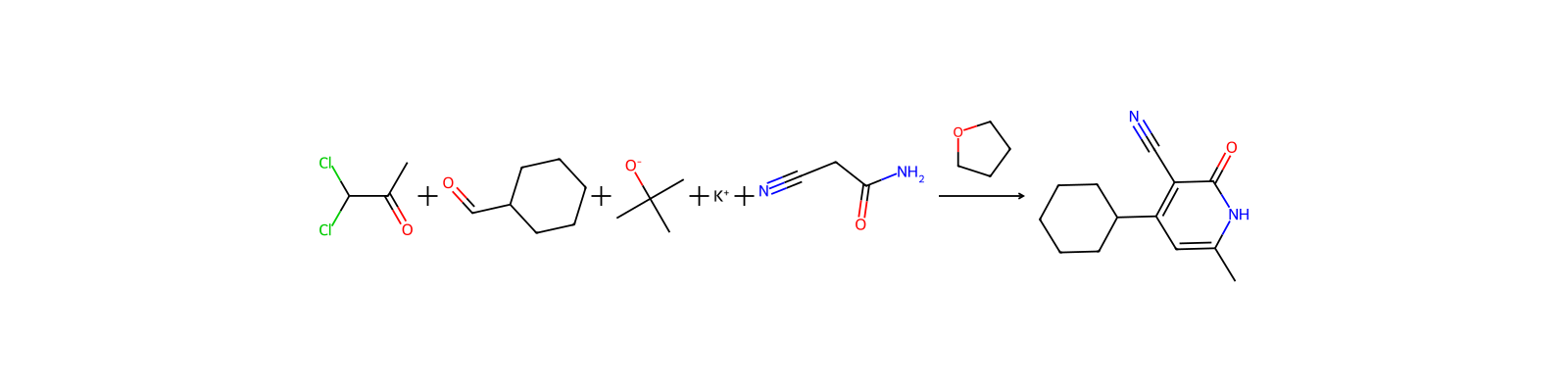
60


Verknüpfte Notizen
Wird geladen…