StartseiteMCPWorkbenchSkills
StartseiteWorkbenchBenachrichtigungenMein Bereich
llms.txt · MCP-AnleitungDatenschutz · Nutzungsbedingungen · Supportv1.8.0
  1. Startseite
  2. /Verbindung

Tolualdehyd

2-Methylbenzaldehyde

HCID 10722
Neue NotizNeue ReaktionAnfrage stellen
Druckvorschau

Daten werden ergänzt – lade die Seite später neu, um den aktuellen Stand zu sehen
GrundinformationenÜberblickNamen und BezeichnerEigenschaftenSicherheit und RegulatorischesChemie und IndustrieZugehörige ReaktionenNotizen zur Verbindung
TeilstruktursucheÄhnliche Strukturen suchen

Grundinformationen

CAS
1334-78-7
Standard-SMILES
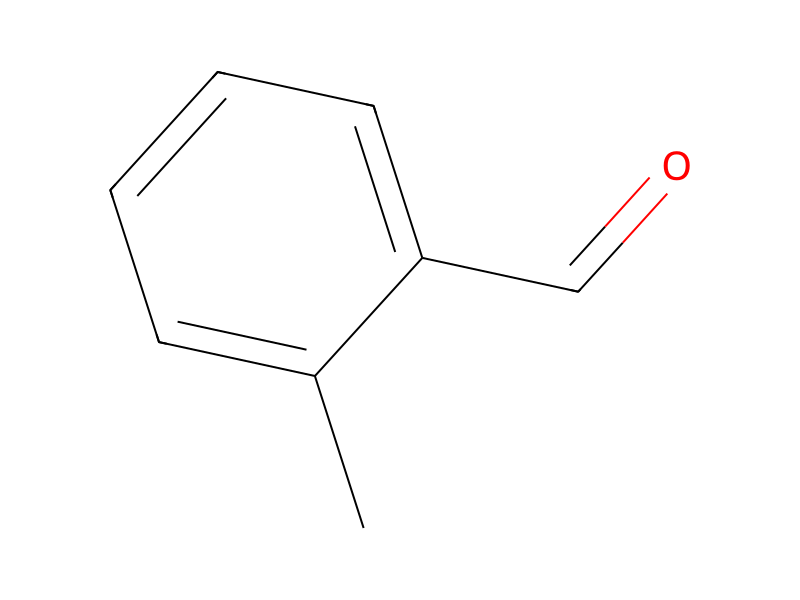
Cc1ccccc1C=O
InChIKey
BTFQKIATRPGRBS-UHFFFAOYSA-N
Summenformel
C8H8O
Durchschnittliche Molmasse
120,15 g/mol
Monoisotopische Masse
120,05751488

Überblick

O-tolualdehyde is a clear liquid. (NTP, 1992)

Namen und Bezeichner

Bevorzugter Name
2-Methylbenzaldehyde
IUPAC
2-methylbenzaldehyde
Lokaler Name
Tolualdehyd
Englischer Name
TOLUALDEHYDES
Summenformel
C7H6O
Molmasse
106.12194

Namen und Synonyme

2-MethylbenzaldehydeO-TOLUALDEHYDE529-20-42-Tolualdehyde2-Formyltolueneo-Tolylaldehydeo-Toluylaldehydeo-Methylbenzaldehydeo-Toluic aldehydeBenzaldehyde, 2-methyl-o-MethylbenazldehydeToluic aldehyde
Weitere Namen anzeigen
TOLUALDEHYDEtolylTOLUALDEHYDESar-TolualdehydeMETHYLBENZALDEHYDEtolualdehydes, mixtureTOLUALDEHYDES USP/EP/BPTOLUALDEHYDES (MIXED O,M,P)TOLUALDEHYDES(MIXEDORTHO,META,PARA)
DTXSID1022051Q7E5H6W6BGNSC-103152DTXCID102051CHEBI:27434FEMA NO. 3068, O-RefChem:475958208-452-2

Datenbank-Bezeichner

CAS
1334-78-7、529-20-4
PubChem CID
10722
DTXSID
DTXSID1022051
ChEMBL
CHEMBL1487138
ChEBI
CHEBI:27434
UNII
Q7E5H6W6BG
EC Number
208-452-2
Nikkaji
J6.680J

Eigenschaften

Berechnete StruktureigenschaftenWird ergänzt

XLogP
2,1
Polarare Oberfläche (TPSA)
17,1 Ų
H-Brücken-Donoren
0
H-Brücken-Akzeptoren
1
Frei drehbare Bindungen
1
Schwere Atome
9
Formalladung
0
Komplexität
98,7

Experimentelle und physikochemische Eigenschaften

Chemical ClassesOther Classes -> Benzaldehydes
SpringerMaterials Properties13C nuclear magnetic resonance spectrum
LogP · 2 Einträge

log kow = 2.26

2.26

Density · 2 Einträge

1.0386 at 66 °F (NTP, 1992) - Denser than water; will sink

1.0328 g/cu cm at 20 °C

Flavoring AgentsEU Flavoring substances
Color/FormLiquid
Solubility · 2 Einträge

less than 1 mg/mL at 68 °F (NTP, 1992)

Slightly soluble in water; soluble in carbon tetrachloride, ethanol, ethyl ether, benzene; very soluble in acetone

Flash Point153 °F (NTP, 1992)
Boiling Point · 4 Einträge

392 to 396 °F at 760 mmHg (NTP, 1992)

Sicherheit und Regulatorisches

Sicherheitsangaben dienen nur zur Orientierung und ersetzen weder das Sicherheitsdatenblatt (SDB) des Lieferanten noch geltende Vorschriften oder eine fachliche Bewertung.

GHS-Klassifizierung

GHS Classification · 4 Einträge

Danger

H302 (64.1%): Harmful if swallowed [Warning Acute toxicity, oral]

P260, P261, P264, P264+P265, P270, P271, P280, P301+P317, P301+P330+P331, P302+P352, P302+P361+P354, P304+P340, P305+P351+P338, P305+P354+P338, P316, P317, P319, P321, P330, P332+P317, P337+P317, P362+P364, P363, P403+P233, P405, and P501 (click each P-code to see the statement)

Aggregated GHS information provided per 78 reports by companies from 11 notifications to the ECHA C&L Inventory. Each notification may be associated with multiple companies.

Gefahrenhinweise

Regulatory Information · 3 Einträge

Chemical: Benzaldehyde, 2-methyl-

Commission Regulation (EC) No 1565/2000 (Repealed by Com. Implementing Reg. (EU) No 872/2012)

Benzaldehyde, 2-methyl-: Does not have an individual approval but may be used under an appropriate group standard

Fire HazardsThis chemical is combustible. (NTP, 1992)
Health HazardsSYMPTOMS: Symptoms of exposure to this compound may include irritation.
Hazards Summary · 1 Eintrag

Tolualdehydes demonstrate skin irritation in rabbits and skin sensitization in guinea pigs; Low orders of oral and dermal acute toxicity; No evidence of skin sensitization using dilute solutions of tolualdehydes on human volunteers; [HSDB] May cause irritation; [NTP] An irritant; Harmful by ingestion; [Alfa Aesar MSDS] See Benzaldehyde.

Reactive GroupAldehydes
Reactivity ProfileO-TOLUALDEHYDE is incompatible with strong bases and strong reducing agents. It is also incompatible with strong oxidizers. It may react with ketones, sulfuric acid, nitric acid, caustics and ammonia. (NTP, 1992).

Chemie und Industrie

Pharmakologische Informationen

Metabolism/Metabolites · 2 Einträge

p-Tolualdehyde was oxidized to p-toluic acid by resting cells of pseudomonas aeruginosa. Perillaldehyde dehydrogenase, isolated from soil pseudomonad, catalyzed the oxidn of m- & p-tolualdehyde but not o-tolualdehyde.

Aldehydes are readily oxidized to organic acids. Oxidation of aldehydes is catalyzed by aldehyde dehydrogenase, which has been found in the brain, erythrocytes, liver, kidney, heart, and placenta. /Aldehydes/

Cellular LocationsCytoplasm

Verwendung und Herstellung

Uses · 1 Eintrag

Has been detected in exhaust of internal combustion engines, in emissions from waste incineration and cook stoves, in brake lining and tire particles, and in trace amounts in garlic; [HSDB] Related compounds find uses in perfumes, pharmaceuticals, as dyestuff intermediates, and flavoring agents; [NTP]

Methods of Manufacturing · 2 Einträge

2-Methylbenzaldehyde can be produced by partial oxidation of o-xylene, e.g., in acetic acid with cobalt salts as catalysts and bromine compounds as promoters. It can also be obtained from 2-methylbenzyl chloride by gas-phase oxidation at 350-450 °C in the presence of AL2O3-V2O5 catalysts. In the Sommelet reaction, 2-methylbenzyl chloride reacts with hexamethylenetetramine to form 2-methylbenzaldehyde. This reaction can also use industrial chlorination mixtures containing small amounts of highly chlorinated products in addition to 2-methylbenzyl chloride and unreacted o-xylene.

Prepared by reacting nitropropane with o-xylyl bromide in the presence of sodium ethanoate.

Anwendungen

OccurrenceReported found in roasted nuts, tomato, cooked beef, beef fat, cider, coffee, tea and elderberry juice.

VerwendenPerfumes, pharmaceutical and dyestuff intermediate, flavoring agent.

Zugehörige Reaktionen

182
Reaktionsaufzeichnung erstellen
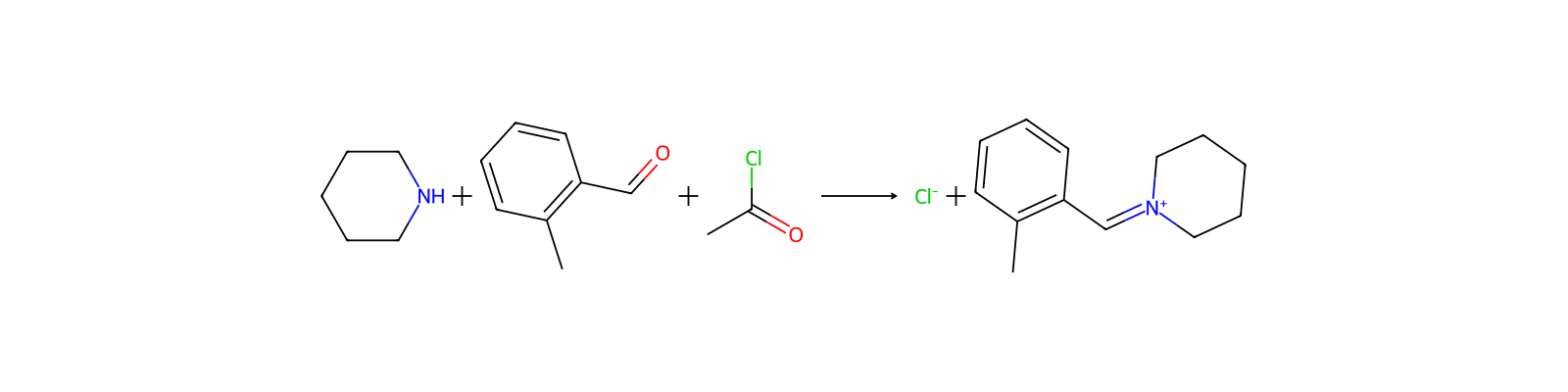
Reaktionsgleichung von HRID 4292
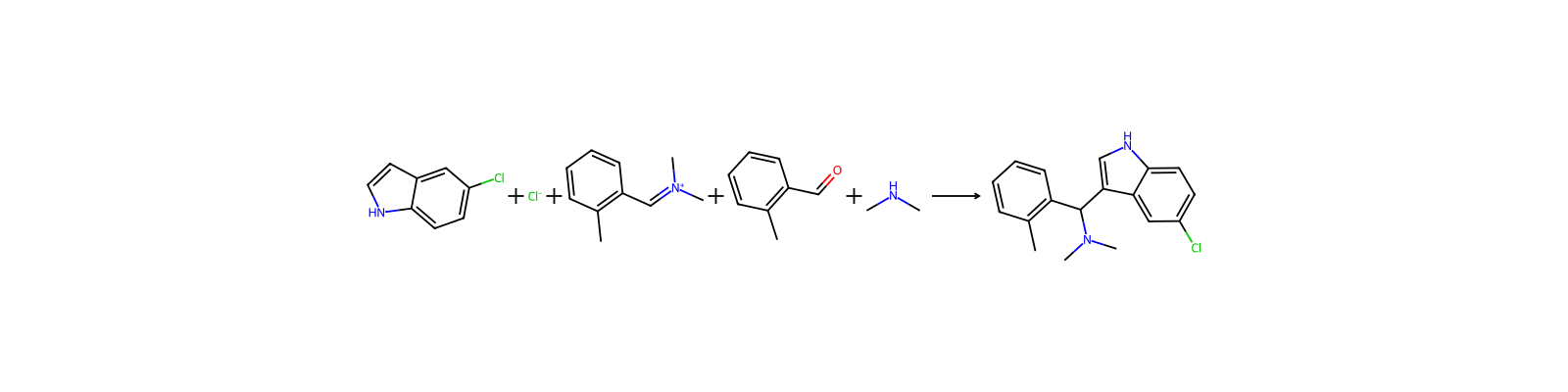
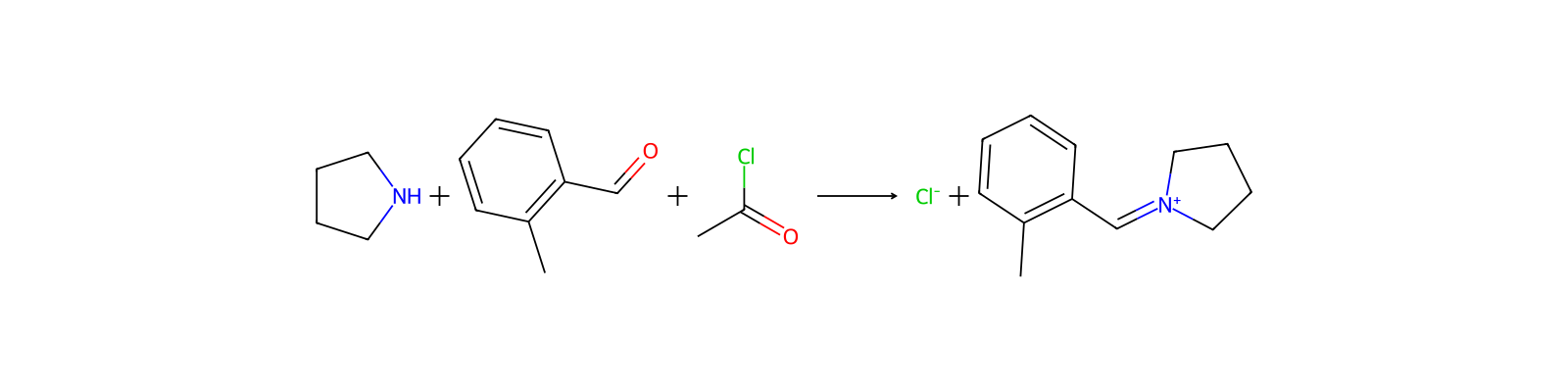
HRID 4292als Eduktuspto-grants-1988_02
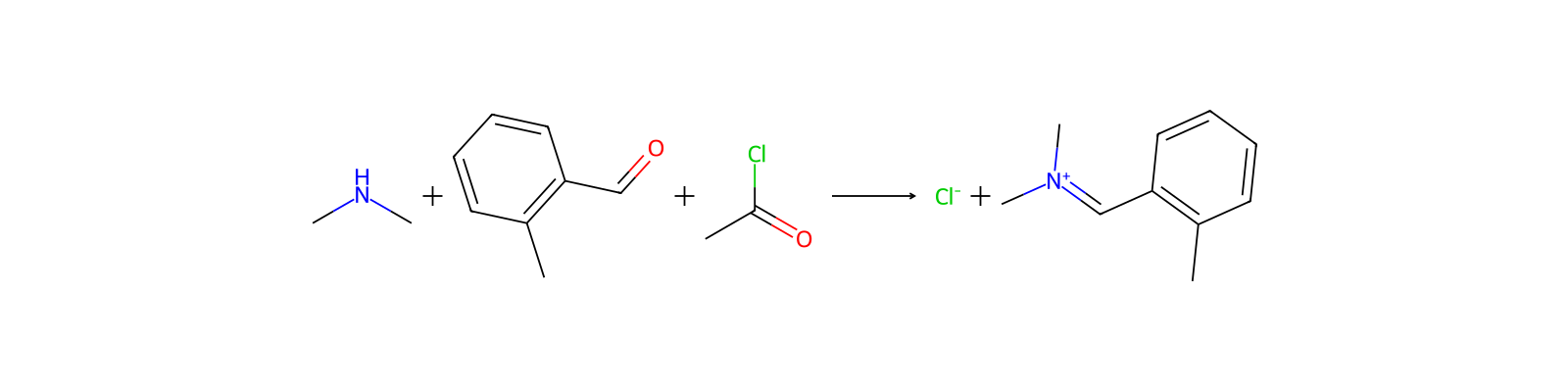
Reaktionsgleichung von HRID 9001
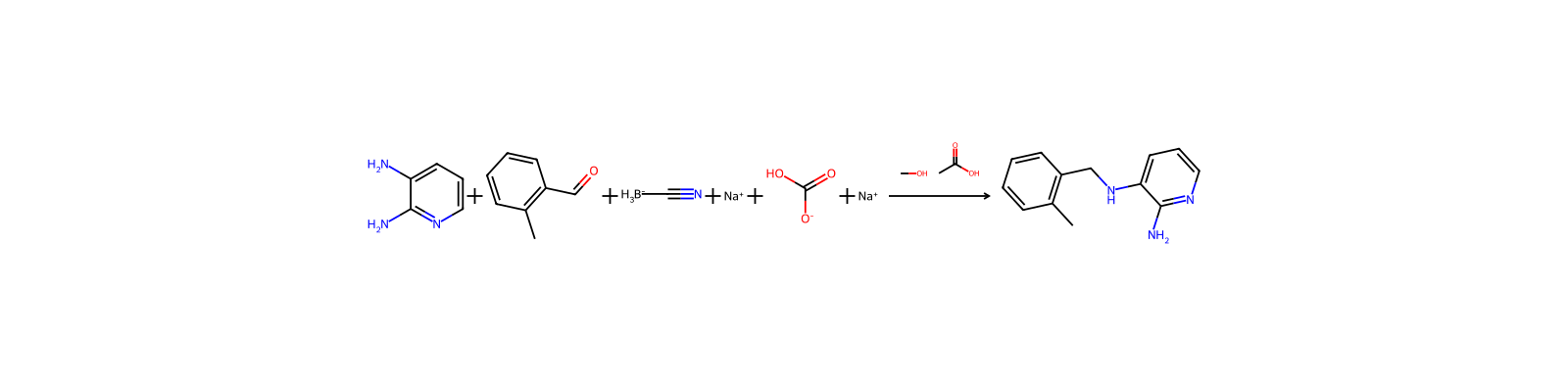
HRID 9001als Eduktuspto-grants-2006_08
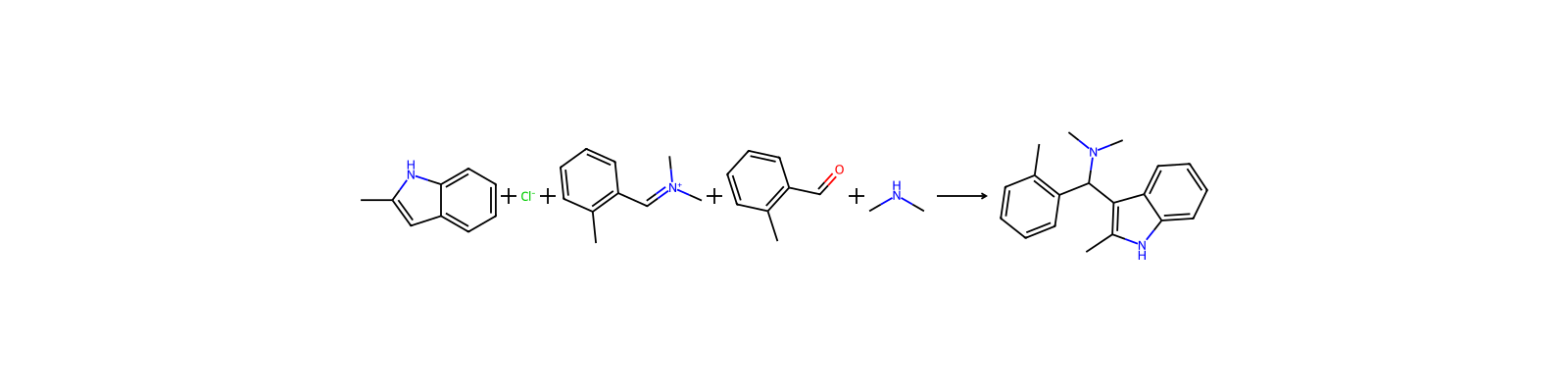
Reaktionsgleichung von HRID 9009
HRID 9009als Eduktuspto-grants-2006_08
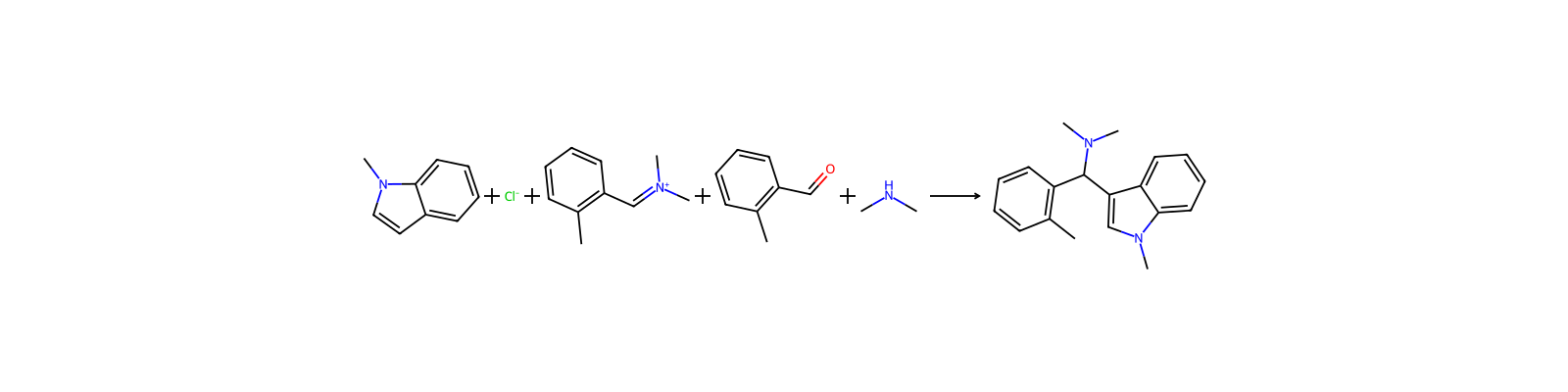
Reaktionsgleichung von HRID 9012
HRID 9012als Eduktuspto-grants-2006_08
Reaktionsgleichung von HRID 9066
HRID 9066als Eduktuspto-grants-2006_08
Reaktionsgleichung von HRID 9067
HRID 9067als Eduktuspto-grants-2006_08
Reaktionsgleichung von HRID 9068
HRID 9068als Eduktuspto-grants-2006_08
Reaktionsgleichung von HRID 9069
HRID 9069als Eduktuspto-grants-2006_08
Seite 1 von 23

Notizen zur Verbindung

Wird geladen…

Auf dieser SeiteGrundinformationenÜberblickNamen und BezeichnerEigenschaftenSicherheit und RegulatorischesChemie und IndustrieZugehörige ReaktionenNotizen zur Verbindung
Weitere Aktionen
Neue NotizNeue ReaktionAnfrage stellen

200 °C

BP: 94 °C at 10 mm Hg

200.00 to 201.00 °C. @ 760.00 mm Hg

Melting Point< 25 °C
Vapor Pressure · 2 Einträge

1 mmHg at 140 °F ; 8.0 mmHg at 163 °F; 26.0 mmHg at 207 °F (NTP, 1992)

0.33 [mmHg]

Refractive Index · 3 Einträge

Index of refraction: 1.5423 at 19 °C/alpha; 1.5650 at 19 °C/beta; 1.5798 at 19 °C/gamma

Index of refraction: 1.5462 at 20 °C/D

Index of refraction: 1.5430 at 25 °C/D; 1.549 at 19 °C/D

Physikochemische Eigenschaften

Siedepunkt
164.15 °C · 164.15°C (rough estimate)
Dichte
0.9651 · 0.9651 (rough estimate)
Brechungsindex
1.48 · 1.4800 (estimate)
FEMA
3068 · 3068 | TOLUALDEHYDES (MIXED O,M,P)
Geruch (Odor)
1 % · at 1.00 % in dipropylene glycol. sweet cherry chemical coumarin powdery
Geruchsart
fruity
JECFA Number
866 · 866
Kosmetik-Inhaltsstoffe Funktionen
PERFUMING
LogP
2.26 · 2.26
EPA chemische Informationen
Methylbenzaldehyde (1334-78-7)
Air and Water ReactionsInsoluble in water.
Hazard Classes and CategoriesAcute Tox. 4 (64.1%)

Sicherheit und Schutzausrüstung

Fire FightingFires involving this material can be controlled with a dry chemical, carbon dioxide or Halon extinguisher. A water spray may also be used. (NTP, 1992)
First Aid · 1 Eintrag

EYES: First check the victim for contact lenses and remove if present. Flush victim's eyes with water or normal saline solution for 20 to 30 minutes while simultaneously calling a hospital or poison control center. Do not put any ointments, oils, or medication in the victim's eyes without specific instructions from a physician. IMMEDIATELY transport the victim after flushing eyes to a hospital even if no symptoms (such as redness or irritation) develop.

Nonfire Spill Response · 1 Eintrag

SMALL SPILLS AND LEAKAGE: If you spill this chemical, FIRST REMOVE ALL SOURCES OF IGNITION. Then, use absorbent paper to pick up all liquid spill material. Your contaminated clothing and absorbent paper should be sealed in a vapor-tight plastic bag for eventual disposal. Solvent wash all contaminated surfaces with 60-70% ethanol followed by washing with a soap and water solution. Do not reenter the contaminated area until the Safety Officer (or other responsible person) has verified that the area has been properly cleaned.

Disposal Methods · 1 Eintrag

SRP: The most favorable course of action is to use an alternative chemical product with less inherent propensity for occupational exposure or environmental contamination. Recycle any unused portion of the material for its approved use or return it to the manufacturer or supplier. Ultimate disposal of the chemical must consider: the material's impact on air quality; potential migration in soil or water; effects on animal, aquatic, and plant life; and conformance with environmental and public health regulations.

Personal Protective Equipment (PPE) · 1 Eintrag

RECOMMENDED RESPIRATOR: Where the neat test chemical is weighed and diluted, wear a NIOSH-approved half face respirator equipped with an organic vapor/acid gas cartridge (specific for organic vapors, HCl, acid gas and SO2) with a dust/mist filter. (NTP, 1992)

Toxikologische Informationen

Environmental Fate · 3 Einträge

TERRESTRIAL FATE: Based on a classification scheme(1), an estimated Koc value of 54(SRC), determined from a structure estimation method(2), indicates that 2-methylbenzaldehyde is expected to have high mobility in soil(SRC). Volatilization of 2-methylbenzaldehyde from moist soil surfaces is expected to be an important fate process(SRC) given an estimated Henry's Law constant of 3.0X10⁻⁵ atm-cu m/mole(SRC), developed using a fragment constant estimation method(3). 2-Methylbenzaldehyde is not expected to volatilize from dry soil surfaces(SRC) based upon an estimated vapor pressure of 0.34 mm Hg(SRC), determined from a fragment constant method(4). A yeast strain grown with both 2-methylbenzaldehyde and either sucrose or pyruvate biodegraded 2-methylbenzaldehyde to small amounts of the respective aromatic alcohol(5). The yeast strain grown with 2-methylbenzaldehyde and pyruvate degraded 2-methylbenzaldehyde to its respective carbinol(5).

AQUATIC FATE: Based on a classification scheme(1), an estimated Koc value of 54(SRC), determined from a structure estimation method(2), indicates that 2-methylbenzaldehyde is not expected to adsorb to suspended solids and sediment(SRC). Volatilization from water surfaces is expected(3) based upon an estimated Henry's Law constant of 3.0X10⁻⁵ atm-cu m/mole(SRC), developed using a fragment constant estimation method(4). Using this Henry's Law constant and an estimation method(3), volatilization half-lives for a model river and model lake are 1.5 and 14 days, respectively(SRC). According to a classification scheme(5), an estimated BCF of 30(SRC), from its log Kow of 2.26(6) and a regression-derived equation(3), suggests the potential for bioconcentration in aquatic organisms is moderate(SRC). 2-Methylbenzaldehyde is not expected to undergo hydrolysis in the environment due to the lack of functional groups that hydrolyze under environmental conditions(3). A yeast strain grown with both 2-methylbenzaldehyde and either sucrose or pyruvate biodegraded 2-methylbenzaldehyde to small amounts of the respective aromatic alcohol(7). The yeast strain grown with 2-methylbenzaldehyde and pyruvate degraded 2-methylbenzaldehyde to its respective carbinol(7).

ATMOSPHERIC FATE: According to a model of gas/particle partitioning of semivolatile organic compounds in the atmosphere(1), 2-methylbenzaldehyde, which has an estimated vapor pressure of 0.34 mm Hg at 25 °C(SRC), determined from a fragment constant method(2), is expected to exist solely as a vapor in the ambient atmosphere. Vapor-phase 2-methylbenzaldehyde is degraded in the atmosphere by reaction with photochemically-produced hydroxyl radicals(SRC); the half-life for this reaction in air is estimated to be 21 hrs(SRC), calculated from its rate constant of 1.8X10⁻¹¹ cu cm/molecule-sec at 25 °C(3). 2-Methylbenzaldehyde has a maximum absorbance wavelength of 280 nm(4) and therefore may be susceptible to direct photolysis by sunlight(SRC).

Toxicity Summary · 1 Eintrag

IDENTIFICATION AND USE: 2-Methylbenzaldehyde is a liquid. It is slightly soluble in water; soluble in carbon tetrachloride, ethanol, ethyl ether, AND benzene, and very soluble in acetone. No information could be located on its useS. HUMAN EXPOSURE AND TOXICITY: No evidence of skin sensitization was found in volunteers treated with dilute solutions. Monitoring and effluent data indicate that the general population may be exposed to this chemical by inhalation of ambient air, and ingestion of certain foods. ANIMAL STUDIES: Tolualdehyde was a skin irritant in rabbits. Sensitization reactions have been reported in guinea pigs. In rats, the acute oral and dermal toxicity were low. In rats, the pituitary gland weight was reduced following repeated oral administration .There was no evidence of mutagenicity in Salmonela typhimurium bacterial tests.

Plant Concentrations2-Methylbenzaldehyde was detected at trace amounts in garlic(1).
Effluent Concentrations · 1 Eintrag

2-Methylbenzaldehyde has been identified in exhaust gases from gasoline engines, diesel engines and in diesel blowby(1). 2-Methylbenzaldehyde was found in highway tunnels in Tuscarora; light duty trucks emitted 0.023 mg/km traveled or 0.335 mg/L fuel used, heavy duty trucks emitted 0.305 mg/km traveled or 0.962 mg/L fuel used(2). 2-Methylbenzaldehyde was not detected in the emissions of gasoline powered motor vehicles with catalyst equipped engines but was measured at 45,000 ug/km for non-catalyst equipped engines(3). Fine aerosol emission rates of 2-methylbenzaldehyde from heavy-duty diesel trucks, noncatalyst-equipped, and catalyst-equipped automobiles were 15.2, 2.8, and 5.0 ug/km, respectively(4). 2-Methylbenzaldehyde was not detected in road dust particles collected from paved streets in a residential area of Pasadena, CA in May 1988, was detected in brake lining particles at a concn of 0.48 ug/g of particle sample and in tire wear particles at a concn of 4.1 ug/g of particle sample(5). Operation of a four-stroke outboard motor resulted in the exhaust emission of 2.9 mg/10 min of 2-methylbenzaldehyde into the water(6). 2-Methylbenzaldehyde was detected at 1.87 ug/cu m in the effluent of an incineration plant in Germany(7). 2-Methylbenzaldehyde was detected in the emissions of cookstoves in China using wheat crop residue, wood, kerosene, and liquid propane gas at concns of 5.2, 10.2, 9.3, and 20.8 mg/kg, respectively(8).

Soil Adsorption/Mobility · 1 Eintrag

Using a structure estimation method based on molecular connectivity indices(1), the Koc of 2-methylbenzaldehyde can be estimated to be 54(SRC). According to a classification scheme(2), this estimated Koc value suggests that 2-methylbenzaldehyde is expected to have high mobility in soil.

Natural Pollution Sources2-Methylbenzaldehyde was detected at trace amounts in garlic(1).
Atmospheric Concentrations · 3 Einträge

URBAN/SUBURBAN: 2-Methylbenzaldehyde, analyzed in Athens, Greece, June to December 2000, was detected at Patission Street at concns of 1.2-5.9 ug/cu m(1). 2-Methylbenzaldehyde was detected in air from San Paulo, Brazil at 0.032-0.131 ppb in samples taken July 1988(2). 2-Methylbenzaldehyde was detected in Santiago, Chile atmospheric samples at <0.08-0.22 ppbv in Nov 2003(3).

RURAL/REMOTE: 2-Methylbenzaldehyde, analyzed outside of Athens, Greece, June to December 2000, was not detected at Likovrisi(1). 2-Methylbenzaldehyde was identified in forest air collected in the Southern Black Forest, Germany, at unreported concentrations(2). 2-Methylbenzaldehyde was detected, not quantified in a forest in Tsukuba, Japan in samples taken April 1985(3).

SOURCE DOMINATED: A field monitoring study along a highway in Raleigh, NC in May 1983 detected 2-methylbenzaldehyde levels of 0.00-1.56 ppb; the primary source of the 2-methylbenzaldehyde was considered to be exhaust from cars and trucks(1).

Human Toxicity Excerpts/SIGNS AND SYMPTOMS/ No evidence of skin sensitization was found in volunteers treated with dilute solutions. /Tolualdehydes/
Artificial Pollution Sources · 1 Eintrag

2-Methylbenzaldehyde presence in exhaust emissions(1-5), in brake lining and tire wear particles(6), incineration plant effluent(7) and in the emissions of cookstoves using various fuel sources(8) may result in its direct release to the environment(SRC).

Environmental Biodegradation · 1 Eintrag

PURE CULTURE: The rates of formation of aromatic carbinol and aromatic alcohol from a yeast culture grown in both 2-methylbenzaldehyde and sucrose are 0.00 and 0.32 g/L, respectively for a 1 hr incubation(1). The rates of formation of aromatic carbinol and aromatic alcohol from a yeast culture grown in both 2-methylbenzaldehyde and pyruvate are 0.10 and 0.06 g/L, respectively, for a 1 hr incubation(1).

Environmental Bioconcentration · 1 Eintrag

An estimated BCF of 30 was calculated in fish for 2-methylbenzaldehyde(SRC), using a log Kow of 2.26(1) and a regression-derived equation(2). According to a classification scheme(3), this BCF suggests the potential for bioconcentration in aquatic organisms is moderate(SRC), provided the compound is not metabolized by the organism(SRC).

Volatilization from Water/Soil · 1 Eintrag

The Henry's Law constant for 2-methylbenzaldehyde is estimated as 3.0X10⁻⁵ atm-cu m/mole(SRC) using a fragment constant estimation method(1). This Henry's Law constant indicates that 2-methylbenzaldehyde is expected to volatilize from water surfaces(2). Based on this Henry's Law constant, the volatilization half-life from a model river (1 m deep, flowing 1 m/sec, wind velocity of 3 m/sec)(2) is estimated as 1.5 days(SRC). The volatilization half-life from a model lake (1 m deep, flowing 0.05 m/sec, wind velocity of 0.5 m/sec)(2) is estimated as 14 days(SRC). 2-Methylbenzaldehyde's Henry's Law constant indicates that volatilization from moist soil surfaces may occur(SRC). 2-Methylbenzaldehyde is not expected to volatilize from dry soil surfaces(SRC) based upon an estimated vapor pressure of 0.34 mm Hg(SRC), determined from a fragment constant method(3).

Sicherheitsdaten

tsca
TSCA listed
Toxizität
LD50 oral in rat: 2250mg/kg
Giftige Stoffe Daten
1334-78-7(Hazardous Substances Data)

Darstellung

synthetischeBy oxidation of o-, m-, or p-xylene (chemical or electrolytical oxidation).

Vor- und nachgelagerte Produkte

Vorgelagerte Rohstoffe

Xylol, Isomerengemisch

Nachgelagerte Produkte

leather seasoning agent DLC-1Acitretin