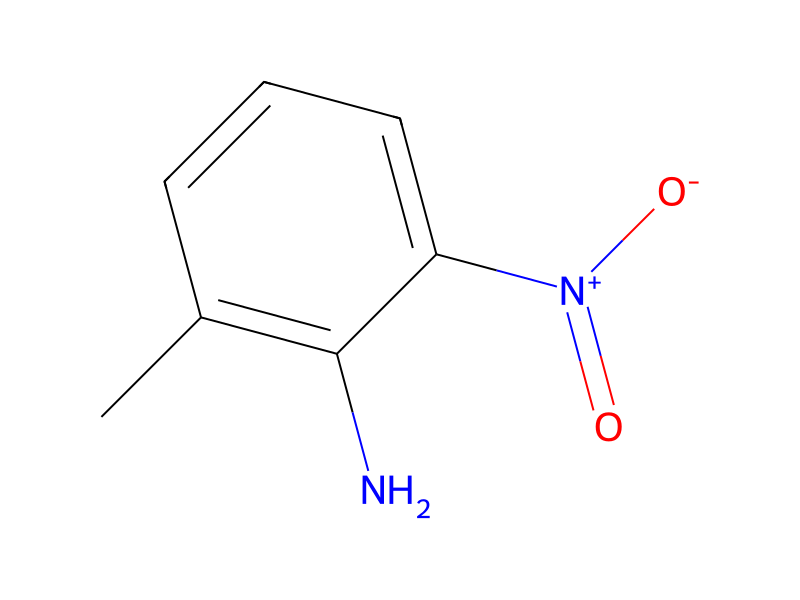
6-Nitro-o-toluidin
2-Methyl-6-nitroaniline
Daten werden ergänzt – lade die Seite später neu, um den aktuellen Stand zu sehen
Grundinformationen
- CAS
570-24-1- Standard-SMILES
Cc1cccc([N+](=O)[O-])c1N- InChIKey
FCMRHMPITHLLLA-UHFFFAOYSA-N- Summenformel
- C7H8N2O2
- Durchschnittliche Molmasse
- 152,15 g/mol
- Monoisotopische Masse
- 152,0585775
Überblick
2-methyl-6-nitroaniline appears as orange-yellow prisms or brown granular powder. (NTP, 1992)
Namen und Bezeichner
- Bevorzugter Name
- 2-Methyl-6-nitroaniline
- IUPAC
- 2-methyl-6-nitroaniline
- Lokaler Name
- 6-Nitro-o-toluidin
- Englischer Name
- 2-Methyl-6-nitroaniline
- Summenformel
- C7H8N2O2
- Molmasse
- 152.15
Namen und Synonyme
2-METHYL-6-NITROANILINE570-24-12-Amino-3-nitrotoluene6-Nitro-o-toluidineBenzenamine, 2-methyl-6-nitro-6-Methyl-2-nitroaniline1-Amino-2-methyl-6-nitrobenzene3-Nitro-2-aminotolueneo-Toluidine, 6-nitro-2-nitro-6-methylanilineNSC 286OUP165YKBC
Weitere Namen anzeigen
2-Amino-3-nitro touleneNSC 52218-6-nitroaniL6-Nitro-o-tolLABOTEST-BB LTBB0006216-Nitro-2-Methylaniline
EINECS 209-329-62-Methyl-6-nitro-benzenamineIMEXINE FPNSC-286NSC-522182-amino-3-methylnitrobenzeneDTXSID7025631FCMRHMPITHLLLA-UHFFFAOYSA-
Datenbank-Bezeichner
- CAS
570-24-1、60999-18-0- PubChem CID
- 11298
- DTXSID
DTXSID7025631- UNII
- OUP165YKBC
- EC Number
- 209-329-6
- Nikkaji
Eigenschaften
Berechnete StruktureigenschaftenWird ergänzt
- XLogP
- 2
- Polarare Oberfläche (TPSA)
- 71,8 Ų
- H-Brücken-Donoren
- 1
- H-Brücken-Akzeptoren
- 3
- Frei drehbare Bindungen
- 0
- Schwere Atome
- 11
- Formalladung
- 0
- Komplexität
- 155
Experimentelle und physikochemische Eigenschaften
Chemical ClassesNitrogen Compounds -> Nitroanilines
CosmeticsHair dyeing
SpringerMaterials PropertiesSurface tension
Density1.19 at 212 °F (NTP, 1992) - Denser than water; will sink
Solubilityless than 1 mg/mL at 73 °F (NTP, 1992)
Melting Point199 to 205 °F (NTP, 1992)
Physical Description
2-methyl-6-nitroaniline appears as orange-yellow prisms or brown granular powder. (NTP, 1992)
Orange-yellow or brown solid; [CAMEO] Dark red solid; [EC: SCCNFP] Dark red crystalline solid; [Sigma-Aldrich MSDS]
Physikochemische Eigenschaften
- Schmelzpunkt
- 93 · 93-96 °C (lit.)
Sicherheit und Regulatorisches
Sicherheitsangaben dienen nur zur Orientierung und ersetzen weder das Sicherheitsdatenblatt (SDB) des Lieferanten noch geltende Vorschriften oder eine fachliche Bewertung.
GHS-Klassifizierung
GHS Classification
Danger
H301 (100%): Toxic if swallowed [Danger Acute toxicity, oral]
P260, P261, P262, P264, P270, P271, P273, P280, P301+P316, P302+P352, P304+P340, P316, P319, P321, P330, P361+P364, P391, P403+P233, P405, and P501 (click each P-code to see the statement)
Aggregated GHS information provided per 47 reports by companies from 6 notifications to the ECHA C&L Inventory. Each notification may be associated with multiple companies.
Danger
H311: Toxic in contact with skin [Danger Acute toxicity, dermal]
Gefahrenhinweise
Regulatory Information
Chemical: Benzenamine, 2-methyl-6-nitro-
Status: No longer Valid Update: 25-04-2018 https://echa.europa.eu/registration-dossier/-/registered-dossier/24595
6-Nitro-o-toluidine: Does not have an individual approval but may be used under an appropriate group standard
Other Safety InformationIMAP assessments - Benzenamine, 2-methyl-6-nitro-: Human health tier II assessment
DOT LabelPoison
Fire HazardsFlash point data for this compound are not available, but it is probably combustible. (NTP, 1992)
Health HazardsExcerpt from ERG Guide 153 [Substances - Toxic and/or Corrosive (Combustible)]:
Hazards Summary
A mild skin and eye irritant in rabbits at 3% concentration in 1,2-propanediol; No evidence of skin sensitization in guinea pigs; Hepatotoxicity observed in 28-day oral studies of rats; No evidence of embryotoxicity or teratogenicity in rats; [EC: SCCNFP] May cause irritation; May induce methemoglobinemia; Toxic by ingestion, inhalation, and skin absorption; Targets the blood; [Sigma-Aldrich MSDS] See 2-Nitroaniline.
Chemie und Industrie
Verwendung und Herstellung
Uses
Used in semi-permanent hair dyes; [EC: SCCNFP]
Dressing Hair [Category: Other]
Use ClassificationCosmetics -> Hair dyeing
Vor- und nachgelagerte Produkte
Vorgelagerte Rohstoffe
Nachgelagerte Produkte
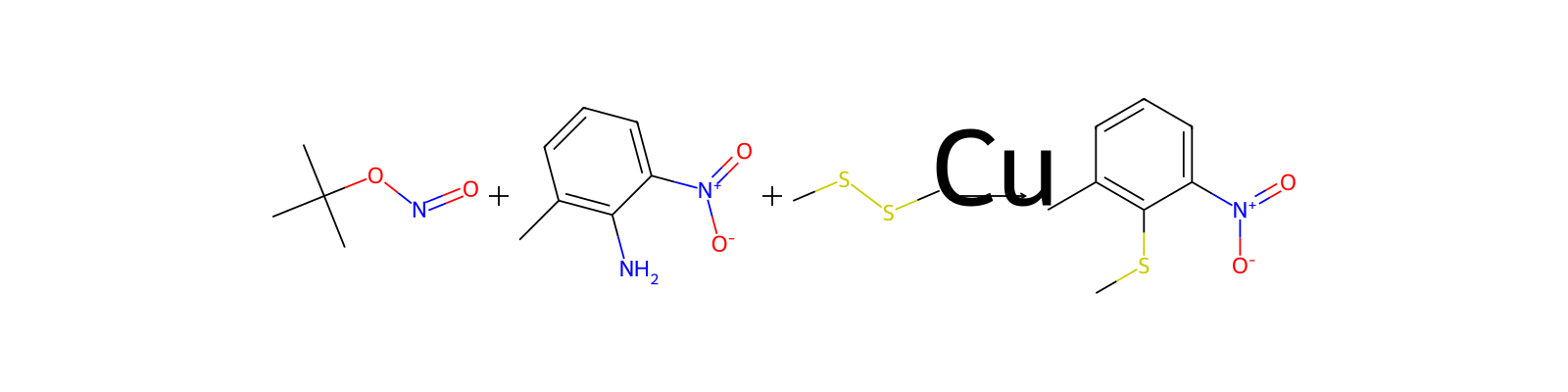
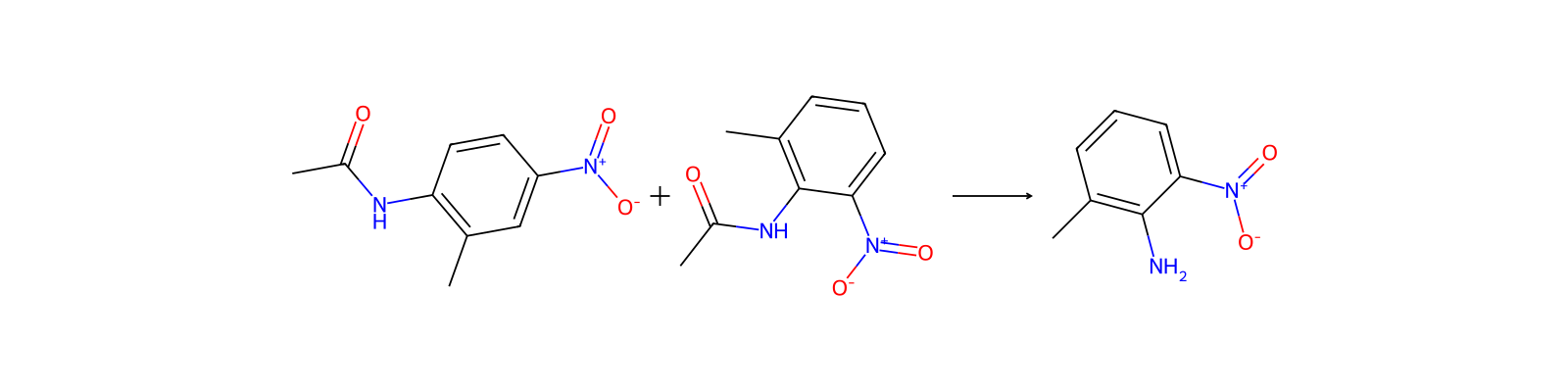
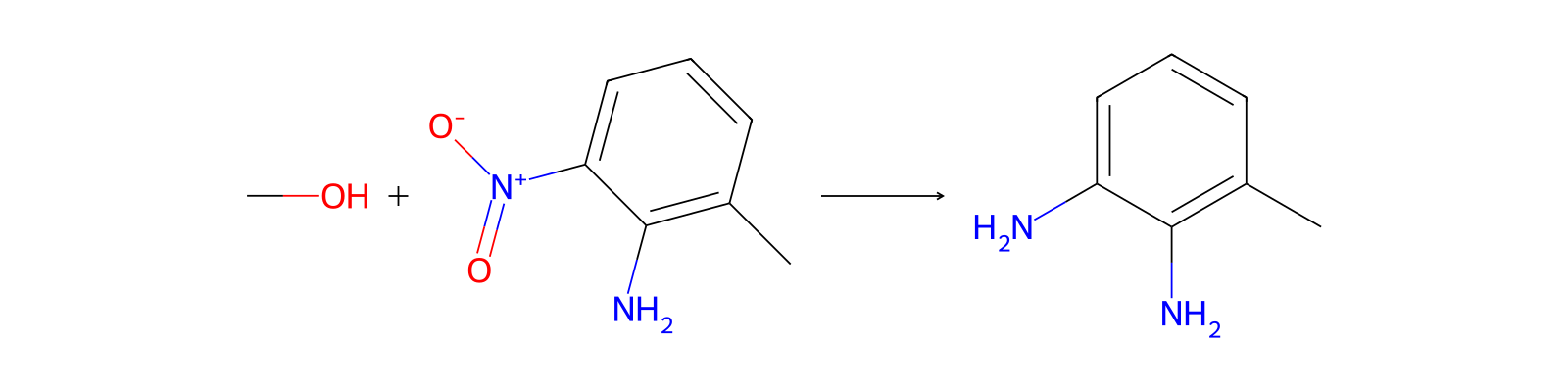
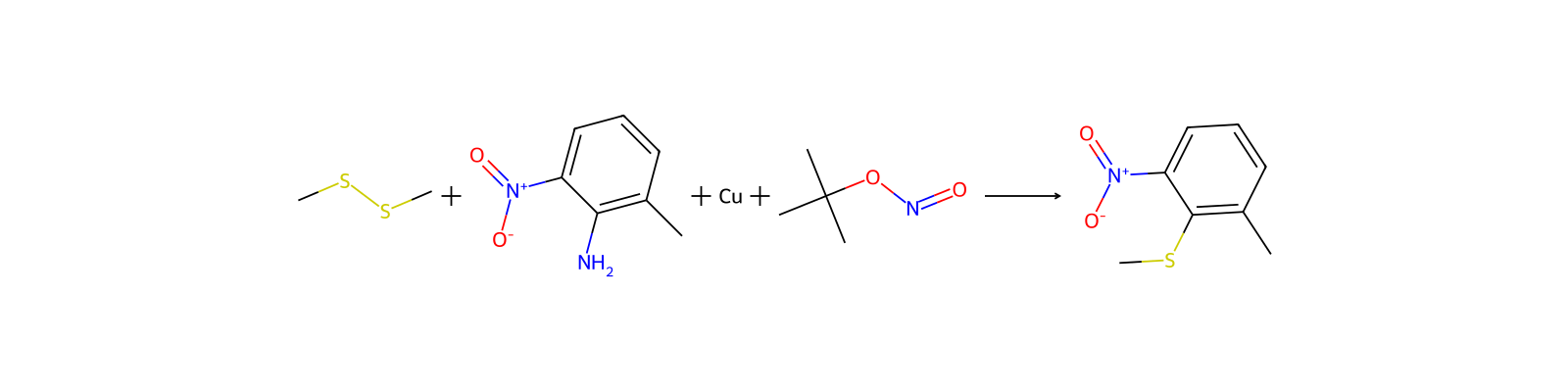
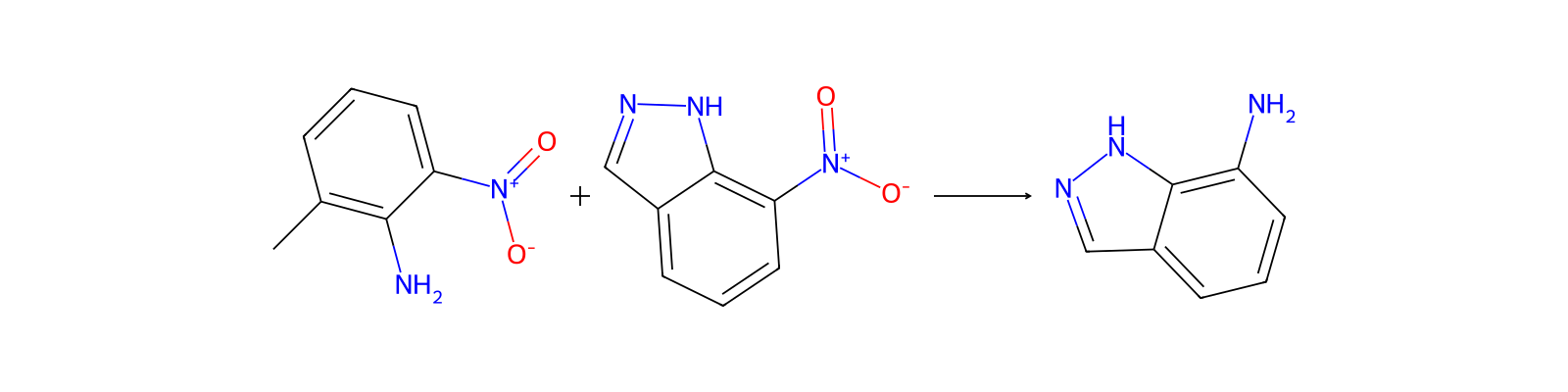
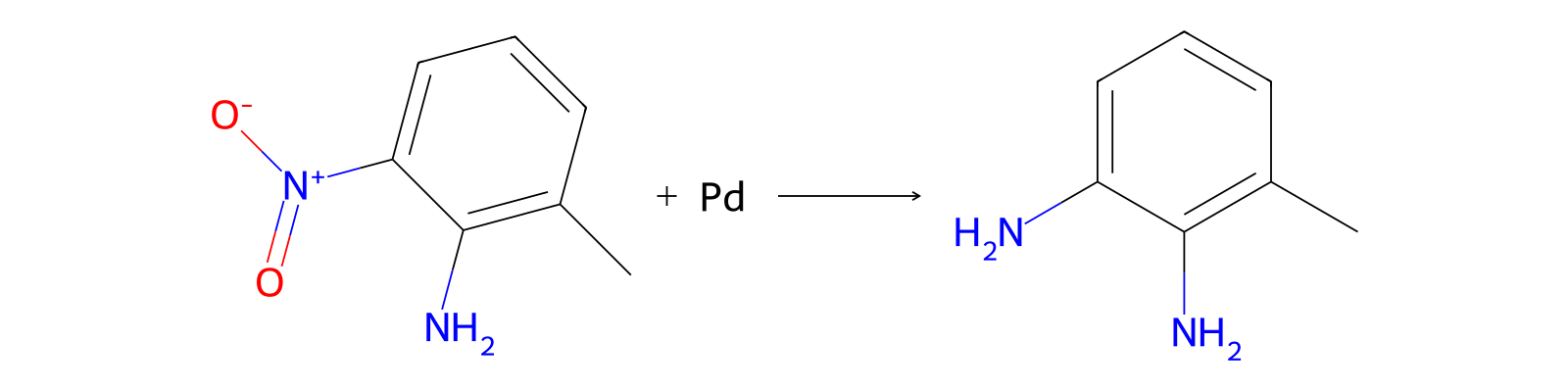
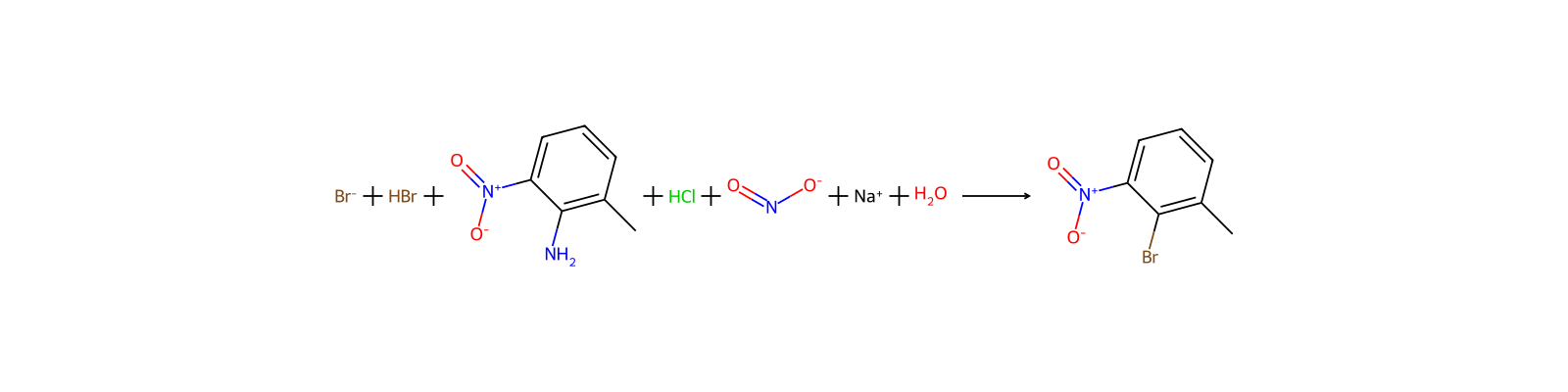
Zugehörige Reaktionen
66
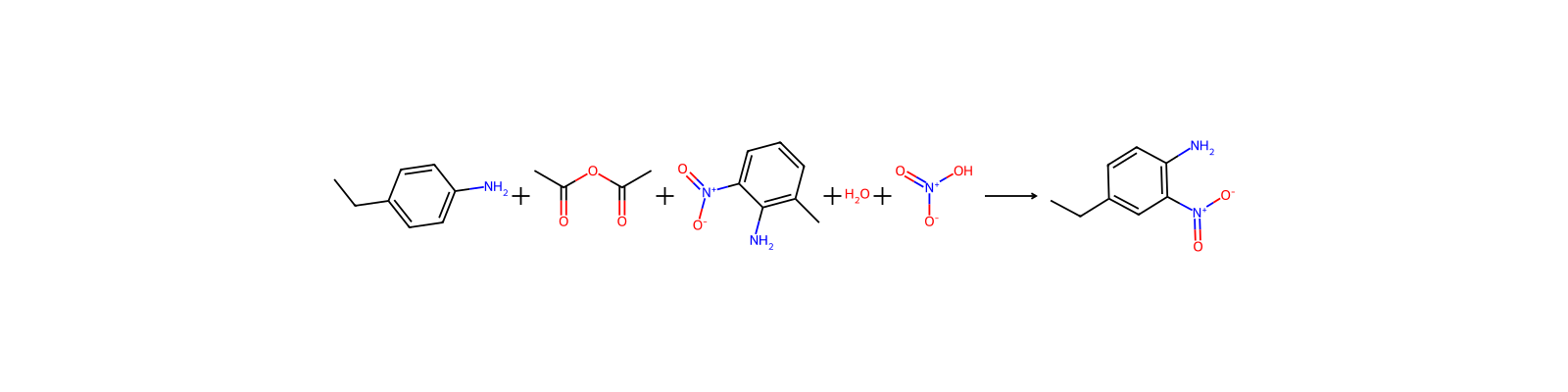
Notizen zur Verbindung
Wird geladen…