HRID 16403als Produkt

55052-28-3Clc1ccnc2[nH]ccc12HNTZVGMWXCFCTA-UHFFFAOYSA-N55052-28-3DTXSID50464294CHEMBL4204893Sicherheitsangaben dienen nur zur Orientierung und ersetzen weder das Sicherheitsdatenblatt (SDB) des Lieferanten noch geltende Vorschriften oder eine fachliche Bewertung.
Danger
H301 (92.3%): Toxic if swallowed [Danger Acute toxicity, oral]
P261, P264, P264+P265, P270, P271, P280, P301+P316, P302+P352, P304+P340, P305+P354+P338, P317, P319, P321, P330, P332+P317, P362+P364, P403+P233, P405, and P501 (click each P-code to see the statement)
Aggregated GHS information provided per 52 reports by companies from 8 notifications to the ECHA C&L Inventory. Each notification may be associated with multiple companies.
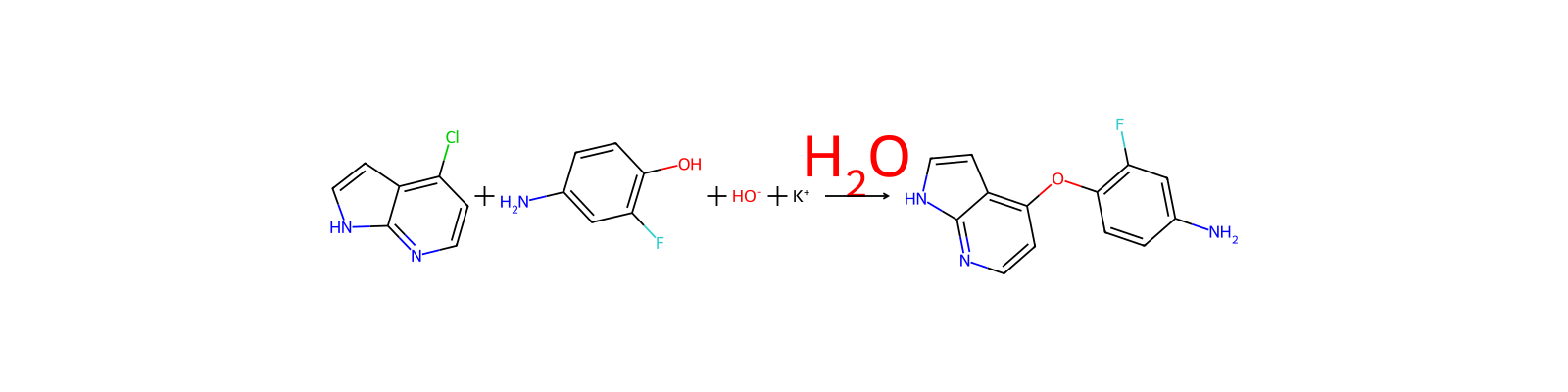
Beschreibung4-Chloro-7-azaindole belongs to the class of azaindole compounds, which has anticancer, antibacterial, antiviral and other biological activities. 4-Chloro-7-azaindole is mainly used as an organic intermediate in the preparation of 7-azaindole derivatives, GDC-0575, and Janus kinase inhibitors.
Verwenden4-Chloro-7-azaindole can be used as a useful intermediate for drug discovery research.
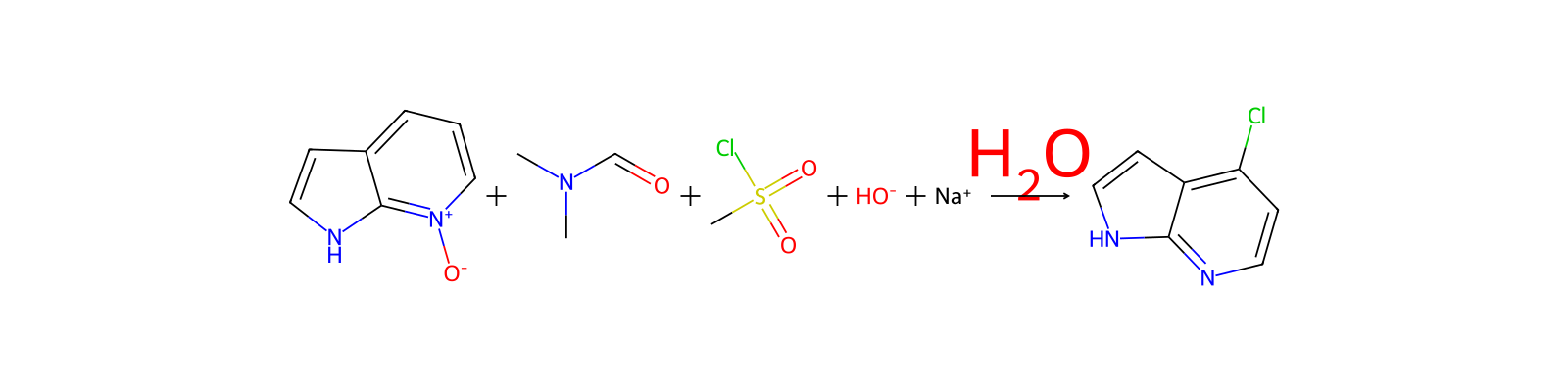
synthetischeUsing 7-azaindole as the raw material, hydrogen peroxide was used to carry out N-oxidation reaction to generate N-oxide. In the reaction between POCl and N-oxide, diisopropylethylamine (DIPEA) was added as a catalyst to increase the yield. After the reaction was completed, 4-Chloro-7-azaindole was obtained by alkalization treatment with a yield of up to 85.6%.