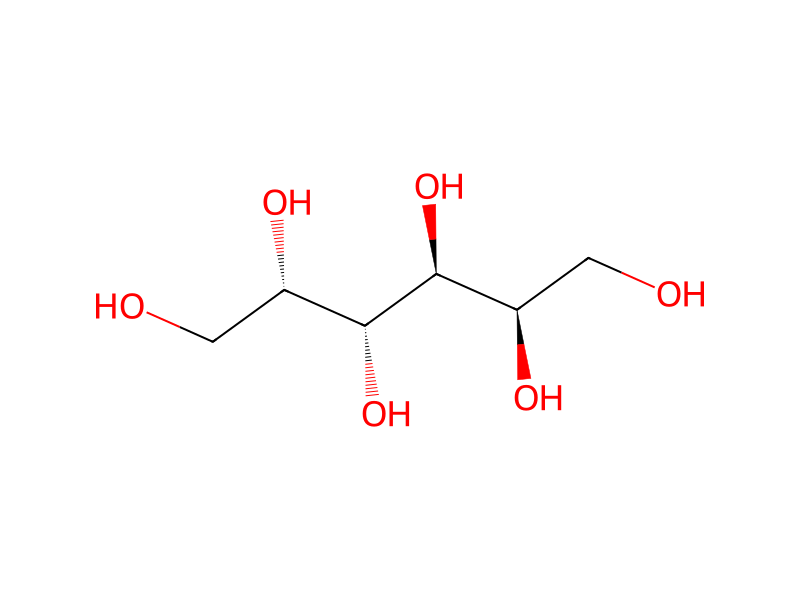
Galactitol
Grundinformationen
- CAS
2234851-14-8- Standard-SMILES
OC[C@@H](O)[C@H](O)[C@H](O)[C@@H](O)CO- InChIKey
FBPFZTCFMRRESA-GUCUJZIJSA-N- Summenformel
- C6H14O6
- Durchschnittliche Molmasse
- 182,17 g/mol
- Monoisotopische Masse
- 182,07903816
Überblick
Galactitol is an optically inactive hexitol having meso-configuration. It has a role as a metabolite, a mouse metabolite, an Escherichia coli metabolite and a human metabolite.
Namen und Bezeichner
- Bevorzugter Name
- Galactitol
- IUPAC
- (2R,3S,4R,5S)-hexane-1,2,3,4,5,6-hexol
Namen und Synonyme
galactitol608-66-2dulcitedulcoseEuonymitMelampyrinMelampyritMelampyriteMelampyrum(2R,3S,4R,5S)-hexane-1,2,3,4,5,6-hexolmeso-galactitolD-Dulcitol
Weitere Namen anzeigen
CHEBI:16813113ZQ1Y7DDNSC-1944RefChem:633477GlyTouCan:G25565DNG25565DN210-165-2dulcitol
Datenbank-Bezeichner
- CAS
2234851-14-8、608-66-2- PubChem CID
- 11850
- DTXSID
DTXSID1046051- ChEMBL
CHEMBL1773904- ChEBI
CHEBI:16813- UNII
- 113ZQ1Y7DD
- EC Number
- 171-669-5、210-165-2
- Nikkaji
- J7.011D
Eigenschaften
Berechnete Struktureigenschaften
- XLogP
- -3,1
- Polarare Oberfläche (TPSA)
- 121 Ų
- H-Brücken-Donoren
- 6
- H-Brücken-Akzeptoren
- 6
- Frei drehbare Bindungen
- 5
- Schwere Atome
- 12
- Formalladung
- 0
- Komplexität
- 105
Experimentelle und physikochemische Eigenschaften
Chemical ClassesBiological Agents -> Monosaccharides and Derivatives
SpringerMaterials PropertiesCrystal structure
LogP-3.10
Solubility31,0 mg/mL at 15 °C
Melting Point189.5 °C
Physical Description
Solid; [Merck Index] White to off-white hygroscopic powder; [Alfa Aesar MSDS]
Solid
Collision Cross Section
128.77 Ų [M-H]- [CCS Type: DT; Method: single field calibrated with Agilent tune mix (Agilent)]
145.91 Ų [M+Na]+ [CCS Type: DT; Method: stepped-field]
130.5 Ų [M-H]- [CCS Type: DT; Method: single field calibrated with ESI Low Concentration Tuning Mix (Agilent)]
143.4 Ų [M+Na]+
Sicherheit und Regulatorisches
Sicherheitsangaben dienen nur zur Orientierung und ersetzen weder das Sicherheitsdatenblatt (SDB) des Lieferanten noch geltende Vorschriften oder eine fachliche Bewertung.
GHS-Klassifizierung
GHS Classification
This chemical does not meet GHS hazard criteria for 66.7% (2 of 3) of all reports.
Warning
H315 (33.3%): Causes skin irritation [Warning Skin corrosion/irritation]
P261, P264, P264+P265, P271, P280, P302+P352, P304+P340, P305+P351+P338, P319, P321, P332+P317, P337+P317, P362+P364, P403+P233, P405, and P501 (click each P-code to see the statement)
Aggregated GHS information provided per 3 reports by companies from 2 notifications to the ECHA C&L Inventory. Each notification may be associated with multiple companies.
Warning
Gefahrenhinweise
Regulatory Information
Chemical: Galactitol
Galactitol: Does not have an individual approval but may be used under an appropriate group standard
Other Safety InformationIMAP assessments - Galactitol: Human health tier I assessment
Hazards SummaryMay cause irritation; [Alfa Aesar MSDS]
Hazard Classes and Categories
Skin Irrit. 2 (33.3%)
Skin Irrit. 2 (100%)
Toxikologische Informationen
Health EffectsChronically high levels of galactitol are associated with at least 2 inborn errors of metabolism including: Galactosemia and Galactosemia type II.
Toxicity Summary
Accumulation of galactitol in the body has been shown to be toxic. Accumulation of galactitol in the lens causes the osmotic phenomena and results in cataract formation. It may form in excess in the lens of the eye in galactosemias, a deficiency of galactokinase.
Chemie und Industrie
Pharmakologische Informationen
Tissue LocationsBrain
Cellular LocationsExtracellular
Metabolite PathwaysGalactose Metabolism
Verwendung und Herstellung
Uses
A naturally occurring product of plants obtained following reduction of GALACTOSE. It appears as a white crystalline powder with a slight sweet taste. [ChemIDplus]
This is an endogenously produced metabolite found in the human body. It is used in metabolic reactions, catabolic reactions or waste generation.
General Manufacturing InformationGalactitol: ACTIVE
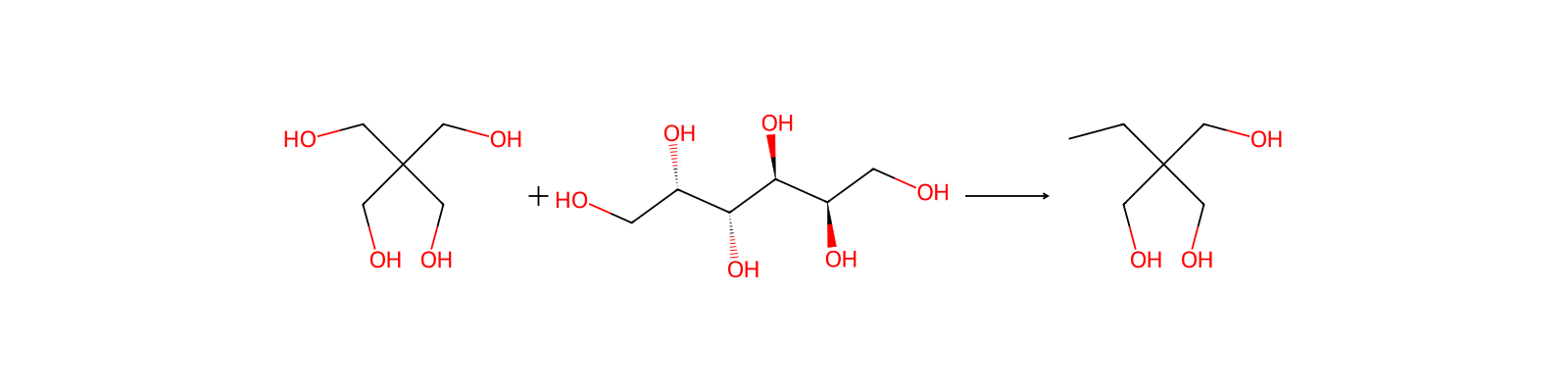
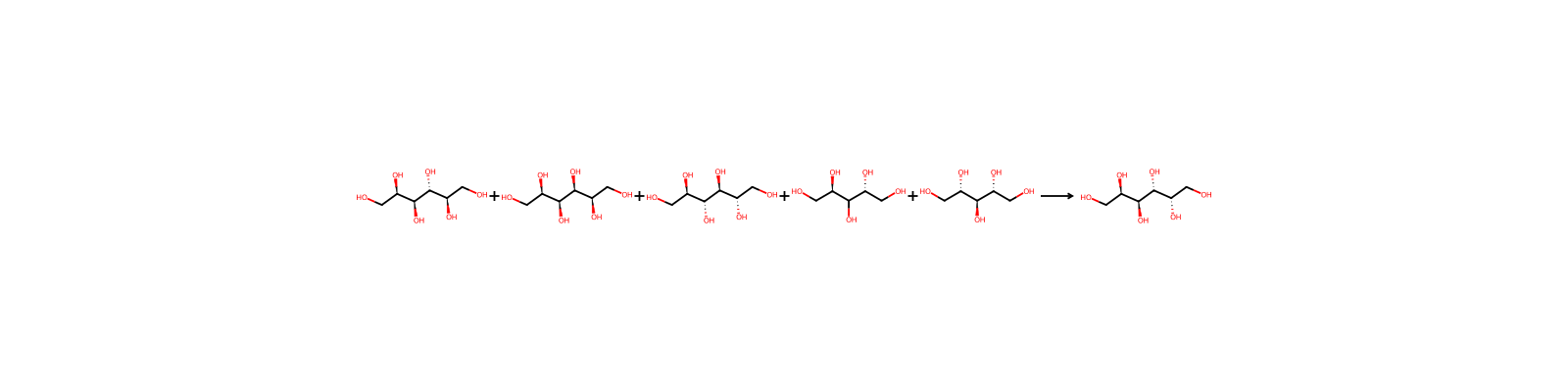
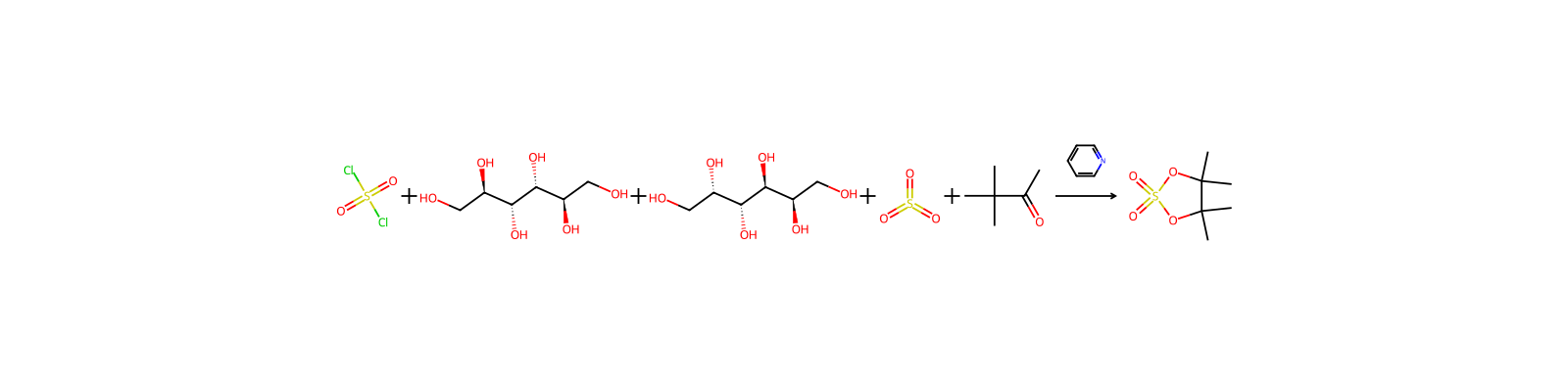
Zugehörige Reaktionen
14



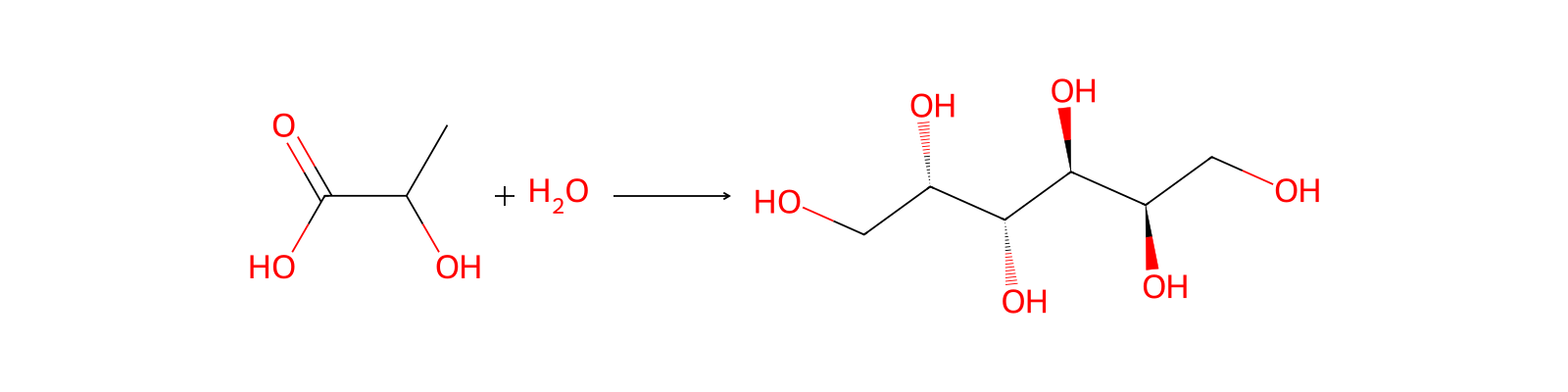
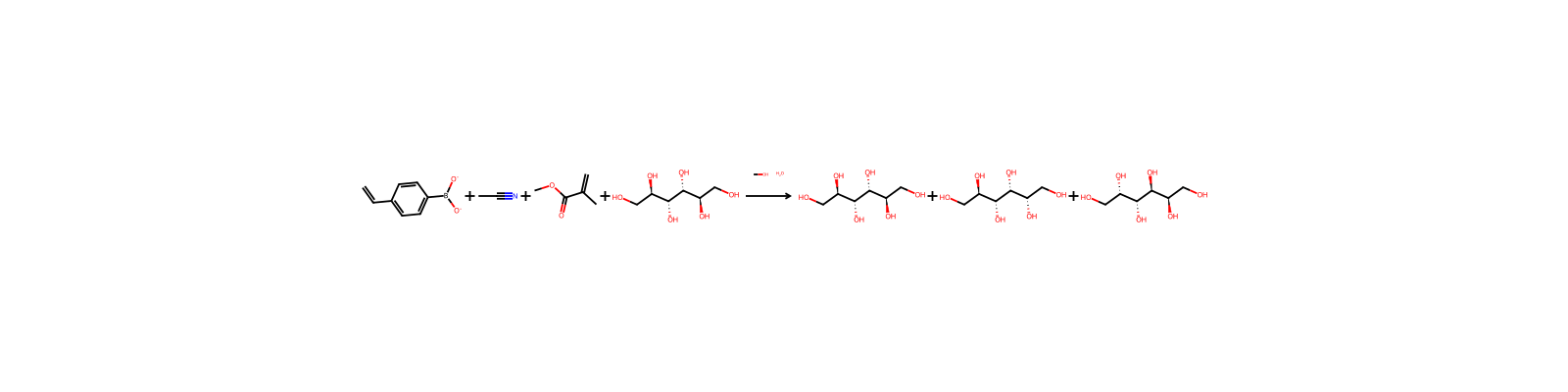
Notizen zur Verbindung
Wird geladen…