
Ethylharnstoff
Ethylurea
Daten werden ergänzt – lade die Seite später neu, um den aktuellen Stand zu sehen
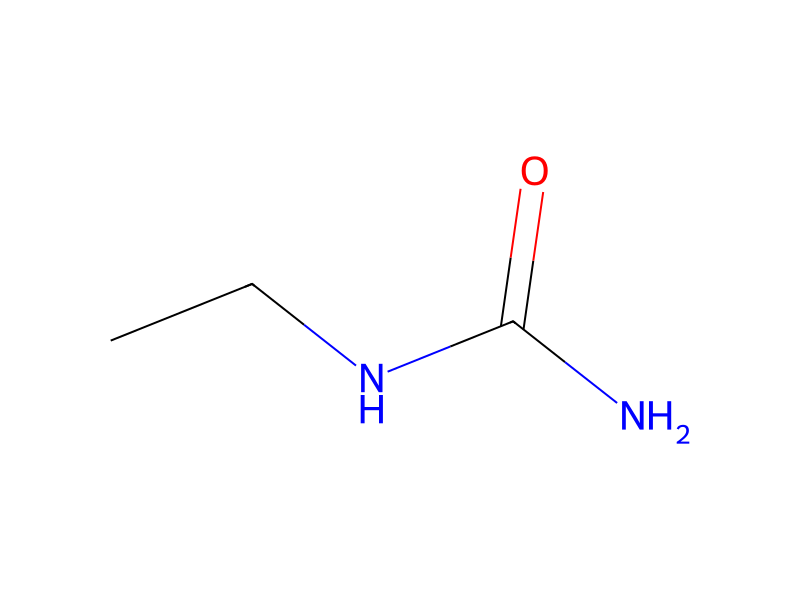
Grundinformationen
- CAS
625-52-5- Standard-SMILES
CCNC(N)=O- InChIKey
RYECOJGRJDOGPP-UHFFFAOYSA-N- Summenformel
- C3H8N2O
- Durchschnittliche Molmasse
- 88,11 g/mol
- Monoisotopische Masse
- 88,06366288
Überblick
See also: Polyurethane (annotation moved to).
Namen und Bezeichner
- Bevorzugter Name
- Ethylurea
- IUPAC
- ethylurea
- Lokaler Name
- Ethylharnstoff
- Englischer Name
- Ethylurea
- Summenformel
- C3H8N2O
- Molmasse
- 88.11
Namen und Synonyme
EthylureaN-ETHYLUREA625-52-51-EthylureaUrea, ethyl-7K14B03X18NSC-53556DTXSID20873854RefChem:921324DTXCID3011929210-898-8Urea, 1-ethyl-
Weitere Namen anzeigen
ethyl-ureethvlureaETHANOLUREA1-ethyl-ureurea,ethyl-Ethylurea>monoethylurea
Urea, N-ethyl-ethyl urea9009-54-5EINECS 210-898-8MFCD00007953NSC 53556UNII-7K14B03X18AI3-52220
Datenbank-Bezeichner
- CAS
625-52-5、9009-54-5- PubChem CID
- 12254
- DTXSID
DTXSID20873854- UNII
- 7K14B03X18
- EC Number
- 210-898-8、618-449-1
- Nikkaji
- J3.010D
Eigenschaften
Berechnete StruktureigenschaftenWird ergänzt
- XLogP
- -0,7
- Polarare Oberfläche (TPSA)
- 55,1 Ų
- H-Brücken-Donoren
- 2
- H-Brücken-Akzeptoren
- 1
- Frei drehbare Bindungen
- 1
- Schwere Atome
- 6
- Formalladung
- 0
- Komplexität
- 52,8
Experimentelle und physikochemische Eigenschaften
PolymersPlastics & Rubber -> Polymers
SpringerMaterials Properties15N nuclear magnetic resonance spectrum
PesticidesEnvironmental transformation -> Pesticide transformation products (metabolite, successor)
LogP-0.74
Food Contact SubstancesFCS -> FDA Inventory of Food Contact Substances Listed in 21 CFR
Physical DescriptionSolid; [Elite Foam MSDS]
Physikochemische Eigenschaften
- Schmelzpunkt
- 87 · 87-90 °C (lit.)
- Siedepunkt
- 163.08 °C · 163.08°C (rough estimate)
- Dichte
- 1.213 · 1.2130
- Brechungsindex
- 1.4715 · 1.4715 (estimate)
- Flammpunkt
- 93 °C · 93 °C
Sicherheit und Regulatorisches
Sicherheitsangaben dienen nur zur Orientierung und ersetzen weder das Sicherheitsdatenblatt (SDB) des Lieferanten noch geltende Vorschriften oder eine fachliche Bewertung.
GHS-Klassifizierung
GHS Classification
This chemical does not meet GHS hazard criteria for 33.3% (1 of 3) of reports.
Warning
H315 (66.7%): Causes skin irritation [Warning Skin corrosion/irritation]
P261, P264, P264+P265, P271, P280, P302+P352, P304+P340, P305+P351+P338, P319, P321, P332+P317, P337+P317, P362+P364, P403+P233, P405, and P501 (click each P-code to see the statement)
Aggregated GHS information provided per 3 reports by companies from 3 notifications to the ECHA C&L Inventory. Each notification may be associated with multiple companies.
This chemical does not meet GHS hazard criteria for 100% (3 of 3) of all reports.
Gefahrenhinweise
Regulatory Information
Chemical: Urea, ethyl-
Urea, ethyl-: Does not have an individual approval but may be used under an appropriate group standard
Hazards SummaryHuman inhalation of 12 mg/m3 for 11 weeks causes visual field changes; [RTECS] Dust may cause mechanical irritation; [Elite Foam MSDS] See DIISOCYANATES.
Hazard Classes and Categories
Skin Irrit. 2 (66.7%)
Not Classified
Sicherheit und Schutzausrüstung
Protective Action Criteria (PAC)
120 [mg/m3]
1300 [mg/m3]
7900 [mg/m3]
Toxikologische Informationen
Chemie und Industrie
Verwendung und Herstellung
UsesWidely used foam insulation. [ChemIDplus] Polyurethane refers to a group of similar polymers with applications including furniture, household products, and biological products; [REPROTOX]
Use ClassificationEnvironmental transformation -> Pesticide transformation products (metabolite, successor)
General Manufacturing InformationUrea, N-ethyl-: ACTIVE
Anwendungen
BeschreibungDer Ethylharnstoff bildet farblose, wasserlösliche Kristalle. Die Verbindung besitzt nur wissenschaftliches Interesse.
VerwendenN-Ethylurea, is a versatile building block, that can be used in organic synthesis of various pharmaceutical and biologically active compounds, as Nitrogen and Carbonyl source.
Vor- und nachgelagerte Produkte
Nachgelagerte Produkte
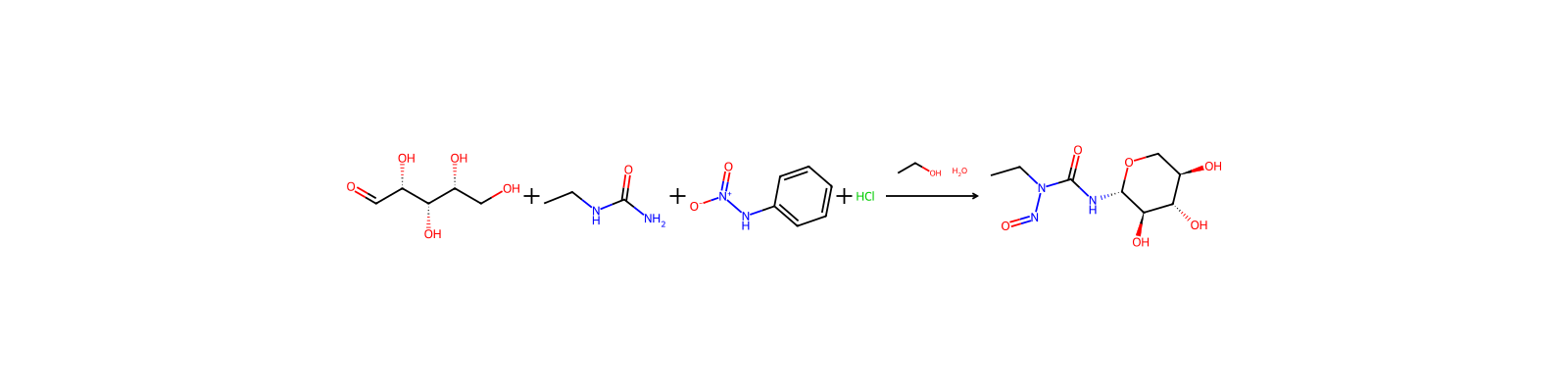
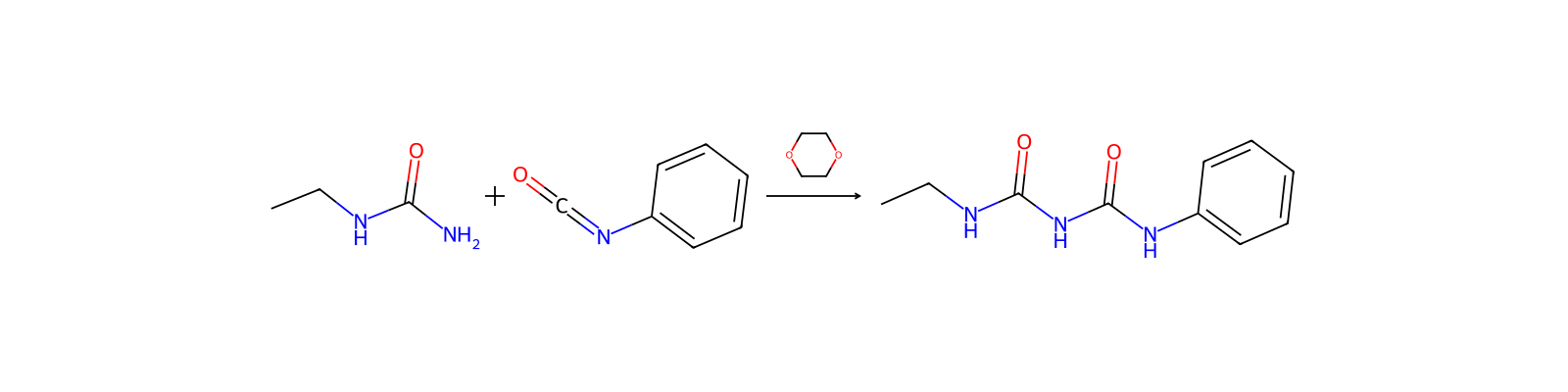
Zugehörige Reaktionen
14



Notizen zur Verbindung
Wird geladen…