Grundinformationen
- Standard-SMILES
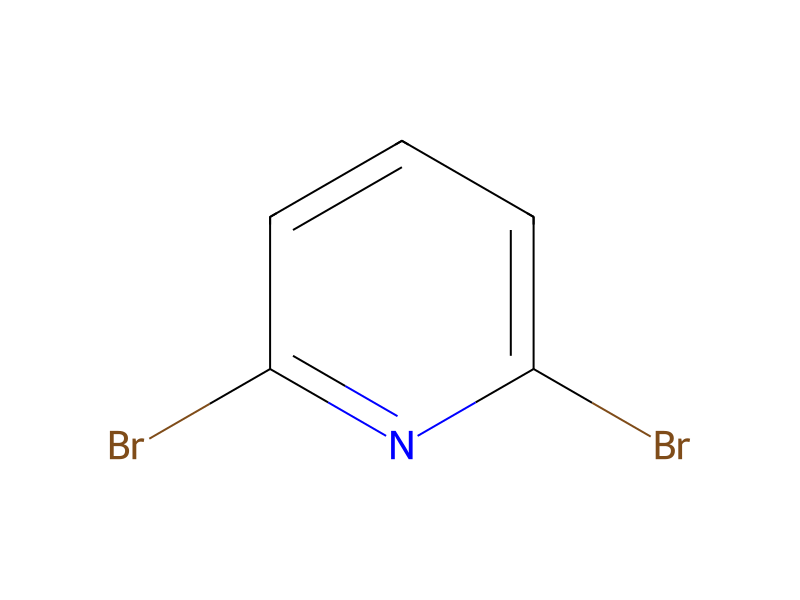
Brc1cccc(Br)n1- InChIKey
FEYDZHNIIMENOB-UHFFFAOYSA-N- Summenformel
- C5H3Br2N
- Durchschnittliche Molmasse
- 236,89 g/mol
- Monoisotopische Masse
- 234,8632233
Namen und Bezeichner
- Bevorzugter Name
- 2,6-Dibromopyridine
- IUPAC
- 2,6-dibromopyridine
- Lokaler Name
- 2,6-Dibrompyridin
- Englischer Name
- 2,6-Dibromopyridine
- Summenformel
- C5H3Br2N
- Molmasse
- 236.89
Namen und Synonyme
2,6-DibromopyridinePYRIDINE, 2,6-DIBROMO-NSC 613EINECS 210-926-9BRN 0108922D9SBA5R353NSC-613DTXSID302116425-20-05-00435 (Beilstein Handbook Reference)RefChem:83149DTXCID60134133210-926-9
Weitere Namen anzeigen
2,4-dibroMo-6-nitropyridine2,6-dibromo-pyridinLasmiditan Impurity 462,6-Dibromopyridine,98%2,6-Dibromopyridine >2,6-DibroMopyridine, 98% 25GR2,6-Dibromopyridine CAS 626-05-12,6-Dibromopyridine ISO 9001:2015 REACH
FEYDZHNIIMENOB-UHFFFAOYSA-N626-05-12,6-dibromo-pyridineMFCD000062232,6-dibromo pyridineNSC6132,6dibromopyridine2,6-dibrompyridine
Datenbank-Bezeichner
- CAS
626-05-1- PubChem CID
- 12274
- DTXSID
DTXSID30211642- UNII
- D9SBA5R353
- EC Number
- 210-926-9
- Nikkaji
- J32.652F
Eigenschaften
Berechnete Struktureigenschaften
- XLogP
- 2,9
- Polarare Oberfläche (TPSA)
- 12,9 Ų
- H-Brücken-Donoren
- 0
- H-Brücken-Akzeptoren
- 1
- Frei drehbare Bindungen
- 0
- Schwere Atome
- 8
- Formalladung
- 0
- Komplexität
- 68,8
Experimentelle und physikochemische Eigenschaften
SpringerMaterials Properties15N nuclear magnetic resonance spectrum
Physikochemische Eigenschaften
- Schmelzpunkt
- 117 · 117-119 °C (lit.)
- Siedepunkt
- 255 °C · 255°C
- Dichte
- 2.0383 · 2.0383 (rough estimate)
- Brechungsindex
- 1.58 · 1.5800 (estimate)
- Flammpunkt
- 213 °C · 213 °C
- storage temp.
- Keep in dark place,Sealed in dry,Room Temperature
- Löslichkeit
- Chloroform (Slightly), Methanol (Slightly)
- pka
- -3.65 · -3.65±0.10(Predicted)
- Aggregatzustand
- Crystalline Powder
- Farbe
- White to gray or buff
- Wasserlöslichkeit
- insoluble
- BRN
- 108922 · 108922
- InChI
- InChI=1S/C5H3Br2N/c6-4-2-1-3-5(7)8-4/h1-3H
- InChIKey
- FEYDZHNIIMENOB-UHFFFAOYSA-N
- SMILES
- C1(Br)=NC(Br)=CC=C1
- CAS Datenbank
- 626 · 626-05-1(CAS DataBase Reference)
Sicherheit und Regulatorisches
GHS-Klassifizierung
GHS Classification
Danger
H300 (96.7%): Fatal if swallowed [Danger Acute toxicity, oral]
P261, P264, P264+P265, P270, P271, P273, P280, P301+P316, P302+P352, P304+P340, P305+P351+P338, P317, P319, P321, P330, P332+P317, P337+P317, P362+P364, P403+P233, P405, and P501 (click each P-code to see the statement)
Aggregated GHS information provided per 60 reports by companies from 14 notifications to the ECHA C&L Inventory. Each notification may be associated with multiple companies.
Gefahrenhinweise
Regulatory Information
Chemical: Pyridine, 2,6-dibromo-
Status: Active Update: 25-05-2018 https://echa.europa.eu/registration-dossier/-/registered-dossier/20034
2,6-Dibromopyridine: Does not have an individual approval but may be used under an appropriate group standard
Hazard Classes and CategoriesAcute Tox. 2 (96.7%)
CSL Reaction Information
CSL00134
OXYGEN + COPPER(II) CHLORIDE DIHYDRATE + 2,6-DIBROMOPYRIDINE + N-BUTYLLITHIUM + DIETHYL ETHER
O2 reacted with the organocopper (or remaining organolithium) reagent to form some peroxides which exploded
Explosive
Ullmann coupling
ACS Safety Letters
Sicherheitsdaten
- wgk
- 3
- ridadr
- 2811
- hs_code
- 29333999
- RTECS-Nr.
- US7883000
- risk_code
- 36/37/38-25-20/21-52-28-52/53-36/38
- hazard_code
- Xi,T,T+
- hazard_note
- Irritant
- safety_code
- 26-37/39-45-36/37/39-36-36/37-28-61
- hazard_class
- 6.1
- packing_group
- II
- Speicherklasse
- 6.1A - Combustible acute toxic Cat. 1 and 2very toxic hazardous materials
- Hazard Classifications
- Acute Tox. 2 OralEye Irrit. 2Skin Irrit. 2STOT SE 3
Chemie und Industrie
Anwendungen
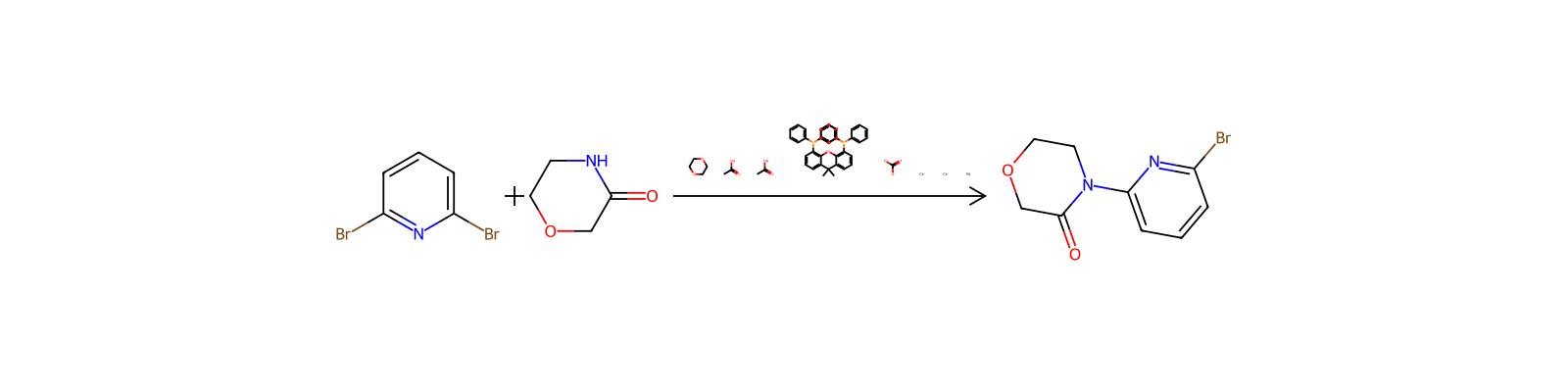
Beschreibung2,6-Dibromopyridine is a halogenated pyridine compound used as a pharmaceutical intermediate in the synthesis of the migraine drug (Lasmiditan).Lasmiditan is an oral prescription drug used to treat acute migraine headaches with or without aura. It is important to note that it is not used for migraine prevention.
Verwenden2,6-Dibromopyridine is used as a tridentate chelating ligand and in the formation of macrocycles containing the terpyridine moiety. It is also used to produce 6-bromo-2-methoxypyridine.
Vor- und nachgelagerte Produkte
Vorgelagerte Rohstoffe
Nachgelagerte Produkte
Anbieter50 Anbieter
国药集团化学试剂有限公司86-21-63210123 · [email protected]
梯希爱(上海)化成工业发展有限公司021-67121386 · [email protected]
艾斯提克(山东)生物医药有限公司21-58999881 15623240527 · [email protected]
上海阿拉丁生化科技股份有限公司400-6206333 13167063860 · [email protected]
上海泰矶林实业有限公司02150630626 17717886015 · [email protected]
INTATRADE GmbH+49 3493/605464 · [email protected]
爱斯特(成都)生物制药股份有限公司+86-28-85122536 85324413 · [email protected]
北京安司莫森技术有限公司010-82954736 13391601435 · [email protected]
韶远科技(上海)有限公司021-50795510 4000665055 · [email protected]
常州思丹德化工有限公司0519-85607885 13776800733 · [email protected]
科瑞迪化学400-821-5857 021-64326257 · [email protected]
Syntechem Co.,Ltd[email protected]
南通萧畅医药贸易有限公司0513-82104991 18862997351 · [email protected]
上海迈瑞尔生化科技有限公司4006356688 18621169109 · [email protected]
北京华威锐科化工有限公司0757-86329057 18934348241 · [email protected]
武汉易泰科技有限公司上海分公司18930552037 · [email protected]
阿法埃莎(中国)化学有限公司400-6106006 · [email protected]
安耐吉化学&3A(安徽泽升科技股份有限公司)400-0056266 · [email protected]
武汉凯威斯科技有限公司86-027-67849912 · [email protected]
上海瀚鸿科技股份有限公司021-54306202 13764082696 · [email protected]
济南德信佳生物科技有限公司0531-82375886 13001715031 · [email protected]
上海相辉医药科技有限公司13761987713 · [email protected]
上海景颜化工科技有限公司13817811078 · [email protected]
南京哈柏医药科技有限公司13376080562 13376090521 · [email protected]
Pure Chemistry Scientific Inc.001-857-928-2050 or 1-888-588-9418 · [email protected]
苏州莱克施德药业有限公司0512-63970158-603 18018108880 · [email protected]
上海隆盛化工有限公司58099637 13585536065 · [email protected]
杭州东帆化学有限公司86-0571-85151182
孝感深远化工有限公司15527621225; 15527621225 · [email protected]
苏州施亚生物科技有限公司86(512)5235 8471 17715136450 · [email protected]
山东西亚化学有限公司13355009207 13355009207 · [email protected]
Abblis Chemicals LLC+1-832-373-8299 · [email protected]
玛雅试剂+86 (573) 82222445 (0)18006601000 452520369 · [email protected]
四川库利南科技有限公司400-1166-196 18981987031 · [email protected]
上海耐士化工科技有限公司400-188-0725 +86 21 34310725 13611771617
天津希恩思生化科技有限公司400 638 7771 · [email protected]
南京维奥化工有限公司Please Send Email 18652950785 · [email protected]
常州创视电子科技有限公司+86 (519) 8829-2061 · [email protected]
百盛HK进出口有限公司+86-18068513926
河南多贝化工有限公司0370-2785118 17550508557 · [email protected]
北京泰亚杰科技有限公司021-33690831-8001 13552411790;18616022633 · [email protected]
江苏恒沛药物科技有限公司65218020 18248732722
上海思域化工科技有限公司86-21-34053660 · [email protected]
苏州思变化学技术有限公司0512-65617459 18915409046 · [email protected]
赛默飞世尔科技(中国)有限公司800-810-5118 · [email protected]
北京伊诺凯科技有限公司400-810-7969 010-59572699 · [email protected]
江苏艾康生物医药研发有限公司025-66113011 13913916777 · [email protected]
上海健超生物科技有限公司150-2103-5486 18017383231 · [email protected]
TCI AMERICA800-4238616 · [email protected]
TOKYO CHEMICAL INDUSTRY CO., LTD.03-36680489 · [email protected]
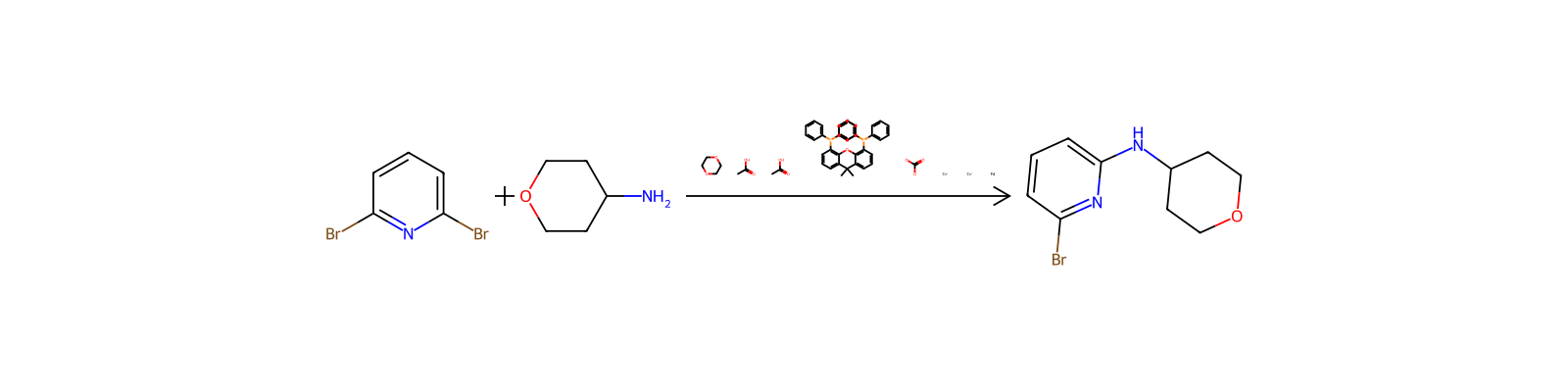
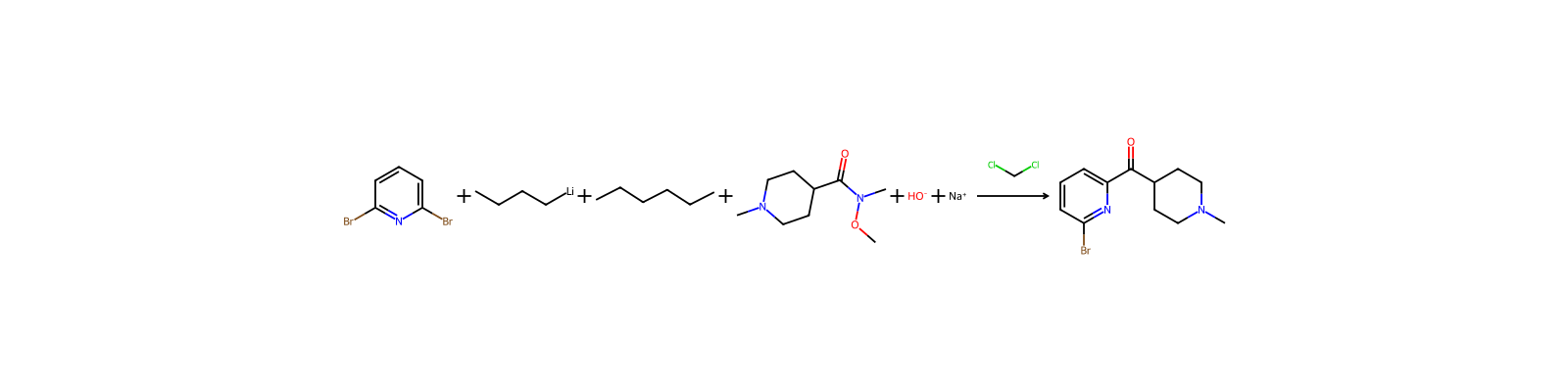
Zugehörige Reaktionen
469



Verknüpfte Notizen
Wird geladen…