
4-Nitro-N-phenylanilin
4-Nitrodiphenylamine

Grundinformationen
- CAS
836-30-6- Standard-SMILES
O=[N+]([O-])c1ccc(Nc2ccccc2)cc1- InChIKey
XXYMSQQCBUKFHE-UHFFFAOYSA-N- Summenformel
- C12H10N2O2
- Durchschnittliche Molmasse
- 214,22 g/mol
- Monoisotopische Masse
- 214,07422756
Namen und Bezeichner
- Bevorzugter Name
- 4-Nitrodiphenylamine
- IUPAC
- 4-nitro-N-phenylaniline
- Lokaler Name
- 4-Nitro-N-phenylanilin
- Englischer Name
- 4-Nitrodiphenylamine
- Summenformel
- C12H10N2O2
- Molmasse
- 214.22
Namen und Synonyme
4-NITRODIPHENYLAMINE836-30-64-Nitro-N-phenylanilinep-Nitrodiphenylamine(4-nitrophenyl)phenylamineBenzenamine, 4-nitro-N-phenyl-Diphenylamine, 4-nitro-p-Nitrophenylphenylamine4-Nitrodifenylamin4-NdpaN-(4-Nitrophenyl)benzenamineAmine, diphenyl, 4-nitro-
Weitere Namen anzeigen
NSC 33836TIMTEC-BB SBB0080554-nitro-diphenylaminGlycerol Impurity 77diphenyl,4-nitro-aminLABOTEST-BB LT01487848
4-Nitro-diphenylamineMFCD000073014-nitro-N-phenyl-anilineEINECS 212-646-2BRN 2051910MLS000584664DTXSID8027323AI3-02915
Datenbank-Bezeichner
- CAS
836-30-6- PubChem CID
- 13271
- DTXSID
DTXSID8027323- ChEMBL
CHEMBL1323785- UNII
- 5ZOC179N5D
- EC Number
- 212-646-2
- Nikkaji
- J38.267A
Eigenschaften
Berechnete Struktureigenschaften
- XLogP
- 3,7
- Polarare Oberfläche (TPSA)
- 57,9 Ų
- H-Brücken-Donoren
- 1
- H-Brücken-Akzeptoren
- 3
- Frei drehbare Bindungen
- 2
- Schwere Atome
- 16
- Formalladung
- 0
- Komplexität
- 226
Experimentelle und physikochemische Eigenschaften
Chemical ClassesNitrogen Compounds -> Other Aromatics (Nitrogen)
SpringerMaterials PropertiesBoiling point
LogP
3.82
3.74
Color/FormYELLOW NEEDLES OR TABLETS FROM CARBON TETRACHLORIDE
Solubility
INSOL IN WATER; VERY SOL IN ALCOHOL, ACETIC ACID
SOL IN CONCN SULFURIC ACID
Solubility in water: none
Flash Point
190 °C
190 °C o.c.
Boiling Point
211 °C AT 30 MM HG
343 °C
Melting Point
133.5 °C
132-135 °C
Vapor Pressure
0.0000166 [mmHg]
Vapor pressure at 25 °C: negligible
Physical Description
Yellow solid; [ICSC] Darkens upon exposure to light; [CHEMINFO] Yellow crystalline powder; [Alfa Aesar MSDS]
YELLOW NEEDLES.
Other Experimental PropertiesVIOLET COLOR IN SULFURIC ACID
Physikochemische Eigenschaften
- Schmelzpunkt
- 132 · 132-135 °C (lit.)
- Siedepunkt
- 211 °C · 211 °C (30 mmHg)
- Dichte
- 1.2042 · 1.2042 (rough estimate)
- Brechungsindex
- 1.666 · 1.6660 (estimate)
- Flammpunkt
- 190 °C · 190°C
- storage temp.
- Refrigerator
- Löslichkeit
- DMSO (Slightly), Methanol (Slightly)
- Aggregatzustand
- Solid
- pka
- -2.6 · -2.60±0.20(Predicted)
- Farbe
- Orange to Brown
- Wasserlöslichkeit
- INSOLUBLE
- BRN
- 2051910 · 2051910
- Henry's Law Constant
- 2.4 · 2.4×103 mol/(m3Pa) at 25℃, Zhang et al. (2010)
- InChI
- 1S/C12H10N2O2/c15-14(16)12-8-6-11(7-9-12)13-10-4-2-1-3-5-10/h1-9,13H
- InChIKey
- XXYMSQQCBUKFHE-UHFFFAOYSA-N
- SMILES
- [O-][N+](=O)c1ccc(Nc2ccccc2)cc1
- CAS Datenbank
- 836 · 836-30-6(CAS DataBase Reference)
- NIST chemische Informationen
- N-(4-Nitrophenyl)-N-phenylamine(836-30-6)
- EPA chemische Informationen
- 4 · 4-Nitrodiphenylamine (836-30-6)
Sicherheit und Regulatorisches
Sicherheitsangaben dienen nur zur Orientierung und ersetzen weder das Sicherheitsdatenblatt (SDB) des Lieferanten noch geltende Vorschriften oder eine fachliche Bewertung.
GHS-Klassifizierung
GHS Classification
This chemical does not meet GHS hazard criteria for 3.6% (3 of 83) of reports.
Warning
H315 (91.6%): Causes skin irritation [Warning Skin corrosion/irritation]
P261, P264, P264+P265, P271, P273, P280, P302+P352, P304+P340, P305+P351+P338, P319, P321, P332+P317, P337+P317, P362+P364, P391, P403+P233, P405, and P501 (click each P-code to see the statement)
Aggregated GHS information provided per 83 reports by companies from 5 notifications to the ECHA C&L Inventory. Each notification may be associated with multiple companies.
Danger
Gefahrenhinweise
Regulatory InformationChemical: Benzenamine, 4-nitro-N-phenyl-
Fire HazardsCombustible. Gives off irritating or toxic fumes (or gases) in a fire.
Hazards SummaryCan induce methemoglobinemia; [ICSC] Emergency treatment: Methemoglobinemia; [HSDB] An irritant; [Alfa Aesar MSDS]
UN ClassificationUN Hazard Class: 4.1; UN Pack Group: III
Chemical DangersDecomposes on heating and on burning. This produces toxic fumes of nitrogen oxides. Reacts with strong oxidants.
Hazard Classes and Categories
Skin Irrit. 2 (91.6%)
Specific target organ toxicity - Repeated exposure - Category 1 (blood system), Category 2 (kidney)
Sicherheit und Schutzausrüstung
Fire FightingUse water spray, powder, foam, carbon dioxide.
First Aid Measures
Fresh air, rest. Refer for medical attention.
Remove contaminated clothes. Rinse skin with plenty of water or shower.
First rinse with plenty of water for several minutes (remove contact lenses if easily possible), then refer for medical attention.
Rinse mouth. Refer for medical attention .
Safe StorageSeparated from strong oxidants and strong bases. Cool. Dry.
Spillage Disposal
Personal protection: self-contained breathing apparatus. Do NOT let this chemical enter the environment. Sweep spilled substance into covered containers. If appropriate, moisten first to prevent dusting. Carefully collect remainder. Then store and dispose of according to local regulations.
Eye PreventionWear safety goggles or eye protection in combination with breathing protection.
Fire PreventionNO open flames.
Inhalation RiskEvaporation at 20 °C is negligible; a harmful concentration of airborne particles can, however, be reached quickly when dispersed.
Skin PreventionProtective gloves.
Exposure PreventionPREVENT DISPERSION OF DUST!
Ingestion PreventionDo not eat, drink, or smoke during work.
Inhalation PreventionUse local exhaust or breathing protection.
Effects of Short Term ExposureThe substance may cause effects on the blood. This may result in the formation of methaemoglobin. Medical observation is indicated. The effects may be delayed.
Toxikologische Informationen
Adverse EffectsMethemoglobinemia - The presence of increased methemoglobin in the blood; the compound is classified as secondary toxic effect
Exposure RoutesThe substance can be absorbed into the body by inhalation and by ingestion.
Signs and Symptoms
Blue lips, fingernails and skin. Dizziness. Headache. Confusion. Convulsions. Nausea. Unconsciousness.
See Inhalation.
ICSC Environmental DataThe substance is very toxic to aquatic organisms. It is strongly advised not to let the chemical enter into the environment. The substance may cause long-term effects in the aquatic environment.
Sicherheitsdaten
- wgk
- 3
- tsca
- TSCA listed
- ridadr
- 3077
- hs_code
- 29214400
- RTECS-Nr.
- JJ9600000
- risk_code
- 36/37/38
- hazard_code
- Xi
- hazard_note
- Irritant
- safety_code
- 26-37/39-36
- hazard_class
- 9
- packing_group
- III
- Speicherklasse
- 11 - Combustible Solids
- Giftige Stoffe Daten
- 836-30-6(Hazardous Substances Data)
- Hazard Classifications
- Eye Irrit. 2Skin Irrit. 2STOT SE 3
Chemie und Industrie
Verwendung und Herstellung
UsesUsed as a chemical intermediate; [OECD SIDS: Benzenamine, 4-nitro-N-phenyl - 1998]
General Manufacturing InformationBenzenamine, 4-nitro-N-phenyl-: ACTIVE
Anwendungen
Verwenden4-Nitrodiphenylamine was used to study reduction of nitrated diphenylamine derivatives in sediment water batch enrichments and dense cell suspensions of anaerobic, aromatic-compound-mineralizing pure bacterial cultures.
Vor- und nachgelagerte Produkte
Vorgelagerte Rohstoffe
Nachgelagerte Produkte
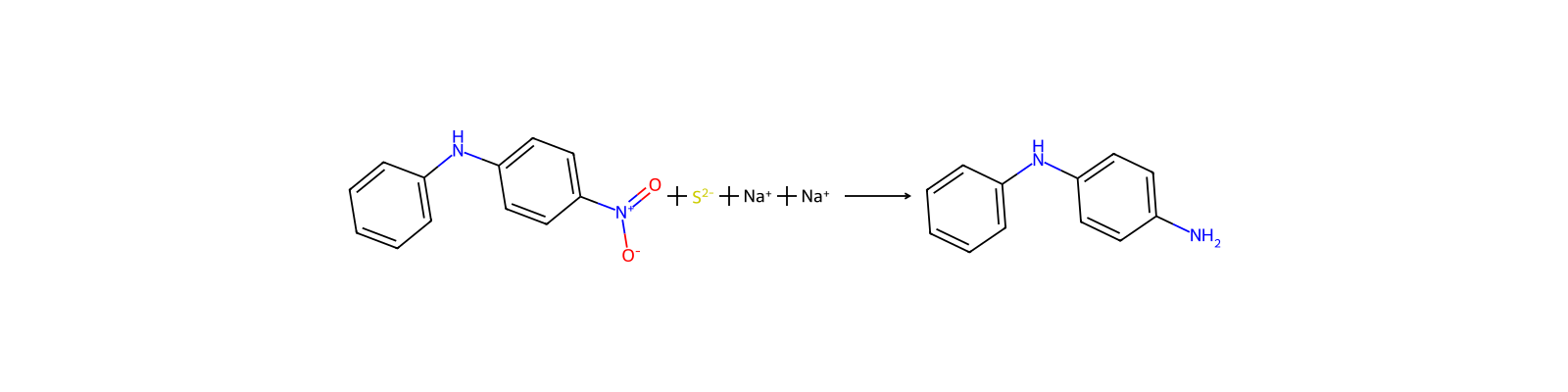
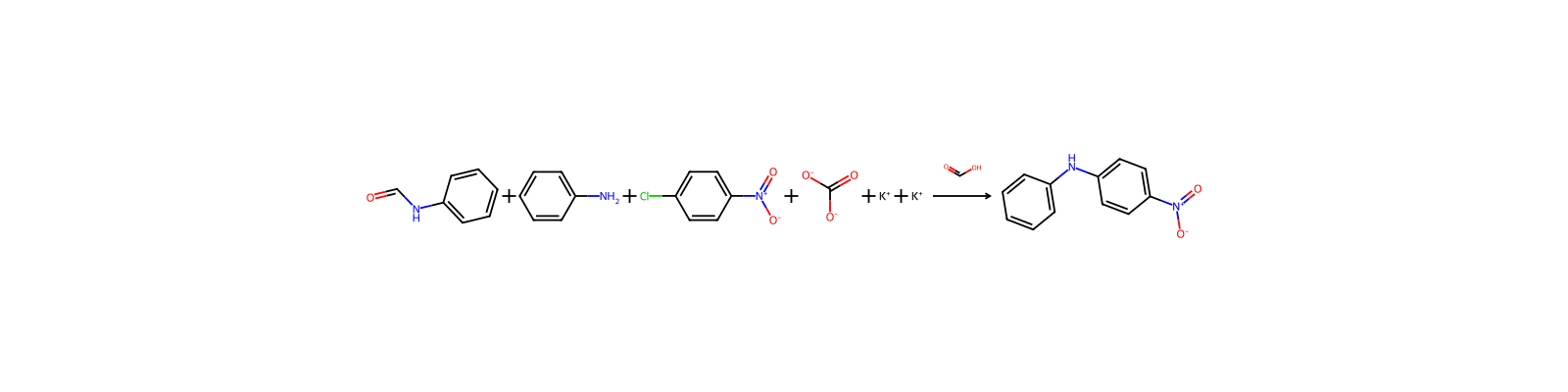
Zugehörige Reaktionen
46


Notizen zur Verbindung
Wird geladen…