

Grundinformationen
- Standard-SMILES
[CH3][Sn]([CH3])([CH3])[Cl]- InChIKey
KWTSZCJMWHGPOS-UHFFFAOYSA-M- Summenformel
- C3H9ClSn
- Durchschnittliche Molmasse
- 199,27 g/mol
- Monoisotopische Masse
- 199,94147267
Überblick
Trimethyltin chloride is a solid. (EPA, 1998)
Namen und Bezeichner
- Bevorzugter Name
- Trimethyltin chloride
- IUPAC
- chloro(trimethyl)stannane
- Lokaler Name
- Trimethylzinnchlorid
- Englischer Name
- Trimethyltin chloride
- Summenformel
- C3H9ClSn
- Molmasse
- 199.27
Namen und Synonyme
TRIMETHYLTIN CHLORIDE1066-45-1ChlorotrimethylstannaneChlorotrimethyltinStannane, chlorotrimethyl-TrimethylchlorotinTrimethylstannyl chlorideTrimethylchlorostannaneM&T chemicals 1222-45Stannylium, trimethyl-, chlorideTrimethyltin monochlorideDTXSID6042496
Weitere Namen anzeigen
(CH3)3SnCltrimethylstannylchlorideTRIMETHYLTIN(IV) CHLORIDE1mTHFtin chLSKL1103
Tin(1+), trimethyl-, chlorideAI3-284549E3BCA3684NSC-12088NSC-92613RefChem:191825DTXCID4022496213-917-8
Datenbank-Bezeichner
- CAS
1066-45-1- PubChem CID
- 14016
- DTXSID
DTXSID6042496- UNII
- 9E3BCA3684
- EC Number
- 213-917-8
Eigenschaften
Berechnete Struktureigenschaften
- Polarare Oberfläche (TPSA)
- 0 Ų
- H-Brücken-Donoren
- 0
- H-Brücken-Akzeptoren
- 0
- Frei drehbare Bindungen
- 0
- Schwere Atome
- 5
- Formalladung
- 0
- Komplexität
- 28,4
Experimentelle und physikochemische Eigenschaften
Chemical Classes
Metals -> Tin Compounds, Organic
Reactive agents - 1st degree
Color/FormColorless needles
Solubility
Soluble in chloroform and organic solvents.
Miscible in water
Endocrine DisruptorsPotential endocrine disrupting compound
Boiling Point154-156 °C
DecompositionWhen heated to decomposition it emits toxic fumes of chlorides.
Melting Point
99 °F (EPA, 1998)
37.5 °C
42 °C
Vapor Pressure3 [mm Hg] @25 °C
Physical Description
Trimethyltin chloride is a solid. (EPA, 1998)
Colorless solid; mp = 37.5 deg C; [HSDB] White crystalline solid; [MSDSonline]
Physikochemische Eigenschaften
- Schmelzpunkt
- 37 · 37-39 °C (lit.)
- Siedepunkt
- 148 °C · 148 °C
- Dichte
- 0.988 g/mL · 0.988 g/mL at 25 °C
- Flammpunkt
- 207 °F · 207 °F
- storage temp.
- Poison room
- Löslichkeit
- Chloroform (Slightly)
- Aggregatzustand
- Liquid
- Wichte
- 1.356 · 1.356
- Farbe
- White
- Geruch (Odor)
- Strong unpleasant stench; no threshold data available
- Wasserlöslichkeit
- Soluble in water, chloroform and organic solvents.
- BRN
- 3535111 · 3535111
- Stabilität
- Moisture Sensitive
- InChI
- 1S/3CH3.ClH.Sn/h3*1H3;1H;/q;;;;+1/p-1
- InChIKey
- KWTSZCJMWHGPOS-UHFFFAOYSA-M
- SMILES
- C[Sn](C)(C)Cl
- CAS Datenbank
- 1066 · 1066-45-1(CAS DataBase Reference)
- EPA chemische Informationen
- Trimethyltin chloride (1066-45-1)
Sicherheit und Regulatorisches
GHS-Klassifizierung
GHS Classification
Danger
H300 (100%): Fatal if swallowed [Danger Acute toxicity, oral]
P260, P262, P264, P270, P271, P273, P280, P284, P301+P316, P302+P352, P304+P340, P316, P320, P321, P330, P361+P364, P391, P403+P233, P405, and P501 (click each P-code to see the statement)
Aggregated GHS information provided per 47 reports by companies from 4 notifications to the ECHA C&L Inventory. Each notification may be associated with multiple companies.
Gefahrenhinweise
Regulatory Information
Chemical: Stannane, chlorotrimethyl-
Trimethyltin chloride: HSNO Approval: HSR004752 Approved with controls
The New Jersey Worker and Community Right to Know Act requires public and private employers to provide information about hazardous substances at their workplaces. (N.J.S.A. 34:5A-1 et. seq.)
DOT LabelPoison
Fire HazardsWhen heated to decomposition, it emits toxic fumes of chlorides. Avoid decomposing heat. (EPA, 1998)
Health Hazards
(Non-Specific -- Tin Compounds, Organic) The material is an irritant to the skin and gastrointestinal tract. Contact may specifically damage the following target organs: central nervous system, eyes, liver, urinary tract, and skin. (EPA, 1998)
Hazards Summary
In 1981, six employees in a chemical firm were exposed to trimethyltin chloride while working at the access opening of the reactor. All patients were hospitalized, and one patient died 10 days after the accident. Patients had headache, tiredness, hearing loss, disorientation, and other neurological symptoms. [HSDB] Of the trialkyltins, triethyltin and trimethytin are the most toxic. [ACGIH] An irritant; Can be absorbed through skin; [MSDSonline] See Tin, organic compounds.
Reactive GroupSalts, Acidic
Reactivity Profile
TRIMETHYLTIN CHLORIDE is in the family of tin compounds widely used as stabilizers for plastics, additives to paint(as antifouling agents). Some have catalytic properties. Examples include butyl tin, dibutyl tin oxide. Their main hazard is associated with their high toxicity, in skin adsorption or inhalation.
Air and Water ReactionsNo rapid reaction with air. No rapid reaction with water.
Toxic Combustion ProductsWhen heated to decomposition it emits toxic fumes of chlorides.
CERCLA Reportable Quantities
Releases of CERCLA hazardous substances are subject to the release reporting requirement of CERCLA section 103, codified at 40 CFR part 302, in addition to the requirements of 40 CFR part 355. Trimethyltin chloride is an extremely hazardous substance (EHS) subject to reporting requirements when stored in amounts in excess of its threshold planning quantity (TPQ) of 500 or 10,000 lbs. Extremely hazardous substances that are solids are subject to either of two threshold planning quantities ... The lower quantity applies only if the solid exists in powdered for and has a particle size less than 100 microns; or is handled in solution or in molten form; or meets the criteria for a National Fire Protection Association (NFPA) rating of 2, 3 or 4 for reactivity. If the solid does not meet any of these criteria, it is subject to the upper ... threshold planning quantity ... .
Hazard Classes and Categories
Acute Tox. 2 (100%)
Reactive agents - 1st degree
Shipping Name/ Number DOT/UN/NA/IMO
UN 3146; Organotin cmpd, solid, not otherwise specified
UN 2788; Organotin cmpd, liquid, not otherwise specified
IMO 6.1; Organotin cmpd, liquid or solid, not otherwise specified
Sicherheit und Schutzausrüstung
Fire FightingExcerpt from ERG Guide 153 [Substances - Toxic and/or Corrosive (Combustible)]:
First Aid
Signs and Symptoms of Trimethyltin Chloride Exposure: Acute exposure to trimethyltin chloride may result in the following signs and symptoms: irritation of the eyes, skin, and mucous membranes; headache, blurring vision, facial flushing, excessive salivation, abdominal pain, nausea, vomiting, diarrhea, vertigo, and general malaise. Respiratory signs include coughing, shortness of breath, and a burning sensation in the chest. Bradycardia (slowed heart rate), hypotension, cardiac arrhythmias, and loss of consciousness may occur.
Exposure Control and Personal Protection0.005 [mg/m3] (can also occur as vapor and aerosol)[German Research Foundation (DFG)]
Nonfire Spill ResponseExcerpt from ERG Guide 153 [Substances - Toxic and/or Corrosive (Combustible)]:
Disposal Methods
SRP: At the time of review, criteria for land treatment or burial (sanitary landfill) disposal practices are subject to significant revision. Prior to implementing land disposal of waste residue (including waste sludge), consult with environmental regulatory agencies for guidance on acceptable disposal practices.
Isolation and EvacuationExcerpt from ERG Guide 153 [Substances - Toxic and/or Corrosive (Combustible)]:
Threshold Limit Values (TLV)
0.1 [mg/m3], as Sn
0.2 [mg/m3], as Sn
8 hr Time Weighted Avg (TWA): 0.1 mg/cu m; 15 min Short Term Exposure Limit (STEL): 0.2 mg/cu m. Skin. /Tin, organic compounds, as Sn/
A4; Not classifiable as a human carcinogen. /Tin, organic compounds, as Sn/
Permissible Exposure Limit (PEL)0.1 [mg/m3], as Sn
Protective Action Criteria (PAC)
0.038 [mg/m3]
0.42 [mg/m3]
2.5 [mg/m3]
Personal Protective Equipment (PPE)
For emergency situations, wear a positive pressure, pressure-demand, full facepiece self-contained breathing apparatus (SCBA) or pressure- demand supplied air respirator with escape SCBA and a fully-encapsulating, chemical resistant suit. (EPA, 1998)
Immediately Dangerous to Life or Health (IDLH)25.0 [mg/m3], as Sn
Toxikologische Informationen
Health EffectsBreathing or swallowing, or skin contact with organotins, can interfere with the way the brain and nervous system work, causing death in severe cases. Organic tin compounds may also damage the immune and reproductive system. (L307, L308)
Environmental Fate
TERRESTRIAL FATE: Based on a classification scheme(1), an estimated Koc value of 49(SRC), determined from a structure estimation method(2), indicates that trimethyltin chloride is expected to have very high mobility in soil(SRC). Volatilization of trimethyltin chloride from moist soil surfaces is not expected to be an important fate process(SRC) since trimethyltin chloride will dissociate in water to the trimethyltin cation and ions will not volatilize. The potential for volatilization of trimethyltin chloride from dry soil surfaces may exist(SRC) based upon an estimated vapor pressure of 26 mm Hg(SRC), determined from a fragment constant method(3). Trimethyltin chloride may be susceptible to biodegradation in soil based upon the observation that the tributyltin species obtained by dissolution of tributyltin oxide in water are sequentially degraded to dibutyltin, monobutyltin, and finally to inorganic tin in water/sediment mixture or water(4).
AQUATIC FATE: Based on a classification scheme(1), an estimated Koc value of 49(SRC), determined from a structure estimation method(2), indicates that trimethyltin chloride is not expected to adsorb to suspended solids and sediment(SRC). Volatilization from water surfaces is not expected to occur(3) since trimethyltin chloride will dissociate in water to the trimethyltin cation and ions will not volatilize. This compound is expected to exist in the cation form in the environment and therefore volatilization from water surfaces is not expected to be an important fate process. Based upon complete solubility in water(4), bioconcentration in aquatic organisms is expected to be low. Trimethyltin chloride may be methylated in sediments by either a chemical or biological process resulting in the formation of tetramethyltin(5). Trimethyltin chloride may be susceptible to biodegradation in water based upon the observation that the tributyltin species obtained by dissolution of tributyltin oxide in water are sequentially degraded to dibutyltin, monobutyltin, and finally to inorganic tin in water/sediment mixture or water(6).
ATMOSPHERIC FATE: According to a model of gas/particle partitioning of semivolatile organic compounds in the atmosphere(1), trimethyltin chloride, which has an estimated vapor pressure of 26 mm Hg at 25 °C(SRC), determined from a fragment constant method(2), is expected to exist solely as a vapor in the ambient atmosphere. Vapor-phase trimethyltin chloride is degraded in the atmosphere by reaction with photochemically-produced hydroxyl radicals(SRC); the half-life for this reaction in air is estimated to be 4 days(SRC), calculated from its rate constant of 4X10-12 cu cm/molecule-sec at 25 °C(SRC) determined using a structure estimation method(3). The compound may be susceptible to direct photolysis based upon the absorption of UV light >290 nm by tri-, di-, and monobutyltin compounds(4).
Adverse EffectsNeurotoxin - Other CNS neurotoxin
Exposure RoutesOral (L308) ; inhalation (L308) ; dermal (L308)
Toxicity Summary
Organotin compounds produce neurotoxic and immunotoxic effects. Organotins may directly activate glial cells contributing to neuronal cell degeneration by local release of pro-inflammatory cytokines, tumor necrosis factor-_, and/or interleukins. They may also induce apoptosis by direct action on neuronal cells. Organotin compounds stimulate the neuronal release of and/or decrease of neuronal cell uptake of neurotransmitters in brain tissue, including aspartate, GABA, glutamate, norepinephrine, and serotonin. This may be either a contributing factor to or result of the neuronal cell loss. The immunotoxic effects of organotins are characterized by thymic atrophy caused by the suppression of proliferation of immature thymocytes and apoptosis of mature thymocytes. Organotin compounds are believed to exert these effects by suppressing DNA and protein synthesis, inducing the expression of genes involved in apoptosis (such as nur77), and disrupting the regulation of intracellular calcium levels, giving rise to the uncontrolled production of reactive oxygen species, release of cytochrome c to the cytosol, and the proteolytic and nucleolytic cascade of apoptosis. The suppression of proliferation of immature thymocytes further results in the suppression of T-cell-mediated immune responses. Organotins are also endocrine disruptors and are believed to contribute to obesity by inappropriate receptor activation, leading to adipocyte differentiation. Inorganic tin triggers eryptosis, contributing to tin-induced anemia. (L308, A182, A184)
Plant ConcentrationsTrimethyltin bioadsorbs to estuarine macroalgae. The concentration depends on many factors including species and exposure to light(1).
Signs and SymptomsInorganic or organic tin compounds placed on the skin or in the eyes can produce skin and eye irritation. (L308)
Effluent ConcentrationsThe concn of trimethyltin in the effluent of two municipal sewage treatment plants in Germany was 0.5 and 5 ng Sn/l while that of a producer of organotin compounds was 770 ng Sn/l(1).
Soil Adsorption/Mobility
The Freundlich parameters, log k and 1/n, for trimethyltin to sediment were 0.69 and 0.764, respectively(1). Therefore, the adsorption of the compound to sediments and suspended particulate matter in natural waters and to soil is not expected to be an important process(SRC). Removal of trimethyltin chloride under simulated estuarine conditions (water with varied NaCl, fulvic acid, and hydrous iron oxides concn) was from 15 to 28% suggesting that trimethyltin chloride will be predominantly in the dissolved phase in estuarine waters(2).
Using a structure estimation method based on molecular connectivity indices(1), the Koc for trimethyltin chloride can be estimated to be 49(SRC). According to a classification scheme(2), this estimated Koc value suggests that trimethyltin chloride is expected to have very high mobility in soil.
Natural Pollution SourcesTrimethyltin compounds may occur in the environment as a result of the biological or chemical methylation of inorganic tin or organotin compounds from natural or anthropogenic sources(1).
Human Toxicity Excerpts
In a ... chemical firm in 1981 several serious cases of intoxication arose due to trimethyltin chloride, which was developed as a byproduct in small quantities during production of dimethyltin dichloride & methyltin trichloride. Six employees became ill who had worked directly at the access opening of the reactor or who had entered the reactor. After a latent period ... between a few hr & 2 or 3 days the first symptoms appeared, such as headache, pressure sensation in the ears, tiredness, and unsteady gait. Loss of hearing was observed very early in all cases, and was partly the very first symptom. Observers noticed retarded psychological response and difficulties in finding the right words. ... On admission to the hospital a reddening of the skin was conspicuous in all patients, particularly in the neck and facial areas ... /which/ had been uncovered during work. Punctiform skin eruption was noticed in other parts of the body. In the following 2-7 days conditions grew ... worse, predominantly characterized by cerebral symptoms. The following stages may be distinguished: 1. stupor, psychic retardation, vertigo, forgetfulness; 2. confused state, impaired orientation in time and space, somnolence; 3. hallucinations, agitation, aggressiveness, attempts to escape: 4. respiratory depression or even failure (in 3 cases). In the case of one patient, as early as the second day ... two epileptic attacks in the form of the twilight state were registered. ... After about 10 days one patient died. Death was caused by cerebral edema, pulmonary edema, and kidney failure. In 3 patients the symptoms, incl loss of hearing, gradually receded. For a long time the patient suffered from: 1. pronounced retrograde amnesia, particularly for the period of exposure and acute affection; 2. prolonged deficiency of memory, particularly affecting the short-term memory; 3. muscular weakness and pains which were described by the patient as being similar to pains after muscular exertion; 4. unsteady gait. The intoxication resulted in permanent damage for two patients: in one case severe central disfunctioning persisted, mainly in the form of speech disorders and a choreatic state with the result that the patient is unable to walk or eat without help. The other patient suffered from a change in character, eg, in the form of aggressive behavior patterns and a high degree of forgetfulness. ...
Trimethyltin chloride and triethyltin chloride ... are highly neurotoxic and cause neurological and psychiatric symptoms which are easily misjudged.
The clastogenicity of trimethyltin chloride was evaluated in human peripheral blood lymphocytes with micronucleus counts as the endpoint. Two concentrations (0.5 ug and 1.0 ug) of trimethyltin chloride were added to lymphocytes of healthy male and female subjects of different age groups, in mitogen-stimulated and serum-supplemented culture medium (RPMI 1640, Gibco) for 48 hr at 37 °C. A significant increase in micronucleus counts was observed with doses, which was more pronounced with the lower dose. ANOVA in male and female donors revealed significant differences between age groups (P< 0.0001), chemical concentrations (P< 0.001) and for the interaction of these 2 factors (P< 0.05 in females only). However, no regular increase or decrease in micronucleus counts frequencies was observed with the donor's age. Higher frequencies of micronucleus counts enhancement were observed in male individuals than in females.
The effects of trimethyltin chloride on human preipheral blood lymphocytes were studied in vitro. Peripheral lymphocytes were isolated from venous blood samples obtained from 143 volunteers, 79 males, and incubated with 0, 0.5, or 1.0 ug/5 ml trimethyltin chloride for 72 hours. The cultures were assayed for mitotic index, micronuclei, total number of abnormal cells, frequency os sister chromatid exchanges, frequency of chromosomal aberrations, and replicative index. Trimethyltin chloride significantly reduced the mitotic and replicative indices and increased the frequency of micronuclei. The frequencies of abnormal cells, chromosome aberrations per cell, and sister chromatid exchanges calculated as sister chromatid exhanges per cell and sister chromatid exhanges per chromosome were increased. The most frequently seen chromosome aberrations were breaks, gaps, dicentrics, and triradial and quadriradial exchanges. These effects were more pronounced in lymphocytes from smokers. The increases in abnormal cells and chromosome aberrations in lymphocytes from smokers increased with increasing trimethyltin chloride dose when compared with those from nonsmokers. /It was/ concluded that trimethyltin chloride significantly affects cell cycle kinetics and induces micronuclei formation, chromosome aberrations, and sister chromatid exchanges in human peripheral blood lumphocytes. These effects are aggravated by smoking.
Fish/Seafood Concentrations
The levels of trimethyltin in mussel tissue (n=6) in the Sado Estuary, Portugal was 5.0-23 ng/g dry wt(2). Total tin and methylated tin was monitored seasonally in limpets from five stations in Mediterranean estuaries in Turkey between 1982 and 1983(3). The dominant methylated species in limpets was monomethyltin. Seasonal average trimethyltin in limpets were 0.5-6.90 ng/g dry wt. Trimethyltin was not detected in 14 samples of whole fish collected from Canadian surface waters during 1982 and 1984 (limit of quantitation = 0.01 mg Sn/kg wet wt)(1).
Regulatorische Informationen
CERCLA Reportable Quantities
Releases of CERCLA hazardous substances are subject to the release reporting requirement of CERCLA section 103, codified at 40 CFR part 302, in addition to the requirements of 40 CFR part 355. Trimethyltin chloride is an extremely hazardous substance (EHS) subject to reporting requirements when stored in amounts in excess of its threshold planning quantity (TPQ) of 500 or 10,000 lbs. Extremely hazardous substances that are solids are subject to either of two threshold planning quantities ... The lower quantity applies only if the solid exists in powdered for and has a particle size less than 100 microns; or is handled in solution or in molten form; or meets the criteria for a National Fire Protection Association (NFPA) rating of 2, 3 or 4 for reactivity. If the solid does not meet any of these criteria, it is subject to the upper ... threshold planning quantity ... .
Sicherheitsdaten
- F
- 10-21
- wgk
- 3
- tsca
- TSCA listed
- ridadr
- UN 3146 6.1/PG 2
- hs_code
- 29319090
- RTECS-Nr.
- WH6850000
- risk_code
- 26/27/28-50/53-51/53-36/37-19-11-34-40-65-62-48/23/25-36/37/38
- Toxizität
- LD50 oral (rat) 12.6 mg/kg PEL (OSHA) 0.1 mg tin/m3 The ACGIH has established the following uniform exposure limits for all organotin compounds based on the concentration of tin in air: TLV-TWA (ACGIH) 0.1 mg tin/m3 STEL (ACGIH) 0.2 mg tin/m3
- hazard_code
- T+,N,F
- safety_code
- 28-36/37-45-61-27-26-16-60-62
- hazard_class
- 6.1
- packing_group
- II
- Speicherklasse
- 3 - Flammable liquids
- Giftige Stoffe Daten
- 1066-45-1(Hazardous Substances Data)
- Hazard Classifications
- Acute Tox. 1 DermalAcute Tox. 2 InhalationAcute Tox. 2 OralAquatic Acute 1Aquatic Chronic 1Asp. Tox. 1Flam. Liq. 2Repr. 2Skin Irrit. 2STOT RE 1 InhalationSTOT SE 3
Chemie und Industrie
Pharmakologische Informationen
Mechanism of Action
Biochemical investigations in /trimethyltin/ poisoning revealed a reduction in glutamate & GABA uptake & synthesis with an incr synaptic release of glutamate in the hippocampus. this release of glutamate, together with a depletion of hippocampal zinc & an inhibition & damage of dentate basket cells by TMT, will also promote neuronal hyperexcitation. ... One of the consequences of the hypoxic condition of the nervous system is the release of glutamate & neuronal excitation. This neuronal excitation may be initiated at the entorhinal cortex, & the cascade of excitation will progress along the limbic circuitry... . /Trimethyltin/
Biological Half-Life
The clearance of trimethyltin is slower /than triethyltin/. Brain and blood concn, estimated 1 and 8 days after the last of 4 weekly doses, indicated a very much slower /rate than triethyltin/, approx 16 day clearance half-time. The clearance of trimethyltin in the marmoset was also slow from the brain; but from blood, probably because of the absence of binding to hemoblobin, it cleared with a half-time of 4 days. /Trimethyltin compounds/
Metabolism/Metabolites
Though tin metal is very poorly absorbed, tin compounds may be absorbed via oral, inhalation, or dermal routes, with organotin compounds being much more readily absorbed than inorganic tin compounds. Tin may enter the bloodstream and bind to hemoglobin, where it is distributed and accumulates mainly in the kidney, liver, lung, and bone. Organotin compounds may undergo dealkylation, hydroxylation, dearylation, and oxidation catalyzed by cytochrome P-450 enzymes in the liver. The alkyl products of dealkylation are conjugated with glutathione and further metabolized to mercapturic acid derivatives. Tin and its metabolites are excreted mainly in the urine and feces. (L308)
Absorption, Distribution and Excretion
... After a single gastric dose of 4.0 mg/kg trimethyltin chloride (2.4 mg tin/kg) to rats, the blood and brain concn of trimethyltin (expressed as tin) were 39 ug/ml and 1.3 ug/g, respectively, while ... after the 4th weekly dose of 4.0 mg/kg the corresponding concn were 120 ug/ml and 3.5 ug/g. In the marmoset treated with 3.0 mg/kg trimethyltin chloride (1.8 mg tin/g), the brain concn of trimethyltin corresponded to 1.53 ug/g at 24 and 0.74 ug/g at 48 hr, but between 48 and 92 hr there was hardly any loss of tin. ... The brain concn of trimethyltin 48 hr after treatment was the same in the rat and the marmoset, but when concn is corrected for blood content of the brain, the marmoset brain had nearly three times as much trimethyltin as the rat brain.
Naive rats injected with lithium chloride at various times following consumption of a novel saccharin solution subsequently avoided the ingestion of saccharin with the degree of the aversion related to the interval between ingestion and lithium chloride administration. Although a similar relationship was also evident in animals which had received a single intragastric administration of trimethyltin chloride 21 days prior to the pairing of saccarin and lithium chloride, the trimethyltin-pretreated subjects receiving delayed injections of lithium chloride displayed weaker taste aversions than those not trimethyltin. This disruption in the acquisition of taste aversions over long delays is consistent with other work suggesting that trimethyltin disrupts tasks involving short-term memory. The utility of the conditioned taste aversion paradigm in detecting and characterizing drug toxicity was discussed.
In vitro exposure of PHA-stimulated human lymphocytes to organotin compounds resulted in statistically significant increases in the frequencies of hyperdiploid cells. When taken together with our previous study demonstrating spindle inhibiting effects of the same organotin compounds by an indirect method, the present study strongly indicates that organotin compounds are able to induce aneuploidy, probably by affecting spindle function.
This study was designed to extend and confirm previous work to assess the distribution of (14)C labeled trimethyltin to liver, kidney, adrenal and fat. A comparison was also made of the maternal and fetal disposition of (14)C derived from labeled trimethyltin when administered at two different periods of gestation, days 12 and 17, to pregnant Sprague-Dawley rats. The rats were injected with 7.0 mg/kg trimethyltin chloride. The neuropathology seen following an in utero exposure to trimethyltin was much less severe than that observed after either neonatal or adult exposure to trimethyltin. The fetuses of dams expose on either gestational day 12 or 17 received substantial amounts of radiolabel derived from and in the form of (14)C trimethyltin. Peak radiolabel concentrations in gestational day 12 maternal and fetal brain were only 11 to 30 percent of those levels seen in gestational day 17 animals. Trimethyltin apparently readily crossed the placenta and entered the fetal blood and tissue, including the brain. There was no selective distribution of trimethyltin within the brain such as brainstem versus cerebrum versus cerebellum of the fetus or pup exposed in-utero or within the brain of the maternal rat exposed during gestation.
Verwendung und Herstellung
Uses
A byproduct of methyltin manufacture; Used as an experimental pesticide; [HSDB]
For Trimethyltin chloride (USEPA/OPP Pesticide Code: 600007) there are 0 labels match. /SRP: Not registered for current use in the U.S., but approved pesticide uses may change periodically and so federal, state and local authorities must be consulted for currently approved uses./
The lower trialkyltins from trimethyl to tri-n-pentyl show high biological activity. The trimethyltins are highly insecticidal. However the triorganotins that are most useful as biological control agents are the tributyltins, triphenyltins, and tricyclohexyltines.
Tributyltins are the main active ingredients in certain biocides used to control a broad spectrum of organisms, and are also used in wood preservation, marine paints (as antifouling pesticides), and textiles and industrial water systems (as antifungal agents). (L307)
Methods of Manufacturing
Byproduct of methyltin production
Triorganotin chlorides ... are generally prepared by Kocheshkov redistribution from the crude tetraorganotin. /Triorganotin compounds/
General Manufacturing Information
Stannane, chlorotrimethyl-: ACTIVE
Triorganotin compounds have been used experimentally in controlled-release formulations to control the infective snail vector in the debilitating tropical disease schistosomiasis (bilharzia) and to control mosquitoes in stagnant ponds. As yet, the large-scale use of such methods has little support in the host third world countries where these problems are most severe. /Triorganotin compounds/
Anwendungen
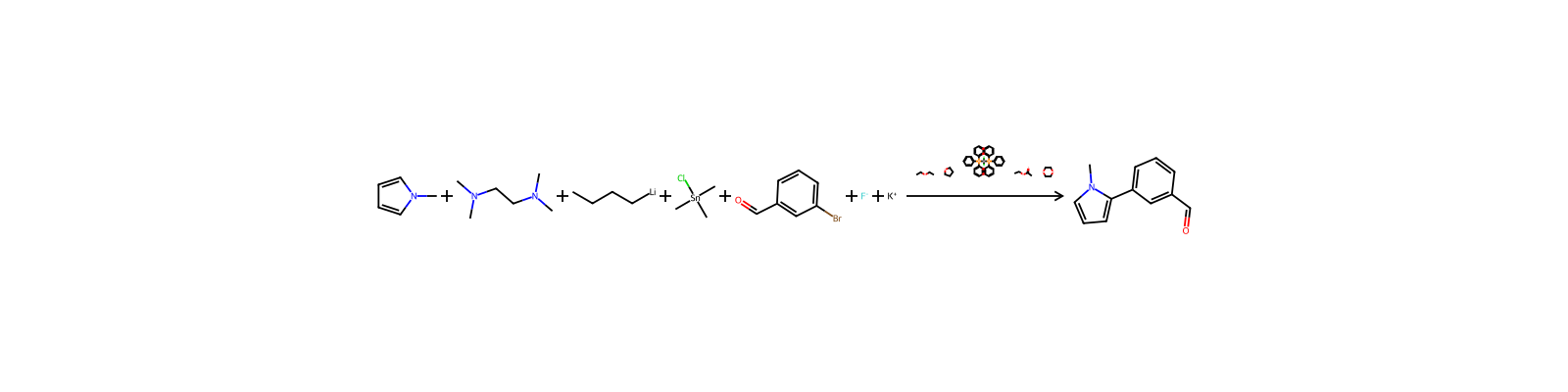
VerwendenTrimethyltin chloride is an organotin reagent widely used in transferring trimethylstannyl groups onto the substrates to synthesize various organostannanes. Trimethylstannyl compounds derived from this reagent, are extensively used in the palladium-catalyzed Stille coupling reactions.
Vor- und nachgelagerte Produkte
Vorgelagerte Rohstoffe
Nachgelagerte Produkte
Anbieter50 Anbieter
梯希爱(上海)化成工业发展有限公司021-67121386 · [email protected]
上海阿拉丁生化科技股份有限公司400-6206333 13167063860 · [email protected]
山东瑞博恩新材料科技有限公司15064961989 · [email protected]
Hangzhou Collab Medicine Co.,Ltd.+86-15936229464 · [email protected]
天津瑞德法莫科技有限公司13821803402 · [email protected]
杭州奥得科技有限公司0571-88772972-0 15057128248 · [email protected]
杭州品高化工有限公司0571-87658025 · [email protected]
INTATRADE GmbH+49 3493/605464 · [email protected]
深圳睿迅光电材料科技有限公司0755-26718755; 15889762949 · [email protected]
爱斯特(成都)生物制药股份有限公司+86-28-85122536 85324413 · [email protected]
Dayang Chem (Hangzhou) Co.,Ltd.+86-0571-88938639 17705817739 · [email protected]
Syntechem Co.,Ltd[email protected]
韶远科技(上海)有限公司021-50795510 4000665055 · [email protected]
上海迈瑞尔生化科技有限公司4006356688 18621169109 · [email protected]
武汉易泰科技有限公司上海分公司18930552037 · [email protected]
阿法埃莎(中国)化学有限公司400-6106006 · [email protected]
安耐吉化学&3A(安徽泽升科技股份有限公司)400-0056266 · [email protected]
上海瀚鸿科技股份有限公司021-54306202 13764082696 · [email protected]
上海景颜化工科技有限公司13817811078 · [email protected]
武汉丰泰威远科技有限公司027-87465837 19945049750 · [email protected]
上海毕楷科技有限公司18516304666
山东西亚化学有限公司13355009207 13355009207 · [email protected]
四川库利南科技有限公司400-1166-196 18981987031 · [email protected]
艾科试剂4008-755-333 18080918076 · [email protected]
上海思域化工科技有限公司86-21-34053660 · [email protected]
赛默飞世尔科技(中国)有限公司800-810-5118 · [email protected]
北京伊诺凯科技有限公司400-810-7969 010-59572699 · [email protected]
江苏艾康生物医药研发有限公司025-66113011 13913916777 · [email protected]
TOKYO CHEMICAL INDUSTRY CO., LTD.03-36680489 · [email protected]
天成化工(江苏)有限公司0512-66387919 18662433356 · [email protected]
上海鑫圭生物科技有限公司15121041756 · [email protected]
上海麦克林生化科技股份有限公司15221275939 15221275939 · [email protected]
滁州德威化学技术有限公司0550-3593607 · [email protected]
杭州杰恒化工有限公司0571-87396432 · [email protected]
上海永叶生物科技有限公司86-021-61559134 15921386130 · [email protected]
青岛海智微元生物科技有限公司18317699790 18317699790 · [email protected]
Sigma-Aldrich西格玛奥德里奇(上海)贸易有限公司021-61415566 800-8193336 · [email protected]
盘锦研峰科技有限公司400-1062016 18612996721 · [email protected]
九鼎化学(上海)科技有限公司4009209199 · [email protected]
Henan Alfa Chemical Co., Ltd+8618339805032 · [email protected]
西安美川生物科技有限公司029-89275612 +8618991951683 · [email protected]
上海玻尔化学试剂有限公司19102157732 · [email protected]
上海珈得尔化学技术有限公司021-4007787-550 400-7787-550 · [email protected]
艾吉析科技(上海)有限公司17721401538;17717235263 17721401538 · [email protected]
陕西缔都医药化工有限公司+86-29-81139210 +86-17392587031 · [email protected]
北京华威锐科化工科技有限公司89508211 18501085097 · [email protected]
上海西陇生化科技有限公司021-52907766-8042
上海源叶生物科技有限公司13636370518 · [email protected]
南京博米尔生物科技有限公司025-83453382-8005 · [email protected]
山东西亚化学有限公司4009903999 13395398332 · [email protected]
Zugehörige Reaktionen
337




Verknüpfte Notizen
Wird geladen…