
N,N-Dimethylpyridin-4-amin
4-(Dimethylamino)pyridine

Grundinformationen
- CAS
1122-58-3- Standard-SMILES
CN(C)c1ccncc1- InChIKey
VHYFNPMBLIVWCW-UHFFFAOYSA-N- Summenformel
- C7H10N2
- Durchschnittliche Molmasse
- 122,17 g/mol
- Monoisotopische Masse
- 122,08439833
Überblick
4-Dimethylaminopyridine is a dialkylarylamine and a tertiary amino compound.
Namen und Bezeichner
- Bevorzugter Name
- 4-(Dimethylamino)pyridine
- IUPAC
- N,N-dimethylpyridin-4-amine
- Lokaler Name
- N,N-Dimethylpyridin-4-amin
- Englischer Name
- 4-Dimethylaminopyridine
- Summenformel
- C7H10N2
- Molmasse
- 122.17
Namen und Synonyme
4-Dimethylaminopyridine1122-58-3N,N-Dimethylpyridin-4-aminedmap4-(Dimethylamino)pyridine4-Pyridinamine, N,N-dimethyl-DTXSID00443694-DMAPPFP1R6P0S8DTXCID80243694-[dimethylamino]pyridineRefChem:98776
Weitere Namen anzeigen
4,4-dimethylaminopyridine4-(Dimethylamino)pyridine, 99%, prilled4-(N,N-dimethlyamino)pyridine26DCLPYAURORA KA-64954-DiMethylaMin
214-353-5p-DimethylaminopyridineN,N-DIMETHYL-4-PYRIDINAMINEN-(4-Pyridyl)dimethylamineN,N-Dimethyl-4-aminopyridinePyridine, 4-(dimethylamino)-MFCD00006418887925-31-7
Datenbank-Bezeichner
- CAS
1122-58-3- PubChem CID
- 14284
- DTXSID
DTXSID0044369- ChEMBL
CHEMBL3561645- ChEBI
CHEBI:182593- UNII
- PFP1R6P0S8
- EC Number
- 214-353-5
- Nikkaji
- J1.582.952D、J31.394G
Eigenschaften
Berechnete Struktureigenschaften
- XLogP
- 1,3
- Polarare Oberfläche (TPSA)
- 16,1 Ų
- H-Brücken-Donoren
- 0
- H-Brücken-Akzeptoren
- 2
- Frei drehbare Bindungen
- 1
- Schwere Atome
- 9
- Formalladung
- 0
- Komplexität
- 75
Experimentelle und physikochemische Eigenschaften
Chemical ClassesNitrogen Compounds -> Pyridines
SpringerMaterials Properties15N nuclear magnetic resonance spectrum
LogP1.34
Vapor Pressure1.0 [mmHg]
Physical Description
Large Crystals
Colorless solid; [Merck Index] Beige crystalline solid; [Sigma-Aldrich MSDS]
Collision Cross Section120.6 Ų [M+H]+ [CCS Type: DT; Buffer gas: N2; Ionization: APCI+; Dataset: TOXCAST; Source Identifier: DTXSID0044369]
Physikochemische Eigenschaften
- Schmelzpunkt
- 112 °C · 112 °C
- Siedepunkt
- 162 °C · 162 °C
- Dichte
- 0.906 g/mL · 0.906 g/mL at 25 °C
- Dampfdruck
- 0.169 hPa · 0.169 hPa at 20 °C
Sicherheit und Regulatorisches
Sicherheitsangaben dienen nur zur Orientierung und ersetzen weder das Sicherheitsdatenblatt (SDB) des Lieferanten noch geltende Vorschriften oder eine fachliche Bewertung.
GHS-Klassifizierung
GHS Classification
This chemical does not meet GHS hazard criteria for 1.1% (6 of 522) of reports.
Danger
H301 (98.9%): Toxic if swallowed [Danger Acute toxicity, oral]
P260, P261, P262, P264, P264+P265, P270, P271, P273, P280, P301+P316, P301+P330+P331, P302+P352, P302+P361+P354, P304+P340, P305+P351+P338, P305+P354+P338, P308+P316, P316, P317, P319, P321, P330, P332+P317, P337+P317, P361+P364, P362+P364, P363, P391, P403+P233, P405, and P501 (click each P-code to see the statement)
Aggregated GHS information provided per 522 reports by companies from 53 notifications to the ECHA C&L Inventory. Each notification may be associated with multiple companies.
Gefahrenhinweise
Regulatory Information
Chemical: 4-Pyridinamine, N,N-dimethyl-
4-Pyridinamine, N,N-dimethyl- is listed on the EPA's Chemical Data Reporting (CDR) system. Manufacturers and importers of 4-Pyridinamine, N,N-dimethyl- are required to report information about their production and use of this chemical to the EPA under the Toxic Substances Control Act (TSCA). (40 eCFR Part 711)
REACH registered substance: N,N-dimethylpyridin-4-amine (EC: 214-353-5)
4-(Dimethylamino) pyridine: Does not have an individual approval but may be used under an appropriate group standard
Hazards SummaryA skin and strong eye irritant; Toxic by ingestion; Highly toxic by skin absorption; [Sigma-Aldrich MSDS] See 4-Aminopyridine.
Hazard Classes and CategoriesAcute Tox. 3 (98.9%)
CSL Reaction Information
CSL00204
2-Methoxyprop-2-yl Hydroperoxide + Dicyclohexylcarbodiimide + 4-(Dimethylamino)pyridine + Dichloromethane + Cesium hydroxide + Dimethylformamide
Chemie und Industrie
Verwendung und Herstellung
UsesA catalyst used in organic syntheses; [Merck Index]
U.S. Production2023: 50,000 - <250,000 lb
Industry UsesCatalyst
General Manufacturing Information
Pharmaceutical and Medicine Manufacturing
4-Pyridinamine, N,N-dimethyl-: ACTIVE
Anwendungen
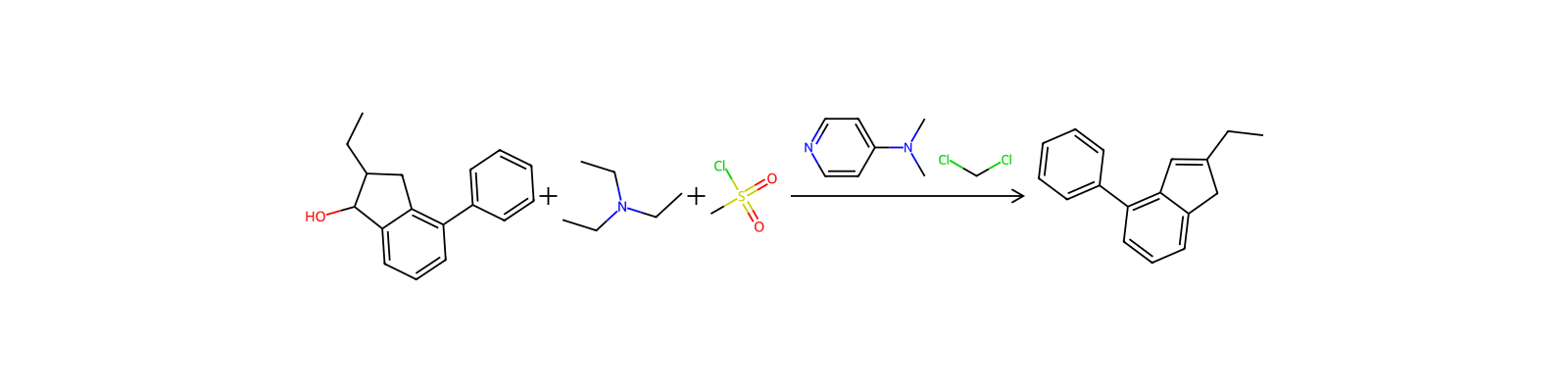
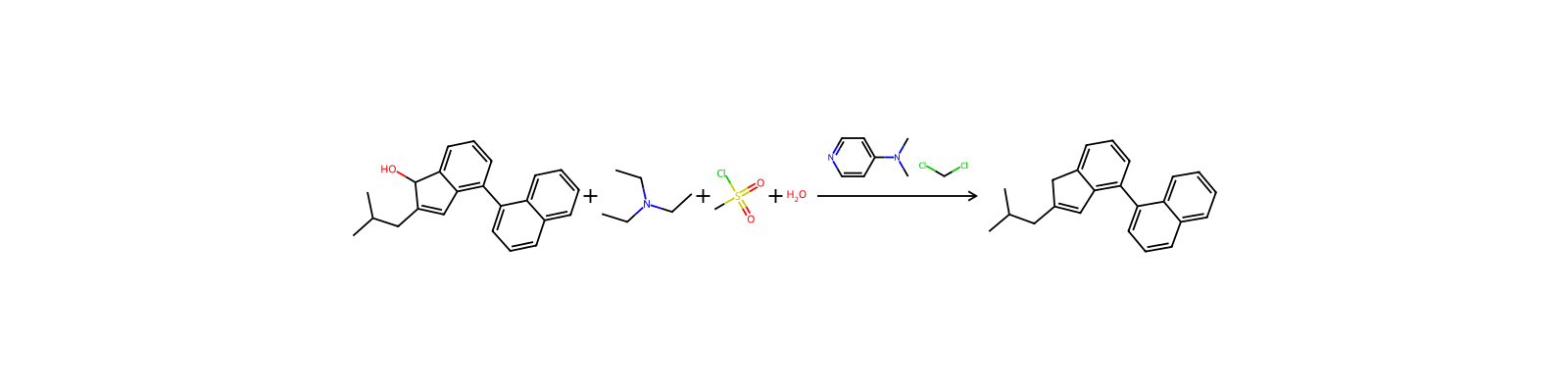
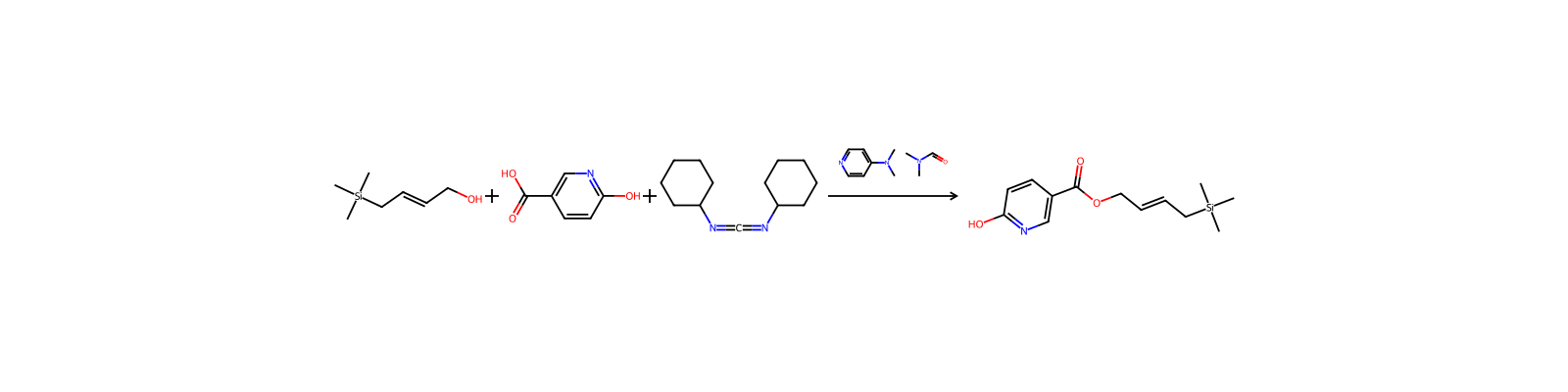
Verwenden4-Dimethylaminopyridine (Valaciclovir EP Impurity G; Valacyclovir USP Related Compound G) is a highly efficient catalyst for acylation reactions.
Vor- und nachgelagerte Produkte
Vorgelagerte Rohstoffe
Nachgelagerte Produkte
Zugehörige Reaktionen
24.121




Notizen zur Verbindung
Wird geladen…