Lithium hydroxide, monohydrate

Grundinformationen
- CAS
1310-66-3- Standard-SMILES
O.[Li+].[OH-]- InChIKey
GLXDVVHUTZTUQK-UHFFFAOYSA-M- Summenformel
- H2O.HLiO
- Durchschnittliche Molmasse
- 42 g/mol
- Monoisotopische Masse
- 42,02930777
Überblick
Small colorless crystals. Denser than water. Contact may cause severe irritation to skin, eyes, and mucous membranes. Toxic by ingestion, inhalation and skin absorption. Used to make electric storage batteries, soaps, and lubricants.
Namen und Bezeichner
- Bevorzugter Name
- Lithium hydroxide, monohydrate
- IUPAC
- lithium;hydroxide;hydrate
- Englischer Name
- Lithium hydroxide monohydrate
- Summenformel
- Li.HO.H2O
- Molmasse
- 41.96
Namen und Synonyme
Lithium hydroxide monohydrate1310-66-3Lithium hydroxide, monohydrateLithium hydroxide (Li(OH)), monohydrateLithium hydroxide (USP)Lithium hydroxide [USP]RefChem:799552603-454-3lithium hydroxide hydrateLithium hydroxidoHydroxyde de lithiumLiOH-hydrate
Weitere Namen anzeigen
LiOH.H2OLiOHH2OLi.HO.H2OLithium hydrateithium hydroxide monohydrateLithium(1+) hydrate hydroxideLithine hydrateMonohydrate Lithium HydroxideLithium hydroxide mo
LiOH waterlithium;hydroxide;hydratewater LiOHMFCD00149772lithiumhydroxid-hydrateLithium hydroxide H2Olithium hydroxide water76576-67-5
Datenbank-Bezeichner
- CAS
1310-66-3、55622-30-5- PubChem CID
- 168937
- DTXSID
Eigenschaften
Berechnete Struktureigenschaften
- Polarare Oberfläche (TPSA)
- 2 Ų
- H-Brücken-Donoren
- 2
- H-Brücken-Akzeptoren
- 2
- Frei drehbare Bindungen
- 0
- Schwere Atome
- 3
- Formalladung
- 0
- Komplexität
- 2
Experimentelle und physikochemische Eigenschaften
Chemical Classes
Metals -> Metals, Inorganic Compounds
Corrosives
Density
1.51 g/cm³
1.51 @25 °C
SolubilitySolubility in water, g/100ml at 20 °C: 19.1 (good)
Decomposition924 °C
Melting Point450-471 °C
Physical Description
Small colorless crystals. Denser than water. Contact may cause severe irritation to skin, eyes, and mucous membranes. Toxic by ingestion, inhalation and skin absorption. Used to make electric storage batteries, soaps, and lubricants.
Dry Powder
Colorless hygroscopic solid; [ICSC] White odorless crystalline powder; [Alfa Aesar MSDS]
COLOURLESS-TO-WHITE HYGROSCOPIC CRYSTALS.
Physikochemische Eigenschaften
- Schmelzpunkt
- 462 °C · 462 °C
- Siedepunkt
- 920 °C · 920 °C
- Dichte
Sicherheit und Regulatorisches
Sicherheitsangaben dienen nur zur Orientierung und ersetzen weder das Sicherheitsdatenblatt (SDB) des Lieferanten noch geltende Vorschriften oder eine fachliche Bewertung.
GHS-Klassifizierung
GHS Classification
Danger
H301+H311 (17.8%): Toxic if swallowed or in contact with skin [Danger Acute toxicity, oral; acute toxicity, dermal]
P260, P261, P262, P264, P264+P265, P270, P271, P280, P301+P316, P301+P317, P301+P330+P331, P302+P352, P302+P361+P354, P304+P340, P305+P354+P338, P316, P317, P321, P330, P361+P364, P363, P403+P233, P405, and P501 (click each P-code to see the statement)
Aggregated GHS information provided per 584 reports by companies from 26 notifications to the ECHA C&L Inventory. Each notification may be associated with multiple companies.
Danger
H302: Harmful if swallowed [Warning Acute toxicity, oral]
Gefahrenhinweise
Regulatory Information
Chemical: Lithium hydroxide, monohydrate
Lithium hydroxide (Li(OH)), monohydrate is listed on the EPA's Chemical Data Reporting (CDR) system. Manufacturers and importers of Lithium hydroxide (Li(OH)), monohydrate are required to report information about their production and use of this chemical to the EPA under the Toxic Substances Control Act (TSCA). (40 eCFR Part 711)
Lithium hydroxide, monohydrate: Does not have an individual approval but may be used under an appropriate group standard
The New Jersey Worker and Community Right to Know Act requires public and private employers to provide information about hazardous substances at their workplaces. (N.J.S.A. 34:5A-1 et. seq.)
Other Safety InformationIMAP assessments - Lithium hydroxide: Human health tier II assessment
DOT LabelCorrosive
Fire Hazards
Excerpt from ERG Guide 154 [Substances - Toxic and/or Corrosive (Non-Combustible)]:
Not combustible.
Chemie und Industrie
Verwendung und Herstellung
Uses
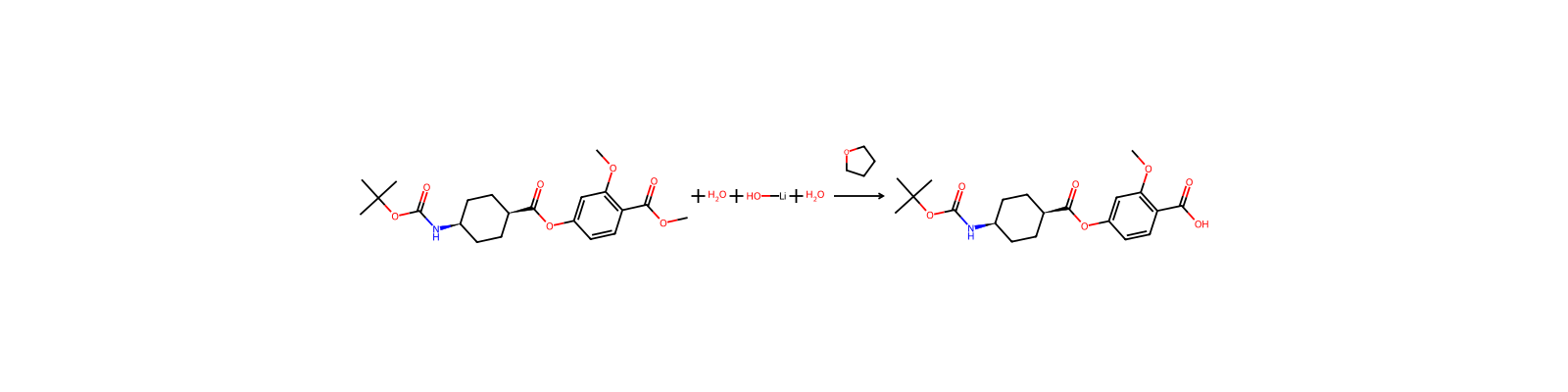
Used in photographic developers and alkaline storage batteries; Also used as a catalyst and in esterifications; [Merck Index]
Battery Manufacturing [Category: Industry]
U.S. Production2023: 33,000 lb
Industry UsesNot Known or Reasonably Ascertainable
General Manufacturing InformationNot Known or Reasonably Ascertainable
Anwendungen
VerwendenLithium hydroxide monohydrate is used for the production of lithium greases, lithium soaps, lithium stearate and lithium salts. It finds application as a carbon dioxide adsorbent in breathing gas purification systems for spacecrafts, submarines and rebreathers; as a storage-battery electrolyte; as a heat transfer medium and as a catalyst for polymerization reaction. It is also used in ceramics and some portland cement formulations.
Darstellung
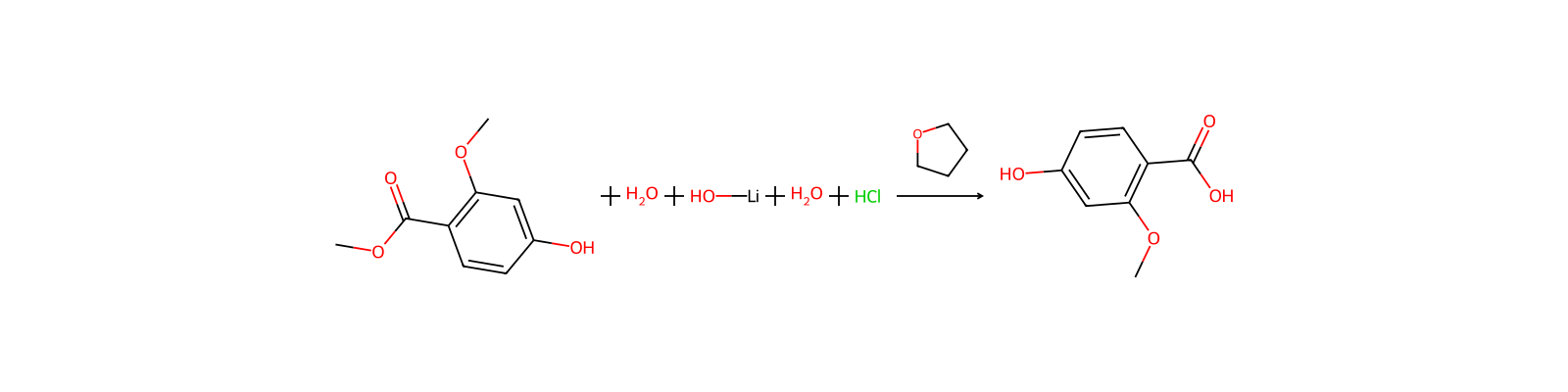
synthetischeLithium hydroxide monohydrate may also be made by the evaporation of a solution prepared by the reaction of calcium hydroxide and lithium carbonate.Anhydrous lithium hydroxide may be prepared by heating the monohydrate in air or in a vacuum.
Vor- und nachgelagerte Produkte
Vorgelagerte Rohstoffe
Zugehörige Reaktionen
7.504




Notizen zur Verbindung
Wird geladen…