
Grundinformationen
- Standard-SMILES
O=C(OCc1ccccc1)c1ccccc1- InChIKey
SESFRYSPDFLNCH-UHFFFAOYSA-N- Summenformel
- C14H12O2
- Durchschnittliche Molmasse
- 212,24 g/mol
- Monoisotopische Masse
- 212,08372962
Namen und Bezeichner
- Bevorzugter Name
- Benzyl Benzoate
- IUPAC
- benzyl benzoate
- Englischer Name
- Benzyl benzoate
- Summenformel
- C14H12O2
- Molmasse
- 0
Namen und Synonyme
BENZYL BENZOATE120-51-4AscabiolBenzoic acid, phenylmethyl esterBenylateBenzoic acid, benzyl esterScobenolPhenylmethyl benzoateAscabinNovoscabinScabiozonBenzyl phenylformate
Weitere Namen anzeigen
BenzyletsColebenzPeruscabinScabancaScabagenScabitoxVanzoateVenzonate
Datenbank-Bezeichner
- CAS
120-51-4- PubChem CID
- 2345
- DTXSID
DTXSID8029153- ChEMBL
CHEMBL1239- ChEBI
CHEBI:41237- UNII
- N863NB338G
- EC Number
- 204-402-9
- Nikkaji
- J5.327I
Eigenschaften
Berechnete Struktureigenschaften
- XLogP
- 4
- Polarare Oberfläche (TPSA)
- 26,3 Ų
- H-Brücken-Donoren
- 0
- H-Brücken-Akzeptoren
- 2
- Frei drehbare Bindungen
- 4
- Schwere Atome
- 16
- Formalladung
- 0
- Komplexität
- 213
Experimentelle und physikochemische Eigenschaften
pHSolution in alcohol practically neutral to moistened litmus paper
LogP
3.97
log Kow = 3.97
3.7
3.97
Odor
Light, balsamic odor reminiscent of almond
Faint, pleasant, aromatic odor
TasteSharp burning taste
Density
1.1121 g/cu cm at 25 °C
Relative density (water = 1): 1.1
1.113-1.121
1.116 @25 °C
Viscosity8.292 cP at 25 °C
Color/Form
Leaflets or oily liquid
Water-white liquid
Colorless, oily liquid
Clear, colorless liquid
Solubility
15.4
Insoluble in water
Insoluble in glycerol; miscible with alcohol, chloroform, ether, oils
Soluble in ethanol, ethyl ether, acetone, benzene, methanol, chloroform
1.98e-02 g/L
Solubility in water: none
Flash Point
148 °C
158 °C (316 °F) - closed cup
298 °F (148 °C) - closed cup
148 °C
Boiling Point
323.5
321.3 °C
BP: 323-324 °C
323.00 to 324.00 °C. @ 760.00 mm Hg
324 °C
323-324 °C
Decomposition
Hazardous decomposition products formed under fire conditions - Carbon oxides.
When heated to decomposition it emits acrid and irritating fumes and smoke.
Melting Point
21
19 °C
21 °C
21 °C
Physikochemische Eigenschaften
- Schmelzpunkt
- 17 · 17-20 °C
- Siedepunkt
- 324 °C · 324°C
- Dichte
- 1.116 · 1.116
- Dampfdichte
- 7.3 · 7.3
- Dampfdruck
- 0.000224 mm · 0.000224 mm Hg @ 250C
- Brechungsindex
- 1.569 · 1.569-1.570
- Flammpunkt
- 298 °F · 298°F
- Aggregatzustand
- Liquid
- Farbe
- Colorless oily liquid
- Geruch (Odor)
- slt aromatic odor
- Wasserlöslichkeit
- Insoluble in water
Sicherheit und Regulatorisches
GHS-Klassifizierung
GHS Classification
Warning
H302: Harmful if swallowed [Warning Acute toxicity, oral];H411: Toxic to aquatic life with long lasting effects [Hazardous to the aquatic environment, long-term hazard]
P264, P270, P273, P301+P317, P330, P391, and P501 (click each P-code to see the statement)
Warning
Gefahrenhinweise
Regulatory Information
Chemical: Benzoic acid, phenylmethyl ester
Hazard Traits - Fragrance Allergen;Authoritative List - Annex III of the EU Cosmetics Regulation No. 1223/2009 - Fragrance Allergens;Report - if present in a rinse-off cosmetic product at a concentration at or above 0.01 percent (100 parts per million) or in a leave-on cosmetic product at a concentration at or above 0.001 percent (10 parts per million)
Commission Regulation (EC) No 1565/2000 (Repealed by Com. Implementing Reg. (EU) No 872/2012)
Benzoic acid, phenylmethyl ester is listed on the EPA's Chemical Data Reporting (CDR) system. Manufacturers and importers of Benzoic acid, phenylmethyl ester are required to report information about their production and use of this chemical to the EPA under the Toxic Substances Control Act (TSCA). (40 eCFR Part 711)
Status: Active Update: 24-04-2023 https://echa.europa.eu/registration-dossier/-/registered-dossier/13634
Benzyl benzoate: HSNO Approval: HSR003504 Approved with controls
Other Safety InformationIMAP assessments - Benzoic acid, phenylmethyl ester: Human health tier I assessment
Fire HazardsCombustible.
Fire PotentialCombustible liquid.
Hazards Summary
A skin, eye, and respiratory tract irritant; [ICSC] Included in list of established contact allergens in humans; [EC: Scientific Committee on Consumer Safety: Fragrance allergens in cosmetic products (2011)] Harmful if swallowed; [MSDSonline] Direct contact may cause skin irritation but rarely allergic contact dermatitis. [Kanerva, p. 1757]
FDA Requirements
Synthetic flavoring substances and adjuvants may be safely used in food in accordance with the following conditions. (a) They are used in the minimum quantity required to produce their intended effect, and otherwise in accordance with all the principles of good manufacturing practice. (b) They consist of one or more of the following, used alone or in combination with flavoring substances and adjuvants generally recognized as safe in food, prior-sanctioned for such use, or regulated by an appropriate section in this part. Benzyl benzoate is included on this list.
Benzyl benzoate is an indirect food additive for use as a component of adhesives.
Drug products containing certain active ingredients offered over-the-counter (OTC) for certain uses. A number of active ingredients have been present in OTC drug products for various uses ... . However, based on evidence currently available, there are inadequate data to establish general recognition of the safety and effectiveness of these ingredients for the specified uses: benzyl benzoate is included in pediculicide drug products.
EC ClassificationSymbol: Xn; R: 22; S: (2)-25
Special Reports
USEPA/Office of Prevention, Pesticides and Toxic Substances; Reregistration Eligibility Decision Document - Benzyl Benzoate (Benzoic Acid case 4013), EPA-HQ-OPP-2007-0470-0002 (June 2007). The RED summarizes the risk assessment conclusions and outlines any risk reduction measures necessary for the pesticide to continue to be registered in the USA.[Available from, as of December 19, 2018: https://iaspub.epa.gov/apex/pesticides/f?p=chemicalsearch:1]
FIFRA Requirements
The Agency has completed its review of submitted data and its assessment of the residential and occupational risks associated with the use of pesticide products containing the active ingredient benzyl benzoate. Based on these data, the Agency has sufficient information on the human health effects of benzyl benzoate to make its decision as part of the reregistration process under FIFRA. ... the registrant for AllerCare products Raid Product 319 and Raid Product 420, has asked for the voluntary cancellation of both products. The Agency has determined that all other remaining benzyl benzoate products are eligible for registration.
As the federal pesticide law FIFRA directs, EPA is conducting a comprehensive review of older pesticides to consider their health and environmental effects and make decisions about their future use. Under this pesticide reregistration program, EPA examines health and safety data for pesticide active ingredients initially registered before November 1, 1984, and determines whether they are eligible for reregistration. In addition, all pesticides must meet the new safety standard of the Food Quality Protection Act of 1996. Pesticides for which EPA had not issued Registration Standards prior to the effective date of FIFRA, as amended in 1988, were divided into three lists based upon their potential for human exposure and other factors, with List B containing pesticides of greater concern and List D pesticides of less concern. Benzyl benzoate is found on List D. Case No: 4013; Pesticide type: insecticide, fungicide; Case Status: OPP is reviewing data from the pesticide's producers regarding its human health and/or environmental effects, or OPP is determining the pesticide's eligibility for reregistration and developing the Reregistration Eligibility Decision (RED) document.; Active ingredient (AI): Benzyl benzoate; AI Status: The producers of the pesticide has made commitments to conduct the studies and pay the fees required for reregistration, and are meeting those commitments in a timely manner.
Atmospheric Standards
This action promulgates standards of performance for equipment leaks of Volatile Organic Compounds (VOC) in the Synthetic Organic Chemical Manufacturing Industry (SOCMI). The intended effect of these standards is to require all newly constructed, modified, and reconstructed SOCMI process units to use the best demonstrated system of continuous emission reduction for equipment leaks of VOC, considering costs, non air quality health and environmental impact and energy requirements. Benzyl benzoate is produced, as an intermediate or a final product, by process units covered under this subpart.
Chemical DangersOn combustion, forms toxic and irritating fumes.
Physical DangersThe vapour is heavier than air.
Sicherheit und Schutzausrüstung
Fire FightingUse water spray, powder, foam, carbon dioxide.
First Aid Measures
Fresh air, rest. Artificial respiration may be needed. Refer for medical attention.
Remove contaminated clothes. Rinse skin with plenty of water or shower.
First rinse with plenty of water for several minutes (remove contact lenses if easily possible), then refer for medical attention.
Safe StorageVentilation along the floor.
Fire Fighting Procedures
Suitable extinguishing media: Use water spray, alcohol-resistant foam, dry chemical or carbon dioxide.
Advice for firefighters: Wear self-contained breathing apparatus for firefighting if necessary.
To fight fire, use carbon dioxide, water spray or mist, dry chemical.
Storage Conditions
Keep container tightly closed in a dry and well-ventilated place. Containers which are opened must be carefully resealed and kept upright to prevent leakage.
Benzyl benzoate should be stored in light-resistant containers and should not be exposed to excessive heat.
Cleanup Methods
ACCIDENTAL RELEASE MEASURES: Personal precautions, protective equipment and emergency procedures: Use personal protective equipment. Avoid breathing vapors, mist or gas. Ensure adequate ventilation. Environmental precautions: Prevent further leakage or spillage if safe to do so. Do not let product enter drains. Discharge into the environment must be avoided. Methods and materials for containment and cleaning up: Soak up with inert absorbent material and dispose of as hazardous waste. Keep in suitable, closed containers for disposal.
Disposal Methods
SRP: Recycle any unused portion of the material for its approved use or return it to the manufacturer or supplier. Ultimate disposal of the chemical must consider: the material's impact on air quality; potential migration in air, soil or water; effects on animal, aquatic and plant life; and conformance with environmental and public health regulations. If it is possible or reasonable use an alternative chemical product with less inherent propensity for occupational harm/injury/toxicity or environmental contamination.
Product: Offer surplus and non-recyclable solutions to a licensed disposal company; Contaminated packaging: Dispose of as unused product.
Spillage Disposal
Personal protection: particulate filter respirator adapted to the airborne concentration of the substance. Collect leaking liquid in sealable containers. Absorb remaining liquid in sand or inert absorbent. Sweep spilled substance into covered containers. If appropriate, moisten first to prevent dusting. Carefully collect remainder. Then store and dispose of according to local regulations.
Preventive Measures
ACCIDENTAL RELEASE MEASURES: Personal precautions, protective equipment and emergency procedures: Use personal protective equipment. Avoid breathing vapors, mist or gas. Ensure adequate ventilation. Environmental precautions: Prevent further leakage or spillage if safe to do so. Do not let product enter drains. Discharge into the environment must be avoided.
Precautions for safe handling: Avoid contact with skin and eyes. Avoid inhalation of vapor or mist.
Appropriate engineering controls: Handle in accordance with good industrial hygiene and safety practice. Wash hands before breaks and at the end of workday.
Gloves must be inspected prior to use. Use proper glove removal technique (without touching glove's outer surface) to avoid skin contact with this product. Dispose of contaminated gloves after use in accordance with applicable laws and good laboratory practices. Wash and dry hands.
SRP: The scientific literature for the use of contact lenses by industrial workers is inconsistent. The benefits or detrimental effects of wearing contact lenses depend not only upon the substance, but also on factors including the form of the substance, characteristics and duration of the exposure, the uses of other eye protection equipment, and the hygiene of the lenses. However, there may be individual substances whose irritating or corrosive properties are such that the wearing of contact lenses would be harmful to the eye. In those specific cases, contact lenses should not be worn. In any event, the usual eye protection equipment should be worn even when contact lenses are in place.
Eye PreventionWear safety goggles.
Fire PreventionNO open flames.
Inhalation RiskNo indication can be given about the rate at which a harmful concentration of this substance in the air is reached on evaporation at 20 °C.
Toxikologische Informationen
Interactions
The use of benzyl benzoate as a vehicle constituent in administering cyproterone acetate caused morphological changes detectable at the ultrastructural level in the adrenal cortex. Castor oil and benzyl benzoate in a 4:1 ratio caused intracellular as well as intercellular changes. In the zona fasciculata there were alterations in mitochondrial shape, size, and matrix. Intercellular changes affected the morphology of macrophages in the zona fasciculata and zona reticularis. It is believed that the castor oil and benzyl benzoate vehicle caused stress-induced changes.
Ecotoxicity Values
LC50; Species: Colinus virginianus (Northern Bobwhite Quail) age 14 days; diet (in food) >5000 ppm for 8 days /99.4% purity/
LD50; Species: Colinus virginianus (Northern Bobwhite Quail) age 23 weeks; oral via capsule >2000 mg/kg /99.4% purity/
LC50; Species: Oncorhynchus mykiss (Rainbow trout) mature; Conditions: freshwater, flow through; Concentration: 4.8 mg/L for 96 hr /99.8% purity/
LC50; Species: Gammarus fasciatus (Scud) mature; Conditions: freshwater, static; Concentration: 9.8 mg/L for 24 hr /99% purity/
LC50; Species: Gammarus fasciatus (Scud) mature; Conditions: freshwater, static; Concentration: 4.8 mg/L for 96 hr /99% purity/
Environmental Fate
TERRESTRIAL FATE: Based on a classification scheme(1), an estimated Koc value of 2500(SRC), determined from a structure estimation method(2), indicates that benzyl benzoate is expected to have slight mobility in soil(SRC). Volatilization of benzyl benzoate from moist soil surfaces is not expected to be an important fate process(SRC) given an estimated Henry's Law constant of 2.3X10⁻⁷ atm-cu m/mole(SRC), developed using a fragment constant estimation method(3). Benzyl benzoate is not expected to volatilize from dry soil surfaces(SRC) based upon a vapor pressure of 2.24X10⁻⁴ mm Hg at 25 °C(3). Utilizing the Japanese MITI test, 90% of the Theoretical BOD was reached in 4 weeks(4) indicating that biodegradation is an important environmental fate process in soil(SRC).
AQUATIC FATE: Based on a classification scheme(1), an estimated Koc value of 2500(SRC), determined from a structure estimation method(2), indicates that benzyl benzoate is expected to adsorb to suspended solids and sediment(SRC). Volatilization from water surfaces is not expected(3) based upon an estimated Henry's Law constant of 2.3X10⁻⁷ atm-cu m/mole(SRC), developed using a fragment constant estimation method(2). According to a classification scheme(4), an estimated BCF of 190(SRC), from its log Kow of 3.97(5) and a regression-derived equation(2), suggests the potential for bioconcentration in aquatic organisms is high(SRC). Hydrolysis is not expected to be an important environmental fate process as suggested by estimated acid-base hydrolysis half-lives of 1.7 years and 63 days at pH 7 and pH 8, respectively(1). Utilizing the Japanese MITI test, 90% of the Theoretical BOD was reached in 4 weeks(6) indicating that biodegradation is an important environmental fate process in water(SRC).
ATMOSPHERIC FATE: According to a model of gas/particle partitioning of semivolatile organic compounds in the atmosphere(1), benzyl benzoate, which has a vapor pressure of 2.25X10⁻⁴ mm Hg at 25 °C(2), will exist in both the vapor and particulate phases in the ambient atmosphere. Vapor-phase benzyl benzoate is degraded in the atmosphere by reaction with photochemically-produced hydroxyl radicals(SRC); the half-life for this reaction in air is estimated to be 55 hrs(SRC), calculated from its rate constant of 7.0X10⁻¹² cu cm/molecule-sec at 25 °C(SRC) that was derived using a structure estimation method(3). Particulate-phase benzyl benzoate may be removed from the air by wet and dry deposition(SRC). Benzyl benzoate contains chromophores that absorb at wavelengths >290 nm(4) and, therefore, may be susceptible to direct photolysis by sunlight(SRC).
Food Survey Values
Benzyl benzoate has been reported at a concentration of 0.22 ug/g in volatiles from pineapple guava (Feihoa sellowiana Berg) fruit(1). The compound was detected, not quantified in new fraction of volatiles of clove essential oil (Eugenia carophyllus Spreng)(2).
Adverse EffectsSkin Sensitizer - An agent that can induce an allergic reaction in the skin.
Exposure RoutesThe substance can be absorbed into the body by inhalation of its aerosol, through the skin and by ingestion.
Toxicity Summary
Safe in the present practices of use and concentration. Ingredient, concentration, and use information are available in documents discoverable at https://cir-reports.cir-safety.org
IDENTIFICATION AND USE: Benzyl benzoate is a liquid. It is used as solvent of cellulose acetate, nitrocellulose and artificial musk, substitute for camphor in celluloid and plastic pyroxylin compounds, perfume fixative, in confectionary and chewing gum flavors. As an insecticide/miticide, it was used to control dust mites in carpets, mattresses, upholstery, and on furniture. Benzyl benzoate is used as an alternative agent for the topical treatment of scabies and also has been used for the topical treatment of pediculosis (lice infestation). It is also used in veterinary medicine as acaricide and pediculicide, but is contraindicated in cats. It was used in the Vietnam War to eradicate and repel certain ticks and mites. HUMAN STUDIES: Direct contact may cause skin irritation. Liquid is irritating to eyes on direct contact, but no damage has been reported. There was no evidence of adverse effects on pregnancy outcome due to topical benzyl benzoate lotion. Benzyl benzoate gave estrogenic responses in a human breast cancer cell line in culture. ANIMAL STUDIES: 13-week study in rats demonstrated decreased body weight gain and mortality at 800 mg/kg/day. Neurotoxicity signs noted such as staggering, respiratory difficulty, and lethargy. Hemorrhages were found around the mouth and nose, and histologic lesions in the brain, thymus, skeletal muscle, and kidney. Benzyl benzoate was not tested for carcinogenicity, but the metabolite benzyl alcohol was tested in rats and mice. No evidence of carcinogenic activity was found in benzyl alcohol. The maternal and fetal toxicity of benzyl benzoate was evaluated in pregnant rats after a daily oral dose of 25 and 100 mg/kg. The results demonstrated that benzyl benzoate and its metabolites can transport to the placenta and eventually enter the fetuses. Benzyl benzoate was tested for mutagenicity and found to be negative in inducing unscheduled glycol nucleic acid synthesis in rat liver cells. The chemical did not cause damage to hormones
Plant ConcentrationsBenzyl benzoate concentrations in plants(1).;Table: 9 of 21 Plants Listed [Table#816]
Signs and Symptoms
Cough. Sore throat.
MAY BE ABSORBED! Dry skin. Redness.
Redness.
Acute Toxicity LinkChemical: BENZYL BENZOATE
Ongoing Test Status
EPA has released the Interactive Chemical Safety for Sustainability (iCSS) Dashboard. The iCSS Dashboard provides an interactive tool to explore rapid, automated (or in vitro high-throughput) chemical screening data generated by the Toxicity Forecaster (ToxCast) project and the federal Toxicity Testing in the 21st century (Tox21) collaboration. /The title compound was tested by ToxCast and/or Tox21 assays/[USEPA; ICSS Dashboard Application; Available from, as of February 4, 2019: http://actor.epa.gov/dashboard/]
Effluent Concentrations
Benzyl benzoate has been detected in fly ash from an unspecified waste incineration operation, as reported in a literature review spanning 1964 through 1979(1). The compound was reported present in spent kraft bleaching liquors of beech and akamtsu pulps, from an unspecified plant in Japan(2).
Regulatorische Informationen
Regulatory Information
Chemical: Benzoic acid, phenylmethyl ester
Hazard Traits - Fragrance Allergen;Authoritative List - Annex III of the EU Cosmetics Regulation No. 1223/2009 - Fragrance Allergens;Report - if present in a rinse-off cosmetic product at a concentration at or above 0.01 percent (100 parts per million) or in a leave-on cosmetic product at a concentration at or above 0.001 percent (10 parts per million)
Commission Regulation (EC) No 1565/2000 (Repealed by Com. Implementing Reg. (EU) No 872/2012)
Benzoic acid, phenylmethyl ester is listed on the EPA's Chemical Data Reporting (CDR) system. Manufacturers and importers of Benzoic acid, phenylmethyl ester are required to report information about their production and use of this chemical to the EPA under the Toxic Substances Control Act (TSCA). (40 eCFR Part 711)
Status: Active Update: 24-04-2023 https://echa.europa.eu/registration-dossier/-/registered-dossier/13634
Benzyl benzoate: HSNO Approval: HSR003504 Approved with controls
FDA Requirements
Synthetic flavoring substances and adjuvants may be safely used in food in accordance with the following conditions. (a) They are used in the minimum quantity required to produce their intended effect, and otherwise in accordance with all the principles of good manufacturing practice. (b) They consist of one or more of the following, used alone or in combination with flavoring substances and adjuvants generally recognized as safe in food, prior-sanctioned for such use, or regulated by an appropriate section in this part. Benzyl benzoate is included on this list.
Benzyl benzoate is an indirect food additive for use as a component of adhesives.
Drug products containing certain active ingredients offered over-the-counter (OTC) for certain uses. A number of active ingredients have been present in OTC drug products for various uses ... . However, based on evidence currently available, there are inadequate data to establish general recognition of the safety and effectiveness of these ingredients for the specified uses: benzyl benzoate is included in pediculicide drug products.
FIFRA Requirements
The Agency has completed its review of submitted data and its assessment of the residential and occupational risks associated with the use of pesticide products containing the active ingredient benzyl benzoate. Based on these data, the Agency has sufficient information on the human health effects of benzyl benzoate to make its decision as part of the reregistration process under FIFRA. ... the registrant for AllerCare products Raid Product 319 and Raid Product 420, has asked for the voluntary cancellation of both products. The Agency has determined that all other remaining benzyl benzoate products are eligible for registration.
As the federal pesticide law FIFRA directs, EPA is conducting a comprehensive review of older pesticides to consider their health and environmental effects and make decisions about their future use. Under this pesticide reregistration program, EPA examines health and safety data for pesticide active ingredients initially registered before November 1, 1984, and determines whether they are eligible for reregistration. In addition, all pesticides must meet the new safety standard of the Food Quality Protection Act of 1996. Pesticides for which EPA had not issued Registration Standards prior to the effective date of FIFRA, as amended in 1988, were divided into three lists based upon their potential for human exposure and other factors, with List B containing pesticides of greater concern and List D pesticides of less concern. Benzyl benzoate is found on List D. Case No: 4013; Pesticide type: insecticide, fungicide; Case Status: OPP is reviewing data from the pesticide's producers regarding its human health and/or environmental effects, or OPP is determining the pesticide's eligibility for reregistration and developing the Reregistration Eligibility Decision (RED) document.; Active ingredient (AI): Benzyl benzoate; AI Status: The producers of the pesticide has made commitments to conduct the studies and pay the fees required for reregistration, and are meeting those commitments in a timely manner.
Atmospheric Standards
This action promulgates standards of performance for equipment leaks of Volatile Organic Compounds (VOC) in the Synthetic Organic Chemical Manufacturing Industry (SOCMI). The intended effect of these standards is to require all newly constructed, modified, and reconstructed SOCMI process units to use the best demonstrated system of continuous emission reduction for equipment leaks of VOC, considering costs, non air quality health and environmental impact and energy requirements. Benzyl benzoate is produced, as an intermediate or a final product, by process units covered under this subpart.
Sicherheitsdaten
- Toxizität
- LD50 orl-rat: 1700 mg/kg JPETAB 93,26,48
- packing_group
- III
- Selbstentzündungstemperatur
- 480°C
Chemie und Industrie
Pharmakologische Informationen
ATC Code
P - Antiparasitic products, insecticides and repellents;P03 - Ectoparasiticides, incl. scabicides, insecticides and repellents;P03A - Ectoparasiticides, incl. scabicides;P03AX - Other ectoparasiticides, incl. scabicides;P03AX01 - Benzyl benzoate
QP - Antiparasitic products, insecticides and repellents;QP53 - Ectoparasiticides, insecticides and repellents;QP53A - Ectoparasiticides for topical use, incl. insecticides;QP53AX - Other ectoparasiticides for topical use;QP53AX11 - Benzylbenzoate
P03AX01
Pharmacodynamics
Benzyl benzoate is one of the older preparations used to treat scabies. Scabies is a skin infection caused by the mite sarcoptes scabiei. It is characterised by severe itching (particularly at night), red spots, and may lead to a secondary infection. Benzyl benzoate is lethal to this mite and so is useful in the treatment of scabies. It is also used to treat lice infestation of the head and body. Benzyl benzoate is not the treatment of choice for scabies due to its irritant properties.
Mechanism of Action
Benzyl benzoate exerts toxic effects on the nervous system of the parasite, resulting in its death. It is also toxic to mite ova, though its exact mechanism of action is unknown. In vitro, benzyl benzoate has been found to kill the Sarcoptes mite within 5 minutes.
Metabolism/Metabolites
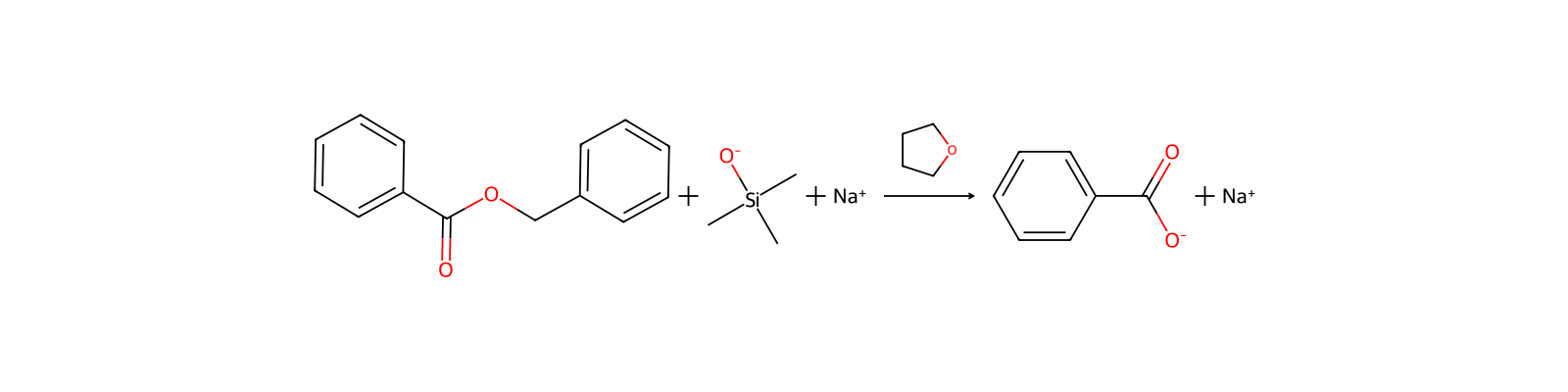
Rapidly hydrolyzed to benzoic acid and benzyl alcohol, which is further oxidized to benzoic acid. The benzoic acid is conjugated with glycine to form hippuric acid.
Converted to hippuric acid in vivo.
MeSH Pharmacological ClassificationPesticides designed to control insects that are harmful to man. The insects may be directly harmful, as those acting as disease vectors, or indirectly harmful, as destroyers of crops, food products, or textile fabrics.
Absorption, Distribution and Excretion
No data are available on percutaneous absorption of benzyl benzoate. Some older studies have suggested some percutaneous absorption, however the amount was not quantified.
The maternal and fetal toxicity of benzyl benzoate, commonly used as antiparasitic insecticide, was evaluated in pregnant rats after a daily oral dose of 25 and 100 mg/kg. Biochemical, histopathological, and morphological examinations were performed. Dams were observed for maternal body weights and food and water consumption and subjected to caesarean section on (GD) 20. Maternal and fetal liver, kidney, heart, brain, and placenta were examined histopathologically under light microscope. Maternal and fetal liver and placenta were stained immunohistochemically for vascular endothelial growth factor (VEGF). Morphometric analysis of fetal body lengths, placental measurements, and fetal skeletal stainings was performed. Statistically significant alterations in biochemical parameters and placental and skeletal measurements were determined in treatment groups. In addition to histopathological changes, considerable differences were observed in the immunolocalization of VEGF in treatment groups. These results demonstrated that benzyl benzoate and its metabolites can transport to the placenta and eventually enter the fetuses.
The percutaneous absorption of benzyl benzoate measured in vivo in human and monkey studies. With the application sites occluded, 54% of the applied dose penetrated human skin in 24 hr compared with 69% absorption in the monkey skin.
Cellular LocationsMembrane
Verwendung und Herstellung
Uses
CIR ingredient: Benzyl Benzoate
Used in plastic pyroxylin compounds, flavors, perfumes, plasticizers, dye carriers, antispasmodic drugs, insect repellants, scabicides , and pediculicides; [HSDB] Used as a dye carrier and a solvent for cellulose derivatives, plasticizers, and perfume fixatives; It is the main constituent in Peru balsam; Used in drugs for asthma; [Ullmann]
For benzyl benzoate (USEPA/OPP Pesticide Code: 009501) ACTIVE products with label matches. /SRP: Registered for use in the USA but approved pesticide uses may change periodically and so federal, state and local authorities must be consulted for currently approved uses./
As solvent of cellulose acetate, nitrocellulose and artificual musk; substitute for camphor in celluloid and plastic pyroxylin compounds; perfume fixative; in confectionary and chewing gum flavors.
Fixative and solvent for musk in perfumes and flavors; medicine (external); plasticizer for nitrocellulose and cellulose acetate, miticide.
Reported uses (ppm):;Table: Reported uses (ppm): (Flavor and Extract Manufacturers' Association, 1994) [Table#818]
U.S. Production
2023: 10,000,000 - <25,000,000 lb;2022: 10,000,000 - <25,000,000 lb;2021: 10,000,000 - <25,000,000 lb;2020: 10,000,000 - <25,000,000 lb
(1972) 1.85X10+8 GRAMS
(1975) 3.35X10+8 GRAMS
(1991) 287,000 kg
Non-confidential 2016 Chemical Data Reporting (CDR) information on the production and use of chemicals manufactured or imported into the United States. Chemical: Benzyl benzoate:;Table: National Aggregate Production Volume (pounds) [Table#817]
Consumer UsesFragrance;Plasticizer;Not Known or Reasonably Ascertainable
Industry UsesFlavoring and nutrient;Solvent;Not Known or Reasonably Ascertainable;Fixing agent (mordant);Fragrance
IFRA Fragrance Standards
Benzyl benzoate
Benylate; Benzoic acid, benzyl ester; Benzoic acid, phenylmethyl ester; Benzyl phenylformate; Phenylmethyl benzoate
IFRA_STD_009.pdf
49
IFRA 51st Amendment - Guidance for the use of IFRA Standards
Restriction: This material should be used only in the limited quantity as stated in the Standard
Methods of Manufacturing
Prepared by the action of sodium benzylate on benzaldehyde ... ; by the dry esterification of sodium benzoate and benzyl chloride in the presence of triethylamine.
Derivation: (a) By a Cannizzaro reaction from benzaldehyde, (b) by esterifying benzyl alcohol with benzoic acid, (c) by treating sodium benzoate with benzyl chloride. Method of purification: Distillation and crystallization.
Benzyl benzoate is produced by esterifying dry sodium benzoate with benzyl chloride or by the dimerization of benzaldehyde. It is also obtained from the bottoms of benzoic acid rectification plants.
Benzyl benzoate is produced from benzyl alcohol and sodium benzoate in the presence of triethylamine or transesterification of methyl benzoate with benzyl alcohol in the presence of an alkali benzyl oxide; in another manufacturing process benzaldehyde is condensed to form benzyl benzoate in the presence of sodium (Claisen-Tishchenko condensation)
By the dry esterification of sodium benzoate and benzoyl chloride in the presence of triethylamine or by reaction of sodium benzylate on benzaldehyde.
Formulations/Preparations
Table: Benzyl Benzoate Preparations [Table#813]
Acarosan Moist Powder (Allergopharma Joachim): Active ingredient: benylate 5.0%.
Sardex-II Dog Mange Remedy (Happy Jack Inc.): Active ingredient: benylate 29.0%.
Benzyl benzoate is available as a ready-to-use powder and an aerosol (spray).
For more Formulations/Preparations (Complete) data for Benzyl benzoate (7 total), please visit the HSDB record page.
Household Products
Cosmetics product ingredient: Benzyl benzoate;Benzyl benzoate is a fragrance allergen. Fragrance allergens are hazardous only to individuals who suffer from fragrance allergies. The Cosmetic Fragrance and Flavor Ingredient Right to Know Act of 2020 requires fragrance allergens included in Annex III of the EU Cosmetics Regulation No. 1223/2009 be reported to the California Department of Public Health. Fragrance allergens are only required to be reported if present in a rinse-off cosmetic product at a concentration at or above 0.01 percent (100 parts per million) or in a leave-on cosmetic product at a concentration at or above 0.001 percent (10 parts per million).;For more information, you can visit the fragrance allergens webpage on the California Safe Cosmetics Program website:;https://www.cdph.ca.gov/Programs/CCDPHP/DEODC/OHB/CSCP/Pages/FragranceAllergens.aspx;Product count: 14684
Information on 452 consumer products that contain Benzyl Benzoate in the following categories is provided:;• Auto Products;• Commercial / Institutional;• Inside the Home;• Personal Care
Use Classification
Fragrance Ingredients
Flavouring Agent -> FLAVOURING_AGENTFood Additives -> CARRIER_SOLVENT -> JECFA Functional Classes
Flavoring Agents -> JECFA Flavorings Index
Flavouring Agent -> FLAVOURING_AGENTFood Additives -> CARRIER_SOLVENT -> JECFA Functional Classes
Flavouring Agent -> FLAVOURING_AGENTFood Additives -> CARRIER_SOLVENT -> JECFA Functional Classes
Flavouring Agent -> FLAVOURING_AGENTFood Additives -> CARRIER_SOLVENT -> JECFA Functional Classes
General Manufacturing Information
Wholesale and Retail Trade;Soap, Cleaning Compound, and Toilet Preparation Manufacturing;Other (requires additional information);All Other Basic Organic Chemical Manufacturing;Food, beverage, and tobacco product manufacturing;Not Known or Reasonably Ascertainable;All Other Chemical Product and Preparation Manufacturing
Benzoic acid, phenylmethyl ester: ACTIVE
Mosquitoes were not repelled by benzyl benzoate applied on vermiculite to 0.5 & 1 acre plots.
Marketing status: Discontinued (50% strength; Emulsion; Topical)
Benzyl benzoate is a byproduct in the manufacture of benzoic acid by the oxidation of toluene; it is present in the benzoic acid distillation residue.
Restriction Limits in the Finished Product (%)
1.7 [Products applied to the lips]
1.4 [Products applied to the axillae]
0.41 [Products applied to the face/body using fingertips]
4.8 [Products related to fine fragrances]
4.3 [Products applied to the body using the hands (palms), primarily leave-on (Body lotion)]
0.21 [Products applied to the face using the hands (palms), primarily leave-on (Face moisturizer)]
Anbieter50 Anbieter
国药集团化学试剂有限公司86-21-63210123 · [email protected]
梯希爱(上海)化成工业发展有限公司021-67121386 · [email protected]
上海阿拉丁生化科技股份有限公司400-6206333 13167063860 · [email protected]
爱斯特(成都)生物制药股份有限公司+86-28-85122536 85324413 · [email protected]
北京安司莫森技术有限公司010-82954736 13391601435 · [email protected]
Jai Radhe Sales+(91)-(79)-26431096/65255722 · [email protected]
科瑞迪化学400-821-5857 021-64326257 · [email protected]
LGM Pharma1-(800)-881-8210 · [email protected]
上海将来实业股份有限公司400-0066400 13621662912 · [email protected]
Syntechem Co.,Ltd[email protected]
上海迈瑞尔生化科技有限公司4006356688 18621169109 · [email protected]
阿法埃莎(中国)化学有限公司400-6106006 · [email protected]
安耐吉化学&3A(安徽泽升科技股份有限公司)400-0056266 · [email protected]
石家庄斯迪亚诺精细化工有限公司0311-89250318 13582355795 · [email protected]
武汉卡诺斯科技有限公司027-83238443 15327105076 · [email protected]
上海瀚鸿科技股份有限公司021-54306202 13764082696 · [email protected]
上海柯维化学技术有限公司021-64609169 18901607656 · [email protected]
吉良化学21-62165282 · [email protected]
上海景颜化工科技有限公司13817811078 · [email protected]
上海隆盛化工有限公司58099637 13585536065 · [email protected]
MedChemexpress LLC021-58955995 · [email protected]
合肥天健化工有限公司551-65418679 15856988503;15837135945 · [email protected]
武汉丰泰威远科技有限公司027-87465837 19945049750 · [email protected]
玛雅试剂+86 (573) 82222445 (0)18006601000 452520369 · [email protected]
四川库利南科技有限公司400-1166-196 18981987031 · [email protected]
天津希恩思生化科技有限公司400 638 7771 · [email protected]
斯百全化学(上海)有限公司021-021-021-67601398-809-809-809 15221380277 · [email protected]
上海源叶生物科技有限公司13636370518 · [email protected]
艾科试剂4008-755-333 18080918076 · [email protected]
青岛保税区鲁联国际贸易有限公司0532-83893697 18561902820 · [email protected]
上海思域化工科技有限公司86-21-34053660 · [email protected]
赛默飞世尔科技(中国)有限公司800-810-5118 · [email protected]
北京伊诺凯科技有限公司400-810-7969 010-59572699 · [email protected]
TCI AMERICA800-4238616 · [email protected]
TOKYO CHEMICAL INDUSTRY CO., LTD.03-36680489 · [email protected]
TCI Europe320-37350700 · [email protected]
卡迪亚医药科技有限公司0371-86615086 18203638366 0371-86159066 13526786601
上海贤鼎生物科技有限公司4009209199 · [email protected]
深圳振强药物研发有限公司0755-66853366 13670046396 · [email protected]
深圳市石金谷科技有限公司(0086)755-61930359 (0086)18038192047 · [email protected]
北京环宇世纪化学科技有限公司hysj_bj.com
上海将来实业股份有限公司021-61552785 · [email protected]
天津阿尔塔科技有限公司022-65378550-8551 · [email protected]
HBCChem, Inc.+1-510-219-6317 · [email protected]
日照力德士化工有限公司010-51268198 · [email protected]
美岚实业(上海)有限公司021-58958189 · [email protected]
上海石洋化工有限公司021-56795766 · [email protected]
上海爱蝶实业有限公司021-58957966 18930537195 · [email protected]
四川省维克奇生物科技有限公司028-81700200 18116577057 · [email protected]
成都零六生物科技有限公司400-1166-196 13458535857 · [email protected]
Zugehörige Reaktionen
35


Verknüpfte Notizen
Wird geladen…