
2-Methylpropylisocyanid
Tert-Butyl isocyanide
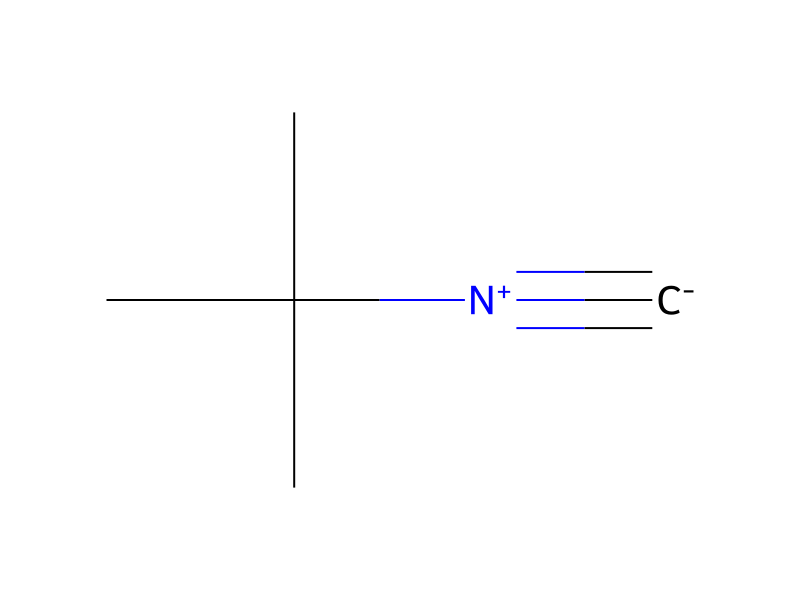
Grundinformationen
- CAS
7188-38-7- Standard-SMILES
[C-]#[N+]C(C)(C)C- InChIKey
FAGLEPBREOXSAC-UHFFFAOYSA-N- Summenformel
- C5H9N
- Durchschnittliche Molmasse
- 83,13 g/mol
- Monoisotopische Masse
- 83,07349929
Überblick
Tert-butylisonitrile is an isocyanide.
Namen und Bezeichner
- Bevorzugter Name
- Tert-Butyl isocyanide
- IUPAC
- 2-isocyano-2-methylpropane
- Lokaler Name
- 2-Methylpropylisocyanid
- Englischer Name
- tert-Butyl isocyanide
- Summenformel
- C5H9N
- Molmasse
- 83.13
Namen und Synonyme
tert-BUTYL ISOCYANIDE7188-38-72-Isocyano-2-methylpropanetert-Butylisonitrilet-ButylisonitrileTBINPropane, 2-isocyano-2-methyl-t-Butyl isocyanide2-Methyl-2-isocyanopropane1,1-dimethylethyl isocyanidetert-Bu-NC22S4Z857K3
Weitere Namen anzeigen
2-ISOCYANO-2-METHYL-PROPANETERT-BUTYL ISONITRILE(CH3)3CNC2-methylpropyl cyanidet-Butylisocyanide,min.98%
NSC-141687DTXSID60222145RefChem:188204DTXCID60144636230-553-5tert-butylisocyanide2-Methylpropyl isocyanidet-butylisocyanide
Datenbank-Bezeichner
- CAS
7188-38-7- PubChem CID
- 23577
- DTXSID
DTXSID60222145- ChEBI
CHEBI:235305- UNII
- 22S4Z857K3
- EC Number
- 230-553-5
- Nikkaji
- J2.267.272J、J42.749G
Eigenschaften
Berechnete Struktureigenschaften
- XLogP
- 0,9
- Polarare Oberfläche (TPSA)
- 4,4 Ų
- H-Brücken-Donoren
- 0
- H-Brücken-Akzeptoren
- 1
- Frei drehbare Bindungen
- 0
- Schwere Atome
- 6
- Formalladung
- 0
- Komplexität
- 77,8
Physikochemische Eigenschaften
- Schmelzpunkt
- 148 · 148-150 °C
- Siedepunkt
- 91 °C · 91 °C(lit.)
- Dichte
- 0.735 g/mL · 0.735 g/mL at 25 °C(lit.)
- Brechungsindex
- 20 · n20/D 1.376(lit.)
- Flammpunkt
- -2 °C · -2 °C
- storage temp.
- 2 · Inert atmosphere,2-8°C
- Löslichkeit
- Soluble in organic solvents such as ethanol, methanol, ether, toluene and dichloromethane.
- Aggregatzustand
- liquid
- Wichte
- 0.735 · 0.735
- Farbe
- colorless
- BRN
- 1903156 · 1903156
- Stabilität
- store cold
- InChI
- InChI=1S/C5H9N/c1-5(2,3)6-4/h1-3H3
- InChIKey
- FAGLEPBREOXSAC-UHFFFAOYSA-N
- SMILES
- C(C)(C)(C)[N+]#[C-]
- CAS Datenbank
- 7188 · 7188-38-7(CAS DataBase Reference)
Sicherheit und Regulatorisches
Sicherheitsangaben dienen nur zur Orientierung und ersetzen weder das Sicherheitsdatenblatt (SDB) des Lieferanten noch geltende Vorschriften oder eine fachliche Bewertung.
GHS-Klassifizierung
GHS Classification
Danger
H225 (100%): Highly Flammable liquid and vapor [Danger Flammable liquids]
P210, P233, P240, P241, P242, P243, P260, P271, P280, P284, P303+P361+P353, P304+P340, P316, P320, P370+P378, P403+P233, P403+P235, P405, and P501 (click each P-code to see the statement)
Aggregated GHS information provided per 47 reports by companies from 3 notifications to the ECHA C&L Inventory. Each notification may be associated with multiple companies.
Gefahrenhinweise
Regulatory InformationPropane, 2-isocyano-2-methyl-: Does not have an individual approval but may be used as a component in a product covered by a group standard. It is not approved for use as a chemical in its own right.
Hazard Classes and CategoriesFlam. Liq. 2 (100%)
Toxikologische Informationen
Treatment
Antidotes to cyanide poisoning include hydroxocobalamin and sodium nitrite, which release the cyanide from the cytochrome system, and rhodanase, which is an enzyme occurring naturally in mammals that combines serum cyanide with thiosulfate, producing comparatively harmless thiocyanate. Oxygen therapy can also be administered. (L97)
Health Effects
Exposure to high levels of cyanide for a short time harms the brain and heart and can even cause coma, seizures, apnea, cardiac arrest and death. Chronic inhalation of cyanide causes breathing difficulties, chest pain, vomiting, blood changes, headaches, and enlargement of the thyroid gland. Skin contact with cyanide salts can irritate and produce sores. (L96, L97)
Chemie und Industrie
Pharmakologische Informationen
Metabolism/Metabolites
Cyanide is rapidly alsorbed through oral, inhalation, and dermal routes and distributed throughout the body. Cyanide is mainly metabolized into thiocyanate by either rhodanese or 3-mercaptopyruvate sulfur transferase. Cyanide metabolites are excreted in the urine. (L96)
Anwendungen
Beschreibungtert-Butyl isocyanide is a key regent for synthesizing many heterocycles and can undergo many cyclization reactions1. It is a colorless liquid, with a strong smell, bench-stable, and soluble in most organic solvents, including methanol, ethanol, ether, toluene, and dichloromethane. Many combinations of 5-member heterocycles with C, N, S, and O atoms, and even boron-containing cycles can be done via [4+1] cycloaddition. Except for heterocyclization, the reagent can be used as a mild esterification reagent, especially in the chemistry of β-lactam antibiotics, penicillins, and cephalosporins. The Passerini reaction with α-geminal polyhalogenated aldehydes allows easy esterification of such intricate substrates.
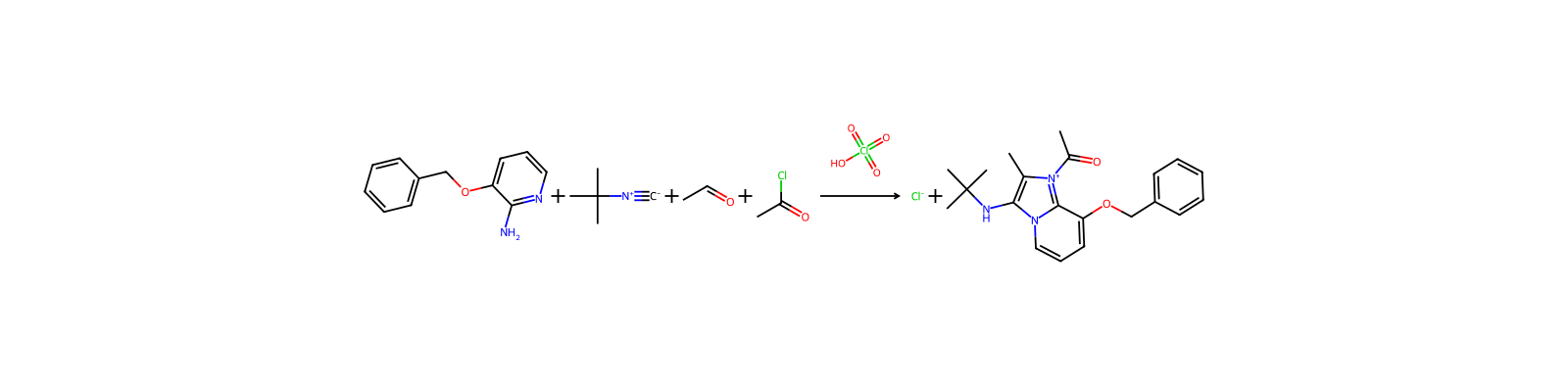
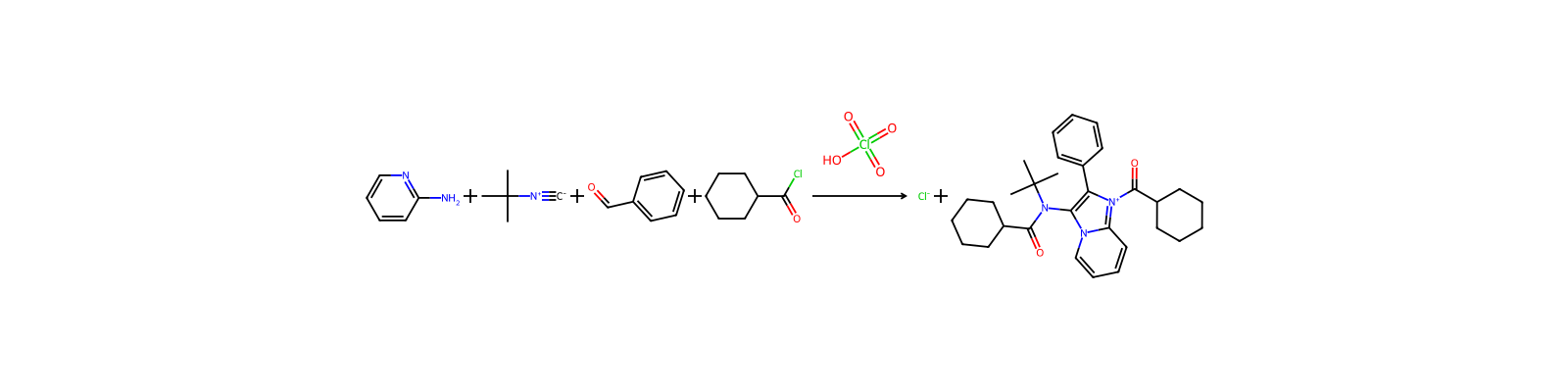
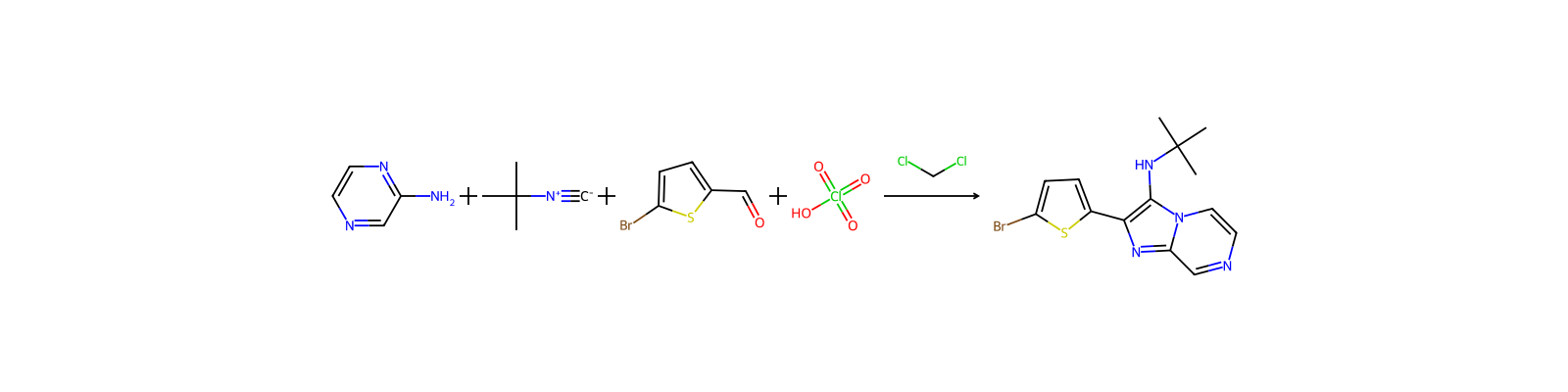
Verwendentert-Butyl isocyanide is used in a tin-free procedure for alkyl radical reactions in the presence of a free-radical initiator. It is a useful intermediate in multicomponent reactions. It is also used in the synthesis of coumarines, 4H-chromenes, isoxazolines and to trap 2-cyclopropylidene-1,3-diones.
Darstellung
synthetischeCAUTION: Use a well-ventilated hood and observe all precautions when using hydrogen cyanide.To a 1-1, stainless steel Hoke pressure cylinder in a well-ventilated hood is added 196 gm (3.5 moles) of isobutene, 95 gm (3.5 moles) of hydrogen cyanide, and 100 gm (0.7 mole) or cuprous bromide. The cylinder is closed, shaken for 15 hr at 70°C, cooled to room temperature, and vented cautiously in the hood, and the viscous residue is poured slowly into aqueous potassium cyanide (260 gm in 100 ml of water) to decompose the cuprous complex, liberating an organic layer. The organic layer is separated, dried, and distilled under reduced pressure to afford 97 g tert-Butyl isocyanide, b.p. 60-63°C (314 mm Hg), ng 1.3749, IR 2143 s, 1472 m, 1368 m, 1230 m, 1208 m, 855 w c m - 1; yield, 33% based on starting isobutylene; 16% based on CuBr.
Zugehörige Reaktionen
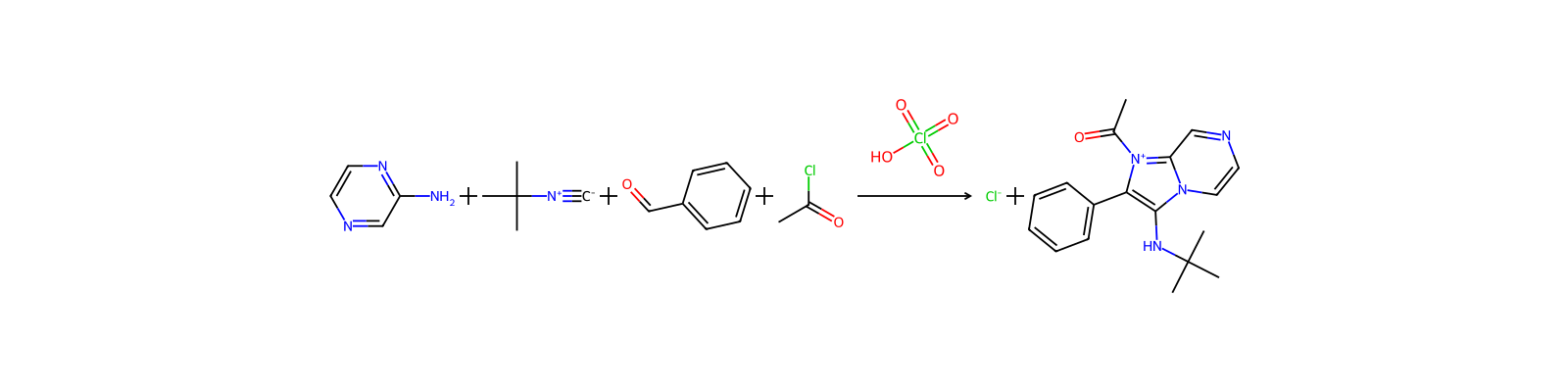
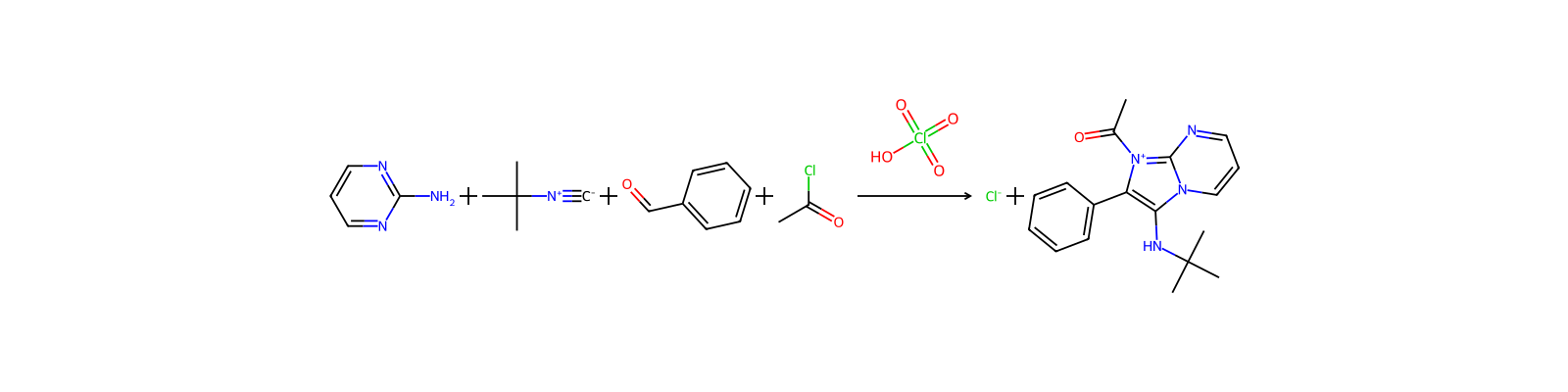
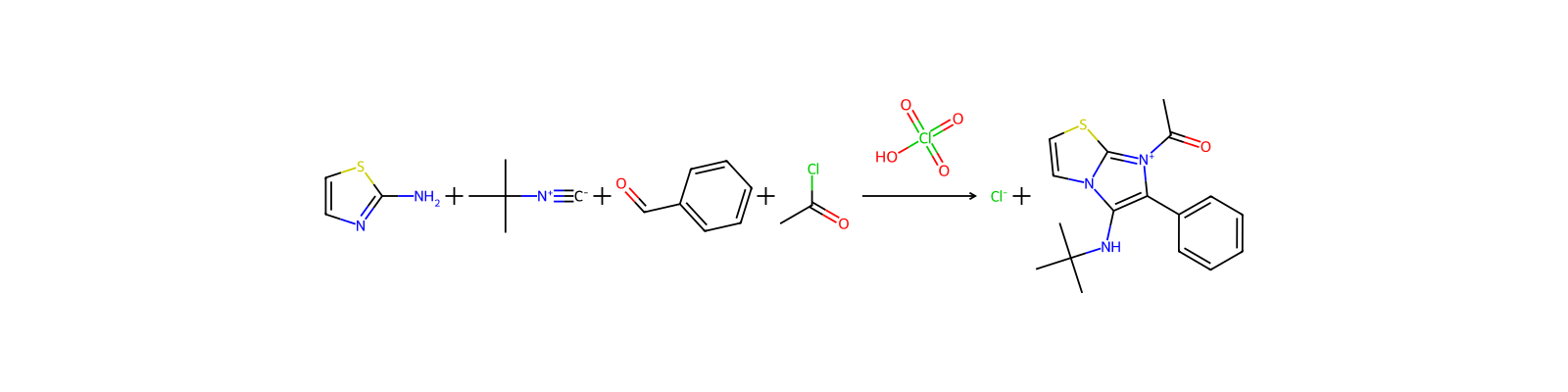
917

Notizen zur Verbindung
Wird geladen…