
Grundinformationen
- Standard-SMILES
[Na+].[O-][I+3]([O-])([O-])[O-]- InChIKey
JQWHASGSAFIOCM-UHFFFAOYSA-M- Summenformel
- Na.I.O4
- Durchschnittliche Molmasse
- 213,892 g/mol
- Monoisotopische Masse
- 213,87390076
Überblick
Sodium periodate is an inorganic sodium salt having periodate as the counterion. It has a role as an oxidising agent. It contains a periodate.
Namen und Bezeichner
- Bevorzugter Name
- Sodium periodate
- IUPAC
- sodium periodate
Namen und Synonyme
Sodium periodate7790-28-5Sodium metaperiodate98W4A29X43CHEBI:75226DTXSID30894075NaIO4 compoundRefChem:931926DTXCID601324118232-197-6Sodium m-periodatesodium;periodate
Weitere Namen anzeigen
Periodic acid, sodium saltMFCD00003534Sodium (meta)periodatePeriodic acid (HIO4), sodium saltsodiumperiodateINaO4HSDB 7298EINECS 232-197-6
Datenbank-Bezeichner
- CAS
7790-28-5- PubChem CID
- 23667635
- DTXSID
DTXSID30894075- ChEBI
CHEBI:75226- UNII
- 98W4A29X43
- EC Number
- 232-197-6
- Nikkaji
- J44.039F
Eigenschaften
Berechnete Struktureigenschaften
- Polarare Oberfläche (TPSA)
- 74,3 Ų
- H-Brücken-Donoren
- 0
- H-Brücken-Akzeptoren
- 4
- Frei drehbare Bindungen
- 0
- Schwere Atome
- 6
- Formalladung
- 0
- Komplexität
- 118
Experimentelle und physikochemische Eigenschaften
Chemical ClassesOther Classes -> Halogens, Inorganic Compounds
Density
3.865 at 16 °C
White, efflorescent, trigonal crystals; density 3.219 at 18 °C; decomposes at 175 °C; 1 gm dissolves in 8 ml water at 20 °C /Trihydrate/
3.865 @25 °C
Color/FormWhite, tetragonal crystals
SolubilitySoluble in cold water, sulfuric, nitric, acetic acids
Boiling PointDecomposes approx 300 °C
DecompositionWhen heated to decomposition it emit toxic fumes of /hydrogen iodide and sodium oxide/.
Physical DescriptionWhite solid; [Merck Index] Colorless odorless powder; [MSDSonline]
Sicherheit und Regulatorisches
GHS-Klassifizierung
GHS Classification
Danger
H271 (54.1%): May cause fire or explosion; strong Oxidizer [Danger Oxidizing liquids; Oxidizing solids]
P210, P220, P260, P261, P264, P264+P265, P270, P271, P273, P280, P283, P301+P316, P301+P317, P301+P330+P331, P302+P352, P302+P361+P354, P304+P340, P305+P351+P338, P305+P354+P338, P306+P360, P316, P317, P319, P321, P330, P332+P317, P337+P317, P362+P364, P363, P370+P378, P371+P380+P375, P391, P403+P233, P405, P420, and P501 (click each P-code to see the statement)
Aggregated GHS information provided per 320 reports by companies from 29 notifications to the ECHA C&L Inventory. Each notification may be associated with multiple companies.
Danger
H272: May intensify fire; oxidizer [Danger Oxidizing liquids; Oxidizing solids]
Gefahrenhinweise
Regulatory Information
Chemical: Periodic acid (HIO4), sodium salt
Status: Active Update: 30-05-2018 https://echa.europa.eu/registration-dossier/-/registered-dossier/5745
Periodic acid, sodium salt: HSNO Approval: HSR001353 Approved with controls
Other Safety InformationIMAP assessments - Periodic acid and its salts: Human health tier II assessment
Hazards Summary
A strong oxidizer; [ChemIDplus] May cause skin, eye, and respiratory tract irritation; [HSDB] An eye and mild skin irritant; [eChemPortal: ERMA] May cause fire on contact with combustible material; An irritant; [MSDSonline] See Metaperiodic acid.
Hazard Classes and Categories
Ox. Sol. 1 (54.1%)
Acute toxicity (ingestion) - category 4
Oxidizing solids - Category 2
Skin, Eye, and Respiratory Irritations
Eye Contact: May cause irritation, redness and pain.
Inhalation: May irritate the respiratory tract, with symptoms of coughing and possible shortness of breath.
Sicherheit und Schutzausrüstung
Disposal Methods
SRP: The most favorable course of action is to use an alternative chemical product with less inherent propensity for occupational exposure or environmental contamination. Recycle any unused portion of the material for its approved use or return it to the manufacturer or supplier. Ultimate disposal of the chemical must consider: the material's impact on air quality; potential migration in soil or water; effects on animal, aquatic, and plant life; and conformance with environmental and public health regulations.
Protective Action Criteria (PAC)
0.19 [mg/m3]
2.1 [mg/m3]
13 [mg/m3]
Toxikologische Informationen
Interactions
Human peripheral blood mononuclear cells when activated with the oxidizing mitogens, neuraminidase/galactose oxidase or sodium periodate, express cytolytic activity for freshly isolated tumor cells and for a variety of cell lines, including NK-resistant solid tumor lines. Normal lymphoid cells are not targets for cytotoxicity and do not inhibit lysis of susceptible targets mediated by the oxidizing mitogen-activated mononuclear cells. The cytotoxic response is rapidly generated and reaches peak levels at 48 hr. The oxidizing mitogens induce expression of IL 2 receptors on peripheral blood mononuclear cells. Combined treatment of cells with IL 2 and the oxidizing mitogens results in a marked enhancement of cytotoxicity. Enhancement is achieved at levels of IL 2 that alone result in minimal generation of cytotoxic cells.
Human Toxicity Excerpts
/SIGNS and SYMPTOMS/ Inhalation: May irritate the respiratory tract, with symptoms of coughing and possible shortness of breath.
/SIGNS and SYMPTOMS/ Ingestion: May cause gastrointestinal upset with symptoms of abdominal pain, vomiting, and diarrhea.
/SIGNS and SYMPTOMS/ Skin Contact: Possible irritation or reddening of moist skin on prolonged contact. Eye Contact: May cause irritation, redness and pain.
/OTHER TOXICITY INFORMATION/ Chronic Exposure: Repeated ingestions may cause kidney dysfunction or failure and blood conditions such as hemolysis. Central nervous system may be affected.
Non-Human Toxicity Excerpts
/ALTERNATIVE IN VITRO TESTS/ Sodium periodate treated lymphocytes engage in cell to cell interaction and also yield a soluble growth factor that stimulates DNA synthesis when added to naive autologous cells. Adherent cells enhance the factor mediated activity. Sodium periodate stimulated lymphocytes, treated with mitomycin C, produced no growth factor activity. Partial characterization of the factor indicates that it is non-dialyzable, resistant to ribonuclease, and sensitive to heat, trypsin, and papain.
/ALTERNATIVE IN VITRO TESTS/ T lymphocytes oxidized with the mitogen sodium periodate undergo a proliferative response when cultured in the presence of Ia+ accessory cells. ... /The authors/ have evaluated the role of Ia and the requirement for interleukin 1 (IL 1) in periodate mitogenicity by using the Ia+ cloned tumor cell lines P388AD (Ia+, IL 1 inducible) and P388NA (Ia+, IL 1 noninducible) as accessory cells. P388AD but not P388NA was able to supply accessory cell function to periodate-treated T cells, suggesting that Ia expression alone was not sufficient to reconstitute a response. Monoclonal anti-I-Ad and anti-I-Ed antibody blocked the accessory cell function of P388AD. In addition, monoclonal antibody GK 1.5, directed against the T cell determinant L3T4a, blocked the P388AD/periodate-treated T cell interaction, confirming that this interaction was restricted by class II molecules. Although Ia expression was required, the response was not major histocompatibility complex (MHC) restricted, because allogeneic as well as syngeneic macrophages were capable of supplying accessory cell function to periodate-treated T cells. Exogenous IL 1 alone was able to trigger periodate-treated T cells, suggesting that Ia was required for the induction of IL 1 synthesis by the accessory cells. Furthermore, purified IL 2, devoid of IL 1 activity, was able to fully reconstitute the proliferative response of accessory cell-depleted oxidized T cells to a level equal to that of whole spleen accessory cells or P388AD. These data suggest that periodate-treated T cells can proliferate with IL 1 alone and that Ia+ accessory cells in periodate-mediated T cell mitogenicity may function in the release of IL 1 and the induction of IL 2 synthesis by the T cells.
/OTHER TOXICITY INFORMATION/ Animal experiments suggest a potential for kidney and blood cell damage, similar to that of the bromates and chlorates.
Populations at Special RiskAggravation of Pre-existing Conditions: Persons with impaired liver or kidney function may be more susceptible to the effects of this substance.
Antidote and Emergency Treatment
Basic treatment: Establish a patent airway. Suction if necessary. Watch for signs of respiratory insufficiency and assist ventilations if needed. Administer oxygen by nonrebreather mask at 10 to 15 L/min. Monitor for pulmonary edema and treat if necessary ... . Monitor for shock and treat if necessary ... . Anticipate seizures and treat if necessary ... . For eye contamination, flush eyes immediately with water. Irrigate each eye continuously with normal saline during transport ... . Do not use emetics. For ingestion, rinse mouth and administer 5 ml/kg up to 200 ml of water for dilution if the patient can swallow, has a strong gag reflex, and does not drool ... . Cover skin burns with dry sterile dressings after decontamination ... . /Poison A and B/
Advanced treatment: Consider orotracheal or nasotracheal intubation for airway control in the patient who is unconscious, has severe pulmonary edema, or is in respiratory arrest. Positive pressure ventilation techniques with a bag valve mask device may be beneficial. Monitor cardiac rhythm and treat arrhythmias as necessary ... . Start an IV with D5W /SRP: "To keep open", minimal flow rate/. Use lactated Ringer's if signs of hypovolemia are present. Watch for signs of fluid overload. Consider drug therapy for pulmonary edema ... . For hypotension with signs of hypovolemia, administer fluid cautiously. Watch for signs of fluid overload ... . Treat seizures with diazepam (Valium) ... . Use proparacaine hydrochloride to assist eye irrigation ... . /Poison A and B/
Non-Human Toxicity ValuesLD50 Mouse intraperitoneal 58 mg/kg
Chemie und Industrie
Pharmakologische Informationen
Mechanism of Action
Sodium periodate (IO4) exerts a number of biological effects including the enhancement of lymphocyte activation. In this study, /the authors/ investigated its effects on cytotoxicity of human peripheral blood lymphocytes (PBL) and explored the mechanism whereby it exerted these effects. In vitro treatment of human PBL with IO4 augmented their cytotoxicity against K562 myelogenous leukemia cells. IO4 oxidative treatment increased the frequency of effector-to-target cell binding. It also increased cellular ATP levels in effector cells, suggesting that the post-binding cytolytic functions of these cells were also enhanced after treatment with IO4. Moreover, IO4 treatment significantly increased the protein kinase C (PKC) activity of effector cells and induced the translocation of activity in the membrane fraction from the cytosol. H-7, a potent PKC inhibitor, significantly reduced this enhancement of membrane-associated PKC activity at 10 microM and significantly reduced the enhanced cytotoxicity of PBL at the same concentration. These results indicated that IO4 enhanced the binding capacity and post-binding cytolytic functions of PBL and that PKC activation was one mechanism to explain the IO4-induced cellular activation.
Periodate-oxidized ADP and periodate-oxidized ATP stimulate the permeability transition in energized rat liver mitochondria measured as the Ca2+-efflux induced by Ca2+ and Pi. In the presence of Mg2+ and Pi, mitochondria lose intramitochondrial adenine nucleotides at a slow rate. Periodate-oxidized ATP induces a strong decrease of the matrix adenine nucleotides which is inhibited by carboxyatractyloside. Under these conditions, Mg2+ prevents the opening of the permeability transition pore. EGTA prevents the Pi-induced slow efflux of adenine nucleotides, but is without effect on the periodate-oxidized ATP-induced strong decrease of adenine nucleotides. This periodate oxidized ATP-induced strong adenine nucleotide efflux is inhibited by ADP. Periodate-oxidized ATP reduces the increase of matrix adenine nucleotides occurring when the mitochondria are incubated with Mg2+ and ATP. This effect of periodate-oxidized ATP is also prevented by carboxyatractyloside. Periodate-oxidized ATP is not taken up by the mitochondria. It is suggested that periodate-oxidized ATP induces a strong efflux of matrix adenine nucleotides by the interaction with the ADP/ATP carrier from the cytosolic side. The induction of the mitochondrial permeability transition by periodate-oxidized ADP and periodate-oxidized ATP is attributed to two mechanisms-a strong decrease in the intramitochondrial adenine nucleotide content, especially that of ADP, and a stabilization of the c-conformation of the ADP/ATP carrier.
MeSH Pharmacological Classification
Substances that stimulate mitosis and lymphocyte transformation. They include not only substances associated with LECTINS, but also substances from streptococci (associated with streptolysin S) and from strains of alpha-toxin-producing staphylococci. (Stedman, 25th ed)
Verwendung und Herstellung
Uses
Used as source of periodic acid, an oxidizing agent, an emulsion remover in screen-printing, and a dye and stain for medical pathology; [HSDB]
Silk-Screen Printing [Category: Other]
Source of periodic acid, analytical reagent, oxidizing agent.
Analysis. Powerful oxidizer in acid solution; oxidizing manganese compounds to permanganate: used for this purpose in analytical chemistry..., also used for oxidation of some organic compounds
Tissue processing fixation: PLP fixative: 4% paraformaldehyde, 0.2% perioidate and 1.2% lysine in 0.1 M phosphate buffer
Periodate-methylamine degradation of ribonucleotides ... enables separation of deoxyribonucleotides in cell extracts by high-performance liquid chromatography.
Methods of ManufacturingSynthesis starting with sodium iodide: inorg. Syn. 2: 212 (1946) and: 170 (1939)
Household ProductsInformation on 1 consumer products that contain Sodium m-periodate in the following categories is provided:
General Manufacturing InformationPeriodic acid (HIO4), sodium salt (1:1): ACTIVE
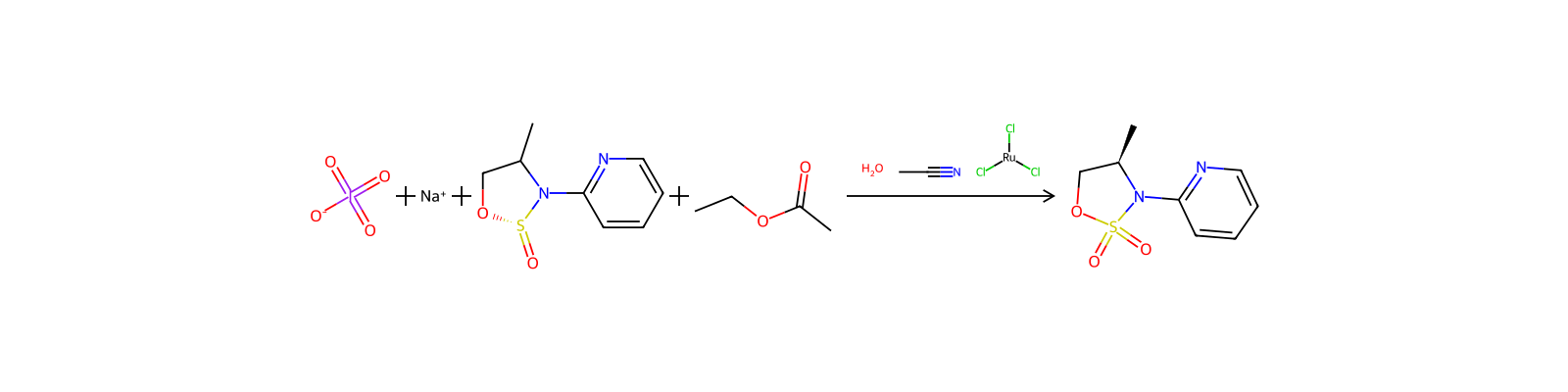
Zugehörige Reaktionen
1.780


Verknüpfte Notizen
Wird geladen…