

Grundinformationen
- Standard-SMILES
[Cr]- InChIKey
VYZAMTAEIAYCRO-UHFFFAOYSA-N- Summenformel
- Cr
- Durchschnittliche Molmasse
- 51,996 g/mol
- Monoisotopische Masse
- 51,9405075
Überblick
Chromium is a naturally occurring element found in rocks, animals, plants, soil, and in volcanic dust and gases. Chromium is present in the environment in several different forms. The most common forms are chromium(0), chromium(III), and chromium(VI). No taste or odor is associated with chromium compounds. Chromium(III) occurs naturally in the environment and is an essential nutrient. Chromium(VI) and chromium(0) are generally produced by industrial processes. The metal chromium, which is the chromium(0) form, is used for making steel. Chromium(VI) and chromium(III) are used for chrome plating, dyes and pigments, leather tanning, and wood preserving.
Namen und Bezeichner
- Bevorzugter Name
- Chromium
- IUPAC
- chromium
Namen und Synonyme
CHROMIUM7440-47-3ChromeChromium metalChromChromium, elementalDinakromeBioChromeDTXSID3031022CHEBI:280730R0008Q3JBDietary Chromium
Weitere Namen anzeigen
Chromium MetallicumRefChem:5683lambda6-chromium(6+) ionDTXCID1011022231-157-5CrNSC293779chromium atom
Datenbank-Bezeichner
- CAS
16065-83-1、19498-56-7、7440-47-3- PubChem CID
- 23976
- DTXSID
DTXSID3031022- ChEMBL
CHEMBL1201228- ChEBI
CHEBI:28073- UNII
- 0R0008Q3JB
- EC Number
- 231-157-5
- Nikkaji
- J257.433K、J3.732J、J301.916K
Eigenschaften
Berechnete Struktureigenschaften
- Polarare Oberfläche (TPSA)
- 0 Ų
- H-Brücken-Donoren
- 0
- H-Brücken-Akzeptoren
- 0
- Frei drehbare Bindungen
- 0
- Schwere Atome
- 1
- Formalladung
- 0
- Komplexität
- 0
Experimentelle und physikochemische Eigenschaften
Chemical Classes
Hazardous Air Pollutants (HAPs)
Urban Hazardous Air Pollutants (HAPs) - EPA specified greatest potential health threat in urban areas
Metals -> Chromium Compounds, Inorganic
Flammable agents - 3rd degree
Trace element
CosmeticsCosmetics ingredient -> Other (Specify)
pHBivalent chromium compounds are basic; trivalent chromium compounds are amphoteric; hexavalent chromium compounds are acidic
SpringerMaterials Propertiesthermal expansion coefficient
OdorOdorless
Density
7.2 (NTP, 1992) - Denser than water; will sink
7.14 at 20 °C
7.15 g/cm³
7.14
7.2
7.2
Color/Form
Steel-gray, lustrous metal; body-centered cubic structure
Blue-white to steel-gray, lustrous, brittle, hard solid
Hard, brittle, semigray metal
Solubility
Insoluble (NIOSH, 2024)
Insoluble
Insoluble in water
Soluble in acids (except nitric) and strong alkalies.
Solubility in water: none
Insoluble
CorrosivityThe silver soldered stainless steel wire corroded more than the cobalt-chromium type, & released more nickel & chromium than did the cobalt-chromium wires.
Endocrine DisruptorsPotential endocrine disrupting compound
Boiling Point
4788 °F at 760 mmHg (NTP, 1992)
4788 ° F
2642 °C
2642 °C
4788 °F
4788 °F
Melting Point
3452 °F (NTP, 1992)
3452 °F
1907 °C
1900 °C
3452 °F
3452 °F
Sicherheit und Regulatorisches
GHS-Klassifizierung
GHS Classification
This chemical does not meet GHS hazard criteria for 50% (1202 of 2404) of reports.
Danger
H317 (20.7%): May cause an allergic skin reaction [Warning Sensitization, Skin]
P233, P260, P261, P264+P265, P271, P272, P280, P284, P302+P352, P304+P340, P305+P351+P338, P321, P333+P317, P337+P317, P342+P316, P362+P364, P403, and P501 (click each P-code to see the statement)
Aggregated GHS information provided per 2404 reports by companies from 21 notifications to the ECHA C&L Inventory. Each notification may be associated with multiple companies.
Danger
Gefahrenhinweise
Regulatory Information
Chemical: Chromium
Chromium is listed on the EPA's Chemical Data Reporting (CDR) system. Manufacturers and importers of Chromium are required to report information about their production and use of this chemical to the EPA under the Toxic Substances Control Act (TSCA). (40 eCFR Part 711)
Status: Active Update: 19-04-2023 https://echa.europa.eu/registration-dossier/-/registered-dossier/15551
Chromium: Does not have an individual approval but may be used under an appropriate group standard
The New Jersey Worker and Community Right to Know Act requires public and private employers to provide information about hazardous substances at their workplaces. (N.J.S.A. 34:5A-1 et. seq.)
Other Safety InformationIMAP assessments - Chromium: Human health tier I assessment
DOT LabelCorrosive
Fire Hazards
Excerpt from ERG Guide 154 [Substances - Toxic and/or Corrosive (Non-Combustible)]:
Combustible under specific conditions.
Fire Potential... When finely divided burns rapidly if heated in flame.
Health HazardsExcerpt from NIOSH Pocket Guide for Chromium metal:
Hazards Summary
Chromium is a naturally occurring element found in rocks, animals, plants, soil, and in volcanic dust and gases. Chromium is present in the environment in several different forms. The most common forms are chromium(0), chromium(III), and chromium(VI). No taste or odor is associated with chromium compounds. Chromium(III) occurs naturally in the environment and is an essential nutrient. Chromium(VI) and chromium(0) are generally produced by industrial processes. The metal chromium, which is the chromium(0) form, is used for making steel. Chromium(VI) and chromium(III) are used for chrome plating, dyes and pigments, leather tanning, and wood preserving.
Chromium occurs in the environment primarily in two valence states, trivalent chromium (Cr III) and hexavalent chromium (Cr VI). Exposure may occur from natural or industrial sources of chromium. Chromium III is much less toxic than chromium (VI). The respiratory tract is also the major target organ for chromium (III) toxicity, similar to chromium (VI). Chromium (III) is an essential element in humans. The body can detoxify some amount of chromium (VI) to chromium (III). The respiratory tract is the major target organ for chromium (VI) toxicity, for acute (short-term) and chronic (long-term) inhalation exposures. Shortness of breath, coughing, and wheezing were reported from a case of acute exposure to chromium (VI), while perforations and ulcerations of the septum, bronchitis, decreased pulmonary function, pneumonia, and other respiratory effects have been noted from chronic exposure. Human studies have clearly established that inhaled chromium (VI) is a human carcinogen, resulting in an increased risk of lung cancer. Animal studies have shown chromium (VI) to cause lung tumors via inhalation exposure.
Chromium metal and Cr(III) compounds are IARC 3 (not classifiable), while the hexavalent chromium Cr(VI) compounds are IARC 1 (human carcinogens); Water-soluble, Cr(VI) compounds have the skin designation. All Cr(VI) compounds are designated as RSEN and DSEN, meaning that they may cause asthma and allergic contact dermatitis. Kidney injury has been reported in workers exposed to hexavalent chromium compounds, but no quantitative exposure information is available. Reproductive studies of workers handling Cr(VI) compounds are inconclusive. The severe corrosive effects of Cr(VI) compounds can lead to ulceration of the skin (chrome holes) and mouth, rhinitis, and perforation of the nasal septum. [ACGIH] Among chromate production workers, virtually all studies showed excess risks of lung cancer, except for a few estimates of risks for US workers hired since exposures were lowered . . . [IARC Monograph 100C, p. 154] Compounds of Cr III do not cause chrome ulcerations and do not generally initiate allergic dermatitis without prior sensitization by Cr(VI) compounds. [ILO Encyclo: Chromium] . . .induction of sensitization by water-soluble Cr(III) compounds independently of Cr(VI) exposures cannot be ruled out. [ACGIH] Chromates, the most common cause of allergic contact dermatitis, are released as hexavalent chromium from chrome-plated metal tools and machine parts. [Marks, p. 117-9] Chromium is genotoxic, and animal experiments show effects on sperm motility. No available evidence of birth defects in humans. [Frazier] Chronic exposure to hexavalent chromium may cause mild to moderate liver injury. [ATSDR Case Studies # 4] Asthma reported in printer, plater, welder, and tanner (chromium and nickel); [Malo] Allergic contact dermatitis in agricultural workers, construction workers, mechanics, and printers; [Marks] Can cause immunologic, occupational contact urticaria; [Kanerva, p. 219] Humans are exposed to Cr III compounds in food with no known adverse effects. Cr III compounds are at least 500 times less toxic than Cr VI compounds. Organic Cr-containing complexes of toxicological importance have not been reported. [Nordberg, p. 717-8]
Reactive GroupMetals, Elemental and Powder, Active
Special ReportsATSDR; Toxicological Profile for Chromium (September, 2012)[ATSDR; Toxicological Profile for Chromium (September, 2012); Available from, as of October, 27, 2015: http://www.atsdr.cdc.gov/toxprofiles/tp7.pdf]
RCRA Requirements
D007; A solid waste containing chromium may or may not become characterized as a hazardous waste when subjected to the Toxicity Characteristic Leaching Procedure listed in 40 CFR 261.24, and if so characterized, must be managed as a hazardous waste. /Chromium/
Reactivity AlertsPyrophoric
OSHA Standards
Permissible Exposure Limit: Table Z-1 8-hr Time Weighted Avg: 1 mg/cu m. /Chromium metal and insoluble salts, as Cr/
Permissible Exposure Limit: Table Z-1 8-hr Time Weighted Avg: 0.5 mg/cu m. /Chromium(II) compounds, as Cr/
Permissible Exposure Limit: Table Z-1 8-hr Time Weighted Avg: 0.5 mg/cu m. /Chromium(III) compounds, as Cr/
Permissible Exposure Limit: Table Z-2 Acceptable Ceiling Concentration: 1 mg/10 cu m. /Chromic acid and chromates (as CrO3)/
Sicherheit und Schutzausrüstung
Fire Fighting
Excerpt from ERG Guide 154 [Substances - Toxic and/or Corrosive (Non-Combustible)]:
In case of fire in the surroundings, use appropriate extinguishing media.
First Aid Measures
Fresh air, rest.
Remove contaminated clothes. Rinse skin with plenty of water or shower.
First rinse with plenty of water for several minutes (remove contact lenses if easily possible), then refer for medical attention.
Rinse mouth.
First Aid
EYES: First check the victim for contact lenses and remove if present. Flush victim's eyes with water or normal saline solution for 20 to 30 minutes while simultaneously calling a hospital or poison control center. Do not put any ointments, oils, or medication in the victim's eyes without specific instructions from a physician. IMMEDIATELY transport the victim after flushing eyes to a hospital even if no symptoms (such as redness or irritation) develop.
(General first aid procedures)
Firefighting HazardsChromium oxides
Exposure Control and Personal ProtectionBiological Exposure Indices (BEI) [ACGIH] - Chromium(VI), water-soluble fume (applicable for manual metal arc stainless steel welding only): Total Cr in urine = 10 ug/L (increase during shift) or 25 ug/L (end of shift at end of workweek)
Fire Fighting Procedures
Use water spray, alcohol-resistant foam, dry chemical or carbon dioxide. Wear self-contained breathing apparatus for firefighting if necessary.
Respiratory protection from chromium metal and insoluble chromium salts while fighting fires: self-contained breathing apparatus with a full facepiece operated in pressure-demand or other positive pressure mode. /Chromium metal and insoluble chromium salts/
Storage ConditionsKeep container tightly closed in a dry and well-ventilated place.
Cleanup Methods
Collect spilled material in the most convenient & safe manner & deposit in sealed containers for reclamation or for disposal in a secured sanitary landfill. Liq containing chromium metal or insoluble chromium salts should be absorbed in vermiculite, dry sand, earth, or similar material.
If chromium metal or insoluble chromium salts are spilled, the following steps should be taken: 1. Remove all ignition sources where metallic chromium has been spilled. 2. Ventilate area of spill. 3. Collect spilled material in the most convenient and safe manner and deposit in sealed containers for reclamation or for disposal in a secured sanitary landfill. Liquid containing chromium metal or insoluble chromium salts should be absorbed in vermiculite, dry sand, earth, or a similar material. /Chromium metal and insoluble chromium salts/
ACCIDENTAL RELEASE MEASURES; Personal precautions, protective equipment and emergency procedures: Avoid dust formation. Avoid breathing vapors, mist or gas. Ensure adequate ventilation. Evacuate personnel to safe areas. Environmental precautions: Prevent further leakage or spillage if safe to do so. Do not let product enter drains. Discharge into the environment must be avoided. Methods and materials for containment and cleaning up: Pick up and arrange disposal without creating dust. Sweep up and shovel. Keep in suitable, closed containers for disposal.
If chromium metal or insoluble chromium salts are spilled, the following steps should be taken: 1. Remove all ignition sources where metallic chromium has been spilled. 2. Ventilate area of spill. 3) Collect spilled material in the most convenient and safe manner and deposit in sealed containers for reclamation or for disposal in a secured sanitary landfill. Liquid containing chromium metal or insoluble chromium salts should be absorbed in vermiculite, dry sand, earth, or a similar material. /Chromium metal and insoluble chromium salts/
Nonfire Spill Response
SMALL SPILLS AND LEAKAGE: If you spill this chemical, dampen the solid spill material with 5% ammonium hydroxide, then transfer the dampened material to a suitable container. Use absorbent paper dampened with 5% ammonium hydroxide to pick up any remaining material. Your contaminated clothing and the absorbent paper should be sealed in a vapor-tight plastic bag for eventual disposal. Wash all contaminated surfaces with 5% ammonium hydroxide followed by washing with a strong soap and water solution. Do not reenter the contaminated area until the Safety Officer (or other responsible person) has verified that the area has been properly cleaned.
Disposal Methods
Generators of waste (equal to or greater than 100 kg/mo) containing this contaminant, EPA hazardous waste number D007, must conform with USEPA regulations in storage, transportation, treatment and disposal of waste. /Chromium/
Precipitation is the preferred treatment process for removing toxic heavy metals from electroplating waters. Precipitation processes include hydroxide, lime and/or sulfide treatment. Chemical reduction is used to treat complex metals such as nickel, copper, hexavalent chromium waste, soluble lead, silver, metal containing cyanide, and mercury. Adsorption has shown potential for treating and polishing aqueous metal bearing wastes. Activated carbon, activated alumina, and iron filings are all applicable adsorbents. Alkaline chlorination and incineration are effective cyanide destruction treatments. Evaporation, ion-exchange, reverse osmosis, electrodialysis, and electrolytic recovery are waste reduction and recovery techniques applicable to metal bearing hazardous streams.
Waste disposal method: Chromium metal or insoluble chromium salts may be disposed of in sealed containers in a secured sanitary landfill. /Chromium metal and insoluble chromium salts/
Product: Offer surplus and non-recyclable solutions to a licensed disposal company. Contaminated packaging: Dispose of as unused product.
For more Disposal Methods (Complete) data for CHROMIUM, ELEMENTAL (10 total), please visit the HSDB record page.
Spillage DisposalPersonal protection: particulate filter respirator adapted to the airborne concentration of the substance. Sweep spilled substance into covered containers. If appropriate, moisten first to prevent dusting.
Preventive Measures
Daily washing of the inside of the nose combined with covering the nasal septum with zinc or barium ointment should be sufficient to avoid ulcerations and perforation of the septum.
SRP: Local exhaust ventilation should be applied wherever there is an incidence of point source emissions or dispersion of regulated contaminants in the work area. Ventilation control of the contaminant as close to its point of generation is both the most economical and safest method to minimize personnel exposure to airborne contaminants. Ensure that the local ventilation moves the contaminant away from the worker.
Provide appropriate exhaust ventilation at places where dust is formed.
Gloves must be inspected prior to use. Use proper glove removal technique (without touching glove's outer surface) to avoid skin contact with this product. Dispose of contaminated gloves after use in accordance with applicable laws and good laboratory practices. Wash and dry hands.
For more Preventive Measures (Complete) data for CHROMIUM, ELEMENTAL (9 total), please visit the HSDB record page.
Toxikologische Informationen
Toxicological InformationCDC-ATSDR Toxicological Profile
TreatmentThere is no known antidote for chromium poisoning. Exposure is usually handled with symptomatic treatment. (L16)
Interactions
Humans and other organisms are exposed to multi-chemical mixtures including commonly found carcinogens such as polycyclic aromatic hydrocarbons (PAHs) and heavy metal/loids. The joint effects of these chemicals as beyond the binary mixtures have not been well characterized. In this study, we evaluated the combined genotoxicity of mixtures of PAHs and heavy metal and metalloids containing benzo(a)pyrene (B[a]P), naphthalene (Nap), phenanthrene (Phe), pyrene (Pyr), arsenic (As), cadmium (Cd) and chromium (Cr) using in vitro micronucleus (MN) test in HepG2 cells. The induction of aryl hydrocarbon receptor (AhR) by single and mixed PAHs was also measured. The results indicated that individual and mixed Nap, Phe and Pyr did not induce significant MN frequencies. PAHs mixture containing B[a]P and B[a]P alone caused significant but similar level of MN frequencies. The same pattern was found in their AhR induction. Individual metal and metalloids induced significant cytostasis and MN formation of which Cd was found the most potent inducer. Mixture of metal and metalloids caused higher frequency of MN suggesting a possible additive effect among metal and metalloids. In addition, binary mixture of metal/loids and B[a]P, namely As/B[a]P, Cd/B[a]P and Cr/B[a]P, increased MN formation. Mixture of Cd and B[a]P induced the highest level of MN. Exposure of cells to the mixture containing B[a]P and Cd/Cr/As at lower concentration (0.25 uM) resulted in significant MN frequency, the level of which was equal to that by Cd/B[a]P at 1.0 uM. The results of the study suggested that an additive effect may exist between PAHs and heavy metal/loids in a compound- and concentration-dependent manner. The compounds with highest potencies of genotoxicity in the mixture seem dominant as driving sources in the final combined genotoxicity of PAHs and heavy metal and metalloids.
... Rats ... given 1 intratracheal intubation of 10 mg powder chromium alone or ... with ... methylcholanthrene & killed at ... intervals up to 12 wk. Squamous-cell carcinomas of lung developed ... in 7/12 rats given 5 mg methylcholanthrene+chromium 3/12 given 1 mg methylcholanthrene+chromium ... 3/7 given 5 mg methylcholanthrene ... 1/8 given 1 mg methylcholanthrene & in 0/12 given chromium alone. /No controls reported/
Target Organs
Cancer, Dermal (Skin), Gastrointestinal (Stomach and Intestines, part of the digestive system), Hematological (Blood Forming), Reproductive (Producing Children), Respiratory (From the Nose to the Lungs)
Eyes, skin, respiratory system
Health EffectsHexavalent chromium is a known carcinogen. Chronic inhalation especially has been linked to lung cancer. Hexavalent chromium has also been shown to affect reproduction and development. (A12)
Adverse EffectsOccupational hepatotoxin - Secondary hepatotoxins: the potential for toxic effect in the occupational setting is based on cases of poisoning by human ingestion or animal experimentation.
Exposure Routes
inhalation, ingestion, skin and/or eye contact
Oral (L16) ; inhalation (L16); dermal (L16)
Toxicity Summary
IDENTIFICATION AND USE: Chromium elemental (Cr) is a steel-gray, lustrous metal. It is used in maufacturing of chrome-steel or chrome-nickel-steel alloys (stainless steel), nonferrous alloys, heat resistant bricks for refractory furnaces. This helps greatly increase strength, hardness and resistance of metals to abrasion, corrosion and oxidation. It is also used for chrome plating of other metals; leather tanning; as pigment and mordant and as a wood preservative. In medicine and laboratory research (51)Cr is used as a diagnostic aid. HUMAN EXPOSURE AND TOXICITY: Human exposure to Cr is increasing due to its use in Metal-on-metal (MOM) total hip arthroplasties. Metal-on-metal arthroplasty may lead to elevated blood Cr and cobalt (Co) levels. Cases of hypersensitivity to Cr and Co have been reported in such patients. Also both circulating-free-DNA and 8-hydroxydeoxyguanosine showed a tendency to increase in male patients. However, CoCr hip implants appear to be nongenotoxic. In electric welders exposed to Cr, a significant correlation was found between the frequency of sister chromatid exchanges and individual DNA strand breakage versus the concentration of Cr in the urine. ANIMAL STUDIES: Rats (25 total) were given 6 weekly iv injections of 0.18 mL of a 0.05% suspension of chromium powder; round cell sarcomas were found in 4 rats; 1 rat had hemangioma; 2 rats had papillary adenomas of the lung, and one rat showed extensive squamous cell carcinomatous changes. Metallic Cr was assayed for the ability to induce cell transformation (anchorage-independent growth) in Syrian hamster fibroblasts. Although chromium particles were phagocytized by cells, no significant increase in the number of cell foci growing in soft agar was observed. In male rats exposed to Cr fumes generated from powders of Cr metal by plasma flame sprayer developed significant increases in the frequencies of sister chromatid exchange and of chromosomal aberrations observed in peripheral blood lymphocytes, whereas chromosomal aberration frequencies in bone-marrow cells were unchanged. ECOTOXICITY STUDIES: Cr was toxic to naiad mollusks at 12.4 ppm. The greatest Cr toxicity risk to plants is posed in acidic sandy soil with low organic content.
Hexavalent chromium's carcinogenic effects are caused by its metabolites, pentavalent and trivalent chromium. The DNA damage may be caused by hydroxyl radicals produced during reoxidation of pentavalent chromium by hydrogen peroxide molecules present in the cell. Trivalent chromium may also form complexes with peptides, proteins, and DNA, resulting in DNA-protein crosslinks, DNA strand breaks, DNA-DNA interstrand crosslinks, chromium-DNA adducts, chromosomal aberrations and alterations in cellular signaling pathways. It has been shown to induce carcinogenesis by overstimulating cellular regulatory pathways and increasing peroxide levels by activating certain mitogen-activated protein kinases. It can also cause transcriptional repression by cross-linking histone deacetylase 1-DNA methyltransferase 1 complexes to CYP1A1 promoter chromatin, inhibiting histone modification. Chromium may increase its own toxicity by modifying metal regulatory transcription factor 1, causing the inhibition of zinc-induced metallothionein transcription. (A12, L16, A34, A35, A36)
Signs and Symptoms
Cough.
Redness.
irritation eyes, skin; lung fibrosis (histologic)
Breathing hexavalent chromium can cause irritation to the lining of the nose, nose ulcers, runny nose, and breathing problems, such as asthma, cough, shortness of breath, or wheezing. Ingestion of hexavalent chromium causes irritation and ulcers in the stomach and small intestine, as well as anemia. Skin contact can cause skin ulcers. (L16)
Ongoing Test Status
The following link will take the user to the National Toxicology Program (NTP) Test Agent Search Results page, which tabulates all of the "Standard Toxicology & Carcinogenesis Studies", "Developmental Studies", and "Genetic Toxicity Studies" performed with this chemical. Clicking on the "Testing Status" link will take the user to the status (i.e., in review, in progress, in preparation, on test, completed, etc.) and results of all the studies that the NTP has done on this chemical.[Available from: http://ntp-apps.niehs.nih.gov/ntp_tox/index.cfm?fuseaction=ntpsearch.searchresults&searchterm=7440-47-3]
Medical Surveillance
Tannery workers are at potential exposure to detrimental agents rendering them vulnerable to respiratory and dermal problems. Thus by performing pulmonary functions among leather tannery workers, we can decipher the effect of chromium and leather dust on lung functions and also the decline of respiratory functions with increasing years of exposure to leather dust. Pulmonary functions were assessed for 130 tannery workers and compared with the 130 unexposed office workers. Pulmonary function measurements namely FVC, FEV1, FEF25-75% and PEFR were measured using portable data logging Spirometer (KOKO Spirometer). The observed pulmonary functions of Tannery-workers in this study showed a reduction in FEV1, FVC, FEV1/FVC ratio, FEF25-75 and PEFR in relation to their predicted values and also compared to the unexposed. Smokers showed a decline in pulmonary functions compared to the nonsmokers because smoking acts as an additional risk factor in the development of respiratory illnesses. It is worthy to mention that the pulmonary function values correlate negatively with the duration of exposure to leather dust. So this study could provide base line information based upon which legal implementation of preventive measures could be undertaken.
Natural Pollution SourcesChromium is found in nature only in the combined state and not as the element. ...
Regulatorische Informationen
RCRA Requirements
D007; A solid waste containing chromium may or may not become characterized as a hazardous waste when subjected to the Toxicity Characteristic Leaching Procedure listed in 40 CFR 261.24, and if so characterized, must be managed as a hazardous waste. /Chromium/
Atmospheric Standards
... Substances for which a Federal Register notice has been published that included consideration of the serious health effects, including cancer, from ambient air exposure to the substance. Chromium is included on this list. /Chromium/
Listed as a hazardous air pollutant (HAP) generally known or suspected to cause serious health problems. The Clean Air Act, as amended in 1990, directs EPA to set standards requiring major sources to sharply reduce routine emissions of toxic pollutants. EPA is required to establish and phase in specific performance based standards for all air emission sources that emit one or more of the listed pollutants. Chromium compounds is included on this list. /Chromium compounds/
CERCLA Reportable Quantities
Persons in charge of vessels or facilities are required to notify the National Response Center (NRC) immediately, when there is a release of this designated hazardous substance, in an amount equal to or greater than its reportable quantity of 5000 lb or 2270 kg. The toll free number of the NRC is (800) 424-8802. The rule for determining when notification is required is stated in 40 CFR 302.4 (section IV. D.3.b). ... No reporting of releases of this hazardous substance is required if the diameter of the pieces of the solid metal released is larger than 100 micrometers (0.004 inches).
Clean Water Act RequirementsToxic pollutant designated pursuant to section 307(a)(1) of the Federal Water Pollution Control Act and is subject to effluent limitations. /Chromium and compounds/
State Drinking Water Standards
(CA) CALIFORNIA 50 ug/L
(CA) CALIFORNIA 10 ug/L /Hexavalent Chromium/
State Drinking Water Guidelines
(AZ) ARIZONA 120 ug/L
(MN) MINNESOTA 100 ug/L
Federal Drinking Water Standards
Maximum contaminant level for inorganic contaminants: Contaminant: Chromium; MCL 0.1 mg/L. /Chromium/
EPA 100 ug/L
Federal Drinking Water Guidelines
Maximum contaminant level goal for inorganic contaminants: Contaminant: Chromium; MCLG 0.1 mg/L. /Chromium/
EPA 100 ug/L
Chemie und Industrie
Pharmakologische Informationen
Protein Binding
In the blood, 95% of chromium (III) is bound to large molecular mass proteins, such as transferrin, while a small proportion associates with low molecular mass oligopeptides. Serum chromium is bound to transferrin in the beta globulin fraction.
Pharmacodynamics
Trivalent chromium is part of glucose tolerance factor, an essential activator of insulin-mediated reactions. Chromium helps to maintain normal glucose metabolism and peripheral nerve function. Chromium increases insulin binding to cells, increases insulin receptor density and activates insulin receptor kinase leading to enhanced insulin sensitivity. In chromium deficiency, intravenous administration of chromium resulted in normalization of the glucose tolerance curve from the diabetic-like curve typical of chromium deficiency.
Mechanism of Action
Chromium is an essential nutrient involved in the metabolism of glucose, insulin and blood lipids. Its role in potentiating insulin signalling cascades has been implicated in several studies. Chromium upregulates insulin-stimulated insulin signal transduction via affecting effector molecules downstream of the insulin receptor (IR). IR-mediated signalling pathway involves phoshorylation of multiple intracellular domains and protein kinases, and downstream effector molecules. Upon activation by ligands, intracellular β-subunit of IR autophosphorylates and activates tyrosine kinase domain of the IR, followed by activation and phosphorylation of regulatory proteins and downstream signalling effectors including phosphatidylinositol 2-kinase (PI3K). PI3K activates further downstream reaction cascades to activate protein kinase B (Akt) to ultimately promote translocation of glucose transporter-4 (Glut4)-vesicles from the cytoplasm to the cell surface and regulate glucose uptake. Chromium enhances the kinase activity of insulin receptor β and increases the activity of downstream effectors, pI3-kinase and Akt. Under insulin-resistant conditions, chromium also promotes GLUT-4 transporter translocation that is independent of activity of IR, IRS-1, PI3-kinase, or Akt; chromium mediates cholesterol efflux from the membranes via increasing fluidity of the membrane by decreasing the membrane cholesterol and upregulation of sterol regulatory element-binding protein. As a result, intracellular GLUT-4 transporters are stimulated to translocate from intracellular to the plasma membrane, leading to enhanced glucose uptake in muscle cells. Chromium attenuates the activity of PTP-1B _in vitro,_ which is a negative regulator of insulin signaling. It also alleviates ER stress that is observed to be elevated the suppression of insulin signaling. ER stress is thought to activate c-Jun N-terminal kinase (JNK), which subsequently induces serine phosphorylation of IRS and aberration of insulin signalling. Transient upregulation of AMPK by chromium also leads to increased glucose uptake.
While the toxicity of metals and metalloids, like arsenic, cadmium, mercury, lead and chromium, is undisputed, the underlying molecular mechanisms are not entirely clear. General consensus holds that proteins are the prime targets; heavy metals interfere with the physiological activity of specific, particularly susceptible proteins, either by forming a complex with functional side chain groups or by displacing essential metal ions in metalloproteins. Recent studies have revealed an additional mode of metal action targeted at proteins in a non-native state; certain heavy metals and metalloids have been found to inhibit the in vitro refolding of chemically denatured proteins, to interfere with protein folding in vivo and to cause aggregation of nascent proteins in living cells. Apparently, unfolded proteins with motile backbone and side chains are considerably more prone to engage in stable, pluridentate metal complexes than native proteins with their well-defined 3D structure. By interfering with the folding process, heavy metal ions and metalloids profoundly affect protein homeostasis and cell viability. This review describes how heavy metals impede protein folding and promote protein aggregation, how cells regulate quality control systems to protect themselves from metal toxicity and how metals might contribute to protein misfolding disorders.
Biological Half-Life
The elimination half-life of hexavalent chromium is 15 to 41 hours.
Blood: 24 days; body: initial elimination 1/2 life = 2-3 days; extended 1/2 life = 1 month; [TDR, p. 368] After chronic exposure, workers can have high levels of chromium in the urine for years. [ACGIH]
Metabolism/Metabolites
The metabolism of Cr (VI) involves reduction by small molecules and enzyme systems to generate Cr (III) and reactive intermediates. During this process, free radicals can be generated, which is thought to induce damage of cellular components and cause toxicity of chromium. The metabolites bind to cellular constituents.
Chromium is absorbed from oral, inhalation, or dermal exposure and distributes to nearly all tissues, with the highest concentrations found in kidney and liver. Bone is also a major storage site and may contribute to long-term retention. Hexavalent chromium's similarity to sulfate and chromate allows it to be transported into cells via sulfate transport mechanisms. Inside the cell, hexavalent chromium is reduced first to pentavalent chromium, then to trivalent chromium by different pathways including ascorbate, glutathione, and nicotinamide adenine dinucleotide. Chromium is almost entirely excreted in the urine. (A12, L16)
FDA Pharmacological Classification
0R0008Q3JB
CHROMIUM
Established Pharmacologic Class [EPC] - Standardized Chemical Allergen
Physiologic Effects [PE] - Increased Histamine Release
Physiologic Effects [PE] - Cell-mediated Immunity
Chemical Structure [CS] - Allergens
MeSH Pharmacological ClassificationA group of chemical elements that are needed in minute quantities for the proper growth, development, and physiology of an organism. (From McGraw-Hill Dictionary of Scientific and Technical Terms, 4th ed)
Absorption, Distribution and Excretion
Chromium compounds are both absorbed by the lung and the gastrointestinal tract. Oral absorption of chromium compounds in humans can range between 0.5% and 10%, with the hexavalent (VI) chromium more easily absorbed than the trivalent (III) form. Absorption of chromium from the intestinal tract is low, ranging from less than 0.4% to 2.5% of the amount consumed. Vitamin C and the vitamin B niacin is reported to enhance chromium absorption. Most hexavalent Cr (VI) undergoes partial intragastric reduction to Cr (III) upon absorption, which is an action mainly mediated by sulfhydryl groups of amino acids. Cr (VI) readily penetrates cell membranes and chromium can be found in both erythrocytes and plasma after gastrointestinal absorption of Cr (IV). In comparison, the presence of chromium is limited to the plasma as Cr (III) displays poor cell membrane penetration. Once transported through the cell membrane, Cr (VI) is rapidly reduced to Cr (III), which subsequently binds to macromolecules or conjugate with proteins. Cr (III) may be bound to transferrin or other plasma proteins, or as complexes, such as glucose tolerance factor (GTF).
Absorbed chromium is excreted mainly in the urine, accounting for 80% of total excretion of chromium; small amounts are lost in hair, perspiration and bile. Chromium is excreted primarily in the urine by glomerular filtration or bound to a low molecular-weight organic transporter.
Absorbed chromium is distributed to all tissues of the body and its distribution in the body depends on the species, age, and chemical form. Circulating Cr (III) following oral or parenteral administration of different compounds can be taken up by tissues and accumulates in the liver, kidney, spleen, soft tissue, and bone.
Excretion of chromium is via the kidneys ranges from 3 to 50 μg/day. The 24-hour urinary excretion rates for normal human subjects are reported to be 0.22 μg/day.
The objective of the Part II analysis was to evaluate animal and in vitro toxicology studies of CoCr particles with respect to their physicochemistry and dose relevance to metal-on-metal (MoM) implant patients as derived from Part I. In the various toxicology studies, physicochemical characteristics were infrequently considered and administered doses were orders of magnitude higher than what occurs in patients. Co was consistently shown to rapidly release from CoCr particles for distribution and elimination from the body. CoCr micron sized particles appear more biopersistent in vivo resulting in inflammatory responses that are not seen with similar mass concentrations of nanoparticles. We conclude, that in an attempt to obtain data for a complete risk assessment, future studies need to focus on physicochemical characteristics of nano and micron sized particles and on doses and dose metrics relevant to those generated in patients or in properly conducted hip simulator studies. /CoCr particles/
The kinetics of metal ions release from orthodontic appliances in in vitro, in in vivo on pigs, and in vivo trials on patients (where hair samples were taken) was discussed. We have evaluated (by means of ICP-OES and ISO 17025) and compared the mass of Cr and Ni ions released. Not all the metal ions released from the appliance were transferred to hair tissue. The transfer factor was expressed as coefficient omega and evaluated as: omegaCr(patients) 33.0%, omegaCr(pigs) 17.2%, omegaNi(patients) 49.8%, omegaNi(pigs) 0.553%. The kinetics was described by a power function. Coefficient omega was used to combine the models: the in vitro and in vivo on animals on the one hand and the in vitro and in vivo on human on the other, which enabled the extrapolation of in vitro and translation of the results into in vivo conditions. The dose of metal ions released during orthodontic treatment was estimated.
Verwendung und Herstellung
Uses
The metal chromium is used mainly for making steel and other alloys.
MINING, SMELTING, OR METALLURGY: Ore mining and crushing operations; Alloy production; Produce chromates from chromite; MANUFACTURING: Textile dyes; Paint pigments; Chrome plating; Leather tanning; Printing inks and toners; Photoengraving; Automotive & aircraft parts; Joint prostheses; Refractory bricks & kilns; USING: Heat or machine chromium alloys; Arc weld stainless steel; Spray paint Cr pigments; Mix and lay cement or concrete; Use water system corrosion inhibitors, wood preservatives, or glassware-cleansing solutions; Use hexavalent chromates in hardeners for epoxy resin sealants; Chromium(VI) is present also as an impurity in Portland cement, and can be generated and given off during casting, welding, and cutting operations involving stainless steel, even if chromium was not originally present in its hexavalent state. [ACGIH] Stainless steels are a group of iron-based alloys containing at least 10.5% chromium. Chromium is used to make stainless steel corrosion resistant. . . . In ferrochromium operations, trivalent (insoluble) chromium (Cr3+) predominates, but hexavalent (soluble) chromium (Cr6+) also occurs at low levels, usually at below 1 ug m-3. [PMID 26950803]
Steel Producing [Category: Industry]
Ceramics making [Category: Hobbies]
In maufacturing of chrome-steel or chrome-nickel-steel alloys (stainless steel), nonferrous alloys, heat resistant bricks for refractory furnaces. To greatly increase strength, hardness and resistance of metals to abrasion, corrosion and oxidation. For chrome plating of other metals; leather tanning; as pigment and mordant; wood preservative. Use of (51)Cr as diagnostic aid.
Alloying and plating element on metal and plastic substrates for corrosion resistance, chromium-containing and stainless steels, protective coating for automotive and equipment accessories, nuclear and high temperature research, constituent of inorganic pigments.
U.S. ExportsChromium: Exports
U.S. ImportsChromium: Imports for consumption
U.S. Production
2023: 250,000,000 - <400,000,000 lb
Non-confidential 2012 Chemical Data Reporting (CDR) information on the production and use of chemicals manufactured or imported into the United States. Chemical: Chromium. National Production Volume: 3,713,461,755 lb/yr.
Chromium: Production: Recycling
Consumption Patterns
STAINLESS & HEAT RESISTING STEELS, 71.4%; FULL ALLOY STEEL, 15.2%; HIGH STRENGTH, LOW ALLOY & ELECTRIC STEELS, 3.1%; SUPERALLOYS, 2.8%; CAST IRONS, 2.6%; CARBON STEEL, 2.4%; OTHER, 2.5% (1982, CHROMIUM & CHROMIUM ALLOY USE)
Stainless and heat resisting steel, 76%; full alloy steel, 11%; super alloys, 4% and other alloys, 9% (1986) /Consumption of chromium ferroalloys, metal, and other chromium containing materials by end use/
Ferrous alloys, mainly stainless steels, account for most of the consumption.
Chromium: Consumption: Reported
Consumer UsesChemical reaction regulator
Industry UsesIntermediate
Methods of Manufacturing
Chromium metal is commercially produced in the United States by the reduction of chromite ore with carbon, aluminum, or silicon, and subsequent purification.
Chromium is extracted from its ores by alkaline or acidic dissolution. In alkali dissolution, finely ground chrome ore is roasted with Na2CO3 under oxidizing conditions at ca. 1100 °C. The sodium chromate is leached from the calcine; most of the gangue is insoluble. The solution containing hexavalent Cr can be reduced with SO2 and used for electrowinning, or Na2Cr2O7 can be crystallized from it. The Na2Cr2O7 can be converted to CrO3 for use in electrolysis or to Cr2O3 for use in metallothermics. Chrome ore can be dissolved in acid if an oxidizing agent is present. However, Fe, Al, and Mg also dissolve and must be removed. The preferred acidic dissolution technique is to reduce the ore with carbon, forming ferrochromium, which is ground and dissolved in sulfuric acid. The only significant impurity carried over is Fe, which is removed by crystallization as iron(II) ammonium sulfate. The Cr in the solution is in the +3 valence state and with additional purification is used to produce electrolytic Cr.
Chromium metal is produced by the reduction of Cr2O3 or the electrolysis of Cr(III) solutions. The metal can also be obtained from Cr(VI) solutions by electrolysis, but the process is less efficient and is used primarily for plating.
Commercial sources obtained from chrome ore, chromite (FeO.Cr2O3).
Chromium oxide + aluminum (reduction); chromium oxide + metallurgical coke (Simplex process); ferrochrome + sulfuric acid + ammonium sulfate (Elkem process)
Formulations/Preparations
Chromium metal is available in the USA as electrolytic chromium (99.5% Cr), aluminothermic chromium (98.5% Cr) & ductile chromium (99.99% Cr).
Available forms: (1) chromium metal as lumps, granules, or powder; (2) high or low-carbon ferrochromium; (3) single crystals, high-purity crystals, or powder run 99.97% pure.
Household Products
Cosmetics product ingredient: Chromium and chromium compounds
Information on 1 consumer products that contain Chromium in the following categories is provided:
Use ClassificationChemical Classes -> Inorganic substances
General Manufacturing Information
Not Known or Reasonably Ascertainable
Chromium: ACTIVE
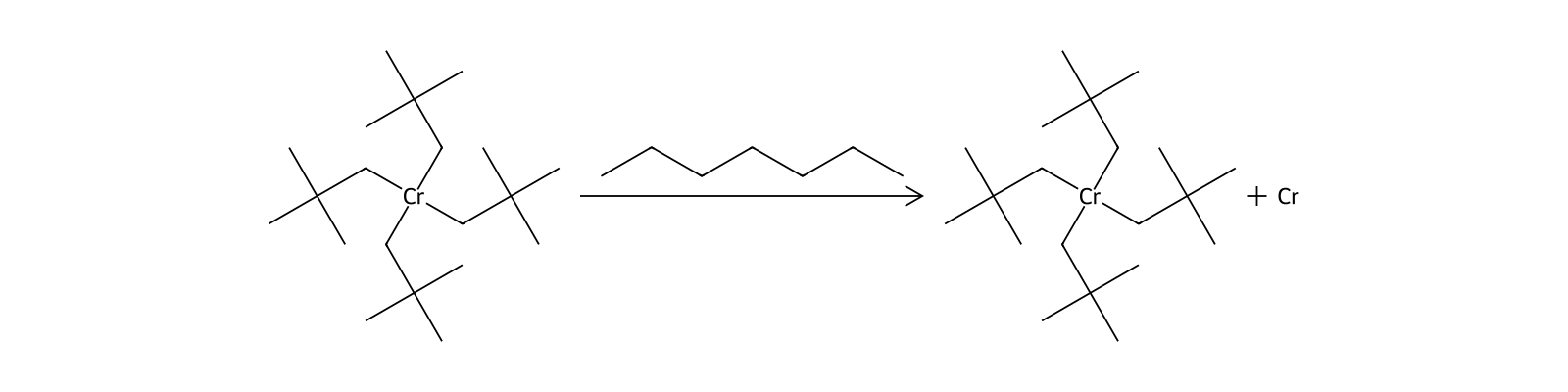
Zugehörige Reaktionen
78



Verknüpfte Notizen
Wird geladen…