Natriumthiosulfat
Sodium Thiosulfate
Daten werden ergänzt – lade die Seite später neu, um den aktuellen Stand zu sehen

Grundinformationen
- CAS
7772-98-7- Standard-SMILES
O=S([O-])([O-])=S.[Na+].[Na+]- InChIKey
AKHNMLFCWUSKQB-UHFFFAOYSA-L- Summenformel
- Na2O3S2
- Durchschnittliche Molmasse
- 158,11 g/mol
- Monoisotopische Masse
- 157,90842442
Überblick
Sodium thiosulfate is an inorganic sodium salt composed of sodium and thiosulfate ions in a 2:1 ratio. It has a role as a nephroprotective agent, an antifungal drug and an antidote to cyanide poisoning. It contains a thiosulfate(2-).
Namen und Bezeichner
- Bevorzugter Name
- Sodium Thiosulfate
- IUPAC
- disodium;dioxido-oxo-sulfanylidene-λ6-sulfane
- Lokaler Name
- Natriumthiosulfat
- Englischer Name
- Sodium thiosulfate
- Summenformel
- Na2O3S2
- Molmasse
- 158.11
Namen und Synonyme
SODIUM THIOSULFATE7772-98-7Sodium thiosulphateDisodium thiosulfateSodothiolHypoChlorine ControlChlorine CureSodium thiosulfate, anhydrousThiosulfuric acid, disodium saltSodium thiosulfate (Na2S2O3)Sodium thiosulphate (Na2S2O3)
Weitere Namen anzeigen
na2s2o3ThiosulfateSODIUM HYPOSULFITENa2O3S2Sodium ThiosulfiteSodium ThiosulfatSodium Hyposulfite AnhydrousAnhydrous sodium thiosulfate
Sodium oxide sulfide (Na2S2O3)L0IYT1O31NThiosulfuric acid (H2S2O3), disodium saltIns no.539Ins-539Sodium thiosulphate, anhydrousDTXSID9042417CHEBI:132112
Datenbank-Bezeichner
- CAS
7772-98-7- PubChem CID
- 24477
Eigenschaften
Berechnete StruktureigenschaftenWird ergänzt
- Polarare Oberfläche (TPSA)
- 104 Ų
- H-Brücken-Donoren
- 0
- H-Brücken-Akzeptoren
- 4
- Frei drehbare Bindungen
- 0
- Schwere Atome
- 7
- Formalladung
- 0
- Komplexität
- 82,6
Experimentelle und physikochemische Eigenschaften
Chemical ClassesOther Classes -> Sulfur Compounds
CosmeticsReducing
LogP-4.35 (calculated)
Density
1.667
1.7 g/cm³
Color/Form
POWDER
COLORLESS MONOCLINIC CRYSTALS
Solubility
PRACTICALLY INSOL IN ALCOHOL
50 G SOL IN 100 CC WATER; 231 G @ 100 °C
Solubility in water, g/100ml at 20 °C: 20.9
Human Drugs
FDA approved drugs -> Active ingredient
EMA approved medicines: Human medicine
FDA approved drugs -> Active ingredient
Antidotes and other substances used in poisonings > Specific
Animal DrugsPharmaceuticals -> UK Veterinary Medicines Directorate List
Decomposition
Sicherheit und Regulatorisches
Sicherheitsangaben dienen nur zur Orientierung und ersetzen weder das Sicherheitsdatenblatt (SDB) des Lieferanten noch geltende Vorschriften oder eine fachliche Bewertung.
GHS-Klassifizierung
GHS Classification
Not Classified
Aggregated GHS information provided per 2963 reports by companies from 8 notifications to the ECHA C&L Inventory.
Gefahrenhinweise
Regulatory Information
Chemical: Thiosulfuric acid (H2S2O3), disodium salt
Thiosulfuric acid (H2S2O3), sodium salt (1:2) is listed on the EPA's Chemical Data Reporting (CDR) system. Manufacturers and importers of Thiosulfuric acid (H2S2O3), sodium salt (1:2) are required to report information about their production and use of this chemical to the EPA under the Toxic Substances Control Act (TSCA). (40 eCFR Part 711)
Status: Active Update: 24-04-2023 https://echa.europa.eu/registration-dossier/-/registered-dossier/14321
Sodium thiosulphate: Does not have an individual approval but may be used under an appropriate group standard
Other Safety InformationIMAP assessments - Thiosulfuric acid (H2S2O3), disodium salt: Environment tier I assessment
Fire HazardsNot combustible. Gives off irritating or toxic fumes (or gases) in a fire. Risk of explosion on contact with oxidizing agents.
Hazards Summary
Potential combustible dust hazard; Decomposes slowly in water with potential generation of toxic and flammable hydrogen sulfide and corrosive hydrogen sulfite and sulfuric acid; Very soluble in water; Extremely low vapor pressure; May violently decomposes at 223 deg C; [CHEMINFO] ADI = 0-0.7 mg/kg; [JECFA] May be used in food up to 0.1%; [Hawley] See Potassium thiosulfate.
FDA Requirements121.101; LIMITATIONS: GRAS, SEQUESTRANT IN SALT UP TO 0.1%
Chemie und Industrie
Pharmakologische Informationen
ATC CodeV03AB06
Mechanism of Action
/ANTIFUNGAL ACTION OF SODIUM THIOSULFATE, USP,/...IS PROBABLY ATTRIBUTABLE TO SLOW RELEASE OF COLLOIDAL SULFUR.
IN CYANIDE POISONING, SODIUM NITRITE IS INJECTED IV...TO PRODUCE METHEMOGLOBIN WHICH COMBINES WITH...CYANIDE ION & RENDERS IT TEMPORARILY INACTIVE IN FORM OF CYANMETHEMOGLOBIN. SODIUM THIOSULFATE /USP/ IS THEN INJECTED IV TO FORM NONTOXIC THIOCYANATE.
THIOSULFATE SERVES AS SUBSTRATE FOR ENZYME RHODANESE, WHICH MEDIATES CONVERSION OF CYANIDE TO MUCH LESS TOXIC THIOCYANATE, WHICH IS EXCRETED IN URINE.
MeSH Pharmacological Classification
Agents counteracting or neutralizing the action of POISONS.
Naturally occurring or synthetic substances that inhibit or retard oxidation reactions. They counteract the damaging effects of oxidation in animal tissues.
Drugs used in the treatment of tuberculosis. They are divided into two main classes: first-line agents, those with the greatest efficacy and acceptable degrees of toxicity used successfully in the great majority of cases; and second-line drugs used in drug-resistant cases or those in which some other patient-related condition has compromised the effectiveness of primary therapy.
Chemicals that bind to and remove ions from solutions. Many chelating agents function through the formation of COORDINATION COMPLEXES with METALS.
Absorption, Distribution and ExcretionPOORLY ABSORBED FROM BOWEL. ... THIOSULFATE ION DISTRIBUTES ITSELF IN EXTRACELLULAR FLUID.
Verwendung und Herstellung
Uses
It is added in small quantities to ammonium thiosulfate, which is used as a photographic fixing salt. The hydrated salt is used as an anti-chlorine in bleaching, in wastewater purification, for reduction of dichromate in chromed leather production, and as a solvent for silver chloride in the chloride roasting of silver-containing minerals. [Ullmann] Used in paper bleaching, photography (fixer), silver extraction, dyeing textiles (mordant), and leather manufacturing; Also used as an antidote for cyanide poisoning and in vet medicine for bloat and ringworm; [Merck Index]
Zugehörige Reaktionen
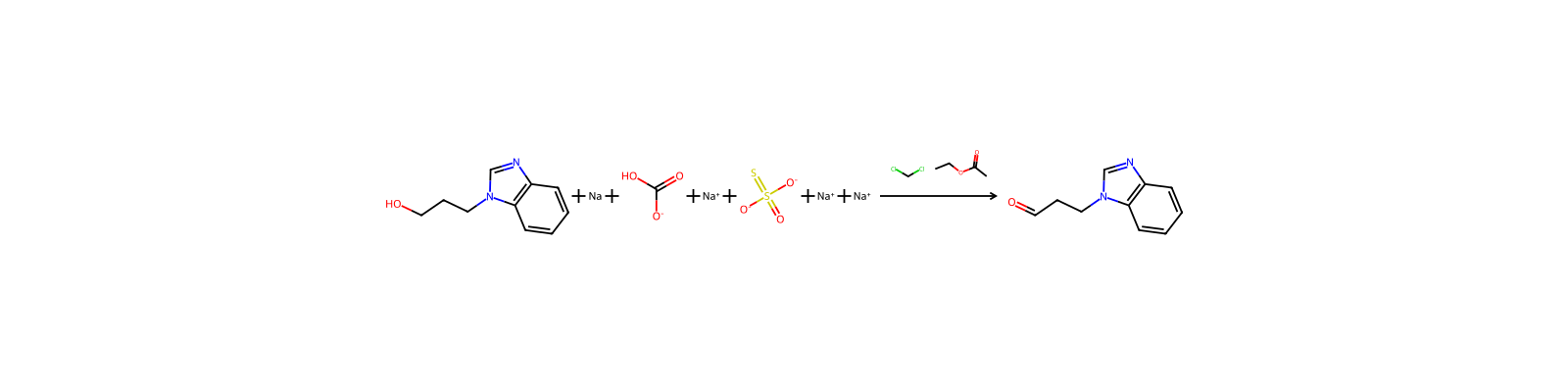
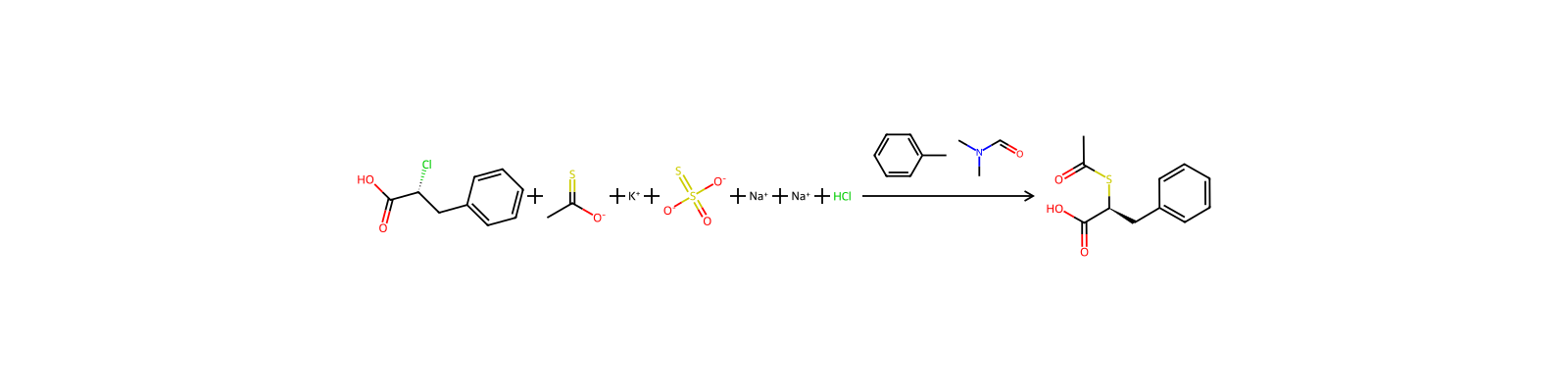
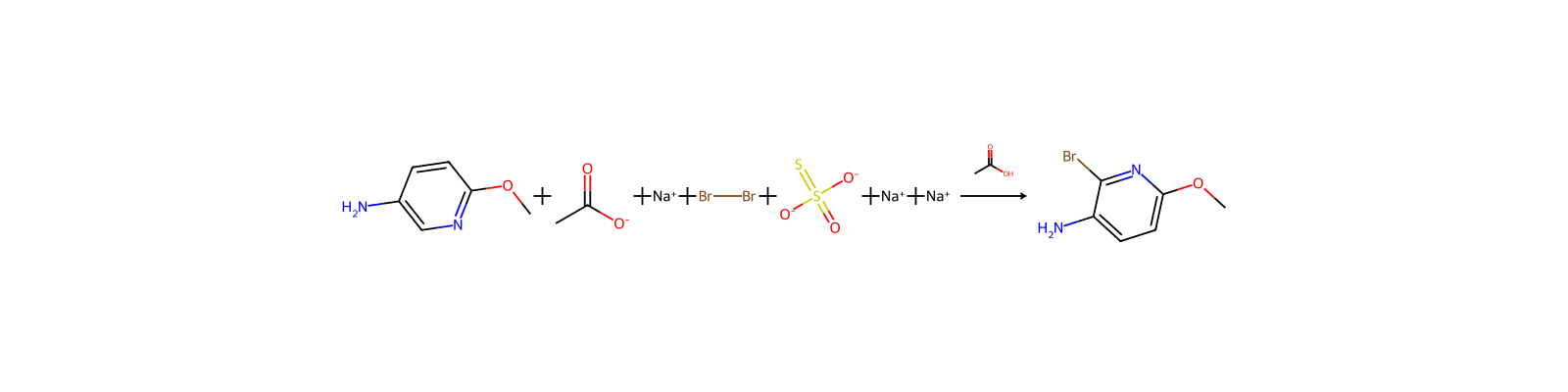
3.302





Notizen zur Verbindung
Wird geladen…