
Grundinformationen
- CAS
7789-61-9- Standard-SMILES
[Br][Sb]([Br])[Br]- InChIKey
RPJGYLSSECYURW-UHFFFAOYSA-K- Summenformel
- Br3Sb
- Durchschnittliche Molmasse
- 361,47 g/mol
- Monoisotopische Masse
- 357,658827
Überblick
Antimony tribromide is a yellow crystalline solid, which is sometimes shipped as a solution in hydrobromic acid. It is decomposed by water giving an antimony oxide and hydrobromic acid. It is corrosive to tissue. It is used to make other antimony compounds, in chemical analysis, and in dyeing.
Namen und Bezeichner
- Bevorzugter Name
- Antimony tribromide
- IUPAC
- tribromostibane
- Lokaler Name
- Antimontribromid
- Englischer Name
- Antimony tribromide
- Summenformel
- Br3Sb
- Molmasse
- 361.47
Namen und Synonyme
ANTIMONY TRIBROMIDEAntimony(III) BromidetribromostibaneTribromostibineAntimony bromideStibine, tribromo-Antimonous bromideAntimony bromide (SbBr3)NA1549HSDB 441EINECS 232-179-8UNII-6PM239QD86
Weitere Namen anzeigen
tribromo-stibintribromo-StibineAntimonousbromideAntimony(Ⅲ) BromideTribromoantimony(III)
6PM239QD86Antimony tribromide, solidANTIMONY TRIBROMIDE [MI]DTXSID6064870NA-1549Stibine, tribromoUN1549RefChem:113180
Datenbank-Bezeichner
- CAS
7789-61-9- PubChem CID
- 24615
- DTXSID
DTXSID6064870- UNII
- 6PM239QD86
- EC Number
- 232-179-8
Eigenschaften
Berechnete Struktureigenschaften
- Polarare Oberfläche (TPSA)
- 0 Ų
- H-Brücken-Donoren
- 0
- H-Brücken-Akzeptoren
- 0
- Frei drehbare Bindungen
- 0
- Schwere Atome
- 4
- Formalladung
- 0
- Komplexität
- 8
Experimentelle und physikochemische Eigenschaften
Chemical Classes
Metals -> Metalloid Compounds (Antimony)
Corrosives
Density
4.148 at 73.4 °F (USCG, 1999) - Denser than water; will sink
4.148 at 23 °C/23 °C
Color/Form
Yellow orthorhombic crystals
Orthorhombic, bipyramidal needles
Yellow crystalline mass
Yellow or white, deliquescent, crystalline mass becoming amber yellow when fused
Colorless, crystalline solid having a pyramidal dimorphic molecular structure.
Solubility
Reacts with water
Soluble in dilute hydrochloric acid, hydrobromic acid, carbon disulfide, acetone, benzene, chloroform
Soluble in acetone, benzene, chloroform
Soluble in ammonia
Boiling Point
536 °F at 760 mmHg (USCG, 1999)
288 °C
DecompositionDecomposed by light, water, alcohol.
Melting Point
205.88 °F (USCG, 1999)
97 °C
Vapor Pressure1 mm Hg at 93.9 °C
Refractive IndexIndex of refraction: 1.74
Heat of Vaporization53.2 kJ/mol at 560 °C
Physical Description
Antimony tribromide is a yellow crystalline solid, which is sometimes shipped as a solution in hydrobromic acid. It is decomposed by water giving an antimony oxide and hydrobromic acid. It is corrosive to tissue. It is used to make other antimony compounds, in chemical analysis, and in dyeing.
Yellow deliquescent solid; [Hawley] White powder; [MSDSonline]
Stability/Shelf LifeStable under recommended storage conditions.
Physikochemische Eigenschaften
- Schmelzpunkt
- 97 °C · 97 °C
- Siedepunkt
- 280 °C · 280 °C
- Dichte
- 4.15 g/mL · 4.15 g/mL at 25 °C(lit.)
- Dampfdruck
- 1 mm · 1 mm Hg ( 94 °C)
- Brechungsindex
- 1.74 · 1.74
- Flammpunkt
- 280 °C · 280°C
- Löslichkeit
- Soluble in dilute hydrochloric acid, hydrobromic acid, carbon disulfide, alcohol, acetone, ammonia, benzene, chloroform.
- Aggregatzustand
- Powder
- Wichte
- 4.15 · 4.15
- Farbe
- White
- Wasserlöslichkeit
- 2 O; · decomposed by H2O; soluble dilute HCl, HBr [HAW93] [MER06]
- Spezifische Wärmekapazität
- 0.22 J/ · Cp(gas): 0.22 J/(g·K), at 25℃
- Merck
- 14 · 14,706
- Dielectric constant
- 20.9 · 20.899999999999999
- CAS Datenbank
- 7789 · 7789-61-9(CAS DataBase Reference)
- EPA chemische Informationen
- Antimony tribromide (7789-61-9)
Sicherheit und Regulatorisches
GHS-Klassifizierung
GHS Classification
Warning
H302 (100%): Harmful if swallowed [Warning Acute toxicity, oral]
P261, P264, P270, P271, P273, P301+P317, P304+P340, P317, P330, P391, and P501 (click each P-code to see the statement)
Aggregated GHS information provided per 46 reports by companies from 4 notifications to the ECHA C&L Inventory. Each notification may be associated with multiple companies.
Warning
H302: Harmful if swallowed [Warning Acute toxicity, oral]
Gefahrenhinweise
Regulatory InformationThe New Jersey Worker and Community Right to Know Act requires public and private employers to provide information about hazardous substances at their workplaces. (N.J.S.A. 34:5A-1 et. seq.)
DOT LabelPoison
Fire HazardsExcerpt from ERG Guide 157 [Substances - Toxic and/or Corrosive (Non-Combustible / Water-Sensitive)]:
Health Hazards
INHALATION: Inflammation of mucous membranes of nose and throat. SKIN: Irritation and eczematous eruption. INGESTION: Gastro intestinal upset, vomiting, diarrhea. Nervous complaints such as irritability, sleeplessness, fatigue, muscular and neurologic pain. (USCG, 1999)
Hazards Summary
A corrosive substance that can cause injury to the skin, eyes, and respiratory tract; Can cause pulmonary edema; [HSDB] A corrosive substance that can cause injury to the skin, eyes, and respiratory tract; [MSDSonline] See Antimony and linked occupational diseases.
Reactive GroupAcids, Strong Non-oxidizing
Reactivity AlertsWater-Reactive
OSHA StandardsPermissible Exposure Limit: Table Z-1 8-Hour Time Weighted Avg: 0.5 mg/cu m. /Antimony and compounds (as Sb)/
Reactivity ProfileANTIMONY TRIBROMIDE is a strong oxidizing agent, and it is slowly hydrolyzed to generate hydrobromic acid and antimony oxides.
Atmospheric Standards
Listed as a hazardous air pollutant (HAP) generally known or suspected to cause serious health problems. The Clean Air Act, as amended in 1990, directs EPA to set standards requiring major sources to sharply reduce routine emissions of toxic pollutants. EPA is required to establish and phase in specific performance based standards for all air emission sources that emit one or more of the listed pollutants. Antimony compounds are included on this list. /Antimony Componds/
DOT Emergency Guidelines
/GUIDE 157 SUBSTANCES - TOXIC and/or CORROSIVE (Non-Combustible/Water-Sensitive)/ Fire or Explosion: Non-combustible, substance itself does not burn but may decompose upon heating to produce corrosive and/or toxic fumes. For UN1796, UN1826, UN2031 at high concentrations and for UN2032, these may act as oxidizers, also consult GUIDE 140. Vapors may accumulate in confined areas (basement, tanks, hopper/tank cars, etc.). Substance may react with water (some violently), releasing corrosive and/or toxic gases and runoff. Contact with metals may evolve flammable hydrogen gas. Containers may explode when heated or if contaminated with water. /Antimony compound, inorganic, solid, n.o.s.; Antimony compound, inorganic, liquid, n.o.s./
/GUIDE 157 SUBSTANCES - TOXIC and/or CORROSIVE (Non-Combustible/Water-Sensitive)/ Health: TOXIC; inhalation, ingestion or contact (skin, eyes) with vapors, dusts or substance may cause severe injury, burns or death. Reaction with water or moist air may release toxic, corrosive or flammable gases. Reaction with water may generate much heat that will increase the concentration of fumes in the air. Fire will produce irritating, corrosive and/or toxic gases. Runoff from fire control or dilution water may be corrosive and/or toxic and cause pollution. /Antimony compound, inorganic, solid, n.o.s.; Antimony compound, inorganic, liquid, n.o.s./
/GUIDE 157 SUBSTANCES - TOXIC and/or CORROSIVE (Non-Combustible/Water-Sensitive)/ Public Safety: CALL Emergency Response Telephone Number on Shipping Paper first. If Shipping Paper not available or no answer, refer to appropriate telephone number listed on the inside back cover. As an immediate precautionary measure, isolate spill or leak area in all directions for at least 50 meters (150 feet) for liquids and at least 25 meters (75 feet) for solids. Keep unauthorized personnel away. Stay upwind, uphill and/or upstream. Ventilate enclosed areas. /Antimony compound, inorganic, solid, n.o.s.; Antimony compound, inorganic, liquid, n.o.s./
/GUIDE 157 SUBSTANCES - TOXIC and/or CORROSIVE (Non-Combustible/Water-Sensitive)/ Protective Clothing: Wear positive pressure self-contained breathing apparatus (SCBA). Wear chemical protective clothing that is specifically recommended by the manufacturer. It may provide little or no thermal protection. Structural firefighters' protective clothing provides limited protection in fire situations ONLY; it is not effective in spill situations where direct contact with the substance is possible. /Antimony compound, inorganic, solid, n.o.s.; Antimony compound, inorganic, liquid, n.o.s./
For more DOT Emergency Guidelines (Complete) data for Antimony tribromide (8 total), please visit the HSDB record page.
Air and Water ReactionsWater slowly hydrolyzes antimony tribromide to form antimony (III) oxide and hydrobromic acid. The dry powdered oxide ignites on heating in air [Mellor Vol. 9 425 1939].
Sicherheit und Schutzausrüstung
Fire FightingExcerpt from ERG Guide 157 [Substances - Toxic and/or Corrosive (Non-Combustible / Water-Sensitive)]:
First AidCall a physician.
Fire Fighting ProceduresSuitable extinguishing media: Use water spray, alcohol-resistant foam, dry chemical or carbon dioxide. Advice for firefighters: Wear self-contained breathing apparatus for firefighting if necessary.
Storage ConditionsKeep container tightly closed in a dry and well-ventilated place. Light sensitive. Heat sensitive. Storage class (TRGS 510): Non Combustible Solids.
Cleanup Methods
ACCIDENTAL RELEASE MEASURES; Personal precautions, protective equipment and emergency procedures: Use personal protective equipment. Avoid dust formation. Avoid breathing vapours, mist or gas. Ensure adequate ventilation. Avoid breathing dust. Environmental precautions: Prevent further leakage or spillage if safe to do so. Do not let product enter drains. Discharge into the environment must be avoided. Methods and materials for containment and cleaning up: Pick up and arrange disposal without creating dust. Sweep up and shovel. Keep in suitable, closed containers for disposal.
Nonfire Spill ResponseExcerpt from ERG Guide 157 [Substances - Toxic and/or Corrosive (Non-Combustible / Water-Sensitive)]:
Disposal Methods
SRP: Recycle any unused portion of the material for its approved use or return it to the manufacturer or supplier. Ultimate disposal of the chemical must consider: the material's impact on air quality; potential migration in air, soil or water; effects on animal, aquatic and plant life; and conformance with environmental and public health regulations. If it is possible or reasonable use an alternative chemical product with less inherent propensity for occupational harm/injury/toxicity or environmental contamination.
After the material has been contained, remove it, and the contaminated soil and place in impervious containers. If practical, transport material back to the supplier, or chemical company to recover the heavy-metal content and deactivate. If this is not practical, or facilities not available, the material should be encapsulated and buried in a specially designated chemical landfill. Material is not acceptable at sewage treatment plants.
Product Offer surplus and non-recyclable solutions to a licensed disposal company. Contact a licensed professional waste disposal service to dispose of this material. Contaminated packaging Dispose of as unused product.
Preventive Measures
SRP: The scientific literature for the use of contact lenses by industrial workers is inconsistent. The benefits or detrimental effects of wearing contact lenses depend not only upon the substance, but also on factors including the form of the substance, characteristics and duration of the exposure, the uses of other eye protection equipment, and the hygiene of the lenses. However, there may be individual substances whose irritating or corrosive properties are such that the wearing of contact lenses would be harmful to the eye. In those specific cases, contact lenses should not be worn. In any event, the usual eye protection equipment should be worn even when contact lenses are in place.
SRP: Local exhaust ventilation should be applied wherever there is an incidence of point source emissions or dispersion of regulated contaminants in the work area. Ventilation control of the contaminant as close to its point of generation is both the most economical and safest method to minimize personnel exposure to airborne contaminants. Ensure that the local ventilation moves the contaminant away from the worker.
Gloves must be inspected prior to use. Use proper glove removal technique (without touching glove's outer surface) to avoid skin contact with this product. Dispose of contaminated gloves after use in accordance with applicable laws and good laboratory practices. Wash and dry hands.
Handle in accordance with good industrial hygiene and safety practice. Wash hands before breaks and at the end of workday.
For more Preventive Measures (Complete) data for Antimony tribromide (9 total), please visit the HSDB record page.
Isolation and EvacuationExcerpt from ERG Guide 157 [Substances - Toxic and/or Corrosive (Non-Combustible / Water-Sensitive)]:
Threshold Limit Values (TLV)
0.5 [mg/m3], as Sb
8 hr Time Weighted Avg (TWA): 0.5 mg/cu m. /Antimony and compounds, as Sb/
Peak Exposure Recommendation: Transient increases in workers' exposure levels may exceed 3 times the value of the TLV-TWA level for no more than 15 minutes at a time, on no more than 4 occasions spaced 1 hour apart during a workday, and under no circumstances should they exceed 5 times the value of the TLV-TWA level. In addition, the 8-hour TWA is not to be exceeded for an 8-hour work period. /Antimony and compounds, as Sb/
Permissible Exposure Limit (PEL)0.5 [mg/m3], as Sb
Personal Protective Equipment (PPE)
Gloves, dustproof clothing, goggles, and, where atmospheric exposure is high, respirators should be used. (USCG, 1999)
Eye/face protection: Safety glasses with side-shields conforming to EN166. Use equipment for eye protection tested and approved under appropriate government standards such as NIOSH (US) or EN 166(EU).
Skin protection: Handle with gloves.
Body Protection: Complete suit protecting against chemicals. The type of protective equipment must be selected according to the concentration and amount of the dangerous substance at the specific workplace.
Respiratory protection: For nuisance exposures use type P95 (US) or type P1 (EU EN 143) particle respirator. For higher level protection use type OV/AG/P99 (US) or type ABEK-P2 (EU EN 143) respirator cartridges. Use respirators and components tested and approved under appropriate government standards such as NIOSH (US) or CEN (EU).
For more Personal Protective Equipment (PPE) (Complete) data for Antimony tribromide (12 total), please visit the HSDB record page.
Toxikologische Informationen
Treatment
EYES: irrigate opened eyes for several minutes under running water. INGESTION: do not induce vomiting. Rinse mouth with water (never give anything by mouth to an unconscious person). Seek immediate medical advice. SKIN: should be treated immediately by rinsing the affected parts in cold running water for at least 15 minutes, followed by thorough washing with soap and water. If necessary, the person should shower and change contaminated clothing and shoes, and then must seek medical attention. INHALATION: supply fresh air. If required provide artificial respiration.
Health Effects
Bromine vapour causes irritation and direct damage to the mucous membranes. Elemental bromine also burns the skin. The bromide ion is a central nervous system depressant and chronic exposure produces neuronal effects. This is called bromism and can result in central reactions reaching from somnolence to coma, cachexia, exicosis, loss of reflexes or pathologic reflexes, clonic seizures, tremor, ataxia, loss of neural sensitivity, paresis, papillar edema of the eyes, abnormal speech, cerebral edema, delirium, aggressiveness, and psychoses. Dermal exposure to antimony can cause antimony spots (papules and pustules around sweat and sebaceous glands). Antimony poisoning can also lead to pneumoconiosis. Alterations in pulmonary function and other effects including chronic bronchitis, chronic emphysema, inactive tuberculosis, pleural adhesions, and irritation can result from inhalation of antimony. Increased blood pressure can also result from antimony poisoning. Myocardial depression, vasodilation and fluid loss may cause shock with hypotension, electrolyte disturbances and acute renal failure. Cerebral oedema, coma, convulsions, and death are possible. (L741, L625, L626, L627)
Adverse EffectsOccupational hepatotoxin - Secondary hepatotoxins: the potential for toxic effect in the occupational setting is based on cases of poisoning by human ingestion or animal experimentation.
Exposure RoutesOral (L626) ; inhalation (L626) ; dermal (L626)
Toxicity Summary
IDENTIFICATION AND USE: Antimony tribromide is a yellow or colorless solid. It is used in analytical chemistry, as a mordant, in manufacture of antimony salts. HUMAN STUDIES: Inhalation causes coughing, choking, and variable symptoms of headache, dizziness, and weakness followed by pulmonary edema, difficult breathing, cyanosis, and bloody sputum. Skin contact causes severe burns. Burns heal slowly with scar formation. May produce anemia and bloody urine. ANIMAL STUDIES: Chronic inhalation of subtoxic doses of antimony salts causes interstitial pneumonitis, intraalveolar lipoid deposits, and liver and cardiac damage.
Bromine is a powerful oxidizing agent and is able to release oxygen free radicals from the water in mucous membranes. These free radicals are also potent oxidizers and produce tissue damage. In addition, the formation of hydrobromic and bromic acids will result in secondary irritation. The bromide ion is also known to affect the central nervous system, causing bromism. This is believed to be a result of bromide ions substituting for chloride ions in the in actions of neurotransmitters and transport systems, thus affecting numerous synaptic processes. The inhalation data suggest that the myocardium is a target of antimony toxicity. It is possible that antimony affects circulating glucose by interfering with enzymes of the glycogenolysis and gluconeogenesis pathways. The mechanism of action of antimony remains unclear. However, some studies suggest that antimony combines with sulfhydryl groups including those in several enzymes important for tissue respiration. The antidotal action of BAL depends on its ability to prevent or break the union between antimony and vital enzymes. Moreover, the The cause of death is believed to be essentially the same as that in acute arsenic poisoning. (T18, L741, A238, L626, L627, A543)
Signs and Symptoms
Bromine vapour causes irritation and direct damage to the mucous membranes. Symptoms include lacrimation, rhinorrhoea, eye irritation with mucous secretions from the oropharyngeal and upper airways, coughing, dyspnoea, choking, wheezing, epistaxis, and headache. The bromide ion is a central nervous system depressant producing ataxia, slurred speech, tremor, nausea, vomiting, lethargy, dizziness, visual disturbances, unsteadiness, headaches, impaired memory and concentration, disorientation and hallucinations. This is called bromism. Abdominal pain, vomiting, diarrhea can result from inhalation of antimony. Dyspnea, headache, vomiting,cough, conjunctivitis, and bloody purulent discharge from nose can result from inhalation exposure. Skin or eye contact can cause pain and redness of the exposed surface. (T64, L741, L626, L627)
Human Toxicity Excerpts
/SIGNS AND SYMPTOMS/ Inhalation causes coughing, choking, and variable symptoms of headache, dizziness, and weakness followed by pulmonary edema, difficult breathing, cyanosis, and bloody sputum. Skin contact causes severe burns. Burns heal slowly with scar formation. May produce anemia and bloody urine.
Carcinogen ClassificationNo indication of carcinogenicity (not listed by IARC). (L135)
Antidote and Emergency Treatment
Call for medical aid. ... Move to fresh air. If swallowed and victim is conscious, have victim drink water or milk. Flush affected areas with plenty of water.
Immediate first aid: Ensure that adequate decontamination has been carried out. If patient is not breathing, start artificial respiration, preferably with a demand-valve resuscitator, bag-valve-mask device, or pocket mask, as trained. Perform CPR as necessary. Immediately flush contaminated eyes with gently flowing water. Do not induce vomiting. If vomiting occurs, lean patient forward or place on left side (head-down position, if possible) to maintain an open airway and prevent aspiration. Keep patient quiet and maintain normal body temperature. Obtain medical attention. /Bromine, methyl bromide, and related compounds/
Basic treatment: Establish a patent airway (oropharyngeal or nasopharyngeal airway, if needed). Suction if necessary. Watch for signs of respiratory insufficiency and assist ventilations if necessary. Administer oxygen by nonrebreather mask at 10 to 15 L/min. Monitor for pulmonary edema and treat if necessary ... . Monitor for shock and treat if necessary ... . Anticipate seizures and treat if necessary ... . For eye contamination, flush eyes immediately with water. Irrigate each eye continuously with 0.9% saline (NS) during transport ... . Do not use emetics. For ingestion, rinse mouth and administer 5 mL/kg up to 200 mL of water for dilution if the patient can swallow, has a strong gag reflex, and does not drool. Administer activated charcoal ... . Cover skin burns with dry sterile dressings after decontamination ... . /Bromine, methyl bromide, and related compounds/
Advanced treatment: Consider orotracheal or nasotracheal intubation for airway control in the patient who is unconscious, has severe pulmonary edema, or is in severe respiratory distress. Positive-pressure ventilation techniques with a bag valve mask device may be beneficial. Consider drug therapy for pulmonary edema ... . Consider administering a beta agonist such as albuterol for severe bronchospasm ... . Monitor cardiac rhythm and treat arrhythmias if necessary ... . Start IV administration of D5W /SRP: "To keep open", minimal flow rate/. Use 0.9% saline (NS) or lactated Ringer's (LR) if signs of hypovolemia are present. For hypotension with signs of hypovolemia, administer fluid cautiously. Consider vasopressors if patient is hypotensive with a normal fluid volume. Watch for signs of fluid overload ... . Treat seizures with diazepam or lorazepam ... . Use proparacaine hydrochloride to assist eye irrigation ... . /Bromine, methyl bromide, and related compounds/
Regulatorische Informationen
Atmospheric Standards
Listed as a hazardous air pollutant (HAP) generally known or suspected to cause serious health problems. The Clean Air Act, as amended in 1990, directs EPA to set standards requiring major sources to sharply reduce routine emissions of toxic pollutants. EPA is required to establish and phase in specific performance based standards for all air emission sources that emit one or more of the listed pollutants. Antimony compounds are included on this list. /Antimony Componds/
CERCLA Reportable Quantities
Persons in charge of vessels or facilities are required to notify the National Response Center (NRC) immediately, when there is a release of this designated hazardous substance, in an amount equal to or greater than its reportable quantity of 1000 lb or 454 kg. The toll free number of the NRC is (800) 424-8802. The rule for determining when notification is required is stated in 40 CFR 302.4 (section IV. D.3.b).
Clean Water Act Requirements
Antimony tribromide is designated as a hazardous substance under section 311(b)(2)(A) of the Federal Water Pollution Control Act and further regulated by the Clean Water Act Amendments of 1977 and 1978. These regulations apply to discharges of this substance. This designation includes any isomers and hydrates, as well as any solutions and mixtures containing this substance.
Toxic pollutant designated pursuant to section 307(a)(1) of the Federal Water Pollution Control Act and is subject to effluent limitations. /Antimony and compounds/
Sicherheitsdaten
- wgk
- 2
- tsca
- TSCA listed
- ridadr
- UN 3260 8/PG 2
- hs_code
- 2827590000
- RTECS-Nr.
- CC4400000
- risk_code
- 20/22-51/53
- hazard_code
- Xn,N
- safety_code
- 61
- hazard_class
- 8
- packing_group
- II
- Giftige Stoffe Daten
- 7789-61-9(Hazardous Substances Data)
Chemie und Industrie
Pharmakologische Informationen
Metabolism/Metabolites
Bromine is mainly absorbed via inhalation, but may also enter the body through dermal contact. Bromine salts can be ingested. Due to its reactivity, bromine quickly forms bromide and may be deposited in the tissues, displacing other halogens. Antimony is widely distributed throughout the body. The hair and skin contain the highest levels of antimony. The adrenal glands, lung, large intestine, trachea, cerebellum, and kidneys also contain relatively high levels of antimony. Blood is the main vehicle for the transport of absorbed antimony to various tissue compartments of the body. Antimony is a metal and, therefore, does not undergo catabolism. Antimony can covalently interact with sulfhydryl groups and phosphate, as well as numerous reversible binding interactions with endogenous ligands (e.g., proteins). It is not known if these interactions are toxicologically significant. Antimony is excreted via the urine and feces. Some of the fecal antimony may represent unabsorbed antimony that is cleared from the lung via mucociliary action into the esophagus to the gastrointestinal tract. (L741, L626)
Verwendung und Herstellung
Uses
Used as a reagent, mordant, and to make antimony salts; [Hawley]
Textiles (Printing, Dyeing, or Finishing) [Category: Industry]
Analytical chemistry, mordant, manufacturing antimony salts.
Antimony tribromide can be added to polymers such as polyethylene as a fire retardant. (L641)
Methods of ManufacturingBest prepared from the elements.
General Manufacturing Information
Stibine, tribromo-: ACTIVE
Antimony can be trivalent or pentavalent in compounds. Both exist in antimony(IV) oxide, Sb2O4, and presumably in the deep violet haloantimonates (IV), such as Cs2(SbCl6). The pentavalent compounds, as well as most of the trivalent ones, are hydrolyzed by water to form antimony salts, e.g., SbOCl, and hydrated oxides. The only halides of antimony that have any industrial significance are the chlorides and fluorides. /Antimony compounds/
Anwendungen
VerwendenAnalytical chemistry, mordant, manufacturing antimony salts.
Anbieter36 Anbieter
河北展药生物科技有限公司15369953316 +8615369953316 · [email protected]
上海迈瑞尔生化科技有限公司4006356688 18621169109 · [email protected]
阿法埃莎(中国)化学有限公司400-6106006 · [email protected]
安耐吉化学&3A(安徽泽升科技股份有限公司)400-0056266 · [email protected]
上海瀚鸿科技股份有限公司021-54306202 13764082696 · [email protected]
常州市华阳科技有限公司+8615250961469 · [email protected]
艾科试剂4008-755-333 18080918076 · [email protected]
北京京土恒盛化工科技有限公司00-13911456598 13911456598 · [email protected]
成都零六生物科技有限公司400-1166-196 13458535857 · [email protected]
上海麦克林生化科技股份有限公司15221275939 15221275939 · [email protected]
上海阿拉丁生化科技股份有限公司6206333 13167063860 · [email protected]
上海巍涛化工有限公司02150630626 17717886015 · [email protected]
广州市金华大化学试剂有限公司020-84383047 · [email protected]
陕西缔都医药化工有限公司029-81154043 17391733319 · [email protected]
Shanghai Acmec Biochemical Technology Co., Ltd.+86-18621343501 · [email protected]
Shaanxi Didu New Materials Co. Ltd+86-86-17392712779 +86-13289823923 · [email protected]
江苏艾康生物医药研发有限公司025-58851090 13913916777 · [email protected]
上海易恩化学技术有限公司400-400-1332688 18019345275 · [email protected]
上海出澄贸易有限公司021-5983532 15201998618 · [email protected]
厦门盈融达化工有限公司+86-0592-6210733 · [email protected]
艾览(上海)化工科技有限公司400-668-9898 · [email protected]
上海吉至生化科技有限公司021-4009004166/18616739031 18616739031 · [email protected]
career henan chemical co+86-0371-86658258 · [email protected]
北京迈瑞达科技有限公司010-82387566 · [email protected]
深圳聚合生化科技有限公司+86-400-002-6226 · [email protected]
湖南秉航新材料有限公司0731-85567275 19313119732 · [email protected]
Aladdin Scientific[email protected]
爆牛贸易重庆有限公司+86-023-6139-8061 +86-86-13650506873 · [email protected]
XIAMEN AMITY INDUSTRY AND TRADE CO., LTD.+8618950047208 · [email protected]
SHANGHAI KEAN TECHNOLOGY CO., LTD.+8613817748580 · [email protected]
重庆卡兰医药有限公司[email protected]
山东众泰合化工有限公司13223931914 13864082898 · [email protected]
DAYANG CHEM (HANGZHOU) CO.,LTD+86-88938639 +86-17705817739 · [email protected]
杭州药睿易成生物医药有限公司18072846723 · [email protected]
上海凡坦希生化科技有限公司19251267229 · [email protected]
亚索试剂400-873-6778 18660992876 · [email protected]
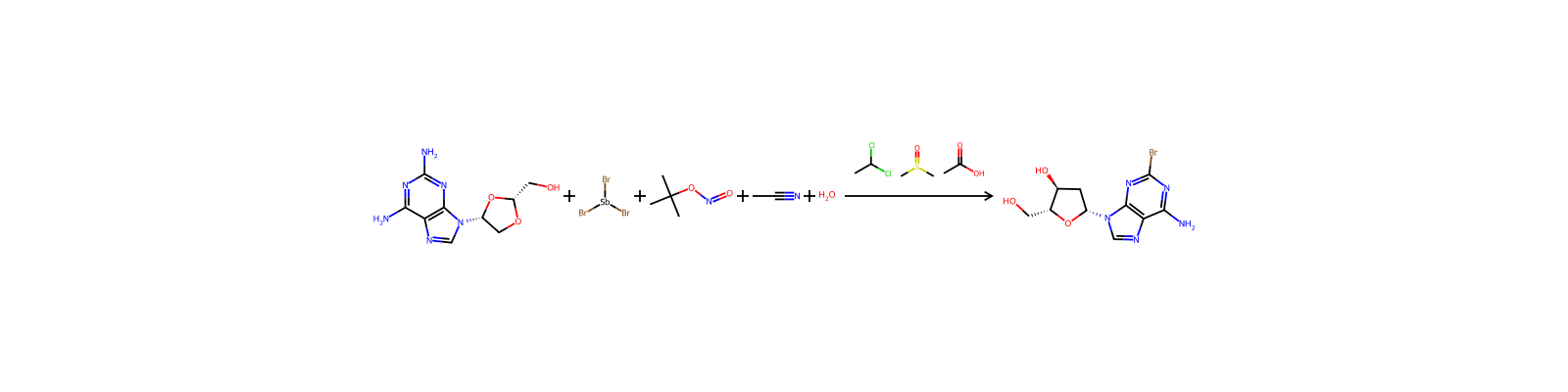
Zugehörige Reaktionen
2

Notizen zur Verbindung
Wird geladen…