Sulfuryl chloride
Daten werden ergänzt – lade die Seite später neu, um den aktuellen Stand zu sehen
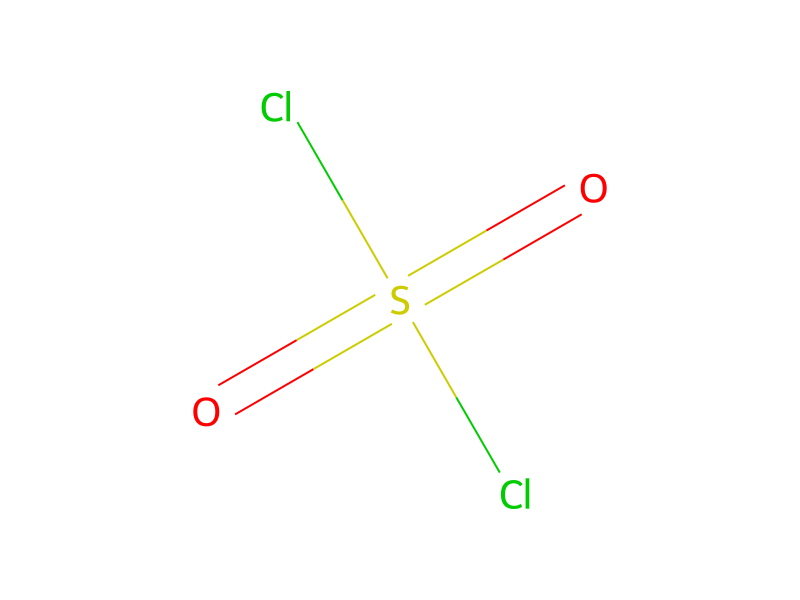
7791-25-5O=S(=O)(Cl)ClYBBRCQOCSYXUOC-UHFFFAOYSA-NSulfuryl chloride appears as a colorless fuming liquid with a pungent odor. Very toxic by inhalation. Corrosive to metals and tissue.
7791-25-5DTXSID6029707CHEMBL3186735CHEBI:29291Toxic Gases & Vapors -> Acid Halides
Corrosives
1.67 at 68 °F (USCG, 1999) - Denser than water; will sink
1.6674 at 20 °C/4 °C
Relative density (water = 1): 1.67
1.6674 @25 °C
Miscible with benzene, toluene, ether, glacial acetic acid, and other org solvents
Solubility in water: reaction
156.4 °F at 760 mmHg (USCG, 1999)
69.3 °C
69.1 °C
69.1 °C @760 [mm Hg]
Sicherheitsangaben dienen nur zur Orientierung und ersetzen weder das Sicherheitsdatenblatt (SDB) des Lieferanten noch geltende Vorschriften oder eine fachliche Bewertung.
Danger
H314: Causes severe skin burns and eye damage [Danger Skin corrosion/irritation]
P260, P261, P264, P271, P280, P301+P330+P331, P302+P361+P354, P304+P340, P305+P354+P338, P316, P319, P321, P363, P403+P233, P405, and P501 (click each P-code to see the statement)
Danger
H314 (100%): Causes severe skin burns and eye damage [Danger Skin corrosion/irritation]
P260, P261, P264, P264+P265, P271, P280, P284, P301+P330+P331, P302+P361+P354, P304+P340, P305+P354+P338, P316, P317, P319, P320, P321, P363, P403+P233, P405, and P501 (click each P-code to see the statement)
Chemical: Sulfuryl chloride
Sulfuryl chloride is listed on the EPA's Chemical Data Reporting (CDR) system. Manufacturers and importers of Sulfuryl chloride are required to report information about their production and use of this chemical to the EPA under the Toxic Substances Control Act (TSCA). (40 eCFR Part 711)
Status: Active Update: 17-12-2021 https://echa.europa.eu/registration-dossier/-/registered-dossier/1973
Sulphuryl chloride: Does not have an individual approval but may be used under an appropriate group standard
The New Jersey Worker and Community Right to Know Act requires public and private employers to provide information about hazardous substances at their workplaces. (N.J.S.A. 34:5A-1 et. seq.)
Behavior in Fire: Toxic and irritating gases are generated. (USCG, 1999)
· EXCEPT FOR ACETIC ANHYDRIDE (UN1715), THAT IS FLAMMABLE, some of these materials may burn, but none ignite readily.
Used as a chemical intermediate and to make shrink-resistant wool; [HSDB] A basic chemical used to make intermediates for various industries and in hermetically sealed high power batteries with specialized applications; [Reference #1]
Battery Manufacturing [Category: Industry]
Treating wool to prevent shrinking
Pharmaceuticals, dyestuffs, rubber-phase plastics, rayon, solvent and catalyst
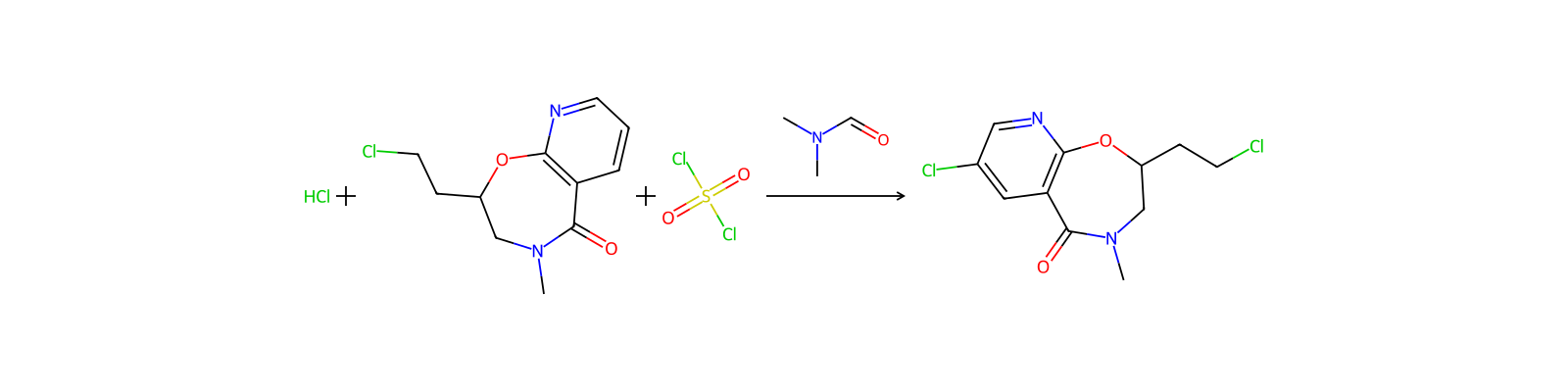
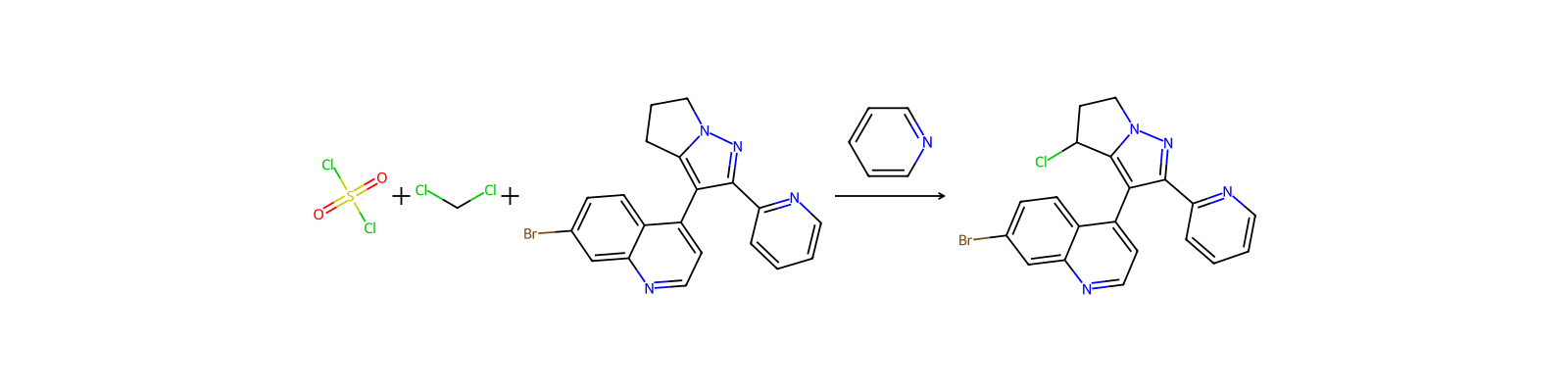
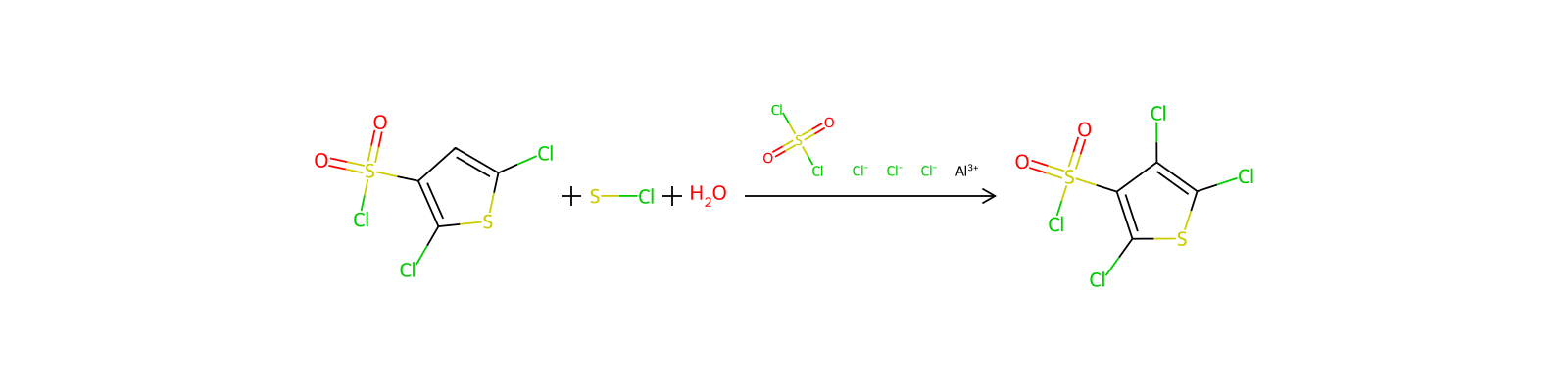
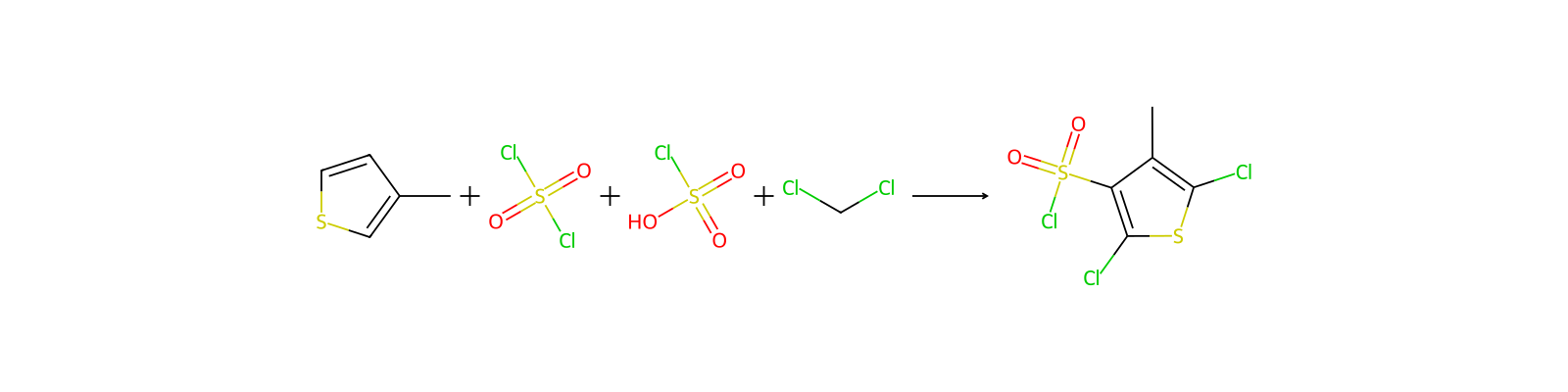
Chlorinating and sulfonating or chlorosulfonating agent in organic synthesis, e.g., in the manufacture of chlorophenol and chlorothymol. Has been used in was gas formulations
Uses of sulfuryl chloride include the manufacture of chlorophenols, eg chlorothymol for use as disinfectants. It is also used in the manufacture of alpha-chlorinated acetoacetic derivatives ... which are precursors for important substituted imidazole drugs, phosphate insecticides, and fungicides. ...
2023: 75,000,000 - <150,000,000 lb
(1977) AT LEAST 2.31X10+10 G
Production volumes for non-confidential chemicals reported under the Inventory Update Rule. [Table#2249]
... Obtained by heating chlorsulfonic acid, with mercuric sulfate, antimony or tin as catalyst.
Reaction of sulfur dioxide and chlorine in the presence of either activated carbon or camphor
Pesticide, Fertilizer, and Other Agricultural Chemical Manufacturing
Sulfuryl chloride: ACTIVE
Wird geladen…
When heated to decomposition it emits highly toxic fumes of /hydrogen chloride and sulfur oxides/.
... if involved in a fire /sulfuryl chloride/ decomposes to produce chlorine, hydrogen chloride, oxides of sulfur, and other irritants.
-54.1 °C
-54.1 °C
4.6 (Air = 1)
Relative vapor density (air = 1): 4.65
140.0 [mmHg]
Vapor pressure = 100 mm Hg at 17.8 °C
Vapor pressures. [Table#2248]
Vapor pressure, kPa at 20 °C: 14.8
100 [mm Hg] @17.8 °C
Not combustible.
Vapors cause severe irritation of eyes and respiratory system. Liquid burns eyes and skin. If ingested, can cause severe burns of mouth and stomach. (USCG, 1999)
· CORROSIVE and/or TOXIC; inhalation, ingestion or contact (skin, eyes) with vapors, dusts or substance may cause severe injury, burns or death.
Corrosive to skin; [Quick CPC] High inhalation exposure may induce pneumonitis and pulmonary edema; [ICSC] Sulfuryl chloride release HCl when spilled in water; [ERG 2016] Even the vapors are corrosive to human skin and mucous membranes. Slowly decomposed by water producing sulfuric and hydrochloric acids; [Merck Index] Reacts violently with water and is slowly hydrolyzed by moist air producing chlorosulfonic, sulfuric, and hydrochloric acids; Reports of delayed onset pulmonary edema in humans following inhalation exposure; [Reference #1] A lachrymator; [CHEMINFO]
BG Chemie; Toxikological Bewertung. Sulfurylchlorid Nr. 179 (CAS Nr. 7791-25-5). ISSN 0937-4248. p. 14 (June 2000) is a review of the toxicological literature sponsored by BG Chemie. Copies in German or English are available upon request from the company or from a search of the company website (www.bgchemie.de).
European Chemicals Bureau; IUCLID Dataset, Sulfuryl Chloride (CAS # 7791-25-5) contains a review of information on toxicology and use patters submitted to the European Union by industry as of 2000.
Excerpt from ERG Guide 137 [Substances - Water-Reactive - Corrosive]:
In case of fire in the surroundings, use appropriate extinguishing media. NO water. In case of fire: keep drums, etc., cool by spraying with water. NO direct contact with water.
Fresh air, rest. Half-upright position. Artificial respiration may be needed. Refer for medical attention.
Remove contaminated clothes. Rinse skin with plenty of water or shower. Refer for medical attention .
First rinse with plenty of water for several minutes (remove contact lenses if easily possible), then refer for medical attention.
Rinse mouth. Do NOT induce vomiting.
· CALL 911. Then call emergency response telephone number on shipping paper. If shipping paper not available or no answer, refer to appropriate telephone number listed on the inside back cover.
· Do not touch damaged containers or spilled material unless wearing appropriate protective clothing.
Call a doctor.
General First Aid:
· Wear positive pressure self-contained breathing apparatus (SCBA).
TIH (Toxic Inhalation Hazard) - Term used to describe gases and volatile liquids that are toxic when inhaled. Some are TIH materials themselves, e.g., chlorine, and some release TIH gases when spilled in water, e.g., chlorosilanes. [ERG 2016].
Extinguish fire using agent suitable for surrounding fire. Do not use water if the sulfuryl chloride has been released.
If material involved in fire: Extinguish fire using agent suitable for type of surrounding fire. (Material itself does not burn or burns with difficulty.) Use water in flooding quantities as fog. Cool all affected containers with flooding quantities of water. Apply water from as far a distance as possible.
With caution, dilute alkali can be used to store sulfuryl chloride but some corrosion may occur; lead, nickel, glass, Teflon, 310 stainless steel, or baked phenolics (tested for this service) are preferred.
Storage and transport: In the United States sulfuryl chloride is classed as a material poisonous by inhalation, Zone A. Special regulations apply for packing, labeling, and transport. Transport classification: IMDG Code: Class 8. UN Code: 1834. Packing group: I. RID/ADR: Class 8, no 21 a. ADNR: Class 8, no 11 a. ICAP-TI/IATA-DGR: Prohibited.
It is important to prevent exposure to atmospheric moisture and vent hydrogen chloride pressure that builds up. Sulfuryl chloride should also be protected form prolonged exposure to strong light.
Store in a cool, dry, well-ventilated location. Separate from acids, alkalies, alcohols, amines, peroxides, metals, and water.
SRP: The most favorable course of action is to use an alternative chemical product with less inherent propensity for occupational exposure or environmental contamination. Recycle any unused portion of the material for its approved use or return it to the manufacturer or supplier. Ultimate disposal of the chemical must consider: the material's impact on air quality; potential migration in soil or water; effects on animal, aquatic, and plant life; and conformance with environmental and public health regulations.
Wear nitrile rubber gloves, laboratory coat, eye protection and, if necessary, a self-contained breathing apparatus. Cover the spill with a 1:1:1 mixture by weight of sodium carbonate or calcium carbonate, clay cat litter (bentonite) and sand. When the sulfuryl chloride has been absorbed, scoop the mixture into a plastic pail of cold water. Allow to stand for 24 hr. Test the pH of the solution and neutralize if necessary with sodium carbonate. Decant the solution to the drain flushing with 50 times its volume of water. Treat the solid residue as normal refuse.
The acute toxicity of sulfuryl chloride following inhalation is high. In male Sprague-Dawley rats with head-only exposure to vapor a 4 h-LC50 of 878 mg/m3 was calculated. Clinical signs included nasal discharge and eye irritation. In humans, pulmonary edema of delayed onset has been reported after inhalation of sulfuryl chloride vapor. Sulfuryl chloride hydrolyzes slowly in moist air and reacts violently with water, forming chlorosulfonic acid, hydrochloric acid and sulfuric acid. Due to this hydrolytic reaction, sulfuryl chloride is corrosive to the skin, eyes and respiratory tract. Studies with sulfuryl chloride concerning sensitizing properties are not available. The hydrolysis products sulfuric acid and hydrochloric acid gave no indication for a sensitizing potential in humans and experimental animals. From a 14-day inhalation study with sulfuryl chloride in rats, a NOAEC could not be derived, since pneumonitis was still observed at the lowest exposure level of 17 mg/m3. The reported effects are in line with all other evidence regarding the chemical and biological properties, i.e. corrosivity of sulfuryl chloride and its hydrolysis products hydrochloric acid, sulfuric acid, and chlorosulfonic acid. Studies performed with sulfuric acid gave LOAECs in the range of 0.3 mg/m3, the LOAEC found in a 90-day study with hydrochloric acid was 15 mg/m3. All findings were confined to the site of first contact and can be explained by the irritating/corrosive properties of the acid. Sulfuryl chloride as well as the hydrolysis products hydrochloric acid, sulfuric acid and chlorosulfonic acid are all classified as corrosive and hydrochloric acid and chlorosulfonic acid are classified as irritant to the respiratory tract. No primary systemic effects were reported. Sulfuryl chloride did not show mutagenic activity in Ames tests with Salmonella typhimurium. A slight mutagenic activity was observed in only one tester strain without metabolic activation. However, this result was found to be not reproducible in further tests. As sulfuryl chloride decomposes to acids, the resulting change in pH may induce genotoxic effects such as chromosomal aberrations and other DNA damage in vitro and in vivo at the portal-ofentry. No carcinogenicity studies with sulfuryl chloride were identified. The hydrolysis products hydrochloric acid and sulfuric acid gave no clear indications for an increased tumor incidence after life-time exposure in laboratory animals. Studies with sulfuryl chloride concerning effects on fertility and development were not available and there were also no data on fertility effects for the hydrolysis products sulfuric acid and hydrochloric acid. Concerning developmental toxicity, the hydrolysis product sulfuric acid gave no indication for adverse effects in mice and rabbits after exposure via inhalation. Because sulfuryl chloride is a toxicant acting at the portal-of-entry, and because it is unlikely to reach the reproductive organs or the embryo/fetus, toxicity to reproduction or developmental toxicity in mammals are not likely to occur following exposure to sulfuryl chloride by any route. In humans, several epidemiological studies have suggested a relationship between exposure to strong inorganic acid mists containing sulfuric acid and an increased incidence of laryngeal cancer. IARC (1992) has concluded that occupational exposure to strong-inorganic-acid mists containing sulfuric acid is carcinogenic to humans" (Group 1). Concerns have been raised that confounding factors could not be fully excluded. The effects might be a secondary finding to be expected after prolonged exposure to strong acid due to the cytotoxicity and consequent stimulus to increased cell proliferation.
Burning sensation. Cough. Laboured breathing. Shortness of breath. Sore throat. Symptoms may be delayed.
Redness. Skin burns. Pain. Blisters.
Redness. Pain. Loss of vision. Severe deep burns.
Abdominal pain. Burning sensation. Shock or collapse. See Inhalation.
/SIGNS AND SYMPTOMS/ /It is/ ... corrosive liquid which in contact with the body can cause burns; vapor is a respiratory irritant.
/SIGNS AND SYMPTOMS/ Corrosive. Causes severe eye and skin burns. May be harmful if absorbed through skin or inhaled. Symptoms of overexposure include burning, coughing, wheezing, headache, nausea, vomiting, respiratory inflammation, spasm, pulmonary edema, death.[Fire Protection Guide to Hazardous Materials. 13 ed. Quincy, MA: National Fire Protection Association, 2002., p. 49-140]
/SIGNS AND SYMPTOMS/ ... Vapors are corrosive to human skin & mucous membranes.
/SIGNS AND SYMPTOMS/ Corrosive: human. Liquid sulfuryl chloride as well as vapors of sulfuryl chloride are corrosive to skin and mucous membranes.
For more Human Toxicity Excerpts (Complete) data for SULFURYL CHLORIDE (8 total), please visit the HSDB record page.
/LABORATORY ANIMALS: Acute Exposure/ The LC50 of sulfuryl chloride (approx 100% pure) in male Sprague-Dawley rats (10 animals/group) exposed to a single 4-hr inhalation (nose only) was found to be 159 ppm (equivalent to 878 mg/cu m). All exposed animals displayed red nasal and ocular discharge. The survivors showed body weight loss for 1 to 2 days after the exposure. No macroscopic findings were reported.
/LABORATORY ANIMALS: Acute Exposure/ In male and female rats (10 animals/group), an LC50 value of 330 mg/cu m was calculated after a one-hour exposure to sulfuryl chloride (approx 100% pure). All test concentrations produced salivation and dyspnea, the severity of which was concentration-dependent. Locally, lacrimation and chemosis with erythema of the skin around the ears and nose were observed. Necropsy of the surviving and the deceased animals revealed hemorrhagic lungs. In the deceased animals, severe erythema in the gastrointestinal tract was seen in addition.
/LABORATORY ANIMALS: Subchronic or Prechronic Exposure/ Sprague-Dawley rats were given 3, 10, or 30 ppm (about 16.4, 55, or 165 mg/cu m respectively) /sulfuryl chloride/ by inhalation for 6 hours/day, 5 days/week, for 2 weeks. High concentration was reduced to 20 ppm (about 110 mg/cu m) after 2 exposures due to excessive weight loss and terminated after 8 exposures due to the death of 2 rats; immediately after exposure increase of RBC, hemoglobin level, lung to body weight ratio and fibrino-necrotic bronchopneumonia in the 10 and 20 (30) ppm groups; marked recovery from the lesions, normal weight gain 2 weeks after termination of exposure. In the 3 ppm group exacerbation of naturally occurring murine pneumonitis.
/LABORATORY ANIMALS: Subchronic or Prechronic Exposure/ /In a 14 day inhalation study/ with 10 male Sprague-Dawley rats per test group, rats were exposed 6 hours per day and 5 days per week to sulfuryl chloride (as vapor), /purity 100%, specially distilled batch/, at concentrations of 17, 55 or 166 mg/cu m. The highest concentration was reduced to 110 mg/cu m after 2 exposures due to excessive weight loss and was terminated after 8 exposures due to the death of 2 rats. Animals exhibited labored breathing, red discharge from nose, swollen nose and reduced body temperature. Body weight was reduced also at low and mid dose levels, but developed normally during recovery Immediately after exposure a concentration-dependent increase of red blood cells and hemoglobin levels, as well as of relative lung weights was observed in rats treated with 55 mg/cu m or more. Clinical chemistry showed increased blood urea nitrogen in all treated groups and increased levels of serum cholesterol in mid and high dose groups. Histopathologically these rats showed a fibrino-necrotic bronchopneumonia. Additionally, the rats of the high-dose group revealed a fibrino-purulent rhinitis and lymphoid atrophy in thymus. Marked recovery from these symptoms and return to normal weight gain was observed after the 2-week post exposure observation period. There was a decrease of monocytes in all treated groups at the end of the recovery period. In the low-dose group the only effect was an apparent exacerbation of naturally occurring murine pneumonitis.
Basic treatment: Establish a patent airway (oropharyngeal or nasopharyngeal airway, if needed). Suction if necessary. Watch for signs of respiratory insufficiency and assist respirations if needed. Administer oxygen by nonrebreather mask at 10 to 15 L/min. Monitor for pulmonary edema and treat if necessary ... Monitor for shock and treat if necessary ... For eye contamination, flush eyes immediately with water. Irrigate each eye continuously with 0.9% saline (NS) during transport ... Do not use emetics. Activated charcoal is not effective. For ingestion, rinse mouth and administer 5 ml/kg up to 200 ml of water for dilution if the patient can swallow, has a strong gag reflex, and does not drool ... Do not attempt to neutralize because of exothermic reaction. Cover skin burns with dry, sterile dressings after decontamination ... /Inorganic acids and related compounds/
Advanced treatment: Consider orotracheal or nasotracheal intubation for airway control in the patient who is unconscious, has severe pulmonary edema, or is in severe respiratory distress. Early intubation, at the first sign of upper airway obstruction, may be necessary. Positive-pressure ventilation techniques with a bag valve mask device may be beneficial. Consider drug therapy for pulmonary edema ... Consider administering a beta agonist such as albuterol for severe bronchospasm ... Monitor cardiac rhythm and treat arrhythmias as necessary ... Start IV administration of D5W /SRP: "To keep open", minimal flow rate/. Use 0.9% saline (NS) or lactated Ringer's(LR) if signs of hypovolemia are present. For hypotension with signs of hypovolemia, administer fluid cautiously. Consider vasopressors if patient is hypotensive with a normal fluid volume. Watch for signs of fluid overload ... Use proparacaine hydrochloride to assist eye irrigation ... /Inorganic acids and related compounds/
LC50 Rat, female, inhalation (1 hr) = 242 ppm (1330 mg/cu m)
LC50 Rat, male, inhalation (1 hr) = 131 ppm (720 mg/cu m)
LD50 Rat, male, Sprague-Dawley, inhalation (4 hr) = 878 mg/cu m /(159 ppm)/ (sulfuryl chloride vapor, purity 100%)
Sulfuryl chloride
A Commercial Grade
A Placarded Amount
Chemical or material that can be mixed with readily available materials.
VerwendenSulfuryl Chloride is a reagent used in the synthesis of catecholic flavonoids as telomerase inhibitors. It is also used to prepare (pyrenebutanamido)thiourea derivs. for anion PET chemosensors.
For more Non-Human Toxicity Excerpts (Complete) data for SULFURYL CHLORIDE (12 total), please visit the HSDB record page.