Grundinformationen
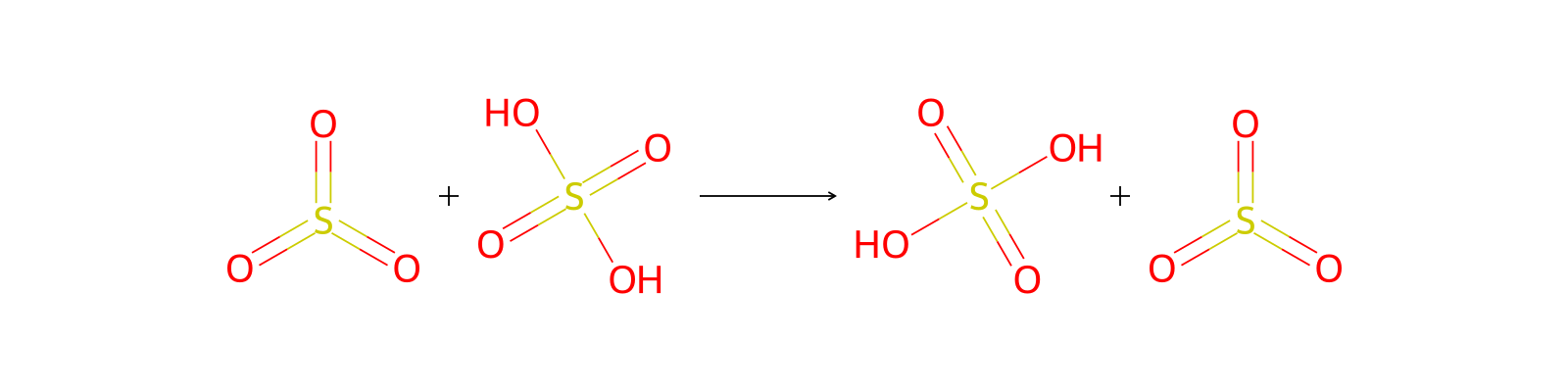
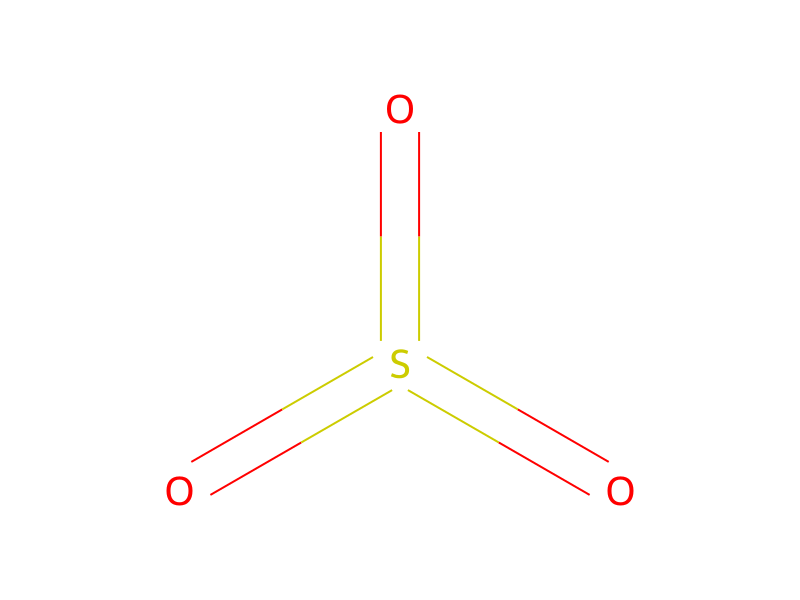
- Standard-SMILES
O=S(=O)=O- InChIKey
AKEJUJNQAAGONA-UHFFFAOYSA-N- Summenformel
- O3S
- Durchschnittliche Molmasse
- 80,07 g/mol
- Monoisotopische Masse
- 79,95681486
Überblick
Sulfur trioxide, is a colorless to white crystalline solid which will fume in air. Often shipped with inhibitor to prevent polymerization. It reacts violently with water to form sulfuric acid with the release of heat. It is corrosive to metals and tissue. It causes eye and skin burns. Ingestion causes severe burns of mouth esophagus and stomach. The vapor is very toxic by inhalation. It is a fire risk when in contact with organic materials such as wood, cotton, fiberboard, etc.
Namen und Bezeichner
- Bevorzugter Name
- Sulfur trioxide
- IUPAC
- sulfur trioxide
- Lokaler Name
- Schwefeltrioxid
- Englischer Name
- Sulfur trioxide
- Summenformel
- O3S
- Molmasse
- 80.06
Namen und Synonyme
SULFUR TRIOXIDE7446-11-9Sulphur trioxideSulfur oxide (SO3)HH2O7V4LYDDTXSID1029673CHEBI:29384SulfanSulfuric oxideRefChem:6276Sulfur trioxide, stabilizedDTXCID409673
Weitere Namen anzeigen
SO3SchwefeltrioxidSULFAN(R)sulfuricoxide
231-197-3Sulfuric anhydrideSulfite radical anionSulfur trioxide, contains stabilizer, >=99%NISSO SULFANTrioxo-lambda~6~-sulfaneSCHEMBL6713SULFUR TRIOXIDE [MI]
Datenbank-Bezeichner
- CAS
12210-38-7、7446-11-9- PubChem CID
- 24682
- DTXSID
DTXSID1029673- ChEBI
CHEBI:29384- UNII
- HH2O7V4LYD
- EC Number
- 231-197-3
- Nikkaji
- J3.427D
Eigenschaften
Berechnete Struktureigenschaften
- XLogP
- -0,5
- Polarare Oberfläche (TPSA)
- 52,2 Ų
- H-Brücken-Donoren
- 0
- H-Brücken-Akzeptoren
- 3
- Frei drehbare Bindungen
- 0
- Schwere Atome
- 4
- Formalladung
- 0
- Komplexität
- 61,8
Experimentelle und physikochemische Eigenschaften
Chemical Classes
Toxic Gases & Vapors -> Other Toxic Gases & Vapors
Carcinogens
SpringerMaterials PropertiesSchoenflies notation
Density
1.92 at 68 °F Gamma form (liquid) (EPA, 1998) - Denser than water; will sink
Critical density: 0.630 g/cu cm
Relative density (water = 1): 1.9
Color/Form
White needles
Asbestos-like needles
Pure sulfur trioxide is a colorless liquid that fumes in air at room temperature and pressure.
Solubility
Slowly very sol in aqueous, and sol in 100 parts water at room temp
Solubility in water: violent reaction
CorrosivityAbsolute dry sulfur trioxide is not corrosive to metals
Boiling Point
113 °F at 760 mmHg all forms (EPA, 1998)
Sublimes
44.8 °C
DecompositionWhen heated to decomposition ... emits toxic fumes of /sulfur oxides/.
Melting Point
144 °F Alpha form; 90.5 °F Beta form; 62.2 °F Gamma form (EPA, 1998)
62.2 °C
Exists in three solid modifications: alpha, beta, and gamma. The alpha form seems to be the stable form but the solid transitions are commonly slow; a given sample may be a mixture of the various forms and its melting point not constant.
Physical form: asbestos-like needles; melting point: 32.5 °C; vapor pressure: 344 mm Hg at 25 °C /beta-form/
17 °C
Vapor Density
2.76 (EPA, 1998) - Heavier than air; will sink (Relative to Air)
2.76 (Air = 1)
Relative vapor density (air = 1): 2.8
PolymerizationExplosive polymerization in case of non-presence of stabilizer and presence of humidity.
Vapor Pressure
73 mmHg at 77 °F Alpha form; 344 mmHg at 77 °F Beta form; 433 mmHg at 77 °F Gamma form (EPA, 1998)
263.0 [mmHg]
Vapor pressure: 73 mm Hg at 25 °C /alpha-form/
Vapor pressure, kPa at 25 °C: 57.7
Physikochemische Eigenschaften
- Schmelzpunkt
- 16.8 °C · 16.8 °C(lit.)
- Siedepunkt
- 44.8 °C · 44.8 °C
- Dichte
- 1.97 g/mL · 1.97 g/mL at 25 °C(lit.)
- Dampfdichte
- 2.8 · 2.8 (vs air)
- Dampfdruck
- 280 mm · 280 mm Hg ( 25 °C)
- storage temp.
- Indoors
- Löslichkeit
- 2 O · reacts with H2O
- Aggregatzustand
- colorless liquid
- Farbe
- white needles
- Wasserlöslichkeit
- reacts violently
- Spezifische Wärmekapazität
- 0.63 J/ · Cp(gas): 0.63 J/(g·K), at 25℃
- Merck
- 13 · 13,9069
- Henry's Law Constant
- 5.1 · 5.1×10-8 mol/(m3Pa) at 25℃, Hayer et al. (2022)
- Dielectric constant
- 3.1 · 3.1(18℃)
- Stabilität
- Stable. Incompatible with organic materials, finely powdered metals, bases, water, cyanides and a wide variety of other chemicals. Reacts violently with water, oxygen and other chemicals - read a full data sheet before use.
- InChI
- 1S/O3S/c1-4(2)3
- InChIKey
- AKEJUJNQAAGONA-UHFFFAOYSA-N
- SMILES
- O=S(=O)=O
- CAS Datenbank
- 7446 · 7446-11-9(CAS DataBase Reference)
- NIST chemische Informationen
- Sulfur trioxide(7446-11-9)
- EPA chemische Informationen
- Sulfur trioxide (7446-11-9)
Sicherheit und Regulatorisches
GHS-Klassifizierung
GHS Classification
This chemical does not meet GHS hazard criteria for 14.9% (75 of 503) of reports.
Danger
H314 (85.1%): Causes severe skin burns and eye damage [Danger Skin corrosion/irritation]
P203, P260, P261, P264, P264+P265, P271, P273, P280, P284, P301+P330+P331, P302+P361+P354, P304+P340, P305+P354+P338, P316, P317, P318, P319, P320, P321, P363, P391, P403+P233, P405, and P501 (click each P-code to see the statement)
Aggregated GHS information provided per 503 reports by companies from 22 notifications to the ECHA C&L Inventory. Each notification may be associated with multiple companies.
Gefahrenhinweise
Hazards IdentificationToxic/poison by inhalation (TIH/PIH)
Regulatory Information
Chemical: Sulfur trioxide
Status: Active Update: 21-11-2022 https://echa.europa.eu/registration-dossier/-/registered-dossier/15436
Sulfur trioxide: Does not have an individual approval but may be used as a component in a product covered by a group standard. It is not approved for use as a chemical in its own right.
The New Jersey Worker and Community Right to Know Act requires public and private employers to provide information about hazardous substances at their workplaces. (N.J.S.A. 34:5A-1 et. seq.)
DOT LabelCorrosive Poison Inhalation Hazard
Fire Hazards
Fire risk in contact with organic materials. An explosive increase in vapor pressure occurs when the alpha form melts. Combines with water with explosive violence, forming sulfuric acid. May ignite other combustible materials (wood, paper, oil, etc.). Flammable poisonous gases may accumulate in tanks and hopper cars. Runoff to sewer may create fire or explosion hazard. Forms sulfuric acid on contact with water. Avoid water and organic materials. On exposure to air, it absorbs moisture and emits dense white fumes. (EPA, 1998)
· EXCEPT FOR ACETIC ANHYDRIDE (UN1715), THAT IS FLAMMABLE, some of these materials may burn, but none ignite readily.
Not combustible. Gives off irritating or toxic fumes (or gases) in a fire. Many reactions may cause fire or explosion. Heating will cause rise in pressure with risk of bursting. Risk of fire and explosion on contact with bases, combustible substances, reducing agents, water or organic materials.
Fire PotentialMaterial itself does not burn or burns with difficulty.
Health Hazards
This material is highly toxic. It is an irritant and corrosive to mucous membranes. Poisonous if inhaled or swallowed. Contact causes severe burns to skin and eyes. (EPA, 1998)
· CORROSIVE and/or TOXIC; inhalation, ingestion or contact (skin, eyes) with vapors, dusts or substance may cause severe injury, burns or death.
Hazards Summary
Highly corrosive to skin; [Quick CPC] Can cause severe coughing at a concentration of 1 ppm; [HSDB] When dry, rapidly absorbs moisture from air evolving dense white fumes; Reacts explosively with water forming sulfuric acid; [Merck Index] A strong oxidant that poses a fire and explosion hazard on contact with organic materials; Corrosive to skin, eyes, and respiratory tract; Repeated or prolonged exposure to aerosol may cause effects to the lungs and erosion of teeth; [ICSC] Concentrations of 1 ppm may cause coughing, choking, and severe discomfort; Causes severe burns to skin and eyes; Inhalation causes severe irritation and may cause pulmonary edema; Causes erosion and discoloration of teeth; Health effects basically the same as those for sulfuric acid; [IUCLID] Causes diffuse hepatitis, changes in bronchi, and other endocrine changes in inhalation lethal-concentration studies of guinea pigs; [RTECS] See Sulfuric acid.
The major hazards encountered in the use and handling of sulfur trioxide stem from its toxicologic properties and reactivity. Toxic by all routes (ie, inhalation, ingestion, and dermal contact), exposure to this colorless-to-white, crystalline solid may occur from its use in the sulfonation of oils and detergents, in the manufacture of sulfuric acid and explosives, and in solar energy collectors. Effects from exposure may include burns to the eyes, skin, and mucous membranes, shortness-of-breath, chest pain, and pulmonary edema. In activities and situations where over-exposure may occur, wear chemical protective clothing and a self-contained breathing apparatus. If contact should occur, irrigate exposed eyes with copious amounts of tepid water for at least 15 minutes, and wash exposed skin thoroughly with soap and water. Contaminated clothing should be removed and left at the worksite for cleaning. While sulfur trioxide itself burns with great difficulty, it may react violently (explosively) with water, giving off heat and light. Also, organic materials, particularly those containing adsorbed or absorbed moisture, may be ignited by sulfur trioxide. For fires involving sulfur trioxide, extinguish with agent suitable for surrounding materials. If water is used, apply in flooding quantities as a fog, and from as far a distance as possible. Use dikes to prevent sulfur trioxide from entering water sources and sewers. Sulfur trioxide may be shipped domestically via air (cargo only), rail (cargo only), road, and water, in containers bearing the label, "Corrosive." Sulfur trioxide should be stored in air-tight containers, away from moisture. Before implementing land disposal of sulfur trioxide waste, consult with environmental regulatory agencies for guidance.
DOT ID and Guide1829 137
Reactive GroupAcids, Strong Oxidizing
UN ClassificationUN Hazard Class: 8; UN Pack Group: I
Special Reports
U.S. Dept Health & Human Services/Agency for Toxic Substances & Disease Registry; Toxicological Profile for Sulfur Trioxide and Sulfuric Acid (December 1998). The ATSDR toxicological profile succinctly characterizes the toxicologic and adverse health effects information for a hazardous substance.[Available from, as of October 15, 2009: http://www.atsdr.cdc.gov/toxpro2.html#]
Reactivity AlertsStrong Oxidizing Agent
Sicherheit und Schutzausrüstung
Fire Fighting
Keep unnecessary people away; isolate hazard area and deny entry. Stay upwind; keep out of low areas. Ventilate closed spaces before entering them. Wear positive pressure breathing apparatus and special protective clothing.
NO water. In case of fire in the surroundings, use appropriate extinguishing media. In case of fire: keep drums, etc., cool by spraying with water. NO direct contact with water.
First Aid Measures
Fresh air, rest. Half-upright position. Artificial respiration may be needed. Refer immediately for medical attention.
Wear protective gloves when administering first aid. First rinse with plenty of water for at least 15 minutes, then remove contaminated clothes and rinse again. Refer immediately for medical attention .
Rinse with plenty of water for several minutes (remove contact lenses if easily possible). Refer immediately for medical attention.
Rinse mouth. Give nothing to drink. Do NOT induce vomiting. Refer immediately for medical attention.
Accidental Release Measures
· CALL 911. Then call emergency response telephone number on shipping paper. If shipping paper not available or no answer, refer to appropriate telephone number listed on the inside back cover.
· Do not touch damaged containers or spilled material unless wearing appropriate protective clothing.
First Aid
Warning: Sulfur trioxide is extremely corrosive. Caution is advised.
General First Aid:
Safe StorageRefer to the manufacturer's instructions for proper storage conditions. Dry. Well closed. Store only in original packaging. Separated from food and feedstuffs and incompatible materials. See Chemical Dangers. Store only if stabilized.
Exposure Control and Personal Protection
· Wear positive pressure self-contained breathing apparatus (SCBA).
TIH (Toxic Inhalation Hazard) - Term used to describe gases and volatile liquids that are toxic when inhaled. Some are TIH materials themselves, e.g., chlorine, and some release TIH gases when spilled in water, e.g., chlorosilanes. [ERG 2016].
Fire Fighting Procedures
If material involved in fire: Extinguish fire using agent suitable for type of surrounding fire ... Use water in flooding quantities as fog. Cool all affected containers with flooding quantities of water. Apply water from as far a distance as possible.
NO hydrous agents. NO water. In case of fire in the surroundings: use appropriate extinguishing media ... Cool drums, etc., by spraying with water but avoid contact of the substance with water.
Storage Conditions/When/ stabilized, must be kept warm to liquefy, but under 40 °C.
Cleanup Methods
SRP: Wastewater from contaminant suppression, cleaning of protective clothing/equipment, or contaminated sites should be contained and evaluated for subject chemical or decomposition product concentrations. Concentrations shall be lower than applicable environmental discharge or disposal criteria. Alternatively, pretreatment and/or discharge to a permitted wastewater treatment facility is acceptable only after review by the governing authority and assurance that "pass through" violations will not occur. Due consideration shall be given to remediation worker exposure (inhalation, dermal and ingestion) as well as fate during treatment, transfer and disposal. If it is not practicable to manage the chemical in this fashion, it must be evaluated in accordance with EPA 40 CFR Part 261, specifically Subpart B, in order to determine the appropriate local, state and federal requirements for disposal.
Evacuate danger area! Consult an expert! Do NOT absorb in saw-dust or other combustible absorbents. Absorb remaining liquid in dry sand or inert absorbent and remove to safe place. Ventilation. NEVER direct water jet on liquid. Do NOT let this chemical enter the environment.
Nonfire Spill ResponseExcerpt from ERG Guide 137 [Substances - Water-Reactive - Corrosive]:
Disposal Methods
SRP: The most favorable course of action is to use an alternative chemical product with less inherent propensity for occupational harm/injury/toxicity or environmental contamination. Recycle any unused portion of the material for its approved use or return it to the manufacturer or supplier. Ultimate disposal of the chemical must consider: the material's impact on air quality; potential migration in soil or water; effects on animal and plant life; and conformance with environmental and public health regulations.
Spillage Disposal
Evacuate danger area! Consult an expert! Personal protection: chemical protection suit including self-contained breathing apparatus. Do NOT let this chemical enter the environment. Do NOT wash away into sewer. Ventilation. Collect leaking liquid in covered containers. Absorb remaining liquid in dry sand or inert absorbent. Do NOT absorb in saw-dust or other combustible absorbents. Then store and dispose of according to local regulations.
Toxikologische Informationen
Environmental Fate
Atmospheric Fate: Sulfur trioxide is a highly reactive gas, and in the presence of moisture in the air it is rapidly hydrated to sulfuric acid. In the air, therefore, it is sulfuric acid in the form of an aerosol that is found rather than sulfur trioxide, and in general, it is associated with other pollutants in droplets or solid particles extending over a wide range of sizes.
Adverse EffectsOccupational hepatotoxin - Secondary hepatotoxins: the potential for toxic effect in the occupational setting is based on cases of poisoning by human ingestion or animal experimentation.
Exposure RoutesSerious local effects by all routes of exposure. The substance can be absorbed into the body by inhalation of its vapour.
Signs and Symptoms
Cough. Sore throat. Burning sensation. Shortness of breath. Laboured breathing.
Redness. Pain. Blisters. Serious skin burns.
Redness. Pain. Severe burns.
Burns in mouth and throat. Burning sensation behind the breastbone. Abdominal pain. Vomiting. Shock or collapse.
ICSC Environmental DataThe substance is harmful to aquatic organisms.
Human Toxicity Excerpts
/SIGNS AND SYMPTOMS/ Sulfur trioxide and sulfuric acid mists are strongly irritants, and inhaling concn of approximately 3 mg/cu m causes a choking sensation. Persons accustomed to the exposure are unable to notice concn at this order of magnitude. Sulfur trioxide is irritating and corrosive to all mucous surfaces and causes inflammation of the upper respiratory tract and possible lung injury.
/SIGNS AND SYMPTOMS/ Lungs may be affected by repeated or prolonged exposure to an aerosol of this substance. Risk of tooth erosion upon repeated or prolonged exposure to an aerosol of this substance. Strong inorganic acid mists containing this substance are carcinogenic to humans.
/SIGNS AND SYMPTOMS/ Irritant and corrosive to mucous membranes. May cause coughing, choking and severe discomfort in a concn of 1 ppm.
/SIGNS AND SYMPTOMS/ Sulfur trioxide causes pulmonary skin and eye damage since it forms sulfuric acid.
For more Human Toxicity Excerpts (Complete) data for Sulfur trioxide (10 total), please visit the HSDB record page.
Non-Human Toxicity Excerpts
/GENOTOXICITY/ The 8-hydroxy-2'-deoxyguanosine (8-OHdG) formation and DNA damage by sulfur trioxide anion radicals (SO3.-) were investigated using ESR spin trapping, HPLC, and electrophoretic assays. Sulfite (SO3(2-) autoxidation generated both hydroxyl (.OH) and SO3.- radicals. Oxidation of SO3(2-) by chromium (VI) generated only SO3.- with much enhanced yield. Incubation of 2'-deoxyguanosine (dG) with SO3(2-) generated 8-OHdG albeit at low yield. Chromium (VI) enhanced the yield four-fold. Electrophoretic assays showed that SO3.- radicals generated by chromium (VI) oxidation of SO3(2-) caused DNA double strand breaks. The results demonstrate that SO3.- radicals are capable of causing dG hydroxylation and DNA double strand breaks.
Probable Routes of Human ExposureNIOSH (NOES Survey 1981-1983) has statistically estimated that 56,102 workers (3,077 of these were female) were potentially exposed to sulfur trioxide in the US(1).
Antidote and Emergency Treatment
Treatment includes the use of oxygen, decontamination with special attention to the eyes, and monitoring for hypoxic ischemia. Treatment should include use of beta-agonists for bronchospasm, repeat pulmonary function tests, and monitoring for delayed pulmonary edema. Steroids, antibiotics, and nebulized sodium bicarbonate have not been adequately studied.
Immediate first aid: Ensure that adequate decontamination has been carried out. If patient is not breathing, start artificial respiration, preferably with a demand-valve resuscitator, bag-valve-mask device, or pocket mask, as trained. Perform CPR as necessary. Immediately flush contaminated eyes with gently flowing water. Do not induce vomiting. If vomiting occurs, lean patient forward or place on left side (head-down position, if possible) to maintain an open airway and prevent aspiration. Keep patient quiet and maintain normal body temperature. Obtain medical attention. /Inorganic acids and related compounds/
Basic treatment: Establish a patent airway (oropharyngeal or nasopharyngeal airway, if needed). Suction if necessary. Watch for signs of respiratory insufficiency and assist respirations if needed. Administer oxygen by nonrebreather mask at 10 to 15 L/min. Monitor for pulmonary edema and treat if necessary ... . Monitor for shock and treat if necessary ... . For eye contamination, flush eyes immediately with water. Irrigate each eye continuously with 0.9% saline (NS) during transport ... . Do not use emetics. Activated charcoal is not effective. For ingestion, rinse mouth and administer 5 ml/kg up to 200 ml of water for dilution if the patient can swallow, has a strong gag reflex, and does not drool ... . Do not attempt to neutralize because of exothermic reaction. Cover skin burns with dry, sterile dressings after decontamination ... . /Inorganic acids and related compounds/
Advanced treatment: Consider orotracheal or nasotracheal intubation for airway control in the patient who is unconscious, has severe pulmonary edema, or is in severe respiratory distress. Early intubation, at the first sign of upper airway obstruction, may be necessary. Positive-pressure ventilation techniques with a bag valve mask device may be beneficial. Consider drug therapy for pulmonary edema ... . Consider administering a beta agonist such as albuterol for severe bronchospasm ... . Monitor cardiac rhythm and treat arrhythmias as necessary ... . Start IV administration of D5W /SRP: "To keep open", minimal flow rate/. Use 0.9% saline (NS) or lactated Ringer's(LR) if signs of hypovolemia are present. For hypotension with signs of hypovolemia, administer fluid cautiously. Consider vasopressors if patient is hypotensive with a normal fluid volume. Watch for signs of fluid overload ... . Use proparacaine hydrochloride to assist eye irrigation ... . /Inorganic acids and related compounds/
Toxicity DataLCLo (guinea pig) = 30 mg/m3/6hr
RAIS Toxicity Values
0.12
CALEPA
0.001
CALEPA
Non-Human Toxicity Values
LC50 Rat/male inhalation 1375 mg SO3/cu m 1 hr
LC50 Rat/female inhalation 1136 mg SO3/cu m 1 hr
Regulatorische Informationen
DHS Chemicals of Interest (COI)
Sulfur trioxide
1
10000
Toxic chemical that can be released at a facility.
Sicherheitsdaten
- wgk
- 1
- tsca
- TSCA listed
- ridadr
- UN 1829 (SULPHUR TRIOXIDE, STABILIZED)
- RTECS-Nr.
- WT4830000
- risk_code
- 45-8-14-26-34-37-35
- hazard_code
- O,T+,C
- safety_code
- 53-17-26-36/37/39-45-8-25-30
- hazard_class
- 8
- packing_group
- I
- Speicherklasse
- 8B - Non-combustible corrosive hazardous materials
- Giftige Stoffe Daten
- 7446-11-9(Hazardous Substances Data)
- Hazard Classifications
- Eye Dam. 1Skin Corr. 1ASTOT SE 3
Chemie und Industrie
Pharmakologische Informationen
Metabolism/Metabolites
Sulfite oxidation and sulfur trioxide radical formation were studied in polymorphonuclear leukocytes (PMNs) isolated from healthy young, old and centenarian donors and from patients with Down's syndrome. The sulfur radical formation ... was correlated with the activity of sulfite oxidase and with the rate of sulfite oxidation to sulfate by PMNs. Sulfite metabolism was studied both in resting, and phorbol myristate acetate (PMA) stimulated freshly isolated cells. The rate of sulfur trioxide radical formation was demonstrated by use of the spin trapping agent 5,5-dimethyl-1-pyroline-1-oxide (DMPO) with subsequent formation of an adduct. The intensity of adduct formation was most intense in cells with low sulfite oxidase activity, while a mixture of the adduct and of DMPO hydroxyl radical was mainly observed in cells with high sulfite oxidase activity. Furthermore, experiments carried out on purified sulfite oxidase showed that in the presence of sulfite the enzyme could also give rise to a DMPO-OH adduct. Sulfite oxidase activity in cells isolated from healthy young and old donors was positive correlated with both rates of sulfur trioxide radical formation and sulfite oxidation to sulfate, respectively. However, sulfite oxidase activity in cells isolated from centenarians and patients with Down's syndrome seems to lose partly its rate of oxidising sulfite to sulfate. The intensity of the sulfur centered radical adduct increased in the two latter groups of population and the radical observed was predominantly sulfur trioxide radical.
Verwendung und Herstellung
Uses
Used as a sulfonating agent in the production of detergents and an intermediate in the production of sulfuric acid and explosives; [HSDB]
Intermediate in sulfuric acid manufacture; in sulfonations for formation of addition cmpd with amines; in the manufacture of explosives
Sulfonation of organic compounds, especially nonionic detergents, solar energy collectors.
Production of detergents, as a raw material for chlorosulfuric acid and 65% oleum. Has been added to cooled combustion gases at many coal burning power plants to improve dust removal in electrostatic precipitators.
Sulfur trioxide is used as such for preparing sulfonated oils, and alkyl arenesulfonate detergents.
... Used as a powerful, but generally indiscriminate oxidizing agent, however, it will selectively oxidize pentachlorotoluene and similar compounds to the alcohol.
ImpuritiesTrace amounts of water or sulfuric acid can catalyze the formation of polymers.
U.S. ProductionProduction volume for non-confidential chemicals reported under the 2006 Inventory Update Rule. Chemical: Sulfur trioxide. Aggreated National Production Volume: 500 million to < 1 billion lbs.
Consumption PatternsIts principal applications are in production of detergents and as a raw material for chlorosulfuric acid and 65% oleum. (1983)
Methods of Manufacturing
Prepared by the contact process, for example, by the action of oxygen on sulfur dioxide in the presence of catalysts such as platinized asbestos, platinized magnesium sulfate, ferric oxide or vanadium compounds.
Liquid sulfur trioxide is produced by heating oleum in a boiler to generate SO3 gas which is then condensed.
May be prepared in the laboratory by heating fuming sulfuric acid and collecting the sublimate in a cooled receiver. If the vapor is condensed above 27 °C, the gamma form is obtained as a liquid. If the vapor is condensed below 27 °C and in the presence of a trace of moisture, a mixture of all 3 forms is obtained. The 3 forms can be separated by fractional distillation.
Sulfur trioxide is ... produced in dilute gaseous form in a contact-process sulfuric acid plant through the oxidation of sulfur dioxide-containing gases. So far, however, the only reported preparation of pure sulfur trioxide from dilute SO3-containing gases has been a pilot-plant scale process involving cryoscopic condensation. The usual procedure instead involves distillation of oleum. The heat required for oleum distillation is most conveniently supplied by hot contact gas from the associated sulfuric acid plant.
Formulations/Preparations
Under the trademark Sulfan, a product is marketed which contains 0.5% of a stabilizer to prevent polymerization to higher melting forms: Sulfan A consists largely of beta sulfur trioxide ... Sulfan B consists largely of gamma sulfur trioxide ... Sulfan C contains no stabilizer and will polymerize to alpha sulfur trioxide.
Stabilizers added include: 0.3% dimethyl sulfate with 0.005% boric oxide
Stabilized, technical, liquid grades
General Manufacturing Information
Sulfur trioxide: ACTIVE
Usually generated in the plant where it is to be used
Anwendungen
VerwendenSulfur trioxide is used as an intermediate in the manufacture of sulphuric acid and oleum for sulphonation, in particular, of dyes and dye-stuffs, and for the production of anhydrous nitric acid and explosives. Solid Sulfur trioxide is marketed under such names as Sulphan and Triosul, and is used primarily for sulphonation of organic acids. Sulphur tetrafluoride is a fluorinating agent. Sulphur hexafluoride serves as a gaseous insulator in high-voltage electric installations. Sulphyryl fluoride is used as an insecticide and a fumigant. Sulfonation of organic compounds, especially nonionic detergents, solar energy collectors. It is usually generated in the plant where it is to be used.
Vor- und nachgelagerte Produkte
Vorgelagerte Rohstoffe
Nachgelagerte Produkte
Zugehörige Reaktionen
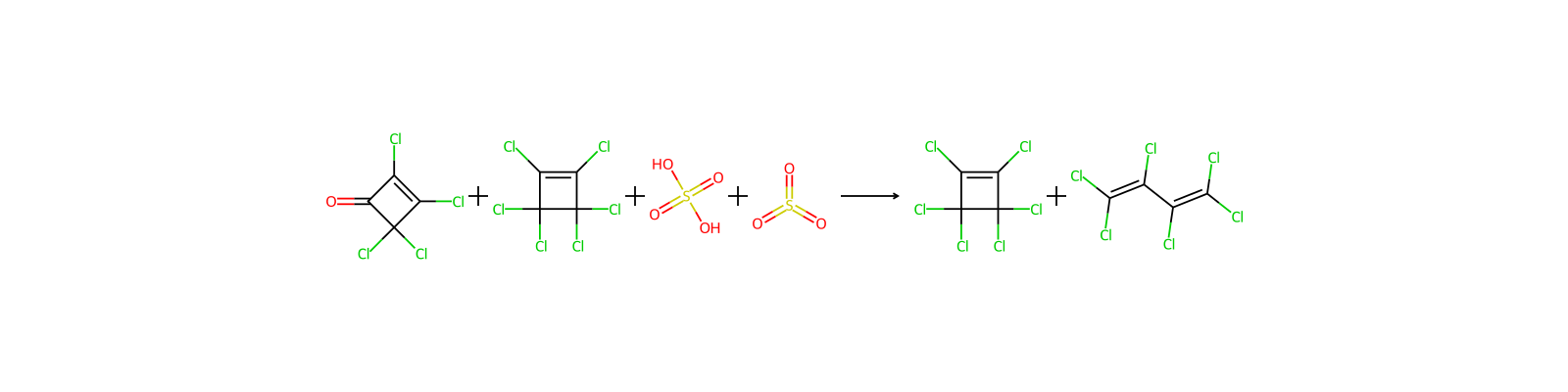
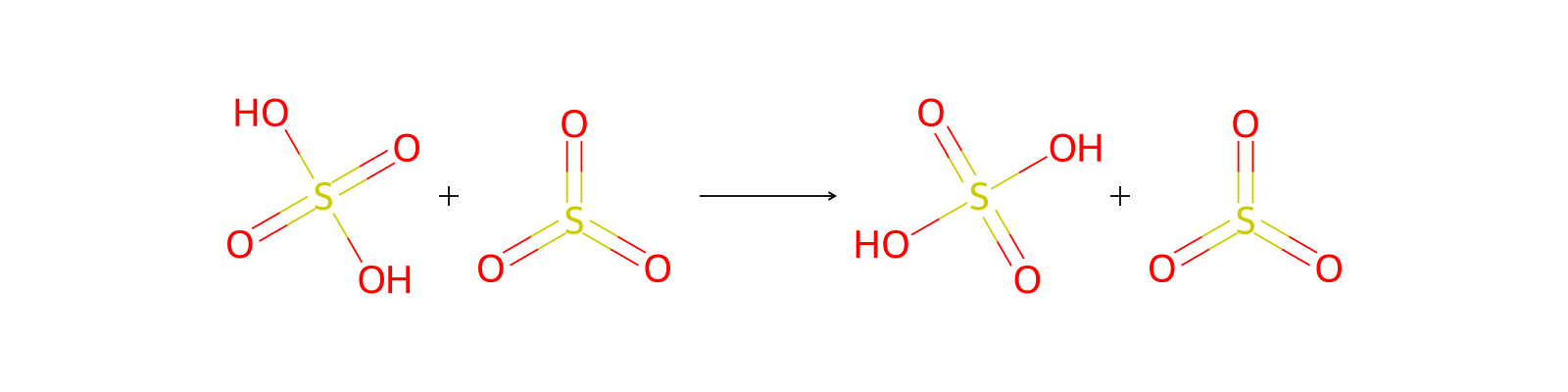
529




Verknüpfte Notizen
Wird geladen…