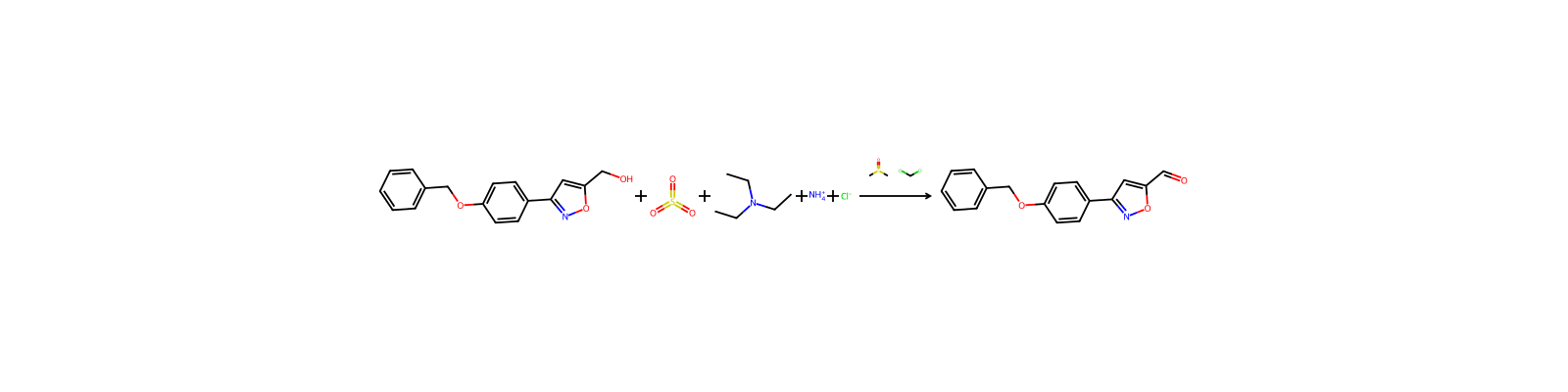
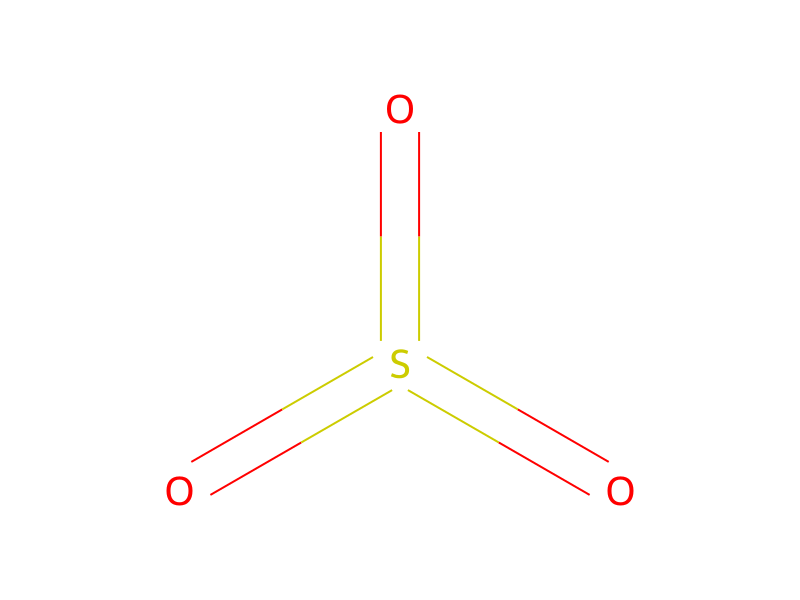
[CH2:1]([O:8][C:9]1[CH:14]=[CH:13][C:12]([C:15]2[CH:19]=[C:18]([CH2:20][OH:21])[O:17][N:16]=2)=[CH:11][CH:10]=1)[C:2]1[CH:7]=[CH:6][CH:5]=[CH:4][CH:3]=1.S(=O)(=O)=O.C(N(CC)CC)C.[NH4+].[Cl-]>CS(C)=O.C(Cl)Cl>[CH2:1]([O:8][C:9]1[CH:14]=[CH:13][C:12]([C:15]2[CH:19]=[C:18]([CH:20]=[O:21])[O:17][N:16]=2)=[CH:11][CH:10]=1)[C:2]1[CH:7]=[CH:6][CH:5]=[CH:4][CH:3]=1[3-(4-benzyloxy-phenyl)-isoxazol-5-yl]-methanol (1.0 g, 3.5 mmol) was dissolved in 60 ml of DMSO/methylene chloride (1:2), to which solution were added dropwise sulfur trioxide.pyridine complex (1.6 g, 10.5 mmol) and triethylamine (2.44 ml, 17.5 mmol), and stirred at 0° C. for about 2 hours. The completion of the reaction was confirmed by TLC, and 10 ml of NH4Cl was added to the solution. The residual solvent was distilled under reduced pressure, and then extracted three times with water and methylene chloride. An organic layer was washed with saline solution. The obtained organic layer was distilled under reduced pressure, followed by column chromatography (ethyl acetate/Hexane=1:2) to obtain 3-(4-benzyloxy-phenyl)-isoxazol-5-carbaldehyde as a desired solid compound.
Wird geladen…