
Bromide ion

Grundinformationen
- CAS
24959-67-9- Standard-SMILES
[Br-]- InChIKey
CPELXLSAUQHCOX-UHFFFAOYSA-M- Summenformel
- Br-
- Durchschnittliche Molmasse
- 79,9 g/mol
- Monoisotopische Masse
- 78,91834
Überblick
Bromide is a halide anion and a monoatomic bromine. It is a conjugate base of a hydrogen bromide.
Namen und Bezeichner
- Bevorzugter Name
- Bromide ion
- IUPAC
- bromide
- Englischer Name
- BROMIDE
- Summenformel
- Br-
- Molmasse
- 79.9
Namen und Synonyme
bromidebromide ion24959-67-9Bromide ionsInorganic bromidesBromide (Br-)Caswell No. 499Dbromine anionBromide AnionBr-bromide(1-)UNII-952902IX06
Weitere Namen anzeigen
6XY4LJ1d2vVLA-2VLAA2HPA-5C01324[BrH3]
EPA Pesticide Chemical Code 053200Br(-)BROMINE, ION (BR1-)952902IX06DTXSID6043967CHEBI:15858HYDROBROMIC ACID, ION(1-)RefChem:58781
Datenbank-Bezeichner
- CAS
24959-67-9、7726-95-6- PubChem CID
- 259
- DTXSID
DTXSID6043967- ChEMBL
CHEMBL1231461- ChEBI
CHEBI:15858- UNII
- 952902IX06
- Nikkaji
- J209.375H
Eigenschaften
Berechnete Struktureigenschaften
- XLogP
- 1
- Polarare Oberfläche (TPSA)
- 0 Ų
- H-Brücken-Donoren
- 0
- H-Brücken-Akzeptoren
- 1
- Frei drehbare Bindungen
- 0
- Schwere Atome
- 1
- Formalladung
- -1
- Komplexität
- 0
Experimentelle und physikochemische Eigenschaften
Chemical ClassesMajor ion
Solubility35 mg/mL at 20 °C
Melting Point-7.25 °C
Physical DescriptionLiquid
Physikochemische Eigenschaften
- storage temp.
- 2 · 2-8°C
- Aggregatzustand
- Liquid
- CAS Datenbank
- 24959 · 24959-67-9(CAS DataBase Reference)
- EPA chemische Informationen
- Bromide (24959-67-9)
Sicherheit und Regulatorisches
Sicherheitsangaben dienen nur zur Orientierung und ersetzen weder das Sicherheitsdatenblatt (SDB) des Lieferanten noch geltende Vorschriften oder eine fachliche Bewertung.
Toxikologische Informationen
Toxicological InformationRanking: 541 (total points: 273.66000000000003)
Treatment
In case of acute exposure, bromide salts should be washed with water from any areas of dermal or ocular contact. If inhaled, treatment is mainly symptomatic and may include maintaining an adequate airway, administering oxygen, antibronchospasm therapy, and/or antibiotics. (L626)
Health Effects
The bromide ion is a central nervous system depressant and chronic exposure produces neuronal effects. This is called bromism and can result in central reactions reaching from somnolence to coma, cachexia, exicosis, loss of reflexes or pathologic reflexes, clonic seizures, tremor, ataxia, loss of neural sensitivity, paresis, papillar edema of the eyes, abnormal speech, cerebral edema, delirium, aggressiveness, and psychoses. (L625, L626, L627)
Exposure RoutesOral (L626) ; inhalation (L626) ; dermal (L626)
Toxicity Summary
The bromide ion is also known to affect the central nervous system, causing bromism. This is believed to be a result of bromide ions substituting for chloride ions in the in actions of neurotransmitters and transport systems, thus affecting numerous synaptic processes. (L626, L627, A543)
Signs and Symptoms
The bromide ion is a central nervous system depressant producing ataxia, slurred speech, tremor, nausea, vomiting, lethargy, dizziness, visual disturbances, unsteadiness, headaches, impaired memory and concentration, disorientation and hallucinations. (L626, L627)
Carcinogen ClassificationNo indication of carcinogenicity (not listed by IARC). (L135)
Chemie und Industrie
Pharmakologische Informationen
Metabolism/MetabolitesDue to its reactivity, bromine quickly forms bromide and may be deposited in the tissues, displacing other halogens. (L626)
Tissue LocationsKidney
Cellular LocationsCytoplasm
Verwendung und Herstellung
UsesBromide is present in typical seawater (35 PSU) with a concentration of around 65 mg/L, which is around 0.2% of all dissolved salts. Bromide ions can be found in almost all living organisms, though it is not essential for life.
Zugehörige Reaktionen
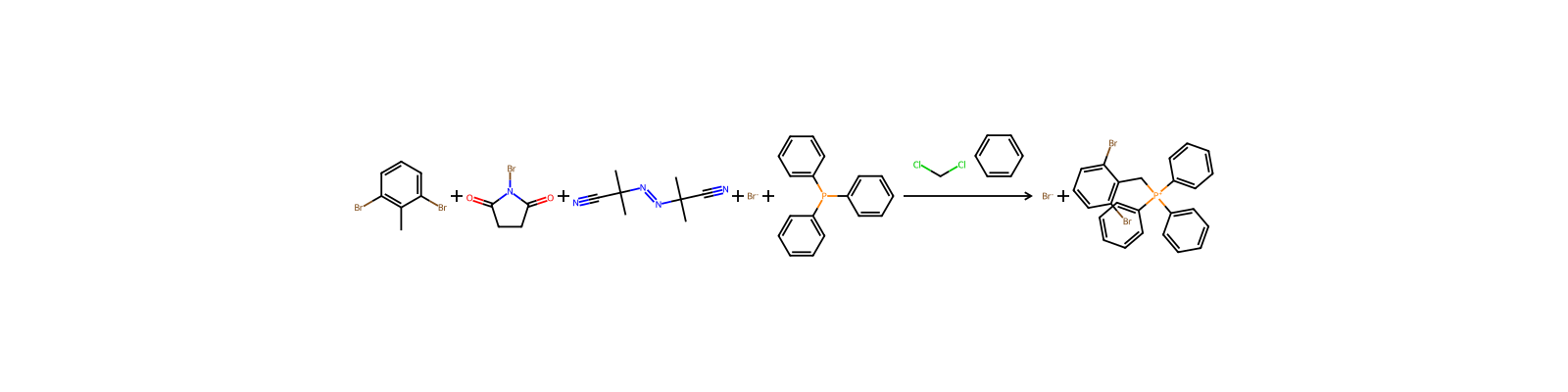
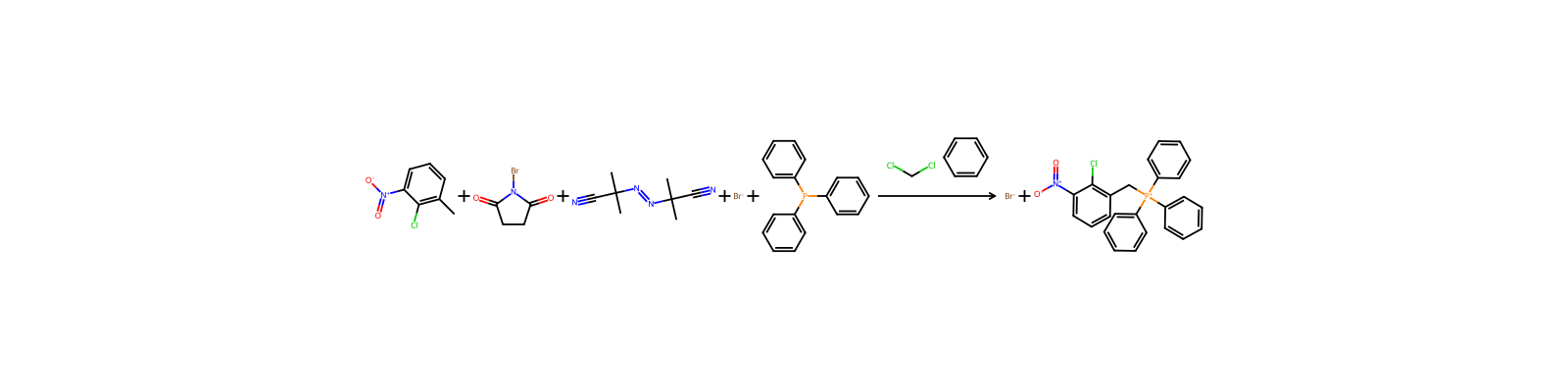
8.080





Notizen zur Verbindung
Wird geladen…