
Ammoniumformiat
Ammonium formate
Daten werden ergänzt – lade die Seite später neu, um den aktuellen Stand zu sehen
Grundinformationen
- CAS
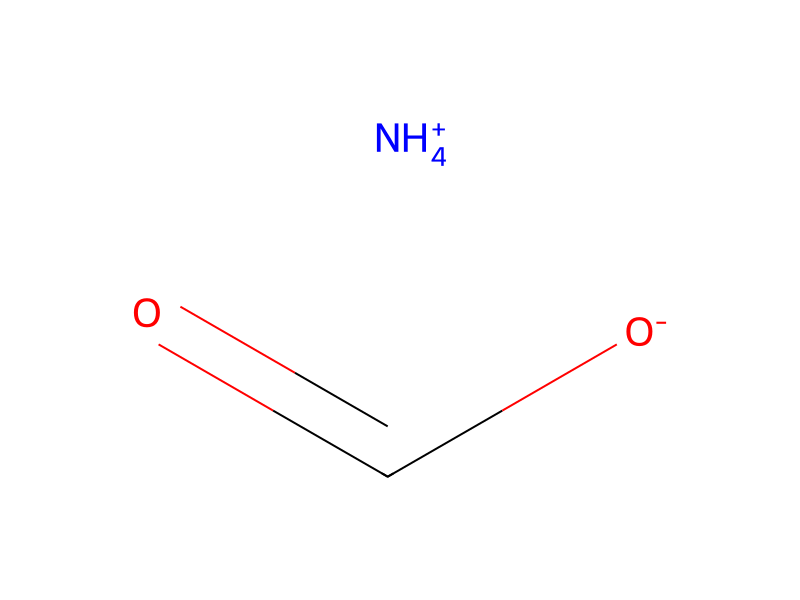
540-69-2- Standard-SMILES
O=C[O-].[NH4+]- InChIKey
VZTDIZULWFCMLS-UHFFFAOYSA-N- Summenformel
- CH2O2.H3N
- Durchschnittliche Molmasse
- 63,056 g/mol
- Monoisotopische Masse
- 63,0320284
Überblick
Ammonium formate is a white solid with a weak odor of ammonia. Sinks and mixes slowly with water. (USCG, 1999)
Namen und Bezeichner
- Bevorzugter Name
- Ammonium formate
- IUPAC
- azanium formate
- Lokaler Name
- Ammoniumformiat
- Englischer Name
- Ammonium formate
- Summenformel
- CH5NO2
- Molmasse
- 63.06
Namen und Synonyme
AMMONIUM FORMATE540-69-2Formic acid, ammonium saltMravencan amonnyFormic acid, ammonium salt (1:1)3801F9644EDTXSID6029624CHEBI:63050RefChem:5549DTXCID309624208-753-9azanium;formate
Weitere Namen anzeigen
HCOONH4AMMONIUM FORMATAmmomium formateHCOONH4 CH5NO2mravencanamonny97.0%, for HPLCFormiate ammoniaammmonium formate
Formic acid ammonium saltammoniumformateammonium formiateazanium formateMFCD00013103Mravencan amonny [Czech]Amoniumformiateammonia formate
Datenbank-Bezeichner
- CAS
540-69-2、70179-79-2- PubChem CID
- 2723923
- DTXSID
DTXSID6029624- ChEBI
CHEBI:63050- UNII
- 3801F9644E
- EC Number
- 208-753-9
Eigenschaften
Berechnete StruktureigenschaftenWird ergänzt
- Polarare Oberfläche (TPSA)
- 41,1 Ų
- H-Brücken-Donoren
- 1
- H-Brücken-Akzeptoren
- 2
- Frei drehbare Bindungen
- 0
- Schwere Atome
- 4
- Formalladung
- 0
- Komplexität
- 7,5
Experimentelle und physikochemische Eigenschaften
Chemical ClassesNitrogen Compounds -> Ammonium Compounds
Density
1.28 at 77 °F (USCG, 1999) - Denser than water; will sink
1.280
1.26 @25 °C
Color/FormWHITE MONOCLINIC CRYSTALS
SolubilityIN WATER: 102 G/100 CC @ 0 °C, 531 G/100 CC @ 80 °C; SOL IN ETHER, AMMONIA
Boiling Point
180 °C DECOMP
180 °C @760 [mm Hg]
DecompositionWhen heated to decomp ... emits toxic fumes of /nitrogen oxides and ammonia/.
Melting Point
241 °F (USCG, 1999)
116 °C
116 °C
Physical Description
Ammonium formate is a white solid with a weak odor of ammonia. Sinks and mixes slowly with water. (USCG, 1999)
Dry Powder; Liquid
Deliquescent solid; [Hawley] White in color, weak odor of ammonia; [CAMEO] Soluble in water; [MSDSonline]
Sicherheit und Regulatorisches
Sicherheitsangaben dienen nur zur Orientierung und ersetzen weder das Sicherheitsdatenblatt (SDB) des Lieferanten noch geltende Vorschriften oder eine fachliche Bewertung.
GHS-Klassifizierung
GHS Classification
This chemical does not meet GHS hazard criteria for 17.6% (59 of 335) of reports.
Warning
H315 (66.3%): Causes skin irritation [Warning Skin corrosion/irritation]
P261, P264, P264+P265, P271, P280, P302+P352, P304+P340, P305+P351+P338, P319, P321, P332+P317, P337+P317, P362+P364, P403+P233, P405, and P501 (click each P-code to see the statement)
Aggregated GHS information provided per 335 reports by companies from 24 notifications to the ECHA C&L Inventory. Each notification may be associated with multiple companies.
Not Classified
Gefahrenhinweise
Regulatory Information
Chemical: Formic acid, ammonium salt
Regulation (EC) No 1831/2003 (amended)
Formic acid, ammonium salt (1:1) is listed on the EPA's Chemical Data Reporting (CDR) system. Manufacturers and importers of Formic acid, ammonium salt (1:1) are required to report information about their production and use of this chemical to the EPA under the Toxic Substances Control Act (TSCA). (40 eCFR Part 711)
Status: Active Update: 07-05-2021 https://echa.europa.eu/registration-dossier/-/registered-dossier/30306
Formic acid, ammonium salt: Does not have an individual approval but may be used under an appropriate group standard
Other Safety InformationIMAP assessments - Formic acid, ammonium salt: Environment tier I assessment
Fire HazardsSpecial Hazards of Combustion Products: Toxic and irritating ammonia and formic acid gases may form in fire. (USCG, 1999)
Health HazardsInhalation causes irritation of nose and throat. Ingestion irritates mouth and stomach. Contact with eyes or skin causes irritation. (USCG, 1999)
Chemie und Industrie
Verwendung und Herstellung
Uses
Use in chemical analysis; [Merck Index] Used as a buffer; [CHEMINFO]
CHEM ANAL TO PPT BASE METALS FROM SALTS OF NOBLE METALS
BUFFER
U.S. Production2023: 550,000 - <1,000,000 lb
Consumer UsesSoil amendments (fertilizers)
Industry UsesPlating agent
Methods of ManufacturingPREPD FROM FORMIC ACID & AMMONIA: ZUFFANTI, J AM CHEM SOC 63, 3123 (1941).
General Manufacturing Information
Not Known or Reasonably Ascertainable
Formic acid, ammonium salt (1:1): ACTIVE
FORMATES ARE COMMONLY USED FOOD PRESERVATIVES.
Anwendungen
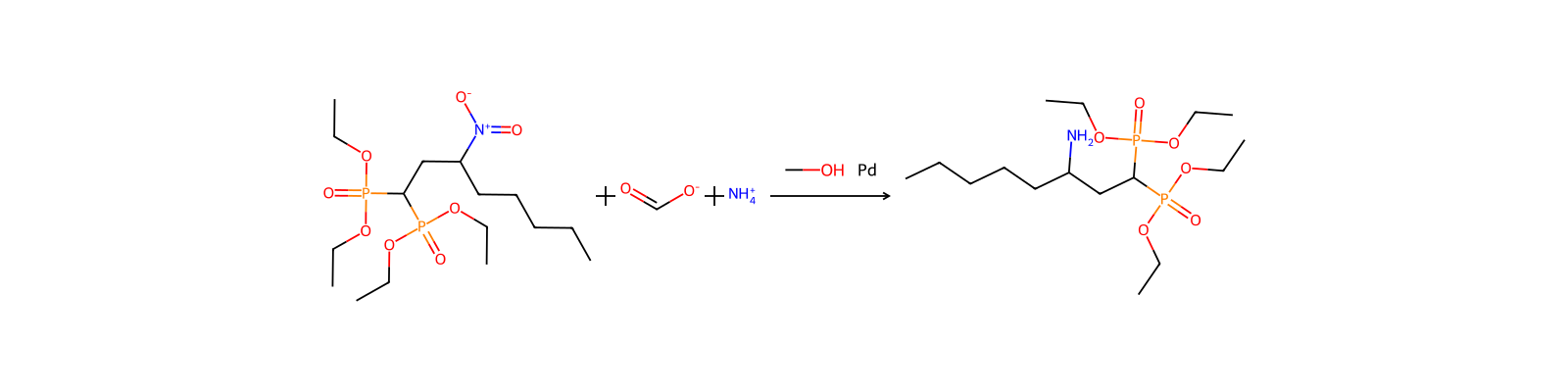
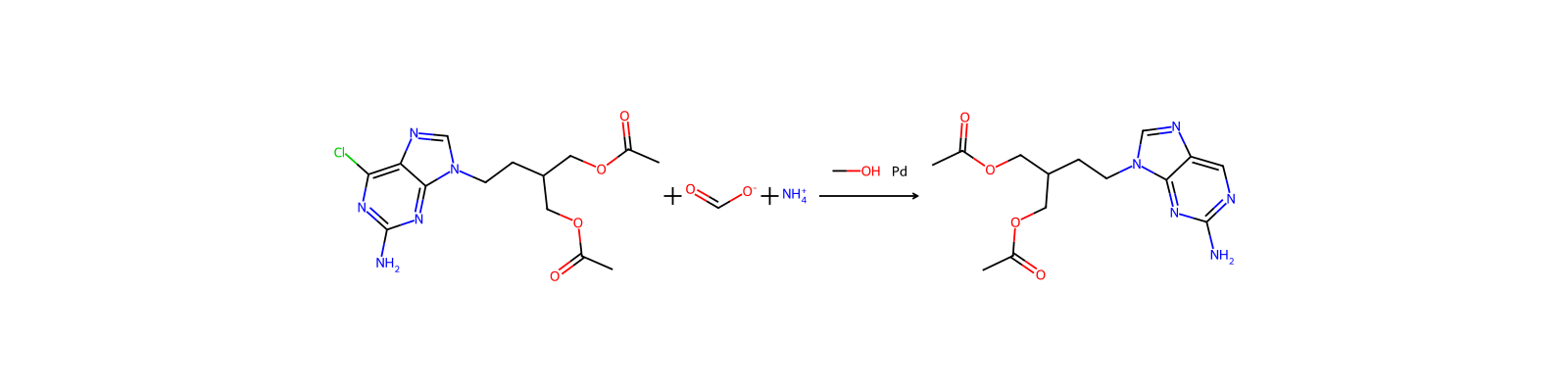
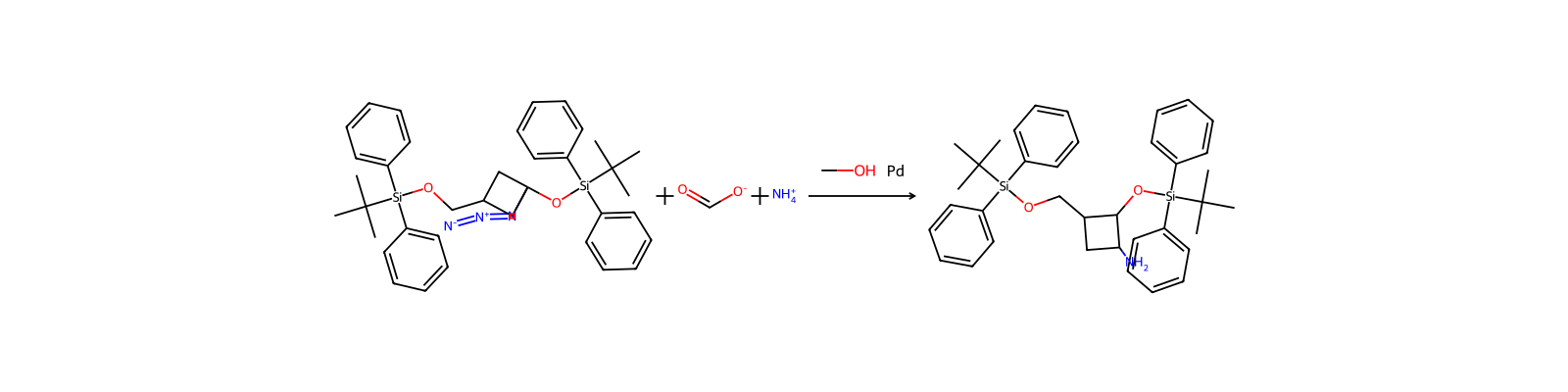
VerwendenPure ammonium formate decomposes into formamide and water when heated, and this is its primary use in industry. Formic acid can also be obtained by reacting ammonium formate with a dilute acid, and since ammonium formate is also produced from formic acid, it can serve as a way of storing formic acid. In chemical analysis, especially to ppt base metals from salts of the "noble" metals. Ammonium formate can also be used in palladium on carbon (Pd / C) reduction of functional groups. In the presence of Pd / C, ammonium formate decomposes to hydrogen, carbon dioxide, and ammonia. Ammonium formate can be used for reductive amination of aldehydes and ketones (Leuckart reaction) Ammonium formate can be used as a buffer in high performance liquid chromatography (HPLC), and is suitable for use with liquid chromatography/mass spectrometry (LC/MS). .
Vor- und nachgelagerte Produkte
Vorgelagerte Rohstoffe
Zugehörige Reaktionen
3.036




Notizen zur Verbindung
Wird geladen…