
Lithiumdiisopropylamid
Lithium diisopropylamide
Daten werden ergänzt – lade die Seite später neu, um den aktuellen Stand zu sehen

Grundinformationen
- CAS
4111-54-0- Standard-SMILES
CC(C)[N-]C(C)C.[Li+]- InChIKey
ZCSHNCUQKCANBX-UHFFFAOYSA-N- Summenformel
- C6.H14.Li.N
- Durchschnittliche Molmasse
- 107,1 g/mol
- Monoisotopische Masse
- 107,128629
Namen und Bezeichner
- Bevorzugter Name
- Lithium diisopropylamide
- IUPAC
- lithium di(propan-2-yl)azanide
- Lokaler Name
- Lithiumdiisopropylamid
- Englischer Name
- Lithium diisopropylamide
- Summenformel
- C6H16LiN
- Molmasse
- 109.14
Namen und Synonyme
Lithium diisopropylamide4111-54-0lithiodiisopropylamine2-Propanamine, N-(1-methylethyl)-, lithium saltEINECS 223-893-0EC 223-893-0diisopropylamine lithium salt2-Propanamine, N-(1-methylethyl)-, lithium salt (1:1)DTXSID6063305DIISOPROPYLAMINE LITHIUM SALT [MI]RefChem:799533DTXCID4039863
Weitere Namen anzeigen
LDALithium saltLITHIUM DIISOPROPYLAMINElithium,di(propan-2-yl)azanidelithium diisopropylamide (LDA)Lithium diisopropylamide solutionDIISithium diisopropyLLithiuM diisopropylaMidLITHIUM DIISOPROPYLAMIDE THF COMPLEX
2Propanamine, N(1methylethyl), lithium salt223-893-0UNII-OL028KIW1IOL028KIW1Ilithium;di(propan-2-yl)azanideC6H14LiNMFCD00064449Lithium di-isopropyl amide
Datenbank-Bezeichner
- CAS
4111-54-0- PubChem CID
- 2724682
- DTXSID
DTXSID6063305- UNII
- OL028KIW1I
- EC Number
- 223-893-0
- Nikkaji
- J224.914F
Eigenschaften
Berechnete StruktureigenschaftenWird ergänzt
- Polarare Oberfläche (TPSA)
- 1 Ų
- H-Brücken-Donoren
- 0
- H-Brücken-Akzeptoren
- 1
- Frei drehbare Bindungen
- 2
- Schwere Atome
- 8
- Formalladung
- 0
- Komplexität
- 37,8
Experimentelle und physikochemische Eigenschaften
Chemical ClassesMetals -> Organic Compounds, Metal Salts
Density0.79 @25 °C
Physical Description
Wet Solid
Solid; [Merck Index]
Physikochemische Eigenschaften
- Schmelzpunkt
- 6 · decomposes [MER06]
- Siedepunkt
- 65 °C · 65 °C
- Dichte
- 0.864 g/mL · 0.864 g/mL at 25 °C (lit.)
- Dampfdichte
- 1 · >1 (vs air)
- Flammpunkt
- 91 °F · 91 °F
- storage temp.
- 2 · 2-8°C
- Löslichkeit
- soluble in ethyl ether; insoluble in hydrocarbon solvents
- Aggregatzustand
- liquid
- Farbe
- brown
- Wasserlöslichkeit
- decomposes
Sicherheit und Regulatorisches
Sicherheitsangaben dienen nur zur Orientierung und ersetzen weder das Sicherheitsdatenblatt (SDB) des Lieferanten noch geltende Vorschriften oder eine fachliche Bewertung.
GHS-Klassifizierung
GHS Classification
Danger
H228 (15.4%): Flammable solid [Danger Flammable solids]
P210, P222, P231, P233, P240, P241, P260, P264, P264+P265, P280, P301+P330+P331, P302+P335+P334, P302+P361+P354, P304+P340, P305+P354+P338, P316, P317, P321, P363, P370+P378, P405, and P501 (click each P-code to see the statement)
Aggregated GHS information provided per 208 reports by companies from 8 notifications to the ECHA C&L Inventory. Each notification may be associated with multiple companies.
Gefahrenhinweise
Regulatory Information
Chemical: 2-Propanamine, N-(1-methylethyl)-, lithium salt
2-Propanamine, N-(1-methylethyl)-, lithium salt (1:1) is listed on the EPA's Chemical Data Reporting (CDR) system. Manufacturers and importers of 2-Propanamine, N-(1-methylethyl)-, lithium salt (1:1) are required to report information about their production and use of this chemical to the EPA under the Toxic Substances Control Act (TSCA). (40 eCFR Part 711)
PMN - indicates a commenced PMN (Pre-Manufacture Notices) substance.
Status: Active Update: 18-03-2019 https://echa.europa.eu/registration-dossier/-/registered-dossier/13825
2-Propanamine, N-(1-methylethyl)-, lithium salt: Does not have an individual approval but may be used under an appropriate group standard
Hazards SummaryPyrophoric; Reacts with water evolving flammable gases that may spontaneously ignite; Causes burns; Inhalation may cause corrosive injuries to upper respiratory tract and lungs; Possible teratogen; [Sigma-Aldrich MSDS] See Diisopropylamine.
Hazard Classes and CategoriesFlam. Sol. 1 (15.4%)
Sicherheit und Schutzausrüstung
Chemie und Industrie
Verwendung und Herstellung
UsesUsed as a pH adjuster (perfumes) and in organic synthesis; [Merck Index]
U.S. Production2023: 50,000 - <250,000 lb
Industry UsesIntermediate
General Manufacturing Information
Pharmaceutical and Medicine Manufacturing
2-Propanamine, N-(1-methylethyl)-, lithium salt (1:1): ACTIVE
Anwendungen
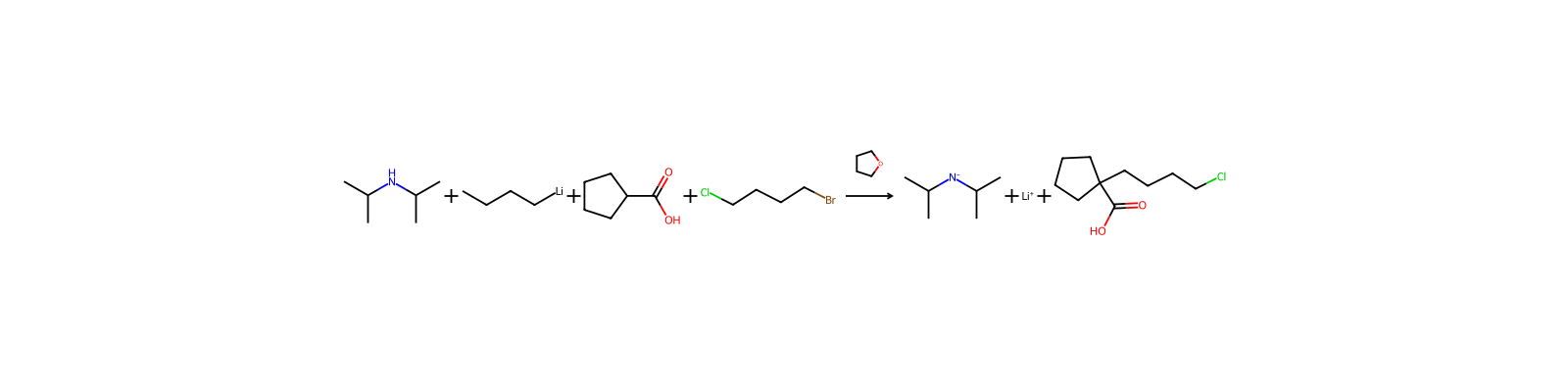
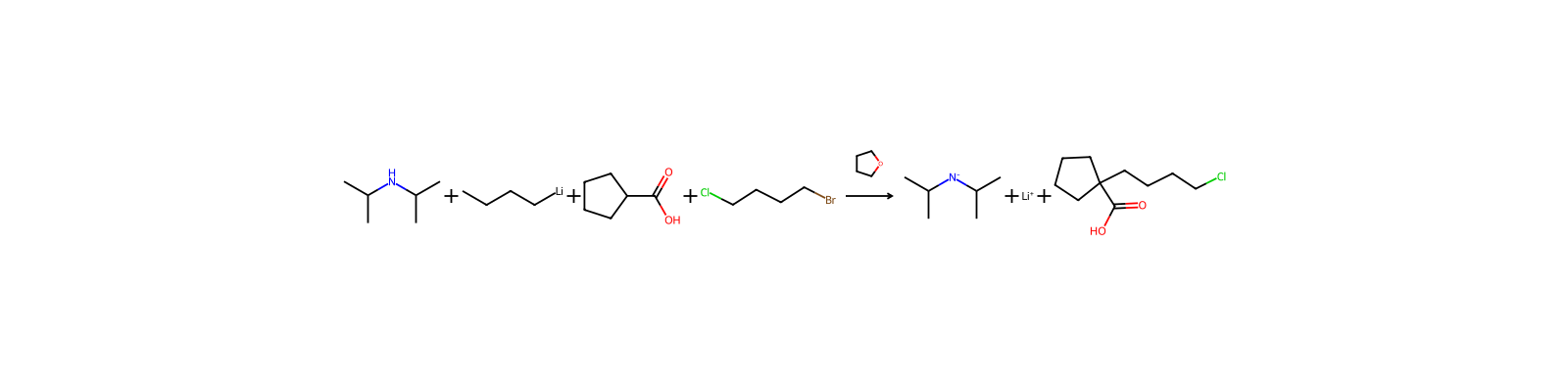
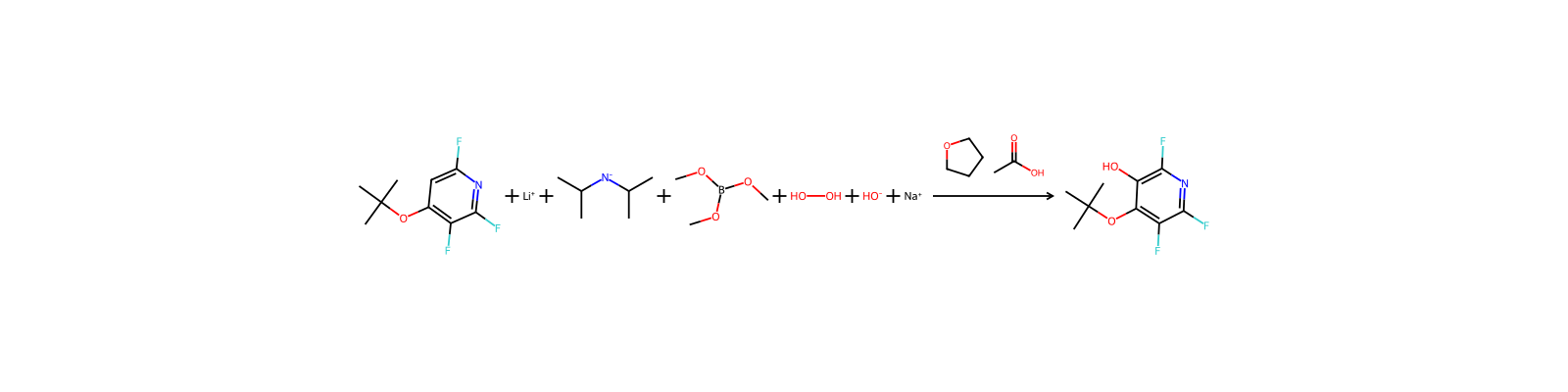
VerwendenLithium diisopropylamide is a sterically hindered nonnucleophilic strong base used for selective deprotonations, especially for the production of kinetic enolates (i.e., the thermodynamically less favored isomer) and (hetero-)aromatic carbanions. In the production of the serum lipid regulating agent Gemfibrozil one key intermediate is formed by quenching an ester enolate with 1-bromo-3-chloropropane.
Vor- und nachgelagerte Produkte
Nachgelagerte Produkte
Zugehörige Reaktionen
4.671



Notizen zur Verbindung
Wird geladen…