
1,4,7,10,13,16-Hexaoxacycloocta-decan
18-Crown-6
Daten werden ergänzt – lade die Seite später neu, um den aktuellen Stand zu sehen

Grundinformationen
- CAS
17455-13-9- Standard-SMILES
C1COCCOCCOCCOCCOCCO1- InChIKey
XEZNGIUYQVAUSS-UHFFFAOYSA-N- Summenformel
- C12H24O6
- Durchschnittliche Molmasse
- 264,31 g/mol
- Monoisotopische Masse
- 264,15728849
Überblick
18-crown-6 is a crown ether that is cyclooctadecane in which the carbon atoms at positions 1, 4, 7, 10, 13 and 16 have been replaced by oxygen atoms. It has a role as a phase-transfer catalyst. It is a saturated organic heteromonocyclic parent and a crown ether.
Namen und Bezeichner
- Bevorzugter Name
- 18-Crown-6
- IUPAC
- 1,4,7,10,13,16-hexaoxacyclooctadecane
- Lokaler Name
- 1,4,7,10,13,16-Hexaoxacycloocta-decan
- Englischer Name
- 18-Crown-6
- Summenformel
- C12H24O6
- Molmasse
- 264.32
Namen und Synonyme
18-Crown-617455-13-91,4,7,10,13,16-HEXAOXACYCLOOCTADECANEEthylene oxide cyclic hexamerCHEBI:3239763J177NC5BNSC-159836DTXSID7058626RefChem:79335DTXCID5032313241-473-518-crown-6-ether
Weitere Namen anzeigen
18-c-68-Crown-6HEXAOXACYCLOOCTADECANE18-Crown ether-6NSC 15983618-Crown-6 99%
18-Crown-6 ether18-Crown 6-EtherMFCD0000511318-crown61,4,7,10,13,16-Hexaoxacyclooctadecane (18-Crown-6)CHEMBL155204CCRIS 3587EINECS 241-473-5
Datenbank-Bezeichner
- CAS
17455-13-9- PubChem CID
- 28557
- DTXSID
DTXSID7058626- ChEMBL
CHEMBL155204- ChEBI
CHEBI:32397- UNII
- 63J177NC5B
Eigenschaften
Berechnete StruktureigenschaftenWird ergänzt
- XLogP
- -0,7
- Polarare Oberfläche (TPSA)
- 55,4 Ų
- H-Brücken-Donoren
- 0
- H-Brücken-Akzeptoren
- 6
- Frei drehbare Bindungen
- 0
- Schwere Atome
- 18
- Formalladung
- 0
- Komplexität
- 108
Experimentelle und physikochemische Eigenschaften
Chemical Classes
Other Classes -> Other Organic Compounds
Industrial compound
SpringerMaterials PropertiesChemical shift
LogP-0.68
Vapor Pressure0.0000667 [mmHg]
Food Contact SubstancesFCS -> FDA Inventory of Food Contact Substances Listed in 21 CFR
Physical DescriptionClear, odorless, hygroscopic liquid soluble in water and most organic solvents; [Ullmann] White crystals; [MSDSonline]
Physikochemische Eigenschaften
- Schmelzpunkt
- 42 · 42-45 °C(lit.)
- Siedepunkt
- 116 °C · 116°C 0,2mm
- Dichte
- 1 · 1,175 g/cm3
- Brechungsindex
- 1.458 · 1.4580 (estimate)
Sicherheit und Regulatorisches
Sicherheitsangaben dienen nur zur Orientierung und ersetzen weder das Sicherheitsdatenblatt (SDB) des Lieferanten noch geltende Vorschriften oder eine fachliche Bewertung.
GHS-Klassifizierung
GHS Classification
Warning
H302 (98.7%): Harmful if swallowed [Warning Acute toxicity, oral]
P261, P264, P264+P265, P270, P271, P280, P301+P317, P302+P352, P304+P340, P305+P351+P338, P319, P321, P330, P332+P317, P337+P317, P362+P364, P403+P233, P405, and P501 (click each P-code to see the statement)
Aggregated GHS information provided per 314 reports by companies from 11 notifications to the ECHA C&L Inventory. Each notification may be associated with multiple companies.
Gefahrenhinweise
Regulatory Information
Chemical: 1,4,7,10,13,16-Hexaoxacyclooctadecane
Crown ether 18-crown-6: Does not have an individual approval but may be used under an appropriate group standard
Hazards Summary
If absorbed, can cause electrolyte imbalance affecting the CNS; Signs of intoxication include hyperventilation, tremor, incoordination, and CNS depression; May damage the skin and eyes; LD50 (mouse) by ingestion is 0.7 g/kg; LD50 (rabbit) by skin absorption is 200 mg/kg; [Ullmann] Toxic by ingestion; A skin, eye, and respiratory tract irritant; Oral LD50 (rat) = 525 mg/kg; Dermal LDLo (rat) = 7000 mg/kg; High-dose feeding causes seizures, weight loss, and liver injury in experimental animals; [MSDSonline]
Hazard Classes and CategoriesAcute Tox. 4 (98.7%)
Toxikologische Informationen
Adverse EffectsNeurotoxin - Other CNS neurotoxin
Sicherheitsdaten
Chemie und Industrie
Verwendung und Herstellung
UsesDrug/ Therapeutic Agent; [ChemIDplus] Used as complexing agents with ammonium ions and metal ions (alkali and alkaline-earth metals); Used as catalysts to make organic chemicals; [Ullmann]
General Manufacturing Information1,4,7,10,13,16-Hexaoxacyclooctadecane: ACTIVE
Anwendungen
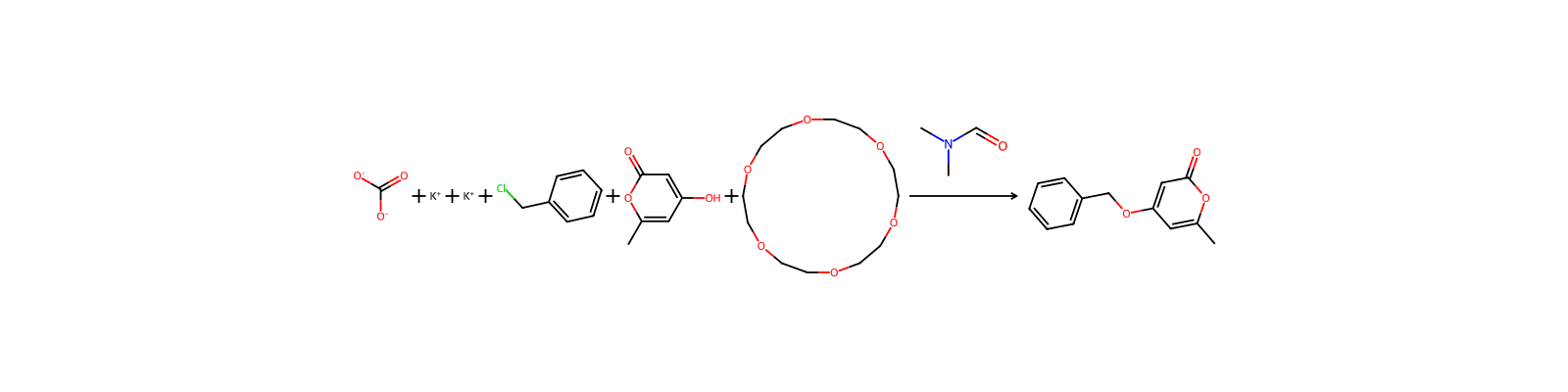
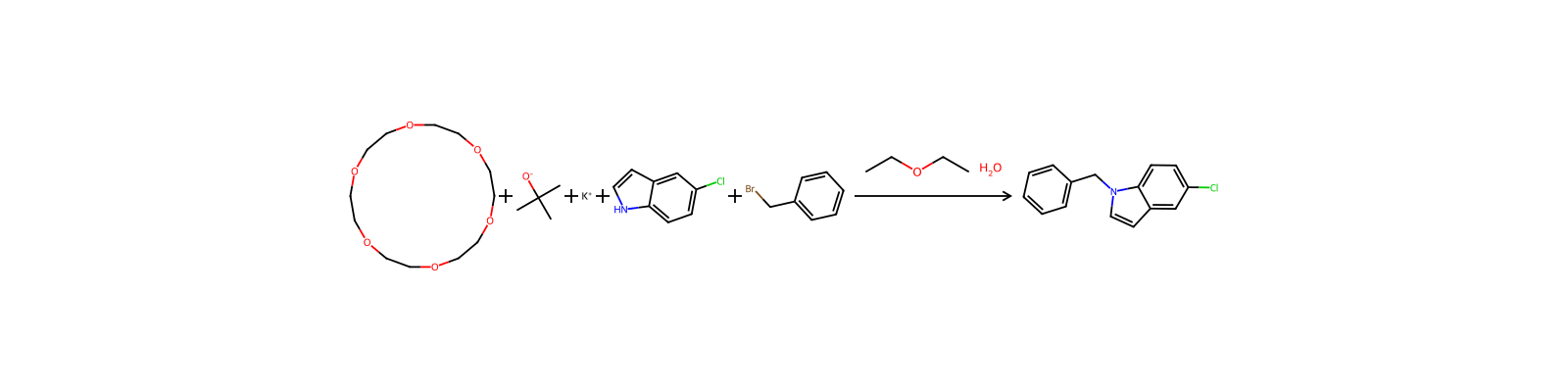
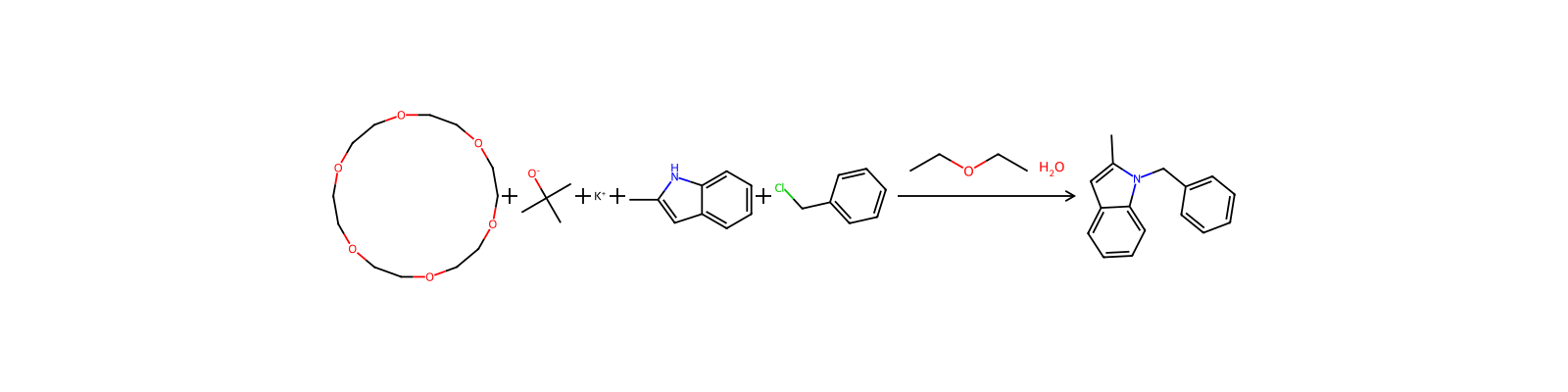
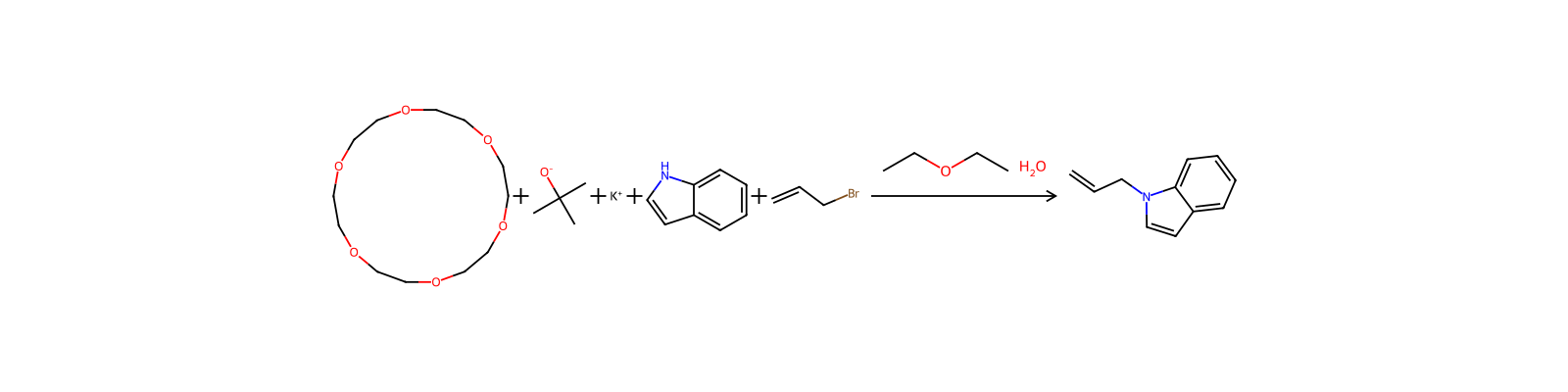
Verwenden18-Crown-6 is used as an efficient phase transfer catalyst and as a complexing agent with a variety of small cation. It is involved in the synthesis of diaryl ethers, diaryl thioethers, and diarylamines mediated by potassium fluoride-alumina and 18-crown-6. It facilitates the solubility of potassium permanganate in benzene, which is used for oxidizing the organic compounds. It is used to accelerate various substitution reactions as well as enhances the power of nucleophiles such as potassium acetate. It is utilized in the alkylation reactions in the presence of potassium carbonate, N-alkylation of glutarimide and succinimide with dimethylcarbonate. The complex formed by its reaction with potassium cyanide acts as a catalyst in the cyanosilylation of aldehydes, ketones and quinines with trimethylsilyl cyanide (TMSCN).
Vor- und nachgelagerte Produkte
Vorgelagerte Rohstoffe
Zugehörige Reaktionen
2.203



Notizen zur Verbindung
Wird geladen…