Reaktionsgleichung

OC1[CH:7]=[CH:6][C:5]([C:8]2([C:21]3[CH:26]=CC(O)=CC=3)[C:20]3[CH:19]=[CH:18][CH:17]=[CH:16][C:15]=3[C:14]3C2=[CH:10][CH:11]=[CH:12][CH:13]=3)=[CH:4]C=1.C1(=O)O[CH2:31][CH2:30][O:29]1.[C:34](=[O:37])([O-])[O-].[K+].[K+].C1OCCOCCOCCOCCOCCOC1>>[OH:29][CH2:30][CH2:31][O:37][C:34]1[CH:10]=[CH:11][CH:12]=[CH:13][C:14]=1[C:15]1[C:20]2[C:8]3[C:5](=[CH:6][CH:7]=[CH:26][CH:21]=3)[CH2:4][C:19]=2[CH:18]=[CH:17][CH:16]=1Komponenten
5




Versuchsvorschrift
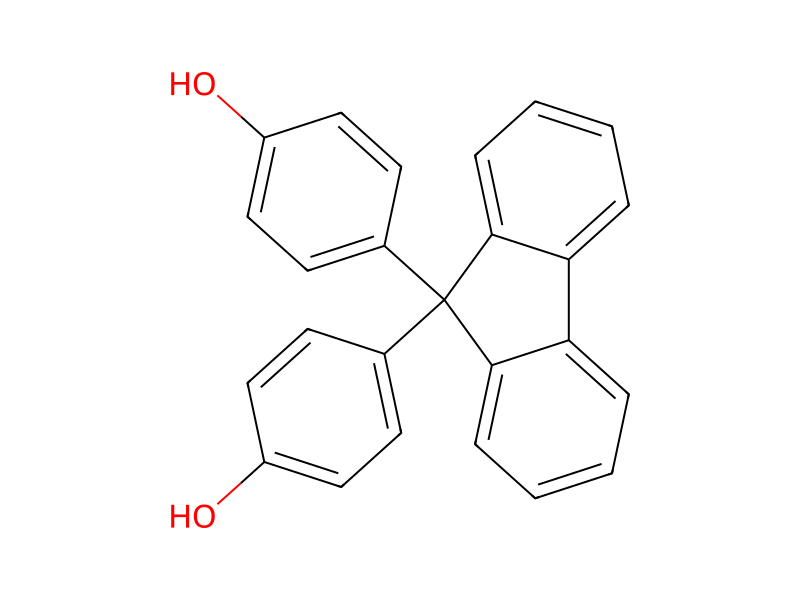
A mixture of 84.4 g (0.241 mol) of 9,9-bis(4-hydroxyphenyl)fluorene, 46.7 g (0.53 mol) of ethylene carbonate, 3.3 g (0.024 mol) of potassium carbonate, and a catalytic amount of 18-crown-6 in 400 mL of xylenes was heated at reflux with mechanical stirring for 6 h. The mixture was allowed to cool slowly to room temperature, and the solvent was decanted from the precipitated product. The resulting white solid was washed with ligroin (to prevent the formation of a gummy mass), and dried under a stream of nitrogen. The product was recrystallized from methanol, providing 70.4 g (67%) of a white powder.
Aufarbeitung
- temperatureat reflux
- customthe solvent was decanted from the precipitated product
- washThe resulting white solid was washed with ligroin (
- customdried under a stream of nitrogen
- customThe product was recrystallized from methanol
Quellen und Nachweise
- ORD-Eintrag
- ord-bfcf42b524d14d69860f018538be3094
- Quelldatensatz
- uspto-grants-1998_03
- Patentnummer
- US05723264
Verknüpfte Notizen
Wird geladen…