

Grundinformationen
- Standard-SMILES
ClC(Cl)=C(Cl)Cl- InChIKey
CYTYCFOTNPOANT-UHFFFAOYSA-N- Summenformel
- C2Cl4
- Durchschnittliche Molmasse
- 165,8 g/mol
- Monoisotopische Masse
- 163,87541072
Überblick
Tetrachloroethylene is a manufactured chemical that is widely used for dry cleaning of fabrics and for metal-degreasing. It is also used to make other chemicals and is used in some consumer products.
Namen und Bezeichner
- Bevorzugter Name
- Tetrachloroethylene
- IUPAC
- 1,1,2,2-tetrachloroethene
- Lokaler Name
- Tetrachlorethylen
- Englischer Name
- Tetrachloroethylene
- Summenformel
- C2Cl4
- Molmasse
- 165.83
Namen und Synonyme
TETRACHLOROETHYLENETetrachloroethene127-18-4PerchloroethyleneTetrachlorethylenePercPerchlorethyleneEthene, tetrachloro-Ethylene tetrachloride1,1,2,2-TetrachloroethyleneAnkilostinDidakene
Weitere Namen anzeigen
PCENemaC2Cl4PerkTetrachlorethen
PercleneTetracapTetropilTetraguerTetralenoPerawinTetralexTetlen
Datenbank-Bezeichner
- CAS
127-18-4- PubChem CID
- 31373
- DTXSID
DTXSID2021319- ChEMBL
CHEMBL114062- ChEBI
CHEBI:17300- UNII
- TJ904HH8SN
- EC Number
- 204-825-9
- Nikkaji
- J3.261A
Eigenschaften
Berechnete Struktureigenschaften
- XLogP
- 3,4
- Polarare Oberfläche (TPSA)
- 0 Ų
- H-Brücken-Donoren
- 0
- H-Brücken-Akzeptoren
- 0
- Frei drehbare Bindungen
- 0
- Schwere Atome
- 6
- Formalladung
- 0
- Komplexität
- 55,6
Experimentelle und physikochemische Eigenschaften
Chemical Classes
Hazardous Air Pollutants (HAPs)
Urban Hazardous Air Pollutants (HAPs) - EPA specified greatest potential health threat in urban areas
Carcinogens
Volatile Organic Compound (VOC) and(or) Waste-water effluent contaminant
SolventsSolvents -> Chlorinated Aliphatics
SpringerMaterials PropertiesMoessbauer quadrupole effect
PesticidesPesticide -> EPA IRIS
LogP
log Kow = 3.40
3.40
3.4
Odor
Ether-like odor
Mild, chloroform-like odor
Chlorinated solvent odor
Density
1.63 at 68 °F (USCG, 1999) - Denser than water; will sink
1.6230 g/cu cm at 20 °C
Density (at 20 °C): 1.62 g/cm³
Relative density of the vapour/air-mixture at 20 °C (air = 1): 1.09
1.62
1.623 @ 20°C
ViscosityLiquid (cP): 0.932 at 15 °C; 0.839 at 25 °C; 0.657 at 50 °C; 0.534 at 75 °C. Vapor: 9900 cP at 60 °C
Color/FormColorless liquid
Solubility
less than 0.1 mg/mL at 63 °F (NTP, 1992)
In water, 206 mg/L at 25 °C
Insoluble in water
Miscible with alcohol, ether, chloroform, benzene
Miscible with ethanol, ethyl ether, benzene
Miscible with solvent hexane; dissolves in most of the fixed and volatile oils
CorrosivityCorrosion of aluminum, iron, and zinc, which is negligible unless water is present, can be inhibited by the addition of stabilizers
Flash PointNo flash point in conventional closed tester.
Physikochemische Eigenschaften
- Schmelzpunkt
- -22 °C · -22 °C (lit.)
- Siedepunkt
- 121 °C · 121 °C (lit.)
- Dichte
- 1.623 g/mL · 1.623 g/mL at 25 °C (lit.)
- Dampfdichte
- 5.83 · 5.83 (vs air)
- Dampfdruck
- 13 mm · 13 mm Hg ( 20 °C)
- Brechungsindex
- 20 · n20/D 1.505(lit.)
- Flammpunkt
- 120 · 120-121°C
- storage temp.
- 2 °C · Store at +2°C to +25°C.
- Löslichkeit
- 0.15 g/L · water: soluble0.15g/L at 25°C
- Aggregatzustand
- Liquid
- Farbe
- 10 · APHA: ≤10
- Geruch (Odor)
- chloroform-like odor
- Odor Threshold
- 0.77 ppm · 0.77ppm
- Wasserlöslichkeit
- Miscible with alcohol, ether, chloroform, benzene and hexane. Slightly miscible with water.
- Spezifische Wärmekapazität
- 0.86 J/ · Cp(liquid): 0.86 J/(g·K), at 25℃
- Merck
- 14 · 14,9190
- BRN
- 1361721 · 1361721
- Henry's Law Constant
- 4.97 at · 4.97 at 1.8 °C, 15.5 at 21.6 °C, 34.2 at 40.0 °C, 47.0 at 50 °C, 68.9 at 60 °C, 117.0 at 70 °C (EPICS-GC, Shimotori and Arnold, 2003)
- Dielectric constant
- 2.5 · 2.5(21℃)
- Stabilität
- Stable. Incompatible with strong oxidizing agents, alkali metals, aluminium, strong bases.
- InChI
- 1S/C2Cl4/c3-1(4)2(5)6
- InChIKey
- CYTYCFOTNPOANT-UHFFFAOYSA-N
- SMILES
- Cl\C(Cl)=C(\Cl)Cl
- LogP
- 2.53 at · 2.53 at 20℃
- CAS Datenbank
- 127 · 127-18-4(CAS DataBase Reference)
- NIST chemische Informationen
- Tetrachloroethylene(127-18-4)
- EPA chemische Informationen
- Tetrachloroethylene (127-18-4)
- ECETOC JACC REPORT
- Tetrachloroethylene (127-18-4)
Sicherheit und Regulatorisches
GHS-Klassifizierung
GHS Classification
Warning
H351: Suspected of causing cancer [Warning Carcinogenicity]
P203, P273, P280, P318, P391, P405, and P501 (click each P-code to see the statement)
Warning
H315 (46.7%): Causes skin irritation [Warning Skin corrosion/irritation]
P203, P261, P264, P264+P265, P271, P272, P273, P280, P302+P352, P304+P340, P305+P351+P338, P318, P319, P321, P332+P317, P333+P317, P337+P317, P362+P364, P391, P403+P233, P405, and P501 (click each P-code to see the statement)
Gefahrenhinweise
Regulatory Information
Chemical: Ethene, 1,1,2,2-tetrachloro-
Hazard Traits - Carcinogenicity; Cardiovascular Toxicity; Hepatotoxicity and Digestive System Toxicity; Nephrotoxicity and Other Toxicity to the Urinary System; Neurotoxicity; Ocular Toxicity; Respiratory Toxicity
Ethene, 1,1,2,2-tetrachloro- is listed on the EPA's Chemical Data Reporting (CDR) system. Manufacturers and importers of Ethene, 1,1,2,2-tetrachloro- are required to report information about their production and use of this chemical to the EPA under the Toxic Substances Control Act (TSCA). (40 eCFR Part 711)
Status: Active Update: 14-12-2022 https://echa.europa.eu/registration-dossier/-/registered-dossier/14303
Ethene, tetrachloro-, (perchloroethylene): HSNO Approval: HSR001551 Approved with controls
The New Jersey Worker and Community Right to Know Act requires public and private employers to provide information about hazardous substances at their workplaces. (N.J.S.A. 34:5A-1 et. seq.)
Other Safety InformationPEC / SN / Other assessments - Tetrachloroethylene: Health and Environment
DOT LabelPoison
Fire Hazards
Special Hazards of Combustion Products: Toxic, irritating gases may be generated in fires. (USCG, 1999)
· Some of these materials may burn, but none ignite readily.
· Some of these materials may burn, but none ignite readily.
Not combustible. Gives off irritating or toxic fumes (or gases) in a fire. Risk of fire and explosion on contact with metals. See Chemical Dangers.
Fire PotentialNonflammable liquid.
Health Hazards
Vapor can affect central nervous system and cause anesthesia. Liquid may irritate skin after prolonged contact. May irritate eyes but causes no injury. (USCG, 1999)
· Toxic by ingestion.
· Toxic by ingestion.
Hazards Summary
Tetrachloroethylene is a manufactured chemical that is widely used for dry cleaning of fabrics and for metal-degreasing. It is also used to make other chemicals and is used in some consumer products.
Perchloroethylene can induce anesthesia. Liver and kidney injury have been reported after accidental exposures to high concentrations. [ACGIH] Tetrachloroethylene causes trivial hepatotoxicity, unless exposure is very heavy or agent ingested. [Zimmerman, p. 333] Perchloroethylene causes skeletal abnormalities in high-dose reproductive studies of mice. Increased spontaneous abortion rates were found in occupationally exposed women in Finland but not in other countries studied (Denmark, Norway, and Sweden). [Frazier, p. 182-3] Perchloroethylene is in the list of Some volatile substances which may be abused by inhalation published on the web site of the U.N. International Drug Control Programme, indicating its potential to cause narcosis in workers. [Flanagan et al. Volatile Substance Abuse] A skin, eye, and respiratory tract irritant; May cause kidney and liver injury; Inhalation of high concentrations can cause CNS depression; [ICSC] In conclusion, this historically prospective cohort study of dry-cleaners and laundry workers showed no clear association between occupational exposure to PER [perchloroethylene] and subsequent incidence of cancer, adding weight to the part of the available epidemiological evidence that suggests absence of such an association. [PMID 20886350]
The major hazards encountered in the use and handling of tetrachloroethylene stem from its toxicologic properties. Exposure to this colorless liquid may occur from its use as a solvent and as an intermediate in chemical syntheses. In addition to eye and skin inflammation from contacting liquid tetrachloroethylene, inhalation of its vapor can cause central nervous system depression, liver necrosis, and effects on the lung, heart, and kidney. Tetrachloroethylene's sweet chloroform-like odor may warn of its presence at a sub-TLV level of 4.68 ppm; however,the distinctive odor of tetrachloroethylene does not necessarily provide adequate warning. Because tetrachloroethylene quickly desensitizes olfactory responses, persons can suffer exposure to vapor concentrations in excess of TLV limits without smelling it. To assure against exposure, it is recommended that self-contained breathing apparatus and full protective clothing be worn, especially in fire or spill situations. Although considered nonflammable, containers of tetrachloroethylene may explode in the heat of a fire and its vapor will decompose in contact with open flames or red-heated materials to yield the poisonous gas, phosgene. For small fires involving tetrachloroethylene, extinguish with dry chemical or CO2, and for large fires, use water spray, fog, or foam. Cool containers with water. If the fire involves a tank car or truck, isolate the area for 1/2 mile in all directions. Tetrachloroethylene should be stored in a cool, dry, well-ventilated location, away from strong oxidizers, potential fire hazards, caustic soda, potash, and chemically active metals such as barium, lithium, and beryllium. For small spills of tetrachloroethylene, ventilate the area then take up with vermiculite, dry sand, or earth. Large spills should be diked for later disposal. Prior to implementing land disposal of waste residues (including waste sludge), consult environmental regulatory agencies for guidance.
DOT ID and Guide
1897 160
1897 160
1897 160
FDA Requirements
Perchloroethylene is an indirect food additive for use only as a component of adhesives.
The following substances may be safely used as adjuvants in the manufacture of foamed plastics intended for use in contact with food, subject to any prescribed limitations: 1,1,2,2-tetrachloroethylene. Limitation: For use only as a blowing agent adjuvant in polystyrene at a level not to exceed 0.3 percent by weight of finished foamed polystyrene intended for use in contact with food only of the types identified in section 176.170(c) of this chapter, table 1, under Categories I, II, VI, and VIII.
Reactive GroupHalogenated Organic Compounds
EC ClassificationSymbol: Xn, N; R: 40-51/53; S: (2)-23-36/37-61
UN ClassificationUN Hazard Class: 6.1; UN Pack Group: III
Sicherheit und Schutzausrüstung
Fire Fighting
Excerpt from ERG Guide 160 [Halogenated Solvents]:
In case of fire in the surroundings, use appropriate extinguishing media.
First Aid Measures
Fresh air, rest. Artificial respiration may be needed. Refer immediately for medical attention.
Remove contaminated clothes. Rinse and then wash skin with water and soap.
First rinse with plenty of water for several minutes (remove contact lenses if easily possible), then refer for medical attention.
Rinse mouth. Do NOT induce vomiting. Refer immediately for medical attention.
Accidental Release Measures
· CALL 911. Then call emergency response telephone number on shipping paper. If shipping paper not available or no answer, refer to appropriate telephone number listed on the inside back cover.
· ELIMINATE all ignition sources (no smoking, flares, sparks or flames) from immediate area.
· CALL 911. Then call emergency response telephone number on shipping paper. If shipping paper not available or no answer, refer to appropriate telephone number listed on the inside back cover.
· ELIMINATE all ignition sources (no smoking, flares, sparks or flames) from immediate area.
First Aid
EYES: First check the victim for contact lenses and remove if present. Flush victim's eyes with water or normal saline solution for 20 to 30 minutes while simultaneously calling a hospital or poison control center. Do not put any ointments, oils, or medication in the victim's eyes without specific instructions from a physician. IMMEDIATELY transport the victim after flushing eyes to a hospital even if no symptoms (such as redness or irritation) develop.
General First Aid:
General First Aid:
(General first aid procedures)
Safe StorageSeparated from metals, ignition sources and food and feedstuffs. See Chemical Dangers. Keep in the dark. Keep in a well-ventilated room. Dry. Cool.
Firefighting HazardsVapors are heavier than air and will collect in low areas. Storage containers and parts of containers may rocket great distances, in many directions.
Exposure Control and Personal Protection
· Wear positive pressure self-contained breathing apparatus (SCBA).
· Wear positive pressure self-contained breathing apparatus (SCBA).
Biological Exposure Indices (BEI) [ACGIH] - Tetrachlorethylene in end-exhaled air = 3 ppm; Tetrachloroethylene in blood = 0.5 mg/L; sample prior to shift; [ACGIH]
10.0 [ppm]
Fire Fighting Procedures
Suitable extinguishing media: Use water spray, alcohol-resistant foam, dry chemical or carbon dioxide.
Advice for firefighters: Wear self-contained breathing apparatus for firefighting if necessary.
If material involved in fire: Extinguish fire using agent suitable for type of surrounding fire (Material itself does not burn or burns with difficulty).
If material or contaminated runoff enters waterways, notify downstream users of potentially contaminated waters. Notify local health and fire officials and pollution control agencies. From a secure, explosion-proof location, use water spray to cool exposed containers. If cooling streams are ineffective (venting sound increases in volume and pitch, tank discolors, or shows any signs of deforming), withdraw immediately to a secure position. ... The only respirators recommended for firefighting are self-contained breathing apparatuses that have full face-pieces and are operated in a pressure-demand or other positive-pressure mode.
Approach from upwind to avoid hazardous vapors and toxic decomposition products. Use water spray to keep fire-exposed containers cool. Use flooding quantities of water as fog or spray. Extinguish fire using agent suitable for surrounding fire.
Storage Conditions
Keep container tightly closed in a dry and well-ventilated place. Containers which are opened must be carefully resealed and kept upright to prevent leakage.
Store in a secure poison location. Prior to working with this chemical you should be trained on its proper handling and storage. A regulated, marked area should be established where this chemical is handled, used, or stored in compliance with OSHA Standard 1910.1045. Tetrachloroethylene must be stored to avoid contact with strong oxidizers, such as chlorine, bromine, and chlorine dioxide; chemically active metals, such as barium, lithium, and beryllium; and nitric acid, since violent reactions occur. Store in tightly closed containers in a cool, well-ventilated area away from heat.
Store in cool, dry, well-ventilated location. Separate from active metals. Isolate from open flames and combustibles.
It is stored in mild steel tanks equipped with breathing vents & chemical driers. It can be transferred through seamless black iron pipes, with gasketing materials of compressed asbestos, asbestos reinforced with metal, or asbestos impregnated with Teflon or Viton, employing centrifugal or positive displacement pumps of cast iron or steel construction. Small quantities ... may be stored safely in green or amber glass containers.
PRECAUTIONS FOR "CARCINOGENS": Storage site should be as close as practicable to lab in which carcinogens are to be used, so that only small quantities required for ... expt need to be carried. Carcinogens should be kept in only one section of cupboard, an explosion-proof refrigerator or freezer (depending on chemicophysical properties ...) that bears appropriate label. An inventory ... should be kept, showing quantity of carcinogen & date it was acquired ... Facilities for dispensing ... should be contiguous to storage area. /Chemical Carcinogens/
Cleanup Methods
ACCIDENTAL RELEASE MEASURES: Personal precautions, protective equipment and emergency procedures: Use personal protective equipment. Avoid breathing vapors, mist or gas. Ensure adequate ventilation. Evacuate personnel to safe areas. Environmental precautions: Prevent further leakage or spillage if safe to do so. Do not let product enter drains. Discharge into the environment must be avoided. Methods and materials for containment and cleaning up: Soak up with inert absorbent material and dispose of as hazardous waste. Keep in suitable, closed containers for disposal.
Personal protection: filter respirator for organic gases and vapours adapted to the airborne concentration of the substance and complete protective clothing. Ventilation. Do NOT let this chemical enter the environment. Collect leaking liquid in sealable containers. Absorb remaining liquid in sand or inert absorbent. Then store and dispose of according to local regulations.
Evacuate and restrict persons not wearing protective equipment from area of spill or leak until cleanup is complete. Remove all ignition sources. Ventilate area of spill or leak. Absorb liquids in vermiculite, dry sand; earth, peat, carbon, or a similar material and deposit in sealed containers. Keep this chemical out of a confined space, such as a sewer, because of the possibility of an explosion, unless the sewer is designed to prevent the buildup of explosive concentrations. It may be necessary to contain and dispose of this chemical as a hazardous waste. If material or contaminated runoff enters waterways, notify downstream users of potentially contaminated waters.
PRECAUTIONS FOR "CARCINOGENS": A high-efficiency particulate arrestor (HEPA) or charcoal filters can be used to minimize amt of carcinogen in exhausted air ventilated safety cabinets, lab hoods, glove boxes or animal rooms ... Filter housing that is designed so that used filters can be transferred into plastic bag without contaminating maintenance staff is avail commercially. Filters should be placed in plastic bags immediately after removal ... The plastic bag should be sealed immediately ... The sealed bag should be labelled properly ... Waste liquids ... should be placed or collected in proper containers for disposal. The lid should be secured & the bottles properly labelled. Once filled, bottles should be placed in plastic bag, so that outer surface ... is not contaminated ... The plastic bag should also be sealed & labelled. ... Broken glassware ... should be decontaminated by solvent extraction, by chemical destruction, or in specially designed incinerators. /Chemical Carcinogens/
Approach release from upwind. Stop or control the leak, if this can be done without undue risk. Control runoff and isolate discharged material for proper disposal.
Nonfire Spill ResponseExcerpt from ERG Guide 160 [Halogenated Solvents]:
Disposal Methods
Generators of waste (equal to or greater than 100 kg/mo) containing this contaminant, EPA hazardous waste number D039, U210, and F002, must conform with USEPA regulations in storage, transportation, treatment and disposal of waste.
Product: Offer surplus and non-recyclable solutions to a licensed disposal company. Contact a licensed professional waste disposal service to dispose of this material. Dissolve or mix the material with a combustible solvent and burn in a chemical incinerator equipped with an afterburner and scrubber; Contaminated packaging: Dispose of as unused product.
SRP: Wastewater from contaminant suppression, cleaning of protective clothing/equipment, or contaminated sites should be contained and evaluated for subject chemical or decomposition product concentrations. Concentrations shall be lower than applicable environmental discharge or disposal criteria. Alternatively, pretreatment and/or discharge to a permitted wastewater treatment facility is acceptable only after review by the governing authority and assurance that "pass through" violations will not occur. Due consideration shall be given to remediation worker exposure (inhalation, dermal and ingestion) as well as fate during treatment, transfer and disposal. If it is not practicable to manage the chemical in this fashion, it must be evaluated in accordance with EPA 40 CFR Part 261, specifically Subpart B, in order to determine the appropriate local, state and federal requirements for disposal.
Incineration, preferably after mixing with another combustible fuel. Care must be exercised to assure complete combustion to prevent the formation of phosgene. An acid scrubber is necessary to remove the halo acids produced. Alternatively, PCE may be recovered from waste gases and reused.
For more Disposal Methods (Complete) data for Tetrachloroethylene (13 total), please visit the HSDB record page.
Toxikologische Informationen
Toxicological InformationCDC-ATSDR Toxicological Profile
Body Burden
Tetrachloroethylene was detected in 7 of 8 samples in mother's milk from 4 urban areas in the US(1). One hour after a visit to a dry cleaning plant, one sample of mother's milk contained 10 ppm tetrachloroethylene, this decreased to 3 ppm after 24 hr(2). Tetrachloroethylene was detected in 250 (121 males, 129 females) whole blood samples collected in a US survey at 0.7-23 ppb, 2.4 ppb average(3). The geometric mean concentration in 43 blood samples from children living in a socioeconomically disadvantaged area of Minneapolis was 0.04 ng/L, in a study conducted from Jan-Apr 2002(4). In a National Health and Nutrition Examination Survey conducted 1999 to 2000, tetrachloroethylene was detected in 77.3% of 276 blood samples at 0.014-4.900 ng/mL (median 0.043 ng/mL)(5). In a US fiscal year 1982 National Human Adipose Tissue Survey, tetrachloroethylene was detected in 61% of 46 composites at 3-94 ppb, wet tissue concentration(6). Tetrachloroethylene was detected in human body fat (8 subjects) at 0.4-29.2 ppb and various other human organs at <6 ng/g(7).
Tetrachloroethylene was detected in expired breath, urine and blood from 9 individuals living in Love Canal, NY collected Jul 1978 at 600-4500 ng/cu m, 120-690 ng/L and 0.35-260 ng/mL, respectively(1). The mean concentration of tetrachloroethylene in alveolar air in 136 residents living near 12 dry-cleaning stores were: living equal to or <5 floors above the stores 5 mg/cu m, adjacent houses 1 mg/cu m, one house away 0.2 mg/cu m, across street <0.1 mg/cu m, whereas the mean concentration in 18 workers from these stores was 73 mg/cu m(2). Breath samples collected 1981 from 295-339 residents of Elizabeth and Bayonne, NJ, contained tetrachloroethylene in 93% of the samples with an average, median and maximum concentration of 13.0, 6.8 and 280 ug/cu m (weighted statistics), respectively(3). Alveolar air in children and teachers in school situated near a factory were 24 ug/cu m average for children, and 11 and 47 ug/cu m for the teachers(4). The mean concentration of tetrachloroethylene in the classroom was 13 ug/cu m(4). Alveolar air of residents of a nursing home situated near a former chemical waste dump averaged 7.8 ug/cu m first floor and 1.8 ug/cu m on the second floor, where ambient concentrations averaged 8.2 and 1.6 ug/cu m, respectively(4).
Whole blood, USA survey of 250 (121 males, 129 females), 0.7-23 ppb, 2.4 ppb avg(1). The geometric mean concentration in 43 blood samples from children living in a socioeconomically disadvantaged area of Minneapolis was 0.04 ng/L, in a study conducted from January through April 2002(2). USA FY82 National Human Adipose Tissue Survey specimens, 46 composites, 61% pos (>3 ppb, wet tissue concentration), 94 ppb max(3). Tetrachloroethylene was detected in human body fat (8 subjects) 0.4-29.2 ppb and various human organs less than 6 ng/g(4).
... Tetrachloroethylene ... in the blood and brain (4.4 mg/l00 mL and 36 mg/l00 g, respectively). /fatal/
TreatmentTetrachloroethylene has no known antidote, and exposure is usually treated symptomatically. (L116)
Cancer Sites
Hepatic
[in animals: liver tumors]
Interactions
/The study objective was/ to evaluate the protective effect of ethanol extract of Mollugo nudicaulis (M. nudicaulis) against perchloroethylene-induced hepatotoxicity. The hepatoprotective activity of the ethanol extract of M. nudicaulis (200 mg/kg body wt) was studied in percholoroethylene (1000 mg/kg body wt) induced hepatotoxicity in Wistar albino rats. The serum levels of AST, ALT, ALP, bilirubin and the liver content of SOD, CAT, GPx, GST, GSH, vitamin C were assessed to evaluate the hepatoprotective and antioxidant activities of the extract. The activity of the extract was compared with silymarin, a standard reference drug. In addition, serum urea, uric acid and creatinine levels were measured to evaluate the kidney function. The histopathological examination of the liver tissues was observed to support the biochemical parameters. The results revealed that the extract significantly (P<0.05) restored the serum levels of AST, ALT, ALP, bilirubin and significantly (P<0.05) increased the antioxidant enzymes SOD, CAT, GPx, GST, GSH, vitamin C in perchloroethylene-induced rats to its normalcy. The biochemical observations were supported by the histopathological studies of the liver tissues. The results led to the conclusion that M. nudicaulis possess hepatoprotective and antioxidant activities against perchloroethylene-induced hepatotoxicity in rats.
... In a field experiment ... a 10-year-old Serbian spruce (Picea omorica) was continually exposed to trichloroethylene and tetrachloroethylene for 7 months. The effects observed included chlorosis, necrosis and premature loss, particularly on the sun-exposed faces of the needles. Along several of the sun-exposed twigs, a total loss of chlorophyll was observed. The damage intensified after periods of clear, sunny days. The same toxic effects were observed on the sun-exposed leaves of a hornbeam shrub (Carpinus betulus) located about 2 m downwind from the spruce tree. Concentrations of trichloroethylene among the branches of the spruce ranged from 2.7 to 10.8 mg/cu m (mean = 4.6 mg/cu m) during the study. Concentrations of tetrachloroethylene ranged from 3.4 to 13.7 mg/cu m (mean = 11.8 mg/cu m). /It was also/ demonstrated that exposure to similar concentrations of trichloroethylene or tetrachloroethylene, in combination with visible/ultraviolet radiation, in the laboratory caused a similar degree of depression in photosynthetic pigments in Norway spruce needles (Picea abies).
Intubation of rats with mixtures of benzene and tetrachloroethylene yielded a combined toxicity which was only slightly less than additive. Mixtures of toluene with tetrachloroethylene resulted in LD50 values of less than than predicted for simple additivity, indicating synergistic effects.
There is evidence of hepatotoxic effects caused by Perchloroethylene (PCE), presumably due to reactive metabolic intermediates; lipid peroxidation is under study as a potential mechanism of toxicity. /This study sought/ to verify if PCE levels comparable to those reached in the blood of exposed subjects can cause cell damage and lipid peroxidation. The association of PCE with lipid peroxidation inducing drugs (cyclosporine A, valproic acid and amiodarone) was also tested on rat isolated hepatocytes. AST and LDH release, MTT test and lipid peroxidation assay showed that PCE determines dose-dependent effects on rat isolated hepatocytes. The toxic potential resulting from /the/ data would be valproic acid < cyclosporine A < amiodarone. While valproic acid and cyclosporine caused a mild toxicity, the effects of amiodarone were more severe; in particular, the association of PCE with amiodarone showed a clear additive effect. The role of lipid peroxidation in the liver toxicity exerted by the tested compounds was confirmed by /the/ data, and resulted relevant after treatment of cells with amiodarone and PCE. Extrapolating these results to human, /it is suggested/ that a subject professionally exposed to PCE, who chronically assumes a lipid peroxidation inducing drug like amiodarone, may be potentially exposed to a higher risk of liver toxicity.
Target Organs
Cancer, Hepatic (Liver), Neurological (Nervous System), Renal (Urinary System or Kidneys)
Nervous
Eyes, skin, respiratory system, liver, kidneys, central nervous system
Health EffectsTetrachloroethylene is a central nervous system depressant. It is also known to cause liver and kidney damage, and is a probably carcinogen. (L116)
Ecotoxicity Values
LC50; Species: Limanda limanda (dab); Conditions: flow-through bioassay; Concentration: 5 mg/L for 96 hr
LC50; Species: Tanytarsus dissimilis (midge); Conditions: static bioassay; Concentration: 30,840 ug/L for 48 hr
LC50; Species: Jordanella floridae (American flagfish); Concentration: 8.4 mg/L for 96 hr /Conditions of bioassay not specified in source examined/
LC50; Species: Daphnia magna (water flea); Conditions: static bioassay, 22 °C; Concentration: 18 mg/L for 48 hr
For more Ecotoxicity Values (Complete) data for Tetrachloroethylene (26 total), please visit the HSDB record page.
Environmental Fate
TERRESTRIAL FATE: Based on a classification scheme(1), Koc values in the range of 200-237(2-4) indicate that tetrachloroethylene is expected to have moderate mobility in soil(SRC). Volatilization of tetrachloroethylene from moist soil surfaces is expected to be an important fate process(SRC) given a Henry's Law constant of 0.0177 atm-cu m/mole(5). Tetrachloroethylene may volatilize from dry soil surfaces based on a vapor pressure of 18.5 mm Hg at 25 °C(6). Volatilization half-lives in the range of 1.2-5.4 hrs were measured for tetrachloroethylene from a sandy loam soil surface and volatilization half-lives of 1.9-5.2 hrs were measured from an organic topsoil(7). Using soil microcosms (60% municipal solid, 40% bulk, industrial, and sewage treatment sludge), tetrachloroethylene, present at 5 ug/L, exhibited no degradation when incubated at 20 °C(8) indicating that biodegradation is not a fast environmental fate process in soil(SRC). There is evidence that slow biodegradation of tetrachloroethylene occurs under anaerobic conditions when the microorganisms have been acclimated, yielding trichloroethylene as a product(9,10).
AQUATIC FATE: Based on a classification scheme(1), measured Koc values of 200-237(2-4), indicate that tetrachloroethylene is expected to adsorb to suspended solids and sediment(SRC). Volatilization from water surfaces is expected(5) based upon a Henry's Law constant of 0.0177 atm-cu m/mole(6). Using this Henry's Law constant and an estimation method(5), volatilization half-lives for a model river and model lake are 4 hours and 5 days, respectively(SRC). Measured hydrolysis half-lives of 9 months to 3.34X10+11 years indicate hydrolysis is not an environmentally relevant process(7). According to a classification scheme(8), BCFs of 26-115(7, 9-11) measured in fish, suggest bioconcentration in aquatic organisms is low to high. Tetrachloroethylene may undergo indirect photolysis in natural waters when photosensitizers such as humic acids are present(12). This process is only expected to be important in sunlit surface waters containing humic material. The biodegradation half-lives of tetrachloroethylene in aerobic and anaerobic waters were reported as 180 and 98 days, respectively(13). In anaerobic microcosms established with surface sediments from tidal flats, tetrachloroethylene dechlorination began within 10 days and was 100% converted to trichloroethylene in 37 days(14).
ATMOSPHERIC FATE: According to a model of gas/particle partitioning of semivolatile organic compounds in the atmosphere(1), tetrachloroethylene, which has a vapor pressure of 18.5 mm Hg at 25 °C(2), is expected to exist solely as a vapor in the ambient atmosphere. Vapor-phase tetrachloroethylene is degraded in the atmosphere by reaction with photochemically-produced hydroxyl radicals(SRC); the half-life for this reaction in air is estimated to be 96 days(SRC), calculated from its rate constant of 1.67X10⁻¹³ cu cm/molecule-sec at 25 °C(3). Tetrachloroethylene may also be degraded in the atmosphere by reaction with ozone, but the rate of this reaction is too slow to be environmentally important(4). Direct photolysis is not expected to be an important environmental fate process since tetrachloroethylene only absorbs light weakly in the environmental UV spectrum(5).
Food Survey Values
Tetrachloroethylene was detected in Chinese style sauce (2 ppb), quince jelly (2.2 ppb), crab apple jelly (2.5 ppb), grape jelly (1.6 ppb) and chocolate sauce (3.6 ppb)(1). In various food from England, tetrachloroethylene was not detected (detection limit 0.01 ug/kg) in hen eggs, light ale, canned orange juice, wine and grapes; it was detected in fresh milk, Cheshire cheese, English butter, beef, pig liver, margarine, olive oil, cod liver oil, vegetable cooking oil, castor oil, canned fruit drink, instant coffee, tea, potatoes, apples, pears, tomatoes and fresh bread at concentrations of 0.01-13 ug/kg(2). Tetrachloroethylene was detected in 2 of 10 wheat samples at 1.8 and 2.1 ppb and 2 corn samples at 0.45 and 0.54 ppb(3). Tetrachloroethylene was detected in butter and margarine at concentrations of 0.7-18 ug/kg and peanut butter at concentrations of 0.6-9.7 ug/kg(4).
Tetrachloroethylene occurrence following analysis of 70 foods over a 5 year period from 1996-2000 as part of the US Total Diet Program(1). [Table#374]
Adverse EffectsNeurotoxin - Acute solvent syndrome
Exposure Routes
The substance can be absorbed into the body by inhalation, by ingestion and through the skin.
inhalation, skin absorption, ingestion, skin and/or eye contact
Oral (L116) ; inhalation (L116) ; dermal (L116)
Regulatorische Informationen
FDA Requirements
Perchloroethylene is an indirect food additive for use only as a component of adhesives.
The following substances may be safely used as adjuvants in the manufacture of foamed plastics intended for use in contact with food, subject to any prescribed limitations: 1,1,2,2-tetrachloroethylene. Limitation: For use only as a blowing agent adjuvant in polystyrene at a level not to exceed 0.3 percent by weight of finished foamed polystyrene intended for use in contact with food only of the types identified in section 176.170(c) of this chapter, table 1, under Categories I, II, VI, and VIII.
RCRA Requirements
D039; A solid waste containing tetrachloroethylene may or may not become characterized as a hazardous waste when subjected to the Toxicity Characteristic Leaching Procedure listed in 40 CFR 261.24, and if so characterized, must be managed as a hazardous waste.
U210; As stipulated in 40 CFR 261.33, when tetrachloroethylene, as a commercial chemical product or manufacturing chemical intermediate or an off-specification commercial chemical product or a manufacturing chemical intermediate, becomes a waste, it must be managed according to Federal and/or State hazardous waste regulations. Also defined as a hazardous waste is any residue, contaminated soil, water, or other debris resulting from the cleanup of a spill, into water or on dry land, of this waste. Generators of small quantities of this waste may qualify for partial exclusion from hazardous waste regulations (40 CFR 261.5).
F002; When tetrachloroethylene is a spent halogenated solvent, it is classified as a hazardous waste from a nonspecific source (F002), as stated in 40 CFR 261.31, and must be managed according to state and/or federal hazardous waste regulations.
TSCA Requirements
Pursuant to section 8(d) of TSCA, EPA promulgated a model Health and Safety Data Reporting Rule. The section 8(d) model rule requires manufacturers, importers, and processors of listed chemical substances and mixtures to submit to EPA copies and lists of unpublished health and safety studies. Tetrachloroethylene is included on this list. Effective date 6/1/87; Sunset date: 6/1/97.
FIFRA Requirements
As the federal pesticide law FIFRA directs, EPA is conducting a comprehensive review of older pesticides to consider their health and environmental effects and make decisions about their continued use. Under this pesticide reregistration program, EPA examines newer health and safety data for pesticide active ingredients initially registered before November 1, 1984, and determines whether the use of the pesticide does not pose unreasonable risk in accordance to newer saftey standards, such as those described in the Food Quality Protection Act of 1996. Pesticides for which EPA had not issued Registration Standards prior to the effective date of FIFRA '88 were divided into three lists based upon their potential for human exposure and other factors, with List B containing pesticides of greater concern than those on List C, and with List C containing pesticides of greater concern than those on List D. Tetrachloroethylene is found on List C. Case No: 3109; Case Status: No products containing the pesticide are actively registered. Therefore, we are characterizing the case as "cancelled." Under FIFRA, pesticide producers may voluntarily cancel their registered products. EPA also may cancel pesticide registrations if registrants fail to pay required fees or make/meet certain reregistration commitments, or if EPA reaches findings of unreasonable adverse effects.; Active ingredient (AI): tetrachloroethylene; AI Status: The active ingredient is no longer contained in any registered products ... "cancelled.".
Atmospheric Standards
This action promulgates standards of performance for equipment leaks of Volatile Organic Compounds (VOC) in the Synthetic Organic Chemical Manufacturing Industry (SOCMI). The intended effect of these standards is to require all newly constructed, modified, and reconstructed SOCMI process units to use the best demonstrated system of continuous emission reduction for equipment leaks of VOC, considering costs, non air quality health and environmental impact and energy requirements. Perchloroethylene is produced, as an intermediate or a final product, by process units covered under this subpart.
Listed as a hazardous air pollutant (HAP) generally known or suspected to cause serious health problems. The Clean Air Act, as amended in 1990, directs EPA to set standards requiring major sources to sharply reduce routine emissions of toxic pollutants. EPA is required to establish and phase in specific performance based standards for all air emission sources that emit one or more of the listed pollutants. Tetrachloroethylene is included on this list.
CERCLA Reportable Quantities
Persons in charge of vessels or facilities are required to notify the National Response Center (NRC) immediately, when there is a release of this designated hazardous substance, in an amount equal to or greater than its reportable quantity of 100 lb or 45.4 kg. The toll free number of the NRC is (800) 424-8802. The rule for determining when notification is required is stated in 40 CFR 302.4 (section IV.D.3.b).
Clean Water Act RequirementsToxic pollutant designated pursuant to section 307(a)(1) of the Federal Water Pollution Control Act and is subject to effluent limitations.
State Drinking Water Standards
(DE) DELAWARE 1 ug/L
(FL) FLORIDA 3 ug/L
(NJ) NEW JERSEY 1 ug/L
State Drinking Water Guidelines
(AZ) ARIZONA 0.67 ug/L
(CT) CONNECTICUT 5 ug/L
(ME) MAINE 7 ug/L
(MN) MINNESOTA 5 ug/L
Federal Drinking Water Standards
Maximum contaminant levels (MCL) for organic contaminants apply to community and non-transient, non-community water systems: Tetrachloroethylene, MCL 0.005 mg/L.
EPA 5 ug/L
Federal Drinking Water GuidelinesThe maximum contaminant level goal (MCLG) for the following organic contaminant is zero mg/L: tetrachloroethylene.
Sicherheitsdaten
- wgk
- 3
- IDLA
- 150 ppm
- tsca
- TSCA listed
- ridadr
- UN 1897
- hs_code
- 29032300
- RTECS-Nr.
- KX3850000
- risk_code
- 40-51/53-23/25-11-39/23/24/25-23/24/25
- Toxizität
- LD50 orally in mice: 8.85 g/kg (Dybing); LC for mice in air: 5925 ppm (Lazarew)
- hazard_code
- Xn,N,T,F
- safety_code
- 23-36/37-61-45-24-16-7
- hazard_class
- 6.1
- packing_group
- III
- Speicherklasse
- 6.1C - Combustible acute toxic Cat.3toxic compounds or compounds which causing chronic effects
- Giftige Stoffe Daten
- 127-18-4(Hazardous Substances Data)
- Hazard Classifications
- Aquatic Chronic 2Carc. 2Eye Irrit. 2Skin Irrit. 2Skin Sens. 1STOT SE 3
- Selbstentzündungstemperatur
- 260℃
Chemie und Industrie
Pharmakologische Informationen
Biological Half-Life
Blood: 96 hours; trichloroacetic acid in urine: 80 hours (may be longer depending upon fat deposition); [TDR, p. 1010]
After ingestion of 12-16 g tetrachloroethylene, a 6 year old boy was admitted to the clinic in coma. ... The tetrachloroethylene blood level profile which was determined under hyperventilation therapy could be computer fitted to a two compartment model. Elimination of tetrachloroethylene from the blood compartment occurred via a rapid and a slow process with half-lives of 30 min and 35 hours, respectively. These values compared favorably with the half-lives of 160 min and 33 hours under normal respiratory conditions. ...
The elimination of tetrachloroethylene in expired air ranged from 50 to 150 ppm (339 to 1,017 mg/cu m) for up to 8 hr. Biological half-life for fat stores was 71.5 hr.
The biological half-life of tetrachloroethylene metabolites (as measured as total trichloro-compounds) is 144 hours.
The excretion via blood and lungs occurred at 3 different rate constants with half-lives of 12-16 hr, 30-40 hr, and about 55 hr, respectively, 20, 50, and 100 hr after exposure. Trichloroacetic acid was excreted from blood with a half-life of 75-80 hr ... The half-life of this metabolite in urine /is/ about 6 days.
Half-lives for respiratory elimination range from 1 to 72 hr.
Metabolism/Metabolites
Despite the low overall metabolism of tetrachloroethylene compared with other chlorinated solvents, its metabolism has been studied extensively in both human volunteers and laboratory animals, using both in vivo and in vitro techniques. The studies showed that many metabolites are produced, including some known to be cytotoxic, mutagenic or both. Tetrachloroethylene metabolism can be viewed as having three pathways. The first is cytochrome P-450-mediated (CYP-mediated) oxidation. The second and third share a starting point: direct conjugation with glutathione to S-(1,2,2-trichlorovinyl)glutathione (TCVG) and then further processing to S-(1,2,2-trichlorovinyl)-L-cysteine (TCVC). For the second pathway, beta-lyase catalyzes the formation of reactive products from TCVC. The third pathway is independent of beta-lyase: TCVC is processed further by acetylation and sulfoxidation reactions. Genotoxic and cytotoxic metabolites are formed by each of these pathways. The predominant metabolic pathway is the CYP path, followed by the beta-lyase pathway and then the beta-lyase independent pathway. The TCVC derivatives are toxicologically important but quantitatively minor metabolites.
Trichloroethylene (TRI) and tetrachloroethylene (TETRA) are solvents that have been widely used in a variety of industries, and both are widespread environmental contaminants. ... Seven human volunteers were exposed by inhalation to 1 ppm of TRI or TETRA for 6 hr, with biological samples collected for analysis during exposure and up to 6 days postexposure. Concentrations of TRI, TETRA, free trichloroethanol (TCOH), total TCOH (free TCOH plus glucuronidated TCOH), and trichloroacetic acid (TCA) were determined in blood and urine; TRI and TETRA concentrations were measured in alveolar breath. Toxicokinetic time courses and empirical analyses of classical toxicokinetic parameters were compared with those reported in previous human volunteer studies, most of which involved exposures that were at least 10 fold higher. Qualitatively, TRI and TETRA toxicokinetics were consistent with previous human studies. Quantitatively, alveolar retention and clearance by exhalation were similar to those found previously but blood and urine data suggest a number of possible toxicokinetic differences. For TRI, data from the current study support lower apparent blood-air partition coefficients, greater apparent metabolic clearance, less TCA production, and greater glucuronidation of TCOH as compared to previous studies. For TETRA, the current data suggest TCA formation that is similar or slightly lower than that of previous studies. Variability and uncertainty in empirical estimates of total TETRA metabolism are substantial, with confidence intervals among different studies substantially overlapping. ...
The two major products of tetrachloroethylene metabolism by the CYP pathway are trichloroacetyl chloride and oxalyl chloride.
The beta-lyase pathway: Tetrachloroethylene is conjugated with glutathione to S-(1,2,2-trichlorovinyl) glutathione and is later processed by gamma-glutamyl transpeptidase and aminopeptidase to S-(1,2,2-trichlorovinyl)-L-cysteine (TCVC).
For more Metabolism/Metabolites (Complete) data for Tetrachloroethylene (19 total), please visit the HSDB record page.
Tetrachloroethylene is readily absorbed following inhalation, oral, and dermal exposure. Once tetrachloroethylene is absorbed, its relatively high lipophilicity results in distribution to fatty tissue. Some tetrachloroethylene is metabolized to trichloroacetic acid (TCA) by cytochrome P-450 enzymes and the glutathione-conjugation pathway, then excreted in the urine. The remaining unmetabolized tetrachloroethylene is exhaled. (L116)
MeSH Pharmacological Classification
Substances that increase the risk of NEOPLASMS in humans or animals. Both genotoxic chemicals, which affect DNA directly, and nongenotoxic chemicals, which induce neoplasms by other mechanism, are included.
Substances or energies, for example heat or light, which when introduced into the air, water, or land threaten life or health of individuals or ECOSYSTEMS.
Liquids that dissolve other substances (solutes), generally solids, without any change in chemical composition, as, water containing sugar. (Grant & Hackh's Chemical Dictionary, 5th ed)
Absorption, Distribution and Excretion
The mutagenicity of tetrachloroethene (tetra) and its S conjugate, S-(1,2,2-trichlorovinyl)glutathione (TCVG) was investigated using a modified Ames preincubation assay. TCVG was a potent mutagen in presence of rat kidney particulate fractions containing high concentrations of gamma-glutamyl transpeptidase (GGT) and dipeptidases. Purified tetra was not mutagenic without exogenous metabolic activation or under conditions favoring oxidative metabolism. Preincubation of tetra with purified rat liver glutathione (GSH) S-transferases in presence of GSH and rat kidney fractions resulted in a time-dependent formation of TCVG as determined by (HPLC) analysis and in an unequivocal mutagenic response in the Ames test. Experiments with tetra in the isolated perfused rat liver demonstrated TCVG formation and its excretion with the bile; bile collected after the addition of tetra to the isolated perfused liver was unequivocally mutagenic in bacteria in the presence of kidney particulate fractions. The mutagenicity was reduced in all cases by the GGT inhibitor serine borate or the beta-lyase inhibitor aminooxyacetic acid. These results support the suggestion that cleavage of the GSH S conjugate formed from tetra by the enzymes of the mercapturic acid pathway and by beta-lyase may be involved in the nephrocarcinogenic effects of this haloalkene in rats.
This article reports on the development of a "harmonized" PBPK model for the toxicokinetics of perchloroethylene (tetrachloroethylene or perc) in mice, rats, and humans that includes both oxidation and glutathione (GSH) conjugation of perc, the internal kinetics of the oxidative metabolite trichloroacetic acid (TCA), and the urinary excretion kinetics of the GSH conjugation metabolites N-Acetylated trichlorovinyl cysteine and dichloroacetic acid. The model utilizes a wider range of in vitro and in vivo data than any previous analysis alone, with in vitro data used for initial, or "baseline," parameter estimates, and in vivo datasets separated into those used for "calibration" and those used for "evaluation." Parameter calibration utilizes a limited Bayesian analysis involving flat priors and making inferences only using posterior modes obtained via Markov chain Monte Carlo (MCMC). As expected, the major route of elimination of absorbed perc is predicted to be exhalation as parent compound, with metabolism accounting for less than 20% of intake except in the case of mice exposed orally, in which metabolism is predicted to be slightly over 50% at lower exposures. In all three species, the concentration of perc in blood, the extent of perc oxidation, and the amount of TCA production is well-estimated, with residual uncertainties of approximately 2-fold. However, the resulting range of estimates for the amount of GSH conjugation is quite wide in humans (approximately 3000-fold) and mice (approximately 60-fold). While even high-end estimates of GSH conjugation in mice are lower than estimates of oxidation, in humans the estimated rates range from much lower to much higher than rates for perc oxidation. It is unclear to what extent this range reflects uncertainty, variability, or a combination. Importantly, by separating total perc metabolism into separate oxidative and conjugative pathways, an approach also recommended in a recent National Research Council review, this analysis reconciles the disparity between those previously published PBPK models that concluded low perc metabolism in humans and those that predicted high perc metabolism in humans. In essence, both conclusions are consistent with the data if augmented with some additional qualifications: in humans, oxidative metabolism is low, while GSH conjugation metabolism may be high or low, with uncertainty and/or interindividual variability spanning three orders of magnitude. More direct data on the internal kinetics of perc GSH conjugation, such as trichlorovinyl glutathione or tricholorvinyl cysteine in blood and/or tissues, would be needed to better characterize the uncertainty and variability in GSH conjugation in humans.
Tetrachloroethylene is a volatile, lipophilic small molecule that is rapidly and extensively absorbed after inhalation and oral exposure. It can also be rapidly absorbed through the skin, but dermal absorption appears to be a less important route of exposure. In humans, inhalation exposure to tetrachloroethylene typically results, within a few hours of exposure, in a pseudoequilibrium between inspired air and blood although there can be substantial interindividual differences in absorption behavior. After oral dosing in animals, peak blood tetrachloroethylene concentrations are typically reached within 15-30 min, and systemic bioavailability is typically greater than 80%; once absorbed, tetrachloroethylene is rapidly distributed throughout the body, and well-perfused tissues reach a pseudoequilibrium with blood within a few minutes.
Because of its lipophilicity, the highest concentrations of tetrachloroethylene are found in adipose tissue. In humans, the fat-to-blood concentration ratio has been estimated to be as high as 90:1. Relatively high concentrations are also observed in the liver and brain. On the basis of animal studies and sparse human data, the brain concentration of tetrachloroethylene is 4-8 times the blood concentration.
For more Absorption, Distribution and Excretion (Complete) data for Tetrachloroethylene (32 total), please visit the HSDB record page.
Cellular LocationsMembrane
Verwendung und Herstellung
Uses
Primary dry cleaning solvent being used today; [Ladou, p. 552] Used in dry cleaning, metal degreasing, as a chemical intermediate, and in typewriter correction fluids; [HSDB] Dry cleaning operators who transferred wet garments to a dryer had mean levels of 150 ppm. Other job tasks with substantial exposure were degreasing (95 ppm), cleaning mining equipment, testing coal, cleaning animal coats (taxidermy), and cleaning/duplicating film. [PMID 18949603]
Sales of perchloroethylene in Sweden dropped about 95% between the early 1970s and 30 years later due to regulations and changes in dry-cleaning operations. [PMID 20886350]
Metal Degreasing [Category: Clean]
Preparing and mounting animal skins (taxidermy) [Category: Hobbies]
For tetrachloroethylene (USEPA/OPP Pesticide Code: 078501) there are 0 labels match. /SRP: Not registered for current use in the U.S., but approved pesticide uses may change periodically and so federal, state and local authorities must be consulted for currently approved uses./
The active ingredient is no longer contained in any registered /pesticide/ products ... "cancelled."
U.S. Exports
(1978) 2.90X10+10 G
(1983) 2.47X10+10 G
(1985) 9.84X10+9 g
48 million pounds in 1996.
U.S. Imports
(1977) 5.98X10+10 G
(1982) 1.70X10+10 G
(1985) 6.36X10+10 g
(1986) 1.83X10+5 LB
61 million pounds in 1996.
U.S. Production
2023: 100,000,000 - <250,000,000 lb
(1981) 3.16X10+11 GRAMS
(1976) 121x10+6 lb
(1978) 3.34X10+11 G
(1983) 2.40X10+11 G
For more U.S. Production (Complete) data for Tetrachloroethylene (13 total), please visit the HSDB record page.
Consumption Patterns
The consumption pattern in the USA in 1974 is estimated to have been as follows: Textile and dry cleaning industries, 69%; Metal cleaning, 16%; Chemical intermediate (eg, prepn of trichloroacetic acid in some fluorocarbons), 12%; Miscellaneous uses, 3%.
Demand: (1982), 545 million lb; (1983), 679 million lb; (1987), 625 million lb
(1974) Dry cleaning & textile processing, 59%; Industrial metal cleaning, 21%; Exports, 11%; Chemical intermed (mostly fluorocarbons), 6%; Other, 3%.
SOLVENT IN DRY CLEANING, 46%; DEGREASING SOLVENT, 21%; CHEM INTERMED FOR FLUOROCARBONS, 12%; AGENT IN TEXTILE MFR, 7%; COMPONENT OF AEROSOL PRODUCTS, 2%; OTHER, 12% (1980, EST)
For more Consumption Patterns (Complete) data for Tetrachloroethylene (10 total), please visit the HSDB record page.
Consumer UsesCleaning agent
Industry UsesCleaning agent
Methods of Manufacturing
The production of tetrachloroethylene is possible by high temperature chlorination of chlorinated lower molecular mass hydrocarbons. For industrial purposes, three processes are important: 1. Production from acetylene via trichloroethylene ... 2. Production from ethylene or 1,2-dichloroethane through oxychlorination ... and 3. Production from C1-C3 hydrocarbons or chlorinated hydrocarbons through high temperature chlorination.
Prepared primarily by two processes: (1) The Huels method whereby direct chlorination of ethylene yields 70% perchloroethylene, 20% carbon tetrachloride, and 10% other chlorinated products; (2) Hydrocarbons such as methane, ethane, or propane are simultaneously chlorinated and pyrolyzed to yield over 95% perchloroethylene plus carbon tetrachloride and hydrochloric acid.
Tetrachloroethylene is produced mainly by oxyhydrochlorination, perchlorination, and/or dehydrochlorination of hydrocarbons or chlorinated hydrocarbons such as 1,2 dichloroethane, propylene, propylene dichloride, 1,1,2-tri-chloroethane, and acetylene.
Formulations/Preparations
Grade: Purified, technical, USP, as tetrachloroethylene, spectrophotometric.
Available in the United States ... in veterinary preparations (eg, Nema Worm Capsules (Parke-Davis)). These capsules contain pure tetrachloroethylene. Avail sizes are 0.2, 0.5, 1.0, 2.5 & 5 ml.
Tetrachloroethylene is avail in the USA in the following grades: purified, technical, USP, spectrophotometric, and dry-cleaning. The technical and dry-cleaning grades both meet specifications for technical grade and differ only in the amount of stabilizer added to prevent decomposition. Stabilizers ... incl amines or mixtures of epoxides and esters. Typical analysis of the commercial grade is ... nonvolatile residue, 0.0003%; free chlorine, none; moisture, no cloud at -5 °C ... USP grade contains not less than 99.0% and no more than 99.5% tetrachloroethylene, the remainder consisting of ethanol.
Food Grade
Perklone (ICI Mond, UK): a brand of tetrachloroethylene for dry-cleaning purposes.
Household ProductsInformation on 51 consumer products that contain Tetrachloroethylene in the following categories is provided:
Use Classification
Chemical Classes -> Volatile organic compounds
Food Additives -> EXTRACTION_SOLVENT -> JECFA Functional Classes
General Manufacturing Information
All Other Chemical Product and Preparation Manufacturing
Ethene, 1,1,2,2-tetrachloro-: ACTIVE
Anwendungen
BeschreibungPerchloroethylene (Tetrachloroethylene) is a colourless liquid with a slightly ethereal odour. It is marginally soluble in water and soluble in most organic solvents.Perchloroethylene has a limited number of uses and applications. It is used as intermediate, as dry cleaning agent in the industrial and professional sector, as surface cleaning agent in industrial settings, as heat transfer medium in industrial settings, and in film cleaning and copying by professionals. It is also used as a chemical intermediate in the production of fluorinated compounds and in industrial surface cleaning metal degreasing. Occupational exposure to perchloroethylene is possible in the manufacturing facilities or the industrial facilities where it is used as an intermediate.
VerwendenTetrachloroethylene is used as a solvent, indrycleaning, and in metal degreasing.Tetrachloroethylene is a common industrial solvent that is often found as a contaminant in groundwater. Tetrachloroethylene is also a suspected carcinogen to humans and is difficult to degrade biologically as it has no natural source. This compound is a contaminant of emerging concern (CECs).
Vor- und nachgelagerte Produkte
Vorgelagerte Rohstoffe
Nachgelagerte Produkte
Anbieter50 Anbieter
国药集团化学试剂有限公司86-21-63210123 · [email protected]
上海阿拉丁生化科技股份有限公司400-6206333 13167063860 · [email protected]
Shandong chuangyingchemical Co., Ltd.18853181302 · [email protected]
合肥翰刚医药科技有限公司+8618062405514 · [email protected]
上海光铧科技有限公司13801626616 · [email protected]
常州市紫东联化进出口有限公司0519-85560282 13656141470 · [email protected]
河北创海生物科技有限公司+86-86-13131129325 · [email protected]
Baoji Guokang Healthchem co.,ltd+8615604608665 15604608665 · [email protected]
河北秒变生物科技有限公司17733850068
上海迈瑞尔生化科技有限公司4006356688 18621169109 · [email protected]
上海晶抗生物工程有限公司021-54721350 13524668266 · [email protected]
阿法埃莎(中国)化学有限公司400-6106006 · [email protected]
安耐吉化学&3A(安徽泽升科技股份有限公司)400-0056266 · [email protected]
武汉卡诺斯科技有限公司027-83238443 15327105076 · [email protected]
济南飞越化工有限公司18615221057 · [email protected]
山东洛克化工有限公司17653113209 13065062079 · [email protected]
上海沃化化工有限公司021-57681602-802 17302146015 · [email protected]
上海泰坦科技股份有限公司400-6009262 15618770481 · [email protected]
Beckmann-Kenko GmbH+49 4241 9308 88 · [email protected]
山东西亚化学有限公司13355009207 13355009207 · [email protected]
玛雅试剂+86 (573) 82222445 (0)18006601000 452520369 · [email protected]
四川库利南科技有限公司400-1166-196 18981987031 · [email protected]
天津希恩思生化科技有限公司400 638 7771 · [email protected]
Xiamen AmoyChem Co., Ltd+86-86-5926051114 · [email protected]
南京化学试剂股份有限公司025-58369808 17895012682 · [email protected]
济南利扬化工有限公司18866405560; 18866405560 · [email protected]
斯百全化学(上海)有限公司021-021-021-67601398-809-809-809 15221380277 · [email protected]
艾科试剂4008-755-333 18080918076 · [email protected]
上海思域化工科技有限公司86-21-34053660 · [email protected]
赛默飞世尔科技(中国)有限公司800-810-5118 · [email protected]
北京环宇世纪化学科技有限公司hysj_bj.com
上海将来实业股份有限公司021-61552785 · [email protected]
成都零六生物科技有限公司400-1166-196 13458535857 · [email protected]
湖北瑞今化学有限公司027 83642615 13995607107 · [email protected]
上海恒岳化工科技有限公司51691706 13391095697 · [email protected]
上海德榜化工有限公司021-61531158 · [email protected]
上海麦克林生化科技股份有限公司15221275939 15221275939 · [email protected]
上海兴鲁化工科技有限公司02120970332 · [email protected]
成都润泽本土化工有限公司13096311329 028-88469284 616445927 · [email protected]
凯试(上海)科技有限公司021-50135380 · [email protected]
池州凯隆进出口贸易有限公司[email protected]
Sigma-Aldrich西格玛奥德里奇(上海)贸易有限公司021-61415566 800-8193336 · [email protected]
上海昕凯医药科技有限公司21-619849051-1 18521059765 · [email protected]
Hebei Runbin Biotechnology Co. LTD13180553332 · [email protected]
九鼎化学(上海)科技有限公司4009209199 · [email protected]
山东智尚新材料有限公司+8617653113209 · [email protected]
上海博景化工有限公司021-37199966 13681836088 · [email protected]
济南金日和化工有限公司0531-81762771 15275167056 · [email protected]
康幸生物科技(上海)有限公司021-61556450 15800904410
上海炎泽化工有限公司15345144255 19901447308 · [email protected]
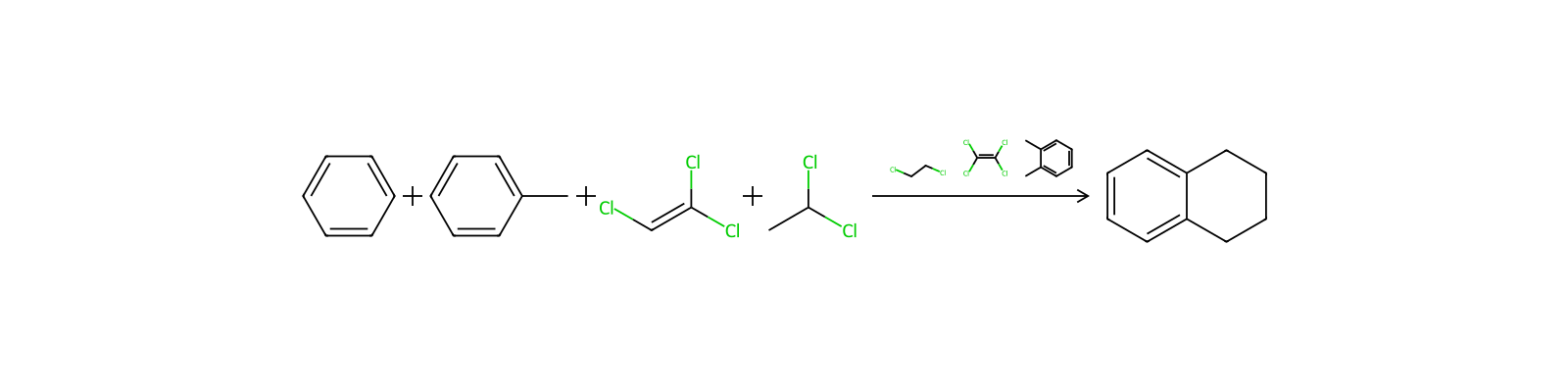
Zugehörige Reaktionen
47




Verknüpfte Notizen
Wird geladen…