StartseiteMCPWorkbenchSkills
StartseiteWorkbenchBenachrichtigungenMein Bereich
llms.txt · MCP-AnleitungDatenschutz · Nutzungsbedingungen · Supportv1.8.0
  1. Startseite
  2. /Verbindung

N,N-Dimethylacetamid

Dimethylacetamide

HCID 31374
Neue NotizNeue ReaktionAnfrage stellen
Druckvorschau
GrundinformationenÜberblickNamen und BezeichnerEigenschaftenSicherheit und RegulatorischesChemie und IndustrieZugehörige ReaktionenNotizen zur Verbindung
TeilstruktursucheÄhnliche Strukturen suchen

Grundinformationen

CAS
127-19-5
Standard-SMILES
CC(=O)N(C)C
InChIKey
FXHOOIRPVKKKFG-UHFFFAOYSA-N
Summenformel
C4H9NO
Durchschnittliche Molmasse
87,12 g/mol
Monoisotopische Masse
87,06841391

Überblick

N,N-Dimethylacetamide can cause cancer according to California Labor Code. It can cause developmental toxicity and male reproductive toxicity according to an independent committee of scientific and health experts.

Namen und Bezeichner

Bevorzugter Name
Dimethylacetamide
IUPAC
N,N-dimethylacetamide
Lokaler Name
N,N-Dimethylacetamid
Englischer Name
N,N-Dimethylacetamide
Summenformel
C4H9NO
Molmasse
87.12

Namen und Synonyme

N,N-DIMETHYLACETAMIDE127-19-5DimethylacetamideAcetamide, N,N-dimethyl-AcetdimethylamideDMAcDimethyl acetamideN,N-Dimethyl acetamideDimethylamide acetateN,N-DimethylethanamideDimethylacetone amideAcetic acid, dimethylamide
Weitere Namen anzeigen
DMAN,N-Dimethylacetamide, 99%, pureC4H9NOdimethylacetamidCH3CON(CH3)2Acetic acid dimethylacetamidedimethylacetoneamide
AcetyldimethylamineCBC 510337NSC 3138Acetic acid dimethylamideDTXSID5020499SK 7176Dimethylamid kyseliny octoveU-5954

Datenbank-Bezeichner

CAS
127-19-5
PubChem CID
31374
DTXSID
DTXSID5020499
ChEMBL
CHEMBL11873
ChEBI
CHEBI:84254

Eigenschaften

Berechnete Struktureigenschaften

XLogP
-0,8
Polarare Oberfläche (TPSA)
20,3 Ų
H-Brücken-Donoren
0
H-Brücken-Akzeptoren
1
Frei drehbare Bindungen
0
Schwere Atome
6
Formalladung
0
Komplexität
58,6

Experimentelle und physikochemische Eigenschaften

Chemical ClassesFlammable agents - 2nd degree
SolventsSolvents -> Amides (<C10)
SpringerMaterials PropertiesSchoenflies notation
LogP · 3 Einträge

log Kow= -0.77

-0.77

-0.54

Odor · 2 Einträge

AMINE

Weak, ammonia- or fish-like odor

Density · 6 Einträge

0.943 at 68 °F (USCG, 1999) - Less dense than water; will float

0.937 (USCG, 1999) - Less dense than water; will float

0.9366 @ 25 °C/4 °C

Relative density (water = 1): 0.94

0.94

0.943 @ 20°C

Viscosity0.92 cP @ 25 °C
Color/Form · 3 Einträge

Liquid

OILY

Colorless liquid

Solubility · 6 Einträge

Sicherheit und Regulatorisches

Sicherheitsangaben dienen nur zur Orientierung und ersetzen weder das Sicherheitsdatenblatt (SDB) des Lieferanten noch geltende Vorschriften oder eine fachliche Bewertung.

GHS-Klassifizierung

GHS Classification · 6 Einträge

Danger

H312: Harmful in contact with skin [Warning Acute toxicity, dermal]

P203, P261, P271, P280, P302+P352, P304+P340, P317, P318, P321, P362+P364, P405, and P501 (click each P-code to see the statement)

Danger

H312+H332 (13.2%): Harmful in contact with skin or if inhaled [Warning Acute toxicity, dermal; acute toxicity, inhalation]

P203, P261, P264+P265, P271, P280, P302+P352, P304+P340, P305+P351+P338, P317, P318, P321, P337+P317, P362+P364, P405, and P501 (click each P-code to see the statement)

Gefahrenhinweise

Regulatory Information · 6 Einträge

Chemical: Acetamide, N,N-dimethyl-

Hazard Traits - Carcinogenicity; Developmental Toxicity; Reproductive Toxicity

Acetamide, N,N-dimethyl- is listed on the EPA's Chemical Data Reporting (CDR) system. Manufacturers and importers of Acetamide, N,N-dimethyl- are required to report information about their production and use of this chemical to the EPA under the Toxic Substances Control Act (TSCA). (40 eCFR Part 711)

REACH registered substance: N,N-dimethylacetamide (EC: 204-826-4)

Restricted substance: N,N-dimethylacetamide (DMAC)

Substance: N,N-dimethylacetamide

Other Safety InformationIMAP assessments - Acetamide, N,N-dimethyl-: Human health tier II assessment
DOT Label · 2 Einträge

Combustible Liquid

Poison

Fire Hazards · 3 Einträge

This chemical is combustible. (NTP, 1992)

Special Hazards of Combustion Products: Emits carbon oxides, nitrogen oxides, and dimethylamine when heated to decomposition.

Combustible. Gives off irritating or toxic fumes (or gases) in a fire. Above 63 °C explosive vapour/air mixtures may be formed.

Chemie und Industrie

Pharmakologische Informationen

Metabolism/Metabolites · 4 Einträge

N-DEMETHYLATION OF ... DIMETHYLACETAMIDE OCCURRED IN RAT, RESPECTIVE MONOMETHYLAMIDES APPEARING IN URINE ... IN THE CASE OF DIMETHYLACETAMIDE WAS DIDEMETHYLATED PRODUCT, ACETAMIDE, ALSO FOUND.

ANALYSIS OF HUMAN URINE AFTER OCCUPATIONAL EXPOSURE TO DIMETHYLACETAMIDE SHOWS N-METHYLACETAMINE. /FROM TABLE/

Gas chromatographic analysis of the urine of rats which had received dimethylacetamide by the subcutaneous route indicated the presence of N-methyl-acetamide and acetamide. Both metabolites were also found ... in incubation mixtures of dimethylacetamide with rat liver homogenate. N-Methylacetamide was detected in the urine of human volunteers who had inhaled dimethylacetamide or absorbed dimethylacetamide vapor through the skin. Measurement of the amount of the metabolite N-methylacetamide excreted by individuals exposed to dimethylacetamide vapors with or without face masks which allowed the inhalation of air free of dimethylacetamide indicated that more dimethylacetamide was absorbed through the lung than through the skin. ... Only 2-10% of the amount of dimethylacetamide inhaled was recovered in the urine in the form of N-methylacetamide. It has been suggested that the major urinary metabolite of the analogous dimethylformamide is N-(hydroxymethyl)-N-methylformamide and not N-methylformamide, since the carbinolamide decomposes on the gas chromatography column (to N-methylformamide) but is relatively stable in aqueous solution. In analogy, it would be logical to assume that the N-methylacetamide found in the urine after exposure to dimethylacetamide really arose from chemical breakdown of N-(hydroxymethyl)-N-methylacetamide during the analytical process.

N,N-dimethylacetamide is metabolized by demethylation first to monomethyl derivatives and then to the parent acetamide.

MeSH Pharmacological ClassificationSubstances that provide protection against the harmful effects of freezing temperatures.
Absorption, Distribution and Excretion · 5 Einträge

/N,N-DIMETHYLACETAMIDE/ ... READILY ABSORBED THROUGH SKIN ... .

N,N-dimethylacetamide is rapidly absorbed through biological membranes.

No correlation between personal airborne exposure and excretion of mono-methylacetamide in urine was detected during a full workshift (5 days). Most (n = 6) workers studied (n = 8) excreted about 13% of the calculated inhaled dose as metabolite in urine.

Zugehörige Reaktionen

16.226

Reaktionsaufzeichnung erstellen
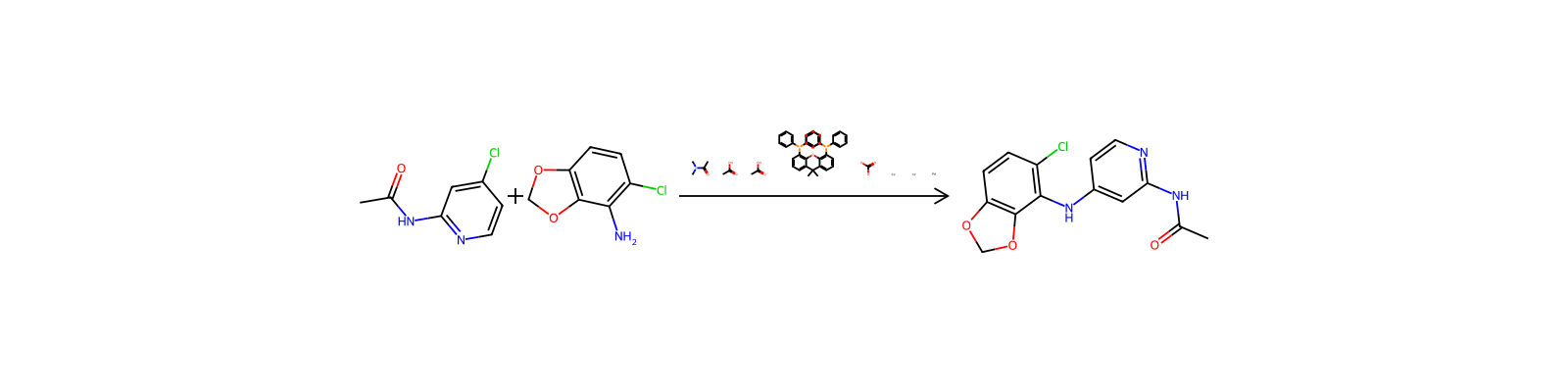
Reaktionsgleichung von HRID 5
HRID 5als Lösungsmittel750 AstraZeneca ELN dataset
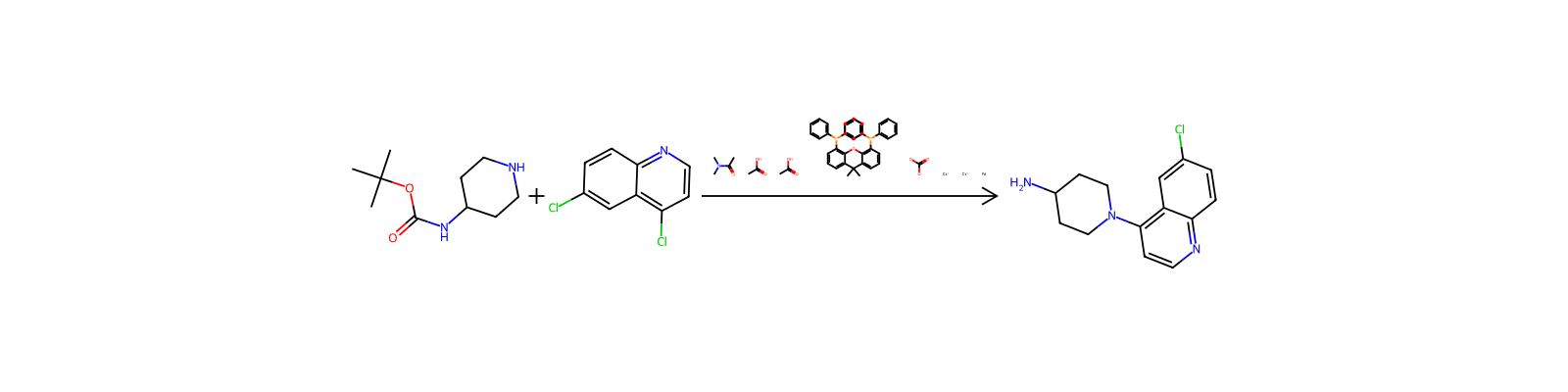
Reaktionsgleichung von HRID 6
HRID 6als Lösungsmittel750 AstraZeneca ELN dataset
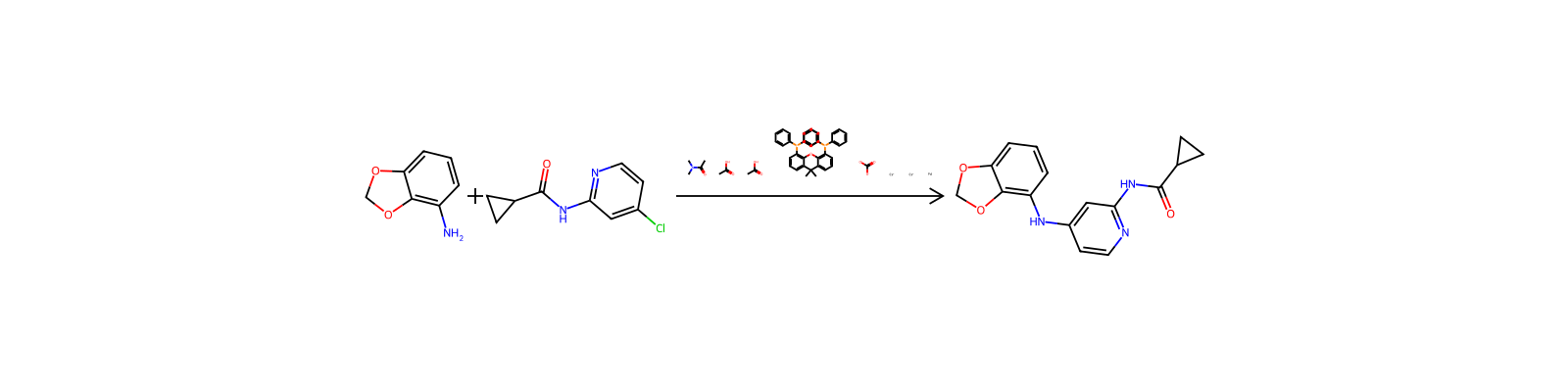
Reaktionsgleichung von HRID 7
HRID 7als Lösungsmittel750 AstraZeneca ELN dataset
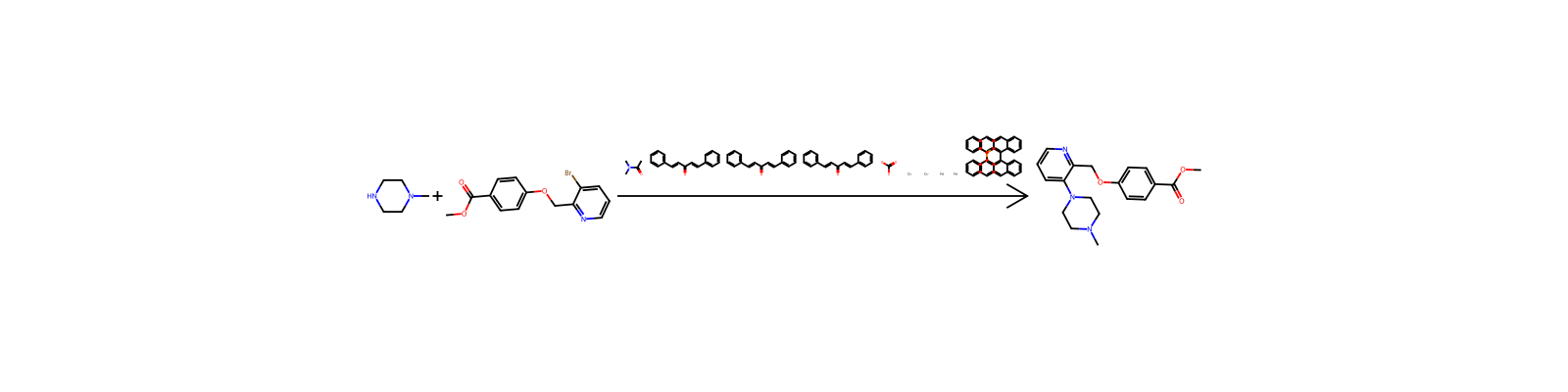
Reaktionsgleichung von HRID 8
HRID 8als Lösungsmittel750 AstraZeneca ELN dataset
Reaktionsgleichung von HRID 21
HRID 21als Lösungsmittel750 AstraZeneca ELN dataset
Reaktionsgleichung von HRID 63
HRID 63als Lösungsmittel750 AstraZeneca ELN dataset
Reaktionsgleichung von HRID 79
HRID 79als Lösungsmittel750 AstraZeneca ELN dataset
Reaktionsgleichung von HRID 80
HRID 80als Lösungsmittel750 AstraZeneca ELN dataset
Seite 1 von 500

Notizen zur Verbindung

Wird geladen…

Auf dieser SeiteGrundinformationenÜberblickNamen und BezeichnerEigenschaftenSicherheit und RegulatorischesChemie und IndustrieZugehörige ReaktionenNotizen zur Verbindung
Weitere Aktionen
Neue NotizNeue ReaktionAnfrage stellen
UNII
JCV5VDB3HY
EC Number
204-826-4
Nikkaji
J2.517H

greater than or equal to 100 mg/mL at 72 °F (NTP, 1992)

SOL IN BENZENE

Soluble in alcohol, acetone, ether

Miscible with most org solvents

MISCIBLE WITH AROMATIC CMPD, ESTERS, KETONES, ETHERS

Miscible in water.

Flash Point · 6 Einträge

151 °F (NTP, 1992)

145 °F (USCG, 1999)

70 °C

70 °C (OPEN CUP)

63 °C c.c.

158 °F (open cup)

Animal DrugsPharmaceuticals -> UK Veterinary Medicines Directorate List
Boiling Point · 6 Einträge

329 to 331 °F at 760 mmHg (NTP, 1992)

331 °F at 760 mmHg (USCG, 1999)

163-165 °C

165 °C

329 °F

165 °C @760 [mm Hg]

Physikochemische Eigenschaften

Schmelzpunkt
-20 °C · -20 °C (lit.)
Siedepunkt
164.5 · 164.5-166 °C (lit.)
Dichte
0.937 g/mL · 0.937 g/mL at 25 °C (lit.)
Dampfdichte
3.89 · 3.89 (vs air)
Dampfdruck
40 mm · 40 mm Hg ( 19.4 °C)
Brechungsindex
20 · n20/D 1.439(lit.)
Flammpunkt
158 °F · 158 °F
storage temp.
30 °C · Store below +30°C.
Löslichkeit
1000 g/l · >1000g/l soluble
Aggregatzustand
Liquid
pka
-0.41 · -0.41±0.70(Predicted)
Farbe
Colorless to yellowish
PH
4 · 4 (200g/l, H2O, 20℃)
Geruch (Odor)
Faint ammonia odor
Odor Threshold
0.76 ppm · 0.76ppm
Explosionsgrenze
1.7 · 1.7-11.5%(V)
Wasserlöslichkeit
miscible
Spezifische Wärmekapazität
2.02 J/ · Cp(liquid): 2.02 J/(g·K), at 25℃
Merck
14 · 14,3227
BRN
1737614 · 1737614
Henry's Law Constant
6.1 · 6.1×101 mol/(m3Pa) at 25℃, Burkholder et al. (2019)
Dielectric constant
37.8 · 37.8(25℃)
Stabilität
Stable. Combustible. Incompatible with strong oxidizing agents.
InChI
1S/C4H9NO/c1-4(6)5(2)3/h1-3H3
InChIKey
FXHOOIRPVKKKFG-UHFFFAOYSA-N
SMILES
CN(C)C(C)=O
LogP
-0.77 at · -0.77 at 25℃
Oberflächenspannung
37.13 mN/m · 37.13mN/m at 293.15K
CAS Datenbank
127 · 127-19-5(CAS DataBase Reference)
NIST chemische Informationen
Acetamide, N,N-dimethyl-(127-19-5)
EPA chemische Informationen
Dimethylacetamide (127-19-5)
Fire PotentialCombustible when exposed to heat or flame.
Health Hazards · 2 Einträge

Liquid causes mild irritation of eyes and skin. Ingestion causes depression, lethargy, confusion and disorientation, visual and auditory hallucinations, perceptual distortions, delusions, emotional detachment, and affective blunting. (USCG, 1999)

Inhalation may cause nasal and respiratory irritation. May cause systemic poisoning. Ingestion may cause abdominal spasms, vomiting, sweating, weakness, and headache. Large doses may cause lethargy, disorientation, redness, dermatitis, and sensitization. (USCG, 1999)

Hazards Summary · 1 Eintrag

Toxic hepatitis has been reported in workers after inhalation and dermal exposure. DMAC is fetotoxic and teratogenic when administered at high doses to rabbits and rats. NOAEL = 25 ppm for hepatic and renal toxicity in rats and mice. Humans exposed to high doses may experience mental confusion. [ACGIH] A skin and eye irritant; Inhalation of high concentrations may cause liver and CNS effects; [ICSC] In a study of 440 new elastone fiber workers, 28 cases with elevated liver enzymes were detected in a 31 month period from 2002 to 2004. Using the BEI of 30 mg/g creatinine as a cutoff, the incidence of hepatic injury was about 7 times greater in the high exposure group. [Reference #1]

Reactive Group · 2 Einträge

Amides and Imides

Amides and Imides

EC ClassificationNote: E; Symbol: T; R: 61-20/21; S: 53-45
Special Reports · 1 Eintrag

CENT CHEM HAZARD ASSESSMENT, SYRACUSE; INFORMATION PROFILES ON POTENTIAL OCCUPATIONAL HAZARDS. VOLUME I. SINGLE CHEMICALS. N,N-DIMETHYL ACETAMIDE; REPORT; ORDER NUMBER PB81-148009, 14 PP (1979). REVIEW OF KNOWN & SUSPECTED HEALTH EFFECTS, EXTENTS OF WORKER EXPOSURE, & INDUSTRIAL IMPORTANCE.

TSCA Requirements · 2 Einträge

Section 8(a) of TSCA requires manufacturers of this chemical substance to report preliminary assessment information concerned with production, use, and exposure to EPA as cited in the preamble in 51 FR 41329.

Pursuant to section 8(d) of TSCA, EPA promulgated a model Health and Safety Data Reporting Rule. The section 8(d) model rule requires manufacturers, importers, and processors of listed chemical substances and mixtures to submit to EPA copies and lists of unpublished health and safety studies. N,N-Dimethylacetamide is included on this list.

OSHA StandardsPermissible Exposure Limit: Table Z-1 8-hr Time-Weighted Avg: 10 ppm (35 mg/cu m). Skin Designation.

Sicherheit und Schutzausrüstung

Fire Fighting · 3 Einträge

Excerpt from ERG Guide 128 [Flammable Liquids (Water-Immiscible)]:

Fire Extinguishing Agents Not to Be Used: Do not use halogenated extinguishing media or water.

Use powder, alcohol-resistant foam, water spray, carbon dioxide.

First Aid Measures · 4 Einträge

Fresh air, rest. Refer for medical attention.

Remove contaminated clothes. Rinse and then wash skin with water and soap. Refer for medical attention .

First rinse with plenty of water for several minutes (remove contact lenses if easily possible), then refer for medical attention.

Rinse mouth. Give one or two glasses of water to drink. Do NOT induce vomiting. Seek medical attention if you feel unwell.

First Aid · 3 Einträge

EYES: First check the victim for contact lenses and remove if present. Flush victim's eyes with water or normal saline solution for 20 to 30 minutes while simultaneously calling a hospital or poison control center. Do not put any ointments, oils, or medication in the victim's eyes without specific instructions from a physician. IMMEDIATELY transport the victim after flushing eyes to a hospital even if no symptoms (such as redness or irritation) develop.

Call for medical aid.

(General first aid procedures)

Safe StorageVentilation along the floor. Separated from strong oxidants.
Exposure Control and Personal Protection · 2 Einträge

Biological Exposure Indices (BEI) [ACGIH] - M-Methylacetamide in urine = 30 mg/g creatinine; end of shift at end of workweek;

5.0 [ppm]

Fire Fighting ProceduresEXTINGUISH WITH WATER, DRY CHEMICALS, ALCOHOL FOAM OR CARBON DIOXIDE
Storage Conditions · 1 Eintrag

MATERIALS WHICH ARE TOXIC AS STORED OR WHICH CAN DECOMPOSE INTO TOXIC COMPONENTS ... SHOULD BE STORED IN A COOL WELL VENTILATED PLACE, OUT OF DIRECT RAYS OF THE SUN, AWAY FROM AREAS OF HIGH FIRE HAZARD, AND SHOULD BE PERIODICALLY INSPECTED. INCOMPATIBLE MATERIALS SHOULD BE ISOLATED ... .

Cleanup Methods · 1 Eintrag

1. Ventilate the area of spill or leak. 2. For small quantities, absorb on paper towels. Evaporate in safe place (such as fume hood). Allow sufficient time for evaporating vapors to completely clear the hood ductwork. Burn paper in suitable location away from combustible materials.

Nonfire Spill Response · 2 Einträge

Excerpt from ERG Guide 128 [Flammable Liquids (Water-Immiscible)]:

Excerpt from ERG Guide 153 [Substances - Toxic and/or Corrosive (Combustible)]:

Disposal Methods · 2 Einträge

SRP: At the time of review, criteria for land treatment or burial (sanitary landfill) disposal practices are subject to significant revision. Prior to implementing land disposal of waste residue (including waste sludge), consult with environmental regulatory agencies for guidance on acceptable disposal practices.

1. By absorbing it in vermiculite, dry sand, earth or a similar material and disposing in sealed containers in secured sanitary landfill. 2. By atomizing in a suitable combustion chamber equipped with an appropriate effluent gas cleaning device.

Spillage DisposalPersonal protection: chemical protection suit. Collect leaking and spilled liquid in sealable containers as far as possible. Absorb remaining liquid in sand or inert absorbent. Then store and dispose of according to local regulations.
Preventive Measures · 4 Einträge

SRP: The scientific literature for the use of contact lenses in industry is conflicting. The benefit or detrimental effects of wearing contact lenses depend not only upon the substance, but also on factors including the form of the substance, characteristics and duration of the exposure, the uses of other eye protection equipment, and the hygiene of the lenses. However, there may be individual substances whose irritating or corrosive properties are such that the wearing of contact lenses would be harmful to the eye. In those specific cases, contact lenses should not be worn. In any event, the usual eye protection equipment should be worn even when contact lenses are in place.

The worker should immediately wash the skin when it becomes contaminated.

Work clothing that becomes wet or significantly contaminated should be removed or replaced.

SRP: Contaminated protective clothing should be segregated in such a manner so that there is no direct personal contact by personnel who handle, dispose, or clean the clothing. Quality assurance to ascertain the completeness of the cleaning procedures should be implemented before the decontaminated protective clothing is returned for reuse by the workers. Contaminated clothing should not be taken home at end of shift, but should remain at employee's place of work for cleaning.

Toxikologische Informationen

Body BurdenN,N-dimethylacetamide was qualitatively found in 8 of 12 breath samples of subjects monitored in Bayonne and Elizabeth, NJ, and Research Triangle Park, NC, 1980(1).
Interactions · 4 Einträge

DAILY INJECTIONS OF PROGESTERONE (5 MG/HAMSTER/DAY, FOR 4 DAYS) BLOCKED ANTIFERTILITY EFFECT OF DMA (ADMIN @ NIDATION) AS DID INJECTIONS OF A LUTEOTROPIC COMPLEX (1 MG/HAMSTER/DAY PROLACTIN PLUS 5.1 IU/HAMSTER/DAY OF PREGNANT MARE SERUM GONADOTROPIN, FOR 4 DAYS.

DIMETHYLACETAMIDE LOWERED THE YIELDS AND/OR INCIDENCES OF TOTAL TUMORS, BENIGN PLAQUES, BENIGN HYPERKERATOTIC LESIONS AND ADVANCED TUMORS PROMOTED BY RETINYL ACETATE OR CROTON OIL AFTER INITIATION BY 7,12-DIMETHYLBENZ(A)ANTHRACENE.

SINGLE EXPT WITH 45 MG/KG RAT OF PYRIMETHAMINE ISETHIONATE IN 6% DIMETHYLACETAMIDE, 6% DIMETHYL SULFOXIDE OR 95% ETHANOL SHOWED THAT TERATOGENIC EFFECT WAS CUMULATIVE IN DIMETHYL SULFOXIDE OR ETHANOL BUT AFTER ADMIN IN DMA RESPONSE-DOSE RELATION FOLLOWED A PARABOLIC CURVE.

PCC4azal embryonal carcinoma tumors were grown in strain 129 mice by sc transplantation. When palpable, the tumors were treated with a combination of retinoic acid and dimethylacetamide. In vitro, this embryonal carcinoma cell line shows minimal spontaneous differentiation and is exquistely sensitive to retinoic acid and/or dimethylacetamide induction of differentiation. Ten daily 20 ul intratumor injections of a solution of 10 mg retinoic acid per ml of dimethylacetamide resulted in nearly complete induction of morphological differentiation mainly into neuropithelial and glandular derivatives. Control tumors showed minor spontaneous differentiation. Differentiation was associated with decreased tumor growth rate, decreased mitotic index, decreased extent of necrosis, and increased survival time of the hosts. In 4 of 18 cases, long-term survival of the hosts was effected by a complete differentiation of the malignant embryonal carcinoma tumors into benign teratomas. Retinoic acid: dimethylacetamide was also effective in inducing differentiation with the same dosage and schedule when admin systemically, ie, ip or sc.

Target OrgansSkin, liver, central nervous system
Ecotoxicity Values · 1 Eintrag

LC50 Pimephales promelas (fathead minnow) 1.50 g/l/96 hr (confidence limit 1.21- 1.86 g/l), flow-through bioassay with measured concentrations, 23.1 °C, dissolved oxygen 6.6 mg/l, hardness 45.0 mg/l calcium carbonate, alkalinity 43.5 mg/l calcium carbonate, and pH 7.7.

Environmental Fate · 3 Einträge

TERRESTRIAL FATE: Based on a classification scheme(1), an estimated Koc value of 9(SRC), determined from a log Kow of -0.77(2) and a regression-derived equation(3), indicates that N,N-dimethylacetamide is expected to have very high mobility in soil(SRC). Volatilization of N,N-dimethylacetamide from moist soil surfaces is not expected to be an important fate process(SRC) given a Henry's Law constant of 1.31X10⁻⁸ atm-cu m/mole(4). The potential for volatilization of N,N-dimethylacetamide from dry soil surfaces may exist(SRC) based upon a vapor pressure of 2 mm Hg(5). N,N-Dimethylacetamide is expected to be biodegradable in soil based on aqueous screening tests(6,7).

AQUATIC FATE: Based on a classification scheme(1), an estimated Koc value of 9(SRC), determined from a log Kow of -0.77(2) and a regression-derived equation(3), indicates that N,N- dimethylacetamide is not expected to adsorb to suspended solids and sediment(SRC). Volatilization from water surfaces is not expected(3) based upon a Henry's Law constant of 1.31X10⁻⁸ atm-cu m/mole(4). According to a classification scheme(5), an estimated BCF of 3(SRC), from its log Kow(2) and a regression-derived equation(6), suggests the potential for bioconcentration in aquatic organisms is low(SRC). N,N-Dimethylacetamide, present at 100 mg/l reached 28% of its theoretical BOD in 4 weeks using an activated sludge inoculum at 30 mg/l and the Japanese MITI test(7). N,N-Dimethylacetamide, present at 30 mg/l, reached 80% of its theoretical BOD in 4 weeks using an activated sludge inoculum at 100 mg/l and the Japanese MITI test(7). In other studies, N,N-dimethylacetamide, present at 400 mg/l, reached 96% of its theoretical TOC in 5 days using industrial activated sludge(8). These results from laboratory studies suggest that N,N-dimethylacetamide will biodegrade in the aquatic environment(SRC).

ATMOSPHERIC FATE: According to a model of gas/particle partitioning of semivolatile organic compounds in the atmosphere(1), N,N-dimethylacetamide, which has a vapor pressure of 2 mm Hg at 25 °C(2), is expected to exist solely as a vapor in the ambient atmosphere(SRC). Vapor-phase N,N-dimethylacetamide is degraded in the atmosphere by reaction with photochemically-produced hydroxyl radicals(SRC); the half-life for this reaction in air is 28 hours(SRC), calculated from its rate constant of 1.36X10⁻¹¹ cu cm/molecule-sec at 25 °C(3).

Adverse EffectsNeurotoxin - Acute solvent syndrome
Exposure Routes · 2 Einträge

The substance can be absorbed into the body by inhalation and through the skin.

inhalation, skin absorption, ingestion, skin and/or eye contact

Signs and Symptoms · 4 Einträge

Headache. Nausea.

MAY BE ABSORBED! Redness. Further see Inhalation.

Abdominal cramps. Diarrhoea. Further see Inhalation.

irritation skin; jaundice, liver damage; depression, drowsiness, hallucinations, delusions

Medical Surveillance · 4 Einträge

The determination of urinary N-monomethylacetamide in the end of shift urine sample was used to monitor exposure to dimethylacetamide. Five workers were observed followed for 4 consecutive weeks. Airborne dimethylacetamide appeared to account for the greatest amount of urinary N-monomethylacetamide detected and, at the exposure concentrations encountered (0.5 to 2 ppm), a relationship of 10 ppm urinary N-monomethylacetamide inhaled was observed. Interindividual variation was small and no evidence of build-up in N-monomethylacetamide urinary levels was seen in these subjects. Mean airborne dimethylacetamide concentrations were somewhat higher by the end of the week, but magnitude was such that the differences were not statistically significant. It is concluded that changes in dimethylacetamide exposures can be quantitatively reflected by urinary N-monomethylacetamide.

A study of occupational exposure to dimethylactamide was conducted using both biological and environmental monitoring techniques. Personal and area air samples were analyzed for dimethylacetamide at a facililty manufacturing prefabricated synthetic products. Spot urine samples were collected from eight exposed and four unexposed workers for 5 consecutive work days and on the following Monday. These were analyzed for N-methylacetamide, a dimethylacetamide metabolite. Area air dimethylacetamide concentrations were generally constant, ranging from 11.81 to 17.24 ppm with a mean of 14.74 ppm. Personal dimethylacetamide concentrations showed a wide variability. The concentrations were distributed log normally with arithmetic and geometric means of 14.0 and 6.0 ppm, respectively. Urinary N-methylacetamide concentrations were not correlated with personal air dimethylacetamide concentrations. Six of the exposed workers excreted about 18% of the inhaled dimethylacetamide dose, calculated as the 8 hr time weighted average exposure, as N-methylacetamide. The other two exposed workers excreted about 30 percent of the inhaled dose as N-methylacetamide. Urinary N-methylacetamide concentrations the Monday following exposure were negligible or had returned to their preexposure values. Based on these results the half life for urinary excretion of N-methylacetamide was calculated to be 16 hours. The authors conclude that for dimethylacetamide and similar substances that are easily absorbed through the skin, biological monitoring is superior to airborne exposure monitoring for determining total uptake and evaluating potential health risks.

the assessment of dimethylacetamide exposure can be accomplished through measurement of either dimethylacetamide, N-methylacetamide (NMAC), or acetamide. Urinary levels of NMAC have been shown to correlate with airborne exposure levels of dimethylacetamide. However, no information was located which showed a correlation between urinary NMAC levels & the onset of adverse health effects. Urine Reference Ranges: Normal- None detected; Exposed- BEI (sampling time is end of shift at the end of workweek, measured as N-methylacetamide): 30 mg/g creatinine; Toxic- Not established.

Soil Adsorption/Mobility · 1 Eintrag

The Koc of N,N-dimethylacetamide is estimated as 9(SRC), using a measured log Kow of -0.77(1) and a regression-derived equation(2). According to a classification scheme(3), this estimated Koc value suggests that N,N-dimethylacetamide is expected to have very high mobility in soil(SRC).

Atmospheric ConcentrationsSOURCE DOMINATED: N,N-Dimethylacetamide was detected in 6 of 6 air samples in 1982 within a mile radius of a hazardous liquid waste impoundment, location not given, at concns ranging from 9.6 ng/cu m to 11 ng/cu m(1).
Human Toxicity Excerpts · 5 Einträge

CERTAIN N-SUBSTITUTED AMIDES ... DIMETHYL ACETAMIDE, MAY PRODUCE CHRONIC LIVER OR RENAL DAMAGE.

JAUNDICE HAS BEEN OBSERVED ... IN WORKERS EXPOSED REPEATEDLY AT ... 20-25 PPM ... SKIN PENETRATION UNDOUBTEDLY CONTRIBUTED TO THIS EFFECT.

... GIVEN TO HUMANS IN DAILY DOSES OF 400 MG/KG FOR 3 OR MORE DAYS ... DEPRESSION, LETHARGY, CONFUSION & DISORIENTATION ENSUED. IN SOME ... VISUAL & AUDITORY HALLUCINATIONS, PERCEPTUAL DISTORTIONS, DELUSIONS, EMOTIONAL DETACHMENT & AFFECTIVE BLUNTING ... .

DIZZINESS, SLEEPINESS, & WEAKNESS RESULTED FROM DMA CONCN OF 109.5-337 MG/CU M IN AIR OF METAL SURFACE FINISHING PROCESSES.

For more Human Toxicity Excerpts (Complete) data for N,N-DIMETHYLACETAMIDE (17 total), please visit the HSDB record page.

Regulatorische Informationen

TSCA Requirements · 2 Einträge

Section 8(a) of TSCA requires manufacturers of this chemical substance to report preliminary assessment information concerned with production, use, and exposure to EPA as cited in the preamble in 51 FR 41329.

Pursuant to section 8(d) of TSCA, EPA promulgated a model Health and Safety Data Reporting Rule. The section 8(d) model rule requires manufacturers, importers, and processors of listed chemical substances and mixtures to submit to EPA copies and lists of unpublished health and safety studies. N,N-Dimethylacetamide is included on this list.

Sicherheitsdaten

F
3-10
OEB
A
OEL
TWA: 10 ppm (35 mg/m3) [skin]
wgk
WGK 2
IDLA
300 ppm
tsca
TSCA listed
hs_code
29241900
RTECS-Nr.
AB7700000
risk_code
11-20/22-61-20/21-36
Toxizität
LD50 orally in rats: 5.4 ml/kg (Bartsch)
hazard_code
T
safety_code
16-24-53-45-36-28-26
Speicherklasse
6.1C - Combustible acute toxic Cat.3toxic compounds or compounds which causing chronic effects
Giftige Stoffe Daten
127-19-5(Hazardous Substances Data)
Hazard Classifications
Acute Tox. 4 DermalAcute Tox. 4 InhalationEye Irrit. 2Repr. 1B
Selbstentzündungstemperatur
914 °F

DMAC is readily absorbed in man after oral, dermal, or inhalation exposure. ... About 2% of a dose of dimethylacetamide is recovered in the urine as MMAC /N-methylacetamide/ after inhalation; 10% is recovered after inhalation plus skin exposure. Exposure to 10 ppm of DMAC results in complete excretion of MMAC with in 30 hr. Maximal concns of 45 & 100 ppm (mg/L) of MMAC in the urine are found in subjects exposed both by inhalation & skin. In workers continuously exposed to DMAC vapor (inhalation plus skin) & subjected to DMAC airborne levels of 6-22 ppm ..., about 13.5% of the estimated dose is excreted as MMAC in the urine. Some workers may excrete about 30% of a dose as MMAC.

For more Absorption, Distribution and Excretion (Complete) data for N,N-DIMETHYLACETAMIDE (7 total), please visit the HSDB record page.

Verwendung und Herstellung

Uses · 6 Einträge

Used as a solvent for many organic reactions, resins, polymers, crystallization, and purification. [ACGIH] Used as a solvent in plastics, resins, and gums; Also used as a catalyst and paint remover; [Hawley] Used in synthetic fiber and resin industries; Used as a solvent in elastane fiber factories; [Reference #1]

Semiconductor Manufacturing [Category: Industry]

Solvent in industrial applications

Solvent for plastics, resins, gums, and electrolytes; catalyst; paint remover; high-purity solvent for crystallization and purification

N,N-Dimethylacetamide is used to dissolve polyacrylonitrile, polyvinyl chloride, polyamides, polyimides, cellulose derivatives, styrenes, and linear polyesters; manufacturing of films and fibers; booster solvent in coatings and adhesives formulations.

Electrolytic solvent; formation of dimethylacetamide complexes; chemical reaction medium and catalyst

U.S. Production · 2 Einträge

2023: 25,000,000 - <40,000,000 lb

(1972) GREATER THAN 4.54X10+5 GRAMS

Consumer UsesSemiconductor and photovoltaic agent
Industry UsesNot Known or Reasonably Ascertainable
Methods of Manufacturing · 4 Einträge

From tris(dimethylamido)phosphate and acetic anhydride. From acetic anhydride and dimethylformamide.

By reaction of acetic acid and dimethylamine.

Reaction of methyl acetate and dimethylamine; reaction of dimethylamine with the azotrope of methyl acetate and methanol.

Reaction of N,N-dimethylamine and acetic anhydride.

Formulations/PreparationsGrades: ... high purity certified.
General Manufacturing Information · 5 Einträge

Pharmaceutical and Medicine Manufacturing

Acetamide, N,N-dimethyl-: ACTIVE

COMPOUNDS THAT HAVE BEEN SUGGESTED AS SOLVENTS OR SUSPENDING AGENTS IN TESTS OF DERMAL TOXICITY ... /INCLUDE/ DIMETHYLACETAMID.

TESTED AS DRUG VEHICLE & AS ANTITUMOR AGENT

SOLVENT FOR STABILIZATION OF PROSTAGLANDINS IN SOLUTION

Anwendungen · 2 Einträge

BeschreibungDimethylacetamide (DMAC) is a synthetic organic compound that is produced from a reaction of dimethylamine and acetic acid or acetic anhydride. It is a colorless to yellow liquid with a faint odor resembling ammonia. DMAC has similar density to water and is miscible with water and organic substances. This organic compound is commonly associated with many industrial uses, either as a starting material or an intermediate. DMAC is a good solvent that is used in polymer dissolution, especially in the fiber industry. Historically, DMAC was also tested as a possible antineoplastic agent in a phase 1 study involving 17 patients. However, liver and central nervous system (CNS) toxicity associated with DMAC was observed and these patients had altered mental states, resulting in no further drug development.

VerwendenN,N-dimethylacetamide is an excellent solvent and often acts as a catalyst in halogenation, cyclization, and alkylation reactions. It is an important industrial solvent for polyacrylonitrile, vinyl resins, cellulose derivatives, styrene polymers and linear polyesters. It is also used in all analytical laboratories as a major component of mobile phase in High Performance Liquid Chromatography (HPLC) and in Liquid Chromatography - Mass Spectrometry (LC-MS). N,N-dimethylacetamide lithium chelate complexes intercalate cationic sites in layered silicates.

Darstellung · 1 Eintrag

synthetischeN,N-Dimethylacetamide is prepared by reaction of dimethylamine with acetic acid, acetic anhydride, or acetate esters. Heating dimethylamine acetate with, or without a catalyst affords N,N-Dimethylacetamide. Reaction of dimethylamine with acetate esters requires a catalyst; sodium methoxide is typically used.

Vor- und nachgelagerte Produkte

Vorgelagerte Rohstoffe

KohlenmonoxidChemical equipmentSodium acetate trihydrateAcetylchlorid5-(Acetamido)-N,N'-bis(2,3-dihydroxypropyl)-2,4,6-triiodo-1,3-benzenedicarboxamide15%)">Trimethylamin, in wässriger Lösung(C > 15%)EssigsureBromideN-Methylmethanamin, gasförmig

Nachgelagerte Produkte

PropylendichloridMolosultap1-(5-Nitro-3-thienyl)ethan-1-one1H-Pyrrolo[2,3-b]pyridine, 2-methyl-Cefotaxim-natrium2-(1-Hydroxylaminoethyl)-benzothiophene1-Benzo[b]thien-2-ylethan-1-on3-(Benzofuran-2-yl)-3-oxopropanenitrile ,97%FluoxetineNaphthalin-1-sulfonylchlorid5-Acetylindolecomplex polystyrene high efficiency anticorrosion paintPergolide1,3-DichlorpropenThiocyclam-oxalatCefoperazon6-(Bromomethyl)-2,4-pteridinediamine hydrobromide2-Acetyl-3-aminothiophene4-Hydroxyindole4'-PhenoxyacetophenoneDiphenylacetylenPhenformin1-Chlorpropan-2-ol2-((3-(Trifluormethyl)phenyl)-amino)benzoesäureCefdinir1-(1H-Pyrrol-2-yl)ethan-1-onCefmenoxime4-Methoxy-N,6-dimethyl-1,3,5-triazin-2-aminecis-DL-3-(2,2-Dichlorovinyl)-2,2-dimethylcyclopropanecarboxylic acid4-Fluoranilinmain chain liquid crystalling polysiloxane polyurethaneBenzofuran-2-ylmethylketon4-Oxo-4H-1-benzopyran-3-carboxaldehyd1-Methyl-1H-imidazole-5-carboxylic acid3-Methyl-3H-adenin
Ergänzende Hinweise · 1 Eintrag

DefinitionChEBI: N,N-dimethylacetamide is a member of the class of acetamides that is acetamide in which the hydrogens attached to the N atom have been replaced by two methyl groups respectively. Metabolite observed in cancer metabolism. It has a role as a human metabolite. It is a member of acetamides and a monocarboxylic acid amide. It is functionally related to an acetamide.

Liver Function Tests: Biochemical tests - Enzymes that reflect cholestasis: alkaline phosphatase (AP), 5'-nucleotidase (5'-NT) & leucine aminopeptidase (LAP); Enzymes that detect direct hepatic damage: aspartate aminotransferase (AST), alanine aminotransferase (ALT) & gammma glutamyl Transpeptidase (GGTP); Clearance tests - indocyanine green, antipyrine test and serum bile acids.