Daten werden ergänzt – lade die Seite später neu, um den aktuellen Stand zu sehen
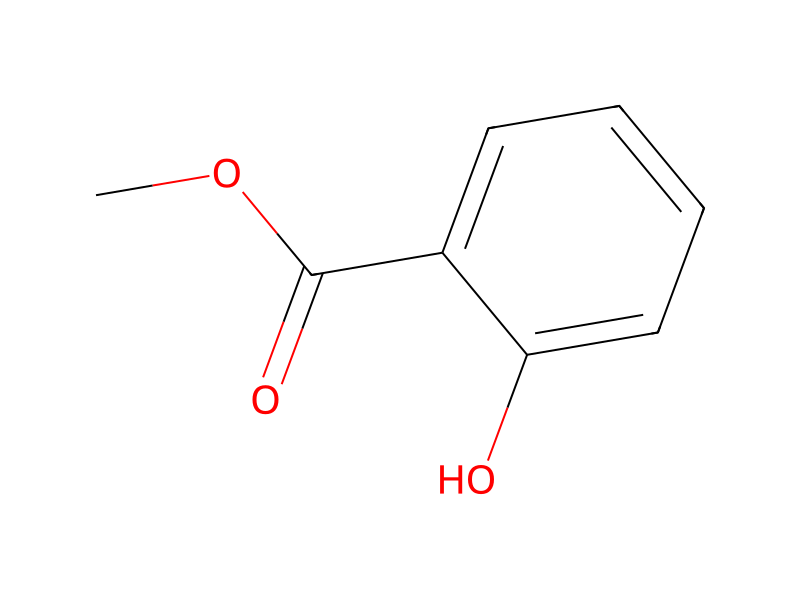
119-36-8COC(=O)c1ccccc1OOSWPMRLSEDHDFF-UHFFFAOYSA-NMethyl salicylate appears as colorless yellowish or reddish liquid with odor of wintergreen. (USCG, 1999)
119-36-8、90045-28-6DTXSID5025659CHEMBL108545CHEBI:31832Other Uses -> Sunscreens
Waste-water effluent contaminant
Cosmetics ingredient -> Antioxidant; Flavor; Fragrance; Other (Specify)
Cosmetic ingredients (Methyl Salicylate) -> CIR (Cosmetic Ingredient Review)
Soothing; Tonic; Skin conditioning; Denaturant
Log Kow = 2.55
2.55
2.55
2.08
Sicherheitsangaben dienen nur zur Orientierung und ersetzen weder das Sicherheitsdatenblatt (SDB) des Lieferanten noch geltende Vorschriften oder eine fachliche Bewertung.
Warning
H302: Harmful if swallowed [Warning Acute toxicity, oral]
P203, P261, P264, P270, P272, P273, P280, P301+P317, P302+P352, P318, P321, P330, P333+P317, P362+P364, P405, and P501 (click each P-code to see the statement)
This chemical does not meet GHS hazard criteria for 0.3% (6 of 2210) of reports.
Warning
H302 (96.9%): Harmful if swallowed [Warning Acute toxicity, oral]
Chemical: Benzoic acid, 2-hydroxy-, methyl ester
Chemical: Gaultheria procumbens, ext.
Hazard Traits - Fragrance Allergen
Commission Regulation (EC) No 1565/2000 (Repealed by Com. Implementing Reg. (EU) No 872/2012)
Benzoic acid, 2-hydroxy-, methyl ester is listed on the EPA's Chemical Data Reporting (CDR) system. Manufacturers and importers of Benzoic acid, 2-hydroxy-, methyl ester are required to report information about their production and use of this chemical to the EPA under the Toxic Substances Control Act (TSCA). (40 eCFR Part 711)
REACH registered substance: Methyl salicylate (EC: 204-317-7)
This chemical is combustible. (NTP, 1992)
Combustible.
Harmful if swallowed, inhaled, absorbed through skin. Vapor mist is irritating to the eyes, mucous membranes, upper respiratory tract and skin. Ingestion of relatively small amount causes severe poisoning and death. Causes nausea, vomiting, acidosis, pulmonary edema, pneumonia, convulsions and death. (USCG, 1999)
Methyl salicylate relieve musculoskeletal pain in the muscles, joints, and tendons by causing irritation and reddening of the skin due to dilated capillaries and increased blood flow. It is pharmacologically similar to aspirin and other NSAIDs but as a topical agent it primarily acts as a rubefacient and skin irritant. Counter-irritation is believed to cause a soothing sensation of warmth.
Counter-irritation is thought to be effective at alleviating musculoskeletal pain as the irritation of the sensory nerve endings is thought to alter or offset pain in the underlying muscle or joints that are served by the same nerves. This is thought to mask the underlying musculoskeletal pain and discomfort. When applied topically, methyl salicylate is thought to penetrate the skin and underlying tissues where it reversibly inhibits cyclooxygenase enzyme and locally and peripherally prevents the production of inflammatory mediators such as prostaglandin and thromboxane A2.
The plasma half-life for salicylate is 2 to 3 hr in low doses and about 12 hr at usual anti-inflammatory doses. The half-life of salicylate may be as long as 15 to 30 hr at high therapeutic doses or when there is intoxication.
The plasma half-life for ... salicylate is 2 to 3 hr in low doses and about 12 hr at usual antiinflammatory doses. The half-life of salicylate may be as long as 15 to 30 hr at high therapeutic doses or when there is intoxication. /Salicylates/
Minor metabolism may occur in various tissues but hepatic metabolism constitutes the majority of metabolic processes of absorbed methyl salicylate. It is mainly hydrolyzed to salicylic acid via hepatic esterase enzymes. Conjugation with glycine forms salicyluric acid and conjugation with glucuronic forms ester or acyl and ether or phenolic glucuronide, which are the three main metabolites.
...EVIDENCE THAT CONSIDERABLE HYDROLYSIS OF ESTER OCCURS IN INTESTINAL TRACT... IN SOME SPECIES, SUCH AS RABBIT, MAY BE PARTLY EXCRETED AS SULFATE OR GLUCURONIC ACID CONJUGATE ON THE FREE HYDROXYL GROUP. CONJUGATION APPEARS TO TAKE PLACE BEFORE HYDROLYSIS OF THE METHYL ESTER.
Wird geladen…
FLAVORING AGENT OR ADJUVANT -> FDA Substance added to food
1.174 (USCG, 1999) - Denser than water; will sink
1.184 @ 25 °C/25 °C
DENSITY OF NATURAL ESTER IS ABOUT 1.180
Relative density (water = 1): 1.18
1.176-1.185
1.184 @25 °C
A skin and eye irritant; Can be absorbed through skin; May have CNS adverse effects; [ICSC] A skin, eye, mucous membrane, and upper respiratory tract irritant; [CAMEO] A skin and eye irritant; [eChemPortal: ERMA] Included in list of established contact allergens in humans; [EC: Scientific Committee on Consumer Safety: Fragrance allergens in cosmetic products (2011)] An irritant; Can be absorbed through skin; May cause skin sensitization; Effects in poisoning cases include disturbance of acid-base balance, convulsions, and coma; [MSDSonline] See Acetylsalicylic acid.
Residues of wintergreen oil are exempted from the requirement of a tolerance when used as a attractant in accordance with good agricultural practices as inert (or occasionally active) ingredients in pesticide formulations applied to growing crops or to raw agricultural commodities after harvest.
METHYL SALICYLATE is an ester. Esters react with acids to liberate heat along with alcohols and acids. Strong oxidizing acids may cause a vigorous reaction that is sufficiently exothermic to ignite the reaction products. Heat is also generated by the interaction of esters with caustic solutions. Flammable hydrogen is generated by mixing esters with alkali metals and hydrides. This chemical is incompatible with oxidizers. It is also incompatible with strong bases. It may react with iron salts. (NTP, 1992)
1 - Materials that, under emergency conditions, can cause significant irritation.
1 - Materials that must be preheated before ignition can occur. Materials require considerable preheating, under all ambient temperature conditions, before ignition and combustion can occur.
0 - Materials that in themselves are normally stable, even under fire conditions.
Acute Tox. 4 (97.5%)
Acute Tox. 4 (96.9%)
Acute toxicity (Oral) - Category 4
Repr. 2
Fire Extinguishing Agents Not to Be Used: Emits toxic fumes under fire conditions.
Use water spray, powder, alcohol-resistant foam, carbon dioxide.
Fresh air, rest. Refer for medical attention.
Remove contaminated clothes. Rinse and then wash skin with water and soap.
First rinse with plenty of water for several minutes (remove contact lenses if easily possible), then refer for medical attention.
Rinse mouth. Refer immediately for medical attention.
EYES: First check the victim for contact lenses and remove if present. Flush victim's eyes with water or normal saline solution for 20 to 30 minutes while simultaneously calling a hospital or poison control center. Do not put any ointments, oils, or medication in the victim's eyes without specific instructions from a physician. IMMEDIATELY transport the victim after flushing eyes to a hospital even if no symptoms (such as redness or irritation) develop.
SMALL SPILLS AND LEAKAGE: If you spill this chemical, FIRST REMOVE ALL SOURCES OF IGNITION. Then, use absorbent paper to pick up all liquid spill material. Your contaminated clothing and absorbent paper should be sealed in a vapor-tight plastic bag for eventual disposal. Solvent wash all contaminated surfaces with 60-70% ethanol followed by washing with a soap and water solution. Do not reenter the contaminated area until the Safety Officer (or other responsible person) has verified that the area has been properly cleaned.
SRP: At the time of review, criteria for land treatment or burial (sanitary landfill) disposal practices are subject to significant revision. Prior to implementing land disposal of waste residue (including waste sludge), consult with environmental regulatory agencies for guidance on acceptable disposal practices.
Personal protection: protective gloves, protective clothing and safety goggles. Do NOT let this chemical enter the environment. Collect leaking and spilled liquid in sealable containers as far as possible. Absorb remaining liquid in sand or inert absorbent. Then store and dispose of according to local regulations.
TERRESTRIAL FATE: If released on soil, methyl salicylate would readily leach. It would also be expected to partially volatilize from dry soil and photolyze on the soil surface. Based on the results of sceening tests, it would be expected to readily biodregrade. Chemical hydrolysis may be important in alkaline soil. (SRC)
AQUATIC FATE: Methyl salicylate is readily biodegradable in screening tests and may be expected to biodegrade in surface waters. Methyl salicylate is expected to hydrolyze in water, the hydrolysis rate increasing with pH. At pH 7.5, its hydrolysis half-life is estimated to be 14.1 days(1,2,SRC). Methyl salicylate will react with singlet oxygen in natural surface waters resulting in a half-life of about 52 hr(3). Methyl salicylate absorbs UV radiation >290 nm and therefore may undergo direct photolysis under environmental conditions. Based on an estimated Henry's Law constant of 9.3X10⁻⁷ atm-cu-m/mol(4,5,SRC), a volatilization half-life of 49 days would be expected in a model river(SRC).
ATMOSPHERIC FATE: Methyl salicylate reacts with photochemically-produced hydroxyl radicals in the atmosphere resulting in an estimated half-life of 1.4 days(1,SRC). It is fairly soluble in water, 7400 mg/L(2) and may be washed out by rain.
Methyl salicylate concentrations of 54 ppm in bakery goods, 840 ppm in candy, 59 ppm in non-alcoholic beverages, 8400 ppm in chewing gum, 27 ppm in ice cream and 200 ppm in syrups. Methyl salicylate has been identified as a volatile component of meat(2).
FLAVOR INGREDIENT, METHYL SALICYLATE...NON-ALCOHOLIC BEVERAGES 59 PPM; ICE CREAM, ICES, ETC 27 PPM; CANDY 840 PPM; BAKED GOODS 54 PPM; CHEWING GUM 8400 PPM; SYRUPS 200 PPM.
The Panel concluded that the following ingredients are safe in cosmetics in the present practices of use and concentration described in the safety assessment, when formulated to be non-irritating and non-sensitizing, which may be based on a quantitative risk assessment (QRA)...Methyl Salicylate...
Safe for use in cosmetics, with qualifications
Cough. Sore throat.
Redness.
Nausea. Vomiting. Ringing in the ears. Symptoms may appear if large amounts are accidentally ingested. See Effects of short-term exposure
In a comprehensive survey of wastewater from 4000 industrial and publicly owned treatment works (POTWs) sponsored by the Effluent Guidelines Division of the U.S. EPA, methyl salicylate was identified in discharges of the following industrial category (positive occurrences, median concn in ppb): organics and plastics (2; 419), aluminum (3; 127), electronics (1; 29) and organic chemicals (2; 6.2)(1). The highest effluent concn was 1881 ppb in the organics and plastics industry(1).
The Koc for methyl salicylate estimated from molecular structure is 128(1) and is 33(3,SRC) estimated from its water solubility, 7400 mg/L(2), using a regression equation. According to a suggested classification scheme(4), these low Koc values suggest that methyl salicylate would be highly or very highly mobile in soil(SRC).
Methyl salicylate occurs in the leaves of Gaulteria procumbens L. Ericacae, in the bark of Betula lenta L. Betulaceae(1) and in the leaves of Burnum dilitatum(2). It was tentatively identified in emissions from agricultural and natural plant species in the San Joaquin and Sacramento Valley in California(3).
THE LETHAL DOSE OF METHYL SALICYLATE IS CONSIDERABLY LESS THAN THAT OF SODIUM SALICYLATE. AS LITTLE AS 4 ML (4.7 G) OF METHYL SALICYLATE MAY BE FATAL IN CHILDREN. /METHYL SALICYLATE/
Symptoms of poisoning by methyl salicylate differ little from those described for aspirin. Central excitation, intense hyperpnea, and hyperpyrexia are prominent features. The odor of the drug can easily be detected on the breath and in the urine and vomitus. /Methyl salicylate/
In reviews of methyl salicylate poisoning, dimness of vision is mentioned as occurring in about 15% of all cases, but the nature of the impairment has been poorly characterized, and the impression is given that it is a manifestation of disturbance of the CNS. /Methyl salicylate/
MILD CHRONIC SALICYLATE INTOXICATION IS TERMED SALICYLISM /&/...SYNDROME INCLUDES HEADACHE, DIZZINESS, RINGING IN EARS, DIFFICULTY IN HEARING, DIMNESS OF VISION, MENTAL CONFUSION, LASSITUDE, DROWSINESS, SWEATING, THIRST, HYPERVENTILATION, NAUSEA, VOMITING, & OCCASIONALLY DIARRHEA. /SALICYLATES/
For more Human Toxicity Excerpts (Complete) data for METHYL SALICYLATE (15 total), please visit the HSDB record page.
Residues of wintergreen oil are exempted from the requirement of a tolerance when used as a attractant in accordance with good agricultural practices as inert (or occasionally active) ingredients in pesticide formulations applied to growing crops or to raw agricultural commodities after harvest.
For small doses 80% of the hepatic metabolism results from conjugation with glycine to form salicyluric acid and with glucuronic acid to form salicyl acyl and phenolic glucuronide. The two parallel pathways (glycine, glucuronide conjugation) have limited capacity and saturate easily above therapeutic doses. /Salicylates/
The biotransformation of salicylates takes place in many tissues, but particularly in the hepatic endoplasmic reticulum and mitochondria. The three chief metabolic products are salicyluric acid (the glycine conjugate), the ether or phenolic glucuronide, and the ester or acyl glucuronide. In addition, a small fraction is oxidized to gentisic acid (2,5-dihydroxybenzoic acid) and to 2,3-dihydroxybenzoic and 2,3,5-trihydroxybenzoic acids; gentisuric acid, the glycine conjugate of gentisic acid, is also formed. /Salicylates/
Agents employed in the preparation of histologic or pathologic specimens for the purpose of maintaining the existing form and structure of all of the constituent elements. Great numbers of different agents are used; some are also decalcifying and hardening agents. They must quickly kill and coagulate living tissue.
Drugs that are used to treat RHEUMATOID ARTHRITIS.
Approximately 12-20% of topically applied methyl salicylate may be systemically absorbed through intact skin within 10 hours of application, and absorption varies with different conditions such as surface area and pH. Dermal bioavailability is in the range of 11.8 – 30.7%. For the assessment of potential oral exposure to salicylates, bioavailability is assumed to be 100%.
Excreted by kidneys as free salicylic acid (10%), salicyluric acid (75%), salicylic phenolic (10%) and acyl glucuronide (5%), and gentisic acid (less than 1%).
After absorption, methyl salicylate is distributed throughout most body tissues and most transcellular fluids, primarily by pH dependent passive processes. Salicylate is actively transported by a low-capacity, saturable system out of the CSF across the choroid plexus. The drug readily crosses the placental barrier.
MAY BE ABSORBED RAPIDLY THROUGH INTACT SKIN. BOWEL ABSORPTION IS SOMEWHAT ERRATIC ... ABSORBED AT LEAST IN PART AS THE INTACT ESTER AND SMALL AMT ARE EVEN EXCRETED AS SUCH BY THE KIDNEYS ... .
HUMAN SUBJECTS WERE GIVEN 7 MG/KG OF METHYL SALICYLATE BY MOUTH. AFTER 0.25 HOURS THE BLOOD CONCN WAS 1.28 MG%. AFTER 1.5 HOURS THE BLOOD CONCN WAS 1.33 MG%. /FROM TABLE/
At therapeutic doses, conjugation accounts for most salicylic elimination, whereas renal elimination becomes more important with large or multiple doses. A substantial first-pass effect occurs at therapeutic doses. /Salicylates/
CIR ingredient: Methyl Salicylate
Used as food flavor (restricted by FDA); [Hawley] Used as flavor, UV-absorber in sunscreens, fragrance, solvent (insecticides, polishes, and inks), antiseptic in oral hygiene products, dye carrier, UV light stabilizer in acrylic resins, and topical analgesic in human and veterinary medicine; [HSDB]
Using Disinfectants or Biocides [Category: Clean]
OIL: IN FERN AND CYPRESS TYPE PERFUMES & IN TOOTHPASTE
MEDICATION (VET)
MEDICATION
(1977) 8.19X10+7 GRAMS (PRINCPL CUSTMS DISTS)
(1979) 4.58X10+7 GRAMS
(1985) 3.43X10+8 g
2023: 1,000,000 - <5,000,000 lb
(1976) 1.27X10+8 G (MIN CONSUMPTION IN FOODS)
(1978) 4.09X10+7 G (CONSUMPTION AS FRAGRANCE)
...OIL IS WATER-STEAM DISTILLED FROM LEAVES CHARGED INTO THE STILL AND ALLOWED TO MACERATE FOR SEVERAL HR TO HYDROLYZE GAULTHERIN GLUCOSIDE (METHYL SALICYLATE + GLUCOSE). DISTILLATION FROM 5-6 HR YIELDS APPROXIMATELY 0.7% ESSENTIAL OIL. OFTEN ADULTERATED BY CO-DISTILLING SWEET BIRCH BARK.
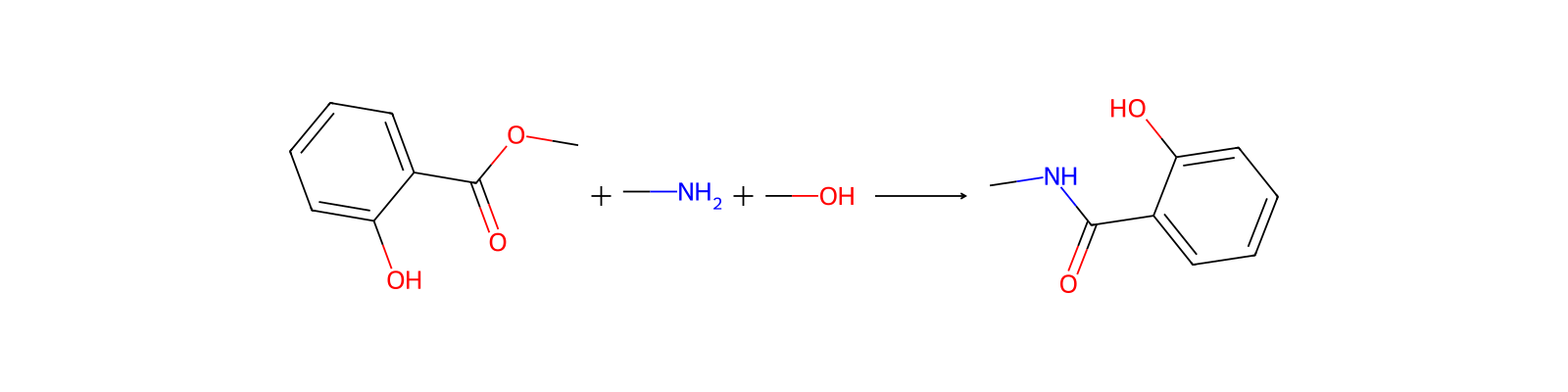
MOSTLY PREPD BY ESTERIFICATION OF SALICYLIC ACID WITH METHANOL. PRODUCT OF COMMERCE IS ABOUT 99% PURE.
USP: LINIMENT, COMPOUND: MENTHOL 4.5 G, CAMPHOR OIL RECTIFIED 25 ML, OLIVE OR PEANUT OIL 30 ML, METHYL SALICYLATE TO MAKE 100 ML. OINTMENT, COMPOUND: METHYL SALICYLATE 10 ML, MENTHOL 10 G, WHITE WAX 5 G, HYDROUS WOOL FAT TO MAKE 100 G.
USP: SPIRIT, PHENOLATED (PODIATRY): LIQUEFIED PHENOL 1 ML, METHYL SALICYLATE 3 ML, COMPOUND MYRCIA SPIRIT 25 ML, ALCOHOL RUBBING COMPOUND TO MAKE 100 ML.
GRADES: TECHNICAL; USP; FCC.
Cosmetics product ingredient: Methyl 2-hydroxybenzoate (Methyl Salicylate)
Information on 91 consumer products that contain Methyl salicylate in the following categories is provided:
Information on 1 consumer products that contain Gaultheria Procumbens Leaf Extract in the following categories is provided:
Fragrance Ingredients
Flavouring Agent -> FLAVOURING_AGENT -> JECFA Functional Classes
Flavoring Agents -> JECFA Flavorings Index
Flavouring Agent -> FLAVOURING_AGENT -> JECFA Functional Classes
Food, beverage, and tobacco product manufacturing
Benzoic acid, 2-hydroxy-, methyl ester: ACTIVE
WINTERGREEN: DESCRIPTION OF BOTANICAL SOURCE: EVERGREEN SHRUB WITH SLENDER, CREEPING STEMS, ASSURGENT, FLOWERING BRANCHES WITH LEAVES CLUSTERED AT TOP, WHITE, BELL-SHAPED FLOWERS BLOSSOMING IN JULY-AUGUST, FOLLOWED BY RED BERRIES (CHECKERBERRY). ...IN WOODS OF CANADA AND US.
VET: NATURAL & SYNTHETIC GRADES ARE USED INTERCHANGEABLY.
METHYL SALICYLATE MUST BE LABELED TO INDICATE WHETHER IT WAS MADE SYNTHETICALLY OR DISTILLED FROM...PLANTS...
IN USP, GAULTHERIA OIL, BETULA OIL, & METHYL SALICYLATE ARE COMBINED UNDER SAME TITLE...IT IS DIFFICULT TO DISTINGUISH BETWEEN THEM CHEMICALLY &...SAME TEST APPLY TO ALL. ...SLIGHT DIFFERENCES IN SPECIFIC GRAVITY & OPTICAL ACTIVITY BUT THESE FACTORS ARE NOT SUFFICIENTLY CHARACTERISTIC TO ENABLE DETECTION OF EITHER IN MIXT.