
Grundinformationen
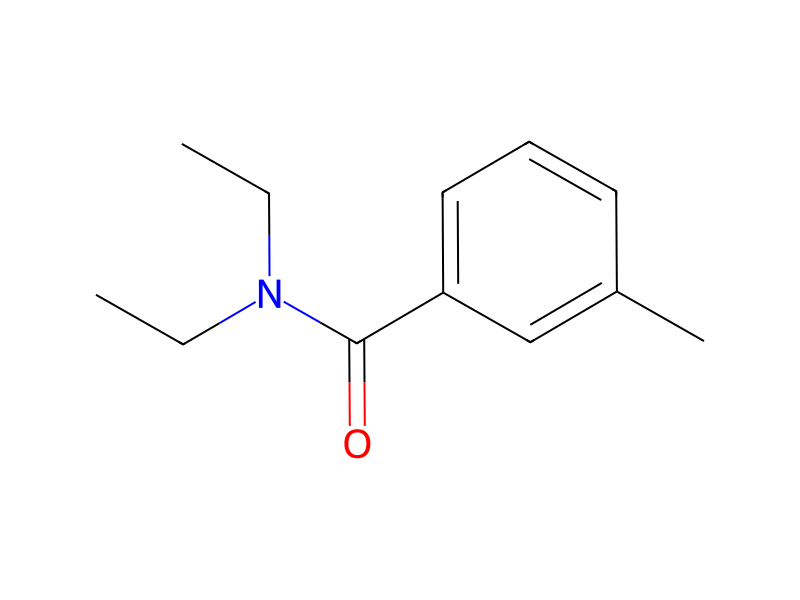
- Standard-SMILES
CCN(CC)C(=O)c1cccc(C)c1- InChIKey
MMOXZBCLCQITDF-UHFFFAOYSA-N- Summenformel
- C12H17NO
- Durchschnittliche Molmasse
- 191,27 g/mol
- Monoisotopische Masse
- 191,13101416
Überblick
DEET is a chemical (N,N-diethyl-meta-toluamide) used as the active ingredient in many insect repellent products. DEET was developed by the U.S. Army in 1946 and was registered for use by the general public in 1957. It is now widely used, with approximately 30% of the U.S. population using DEET repellents each year. DEET products are currently available in a variety of forms: liquids, lotions, sprays, and even impregnated materials, such as wristbands. Formulations registered for direct application to human skin contain from 4% to 100% DEET. Approximately 230 products containing DEET are currently registered with the U.S. Environmental Protection Agency (EPA).
Namen und Bezeichner
- Bevorzugter Name
- N,N-diethyl-m-toluamide
- IUPAC
- N,N-diethyl-3-methylbenzamide
- Lokaler Name
- N,N-Diethyl-m-toluamid
- Englischer Name
- N,N-Diethyl-m-toluamide
- Summenformel
- C12H17NO
- Molmasse
- 191.27
Namen und Synonyme
DiethyltoluamideDEET134-62-3N,N-Diethyl-3-methylbenzamideN,N-Diethyl-m-toluamideDiethyl toluamideMetadelpheneDieltamidFlypelDelpheneDetamideAutan
Weitere Namen anzeigen
DETmuscolmgkDiethyl-m-toluamideDEET (N,N-DIETHYL-M-TOLUAMIDE)Off
3-Methyl-N,N-diethylbenzamidem-DelpheneBenzamide, N,N-diethyl-3-methyl-Repudin-SpecialM-DetNaugatuck DETm-DETARepel
Datenbank-Bezeichner
- CAS
134-62-3- PubChem CID
- 4284
- DTXSID
DTXSID2021995- ChEMBL
CHEMBL1453317- ChEBI
CHEBI:7071- UNII
- FB0C1XZV4Y
- EC Number
- 205-149-7
- Nikkaji
- J5.598K
Eigenschaften
Berechnete Struktureigenschaften
- XLogP
- 2
- Polarare Oberfläche (TPSA)
- 20,3 Ų
- H-Brücken-Donoren
- 0
- H-Brücken-Akzeptoren
- 1
- Frei drehbare Bindungen
- 3
- Schwere Atome
- 14
- Formalladung
- 0
- Komplexität
- 187
Experimentelle und physikochemische Eigenschaften
DrugsPharmaceuticals -> Listed in ZINC15
CosmeticsSkin protecting
SpringerMaterials PropertiesBoiling point
Pesticides
Pesticides -> Insect Repellents
Pesticide
Pesticide (DEET (N,N-diethyl-m-toluamide)) -> USDA PDB
Pesticide and(or) Waste-water effluent contaminant
LogP
log Kow = 2.02
2.34
OdorFaint, characteristic odor
Density
0.996 at 68 °F (NTP, 1992) - Less dense than water; will float
0.996 g/cu cm at 20 °C
Viscosity13.3 cP at 30 °C
Color/FormNearly colorless to amberlike liquid
Solubility
less than 1 mg/mL at 68 °F (NTP, 1992)
Very soluble in benzene, ethyl ether, ethanol
Miscible with ethanol, ether, isopropanol, chloroform, benzene and carbon disulfide. Practically insoluble in glycerin
Miscible with 2-propanol, cottonseed oil, propylene glycol
19.6 [ug/mL] (The mean of the results at pH 7.4)
Flash Point
311 °F (NTP, 1992)
155 °C (open cup)
95 °C (203 °F) - closed cup
Human Drugs
Breast Feeding; Lactation; Insect Repellents
Pharmaceuticals
Physikochemische Eigenschaften
- Schmelzpunkt
- -45 °C · -45 °C
- Siedepunkt
- 111 °C1 · 111 °C1 mm Hg
- Dichte
- 0.998 g/mL · 0.998 g/mL at 20 °C(lit.)
- Dampfdichte
- 6.7 · 6.7 (vs air)
- Dampfdruck
- 0.01 mm · <0.01 mm Hg ( 25 °C)
- Brechungsindex
- 20 · n20/D 1.523(lit.)
- Flammpunkt
- 230 °F · >230 °F
- storage temp.
- room temp
- Löslichkeit
- DMSO (Slightly), Ethyl Acetate (Slightly), Methanol (Slightly)
- pka
- -1.37 · -1.37±0.70(Predicted)
- Aggregatzustand
- Liquid
- Farbe
- Clear
- Wichte
- 0.996 · 0.996
- Geruch (Odor)
- mild bland odor
- Wasserlöslichkeit
- NEGLIGIBLE
- Merck
- 14 · 14,2856
- BRN
- 2046711 · 2046711
- Henry's Law Constant
- 4.7 · 4.7×102 mol/(m3Pa) at 25℃, HSDB (2015)
- Stabilität
- Stable. Combustible. Incompatible with strong oxidizing agents, strong acids, strong bases. Hydrolyzes slowly in water.
- Major Application
- agricultureenvironmental
- Kosmetik-Inhaltsstoffe Funktionen
- SKIN PROTECTING
- InChI
- 1S/C12H17NO/c1-4-13(5-2)12(14)11-8-6-7-10(3)9-11/h6-9H,4-5H2,1-3H3
- InChIKey
- CXVBTGKUSLNJQZ-UHFFFAOYSA-N
- SMILES
- CCN(CC)C(=O)c1cccc(C)c1
- CAS Datenbank
- 134 · 134-62-3(CAS DataBase Reference)
- NIST chemische Informationen
- Diethyltoluamide(134-62-3)
- EPA chemische Informationen
- N,N-Diethyl-m-toluamide (134-62-3)
Sicherheit und Regulatorisches
GHS-Klassifizierung
GHS Classification
Warning
H302: Harmful if swallowed [Warning Acute toxicity, oral]
P264, P264+P265, P270, P280, P301+P317, P302+P352, P305+P351+P338, P321, P330, P332+P317, P337+P317, P362+P364, and P501 (click each P-code to see the statement)
Warning
H302 (100%): Harmful if swallowed [Warning Acute toxicity, oral]
P264, P264+P265, P270, P273, P280, P301+P317, P302+P352, P305+P351+P338, P321, P330, P332+P317, P337+P317, P362+P364, and P501 (click each P-code to see the statement)
Gefahrenhinweise
Regulatory Information
Chemical: Benzamide, N,N-diethyl-3-methyl-
Hazard Traits - Dermatotoxicity; Neurotoxicity
Diethyl toluamide: Does not have an individual approval but may be used under an appropriate group standard
Fire HazardsThis chemical is combustible. (NTP, 1992)
Health Hazards
SYMPTOMS: Symptoms of exposure to this compound may include eye and mucous membrane irritation. It can cause contact dermatitis, conjunctivitis, exacerbation of seborrhea and acne vulgaris. Eye contact may result in a smarting sensation. Ingestion of this material can cause central nervous system disturbances. Symptoms resulting from exposure to this compound include disorientation, staggering gait, slurred speech, crying out, episodes consisting of stiffening into a sitting position, extending of extremities, flexing of the fingers and dorsiflexing the toes. It may also cause jaundice, aplastic anemia, bleeding, convulsive seizure or death. It may irritate tender areas of the skin. It may also cause severe eye injury. Other symptoms are desquamation about the nose, dryness of face, a slight tingling sensation and a bullous eruption in the antecubital fossae. Irritation of the gastro-intestinal tract and coma are possible. It may cause purpuric or ecchymotic areas.
Hazards Summary
DEET is a chemical (N,N-diethyl-meta-toluamide) used as the active ingredient in many insect repellent products. DEET was developed by the U.S. Army in 1946 and was registered for use by the general public in 1957. It is now widely used, with approximately 30% of the U.S. population using DEET repellents each year. DEET products are currently available in a variety of forms: liquids, lotions, sprays, and even impregnated materials, such as wristbands. Formulations registered for direct application to human skin contain from 4% to 100% DEET. Approximately 230 products containing DEET are currently registered with the U.S. Environmental Protection Agency (EPA).
Evaluations of case reports of toxicity revealed rare cases of seizures, usually following ingestion, skin applications for several days in a row, or using 95% DEET. A possible link between exposure and seizures may be present in about one in 100 million users. DEET does not bioaccumulate. [EPA]
Reactive GroupAmides and Imides
Special Reports
USEPA/Office of Prevention, Pesticides and Toxic Substances; Reregistration Eligibility Decision Document - DEET EPA 738-R-98-010 (September 1998). The RED summarizes the risk assessment conclusions and outlines any risk reduction measures necessary for the pesticide to continue to be registered in the USA.[Available from, as of June 24, 2016: http://www.epa.gov/pesticides/reregistration/status.htm]
USEPA/Office of Prevention, Pesticides and Toxic Substances; Interim Reregistration Review Decision for DEET (N,N-Diethyl-meta-toluamide) EPA-HQ-OPP-2012-0162 (September 2014). EPA issues an IRED for a pesticide that is undergoing reregistration, requires a reregistration eligibility decision, and also needs a cumulative assessment under FQPA. The IRED, issued after EPA completes the individual pesticide's aggregate risk assessment, may include taking risk reduction measures -- for example, reducing risks to workers or eliminating uses that the registrant no longer wishes to maintain -- to gain the benefits of these changes before the final RED can be issued following the Agency's consideration of cumulative risks.[Available from, as of June 24, 2016: https://www.regulations.gov/#!documentDetail;D=EPA-HQ-OPP-2012-0162-0012]
FIFRA Requirements
In accordance with 40 CFR Sections 155.56 and 155.58, the Agency is issuing this Interim Registration Review Decision. Except for the EDSP /Endocrine Disruptor Screening Program/ component of the DEET registration review case, the Agency has made the following interim decision: (1) no additional data are required at this time; and (2) no changes to the affected registrations or their labeling are needed at this time. EPA has not identified any risks of concern to human health. Currently registered uses of DEET are not expected to result in adverse effects for listed and non-listed species, or critical habitat. As such, EPA concludes "no effect" for listed species and no adverse modification of designated critical habitat for all currently registered uses of DEET.
Based on the reviews of the generic data for the active ingredient DEET, the Agency has sufficient information on the health effects of DEET and on its potential for causing adverse effects in fish and wildlife and the environment. The Agency has determined that DEET products, labeled and used as specified in this Reregistration Eligibility Decision, will not pose unreasonable risks to humans or the environment. ... The Agency has determined that all uses of DEET are eligible for reregistration except uses/formulations that contain sunscreen and uses/formulations whose labels make child-safety claims. Products labels with cosmetic claims must be revised to conform with the labeling requirements for those products outlined in Section V. of this RED document.
As the federal pesticide law FIFRA directs, EPA is conducting a comprehensive review of older pesticides to consider their health and environmental effects and make decisions about their continued use. Under this pesticide reregistration program, EPA examines newer health and safety data for pesticide active ingredients initially registered before November 1, 1984, and determines whether the use of the pesticide does not pose unreasonable risk in accordance to newer safety standards, such as those described in the Food Quality Protection Act of 1996. N,N-Diethyl-meta-toluamide and other isomers is found on List A, which contains most pesticides that are used on foods and, hence, have a high potential for human exposure. List A consists of the 194 chemical cases (or 350 individual active ingredients) for which EPA issued registration standards prior to FIFRA '88. Case No: 0002; Pesticide type: insecticide (insect repellent); Registration Standard Date: 12/01/80; Case Status: RED Approved 04/98; OPP has made a decision that some/all uses of the pesticide are eligible for reregistration, as reflected in a Reregistration Eligibility Decision (RED) document.; Active ingredient (AI): N,N-Diethyl-meta-toluamide and other isomers; Data Call-in (DCI) Date(s): 10/13/95; AI Status: OPP has completed a Reregistration Eligibility Decision (RED) document for the case/AI.
Reactivity Profile
N,N-DIETHYL-M-TOLUAMIDE is incompatible with strong acids, strong bases and strong oxidizing agents. It hydrolyzes slowly in the presence of water. It has a solvent effect on most plastics, paints, and varnishes. It is also incompatible with rayon, acetate or dynel clothing. (NTP, 1992)
Air and Water ReactionsThis chemical is sensitive to prolonged exposure to moisture. Insoluble in water.
Toxic Combustion ProductsSpecial hazards arising from the substance or mixture: Carbon oxides, nitrogen oxides (NOx)
Hazard Classes and Categories
Acute Tox. 4 (100%)
Eye irritation - category 2
Skin corrosion/irritation - Category 2
Hazardous to the aquatic environment (Acute) - Category 3
Acute Tox. 4
Skin, Eye, and Respiratory Irritations
An eye and skin irritant.
Direct contact may cause eye irritation.
DEET is very irritating to the eyes but not corrosive.
Sicherheit und Schutzausrüstung
Fire FightingFires involving this material can be controlled with a dry chemical, carbon dioxide or Halon extinguisher. A water spray may also be used. (NTP, 1992)
First Aid
EYES: First check the victim for contact lenses and remove if present. Flush victim's eyes with water or normal saline solution for 20 to 30 minutes while simultaneously calling a hospital or poison control center. Do not put any ointments, oils, or medication in the victim's eyes without specific instructions from a physician. IMMEDIATELY transport the victim after flushing eyes to a hospital even if no symptoms (such as redness or irritation) develop.
Fire Fighting Procedures
Suitable extinguishing media: Use water spray, alcohol-resistant foam, dry chemical or carbon dioxide.
Advice for firefighters Wear self contained breathing apparatus for fire fighting if necessary.
Storage ConditionsKeep container tightly closed in a dry and well-ventilated place. Containers which are opened must be carefully resealed and kept upright to prevent leakage.
Cleanup Methods
ACCIDENTAL RELEASE MEASURES: Personal precautions, protective equipment and emergency procedures: Use personal protective equipment. Avoid breathing vapors, mist or gas. Ensure adequate ventilation. Environmental precautions: Prevent further leakage or spillage if safe to do so. Do not let product enter drains. Discharge into the environment must be avoided. Methods and materials for containment and cleaning up: Soak up with inert absorbent material and dispose of as hazardous waste. Keep in suitable, closed containers for disposal.
Nonfire Spill Response
SMALL SPILLS AND LEAKAGE: If you spill this chemical, FIRST REMOVE ALL SOURCES OF IGNITION. Then, use absorbent paper to pick up all liquid spill material. Your contaminated clothing and absorbent paper should be sealed in a vapor-tight plastic bag for eventual disposal. Solvent wash all contaminated surfaces with 60-70% ethanol followed by washing with a soap and water solution. Do not reenter the contaminated area until the Safety Officer (or other responsible person) has verified that the area has been properly cleaned.
Disposal Methods
SRP: Recycle any unused portion of the material for its approved use or return it to the manufacturer or supplier. Ultimate disposal of the chemical must consider: the material's impact on air quality; potential migration in air, soil or water; effects on animal, aquatic and plant life; and conformance with environmental and public health regulations. If it is possible or reasonable use an alternative chemical product with less inherent propensity for occupational harm/injury/toxicity or environmental contamination.
Product: Offer surplus and non-recyclable solutions to a licensed disposal company. Contact a licensed professional waste disposal service to dispose of this material; Contaminated packaging: Dispose of as unused product.
Preventive Measures
SRP: The scientific literature for the use of contact lenses by industrial workers is inconsistent. The benefits or detrimental effects of wearing contact lenses depend not only upon the substance, but also on factors including the form of the substance, characteristics and duration of the exposure, the uses of other eye protection equipment, and the hygiene of the lenses. However, there may be individual substances whose irritating or corrosive properties are such that the wearing of contact lenses would be harmful to the eye. In those specific cases, contact lenses should not be worn. In any event, the usual eye protection equipment should be worn even when contact lenses are in place.
ACCIDENTAL RELEASE MEASURES: Personal precautions, protective equipment and emergency procedures: Use personal protective equipment. Avoid breathing vapors, mist or gas. Ensure adequate ventilation. Environmental precautions: Prevent further leakage or spillage if safe to do so. Do not let product enter drains. Discharge into the environment must be avoided.
Precautions for safe handling: Avoid contact with skin and eyes. Avoid inhalation of vapor or mist.
Appropriate engineering controls: Handle in accordance with good industrial hygiene and safety practice. Wash hands before breaks and at the end of workday.
Gloves must be inspected prior to use. Use proper glove removal technique (without touching glove's outer surface) to avoid skin contact with this product. Dispose of contaminated gloves after use in accordance with applicable laws and good laboratory practices. Wash and dry hands.
Personal Protective Equipment (PPE)
RECOMMENDED RESPIRATOR: Where the neat test chemical is weighed and diluted, wear a NIOSH-approved half face respirator equipped with an organic vapor/acid gas cartridge (specific for organic vapors, HCl, acid gas and SO2) with a dust/mist filter. (NTP, 1992)
Eye/face protection: Face shield and safety glasses. Use equipment for eye protection tested and approved under appropriate government standards such as NIOSH (US) or EN 166(EU).
Skin protection: Handle with gloves.
Body Protection: Complete suit protecting against chemicals. The type of protective equipment must be selected according to the concentration and amount of the dangerous substance at the specific workplace.
Respiratory protection: Where risk assessment shows air-purifying respirators are appropriate use a full-face respirator with multipurpose combination (US) or type ABEK (EN 14387) respirator cartridges as a backup to engineering controls. If the respirator is the sole means of protection, use a full-face supplied air respirator. Use respirators and components tested and approved under appropriate government standards such as NIOSH (US) or CEN (EU).
Toxikologische Informationen
Toxicological InformationCDC-ATSDR Toxicological Profile
Body Burden
DEET is efficiently absorbed across the skin and by the gut. Blood concentrations of about 3 mg/L have been reported several hours after dermal application in the prescribed fashion.
DEET was detected in maternal serum samples at 0.007-8.50 ng/g and in corresponding cord serum at 0.007-4.42 ng/g(1). DEET was not detected in amniotic fluid (detection limit 0.4 ug/L) or urine (detection limit 0.1 ug/L) of 20 San Joaquin Valley, CA women(2).
Interactions
DEET and permethrin were implicated in the development of illnesses in some veterans of the Persian Gulf War. This study was designed to investigate the effects of daily dermal application of these chemicals, alone or in combination, on the permeability of the blood-brain barrier (BBB) and blood-testes barrier (BTB) and on sensorimotor performance in male Sprague-Dawley rats. Groups of five rats were treated with a dermal daily dose of 4, 40, or 400 mg/kg DEET in ethanol or 0.013, 0.13, or 1.3 mg/kg permethrin in ethanol for 60 d. A group of 10 rats received a daily dermal dose of ethanol and served as controls. BBB permeability was assessed by injection of an iv dose of the quaternary ammonium compound [(3)H]hexamethonium iodide. While permethrin produced no effect on BBB permeability, DEET alone caused a decrease in BBB permeability in brainstem. A combination of DEET and permethrin significantly decreased the BBB permeability in the cortex. BTB permeability was decreased by treatment with DEET alone and in combination with permethrin. The same animals underwent a battery of functional behavior tests 30, 45, and 60 d after exposure to evaluate their sensorimotor abilities. All treatments caused a significant decline in sensorimotor performance in a dose- and time-dependent manner. These results show that daily dermal exposure to DEET, alone or in combination with permethrin, decreased BBB permeability in certain brain regions, and impaired sensorimotor performance.
In this study, the ratio of 6beta-hydroxycortisol (6beta-OHF) to free cortisol (F) was determined in urine following a single dermal dose of 400 mg/kg of DEET (N,N-diethyl-m-toluamide), and 1.3 mg/kg of permethrin, alone and in combination, in rats. Urine samples were collected at 2, 4, 8, 16, 24, 48, and 72 hr after application. Recoveries of 6beta-OHF and cortisol (F) from control urine samples were between 75 and 85%, with limits of detection at 30 and 10 ng/mL for cortisol and 6beta-OHF, respectively. A single dermal dose of DEET alone and in combination with permethrin significantly increased urinary excretion of 6beta-hydroxycortisol 24 hr after dosing. Permethrin did not significantly alter the urinary excretion of 6beta-hydroxycortisol. These results indicate that DEET, alone and in combination with permethrin, increased urinary excretion of 6beta-OHF in rats following a single dermal dose application.
The acute lethal interaction that occurs in rodents when high doses of a peripherally restricted cholinesterase inhibitor, pyridostigmine bromide (PB), and the insect repellent N, N-diethyl-m-toluamide (DEET) are combined was first described during studies of chemical mixtures that were targeted as potential causative agents of Gulf War illnesses. This study was intended to provide insight into possible mechanisms of that lethal interaction. Following a single intraperitoneal injection of PB (2 mg/kg) and/or DEET (300 or 500 mg/kg), respiratory activity was measured in conscious freely moving rats using whole-body plethysmography. Cardiovascular function was also monitored simultaneously through an arterial catheter. PB (2 mg/kg) given alone stimulated respiration and increased blood pressure. Arterial pH levels were decreased, whereas pO(2) and pCO(2) remained at control levels. Administration of DEET (300 mg/kg) alone increased tidal volume and decreased blood pressure. Blood gases and pH levels were unaltered. A higher dose of DEET (500 mg/kg) also decreased respiratory and heart rate. Coadministration of PB (2 mg/kg) and DEET (300 mg/kg) increased tidal volume, decreased arterial pH, and elevated pCO(2). Heart rate and blood pressure declined progressively after drug coadministration. Pretreatment with atropine methyl nitrate (AMN), a peripherally selective competitive antagonist at nicotinic and muscarinic receptor sites, reduced the individual effects of PB or DEET, and significantly increased survival after coexposure to these agents. Although changes in respiratory function may have contributed to the lethal interaction, it was concluded that the primary cause of death was circulatory failure.
... The focus of the present studies was to determine the effect of coexposure factors, potentially encountered in a military environment, that could modulate transdermal flux of topically applied DEET. Factors investigated were vehicle, dose, coexposure to permethrin, low-level sulfur mustard, occlusion, and simultaneous systemic exposure to pyridostigmine bromide and the nerve agent stimulant diisopropylfluorophosphate (DFP). Studies were conducted using the isolated perfused porcine skin flap (IPPSF), with a few mechanistically oriented studies conducted using in vitro porcine skin and silastic membrane diffusion cells. DEET was quantitated using high-performance liquid chromatography. The vehicle-control transdermal DEET flux in the IPPSF was approximately 2 ug/sq cm/hr for both 7.5 and 75% DEET concentrations, a value similar to that reported in humans. DEET absorption was enhanced by coinfusion of pyridostigmine bromide and DFP, by the presence of sulfur mustard, or by dosing under complete occlusion. The greatest increase in baseline flux was fivefold. In vitro diffusion cell studies indicated that silastic membranes had two orders of magnitude greater permeability than porcine skin, and showed vehicle effects on flux that were not detected in the IPPSF. These results suggest that coexposure to a number of chemicals that potentially could be encountered in a military environment may modulate the percutaneous absorption of topically applied DEET beyond that seen for normal vehicles at typically applied concentrations.
For more Interactions (Complete) data for DEET (16 total), please visit the HSDB record page.
Target OrgansDevelopmental (effects while organs are developing), Neurological (Nervous System)
Ecotoxicity Values
EC50; Species: Daphnia magna (Water Flea) age <24 hr neonate; Conditions: freshwater, renewal, 19.4-20.3 °C, pH 8.2-8.6, hardness 134-136 mg/L CaCO3, alkalinity 179-182 mg/L CaCO3, dissolved oxygen > or =7.7 mg/L; Concentration: 24000 ug/L for 21 days (95% confidence interval: 21000-27000 ug/L); Effect: reproduction, decreased progeny counts/numbers /98.68% purity/
LC50; Species: Daphnia magna (Water Flea) age <24 hr neonate; Conditions: freshwater, renewal, 19.4-20.3 °C, pH 8.2-8.6, hardness 134-136 mg/L CaCO3, alkalinity 179-182 mg/L CaCO3, dissolved oxygen > or =7.7 mg/L; Concentration: 26000 ug/L for 21 days /98.68% purity/
LC50; Species: Pimephales promelas (fathead minnow); Conditions: freshwater, flow through, 25 °C, pH 7.3, hardness 45.0 mg/L CaCO3, alkalinity 47.0 mg/L CaCO3, dissolved oxygen 6.1 mg/L; Concentration: 110000 ug/L for 96 hr (95% confidence interval: 106000-114000 ug/L) /98% purity/
EC50; Species: Pimephales promelas (fathead minnow); Conditions: freshwater, flow through, 25 °C, pH 7.3, hardness 45.0 mg/L CaCO3, alkalinity 47.0 mg/L CaCO3, dissolved oxygen 6.1 mg/L; Concentration: 75.7 mg/L for 96 hr; Effect: loss of equilibrium and death /98% purity/
Environmental Fate
TERRESTRIAL FATE: Based on a classification scheme(1), an estimated Koc value of 115(SRC), determined from a structure estimation method(2), indicates that DEET is expected to have moderate mobility in soil(SRC). Volatilization of DEET from moist soil surfaces is not expected to be an important fate process(SRC) given an estimated Henry's Law constant of 2.1X10⁻⁸ atm-cu m/mole(SRC), using a fragment constant estimation method(2). DEET is not expected to volatilize from dry soil surfaces(SRC) based upon a vapor pressure of 0.002 mm Hg at 25 °C(3). Biodegradation in soil may be an important fate process based on limited biodegradation data; DEET, at 100 mg/L, did not biodegrade under aerobic conditions over a period of 4 weeks with a sewage inoculum and the Japanese MITI test(4). However, in other tests DEET biodegraded 83.8% in 28 days and 40% in 7 days(5).
AQUATIC FATE: Based on a classification scheme(1), an estimated Koc value of 115(SRC), determined from a structure estimation method(2), indicates that DEET is expected to adsorb to suspended solids and sediment(SRC). Volatilization from water surfaces is not expected(3) based upon an estimated Henry's Law constant of 2.1X10⁻⁸ atm-cu m/mole(SRC), developed using a fragment constant estimation method(2). DEET is not susceptible to hydrolysis under environmental conditions (pH 5 to 9)(4). According to a classification scheme(5), BCFs of 0.8-2.4 measured using carp (Cyprinus carpio)(6), suggest bioconcentration in aquatic organisms is low(SRC). Biodegradation in water may be an important fate process based on ready biodegradation tests; DEET, at 100 mg/L, did not biodegrade under aerobic conditions over a period of 4 weeks with a sewage inoculum and the Japanese MITI test(6). However, in other tests DEET biodegraded 83.8% in 28 days and 40% in 7 days(7). DEET was shown to degrade through indirect photolysis using Po River water, forming five transformation products(8).
ATMOSPHERIC FATE: According to a model of gas/particle partitioning of semivolatile organic compounds in the atmosphere(1), DEET, which has a vapor pressure of 0.002 mm Hg at 25 °C(2), is expected to exist solely as a vapor in the ambient atmosphere. Vapor-phase DEET is degraded in the atmosphere by reaction with photochemically-produced hydroxyl radicals(SRC); the half-life for this reaction in air is estimated to be 15 hours(SRC), calculated from its rate constant of 2.5X10⁻¹¹ cu cm/molecule-sec at 25 °C(SRC) that was derived using a structure estimation method(2). DEET contains chromophores that absorb at wavelengths >290 nm(3) and, therefore, may be susceptible to direct photolysis by sunlight(SRC).
Adverse EffectsNeurotoxin - Other CNS neurotoxin
Toxicity Summary
IDENTIFICATION AND USE: DEET is nearly colorless to amber-like liquid. It is broad-spectrum insect repellant registered for use on the human body, clothing, and on horses to repel biting flies, biting midges, black flies, chiggers, deer flies, fleas, gnats, horse flies, mosquitoes, no-see-ums, sand flies, stable flies, and ticks. HUMAN EXPOSURE AND TOXICITY: Most reports of adverse events following DEET exposure are skin-related findings. These include mild skin irritation, contact dermatitis, exacerbation of preexisting skin disease as well as generalized urticaria. DEET is very irritating to the eyes but not corrosive. Serious adverse cutaneous effects have occurred in tropical conditions, when applied to areas of skin that were occluded during sleep (mainly the antecubital and popliteal fossae). Under these conditions, the skin became red and tender and then exhibited blistering and erosion, leaving painful, weeping, denuded areas that were slow to heal. Severe scarring occasionally resulted from some of these severe reactions. Toxic encephalopathic reactions have been reported in rare instances following ingestion or dermal application. Manifestations of toxic encephalopathy have been headache, restlessness, irritability, ataxia, rapid loss of consciousness, hypotension and seizures. Some cases have shown flaccid paralysis and areflexia. Deaths have occurred following very large doses. Human primary nasal mucosa cells were exposed to 0.5-1.0 mM concentrations of DEET for 60 min. Genotoxic effects were detected by the alkaline microgel electrophoresis assay ("comet assay"). No significant cytotoxic effects were observed, but DEET showed a significant genotoxic response. ANIMAL STUDIES: Application of pure DEET to rabbit eyes has caused edema of the conjunctiva, lacrimation, discharge, and slight transient cloudiness of the corneas. Injury of the epithelium, indicated by staining with fluorescein, persisted for two days, but the eyes returned to normal in five days. DEET was applied to the shaven backs ot castrated rats at dose levels of 0 or 1000 mg/kg/day. In addition, noncastrated rats were administered DEET dermally at a dose level of 1000 mg/kg/day. Microscopic examination of the kidney revealed renal lesions in DEET-treated rats, These lesions included hyaline and granular cast formation, chronic inflammation, regenerative tubular epithelium, and hyaline droplets. The incidence and severity of these lesions was greater in the noncastrated treated group. Immunocytochemical techniques confirmed the presence of hyaline droplets containing alpha2 microglobulin in the kidneys of the noncastrated and castrated treated animals, but not in controls. In dogs, emesis, ptyalism, abnormal biting and scratching, and abnormal head movements were observed. Ataxia and ptosis also were observed in some dogs. In addition, convulsions were observed in a male dog. Clinical signs occurred shortly after dosing, after which recovery was observed. In developmental study in rats, DEET produced maternal toxicity in the form of mortality, decreased body weights, decreased food consumption, hypoactivity, ataxia, prostration, unkempt appearance, urine stains, and perioral wetness at 1000 mg/kg/day. No maternal effects were observed at levels below 1000 mg/kg/day and no evidence of developmental toxicity was observed at any dose. Five strains of Salmonella typhimurium, TA98, TA100, TA1535, TA1537, and TA1538, were used for a genotoxicity assay with and without metabolic activation. The concentrations of DEET evaluated in these studies ranged from 278 to 8333 ug/plate. Mutagenic frequency did not increase in any of the tester strains. ECOTOXICITY STUDIES: Fish (common carp) were exposed for 28 days to three concentrations of DEET (1.0 ug/L, 0.1 mg/L, and 1.0 mg/L) where 1 ug/L is corresponding to the concentration found in the environment. DEET had a significant effect on increased RBC, decreased mean corpuscular volume (MCV), and mean corpuscular hemoglobin value (MCH) compared to control groups in the concentration of 1 mg/L. A significant decline in triacylglycerols in plasma was found in the concentration of 1 mg/L compared to the control groups.
Average Daily IntakeDaily exposure estimates for adult male, adult female, child (age 13-17) and child (age 12 and under) to DEET were 12.10, 9.68, 21.05 and 37.63 mg/kg/day, respectively(1).
Ecotoxicity Excerpts
/BIRDS and MAMMALS/ ...Bat carcasses (Myotis lucifugus, M. sodalis, M. septentrionalis, and Eptesicus fuscus) from the northeastern United States /were analyzed/ for contaminants of emerging concern (CECs) such as polybrominated diphenyl ethers (PBDEs), and pharmaceuticals and personal care products. The CECs detected most frequently in samples were PBDEs (100%), salicylic acid (81%), thiabendazole (50%), and caffeine (23%). Other compounds detected in at least 15% of bat samples were digoxigenin, ibuprofen, warfarin, penicillin V, testosterone, and N,N-diethyl-meta-toluamide (DEET). The CECs present at the highest geometric mean wet weight concentrations in bat carcasses were bisphenol A (397 ng/g), sigmaPDBE congeners 28, 47, 99, 100, 153, and 154 (83.5 ng/g), triclosan (71.3 n/g), caffeine (68.3 ng/g), salicylic acid (66.4 ng/g), warfarin (57.6 ng/g), sulfathiazole (55.8 ng/g), tris(1-chloro-2-propyl) phosphate (53.8 ng/g), and DEET (37.2 ng/g). Bats frequently forage in aquatic and terrestrial habitats that may be subjected to discharges from wastewater-treatment plants, agricultural operations, and other point and nonpoint sources of contaminants. This study shows that some CECs are accumulating in the tissue of bats. ...CECs detected in bats have the potential to affect a number of physiological systems in bats including hibernation, immune function, and response to white-nose syndrome, a fungal disease causing population-level impacts to bats.
/AQUATIC SPECIES/ ...Adult fathead minnows (Pimephales promelas) /were exposed/ for 48 hr to triclocarban (1.4 ug/L), N,N-diethyl-meta-toluamide (DEET; 0.6 ug/L), or a mixture of PPCPs consisting of atenolol (1.5 ug/L), caffeine (0.25 ug/L), diphenhydramine (0.1 ug/L), gemfibrozil (1.5 ug/L), ibuprofen (0.4 ug/L), naproxen (1.6 ug/L), triclosan (2.3 ug/L), progesterone (0.2 ug/L), triclocarban (1.4 ug/L), and DEET (0.6 ug/L). Quantitative real-time polymerase chain reaction revealed an upregulation in vitellogenin (vtg) in livers of females and males exposed to triclocarban. Also, an upregulation of hepatic lipoprotein lipase (lpl) and a downregulation of androgen receptor (ar) and steroidogenic acute regulatory protein (star) were observed in testes. The group treated with DEET only showed a significant decrease in ar in females. In contrast, the PPCP mixture downregulated vtg in females and males and expression of estrogen receptor alpha (eralpha), star, and thyroid hormone receptor alpha 1 (thra1) in testes. The authors' results show that the molecular estrogenic effects of triclocarban are eliminated (males) or reversed (females) when dosed in conjunction with several other PPCP, once again demonstrating that results from single exposures could be vastly different from those observed with mixtures.
/AQUATIC SPECIES/ ... The aim of this study was to investigate the effect of subchronic DEET exposure on biochemical and hematological parameters, antioxidant enzymes, including catalase, glutathione peroxidase, glutathione reductase, and glutathione S-transferase, and the amount of thiobarbituric acid reactive substances (TBARS) in common carp (Cyprinus carpio L.). Two specific proinflammatory and anti-inflammatory cytokine genes were selected to assess an immunological status of the fish. Fish were exposed for 28 days to three concentrations of DEET (1.0 ug/L, 0.1 mg/L, and 1.0 mg/L) where 1 ug/L is corresponding to the concentration found in the environment. DEET had a significant (P < 0.05) effect on increased RBC, decreased mean corpuscular volume (MCV), and mean corpuscular hemoglobin value (MCH) compared to control groups in the concentration of 1 mg/L. A significant decline (P < 0.05) in triacylglycerols (TAG) in plasma was found in the concentration of 1 mg/L compared to the control groups. The parameters of oxidative stress in tissues of common carp were weekly affected and immunological parameters were not affected.
/AQUATIC SPECIES/ ... In this study, we employed the mixotrophic dinoflagellate Gymnodinium instriatum as a study system to evaluate acute effects of DEET on the oxygen flux of laboratory cultures. This study reports an inhibitory reaction model of DEET described by the equation y = 4.99x(0.54), where y represents the percent inhibition of oxygen flux and x represents DEET concentration in mg/L (r(2) = 0.98). Based on this model, the effective concentration of DEET needed to reduce O2 flux by 50% (EC50) for this species was found to be at 72.9 mg/L. The reported EC50 is more than five times lower than the EC50 reported previously for the unicellular green algae Chlorella protothecoides. This study raises the question of the potential toxicological effects of DEET in dinoflagellates, in particular those populations inhabiting systems characterized by low water circulation such as enclosed bays and lagoons.
For more Ecotoxicity Excerpts (Complete) data for DEET (6 total), please visit the HSDB record page.
Animal Concentrations
...Bat carcasses (Myotis lucifugus, M. sodalis, M. septentrionalis, and Eptesicus fuscus) from the northeastern United States /were analyzed/ for contaminants of emerging concern (CECs) such as polybrominated diphenyl ethers (PBDEs), and pharmaceuticals and personal care products. The CECs detected most frequently in samples were PBDEs (100%), salicylic acid (81%), thiabendazole (50%), and caffeine (23%). Other compounds detected in at least 15% of bat samples were digoxigenin, ibuprofen, warfarin, penicillin V, testosterone, and N,N-diethyl-meta-toluamide (DEET). The CECs present at the highest geometric mean wet weight concentrations in bat carcasses were bisphenol A (397 ng/g), sigmaPDBE congeners 28, 47, 99, 100, 153, and 154 (83.5 ng/g), triclosan (71.3 n/g), caffeine (68.3 ng/g), salicylic acid (66.4 ng/g), warfarin (57.6 ng/g), sulfathiazole (55.8 ng/g), tris(1-chloro-2-propyl) phosphate (53.8 ng/g), and DEET (37.2 ng/g). Bats frequently forage in aquatic and terrestrial habitats that may be subjected to discharges from wastewater-treatment plants, agricultural operations, and other point and nonpoint sources of contaminants. This study shows that some CECs are accumulating in the tissue of bats. ...CECs detected in bats have the potential to affect a number of physiological systems in bats including hibernation, immune function, and response to white-nose syndrome, a fungal disease causing population-level impacts to bats.
Acute Toxicity LinkChemical: DEET
Regulatorische Informationen
FIFRA Requirements
In accordance with 40 CFR Sections 155.56 and 155.58, the Agency is issuing this Interim Registration Review Decision. Except for the EDSP /Endocrine Disruptor Screening Program/ component of the DEET registration review case, the Agency has made the following interim decision: (1) no additional data are required at this time; and (2) no changes to the affected registrations or their labeling are needed at this time. EPA has not identified any risks of concern to human health. Currently registered uses of DEET are not expected to result in adverse effects for listed and non-listed species, or critical habitat. As such, EPA concludes "no effect" for listed species and no adverse modification of designated critical habitat for all currently registered uses of DEET.
Based on the reviews of the generic data for the active ingredient DEET, the Agency has sufficient information on the health effects of DEET and on its potential for causing adverse effects in fish and wildlife and the environment. The Agency has determined that DEET products, labeled and used as specified in this Reregistration Eligibility Decision, will not pose unreasonable risks to humans or the environment. ... The Agency has determined that all uses of DEET are eligible for reregistration except uses/formulations that contain sunscreen and uses/formulations whose labels make child-safety claims. Products labels with cosmetic claims must be revised to conform with the labeling requirements for those products outlined in Section V. of this RED document.
As the federal pesticide law FIFRA directs, EPA is conducting a comprehensive review of older pesticides to consider their health and environmental effects and make decisions about their continued use. Under this pesticide reregistration program, EPA examines newer health and safety data for pesticide active ingredients initially registered before November 1, 1984, and determines whether the use of the pesticide does not pose unreasonable risk in accordance to newer safety standards, such as those described in the Food Quality Protection Act of 1996. N,N-Diethyl-meta-toluamide and other isomers is found on List A, which contains most pesticides that are used on foods and, hence, have a high potential for human exposure. List A consists of the 194 chemical cases (or 350 individual active ingredients) for which EPA issued registration standards prior to FIFRA '88. Case No: 0002; Pesticide type: insecticide (insect repellent); Registration Standard Date: 12/01/80; Case Status: RED Approved 04/98; OPP has made a decision that some/all uses of the pesticide are eligible for reregistration, as reflected in a Reregistration Eligibility Decision (RED) document.; Active ingredient (AI): N,N-Diethyl-meta-toluamide and other isomers; Data Call-in (DCI) Date(s): 10/13/95; AI Status: OPP has completed a Reregistration Eligibility Decision (RED) document for the case/AI.
Sicherheitsdaten
- wgk
- 2
- tsca
- TSCA listed
- ridadr
- 2810
- hs_code
- 29242995
- RTECS-Nr.
- XS3675000
- risk_code
- 22-36/38-52/53
- Toxizität
- LD50 orally in male rats (ml/kg): 2.43; in female rats: 1.78; dermally in rabbits: 3.18; LC50 by inhalation in rats (mg/l): 5.95 (U.S. EPA)
- hazard_code
- Xn
- safety_code
- 61
- hazard_class
- 6.1(b)
- packing_group
- III
- Speicherklasse
- 10 - Combustible liquids
- Giftige Stoffe Daten
- 134-62-3(Hazardous Substances Data)
- Hazard Classifications
- Acute Tox. 4 OralAquatic Chronic 3Eye Irrit. 2Skin Irrit. 2
Chemie und Industrie
Pharmakologische Informationen
ATC Code
P - Antiparasitic products, insecticides and repellents
QP - Antiparasitic products, insecticides and repellents
Protein BindingReadily accessible data regarding the protein binding of diethyltoluamide (DEET) is not available.
Pharmacodynamics
When used appropriately, diethyltoluamide (DEET) containing products are designed to be applied directly to people's skin as a means to elicit a repelling action to keep insects from targeting human skin. At the amounts and doses recommended for use on human children and adults, noticeable absorption or systemic exposure is not expected. Owing to the proportional difference in size between humans and insects, however, the exposure of insects to the applied DEET (whether topically or via inhalation of DEET) is expected to be enough to interfere with the insects' sensory attraction to human skin.
Mechanism of Action
The exact mechanism(s) of action by which both (a) insects are repelled by diethyltoluamide (DEET), and (b) humans can be affected deleteriously by exposure to toxic amounts of DEET have not yet been formally elucidated. Research is ongoing regarding the exact mechanism of action by which DEET is capable of repelling insects. However, the most longstanding mechanism proposes that the DEET chemical blocks the olfactory receptors of insects for the volatile 1-octen-3-ol compound that is an element in human sweat and breath. As a consequence, this proposed mechanism suggests that the blockade of insects' senses for this 1-octen-3-ol blinds and prevents the triggering of their biting and/or feeding instinct on humans and other animals that produce that compound. Nevertheless, this theory has not yet been fully elucidated. Furthermore, recent studies have demonstrated that DEET binds to certain molecular targets like the Anopheles gambiae odorant binding protein 1 (AgamOBP1) with high shape complementarity and the antennae-specific odorant receptor CquiOR136 of the southern house mosquito, Culex quinquefasciatus. In southern house mosquitos with reduced CquiOR136 transcript levels, behavioral tests demonstrated that this phenotype showed demonstrably lower responses/repulsion to DEET. Again, however, such findings require continued research and do not formally elucidate the mechanism of action by which DEET can repel insects. And finally, the mechanism of toxicity in which DEET is capable of eliciting effects of neurotoxicity in humans who have been exposed to toxic levels of the agent is also poorly understood. A recent study proposes that DEET is capable of blocking Na+ and K+ channels in the rat animal model. This ion channel blocking activity of DEET in neurons may subsequently contribute to the kind of neuro-sensory adverse effects like numbness experienced after inadvertent application to the lips or mouth of humans.
Recent studies suggest that N, N-diethyl-meta-toluamide (DEET) is an acetylcholinesterase inhibitor and that this action may result in neurotoxicity and pose a risk to humans from its use as an insect repellent. We investigated the mode of action of DEET neurotoxicity in order to define the specific neuronal targets related to its acute toxicity in insects and mammals. Although toxic to mosquitoes (LD50 ca. 1.5 ug/mg), DEET was a poor acetylcholinesterase inhibitor (<10% inhibition), even at a concentration of 10 mM. IC50 values for DEET against Drosophila melanogaster, Musca domestica, and human acetylcholinesterases were 6-12 mM. Neurophysiological recordings showed that DEET had excitatory effects on the housefly larval central nervous system (EC50: 120 uM), but was over 300-fold less potent than propoxur, a standard anticholinesterase insecticide. Phentolamine, an octopamine receptor antagonist, completely blocked the central neuroexcitation by DEET and octopamine, but was essentially ineffective against hyperexcitation by propoxur and 4-aminopyridine, a potassium channel blocker. DEET was found to illuminate the firefly light organ, a tissue utilizing octopamine as the principal neurotransmitter. Additionally, DEET was shown to increase internal free calcium via the octopamine receptors of Sf21 cells, an effect blocked by phentolamine. DEET also blocked Na(+) and K(+) channels in patch clamped rat cortical neurons, with IC50 values in the micromolar range. These findings suggest DEET is likely targeting octopaminergic synapses to induce neuroexcitation and toxicity in insects, while acetylcholinesterase in both insects and mammals has low (mM) sensitivity to DEET. The ion channel blocking action of DEET in neurons may contribute to the numbness experienced after inadvertent application to the lips or mouth of humans.
Biological Half-LifeThe elimination half-life of diethyltoluamide (DEET) is observed to be about 2.5 hours.
Metabolism/Metabolites
Diethyltoluamide (DEET) is metabolized in humans by cytochrome P450 enzymes into the primary metabolites N,N-diethyl-m-hydroxymethylbenzamide (BALC) and Nethyl-m-toluamide (ET). Although several P450 isoenzymes have elicited activity in DEET metabolism, it appears that the CYP2B6 and CYP2C19 enzymes are the principal P450s responsible for the transformation of DEET to BALC and ET, respectively. Most of the body load is metabolized by such hepatic P450 enzymes, with only 10%–14% recovered unchanged in the urine.
DEET is metabolized by hepatic microsomes via oxidation, hydroxylation, dealkylation, and glucuronidation. Within 12 hours of application, the majority of DEET is excreted in the urine, mainly as metabolites. The amount of the parent compound excreted probably depends on the applied dose. Skin and fatty tissues may serve as a reservoir for DEET after repeated excessive dermal applications.
Urinary metabolites of DEET of 17 children (5-7 years of age) and 9 adults (23-25 years of age) were examined in the study described in this article. Urine samples were collected from each subject within eight hours after a single dermal application of 10 mL 12% DEET-containing insect repellent. Two metabolites, m-diethylaminocarbonyl benzoic acid (R3N0) and N-ethyl-m-toluamide (RON1), with unchanged DEET, were identified in the urine. The major metabolite was R3NO, which was 78.2% and 46.1% of the total DEET metabolites from children and adults, respectively, indicating that the pathway of ring methyl oxidation predominated. The recovered DEET metabolites were observed significantly more from children (1,116 pg) than from adults (446.2 pg) (p < .001). The difference in dermal absorption, albeit primarily attributed to DEET loading, was found to be related to height by regression analysis. The inverse association between height and dermal absorption of DEET suggests that shorter individuals (i.e., children) are subjected to dermal uptake of DEET. To avoid unnecessary exposure, parents need to be cautious when applying DEET-containing insect repellent on children.
Oxidation of the benzylic moiety and hydroxylation of side-chain of DEET molecules appeared to be predominant routes of metabolism in man.
DEET has known human metabolites that include N,N-diethyl-m-hydroxymethylbenzamide, acetaldehyde, N-Ethyl-N-(2-hydroxyethyl)-3-methylbenzamide, and N-ethyl-m-toluamide.
MeSH Pharmacological ClassificationSubstances causing insects to turn away from them or reject them as food.
Absorption, Distribution and Excretion
Most diethyltoluamide (DEET) formulations employ the agent as a liquid to be applied onto human skin in an effort to repel mosquitoes from feeding on the skin. Topical application and absorption is consequently the most common route of absorption. When used appropriately, DEET formulations are generally not indicated for too many other routes of absorption or administration, like parenterally or orally. DEET is absorbed quickly through intact skin; 48% of the applied dose is totally absorbed within 6 hours. Topical absorption is the usual route of entry as DEET is normally applied to the skin as a mosquito repellent. DEET applied to the skin has also been shown to accumulate in the dermis. DEET is rapidly absorbed after oral ingestion. Additionally, animal experiments demonstrate that DEET can cross the placenta. DEET is efficiently absorbed across the skin and by the gut. Blood concentrations of about 3 mg/L have been reported several hours after dermal application in the prescribed fashion. Between 9% and 56% of dermally applied DEET is absorbed through the skin with peak blood levels being attained within 1 hour. Absorption through the skin varies according to the site exposed to the DEET. In animal model surfaces corresponding to the human palmar surface (an area that is typically heavily exposed during the application of liquid DEET), 68% of administered topical DEET was absorbed. As a consequence, small children are at increased risk of excessive absorption of DEET applied to the skin because of their relatively higher surface to volume ratio compared to adults.
Diethyltoluamide (DEET) is principally excreted via the kidneys, where the initial phase is initially rapid but not more than 50% of the absorbed dose is excreted during the first 5 days. In a study with a human volunteer weighing 65.8 kg and having been treated with 15 g of 95% DEET, urinary levels of DEET and a metabolite were measurable 4 hours after the initial exposure and persisted 48 hours later. Maximum urinary levels of DEET observed were 207 mg/L at 8 hours.
After dermal application, about 17% of the absorbed diethyltoluamide (DEET) dose enters the bloodstream. DEET accumulates in the skin, contributing to local irritation and possibly even bullous dermatitis. Accumulation within the body, however, has not been reported and experimentally there have been no cumulative effects of subtoxic doses of DEET; but various case reports of toxicity in man suggests that accumulation of the repellent could occur, and with deleterious effects.
Readily accessible data regarding the clearance of diethyltoluamide (DEET) is not available.
... DEET crossed the placenta and was detected in 8% (95% confidence interval = 2.6-18.2) of cord blood samples from a randomly selected subgroup of DEET users (n = 50). ...
... The focus of the present studies was to determine the effect of coexposure factors, potentially encountered in a military environment, that could modulate transdermal flux of topically applied DEET. Factors investigated were vehicle, dose, coexposure to permethrin, low-level sulfur mustard, occlusion, and simultaneous systemic exposure to pyridostigmine bromide and the nerve agent stimulant diisopropylfluorophosphate (DFP). Studies were conducted using the isolated perfused porcine skin flap (IPPSF), with a few mechanistically oriented studies conducted using in vitro porcine skin and silastic membrane diffusion cells. DEET was quantitated using high-performance liquid chromatography. The vehicle-control transdermal DEET flux in the IPPSF was approximately 2 ug/sq cm/hr for both 7.5 and 75% DEET concentrations, a value similar to that reported in humans. DEET absorption was enhanced by coinfusion of pyridostigmine bromide and DFP, by the presence of sulfur mustard, or by dosing under complete occlusion. The greatest increase in baseline flux was fivefold. In vitro diffusion cell studies indicated that silastic membranes had two orders of magnitude greater permeability than porcine skin, and showed vehicle effects on flux that were not detected in the IPPSF. These results suggest that coexposure to a number of chemicals that potentially could be encountered in a military environment may modulate the percutaneous absorption of topically applied DEET beyond that seen for normal vehicles at typically applied concentrations.
Verwendung und Herstellung
Uses
Used in insect repellants in concentrations ranging from 4% to 100%. [EPA]
For deet (USEPA/OPP Pesticide Code: 080301) ACTIVE products with label matches. /SRP: Registered for use in the U.S. but approved pesticide uses may change periodically and so federal, state and local authorities must be consulted for currently approved uses./
Broad-spectrum insect repellant registered for use on the human body, clothing, and on horses to repel biting flies, biting midges, black flies, chiggers, deer flies, fleas, gnats, horse flies, mosquitoes, no-see-ums, sand flies, stable flies, and ticks. DEET is registered for use on horses (animal treatment); and human skin, hair, clothing, footwear, shoes and headgear (hats).
DEET is the active ingredient in most commercial insect repellants.
DEET is a personal insect repellent that has been shown to repel biting flies, biting midges, black flies, chiggers, deer flies, fleas, gnats, horse flies, mosquitoes, no-see-ums, sand flies, small flying insects, stable flies, and ticks. ... It is also used to repel insect pests on cats, dogs, and horses and in pet living quarters.
For more Uses (Complete) data for DEET (7 total), please visit the HSDB record page.
Consumption Patterns
(1990) 4X10+6 lbs active ingredient
30% of US population uses DEET annually as an insect repellent. Approx 21% households use DEET annually; 19% of households use it on household members; about 4% of households that have cats and/or dogs use it on those pets.
Methods of ManufacturingPrepn from m-toluoyl chloride and diethylamine in benzene or ether.
Formulations/Preparations
The National Pesticide Information Retrieval System (NPIRS) identifies 29 companies with active labels for products containing the chemical DEET. To view the complete list of companies, product names and percent DEET in formulated products click the following url and enter the CAS Registry number in the Active Ingredient field.
Cutter Maximum Strength Insect Repellent Formula 100 (Spectrum, A Division of United Industries Corp): Active ingredient: Diethyl toluamide 98.11%.
Cutter Original Insect Repellent Pump Spray Formula MMI (Spectrum, A Division of United Industries Corp): Active ingredient: Diethyl toluamide 23.0%.
Cutter Insect Repellent #10GE (Spectrum, A Division of United Industries Corp): Active ingredient: Diethyl toluamide 10.0%.
For more Formulations/Preparations (Complete) data for DEET (31 total), please visit the HSDB record page.
Household ProductsInformation on 138 consumer products that contain DEET in the following categories is provided:
Use Classification
Chemical Classes -> Halogenated pesticides and related compounds
Cosmetics -> Skin protecting
Pharmaceuticals
INSECT REPELLANTS
General Manufacturing Information
Benzamide, N,N-diethyl-3-methyl-: ACTIVE
The WHO Recommended Classification of Pesticides by Hazard identifies diethyltoluamide (technical grade) as Class III: slightly hazardous; Main Use: repellant (insect). T
Technical deet contains a minimum of 95% meta isomer; commercial formulations contain 11.27-100% deet by weight.
DEET was developed by the United States (U.S.) Army in 1946 for use by military personnel in insect affected areas and was registered for use by the general public in 1957. DEET is currently registered for non-food and residential uses.
Anwendungen
BeschreibungDEET was first developed and patented by the US Army in 1946. It was approved for general public use by the US Environmental Protection Agency (EPA) in 1957 and was reregistered in 1998. It has been estimated that more than 1.8 million kg (~4 million pounds) of DEET are used in the United States every year in more than 225 registered products. DEET is often sold and used in lotions or sprays with concentrations up to 100%. However, the Center for Disease Control recommends only 30–50% DEET to reduce the incidence of vector-borne disease transmission. Registered products must contain at least 95% of the meta-isomer, but small amounts of the more toxic ortho-isomer and the less toxic para-isomer are permitted.
HistoryFormulations registered for direct human application contain from 4% to 100% DEET. DEET was developed as a joint effort by the Department of Defense and U.S. Department of Agriculture (USDA). After examining hundreds of compounds for their repellent capabilities in the 1940s, DEET was selected and patented by the U.S. Army in 1946.the USDA did not announce DEET’s discovery until 1954, and it was registered for public use in 1957. DEET is prepared from m-toluoyl chloride and diethylamine in benzene or ether.
Vor- und nachgelagerte Produkte
Vorgelagerte Rohstoffe
Anbieter50 Anbieter
国药集团化学试剂有限公司86-21-63210123 · [email protected]
梯希爱(上海)化成工业发展有限公司021-67121386 · [email protected]
上海阿拉丁生化科技股份有限公司400-6206333 13167063860 · [email protected]
陕西帕尼尔生物科技有限公司029-84385017-8007 17602929471
爱斯特(成都)生物制药股份有限公司+86-28-85122536 85324413 · [email protected]
韶远科技(上海)有限公司021-50795510 4000665055 · [email protected]
科瑞迪化学400-821-5857 021-64326257 · [email protected]
Syntechem Co.,Ltd[email protected]
阿法埃莎(中国)化学有限公司400-6106006 · [email protected]
安耐吉化学&3A(安徽泽升科技股份有限公司)400-0056266 · [email protected]
上海瀚鸿科技股份有限公司021-54306202 13764082696 · [email protected]
上海泰坦科技股份有限公司400-6009262 15618770481 · [email protected]
上海隆盛化工有限公司58099637 13585536065 · [email protected]
武汉赛沃尔化工有限公司027-85613400 18707177243 · [email protected]
合肥天健化工有限公司551-65418679 15856988503;15837135945 · [email protected]
上海比阳实业有限公司+86-15021878111 · [email protected]
武汉丰泰威远科技有限公司027-87465837 19945049750 · [email protected]
玛雅试剂+86 (573) 82222445 (0)18006601000 452520369 · [email protected]
四川库利南科技有限公司400-1166-196 18981987031 · [email protected]
天津希恩思生化科技有限公司400 638 7771 · [email protected]
艾科试剂4008-755-333 18080918076 · [email protected]
上海思域化工科技有限公司86-21-34053660 · [email protected]
赛默飞世尔科技(中国)有限公司800-810-5118 · [email protected]
TCI AMERICA800-4238616 · [email protected]
TOKYO CHEMICAL INDUSTRY CO., LTD.03-36680489 · [email protected]
TCI Europe320-37350700 · [email protected]
上海贤鼎生物科技有限公司4009209199 · [email protected]
深圳振强药物研发有限公司0755-66853366 13670046396 · [email protected]
南京生利德生物科技有限公司025-57798810 18652991625 · [email protected]
上海汇凯化学科技有限公司021-61995394 18916691159 · [email protected]
上海将来实业股份有限公司400-0066400 13621662912 · [email protected]
上海将来实业股份有限公司021-61552785 · [email protected]
天津阿尔塔科技有限公司022-65378550-8551 · [email protected]
HBCChem, Inc.+1-510-219-6317 · [email protected]
日照力德士化工有限公司010-51268198 · [email protected]
上海爱蝶实业有限公司021-58957966 18930537195 · [email protected]
成都零六生物科技有限公司400-1166-196 13458535857 · [email protected]
广拓化学(上海)有限公司021-60899189-8001 18918189673 · [email protected]
上海创赛科技有限公司400-6087598 15021221957 · [email protected]
上海麦克林生化科技股份有限公司15221275939 15221275939 · [email protected]
杭州杰恒化工有限公司0571-87396432 · [email protected]
上海有朋化工有限公司021-69005955 13701776567 · [email protected]
北京海力扬化学科技有限公司13718199399 · [email protected]
北京欣赛维化学科技有限公司010-56218822 13717722232 · [email protected]
四川海诺威科技有限公司13708085536 13708085536 · [email protected]
上海凯赛化工有限公司021-33516722 13701817765 · [email protected]
上海彤源化工有限公司021-021-69182866 13701855675 · [email protected]
凯试(上海)科技有限公司021-50135380 · [email protected]
北京华扬致成科技有限公司13716033033 · [email protected]
上海蓝润化学有限公司021-69515658 ; 69515628 13701998368 · [email protected]
Ergänzende Hinweise
DefinitionChEBI: A monocarboxylic acid amide resulting from the formal condensation of the carboxy group of m-toluic acid with the nitrogen of diethylamine. It is the most widely used insect repellent worldwide.
Zugehörige Reaktionen
35



Verknüpfte Notizen
Wird geladen…