
Grundinformationen
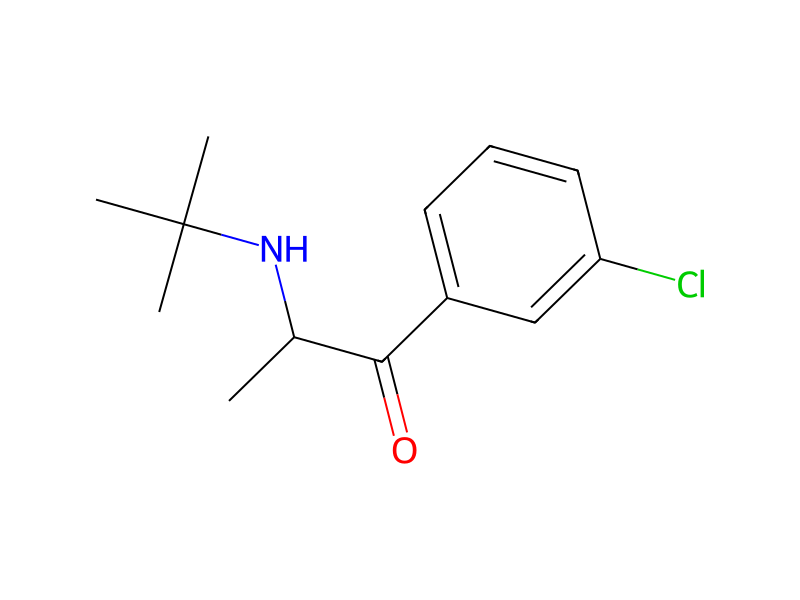
- Standard-SMILES
CC(NC(C)(C)C)C(=O)c1cccc(Cl)c1- InChIKey
SNPPWIUOZRMYNY-UHFFFAOYSA-N- Summenformel
- C13H18ClNO
- Durchschnittliche Molmasse
- 239,74 g/mol
- Monoisotopische Masse
- 239,10769188
Überblick
Bupropion is an aromatic ketone that is propiophenone carrying a tert-butylamino group at position 2 and a chloro substituent at position 3 on the phenyl ring. It has a role as an antidepressant, a xenobiotic and an environmental contaminant. It is a secondary amino compound, an aromatic ketone and a member of monochlorobenzenes.
Namen und Bezeichner
- Bevorzugter Name
- Bupropion
- IUPAC
- 2-(tert-butylamino)-1-(3-chlorophenyl)propan-1-one
- Englischer Name
- Bupropion
- Summenformel
- C13H18ClNO
- Molmasse
- 239.74
Namen und Synonyme
bupropionAmfebutamone34911-55-22-(tert-butylamino)-1-(3-chlorophenyl)propan-1-oneAmfebutamonamfebutamonumAmfebutamona(+-)-BupropionElontrilBupropion slow releasebupropioneBupropion extended release
Weitere Namen anzeigen
WELLBUTRINBupivacaine IBUPROPION HYDROCHLORIDE 31667-93-71-(3-chlorophenyl)-2-(tert-butylamino)propan-1-one
alpha-(tert-butylamino)-m-chloropropiophenone01ZG3TPX31NSC-758686(+-)-1-(3-chlorophenyl)-2-((1,1-dimethylethyl)amino)-1-propanoneCHEBI:3219DTXSID7022706(+-)-2-(tert-Butylamino)-3'-chlorpropiophenon(+-)-2-(tert-Butylamino)-3'-chloropropiophenone
Datenbank-Bezeichner
- CAS
144445-75-0、144445-76-1、34841-39-9、34911-55-2- PubChem CID
- 444
- DTXSID
DTXSID7022706- ChEMBL
CHEMBL894- ChEBI
CHEBI:3219- UNII
- 01ZG3TPX31
- Nikkaji
- J283.224K
Eigenschaften
Berechnete Struktureigenschaften
- XLogP
- 3,2
- Polarare Oberfläche (TPSA)
- 29,1 Ų
- H-Brücken-Donoren
- 1
- H-Brücken-Akzeptoren
- 2
- Frei drehbare Bindungen
- 4
- Schwere Atome
- 16
- Formalladung
- 0
- Komplexität
- 247
Experimentelle und physikochemische Eigenschaften
Chemical ClassesPharmaceutical
Drugs
DEA NFLIS-Drug Category -> Antidepressants
Pharmaceuticals -> Used in Switzerland
Pharmaceuticals
Pharmaceuticals -> Antidepressants
Pharmaceuticals -> Synthetic Cannabinoids or Psychoactive Compounds
LogP3.0
Color/FormPale yellow oil
Solubility
Very hygroscopic and susceptible to decomposition
Soluble in methanol, ethanol, acetone, ether, benzene
Human Drugs
Antidepressants -> Norepinephrine and dopamine reuptake inhibitors (NDRI)
Breast Feeding; Lactation; Milk, Human; Antidepressive Agents; Antidepressive Agents, Second-Generation; Dopamine Uptake Inhibitors; Smoking Cessation Agents
Pharmaceuticals
Medicines for nicotine use disorders
Boiling PointBP: 52 °C at 0.005 mm Hg
Melting Point233-234 °C
Physical DescriptionSolid
Stability/Shelf LifeStable under recommended storage conditions.
Dissociation Constants
8.35
8.2
Collision Cross Section
158.6 Ų [M+H]+ [CCS Type: DT; Buffer gas: N2; Ionization: ESI+; Dataset: TOXCAST; Source Identifier: DTXSID6044561]
156.04 Ų [M+H]+ [CCS Type: TW; Method: calibrated with polyalanine and drug standards]
157.5 Ų [M+H]+ [CCS Type: TW; Method: calibrated with polyalanine and drug standards]
157.8 Ų [M+H]+ [CCS Type: TW; Method: Major Mix IMS/Tof Calibration Kit (Waters)]
Sicherheit und Regulatorisches
GHS-Klassifizierung
GHS Classification
Warning
H302: Harmful if swallowed [Warning Acute toxicity, oral]
P264, P270, P301+P317, P330, and P501 (click each P-code to see the statement)
Gefahrenhinweise
FDA Requirements
The Approved Drug Products with Therapeutic Equivalence Evaluations identifies currently marketed prescription drug products, including bupropion hydrobromide, approved on the basis of safety and effectiveness by FDA under sections 505 of the Federal Food, Drug, and Cosmetic Act. /Bupropion hydrobromide/
The Approved Drug Products with Therapeutic Equivalence Evaluations identifies currently marketed prescription drug products, including bupropion hydrochloride, approved on the basis of safety and effectiveness by FDA under sections 505 of the Federal Food, Drug, and Cosmetic Act. /Bupropion hydrochloride/
Hazardous Reactivities and IncompatibilitiesIncompatible materials: Strong oxidizing agents.
Sicherheit und Schutzausrüstung
Firefighting HazardsSpecial hazards arising from the substance or mixture: Carbon oxides, nitrogen oxides (NOx), hydrogen chloride gas.
Fire Fighting Procedures
Suitable extinguishing media: Use water spray, alcohol-resistant foam, dry chemical or carbon dioxide.
Advice for firefighters: Wear self contained breathing apparatus for fire fighting if necessary.
Storage Conditions
Conventional tablets of bupropion hydrochloride should be stored at a temperature of 15-25 °C and protected from light and moisture.1 Extended-release, film-coated tablets of bupropion hydrochloride (e.g., Wellbutrin SR, Zyban) should be stored in tight, light-resistant containers at a temperature of 20-25 °C.142 143 Wellbutrin XL extended-release tablets should be stored at a temperature of 25 °C, but may be exposed to temperatures ranging from 15-30 °C.
Conditions for safe storage, including any incompatibilities: Keep container tightly closed in a dry and well-ventilated place.
Cleanup Methods
Accidental Release Measures. Personal precautions, protective equipment and emergency procedures: Use personal protective equipment. Avoid dust formation. Avoid breathing vapours, mist or gas. Ensure adequate ventilation. Avoid breathing dust. Environmental precautions: Do not let product enter drains. Methods and materials for containment and cleaning up: Pick up and arrange disposal without creating dust. Sweep up and shovel. Keep in suitable, closed containers for disposal.
Disposal Methods
SRP: Expired or waste pharmaceuticals shall carefully take into consideration applicable DEA, EPA, and FDA regulations. It is not appropriate to dispose by flushing the pharmaceutical down the toilet or discarding to trash. If possible return the pharmaceutical to the manufacturer for proper disposal being careful to properly label and securely package the material. Alternatively, the waste pharmaceutical shall be labeled, securely packaged and transported by a state licensed medical waste contractor to dispose by burial in a licensed hazardous or toxic waste landfill or incinerator.
SRP: At the time of review, regulatory criteria for small quantity disposal are subject to significant revision, however, household quantities of waste pharmaceuticals may be managed as follows: Mix with wet cat litter or coffee grounds, double bag in plastic, discard in trash.
Waste treatment methods. Product: Offer surplus and non-recyclable solutions to a licensed disposal company. Contact a licensed professional waste disposal service to dispose of this material. Dissolve or mix the material with a combustible solvent and burn in a chemical incinerator equipped with an afterburner and scrubber. Contaminated packaging: Dispose of as unused product.
Preventive Measures
Precautions for safe handling: Avoid contact with skin and eyes. Avoid formation of dust and aerosols. Provide appropriate exhaust ventilation at places where dust is formed.
Appropriate engineering controls: Handle in accordance with good industrial hygiene and safety practice. Wash hands before breaks and at the end of workday.
Gloves must be inspected prior to use. Use proper glove removal technique (without touching glove's outer surface) to avoid skin contact with this product. Dispose of contaminated gloves after use in accordance with applicable laws and good laboratory practices. Wash and dry hands.
SRP: Local exhaust ventilation should be applied wherever there is an incidence of point source emissions or dispersion of regulated contaminants in the work area. Ventilation control of the contaminant as close to its point of generation is both the most economical and safest method to minimize personnel exposure to airborne contaminants. Ensure that the local ventilation moves the contaminant away from the worker.
Personal Protective Equipment (PPE)
Eye/face protection: Safety glasses with side-shields conforming to EN166 Use equipment for eye protection tested and approved under appropriate government standards such as NIOSH (US) or EN 166(EU).
Skin protection: Handle with gloves.
Body Protection: Complete suit protecting against chemicals, The type of protective equipment must be selected according to the concentration and amount of the dangerous substance at the specific workplace.
Respiratory protection: For nuisance exposures use type P95 (US) or type P1 (EU EN 143) particle respirator.For higher level protection use type OV/AG/P99 (US) or type ABEK-P2 (EU EN 143) respirator cartridges. Use respirators and components tested and approved under appropriate government standards such as NIOSH (US) or CEN (EU).
Toxikologische Informationen
Body Burden
A fatality due to the ingestion of bupropion and ethanol is presented. Bupropion and its metabolites were extracted from several tissues and identified using gas chromatography with nitrogenphosphorus and mass spectrometry detection. The concentrations of bupropion, hydroxybupropion and the erythroamino and threoamino alcohol metabolites in heart blood were 4.2, 5.0, 0.6 and 4.6 mg/L, respectively. The heart blood ethanol concentration was 0.27 g/dl. In addition, bupropion was distributed as follows: subclavian blood, 6.2 mg/L; bile, 1.4 mg/L; kidney, 2.4 mg/L; liver, 1.0 mg/kg; stomach contents, 16 mg and urine, 37 mg/L.
Treatment
Ensure an adequate airway, oxygenation, and ventilation. Monitor cardiac rhythm and vital signs. EEG monitoring is also recommended for the first 48 hours post-ingestion. General supportive and symptomatic measures are also recommended. Induction of emesis is not recommended. Activated charcoal should be administered. There is no experience with the use of forced diuresis, dialysis, hemoperfusion, or exchange transfusion in the management of bupropion overdoses. No specific antidotes for bupropion are known. Due to the dose-related risk of seizures with Bupropion, hospitalization following suspected overdose should be considered. Based on studies in animals, it is recommended that seizures be treated with intravenous benzodiazepine administration and other supportive measures, as appropriate. (L1712)
Interactions
Adverse neuropsychiatric events or reduced alcohol tolerance have been reported rarely in patients who ingested alcohol during bupropion therapy. Because of concerns that excessive use of alcohol or abrupt withdrawal from alcohol may be associated with an increased risk of seizures during bupropion therapy, patients receiving the drug should be advised to minimize or, if possible, avoid alcohol consumption.
Concomitant administration of bupropion and carbamazepine resulted in decreases in the peak plasma concentration of bupropion and in the 24-hour area under the plasma concentration-time curve (AUC) by 87 and 90%, respectively; the peak plasma concentration and 24-hour AUC of the metabolite, hydroxybupropion, were increased by 71 and 50%, respectively.138 In contrast, concomitant administration of bupropion and valproate sodium resulted only in an increase by 94% in 24-hour AUC of hydroxybupropion.138
A limited number of patients with parkinsonian syndrome treated with either amantadine or levodopa appeared to have a high incidence of adverse effects (e.g., nausea and vomiting, excitement and restlessness, postural tremor) when bupropion was used concurrently. Caution should be exercised if bupropion therapy is initiated in a patient receiving levodopa or amantadine, including use of low initial dosage and increasing the dosage gradually in small increments.
Evidence from animal studies suggests that concomitant administration of bupropion and monoamine oxidase (MAO) inhibitors is potentially hazardous. In animals, phenelzine enhanced the acute toxicity of bupropion, as indicated by an increase in mortality and a decrease in time to death. The manufacturer states that concurrent administration of bupropion and MAO inhibitors is contraindicated and that at least 2 weeks elapse following discontinuance of an MAO inhibitor prior to initiation of bupropion therapy
For more Interactions (Complete) data for Bupropion (20 total), please visit the HSDB record page.
Hepatotoxicity
Liver test abnormalities have been reported to occur in less than 1% of patients on bupropion, and elevations are usually modest and usually do not require dose modification or discontinuation. Rare instances of acute, clinically apparent episodes of liver injury with marked liver enzyme elevations with or without jaundice have been reported in patients on bupropion (Case 1). The onset of injury is usually within 1 to 3 months and the pattern of serum enzyme elevations has been variable, from hepatocellular to cholestatic. Autoimmune (autoantibodies) are found in a proportion of cases, but in low titer. Immunoallergic features (rash, fever, eosinophilia) are uncommon. The injury is generally self-limited, but fatal cases have been reported.
Environmental Fate
TERRESTRIAL FATE: Based on a classification scheme(1), an estimated Koc value of 700(SRC), determined from a structure estimation method(2), indicates that bupropion is expected to have low mobility in soil(SRC). The estimated pKa of bupropion is 8.22(3), indicating that this compound will exist partially in the cation form in the environment and cations generally adsorb more strongly to soils containing organic carbon and clay than their neutral counterparts(4). Volatilization of bupropion from moist soil surfaces is not expected to be an important fate process(SRC) given an estimated Henry's Law constant of 7.4X10⁻⁷ atm-cu m/mole(SRC), using a fragment constant estimation method(5). Bupropion is not expected to volatilize from dry soil surfaces(SRC) based upon an estimated vapor pressure of 3.3X10⁻⁴ mm Hg at 25 °C(SRC), determined from a fragment constant method(2). Biodegradation data in soil were not available(SRC, 2014).
AQUATIC FATE: Based on a classification scheme(1), an estimated Koc value of 700(SRC), determined from a structure estimation method(2), indicates that bupropion is expected to adsorb to suspended solids and sediment(SRC). Volatilization from water surfaces is not expected(3) based upon an estimated Henry's Law constant of 7.4X10⁻⁷ atm-cu m/mole(SRC), developed using a fragment constant estimation method(4). According to a classification scheme(5), an estimated BCF of 42(SRC), from an estimated log Kow of 3.85(2) and a regression-derived equation(2), suggests the potential for bioconcentration in aquatic organisms is moderate(SRC). Biodegradation data in water were not available(SRC, 2014).
ATMOSPHERIC FATE: According to a model of gas/particle partitioning of semivolatile organic compounds in the atmosphere(1), bupropion, which has an estimated vapor pressure of 3.3X10⁻⁴ mm Hg at 25 °C(SRC), determined from a fragment constant method(2), will exist in both the vapor and particulate phases in the ambient atmosphere. Vapor-phase bupropion is degraded in the atmosphere by reaction with photochemically-produced hydroxyl radicals(SRC); the half-life for this reaction in air is estimated to be 1.6 hrs(SRC), calculated from its rate constant of 7.8X10⁻¹¹ cu cm/molecule-sec at 25 °C(SRC) that was derived using a structure estimation method(3). Particulate-phase bupropion may be removed from the air by wet and dry deposition(SRC). Bupropion contains chromophores that absorb at wavelengths >290 nm(4) and, therefore, may be susceptible to direct photolysis by sunlight(SRC).
Adverse EffectsVarious adverse effects have been reported in patients receiving bupropion. Many of these side effects occur in more than 10% of patients.
Exposure RoutesFor sustained release, peak plasma concentrations are achieved within 3 hours.
Milk Concentrations
EXPERIMENTAL: Bupropion, hydroxybupropion, and the threo-amino alcohol metabolite /threohydrobupropion/ are distributed into milk. Limited data indicate that milk concentrations of the drug exceed concurrent plasma concentrations by as much as severalfold. Concentrations in milk of hydroxybupropion are about 10% of, and concentrations of the threo-amino alcohol metabolite are moderately higher than, the respective concurrent plasma concentrations.
EXPERIMENTAL: A 2004 report described the excretion of bupropion and its three active metabolites into breast milk in 10 mother's at an average of 12.5 months after birth. The average weight of the mothers was 59.4 kg. All had stopped breastfeeding, and none had taken bupropion before the study. The dose during the study was SR 150 mg/day for 3 days, then SR 300 mg/day for 4 days, and samples were collected on day 7. Milk samples were collected with an electric breast pump. The calculated average bupropion dose in milk, based on 150 mL/kg/day, was 6.75 ug/kg/day on 0.14% of the mother's weight-adjusted dose. The average M:P ratios of bupropion and the three active metabolites (hydroxybupropion, erythrohydrobupropion, and threohydrobupropion) were 2.8, 0.1, 0.9, and 1.2, respectively. The estimated daily infant doses of the metabolites were 15.75, 10.80, and 68.85 ug/kg/day, respectively.
Toxicity Summary
IDENTIFICATION AND USE: Bupropion is pale yellow oil formulated in extended release oral tablets. Bupropion is a dopamine uptake inhibitor, which is used as a second generation antidepressive agent. HUMAN EXPOSURE AND TOXICITY: Bupropion is an antidepressant commonly prescribed as a smoking cessation aid. It has effects on dopamine and norepinephrine, and can lower seizure threshold, particularly in overdose. Several cases of recreational use of bupropion via nasal insufflation have been reported in the literature. One of the potentially most serious adverse effects of bupropion is reduction in the seizure threshold. However, despite the potential seriousness of this effect, seizures remain a relatively uncommon adverse effect of bupropion therapy. Patients reportedly have overdosed with 30 g or more of bupropion hydrochloride. Serious effects of overdosage have included seizures in about one-third of such patients, hallucinations, loss of consciousness, sinus tachycardia, and ECG changes such as conduction disturbances or arrhythmias. Lethargy, grogginess, tremors, jitteriness, confusion, lightheadedness, paresthesias, visual hallucinations, blurred vision, nausea, and vomiting also have occurred. Overdosage of bupropion (mainly as part of multiple drug overdoses) reportedly has resulted in fever, muscle rigidity, rhabdomyolysis, hypotension, stupor, coma, and respiratory failure. Recovery without sequelae has been reported in most individuals following an overdose of bupropion alone. However, massive overdosage of bupropion alone has been reported rarely to result in death preceded by multiple uncontrolled seizures, bradycardia, cardiac failure, and cardiac arrest. Cardiotoxicity appears to be caused primarily by bupropion rather than its active metabolite hydroxybupropion. Unintentional ingestion of bupropion in young children has generally resulted in limited toxicity. In two deaths attributed to bupropion, the doses in both cases were estimated to be less than 10 g. ANIMAL STUDIES: In lifetime carcinogenicity studies of rats or mice receiving bupropion hydrochloride dosages of 100-300 or 150 mg/kg daily respectively, an increase in nodular proliferative lesions of the liver was observed in rats but not in mice. The relationship of these lesions to the development of neoplasms of the liver is unclear. An increase in malignant tumors of the liver and other organs was not observed in either rats or mice. A fertility study in rats using oral bupropion hydrochloride dosages of up to 300 mg/kg daily did not reveal evidence of impaired fertility. In rats receiving oral dosages of bupropion of up to 300 mg/kg daily prior to mating and throughout pregnancy and lactation, there were no apparent adverse effects on offspring development. In developmental studies performed in rats and rabbits, no clear evidence of teratogenic activity was found in either species, but slightly increased incidences of fetal malformations and skeletal variations were observed in rabbits. Bupropion induced behavioral changes in rats and mice. Bupropion exhibited mutagenic activity in the Salmonella microbial mutagen (Ames) test system; the mutation rate was 2-3 times control in 2 of 5 strains. An increase in chromosomal aberrations was observed in one of 3 in vivo cytogenetic studies conducted with the bone marrow of rats.
Signs and Symptoms of Overdose
Bupropion selectively inhibits the neuronal reuptake of dopamine, norepinephrine, and serotonin; actions on dopaminergic systems are more significant than imipramine or amitriptyline whereas the blockade of norepinephrine and serotonin reuptake at the neuronal membrane is weaker for bupropion than for tricyclic antidepressants. The increase in norepinephrine may attenuate nicotine withdrawal symptoms and the increase in dopamine at neuronal sites may reduce nicotine cravings and the urge to smoke. Bupropion exhibits moderate anticholinergic effects.
Signs and SymptomsSymptoms of overdose include seizures, hallucinations, loss of consciousness, tachycardia, and cardiac arrest.
Soil Adsorption/Mobility
Using a structure estimation method based on molecular connectivity indices(1), the Koc of bupropion can be estimated to be 700(SRC). According to a classification scheme(2), this estimated Koc value suggests that bupropion is expected to have low mobility in soil. The estimated pKa of bupropion is 8.22(3), indicating that this compound will exist partially in the cation form in the environment and cations generally adsorb more strongly to soils containing organic carbon and clay than their neutral counterparts(4). Bupropion adsorption isotherms (Kd) of 85 L/kg and 2.0X10+2 L/kg were measured in primary sludge and long-age secondary sludge, respectively. Sludge was obtained from 2 wastewater treatment plants that were representative of plants utilized in industrialized countries(5).
Human Toxicity Excerpts
/SIGNS AND SYMPTOMS/ The toxicity profile of bupropion hydrochloride in overdose differs considerably from other antidepressants, with prominent neurological manifestations and little cardiovascular toxicity. ...
/SIGNS AND SYMPTOMS/ Patients reportedly have overdosed with 30 g or more of bupropion hydrochloride. Serious effects of overdosage have included seizures in about one-third of such patients, hallucinations, loss of consciousness, sinus tachycardia, and ECG changes such as conduction disturbances (e.g., widened QRS interval, prolonged QTc interval) or arrhythmias. Lethargy, grogginess, tremors, jitteriness, confusion, lightheadedness, paresthesias, visual hallucinations, blurred vision, nausea, and vomiting also have occurred. Overdosage of bupropion (mainly as part of multiple drug overdoses) reportedly has resulted in fever, muscle rigidity, rhabdomyolysis, hypotension, stupor, coma, and respiratory failure. Recovery without sequelae has been reported in most individuals following an overdose of bupropion alone. However, massive overdosage of bupropion alone has been reported rarely to result in death preceded by multiple uncontrolled seizures, bradycardia, cardiac failure, and cardiac arrest.
/SIGNS AND SYMPTOMS/ Worsening of depression and/or the emergence of suicidal ideation and behavior (suicidality) or unusual changes in behavior may occur in both adult and pediatric patients with major depressive disorder or other psychiatric disorders, whether or not they are taking antidepressants. This risk may persist until clinically important remission occurs. Suicide is a known risk of depression and certain other psychiatric disorders, and these disorders themselves are the strongest predictors of suicide. However, there has been a long-standing concern that antidepressants may have a role in inducing worsening of depression and the emergence of suicidality in certain patients during the early phases of treatment. Pooled analyses of short-term, placebo-controlled studies of antidepressants (i.e., selective serotonin-reuptake inhibitors and other antidepressants) have shown an increased risk of suicidality in children, adolescents, and young adults (18-24 years of age) with major depressive disorder and other psychiatric disorders. An increased suicidality risk was not demonstrated with antidepressants compared with placebo in adults older than 24 years of age, and a reduced risk was observed in adults 65 years of age or older. It is currently unknown whether the suicidality risk extends to longer-term use (i.e., beyond several months); however, there is substantial evidence from placebo-controlled maintenance trials in adults with major depressive disorder that antidepressants can delay the recurrence of depression. FDA recommends that all patients being treated with antidepressants for any indication be appropriately monitored and closely observed for clinical worsening, suicidality, and unusual changes in behavior, particularly during initiation of therapy (i.e., the first few months) and during periods of dosage adjustments. Families and caregivers of patients being treated with antidepressants for major depressive disorder or other indications, both psychiatric and nonpsychiatric, also should be advised to monitor patients on a daily basis for the emergence of agitation, irritability, or unusual changes in behavior, as well as the emergence of suicidality, and to report such symptoms immediately to a health-care provider. Although a causal relationship between the emergence of symptoms such as anxiety, agitation, panic attacks, insomnia, irritability, hostility, aggressiveness, impulsivity, akathisia, hypomania, and/or mania and either the worsening of depression and/or the emergence of suicidal impulses has not been established, there is concern that such symptoms may represent precursors to emerging suicidality. Consequently, consideration should be given to changing the therapeutic regimen or discontinuing therapy in patients whose depression is persistently worse or in patients experiencing emergent suicidality or symptoms that might be precursors to worsening depression or suicidality, particularly if such manifestations are severe, abrupt in onset, or were not part of the patient's presenting symptoms. FDA also recommends that the drugs be prescribed in the smallest quantity consistent with good patient management, in order to reduce the risk of overdosage. It is generally believed (though not established in controlled trials) that treating a major depressive episode with an antidepressant alone may increase the likelihood of precipitating a mixed or manic episode in patients at risk for bipolar disorder. Therefore, patients should be adequately screened for bipolar disorder prior to initiating treatment with an antidepressant; such screening should include a detailed psychiatric history (e.g., family history of suicide, bipolar disorder, and depression). Bupropion is not approved for use in treating bipolar depression.
/SIGNS AND SYMPTOMS/ Serious neuropsychiatric symptoms, including changes in mood (including depression and mania), psychosis, hallucinations, paranoia, delusions, homicidal ideation, hostility, agitation, aggression, anxiety, and panic as well as suicidal ideation, suicide attempt, and completed suicide, have been reported in patients receiving bupropion for smoking cessation. These symptoms have occurred in patients without preexisting psychiatric illness and have worsened in some patients with preexisting psychiatric illness. In most cases, symptoms developed during bupropion therapy but, in others, symptoms developed after discontinuance of the drug. All patients treated with bupropion for smoking cessation should be monitored for such neuropsychiatric symptoms. Patients receiving bupropion for smoking cessation should be informed that it is not unusual to experience symptoms such as irritability, anxiety, depressed mood, and difficulty sleeping while withdrawing from nicotine. Patients with serious psychiatric illness (e.g., schizophrenia, bipolar disorder, major depressive disorder) should also be advised that they may experience an exacerbation of their illness when withdrawing from nicotine, regardless of whether they are receiving bupropion therapy. Before initiating therapy with bupropion for smoking cessation, patients should inform their clinicians about any previous psychiatric history and about any symptoms they experienced during previous attempts at smoking cessation, with or without bupropion. Patients and caregivers should be advised that patients taking bupropion for smoking cessation should stop taking the drug and immediately contact their clinician if agitation, hostility, depressed mood, or changes in behavior or thinking that are not typical for the patient are observed, or if suicidal ideation or suicidal behavior develops. Although resolution of symptoms after bupropion discontinuance was reported in many postmarketing cases, symptoms persisted in some cases. Therefore, ongoing patient monitoring and supportive care should be provided until symptoms resolve. The risk of developing serious neuropsychiatric effects with bupropion therapy for smoking cessation should be weighed against the important health benefits of its use (e.g., reduction in the risk of developing pulmonary disease, cardiovascular disease, or cancer). Bupropion has been demonstrated to increase the likelihood of abstinence from smoking for as long as 6 months compared with placebo. The health benefits of quitting smoking are immediate and substantial. Other methods of smoking cessation should be discussed with the patient if bupropion is not considered to be the best treatment option for the patient.
For more Human Toxicity Excerpts (Complete) data for Bupropion (36 total), please visit the HSDB record page.
Regulatorische Informationen
FDA Requirements
The Approved Drug Products with Therapeutic Equivalence Evaluations identifies currently marketed prescription drug products, including bupropion hydrobromide, approved on the basis of safety and effectiveness by FDA under sections 505 of the Federal Food, Drug, and Cosmetic Act. /Bupropion hydrobromide/
The Approved Drug Products with Therapeutic Equivalence Evaluations identifies currently marketed prescription drug products, including bupropion hydrochloride, approved on the basis of safety and effectiveness by FDA under sections 505 of the Federal Food, Drug, and Cosmetic Act. /Bupropion hydrochloride/
Chemie und Industrie
Pharmakologische Informationen
ATC Code
N06AX12
N - Nervous system
QN - Nervous system
N06AX12
Protein Binding
In vitro tests show that bupropion is 84% bound to human plasma proteins at concentrations up to 200 mcg per mL. The extent of protein binding of the hydroxybupropion metabolite is similar to that for bupropion, whereas the extent of protein binding of the threohydrobupropion metabolite is about half that seen with bupropion.
Pharmacodynamics
Bupropion is chemically unrelated to tricyclic, tetracyclic, selective serotonin re-uptake inhibitors, or other known antidepressant agents. Compared to classical tricyclic antidepressants, Bupropion is a relatively weak inhibitor of the neuronal uptake of norepinephrine and dopamine. In addition, Bupropion does not inhibit monoamine oxidase. Bupropion has been found to be essentially inactive at the serotonin transporter (SERT)(IC50 >10 000 nM), however both bupropion and its primary metabolite hydroxybupropion have been found to block the function of cation-selective serotonin type 3A receptors (5-HT3ARs). Bupropion produces dose-related central nervous system (CNS) stimulant effects in animals, as evidenced by increased locomotor activity, increased rates of responding in various schedule-controlled operant behaviour tasks, and, at high doses, induction of mild stereotyped behaviour. Due to these stimulant effects and selective activity at dopamine and norepinephrine receptors, bupropion has been identified as having an abuse potential. Bupropion has a similar structure to the controlled substance [DB01560], and has been identified as having mild amphetamine-like activity, particularly when inhaled or injected. Bupropion is also known to lower the seizure threshold, making any pre-existing seizure conditions a contraindication to its use. This risk is exacerbated when bupropion is combined with other drugs or substances that lower the seizure threshold, such as [cocaine], or in clinical situations that would increase the risk of a seizure such as abrupt alcohol or benzodiazepine withdrawal. As norepinephrine has been shown to have anticonvulsant properties, bupropion's inhibitory effects on NET are thought to contribute to its pro-convulsant activity. Bupropion has been shown to increase blood pressure and pose a risk for exacerbation of unmanaged or pre-existing hypertension, however, clinical trials of bupropion in smokers with CVD have not identified an increased incidence of CV events including stroke or heart attack. In clinical trials, the mean increase in systolic blood pressure associated with the use of bupropion was found to be 1.3 mmHg.
Mechanism of Action
Bupropion is a norepinephrine/dopamine-reuptake inhibitor (NDRI) that exerts its pharmacological effects by weakly inhibiting the enzymes involved in the uptake of the neurotransmitters norepinephrine and dopamine from the synaptic cleft, therefore prolonging their duration of action within the neuronal synapse and the downstream effects of these neurotransmitters. More specifically, bupropion binds to the norepinephrine transporter (NET) and the dopamine transporter (DAT). Bupropion was originally classified as an "atypical" antidepressant because it does not exert the same effects as the classical antidepressants such as Monoamine Oxidase Inhibitors (MAOIs), Tricyclic Antidepressants (TCAs), or Selective Serotonin Reuptake Inhibitors (SSRIs). While it has comparable effectiveness to typical first-line options for the treatment of depression such as SSRIs, bupropion is a unique option for the treatment of MDD as it lacks any clinically relevant serotonergic effects, typical of other mood medications, or any effects on histamine or adrenaline receptors. Lack of activity at these receptors results in a more tolerable side effect profile; bupropion is less likely to cause sexual side effects, sedation, or weight gain as compared to SSRIs or TCAs, for example. When used as an aid to smoking cessation, bupropion is thought to confer its anti-craving and anti-withdrawal effects by inhibiting dopamine reuptake, which is thought to be involved in the reward pathways associated with nicotine, and through the antagonism of the nicotinic acetylcholinergic receptor (AChR), thereby blunting the effects of nicotine. Furthermore, the stimulatory effects produced by bupropion in the central nervous system are similar to nicotine's effects, making low doses of bupropion a suitable option as a nicotine substitute. When used in combination with [naltrexone] in the marketed product ContraveⓇ for chronic weight management, the two components are thought to have effects on areas of the brain involved in the regulation of food intake. This includes the hypothalamus, which is involved in appetite regulation, and the mesolimbic dopamine circuit, which is involved in reward pathways. Studies have shown that the combined activity of bupropion and [naltrexone] increase the firing rate of hypothalamic pro-opiomelanocortin (POMC) neurons and blockade of opioid receptor-mediated POMC auto-inhibition, which are associated with a reduction in food intake and increased energy expenditure. This combination was also found to reduce food intake when injected directly into the ventral tegmental area of the mesolimbic circuit in mice, which is an area associated with the regulation of reward pathways.
Unicyclic aminoketone with noradrenergic and dopaminergic activity.
Bupropion is a novel, non-tricyclic antidepressant with a primary pharmacological action of monoamine uptake inhibition. The drug resembles a psychostimulant in terms of its neurochemical and behavioural profiles in vivo, but it does not reliably produce stimulant-like effects in humans at clinically prescribed doses. Bupropion binds with modest selectivity to the dopamine transporter, but its behavioural effects have often been attributed to its inhibition of norepinephrine uptake. This experiment examines monoaminergic involvement in the discriminative stimulus effects of bupropion. Rats were trained to press one lever when injected i.p. with bupropion (17.0 mg/kg), and another lever when injected with saline. In substitution tests, dose-response curves were obtained for several monoamine uptake inhibitors. Nine of ten dopamine uptake blockers fully substituted for bupropion; the exception, indatraline (LU 19-005), partially substituted (71% bupropion-appropriate responding). Serotonin and norepinephrine uptake blockers (zimelidine and nisoxetine, respectively) produced negligible or limited substitution, and the anti-muscarinic dopamine uptake blocker benztropine produced limited partial substitution. A series of dopamine D1-like and D2-like receptor agonists were also tested: only the D2-like agonist RU 24213 fully substituted; three other D2-like agonists and four D1-like agonists partially substituted (50% < drug responding < 80%). Antagonism of the discriminative effects of bupropion was obtained with a D1- and a D2-like dopamine antagonist. The results demonstrate strong similarities with those obtained using other dopamine uptake inhibitors as training drugs, and support the view that the behavioural effects of bupropion are primarily mediated by dopaminergic mechanisms.
The effects of bupropion on core body temperature of intact or reserpinized mice were studied. Intraperitoneal (IP) administration of bupropion to mice induced a dose-dependent hypothermia. The response of bupropion was decreased by the D-2 antagonist sulpiride or pimozide, but not by the D-1 antagonist SCH 23390, antimuscarinic drug atropine, alpha-adrenergic blocker phenoxybenzimine, beta-adrenergic antagonist propranolol or antiserotonergic methergoline. Reserpine induced hypothermia, which was reversed by bupropion administration. The reversal response of bupropion was reduced by propranolol, but not sulpiride, SCH 23390, phenoxybenzamine, atropine or methergoline. It is concluded that bupropion-induced hypothermia may be mediated through D-2 receptor activation, while the reversal of reserpine-induced hypothermia by bupropion may be exerted through beta-adrenergic stimulation.
Bupropion (12.5-75 mg kg-1) was given intraperitoneally to rats and was found to decrease the food consumption of the animals dose-dependently. While phenoxybenzamine, propranolol and methergoline failed to antagonize the anorectic effect of the drug; pimozide a dopamine receptor blocker decreased anorexia induced by bupropion. Bupropion (12.5-50 mg kg-1) also caused a marked increase in locomotor activity of the rats. The increase in locomotion produced by bupropion was completely antagonized by pretreatment of the animals with pimozide and reserpine plus a-methyl-p-tyrosine, but not by pretreatment with phenoxybenzamine, propranolol or methergoline. Taking into considerations the evidences of dopaminergic properties of bupropion shown by the others, it could be suggested that the anorexia and hyperactivity produced by bupropion may be induced through the indirect dopaminergic mechanism.
For more Mechanism of Action (Complete) data for Bupropion (7 total), please visit the HSDB record page.
Biological Half-Life
24 hours
The half-life of bupropion in the terminal phase averages about 14 hours (range: 8-24 hours) following single doses; with multiple dosing, the half-life of bupropion in the terminal phase reportedly averages 21 hours (range: 8-39 hours). In a limited number of geriatric patients with a major depressive episode, the half-life of bupropion in the terminal phase averaged about 34 hours after a single oral dose of the drug.
Metabolism/Metabolites
Bupropion is extensively metabolized in humans. Three metabolites are active: hydroxybupropion, which is formed via hydroxylation of the tert-butyl group of bupropion, and the amino-alcohol isomers, threohydrobupropion and erythrohydrobupropion, which are formed via reduction of the carbonyl group. In vitro findings suggest that CYP2B6 is the principal isoenzyme involved in the formation of hydroxybupropion, while cytochrome P450 enzymes are not involved in the formation of threohydrobupropion. Hydroxybupropion has been shown to have the same affinity as bupropion for the norepinephrine transporter (NET) but approximately 50% of its antidepressant activity despite reaching concentrations of ~10-fold higher than that of the parent drug. Oxidation of the bupropion side chain results in the formation of a glycine conjugate of meta-chlorobenzoic acid, which is then excreted as the major urinary metabolite. The potency and toxicity of the metabolites relative to bupropion have not been fully characterized. However, it has been demonstrated in an antidepressant screening test in mice that hydroxybupropion is one-half as potent as bupropion, while threohydrobupropion and erythrohydrobupropion are 5-fold less potent than bupropion. This may be of clinical importance because the plasma concentrations of the metabolites are as high as or higher than those of bupropion. Bupropion and its metabolites exhibit linear kinetics following chronic administration of 300 to 450 mg per day.
Bupropion appears to be metabolized extensively, probably in the liver. The 3 active metabolites that have been identified are formed through reduction of the carbonyl group and/or hydroxylation. The basic metabolites identified include the erythro- and threo-amino alcohols of bupropion, and a morpholinol metabolite. The amino-alcohol isomers threohydrobupropion and erythrohydrobupropion are formed by reduction of the carbonyl group of bupropion, and the morpholinol metabolite, hydroxybupropion, is formed by hydroxylation of the tert-butyl group of bupropion. The metabolites of bupropion exhibit linear pharmacokinetics during chronic administration of the drug at dosages of 300-450 mg daily.
All available antidepressants with the exception of fluvoxamine and nefazodone either are metabolized by cytochrome P450 2D6 (CYP2D6) and/or inhibit this isozyme. To date, nothing in this regard has been published concerning bupropion. We report that plasma level/dose ratios for bupropion, and its metabolites erythrohydrobupropion and threohydrobupropion, were not associated with debrisoquine metabolic status in 12 patients, three of whom were poor 2D6 metabolizers. The plasma level/dose ratios for the metabolite hydroxybupropion were, however, significantly higher in poor 2D6 metabolizers. In three patients, who received a second phenotyping test during treatment with bupropion, debrisoquine metabolic ratios were not increased. It is thus inferred that bupropion is neither metabolized by nor inhibits CYP2D6. The potential accumulation of hydroxybupropion after CYP2D6 inhibition may, however, contribute to toxicity and impair bupropion's therapeutic effectiveness
Bupropion hydrochloride is a new monocyclic antidepressant. In humans, its disposition results in the formation of three major metabolites: the morpholinol metabolite, the erythroamino alcohol, and the threoamino alcohol metabolite. Bupropion's disposition was monitored following a single oral 200 mg dose in eight healthy volunteers and eight age- (44.5 +/- 8.4 years) and weight- (77.4 +/- 6.7 kg) matched volunteers with alcoholic liver disease. This latter group is of interest because the incidence of depression is more frequent in alcoholics than in the general population, and the liver is the major route of elimination for cyclic antidepressants. The mean elimination half-life of the morpholinol metabolite was significantly prolonged in subjects with alcoholic liver disease (32.2 +/- 13.5 vs. 21.1 +/- 4.9 hours (p less than 0.05), while the differences in bupropion (17.3 +/- 8.6 hours vs. 16.5 +/- 10.4 hours for healthy subjects and subjects with alcoholic liver disease, respectively), erythroamino alcohol (26.1 +/- 13.3 hours vs. 29.8 +/- 6.9 hours for healthy subjects and subjects with alcoholic liver disease, respectively), and threoamino alcohol (25.5 +/- 8.6 hours vs. 23.4 +/- 10.7 hours for healthy subjects and subjects with alcoholic liver disease, respectively) were minimal. Mean area under the plasma concentration time curves for bupropion and metabolites were increased in subjects with alcoholic liver disease; however, clear differences between means of these small groups did not emerge, probably due to the increased variability of bupropion pharmacokinetics in these subjects. As a therapeutic agent for the treatment of depression in chronic alcoholics who may consume alcohol in combination with their antidepressant therapy, the lack of sedation with bupropion could be advantageous.
We studied the steady-state pharmacokinetics of bupropion hydrochloride, a unicyclic aminoketone antidepressant, in depressed patients. The metabolites hydroxybupropion (HB), threohydrobupropion, and erythrohydrobupropion predominated over the parent compound in plasma and cerebrospinal fluid at steady state. Plasma concentrations of each metabolite correlated with cerebrospinal fluid concentrations. Higher plasma metabolite concentrations were associated with poor clinical outcome. This relationship was most striking with HB; plasma HB levels were greater than 1250 ng/mL in all five nonresponders and less than 1200 ng/mL in all seven responders. Plasma HB levels correlated with postreatment plasma homovanillic acid levels. High levels of bupropion metabolites may be associated with poor clinical outcome due to toxic effects involving dopaminergic systems. Alternatively, a curvilinear dose-response relationship may exist for bupropion metabolites. Future studies should explore the clinical utility of plasma metabolite measurements in enhancing the efficacy of treatment with bupropion.
For more Metabolism/Metabolites (Complete) data for Bupropion (9 total), please visit the HSDB record page.
FDA Pharmacological Classification
01ZG3TPX31
BUPROPION
Established Pharmacologic Class [EPC] - Aminoketone
Mechanisms of Action [MoA] - Dopamine Uptake Inhibitors
Physiologic Effects [PE] - Increased Dopamine Activity
Physiologic Effects [PE] - Increased Norepinephrine Activity
MeSH Pharmacological Classification
Substances that facilitate the cessation of tobacco smoking.
A structurally and mechanistically diverse group of drugs that are not tricyclics or monoamine oxidase inhibitors. The most clinically important appear to act selectively on serotonergic systems, especially by inhibiting serotonin reuptake.
Drugs that block the transport of DOPAMINE into axon terminals or into storage vesicles within terminals. Most of the ADRENERGIC UPTAKE INHIBITORS also inhibit dopamine uptake.
Drugs and compounds which inhibit or antagonize the biosynthesis or actions of CYTOCHROME P-450 CYP2D6.
Absorption, Distribution and Excretion
Bupropion is currently available in 3 distinct, but bioequivalent formulations: immediate release (IR), sustained-release (SR), and extended-release (XL). **Immediate Release Formulation** In humans, following oral administration of bupropion hydrochloride tablets, peak plasma bupropion concentrations are usually achieved within 2 hours. IR formulations provide a short duration of action and are therefore generally dosed three times per day. **Sustained Release Formulation** In humans, following oral administration of bupropion hydrochloride sustained-release tablets (SR), peak plasma concentration (Cmax) of bupropion is usually achieved within 3 hours. SR formulations provide a 12-hour extended release of medication and are therefore generally dosed twice per day. **Extended Release Formulation** Following single oral administration of bupropion hydrochloride extended-release tablets (XL) to healthy volunteers, the median time to peak plasma concentrations for bupropion was approximately 5 hours. The presence of food did not affect the peak concentration or area under the curve of bupropion. XL formulations provide a 24-hour extended release of medication and are therefore generally dosed once per day/ In a trial comparing chronic dosing with bupropion hydrochloride extended-release tablets (SR) 150 mg twice daily to bupropion immediate-release formulation 100 mg 3 times daily, the steady state Cmax for bupropion after bupropion hydrochloride sustained-release tablets (SR) administration was approximately 85% of those achieved after bupropion immediate-release formulation administration. Exposure (AUC) to bupropion was equivalent for both formulations. Bioequivalence was also demonstrated for all three major active metabolites (i.e., hydroxybupropion, threohydrobupropion and erythrohydrobupropion) for both Cmax and AUC. Thus, at steady state, bupropion hydrochloride sustained-release tablets (SR) given twice daily, and the immediate-release formulation of bupropion given 3 times daily, are essentially bioequivalent for both bupropion and the 3 quantitatively important metabolites. Furthermore, in a study comparing 14-day dosing with bupropion hydrochloride extended-release tablets (XL), 300 mg once-daily to the immediate-release formulation of bupropion at 100 mg 3 times daily, equivalence was demonstrated for peak plasma concentration and area under the curve for bupropion and the three metabolites (hydroxybupropion, threohydrobupropion, and erythrohydrobupropion). Additionally, in a study comparing 14-day dosing with bupropion hydrochloride extended-release tablets (XL) 300 mg once daily to the sustained-release formulation of bupropion at 150 mg 2 times daily, equivalence was demonstrated for peak plasma concentration and area under the curve for bupropion and the three metabolites. Bupropion hydrochloride extended-release tablets (SR) can be taken with or without food. Bupropion Cmax and AUC were increased by 11% to 35% and 16% to 19%, respectively, when bupropion hydrochloride extended-release tablets (SR) was administered with food to healthy volunteers in three trials. The food effect is not considered clinically significant. Following a single-dose administration of bupropion hydrochloride extended-release tablets (SR) in humans, Cmax of bupropion's metabolite hydroxybupropion occurs approximately 6 hours post-dose and is approximately 10 times the peak level of the parent drug at steady state. The elimination half-life of hydroxybupropion is approximately 20 (±5) hours and its AUC at steady state is about 17 times that of bupropion. The times to peak concentrations for the erythrohydrobupropion and threohydrobupropion metabolites are similar to that of the hydroxybupropion metabolite. However, their elimination half-lives are longer, 33(±10) and 37 (±13) hours, respectively, and steady-state AUCs are 1.5 and 7 times that of bupropion, respectively.
Bupropion is extensively metabolized in humans. Oxidation of the bupropion side chain results in the formation of a glycine conjugate of metachlorobenzoic acid, which is then excreted as the major urinary metabolite. Following oral administration of 200 mg of 14C-bupropion in humans, 87% and 10% of the radioactive dose were recovered in the urine and feces, respectively. However, the fraction of the oral dose of bupropion excreted unchanged was only 0.5%, a finding consistent with the extensive metabolism of bupropion.
Peak plasma bupropion concentrations usually occur within 2 or 3 hours after oral administration of the conventional or extended-release, film-coated tablets (Wellbutrin SR, Zyban), respectively, to healthy individuals. Plasma bupropion concentrations following administration of single oral doses of 100-250 mg and with chronic administration of up to 450 mg daily are proportional to dose. Steady-state plasma concentrations of bupropion are achieved within 8 days. During chronic administration of bupropion hydrochloride as conventional or extended-release, film-coated tablets at a dosage of 100 mg 3 times daily or 150 mg twice daily, respectively, peak plasma concentrations of the drug at steady state with extended-release tablets were about 85% of measurements for the conventional tablets. Equivalence in area under the plasma concentration-time curve (AUC) of bupropion was shown for the formulations, which demonstrated that at steady state the conventional and extended-release tablets are essentially bioequivalent. The drug exhibits linear pharmacokinetics during chronic administration of bupropion hydrochloride dosages of 300-450 mg daily.
Bupropion hydrochloride appears to be well absorbed from the GI tract following oral administration. The oral bioavailability of bupropion in humans has not been elucidated because a preparation for IV administration is not available. However, the relative proportion of an oral dose reaching systemic circulation unchanged appears likely to be small. In animals, the oral bioavailability of bupropion varies from 5-20%. Food does not appear to affect substantially the peak plasma concentration or area under the plasma concentration-time curve of bupropion achieved with extended-release tablets of the drug; these measures reportedly were increased with food by 11 or 17%, respectively.
Approximately 87 and 10% of an orally administered, radiolabeled dose of bupropion are excreted in urine and feces, respectively. Unchanged drug comprised 0.5% of the dose excreted.
Plasma concentrations of bupropion decline in a biphasic manner.1 57 61 130 A decline to approximately 30% of the peak plasma bupropion concentration is observed 6 hours after administration of a single oral dose of the drug.
Tissue LocationsBrain
Cellular LocationsMembrane
Verwendung und Herstellung
Uses
Antidepressive Agents, Second-Generation; Dopamine Uptake Inhibitors
MEDICATION
Use (kg; approx.) in Germany (2009): >1000
For the treatment of depression and as aid to smoking cessation.
Methods of Manufacturing
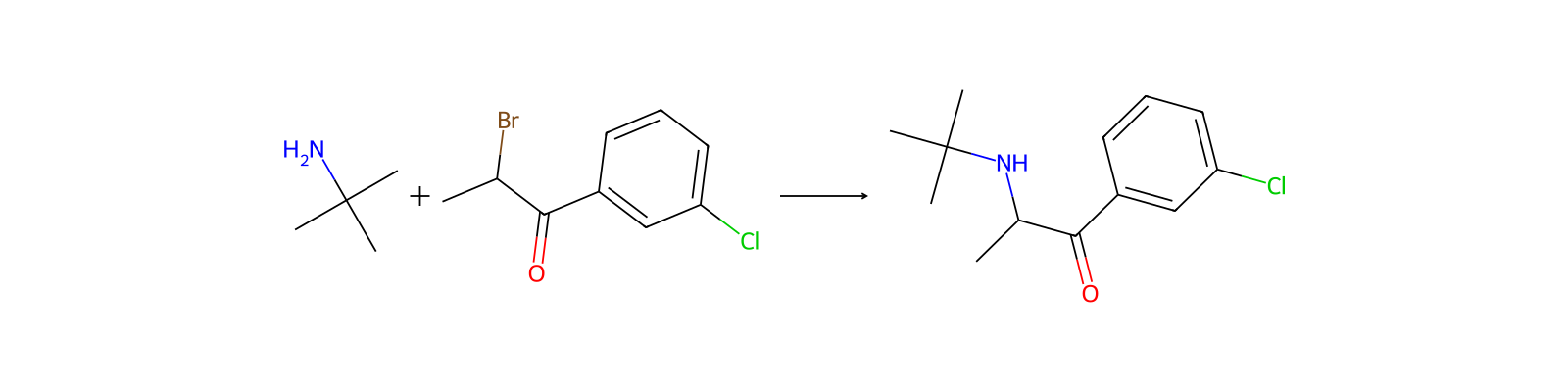
m-Chlorobenzonitrile is reacted with ethyl Grignard reagent in ether to produce m-chlorobenzyl ethyl ketone, which is brominated in dichloromethane. The product is reacted with tertiary butyl amine in acetonitrile to yield bupropion base. Treatment of an ethereal solution of the base with dry HCl yields the salt.
Preparation: N. B. Mehta, D. A. Yeowell, German patent 2059618 (1971 to Wellcome Found.); N. B. Mehta, United States of America patent 3819706 (1974 to Burroughs Wellcome).
Formulations/Preparations
Oral: extended release tablets, 174 mg, 348 mg, 552 mg, Aplenzin (Sanofi-Aventis). /Bupropion hydrobromide/
Table: Bupropion Hydrochloride Preparations [Table#6565]
Use ClassificationPharmaceuticals
Anwendungen
Verwendenenteric coating
Zugehörige Reaktionen
77


Verknüpfte Notizen
Wird geladen…