StartseiteMCPWorkbenchSkills
StartseiteWorkbenchBenachrichtigungenMein Bereich
llms.txt · MCP-AnleitungDatenschutz · Nutzungsbedingungen · Supportv1.8.3
  1. Startseite
  2. /Verbindung

Methylmalonsaeure

Methylmalonic Acid

HCID 487
Neue Reaktion
Drucken
GrundinformationenÜberblickNamen und BezeichnerEigenschaftenSicherheit und RegulatorischesChemie und IndustrieZugehörige ReaktionenNotizen zur Verbindung
TeilstruktursucheÄhnliche Strukturen suchen

Grundinformationen

CAS
1215348-94-9
Standard-SMILES
CC(C(=O)O)C(=O)O
InChIKey
ZIYVHBGGAOATLY-UHFFFAOYSA-N
Summenformel
C4H6O4
Durchschnittliche Molmasse
118,09 g/mol
Monoisotopische Masse
118,02660867

Überblick

Methylmalonic acid is a dicarboxylic acid that is malonic acid in which one of the methylene hydrogens is substituted by a methyl group. It has a role as a human metabolite. It is functionally related to a malonic acid. It is a conjugate acid of a methylmalonate(1-).

Namen und Bezeichner

Bevorzugter Name
Methylmalonic Acid
IUPAC
2-methylpropanedioic acid
Lokaler Name
Methylmalonsaeure
Englischer Name
2-Methylpropanedioic acid
Summenformel
C4H6O4
Molmasse
118.09

Namen und Synonyme

Methylmalonic acid516-05-22-Methylmalonic acid2-Methylpropanedioic acidIsosuccinic acidmethylmalonatePropanedioic acid, methyl-1,1-Ethanedicarboxylic acidmethylpropanedioic acidMalonic acid, methyl-CHEBI:308602-methyl-propanedioic acid
Weitere Namen anzeigen
AI315327onic acidNSC 25201AI3 15327AI3-15327Methylmalonicisosuccinicacid
DTXSID001995498LL8S712J7NSC-25201Acid, MethylmalonicRefChem:818643DTXCID10122040208-219-5METHYL MALONIC ACID

Datenbank-Bezeichner

CAS
1215348-94-9、516-05-2
PubChem CID
487
DTXSID
DTXSID00199549
ChEMBL
CHEMBL1232416
ChEBI
CHEBI:30860
UNII
8LL8S712J7

Eigenschaften

Berechnete Struktureigenschaften

XLogP
0,1
Polarare Oberfläche (TPSA)
74,6 Ų
H-Brücken-Donoren
2
H-Brücken-Akzeptoren
4
Frei drehbare Bindungen
2
Schwere Atome
8
Formalladung
0
Komplexität
103

Experimentelle und physikochemische Eigenschaften

DrugsPharmaceuticals -> Listed in ZINC15
LipidsFatty Acyls [FA] -> Fatty Acids and Conjugates [FA01] -> Dicarboxylic acids [FA0117]
SpringerMaterials PropertiesCrystal structure
Solubility679.0 mg/mL
Melting Point135 °C
Physical DescriptionSolid
Dissociation Constants3.12 (at 20 °C)

Physikochemische Eigenschaften

Schmelzpunkt
128 · 128-130 °C (lit.)
Siedepunkt
272.71 °C · 272.71°C (rough estimate)
Dichte
1.45 · 1.45
Brechungsindex

Sicherheit und Regulatorisches

Sicherheitsangaben dienen nur zur Orientierung und ersetzen weder das Sicherheitsdatenblatt (SDB) des Lieferanten noch geltende Vorschriften oder eine fachliche Bewertung.

GHS-Klassifizierung

GHS Classification · 6 Einträge

This chemical does not meet GHS hazard criteria for 5.4% (3 of 56) of reports.

Warning

H315 (94.6%): Causes skin irritation [Warning Skin corrosion/irritation]

P261, P264, P264+P265, P271, P280, P302+P352, P304+P340, P305+P351+P338, P319, P321, P332+P317, P337+P317, P362+P364, P403+P233, P405, and P501 (click each P-code to see the statement)

Aggregated GHS information provided per 56 reports by companies from 6 notifications to the ECHA C&L Inventory. Each notification may be associated with multiple companies.

Warning

Gefahrenhinweise

Hazard Classes and Categories · 2 Einträge

Skin Irrit. 2 (94.6%)

Skin Irrit. 2 (100%)

Toxikologische Informationen

Health Effects · 1 Eintrag

Chronically high levels of methylmalonic acid are associated with at least 5 inborn errors of metabolism including: Malonyl CoA decarboxylase deficiency, Malonic Aciduria, Methylmalonate Semialdehyde Dehydrogenase Deficiency, Methylmalonic Aciduria and Methylmalonic Aciduria Due to Cobalamin-Related Disorders.

Toxicity Summary · 1 Eintrag

Methylmalonic acid is a vital intermediate in the metabolism of fat and protein. Abnormalities in methylmalonic acid metabolism lead to methylmalonic aciduria. This metabolic disease is attributed to a block in the enzymatic conversion of methylmalonyl CoA to succinyl CoA. Accumulation of Methylmalonic acid in the body has been shown to be toxic.

Carcinogen Classification

Chemie und Industrie

Pharmakologische Informationen

Tissue LocationsKidney
Cellular LocationsCytoplasm
Metabolite Pathways2-Methyl-3-Hydroxybutryl CoA Dehydrogenase Deficiency

Verwendung und Herstellung

UsesThis is an endogenously produced metabolite found in the human body. It is used in metabolic reactions, catabolic reactions or waste generation.
Anwendungen · 1 Eintrag

Verwenden2-Methylpropanedioic acid binds with coenzyme A to form methylmalonyl-CoA, also a metabolic intermediate transformed to succinic acid (SA) by a vitamin B12-dependent catalytic step, and is broadly used as a clinical biomarker of functional vitamin B12 status.

Vor- und nachgelagerte Produkte

Vorgelagerte Rohstoffe

1,3-Di-tert-butyl2-methylpropanedioate3-ethoxy-2-Methyl-3-oxopropanoic acidPropanoic acid, 2-cyano-DimethylmethylmalonatDiethylquecksilber4-Methyl-pyridine-2-carboxylic acid

Zugehörige Reaktionen

26
Reaktionsaufzeichnung erstellen
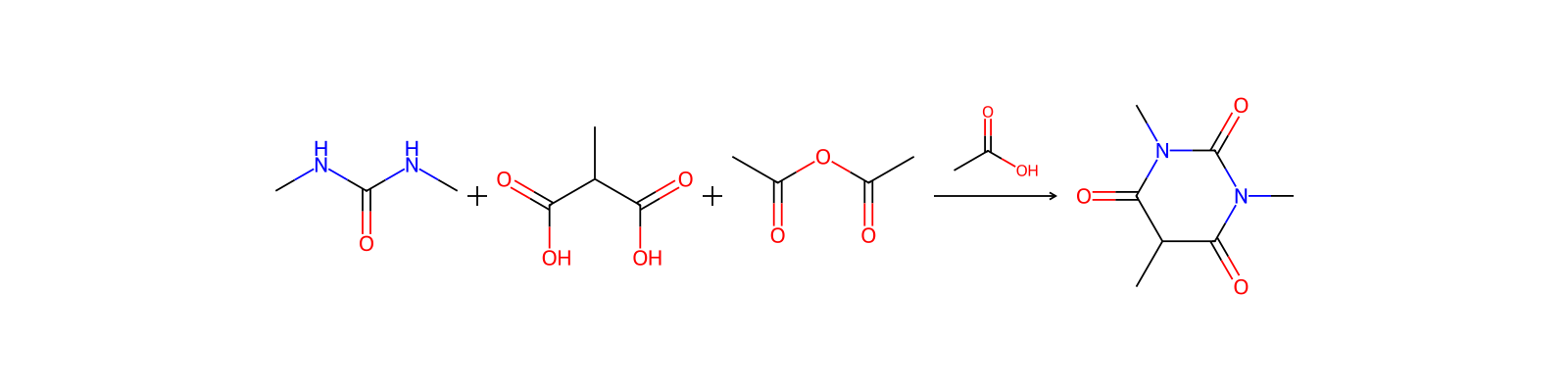
Reaktionsgleichung von HRID 75652
HRID 75652als Edukt
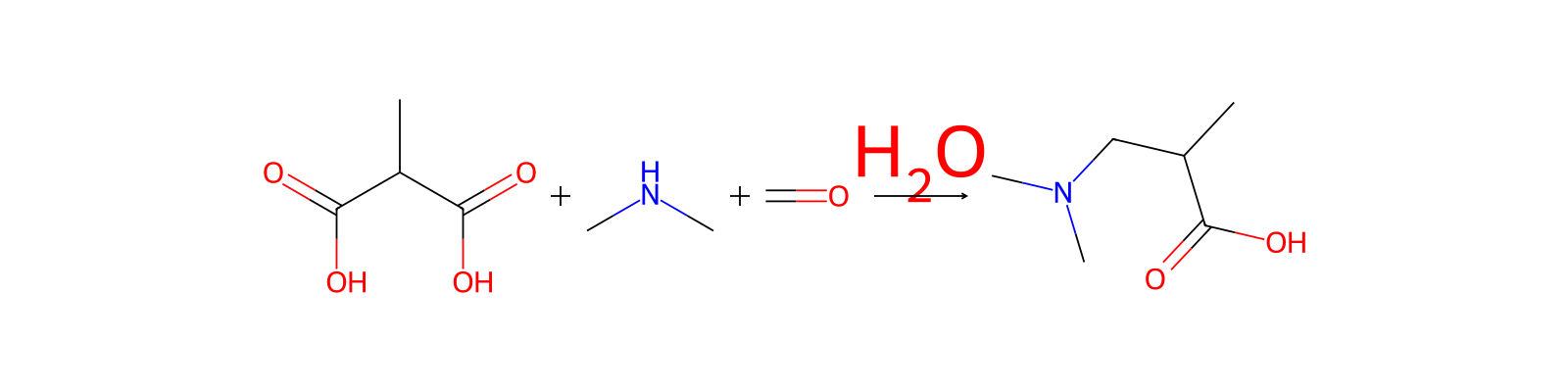
Reaktionsgleichung von HRID 75660
HRID 75660als Edukt
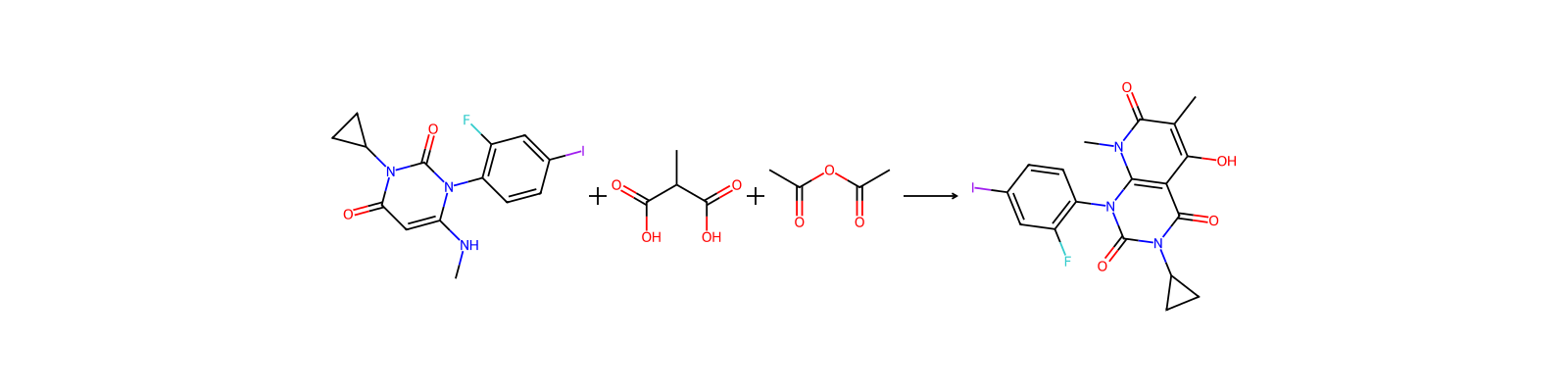
Reaktionsgleichung von HRID 75668
HRID 75668als Edukt
Reaktionsgleichung von HRID 463294
HRID 463294als Edukt
Reaktionsgleichung von HRID 973782
HRID 973782als Edukt
Reaktionsgleichung von HRID 980119
HRID 980119als Edukt
Reaktionsgleichung von HRID 981891
HRID 981891als Edukt
Reaktionsgleichung von HRID 1274509
HRID 1274509als Edukt
ZurückSeite 1 von 4

Notizen zur Verbindung

Auf dieser SeiteGrundinformationenÜberblickNamen und BezeichnerEigenschaftenSicherheit und RegulatorischesChemie und IndustrieZugehörige ReaktionenNotizen zur Verbindung
EC Number
208-219-5、693-939-6
Nikkaji
J6.302I
1.4304 · 1.4304 (estimate)
Flammpunkt
2 ℃ · 2℃
storage temp.
Sealed in dry,Room Temperature
Löslichkeit
DMSO (Slightly), Methanol (Slightly)
Aggregatzustand
Crystalline Powder
pka
3.07 · 3.07, 5.76(at 25℃)
Farbe
White
Wichte
1.455 · 1.455
PH
3.23 · 3.23(1 mM solution);2.6(10 mM solution);2.05(100 mM solution)
Wasserlöslichkeit
soluble
BRN
1756084 · 1756084
InChI
1S/C4H6O4/c1-2(3(5)6)4(7)8/h2H,1H3,(H,5,6)(H,7,8)
InChIKey
ZIYVHBGGAOATLY-UHFFFAOYSA-N
SMILES
CC(C(O)=O)C(O)=O
CAS Datenbank
516 · 516-05-2(CAS DataBase Reference)
NIST chemische Informationen
Methylmalonic acid(516-05-2)
No indication of carcinogenicity to humans (not listed by IARC).

Sicherheitsdaten

wgk
3
ridadr
UN 1648 3 / PGII
hs_code
2917190090
RTECS-Nr.
OO1400000
risk_code
36/37/38-36-20/21/22-11
hazard_code
Xi,Xn,F
safety_code
26-36/37-16
Speicherklasse
11 - Combustible Solids
Hazard Classifications
Eye Irrit. 2Skin Irrit. 2STOT SE 3
Diethylmethylmalonat
2-Chlorpropionsäure

Nachgelagerte Produkte

3-p-Cumenyl-2-methylpropionaldehyd5-hydroxy-3-Methyl-2(5H)-furanone2-Propenoic acid, 3-(2,6-dichlorophenyl)-2-methyl-Benzenepropanoic acid, β-amino-α-methyl-, (αR,βS)-rel-2H-Pyrano[3,2-c]pyridine-2,5(6H)-dione, 4-hydroxy-3,6,7-trimethyl- (9CI)
Ergänzende Hinweise · 1 Eintrag

DefinitionChEBI: Methylmalonic acid is a dicarboxylic acid that is malonic acid in which one of the methylene hydrogens is substituted by a methyl group. It has a role as a human metabolite. It is functionally related to a malonic acid. It is a conjugate acid of a methylmalonate(1-).