
Grundinformationen
- Standard-SMILES
N#C[S-].[K+]- InChIKey
ZNNZYHKDIALBAK-UHFFFAOYSA-M- Summenformel
- CKNS
- Durchschnittliche Molmasse
- 97,18 g/mol
- Monoisotopische Masse
- 96,93885166
Namen und Bezeichner
- Bevorzugter Name
- Potassium thiocyanate
- IUPAC
- potassium thiocyanate
- Lokaler Name
- Kaliumthiocyanat
- Englischer Name
- Potassium thiocyanate
- Summenformel
- CKNS
- Molmasse
- 98.19
Namen und Synonyme
POTASSIUM THIOCYANATE333-20-0Potassium rhodanatePotassium sulfocyanateRodancaPotassium thiocyanideArterocynRhocyaPotassium isothiocyanatepotassium rhodanideAterocynKyonate
Weitere Namen anzeigen
Product Description
Thiocyanic acid, potassium saltKSCNDTXSID7029619TM7213864ADTXCID009619CHEBI:30951RefChem:6160206-370-1
Datenbank-Bezeichner
- CAS
333-20-0- PubChem CID
- 516872
- DTXSID
DTXSID7029619- ChEMBL
CHEMBL2106973- ChEBI
CHEBI:30951- UNII
- TM7213864A
- EC Number
- 206-370-1
- Nikkaji
- J3.633A
Eigenschaften
Berechnete Struktureigenschaften
- Polarare Oberfläche (TPSA)
- 24,8 Ų
- H-Brücken-Donoren
- 0
- H-Brücken-Akzeptoren
- 2
- Frei drehbare Bindungen
- 0
- Schwere Atome
- 4
- Formalladung
- 0
- Komplexität
- 34
Experimentelle und physikochemische Eigenschaften
Density
1.9 g/cm³
1.89 @25 °C
SolubilitySolubility in water: very good
Decomposition500 °C
Melting Point
173 °C
173 °C
Physical Description
Colorless deliquescent solid; [Merck Index]
COLOURLESS-TO-WHITE HYGROSCOPIC CRYSTALS.
Physikochemische Eigenschaften
- Schmelzpunkt
- 173 °C · 173 °C (lit.)
- Siedepunkt
- 500 °C · 500°C
- Dichte
- 1.886 · 1.886
- Dampfdruck
- 0.001 hPa · <0.001 hPa (20 °C)
- Flammpunkt
- 500 °C · 500°C
- storage temp.
- 5 °C · Store at +5°C to +30°C.
- Löslichkeit
- 2 O: · H2O: 8 M at 20 °C, clear, colorless
- Aggregatzustand
- Liquid
- pka
- 0.85 · 0.85(Temp: 25 °C)
- Wichte
- 1.886 · 1.886
- Farbe
- colorless or white
- PH
- 5.3 · 5.3-8.7 (25℃, 50mg/mL in H2O)
- Geruch (Odor)
- Odorless
- Wasserlöslichkeit
- 2170 g/L · 2170 g/L (20 ºC)
- Spezifische Wärmekapazität
- 0.91 J/ · Cp(crystal): 0.91 J/(g·K), at 25℃
- Merck
- 14 · 14,7691
- BRN
- 3594799 · 3594799
- Stabilität
- Stable. Incompatible with nitric acid, strong oxidizing agents, active halogen compounds.
- Kosmetik-Inhaltsstoffe Funktionen
- LIGHT STABILIZER
- InChI
- 1S/CHNS.K/c2-1-3;/h3H;/q;+1/p-1
- InChIKey
- ZNNZYHKDIALBAK-UHFFFAOYSA-M
- SMILES
- [K]SC#N
- LogP
- 0.58 · 0.58
- CAS Datenbank
- 333 · 333-20-0(CAS DataBase Reference)
- NIST chemische Informationen
- Potassium thiocyanate(333-20-0)
- EPA chemische Informationen
- Potassium thiocyanate (333-20-0)
- Absorption
- 274 nm · cut-off at 274nm in H2O at 8M
Sicherheit und Regulatorisches
GHS-Klassifizierung
GHS Classification
Danger
H302+H312+H332 (45.4%): Harmful if swallowed, in contact with skin or if inhaled [Warning Acute toxicity, oral; acute toxicity, dermal; acute toxicity, inhalation];H302 (100%): Harmful if swallowed [Warning Acute toxicity, oral];H312 (99.6%): Harmful in contact with skin [Warning Acute toxicity, dermal];H318 (29.2%): Causes serious eye damage [Danger Serious eye damage/eye irritation];H319 (28.2%): Causes serious eye irritation [Warning Serious eye damage/eye irritation];H332 (99.6%): Harmful if inhaled [Warning Acute toxicity, inhalation];H400 (13.4%): Very toxic to aquatic life [Warning Hazardous to the aquatic environment, acute hazard];H412 (81%): Harmful to aquatic life with long lasting effects [Hazardous to the aquatic environment, long-term hazard]
P261, P264, P264+P265, P270, P271, P273, P280, P301+P317, P302+P352, P304+P340, P305+P351+P338, P305+P354+P338, P317, P321, P330, P337+P317, P362+P364, P391, and P501 (click each P-code to see the statement)
Aggregated GHS information provided per 284 reports by companies from 24 notifications to the ECHA C&L Inventory. Each notification may be associated with multiple companies.;Information may vary between notifications depending on impurities, additives, and other factors. The percentage value in parenthesis indicates the notified classification ratio from companies that provide hazard codes. Only hazard codes with percentage values above 10% are shown. For more detailed information, please visit ECHA C&L website.
Gefahrenhinweise
Regulatory Information
Chemical: Thiocyanic acid, potassium salt
Commission Regulation (EU) No 188/2011
Thiocyanic acid, potassium salt (1:1) is listed on the EPA's Chemical Data Reporting (CDR) system. Manufacturers and importers of Thiocyanic acid, potassium salt (1:1) are required to report information about their production and use of this chemical to the EPA under the Toxic Substances Control Act (TSCA). (40 eCFR Part 711)
05/751/EC, Reg. (EU) No 108/2014
Status: Active Update: 24-06-2020 https://echa.europa.eu/registration-dossier/-/registered-dossier/5157
Potassium thiocyanate: Does not have an individual approval but may be used under an appropriate group standard
Other Safety InformationIMAP assessments - Thiocyanate salts: Human health tier II assessment
Fire HazardsNot combustible. Gives off irritating or toxic fumes (or gases) in a fire.
Hazards Summary
Toxic effects include skin eruptions, psychosis, and collapse; [Merck Index] May cause CNS effects (excitement and convulsions); Prolonged or repeated exposure may cause thyroid and CNS effects leading to impaired function and hypothyroidism; [ICSC] Human ingestion of 80 mg/kg causes hallucinations, convulsions, and muscle weakness; Human ingestion of 428 mg/kg causes toxic psychosis, hallucinations, and gastritis; [RTECS] Sheep exposed orally during gestation produced goiter in newborn lambs; Effects to female fertility observed in rats at high doses; Another study demonstrated maternal and fetal toxicity with no increase in congenital defects; [REPROTOX] Harmful by ingestion, inhalation, and skin absorption; Targets the CNS, cardiovascular system, and thyroid; [Sigma-Aldrich MSDS] See Sodium thiocyanate.
EC ClassificationSymbol: Xn; R: 20/21/22-32-52/53; S: (2)-13-61; Note: A
Chemical DangersDecomposes on heating. This produces very toxic fumes of sulfur compounds, nitrogen oxides and cyanides. Reacts violently with strong oxidants. Contact with water causes a strong cooling effect.
Hazard Classes and Categories
Acute Tox. 4 (100%);Acute Tox. 4 (99.6%);Eye Dam. 1 (29.2%);Eye Irrit. 2 (28.2%);Acute Tox. 4 (99.6%);Aquatic Acute 1 (13.4%);Aquatic Chronic 3 (81%)
Acute toxicity - category 4;Eye irritation - category 2A
Acute toxicity (Oral) - Category 4;Specific target organ toxicity - Repeated exposure - Category 1 (thyroid);Hazardous to the aquatic environment (Acute) - Category 3
Sicherheit und Schutzausrüstung
Fire FightingIn case of fire in the surroundings, use appropriate extinguishing media.
First Aid Measures
Fresh air, rest.
Remove contaminated clothes. Rinse skin with plenty of water or shower.
First rinse with plenty of water for several minutes (remove contact lenses if easily possible), then refer for medical attention.
Rinse mouth. Give a slurry of activated charcoal in water to drink. Refer for medical attention .
Safe StorageSeparated from strong oxidants. Dry. Well closed.
Spillage DisposalPersonal protection: particulate filter respirator adapted to the airborne concentration of the substance. Sweep spilled substance into covered containers. If appropriate, moisten first to prevent dusting. Carefully collect remainder.
Eye PreventionWear safety goggles or eye protection in combination with breathing protection.
Inhalation RiskA harmful concentration of airborne particles can be reached quickly when dispersed.
Skin PreventionProtective gloves.
Exposure PreventionPREVENT DISPERSION OF DUST!
Ingestion PreventionDo not eat, drink, or smoke during work.
Inhalation PreventionUse local exhaust or breathing protection.
Effects of Long Term ExposureThe substance may have effects on the thyroid and central nervous system. This may result in impaired functions and hypothyroidism.
Effects of Short Term ExposureThe substance may cause effects on the central nervous system. This may result in excitement and convulsions.
Toxikologische Informationen
Adverse EffectsNeurotoxin - Other CNS neurotoxin
Exposure RoutesThe substance can be absorbed into the body by inhalation and by ingestion.
Signs and Symptoms
Cough. Further see Ingestion.
Confusion. Convulsions. Nausea. Vomiting. Weakness.
Regulatorische Informationen
Regulatory Information
Chemical: Thiocyanic acid, potassium salt
Commission Regulation (EU) No 188/2011
Thiocyanic acid, potassium salt (1:1) is listed on the EPA's Chemical Data Reporting (CDR) system. Manufacturers and importers of Thiocyanic acid, potassium salt (1:1) are required to report information about their production and use of this chemical to the EPA under the Toxic Substances Control Act (TSCA). (40 eCFR Part 711)
05/751/EC, Reg. (EU) No 108/2014
Status: Active Update: 24-06-2020 https://echa.europa.eu/registration-dossier/-/registered-dossier/5157
Potassium thiocyanate: Does not have an individual approval but may be used under an appropriate group standard
Sicherheitsdaten
- wgk
- 1
- tsca
- TSCA listed
- hs_code
- 28380000
- RTECS-Nr.
- XL1925000
- risk_code
- 32-52/53-20/21/22
- Toxizität
- LD50 orally in mice, rats: 594, 854 mg/kg, Andersen, Chen, J. Am. Pharm. Assoc. 29, 152 (1940)
- hazard_code
- Xn,Xi
- hazard_note
- Irritant/Hygroscopic
- safety_code
- 13-61-36/37-46
- Speicherklasse
- 13 - Non Combustible Solids
- Hazard Classifications
- Acute Tox. 4 DermalAcute Tox. 4 InhalationAcute Tox. 4 OralAquatic Chronic 3Eye Dam. 1
Chemie und Industrie
Pharmakologische Informationen
MeSH Pharmacological ClassificationChemicals and substances that impart color including soluble dyes and insoluble pigments. They are used in INKS; PAINTS; and as INDICATORS AND REAGENTS.
Verwendung und Herstellung
Uses
Used to make mustard oil, for printing and dyeing textiles, in photography (intensifier), and as a therapeutic hypotensive; [Merck Index] Used as a contact fungicide for green house vegetables and ornamentals and green house and open field strawberries; [ExPub: EFSA: DAR - Vol. 1]
Farming (Pesticides) [Category: Industry];Photographic Processing [Category: Other];Textiles (Printing, Dyeing, or Finishing) [Category: Industry]
U.S. Production2023: <50,000 lb;2022: <50,000 lb;2021: <50,000 lb;2020: <50,000 lb
Household ProductsInformation on 1 consumer products that contain Potassium Thiocyanate in the following categories is provided:;• Personal Care
Use ClassificationCosmetics -> Stabilizing
General Manufacturing InformationThiocyanic acid, potassium salt (1:1): ACTIVE
Anwendungen
VerwendenPotassium Thiocyanate has been used as a catalyst in a one-pot reaction of dialkyl acetylenedicarboxylates with indane-1,3-dione. Potassium Thiocyanate has been used as a selective bacterial inhibitor to create ESS-3 broth to allow co-enrichment of the target pathogens and suppress growth of some non-target pathogens
Darstellung
synthetischePotassium thiocyanate may be made by adding caustic potash to a solution of ammonium thiocyanate, followed by evaporation of the solution. NH4SCN + KOH →KSCN + NH4OHAlso, the compound can be prepared by heating potassium cyanide with sulfur:KCN + S →KSCN.
Vor- und nachgelagerte Produkte
Vorgelagerte Rohstoffe
Nachgelagerte Produkte
Anbieter50 Anbieter
国药集团化学试剂有限公司86-21-63210123 · [email protected]
北京华美互利生物化工010-56205725 · [email protected]
衢州润东化工有限公司0570-8789886 18892685668 · [email protected]
上海阿拉丁生化科技股份有限公司400-6206333 13167063860 · [email protected]
Shandong chuangyingchemical Co., Ltd.18853181302 · [email protected]
廊坊乾耀科技有限公司0316-2617888 17301291189 · [email protected]
河北创海生物科技有限公司+86-86-13131129325 · [email protected]
Baoji Guokang Healthchem co.,ltd+8615604608665 15604608665 · [email protected]
Dayang Chem (Hangzhou) Co.,Ltd.+86-0571-88938639 17705817739 · [email protected]
上海弘顺生物科技有限公司15901914505 · [email protected]
上海迈瑞尔生化科技有限公司4006356688 18621169109 · [email protected]
阿法埃莎(中国)化学有限公司400-6106006 · [email protected]
安耐吉化学&3A(安徽泽升科技股份有限公司)400-0056266 · [email protected]
北京绿百草科技发展有限公司010-61136123 · [email protected]
上海瀚鸿科技股份有限公司021-54306202 13764082696 · [email protected]
上海景颜化工科技有限公司13817811078 · [email protected]
嘉兴市艾森化工有限公司0573-85285100 18627885956 · [email protected]
上海泰坦科技股份有限公司400-6009262 15618770481 · [email protected]
合肥天健化工有限公司551-65418679 15856988503;15837135945 · [email protected]
天津金汇太亚化学试剂有限公司022-59582624 18622766592 · [email protected]
山东西亚化学有限公司13355009207 13355009207 · [email protected]
南京康德祥医药科技有限公司025-52643182 13914798241 · [email protected]
玛雅试剂+86 (573) 82222445 (0)18006601000 452520369 · [email protected]
四川库利南科技有限公司400-1166-196 18981987031 · [email protected]
南通凯美瑞化工有限公司025-52643182 13914798241
天津希恩思生化科技有限公司400 638 7771 · [email protected]
Xiamen AmoyChem Co., Ltd+86-86-5926051114 · [email protected]
斯百全化学(上海)有限公司021-021-021-67601398-809-809-809 15221380277 · [email protected]
艾科试剂4008-755-333 18080918076 · [email protected]
赛默飞世尔科技(中国)有限公司800-810-5118 · [email protected]
北京伊诺凯科技有限公司400-810-7969 010-59572699 · [email protected]
江苏艾康生物医药研发有限公司025-66113011 13913916777 · [email protected]
北京环宇世纪化学科技有限公司hysj_bj.com
HBCChem, Inc.+1-510-219-6317 · [email protected]
成都零六生物科技有限公司400-1166-196 13458535857 · [email protected]
湖北瑞今化学有限公司027 83642615 13995607107 · [email protected]
上海麦克林生化科技股份有限公司15221275939 15221275939 · [email protected]
杭州杰恒化工有限公司0571-87396432 · [email protected]
北京欣赛维化学科技有限公司010-56218822 13717722232 · [email protected]
成都润泽本土化工有限公司13096311329 028-88469284 616445927 · [email protected]
北京华扬致成科技有限公司13716033033 · [email protected]
池州凯隆进出口贸易有限公司[email protected]
Sigma-Aldrich西格玛奥德里奇(上海)贸易有限公司021-61415566 800-8193336 · [email protected]
九鼎化学(上海)科技有限公司4009209199 · [email protected]
杭州鼎燕化工有限公司0571-87157530-8003 18267553885 · [email protected]
厦门志信化学有限公司+86-5922680277 +86-13806087780 · [email protected]
成都京欣科技有限公司028-85005297 13980656781 · [email protected]
成都润泽本土化工有限公司028-88469284 18000562381 · [email protected]
上海岚克医药科技发展有限公司0086-21-58956006
南京艾比克斯生化科技有限公司025-87193546 18652950785 · [email protected]
Ergänzende Hinweise
DefinitionChEBI: A potassium salt which is the monopotassium salt of thiocyanic acid.
Zugehörige Reaktionen
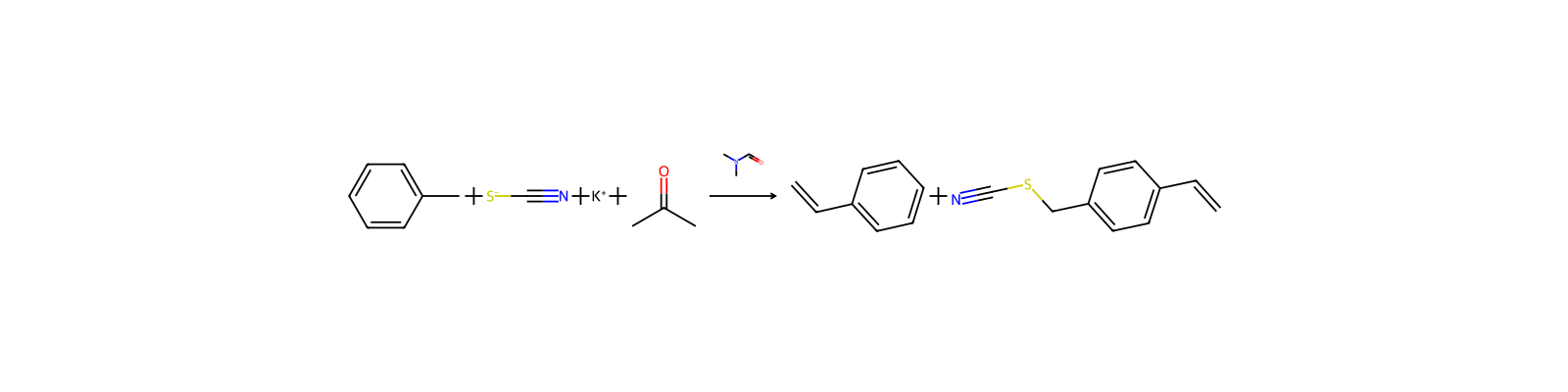
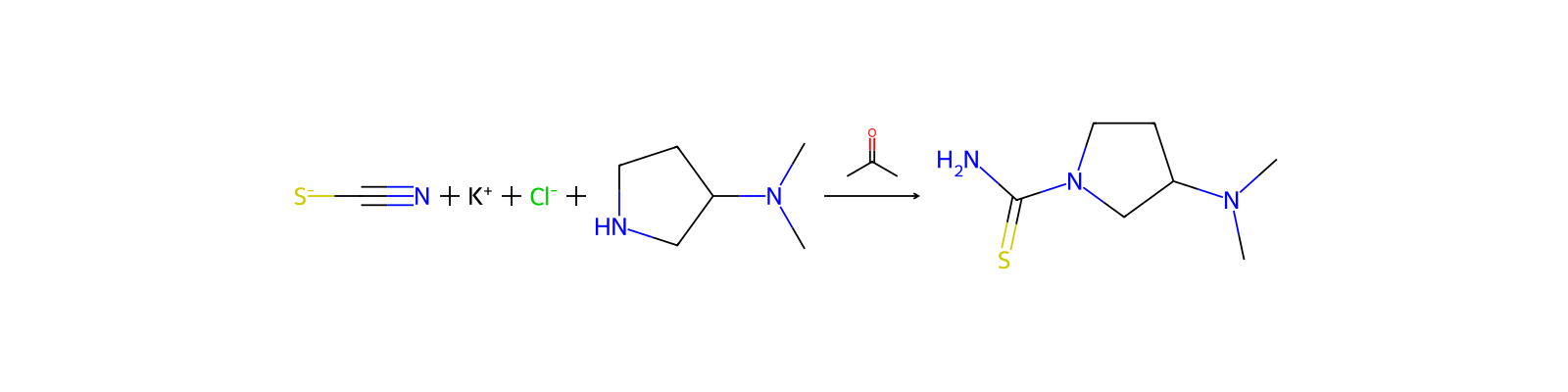
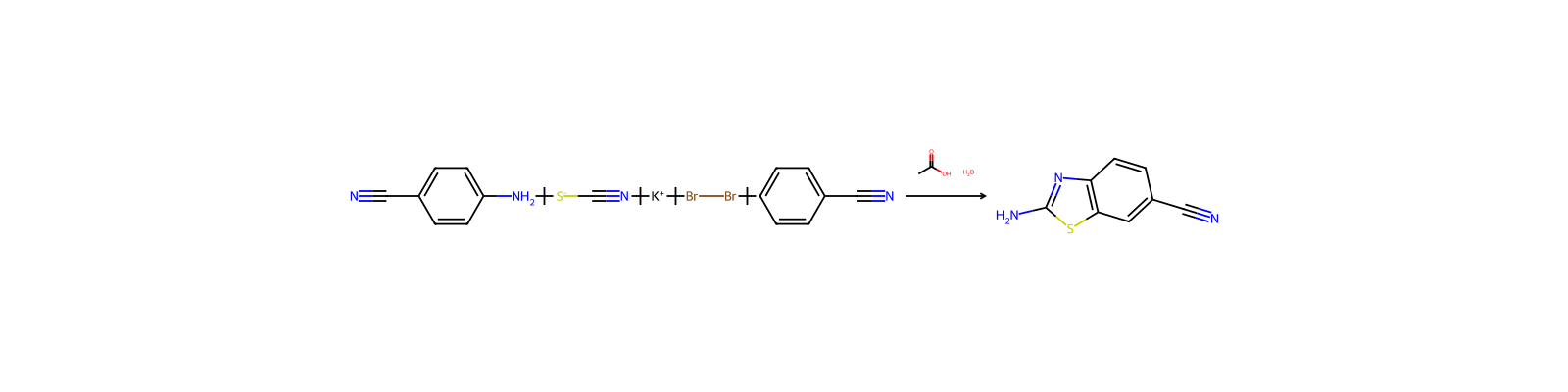
739




Verknüpfte Notizen
Wird geladen…