StartseiteMCPWorkbenchSkills
StartseiteWorkbenchBenachrichtigungenMein Bereich
llms.txt · MCP-AnleitungDatenschutz · Nutzungsbedingungen · Supportv1.8.0
  1. Startseite
  2. /Verbindung

Kaliumpermanganat

Potassium Permanganate

HCID 516875
Neue NotizNeue ReaktionAnfrage stellen
Druckvorschau

Daten werden ergänzt – lade die Seite später neu, um den aktuellen Stand zu sehen
GrundinformationenÜberblickNamen und BezeichnerEigenschaftenSicherheit und RegulatorischesChemie und IndustrieZugehörige ReaktionenNotizen zur Verbindung
TeilstruktursucheÄhnliche Strukturen suchen

Grundinformationen

CAS
7722-64-7
Standard-SMILES
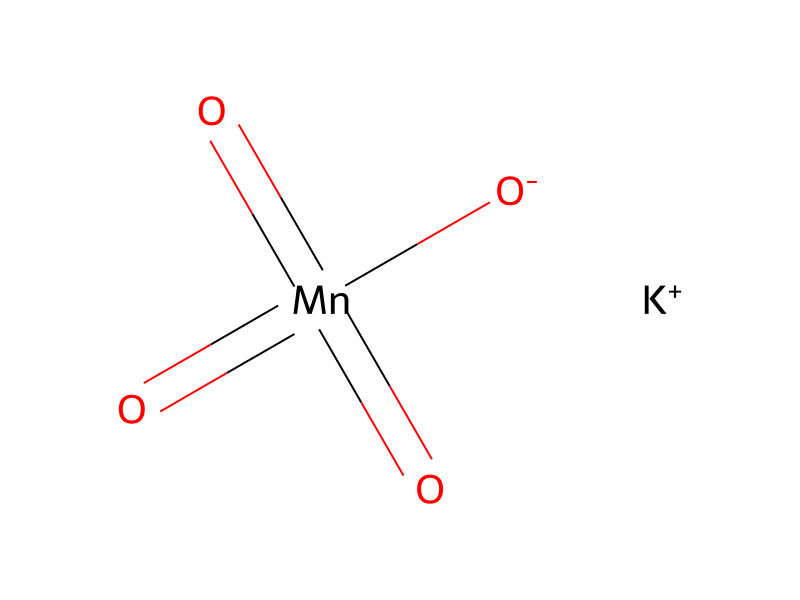
[K+].[O]=[Mn](=[O])(=[O])[O-]
InChIKey
VZJVWSHVAAUDKD-UHFFFAOYSA-N
Summenformel
KMnO4
Durchschnittliche Molmasse
158,034 g/mol
Monoisotopische Masse
157,88141026

Überblick

Potassium permanganate appears as a purplish colored crystalline solid. Noncombustible but accelerates the burning of combustible material. If the combustible material is finely divided the mixture may be explosive. Contact with liquid combustible materials may result in spontaneous ignition. Contact with sulfuric acid may cause fire or explosion. Used to make other chemicals and as a disinfectant.

Namen und Bezeichner

Bevorzugter Name
Potassium Permanganate
IUPAC
potassium permanganate
Lokaler Name
Kaliumpermanganat
Englischer Name
Potassium permanganate
Summenformel
KMnO4
Molmasse
158.033949

Namen und Synonyme

POTASSIUM PERMANGANATE7722-64-7Chameleon mineralCondy's crystalsPermanganate of potashArgucideCairoxWalko TabletsInsta-permAlgae-KSolo San SooPure Light E 2
Weitere Namen anzeigen
KMnO4POTASSIUM PERMAGANATEpotassium permanganate solutionpotassio(permanganatodi)Permanganic acid (HMnO4), potassium salt (1:1)kaliumpermanganaatPERMANGANIC ACID POTASSIUM SALTci77755
Potassium permanganate (KMnO4)Caswell No. 699Diversey Diversol CXUKaliumpermanganatPermanganic acid (HMnO4), potassium saltPermanganato potasicoPermanganate de potassiumDiversey Diversol CX with Arodyne

Datenbank-Bezeichner

CAS
7722-64-7
PubChem CID
516875
DTXSID

Eigenschaften

Berechnete StruktureigenschaftenWird ergänzt

Polarare Oberfläche (TPSA)
74,3 Ų
H-Brücken-Donoren
0
H-Brücken-Akzeptoren
4
Frei drehbare Bindungen
0
Schwere Atome
6
Formalladung
0
Komplexität
118

Experimentelle und physikochemische Eigenschaften

Chemical ClassesOther Classes -> Inorganic Oxidizing Agents
DrugsPharmaceuticals -> Synthetic Cannabinoids or Psychoactive Compounds
SpringerMaterials Propertiescrystal structure
Pesticides · 2 Einträge

Bactericides, Fungicides, Molluscicides

Active substance -> EU Pesticides database: Not approved

LogP1.73 (calculated)
OdorOdorless
TasteSweet with astringent aftertaste
Food AdditivesANTICAKING AGENT OR FREE-FLOW AGENT, EMULSIFIER OR EMULSIFIER SALT, FORMULATION AID -> FDA Substance added to food
Density · 4 Einträge

2.7 at 59 °F (USCG, 1999) - Denser than water; will sink

2.7 g/cu cm

2.7 g/cm³

2.7 @25 °C

Color/Form

Sicherheit und Regulatorisches

Sicherheitsangaben dienen nur zur Orientierung und ersetzen weder das Sicherheitsdatenblatt (SDB) des Lieferanten noch geltende Vorschriften oder eine fachliche Bewertung.

GHS-Klassifizierung

GHS Classification · 6 Einträge

Danger

H272: May intensify fire; oxidizer [Danger Oxidizing liquids; Oxidizing solids]

P203, P210, P220, P264, P270, P273, P280, P301+P317, P318, P330, P370+P378, P391, P405, and P501 (click each P-code to see the statement)

This chemical does not meet GHS hazard criteria for 7.8% (37 of 472) of reports.

Danger

H272 (91.7%): May intensify fire; oxidizer [Danger Oxidizing liquids; Oxidizing solids]

Gefahrenhinweise

Regulatory Information · 6 Einträge

Chemical: Permanganic acid (HMnO4), potassium salt

List II Chemical: A chemical, other than a List I chemical, specified by regulation that, in addition to legitimate uses, is used in manufacturing a controlled substance in violation of the Act. (21 eCFR 1310.02)

Permanganic acid (HMnO4), potassium salt (1:1) is listed on the EPA's Chemical Data Reporting (CDR) system. Manufacturers and importers of Permanganic acid (HMnO4), potassium salt (1:1) are required to report information about their production and use of this chemical to the EPA under the Toxic Substances Control Act (TSCA). (40 eCFR Part 711)

2008/768

Status: Active Update: 25-04-2023 https://echa.europa.eu/registration-dossier/-/registered-dossier/14531

Permanganic acid, potassium salt: HSNO Approval: HSR001342 Approved with controls

DOT LabelOxidizer
Fire Hazards · 3 Einträge

Behavior in Fire: May cause fire on contact with combustibles. Containers may explode. (USCG, 1999)

CAUTION: Ammonium nitrate products may explode if involved in fire or contaminated with hydrocarbons (fuels), organic matter, other contaminants or when hot molten and contained. Treat as an explosive (GUIDE 112).

Not combustible but enhances combustion of other substances. Gives off irritating or toxic fumes (or gases) in a fire. Risk of fire and explosion on contact with combustible substances or reducing agents.

Chemie und Industrie

Pharmakologische Informationen

ATC Code · 5 Einträge

D - Dermatologicals

V - Various

QV - Various

QD - Dermatologicals

D08AX06

Metabolism/Metabolites · 1 Eintrag

Manganese is absorbed mainly via ingestion, but can also be inhaled. It binds to alpha-2-macroglobulin, albumin, or transferrin in the plasma and is distributed to the brain and all other mammalian tissues, though it tends to accumulate more in the liver, pancreas, and kidney. Manganese is capable of existing in a number of oxidation states and is believed to undergo changes in oxidation state within the body. Manganese oxidation state can influence tissue toxicokinetic behavior, and possibly toxicity. Manganese is excreted primarily in the faeces. (L228)

MeSH Pharmacological Classification · 1 Eintrag

Substances used for the detection, identification, analysis, etc. of chemical, biological, or pathologic processes or conditions. Indicators are substances that change in physical appearance, e.g., color, at or approaching the endpoint of a chemical titration, e.g., on the passage between acidity and alkalinity. Reagents are substances used for the detection or determination of another substance by chemical or microscopical means, especially analysis. Types of reagents are precipitants, solvents, oxidizers, reducers, fluxes, and colorimetric reagents. (From Grant & Hackh's Chemical Dictionary, 5th ed, p301, p499)

Absorption, Distribution and Excretion · 2 Einträge

SYSTEMIC EFFECTS ARE NOT ... /COMMONLY SEEN/ BECAUSE OF POOR ABSORPTION.

Adult channel catfish Ictalurus punctatus were exposed to waterborne potassium permanganate for 12 wk to determine if such exposure would alter the manganese content of axial muscle or liver tissue. Continuous exposure to 0.5 mg KMnO4 or exposure to 1 or 2 mg KMnO4/L on alternate days did not cause a significant incr in manganese in axial muscle or liver tissue. The mean (|SE) concn of manganese in axial muscle of unexposed controls was 0.262 | 0.018 mg/kg (wet weight). Means of scle could be detected within groups. The mean (|SE) concn of manganese in liver tissue of controls was 1.67 | 0.09 mg/kg (wet weight). Manganese concns in liver tissue of the three exposure groups were 1.57 | 0.07 mg/kg, 1.68 | 0.08 mg/kg, and 1.58 | 0.10 mg/kg, for 0.5 (continuous), 1, or 2 mg/L (alternate days), respectively. Manganese was thought to accumulate in liver tissue, however, there were no statistically significant differences between those groups & the controls.

Zugehörige Reaktionen

1.366
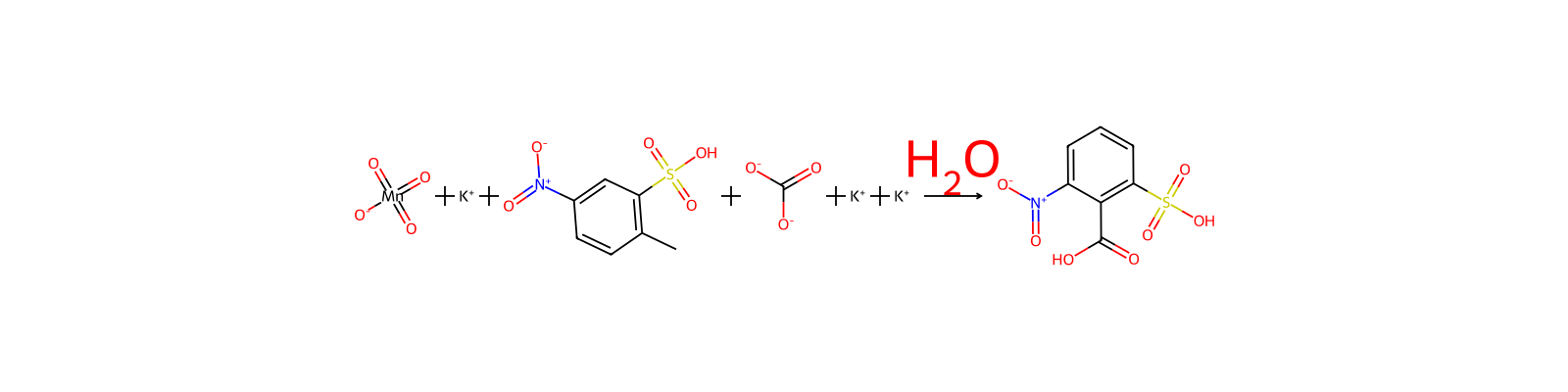
Reaktionsaufzeichnung erstellen
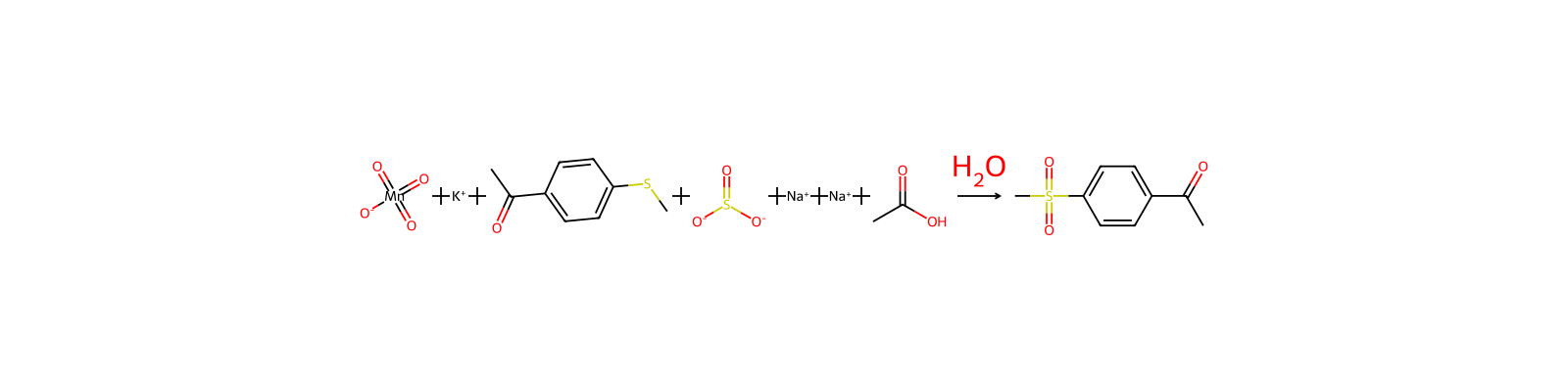
Reaktionsgleichung von HRID 917
HRID 917als Eduktuspto-grants-1998_03
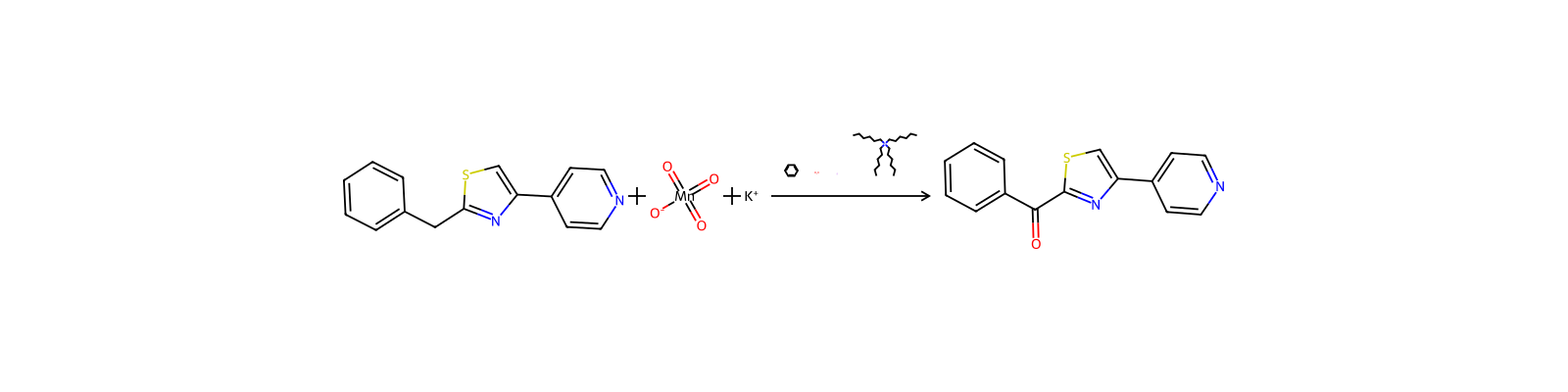
Reaktionsgleichung von HRID 994
HRID 994als Eduktuspto-grants-1998_03
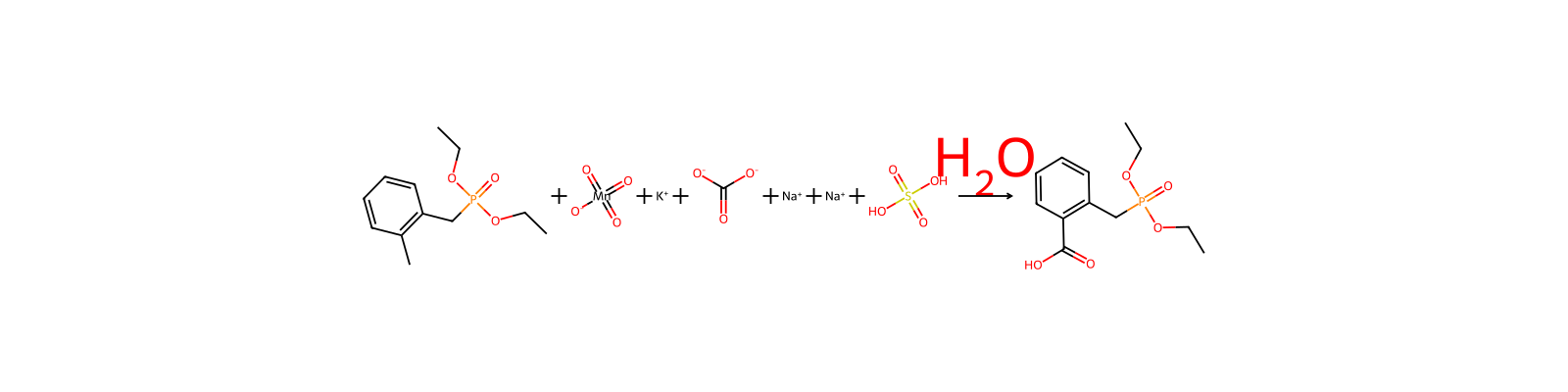
Reaktionsgleichung von HRID 1065
HRID 1065als Eduktuspto-grants-1998_03
Reaktionsgleichung von HRID 2389
HRID 2389als Eduktuspto-grants-1998_03
Reaktionsgleichung von HRID 4352
HRID 4352als Eduktuspto-grants-1988_02
Reaktionsgleichung von HRID 4916
HRID 4916als Eduktuspto-grants-1993_09
Reaktionsgleichung von HRID 7876
HRID 7876als Eduktuspto-grants-2006_08
Reaktionsgleichung von HRID 9260
HRID 9260als Eduktuspto-grants-2006_08
Seite 1 von 171

Notizen zur Verbindung

Wird geladen…

Auf dieser SeiteGrundinformationenÜberblickNamen und BezeichnerEigenschaftenSicherheit und RegulatorischesChemie und IndustrieZugehörige ReaktionenNotizen zur Verbindung
Weitere Aktionen
Neue NotizNeue ReaktionAnfrage stellen
DTXSID2034839
ChEMBL
CHEMBL3833305
ChEBI
CHEBI:231501
UNII
00OT1QX5U4
EC Number
231-760-3
Nikkaji
J43.962B
· 3 Einträge

Dark purple or bronze-like crystals; Almost opaque by transmitted light and of a blue metallic luster by reflected air.

Purple orthorhombic crystals

Bipyrimidal rhombic prisms

Solubility · 6 Einträge

Soluble in many organic solvents; also by concentrated acids with the liberation of oxygen.

Soluble in acetone and methanol

Soluble in acetic acid, trifluoroacetic acid, acetic anhydride, pyridine, benzonitrile, sulfolane.

In water, 6.40X10+4 mg/l @ 20 °C

25 g/100 @ 65 °C water

Solubility in water, g/100ml at 20 °C: 6.4 (moderate)

Human DrugsDermatological medicines > Anti-infective medicines

Physikochemische Eigenschaften

Schmelzpunkt
240 °C · 240 °C (464 °F; 513 K) (decomposes)
Dichte
2.7 g/cm3 · 2.7 g/cm3
Dampfdruck
0.01 hPa · <0.01 hPa (20 °C)
Brechungsindex
1.59 · 1.59
Flammpunkt
Not applicable
storage temp.
Store at RT.
Löslichkeit
2 O: · H2O: 0.1 M at 20 °C, complete, violet
Aggregatzustand
needles
Farbe
Purplish-bronze-gray; purple
Wichte
2.703 · 2.703
PH
8 · 8 (H2O, 20°C)
Wasserlöslichkeit
6.4 g/100 · 6.4 g/100 mL (20 ºC)
Spezifische Wärmekapazität
0.74 J/ · Cp(crystal): 0.74 J/(g·K), at 25℃
Merck
14 · 14,7655
Stabilität
Stable, but contact with combustible material may cause fire. Substances to be avoided include reducing agents, strong acids, organic material, combustible materials, peroxides, alcohols and chemically active metals. Strong oxidant.
InChI
1S/K.Mn.4O/q+1;;;;;-1
InChIKey
VZJVWSHVAAUDKD-UHFFFAOYSA-N
SMILES
[K+].[O-][Mn](=O)(=O)=O
CAS Datenbank
7722 · 7722-64-7(CAS DataBase Reference)
EPA chemische Informationen
Potassium permanganate (7722-64-7)
Fire PotentialMODERATE, BY CHEMICAL REACTION.
Health Hazards · 2 Einträge

Burns and stains the skin dark brown. If ingested will cause severe distress of gastro-intestinal system. May be fatal if over 4 oz. are consumed. (USCG, 1999)

· Inhalation, ingestion or contact (skin, eyes) with vapors or substance may cause severe injury, burns or death.

Hazards Summary · 1 Eintrag

Dilute solutions are irritants and concentrated solutions caustic to the skin, eyes, and respiratory tract. Toxic by ingestion--gastrointestinal burns, methemoglobinemia, and injury to liver and kidneys; [HSDB] If not flushed with water, can burn skin and stain it dark brown; [CHRIS] Inhalation of high concentrations of dust or mist may cause pulmonary edema in extreme exposures; May cause liver and kidney damage after ingestion; Lethal dose is about 10 grams; May cause manganese poisoning after chronic ingestion or inhalation; [CHEMINFO] Permanganate crystals and concentrated solutions are corrosive (release potassium hydroxide when contact water) and can induce methemoglobinemia after ingestion; [Olson, p. 133] See Manganese and linked occupational diseases.

DOT ID and Guide1490 140
FDA Requirements · 2 Einträge

Potassium permanganate is an indirect food additive for use only as a component of adhesives.

Food starch may be bleached by treatment with one or more of the following: ... potassium permanganate, not to exceed 0.2 percent. Limitations: Residual manganese (calculated as Mn), not to exceed 50 ppm in food starch-modified.

Reactive GroupOxidizing Agents, Strong
EC ClassificationSymbol: O, Xn, N; R: 8-22-50/53; S: (2)-60-61
UN ClassificationUN Hazard Class: 5.1; UN Pack Group: II
Special Reports · 2 Einträge

POLSON CJ, TATTERSALL RN; JB LIPPENCOTT CO, PHILA, 116-27 (1969). TOXICITY OF POTASSIUM PERMANGANATE IS DISCUSSED.

MICHAELS DD, ZUGSMITH GS; EYE EAR NOSE THROAT MON 52 (3): 97-8 (1973). POTASSIUM PERMANGANATE BURNS OF THE EYE ARE DESCRIBED.

Sicherheit und Schutzausrüstung

Fire Fighting · 2 Einträge

Excerpt from ERG Guide 140 [Oxidizers]:

In case of fire in the surroundings, use appropriate extinguishing media.

First Aid Measures · 4 Einträge

Fresh air. Half-upright position. Artificial respiration may be needed. Refer immediately for medical attention.

Wear protective gloves when administering first aid. First rinse with plenty of water for at least 15 minutes, then remove contaminated clothes and rinse again. Refer for medical attention .

Rinse with plenty of water for several minutes (remove contact lenses if easily possible). Refer immediately for medical attention.

Rinse mouth. If within a few minutes after ingestion, one small glass of water may be given to drink. Do NOT induce vomiting. Refer immediately for medical attention.

Accidental Release Measures · 2 Einträge

· CALL 911. Then call emergency response telephone number on shipping paper. If shipping paper not available or no answer, refer to appropriate telephone number listed on the inside back cover.

· Keep combustibles (wood, paper, oil, etc.) away from spilled material.

First Aid · 2 Einträge

INGESTION: induce vomiting and follow with thorough gastric lavage, demulcents, glucose I.V., fluid therapy, and antibiotics. Tracheostomy may be lifesaving. (USCG, 1999)

General First Aid:

Safe StorageSeparated from combustible substances, reducing agents and powdered metals. Well closed. Provision to contain effluent from fire extinguishing. Store in an area without drain or sewer access.
Firefighting Hazards · 1 Eintrag

The material itself is noncombustible but it will accelerate the burning of combustible material. If the combustible material is finely divided the mixture may be explosive. Contact with liquid combustible materials may result in spontaneous ignition.

Exposure Control and Personal Protection · 3 Einträge

· Wear positive pressure self-contained breathing apparatus (SCBA).

TIH (Toxic Inhalation Hazard) - Term used to describe gases and volatile liquids that are toxic when inhaled. Some are TIH materials themselves, e.g., chlorine, and some release TIH gases when spilled in water, e.g., chlorosilanes. [ERG 2016].

0.2 [mg/m3], as MN (inhalable fraction), 0.02 mg/m3, as Mn (respirable fraction)[German Research Foundation (DFG)]

Fire Fighting Procedures · 2 Einträge

If material on fire or involved in fire: Flood with water. Cool all affected containers with flooding quantities of water. Apply water from as far a distance as possible.

Evacuation: If fire becomes uncontrollable - consider evacuation of one-half (1/2) mile radius.

Cleanup Methods · 2 Einträge

Environmental considerations: Land spill: Dig a pit, pond, lagoon, holding area to contain liquid or solid material. /SRP: If time permits, pits, ponds, lagoons, soak holes, or holding areas should be sealed with an impermeable flexible membrane liner./ Cover solids with a plastic sheet to prevent dissolving in rain or fire fighting water. Add sodium bisulfite (NaHSO3).

Environmental considerations: Water spill: Add dilute caustic soda (NaOH). Add sodium bisulfite (NaHSO3). Use mechanical dredges or lifts to remove immobilized masses of pollutants and precipitates.

Nonfire Spill ResponseExcerpt from ERG Guide 140 [Oxidizers]:
Disposal Methods · 1 Eintrag

SRP: At the time of review, criteria for land treatment or burial (sanitary landfill) disposal practices are subject to significant revision. Prior to implementing land disposal of waste residue (including waste sludge), consult with environmental regulatory agencies for guidance on acceptable disposal practices.

Spillage Disposal · 1 Eintrag

Personal protection: chemical protection suit including self-contained breathing apparatus. Do NOT let this chemical enter the environment. Sweep spilled substance into covered containers. Carefully collect remainder. Then store and dispose of according to local regulations. Do NOT absorb in saw-dust or other combustible absorbents.

Toxikologische Informationen

Treatment · 1 Eintrag

EYES: irrigate opened eyes for several minutes under running water. INGESTION: do not induce vomiting. Rinse mouth with water (never give anything by mouth to an unconscious person). Seek immediate medical advice. SKIN: should be treated immediately by rinsing the affected parts in cold running water for at least 15 minutes, followed by thorough washing with soap and water. If necessary, the person should shower and change contaminated clothing and shoes, and then must seek medical attention. INHALATION: supply fresh air. If required provide artificial respiration.

Interactions · 2 Einträge

IN STUDIES OF RETINOTOXIC EFFECTS OF FLUORIDE IN ANIMALS, POTASSIUM PERMANGANATE HAS BEEN UTILIZED SYSTEMICALLY AS OXIDIZING AGENT TO ENHANCE TOXICITY.

4-Deoxypyridoxine (4-DPD) is a potent antagonist of Vitamin B6 coenzyme which inhibits IL-1, lymphocyte proliferation & has demonstrated that tolerance to skin grafts can be induced by administering splenic cells to pyridoxine-deficient mice. Chronic inflammation induced by dorsal injections of 200 microliters of a 1:40 saturated crystal soln of potassium permanganate (KMnO4) in mice treated or untreated with 4-DPD (400 micrograms/dose), has been investigated. After 7 days all mice developed a subcutaneous granulomatous tissue indicative of a chronic inflammatory response, at the site of injection. KMnO4-treated mice injected ip with 4-DPD (400 micrograms/dose) on 5 consecutive days (the first at the same time of induction of the granuloma) show a significant decr in size & weight of granuloma when compared to mice not treated with 4-DPD (Controls). In addition, in all mice treated with 4-DPD there was a strong inhibition of TNF alpha in serum (P < 0.01) & in supernatant fluids (P < 0.05) from minced granuloma, while IL-6 was inhibited in the supernatant fluids (P < 0.05) of minced granulomas but was not detected in the serum of treated & untreated mice. In this study we show for the first time the antiinflammatory effect of 4-DPD on chronic inflammation & the inhibitory effect of TNF & IL-6 generation in supernatant fluids from minced granulomas.

Health Effects · 1 Eintrag

Manganese mainly affects the nervous system and may cause behavioral changes and other nervous system effects, which include movements that may become slow and clumsy. This combination of symptoms when sufficiently severe is referred to as “manganism”. (L228)

Ecotoxicity Values · 3 Einträge

LC50 CARASSIUS AURATUS (GOLDFISH) 3.6 MG/L/96 HR /CONDITIONS OF BIOASSAY NOT SPECIFIED/

LC50 ICTALURUS PUNCTATUS (CHANNEL CATFISH) 0.75 MG/L/96 HR /CONDITIONS OF BIOASSAY NOT SPECIFIED/

LD50 Lepomis macrochirus (bluegill sunfish) 2.7-3.6 mg/l /Conditions of bioassay not specified/

Adverse EffectsNeurotoxin - Parkinsonism
Exposure Routes · 2 Einträge

Serious local effects by all routes of exposure.

Oral (L228) ; inhalation (L228)

Toxicity Summary · 1 Eintrag

Manganese is a cellular toxicant that can impair transport systems, enzyme activities, and receptor functions. It primarily targets the central nervous system, particularily the globus pallidus of the basal ganglia. It is believed that the manganese ion, Mn(II), enhances the autoxidation or turnover of various intracellular catecholamines, leading to increased production of free radicals, reactive oxygen species, and other cytotoxic metabolites, along with a depletion of cellular antioxidant defense mechanisms, leading to oxidative damage and selective destruction of dopaminergic neurons. In addition to dopamine, manganese is thought to perturbations other neurotransmitters, such as GABA and glutamate. In order to produce oxidative damage, manganese must first overwhelm the antioxidant enzyme manganese superoxide dismutase. The neurotoxicity of Mn(II) has also been linked to its ability to substitute for Ca(II) under physiological conditions. It can enter mitochondria via the calcium uniporter and inhibit mitochondrial oxidative phosphorylation. It may also inhibit the efflux of Ca(II), which can result in a loss of mitochondrial membrane integrity. Mn(II) has been shown to inhibit mitochondrial aconitase activity to a significant level, altering amino acid metabolism and cellular iron homeostasis. (L228)

Signs and Symptoms · 5 Einträge

Burning sensation. Cough. Sore throat. Shortness of breath. Laboured breathing. Symptoms may be delayed.

Redness. Skin burns. Pain.

Redness. Pain. Severe burns.

Burning sensation. Abdominal pain. Diarrhoea. Nausea. Vomiting. Shock or collapse.

Manganese mainly affects the nervous system and may cause behavioral changes and other nervous system effects, which include movements that may become slow and clumsy. This combination of symptoms when sufficiently severe is referred to as “manganism”. (L228)

ICSC Environmental DataThe substance is very toxic to aquatic organisms.
Human Toxicity Excerpts · 5 Einträge

A. ACUTE POISONING: 1. INGESTION OF SOLID OR CONCN POTASSIUM PERMANGANATE CAUSES BROWN DISCOLORATION & EDEMA OF MUCOUS MEMBRANES OF MOUTH & PHARYNX; COUGH, LARYNGEAL EDEMA, & STRIDOR; NECROSIS OF ORAL & PHARYNGEAL MUCOSA; SLOW PULSE; & SHOCK WITH FALL OF BLOOD PRESSURE. IF DEATH IS NOT IMMEDIATE, JAUNDICE & OLIGURIA OR ANURIA MAY APPEAR. 2. APPLICATION OF SOLID OR CONCN POTASSIUM PERMANGANATE SOLN TO MUCOUS MEMBRANES OF VAGINA OR URETHRA CAUSES SEVERE BURNING, HEMORRHAGES, & VASCULAR COLLAPSE. PERFORATION OF VAGINAL WALL MAY OCCUR, RESULTING IN PERITONITIS WITH FEVER & ABDOMINAL PAIN. EXAM REVEALS CHEMICAL BURNS WHICH ARE STAINED BROWN.

A CASE OF PYLORIC STENOSIS FOLLOWING INGESTION OF POTASSIUM PERMANGANATE WAS DESCRIBED. THIS IS A RARE CAUSE OF PYLORIC STENOSIS.

GASTRIC LESIONS WERE CAUSED BY INGESTION OF POTASSIUM PERMANGANATE IN ADULT FEMALE.

TWO PATIENTS INGESTED POWDER CONSISTING OF MIXT OF SOOT & POTASSIUM PERMANGANATE. BOTH WERE COMATOSE & EXPERIENCED DEEP CYANOSIS BUT RESPONDED WELL TO OXYGEN, METHYLENE BLUE, & VIT C.

For more Human Toxicity Excerpts (Complete) data for POTASSIUM PERMANGANATE (16 total), please visit the HSDB record page.

Carcinogen ClassificationNo indication of carcinogenicity to humans (not listed by IARC).
Non-Human Toxicity Excerpts · 5 Einträge

MUTAGENICITY: MUTATION RESEARCH 87: 211 (1981). DNA REPAIR DEFICIENT BACTERIAL TESTS: NEGATIVE.

EXPERIMENTALLY IN RABBITS, IRRIGATION OF CORNEA WITH 0.003 MOLAR SOLN POTASSIUM PERMANGANATE HAS BEEN FOUND TO CAUSE NO INJURY, BUT INJECTION OF 0.08 MOLAR SOLN INTO CORNEA CAUSED MODERATELY SEVERE REACTION, GRADED 60 ON SCALE OF 0 TO 100.

... STRONG SOLN AND CRYSTALS OF POTASSIUM PERMANGANATE IN CONTACT WITH EYE HAVE CAUSED SEVERE DAMAGE. ... IN AREA OF CONTACT A ... LESION HAS DEVELOPED, COLORED DARK BROWN BY MANGANESE OXIDE FORMED ... SWELLING OF LIDS & CONJUNCTIVAE, AND ... SUBCONJUNCTIVAL HEMORRHAGES. WITH PROLONGED CONTACT TURBIDITY & ... DISCOLORATION OF CORNEA ... RECOVERY USUALLY /IS/ ... SPONTANEOUS ... BUT IN ONE INSTANCE TOTAL LEUKOMA /DENSE WHITE OPACITY OF CORNEA/ IS REPORTED FOLLOWING APPLICATION OF STRONG SOLN OF POTASSIUM PERMANGANATE.

POTASSIUM PERMANGANATE INJECTED SC IN HIGH DOSES INTO MALE MICE CAUSED DAMAGE & CALCIFICATION OF PANNICULUS CARNOSUS MUSCLE.

For more Non-Human Toxicity Excerpts (Complete) data for POTASSIUM PERMANGANATE (10 total), please visit the HSDB record page.

Regulatorische Informationen

FDA Requirements · 2 Einträge

Potassium permanganate is an indirect food additive for use only as a component of adhesives.

Food starch may be bleached by treatment with one or more of the following: ... potassium permanganate, not to exceed 0.2 percent. Limitations: Residual manganese (calculated as Mn), not to exceed 50 ppm in food starch-modified.

Atmospheric Standards · 2 Einträge

Listed as a hazardous air pollutant (HAP) generally known or suspected to cause serious health problems. The Clean Air Act, as amended in 1990, directs EPA to set standards requiring major sources to sharply reduce routine emissions of toxic pollutants. EPA is required to establish and phase in specific performance based standards for all air emission sources that emit one or more of the listed pollutants. Potassium permanganate is included on this list.

... Substances for which a Federal Register notice has been published that included consideration of the serious health effects, including cancer, form ambient air exposure to the substance. Manganese (50 FR 32627; Aug. 13, 1985) is included on this list. /Manganese/

CERCLA Reportable Quantities · 1 Eintrag

Persons in charge of vessels or facilities are required to notify the National Response Center (NRC) immediately, when there is a release of this designated hazardous substance, in an amount equal to or greater than its reportable quantity of 100 lb or 45.4 kg. The toll free number of the NRC is (800) 424-8802; In the Washington D.C. metropolitan area (202) 426-2675. The rule for determining when notification is required is stated in 40 CFR 302.4 (section IV. D.3.b).

Clean Water Act Requirements · 1 Eintrag

Potassium permanganate is designated as a hazardous substance under section 311(b)(2)(A) of the Federal Water Pollution Control Act and further regulated by the Clean Water Act Amendments of 1977 and 1978. These regulations apply to discharges of this substance. This designation includes any isomers and hydrates, as well as any solutions and mixtures containing this substance.

DHS Chemicals of Interest (COI) · 4 Einträge

Potassium permanganate

A Commercial Grade

400

Explosive/Improvised Explosive Device Precursor material that, if stolen or diverted, can be converted into weapons using simple chemistry, equipment, or techniques.

State Drinking Water Guidelines(MN) MINNESOTA 300ug/L /Manganese/

Sicherheitsdaten

wgk
3
tsca
TSCA listed
ridadr
UN 1490
hs_code
2841610000
RTECS-Nr.
SD6475000
risk_code
8-51/53-50/53-22-52/53-36/38-34
Toxizität
LD50 orally in rats: 1.09 g/kg (Smyth)
hazard_code
O,Xn,N,Xi,C
safety_code
60-61-36-26
hazard_class
5.1
packing_group
II
Speicherklasse
5.1B - Oxidizing hazardous materials
Giftige Stoffe Daten
7722-64-7(Hazardous Substances Data)
Hazard Classifications
Acute Tox. 4 OralAquatic Acute 1Aquatic Chronic 1Eye Dam. 1Ox. Sol. 2Repr. 2Skin Corr. 1STOT RE 2 Inhalation

Verwendung und Herstellung

Uses · 6 Einträge

Used to bleach textile fibers and skins, to dye wood and fabrics, to etch rubber and plastics, and to descale steel; Used in food processing, photography, leather tanning, and water purification; Used as an antiseptic, disinfectant, insecticide, miticide, and algaecide; [HSDB]

Using Disinfectants or Biocides [Category: Clean]

For Potassium permanganate (USEPA/OPP Pesticide Code: 068501) ACTIVE products with label matches. /SRP: Registered for use in the U.S. but approved pesticide uses may change periodically and so federal, state and local authorities must be consulted for currently approved uses./

Used occasionally for bulbs and rhizomes, and for dipping grafting knives and other tools.

Bleaching resins, waxes, fats, oils, straw, cotton, silk and other fibers and chamois skins; dyeing wood brown; printing fabrics; washing carbon dioxide in manuf mineral waters; exterminating Oidium tuckeri; photography; tanning leathers; purifying water; with formaldehyde soln to expel formaldehyde gas for disinfecting; as an important reagent in analytical and synthetic organic chemistry.

THERAP CAT: Anti-infective (topical)

U.S. Imports(1986) 3,741,874 lb
U.S. Production · 2 Einträge

2023: 10,000,000 - <50,000,000 lb

14,000 tons/year

Consumption PatternsWater & Waste Treatment, 80%; Chemical Processing, 10%; & Misc, 10% (1984)
Consumer UsesNot Known or Reasonably Ascertainable
Industry UsesNot Known or Reasonably Ascertainable
Methods of Manufacturing · 5 Einträge

May be prepared by oxidizing manganese dioxide with potassium chlorate in potassium hydroxide soln, then completing the oxidation with chlorine or air & carbon dioxide.

(1) By oxidation of the manganate in an alkaline electrolytic cell. (2) A hot solution of the mangenate is treated with carbon dioxide; on cooling, the solution deposits crystals fo the permanganate.

May be manufactured by one-step electrolytic conversion of ferromanganese to permanganate, or by a two-step process involving the thermal oxidation of manganese oxide of a naturally occurring ore into potassium manganate followed by electrolytic oxidation to permanganate...

Roasting processes that employ manganese(IV) oxide:potassium hydroxide molar ratio of 1:2 to 1:3 (reaction mixture is a solid); heated to 300-400 °C; exposed to secondary oxidation at 190-210 °C.

Liquid-phase process with a manganese(IV) oxide:potassium hydroxide molar ratio greater than or equal to 1:5; molten mixture at 200-350 °C is oxygenated; separation of product.

Formulations/Preparations · 5 Einträge

Grades: technical, CP (chemically pure), USP

Formulations include ready to use liquids (0.004%-2.5%), pelleted/tableted (40%), crystals (80%-99.99%), and powder (41%).

ICC 237 Disinfectant, Sanitizer, Destainer, and Deodorizer; soluble concn, 0.01% potassium permanganate.

Chlorisol; soluble concn, 0.01% potassium permanganate.

For more Formulations/Preparations (Complete) data for POTASSIUM PERMANGANATE (10 total), please visit the HSDB record page.

DEA Listed Chemicals · 2 Einträge

Potassium permanganate

A chemical, other than a List I chemical, specified by regulation that, in addition to legitimate uses, is used in manufacturing a controlled substance in violation of the Act. (21 eCFR 1310.02)

General Manufacturing Information · 2 Einträge

Agriculture, Forestry, Fishing and Hunting

Permanganic acid (HMnO4), potassium salt (1:1): ACTIVE

Anwendungen · 2 Einträge

BeschreibungPotassium permanganate, is composed of dark purple, odorless crystals with a blue metallic sheen. It is soluble in water, decomposes at 465°F (240°C), and is a powerful oxidizing material. Potassium permanganate is a dangerous fire and explosion risk in contact with organic materials. Potassium permanganate is incompatible with sulfuric acid, glycerin, and ethylene glycol. The four-digit UN identification number is 1490. The primary uses of potassium permanganate are as an oxidizer, bleach, or dye; during radioactive decontamination of the skin; and in the manufacture of organic chemicals.

VerwendenPotassium permanganate (KMnO4) is a dark purple-bluish sheen crystal with a slightly sweet taste. It is produced by oxidizing manganate in an electrolytic cell or by passing carbon dioxide through a hot solution of manganate and then cooling until permanganate crystals form. It is a strong oxidizing agent, particularly with organic matter, which makes it a good disinfectant, deodorizer, bleach, and antiseptic.

Darstellung · 1 Eintrag

synthetischePotassium permanganate is produced from manganese ore containing at least 60% manganese dioxide, MnO2. The finely ground ore is mixed with 50%potassium hydroxide and heated at about 350°C in rotary kilns. This converts manganese dioxide to potassium manganate:MnO22+ 4KOH + O2→2K2MnO4+ 2H2OPotassium manganate obtained above is oxidized to the permanganate either by electrolysis or by chemical oxidation. Electrolytic oxidation is more common. Electrolytic cells have cathodes made of iron rods and nickel-plated anodes. Potassium manganate melt is extracted with water prior to its elec-trolysis and then electrolyzed at a cell voltage of 2.3V and current of about 1,400 amp. Permanganate is produced at theanode and water is reduced to gaseous hydrogen and hydroxyl ions at the cathode:2K2MnO44+ 2H2O →2KMnO4+ 2KOH + H2.

Vor- und nachgelagerte Produkte

Vorgelagerte Rohstoffe

Nickel plateNickel-platedAmpicillinKaliumhydroxidMangandioxidManganPotassium hydroxide solutionPasteCobaltCalciumdihydroxid

Nachgelagerte Produkte

8-Bromooctanoic acidEthyl 2-aminopyridine-3-carboxylate2-Fluoropyridine-6-carboxylic acid4-Chloro-1H-pyrazole-3-carboxylic acid5-Trifluoromethyl-1H-pyrazole-3-carboxylic acidZinc sulfate monohydrate4-Hydroxyphthalazine-1-carboxylicacid4,6-Dimethoxypyrimidine-2-carboxylic acidBLEACHEDSTARCH1(2H)-PhthalazinonSulbactam1,4-Dihydro-4-oxopyridin-2,6-dicarbonsure6-Fluoronicotinic acid6-(Acetylamino)-2-pyridinecarboxylic acid2-Acetamido-5-pyridinecarboxylic acid2-Bromopyridine-4-carboxylic acidCadmium chloride hemi(pentahydrate)2-Benzimidazolecarboxylic acidm-Cyanbenzoesure4-Pyridinecarbonyl chloride, 2-fluoro- (9CI)Magnesiumchlorat3-Methylpyrazine-2-carboxylic acidPyridin-4-carbonsäurehydrazidBromterephthalsure6-Acetamido-3-bromopicolinic acid4-Iodo-1 H-pyrazole-3-carboxylic acidFast red base KL6-Bromomethyl-2-pyridinecarboxylic acidFuran-2,5-dicarbonsurePiperonylsure4-Nitroisophthalic acid3,5-Dimethylpyrazole-1-methanol6-(Methylthio)pyridine-3-carboxylic acid4-Bromo-1H-pyrazole-3-carboxylic acid4-Bromo-pyridine-2-carboxylic acid methyl ester2-Bromonicotinic acidDiethyl 3,5-pyrazoledicarboxylate8'-Apo-β-caroten-8'-al2-Fluoropyridine-5-carbonyl chlorideMethyl 6-(acetylamino)nicotinate
Ergänzende Hinweise · 1 Eintrag

Definitionpotassium permanganate: A compound,KMnO4, forming purple crystalswith a metallic sheen, soluble inwater (intense purple solution), acetone,and methanol, but decomposedby ethanol; r.d. 2.70; decompositionbegins slightly above 100°C and iscomplete at 240°C. The compound isprepared by fusing manganese(IV)oxide with potassium hydroxide toform the manganate and electrolysingthe manganate solutionusing iron electrodes at about 60°C.An alternative route employs productionof sodium manganate by a similarfusion process, oxidation withchlorine and sulphuric acid, thentreatment with potassium chloride tocrystallize the required product.Potassium manganate(VII) is widelyused as an oxidizing agent and as adisinfectant in a variety of applications,and as an analytical reagent.