StartseiteMCPWorkbenchSkills
StartseiteWorkbenchBenachrichtigungenMein Bereich
llms.txt · MCP-AnleitungDatenschutz · Nutzungsbedingungen · Supportv1.8.0
  1. Startseite
  2. /Verbindung

Natriumfluorid

Sodium Fluoride

HCID 5235
Neue NotizNeue ReaktionAnfrage stellen
Druckvorschau

Daten werden ergänzt – lade die Seite später neu, um den aktuellen Stand zu sehen
GrundinformationenÜberblickNamen und BezeichnerEigenschaftenSicherheit und RegulatorischesChemie und IndustrieZugehörige ReaktionenNotizen zur Verbindung
TeilstruktursucheÄhnliche Strukturen suchen

Grundinformationen

CAS
7681-49-4
Standard-SMILES
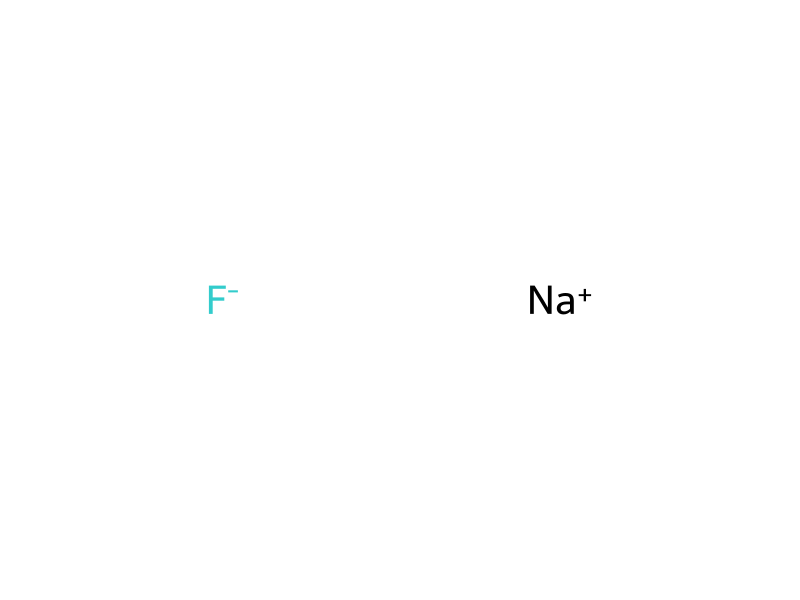
[F-].[Na+]
InChIKey
PUZPDOWCWNUUKD-UHFFFAOYSA-M
Summenformel
FNa
Durchschnittliche Molmasse
41,9882 g/mol
Monoisotopische Masse
41,9881725

Überblick

Sodium fluoride is a colorless crystalline solid or white powder, or the solid dissolved in a liquid. It is soluble in water. It is noncombustible. It is corrosive to aluminum. It is used as an insecticide. It is also used to fluorinate water supplies, as a wood preservative, in cleaning compounds, manufacture of glass, and for many other uses.

Namen und Bezeichner

Bevorzugter Name
Sodium Fluoride
IUPAC
sodium fluoride
Lokaler Name
Natriumfluorid
Englischer Name
Sodium fluoride
Summenformel
FNa
Molmasse
41.99

Namen und Synonyme

sodium fluoride7681-49-4Sodium fluoride (NaF)Fluoride, sodiumFlorocidPerganteneZymafluorPediaflorOssinSodium flourideFluonatrilFluorident
Weitere Namen anzeigen
NaFsodium florideDisodium difluorideFLUORIDE STANDARDSODIUM FLUORIDE FOR ANALYSIS EMSURE ACS,ISO,REAG. PH EURgeliiGleemcredoFlura
Sodium monofluorideVilliaumiteAntibulitFloridineFluoradayFluorolFlursolKaridium

Datenbank-Bezeichner

CAS
7681-49-4
PubChem CID
5235
DTXSID
DTXSID2020630
ChEMBL
CHEMBL1528
ChEBI
CHEBI:28741
UNII
8ZYQ1474W7

Eigenschaften

Berechnete StruktureigenschaftenWird ergänzt

Polarare Oberfläche (TPSA)
0 Ų
H-Brücken-Donoren
0
H-Brücken-Akzeptoren
1
Frei drehbare Bindungen
0
Schwere Atome
2
Formalladung
0
Komplexität
2

Experimentelle und physikochemische Eigenschaften

Chemical Classes · 2 Einträge

Other Classes -> Fluorides, Inorganic

Teratogens

CosmeticsOral care; Antiplaque
pH7.4 (Freshly prepared saturated soln)
SpringerMaterials Propertiescrystal structure
OdorOdorless
Taste · 2 Einträge

SALTY

5X10⁻³ moles/l in water (Taste detection)

Food AdditivesSTABILIZER OR THICKENER -> FDA Substance added to food
Density · 5 Einträge

2.79 at 68 °F (USCG, 1999) - Denser than water; will sink

2.78

2.8 g/cm³

2.78 @25 °C

2.78

Color/Form · 2 Einträge

Colorless, cubic or tetragonal crystals

White powder or colorless crystals [Note: Pesticide grade is often dyed blue].

Sicherheit und Regulatorisches

Sicherheitsangaben dienen nur zur Orientierung und ersetzen weder das Sicherheitsdatenblatt (SDB) des Lieferanten noch geltende Vorschriften oder eine fachliche Bewertung.

GHS-Klassifizierung

GHS Classification · 6 Einträge

Danger

H301: Toxic if swallowed [Danger Acute toxicity, oral]

P264, P264+P265, P270, P280, P301+P316, P302+P352, P305+P351+P338, P321, P330, P332+P317, P337+P317, P362+P364, P405, and P501 (click each P-code to see the statement)

This chemical does not meet GHS hazard criteria for 1.8% (11 of 623) of reports.

Danger

H301 (97.1%): Toxic if swallowed [Danger Acute toxicity, oral]

Gefahrenhinweise

Regulatory Information · 5 Einträge

Chemical: Sodium fluoride (NaF)

Sodium fluoride (NaF) is listed on the EPA's Chemical Data Reporting (CDR) system. Manufacturers and importers of Sodium fluoride (NaF) are required to report information about their production and use of this chemical to the EPA under the Toxic Substances Control Act (TSCA). (40 eCFR Part 711)

Status: Active Update: 26-10-2022 https://echa.europa.eu/registration-dossier/-/registered-dossier/14274

Sodium fluoride: Does not have an individual approval but may be used under an appropriate group standard

The New Jersey Worker and Community Right to Know Act requires public and private employers to provide information about hazardous substances at their workplaces. (N.J.S.A. 34:5A-1 et. seq.)

Other Safety InformationIMAP assessments - Sodium fluoride (NaF): Human health tier I assessment
DOT Label · 2 Einträge

Poison

Poison

Fire Hazards · 5 Einträge

Excerpt from ERG Guide 154 [Substances - Toxic and/or Corrosive (Non-Combustible)]:

Excerpt from ERG Guide 154 [Substances - Toxic and/or Corrosive (Non-Combustible)]:

· Non-combustible, substance itself does not burn but may decompose upon heating to produce corrosive and/or toxic fumes.

Chemie und Industrie

Pharmakologische Informationen

ATC Code · 4 Einträge

A - Alimentary tract and metabolism

A - Alimentary tract and metabolism

QA - Alimentary tract and metabolism

QA - Alimentary tract and metabolism

Protein BindingFluoride ions are bound to plasma proteins. The percentage of protein binding is not readily available in the evaluated literature.
Pharmacodynamics · 1 Eintrag

Sodium fluoride protects the teeth from acid demineralization while preventing tooth decay by bacteria while strengthening tooth enamel. It is important to note that excess fluoride exposure during tooth mineralization, especially in children 1-3 years old, may cause fluorosis. It is a condition manifested by white lines, pitting, or discoloration of teeth resulting from changes in tooth enamel. The risk of fluorosis can be decreased by the use of a rice-size amount of fluoridated toothpaste in children younger than 3 years old. It is recommended that no more than a pea-sized quantity of fluoridated toothpaste should be used for children from 3 to 6 years old. The American Dentistry Association (ADA) recommends that children should be closely supervised during toothpaste use to prevent excess fluoride ingestion.

Mechanism of Action · 5 Einträge

The prevention of dental caries by topical fluoride is achieved by various mechanisms. Sodium fluoride kills bacteria that cause caries, such a Streptococcus mutans and lactobacilli by interfering with their metabolic activities that result in the formation of lactic acid. Fluoride ions cause the inhibition of glycolytic and other enzymes involved in bacterial metabolism. It changes the permeability of cell membranes, lowering the pH in the cytoplasm of the cell, leading to a decrease in acidity, which is normally implicated in tooth decay. When administered at low topical doses, fluoride in both saliva and plaque and saliva prevent the demineralization of healthy tooth enamel while remineralizing teeth that have previously been demineralized. Sodium fluoride is absorbed by the surface of hydroxyapatite crystals on the teeth, which are necessary for mineralization. This renders the teeth more resistant to demineralization by changing the apatite crystal solubility. Sodium fluoride inhibits the demineralization of teeth in a pH-related manner. When used in high doses, in formulations such as the fluoride varnishes or gels, sodium fluoride forms a layer on the surface of tooth enamel. When the pH of the mouth is reduced due to acid production by bacteria such as S.mutans, fluoride is released, interfering with bacterial metabolism, and then acts to remineralize the teeth.

Zugehörige Reaktionen

201
Reaktionsaufzeichnung erstellen
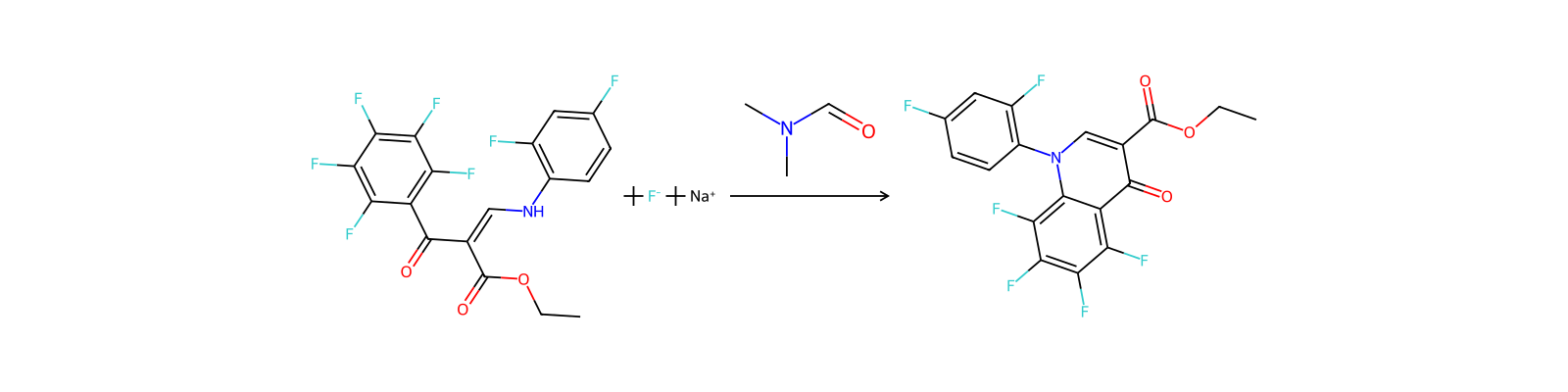
Reaktionsgleichung von HRID 6572
HRID 6572als Eduktuspto-grants-2006_08
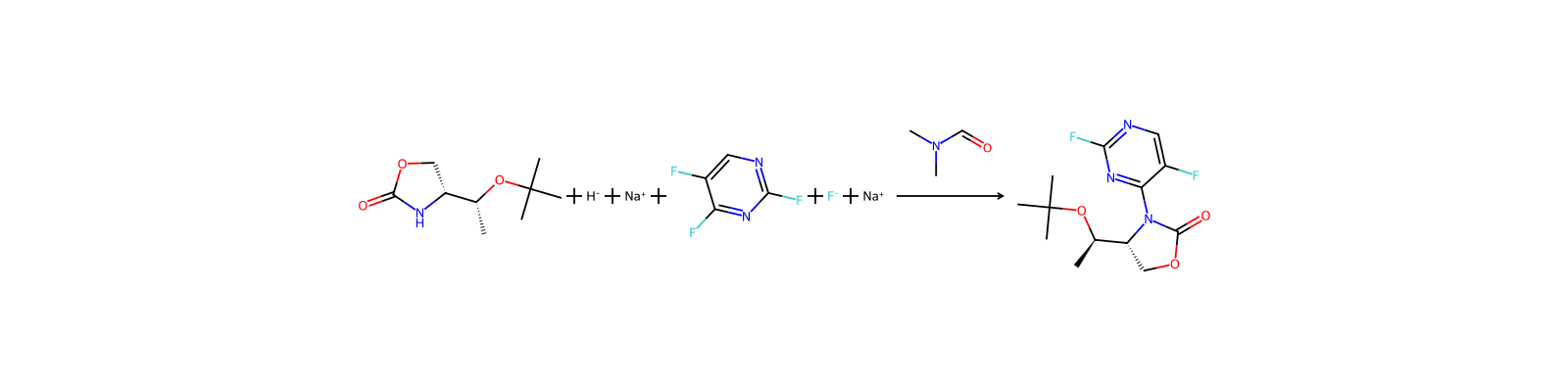
Reaktionsgleichung von HRID 6574
HRID 6574als Eduktuspto-grants-2006_08
Reaktionsgleichung von HRID 25482
HRID 25482als Eduktuspto-grants-2005_02
Reaktionsgleichung von HRID 32230
HRID 32230als Eduktuspto-grants-2008_09
Reaktionsgleichung von HRID 32247
HRID 32247als Eduktuspto-grants-2008_09
Reaktionsgleichung von HRID 36706
HRID 36706als Eduktuspto-grants-1995_05
Reaktionsgleichung von HRID 45061
HRID 45061als Eduktuspto-grants-2013_09
Reaktionsgleichung von HRID 57337
HRID 57337als Eduktuspto-grants-2016_09
Seite 1 von 26

Notizen zur Verbindung

Wird geladen…

Auf dieser SeiteGrundinformationenÜberblickNamen und BezeichnerEigenschaftenSicherheit und RegulatorischesChemie und IndustrieZugehörige ReaktionenNotizen zur Verbindung
Weitere Aktionen
Neue NotizNeue ReaktionAnfrage stellen
EC Number
231-667-8
Nikkaji
J44.030B
Solubility · 6 Einträge

10 to 50 mg/mL at 73 °F (NTP, 1992)

4g/100mL

Insoluble in alcohol

Solubility in water 4.0 g/100 ml water at 15 °C. Solubility in water 4.3 g/100 ml water at 25 °C. Solubility in water 5.0 g/100 ml water at 100 °C

Solubility in water, g/100ml at 20 °C: 4.0

4%

Human Drugs · 2 Einträge

FDA approved drugs -> Active ingredient

FDA approved drugs -> Active ingredient

Endocrine DisruptorsPotential endocrine disrupting compound

Physikochemische Eigenschaften

Schmelzpunkt
993 °C · 993 °C (lit.)
Siedepunkt
1700 °C · 1700 °C
Dichte
1.02 g/mL · 1.02 g/mL at 20 °C
Dampfdruck
1.4 mm · 1.4 mm Hg ( 0 °C)
Brechungsindex
1.336 · 1.336
Flammpunkt
1704 °C · 1704°C
storage temp.
2 · 2-8°C
Löslichkeit
2 O: · H2O: 0.5 M at 20 °C, clear, colorless
Aggregatzustand
powder
Farbe
White to off-white
Wichte
2.558 · 2.558
PH
7 · 7.0-10.0 (25℃, 0.5M in H2O)
Geruch (Odor)
Odorless
Wasserlöslichkeit
4 g/100 · 4 g/100 mL (25 ºC)
Spezifische Wärmekapazität
1.12 J/ · Cp(crystal): 1.12 J/(g·K), at 25℃
Merck
14 · 14,8618
Stabilität
Stable. Hydrolyzed by water. Reacts with mineral acids to generate highly toxic hydrogen fluoride. Incompatible with glass.
Kosmetik-Inhaltsstoffe Funktionen
ORAL CAREANTIPLAQUE
InChI
1S/FH.Na/h1H;/q;+1/p-1
InChIKey
PUZPDOWCWNUUKD-UHFFFAOYSA-M
SMILES
[F-].[Na+]
CAS Datenbank
7681 · 7681-49-4(CAS DataBase Reference)
NIST chemische Informationen
Sodium fluoride(7681-49-4)
EPA chemische Informationen
Sodium fluoride (7681-49-4)

· Non-combustible, substance itself does not burn but may decompose upon heating to produce corrosive and/or toxic fumes.

Not combustible. Gives off irritating or toxic fumes (or gases) in a fire.

Fire PotentialNot combustible.
Health Hazards · 4 Einträge

Ingestion may cause vomiting, abdominal pain, diarrhea, convulsions, collapse, thirst, disturbed color vision, acute toxic nephritis. (USCG, 1999)

Excerpt from ERG Guide 154 [Substances - Toxic and/or Corrosive (Non-Combustible)]:

· TOXIC and/or CORROSIVE; inhalation, ingestion or skin contact with material may cause severe injury or death.

· TOXIC and/or CORROSIVE; inhalation, ingestion or skin contact with material may cause severe injury or death.

Hazards Summary · 1 Eintrag

A skin, eye, and respiratory tract irritant; May cause fluorosis; [ICSC] The PEL and IDLH apply to sodium fluoride and other inorganic, solid fluorides. [NIOSH] Abnormal liver enzymes have been reported in cases of sodium fluoride toxicity. [HSDB] See FLUORIDES.

DOT ID and Guide · 3 Einträge

3415 154

1690 154

1690 154

FDA Requirements · 2 Einträge

Sodium fluoride is an indirect food additive for use only as a component of adhesives. Limitation: For use only as bonding agent for aluminum foil, stabilizer, or preservative. Total fluoride for all sources not to exceed 1 percent by weight of the finished adhesive.

The Approved Drug Products with Therapeutic Equivalence Evaluations List identifies currently marketed over-the-counter drug products, incl sodium fluoride, approved on the basis of safety and effectiveness by FDA under sections 505 of the Federal Food, Drug, and Cosmetic Act.

Reactive Group · 2 Einträge

Salts, Basic

Salts, Basic

EC ClassificationSymbol: T; R: 25-32-36/38; S: (1/2)-22-36-45
UN ClassificationUN Hazard Class: 6.1; UN Pack Group: III

Sicherheit und Schutzausrüstung

Fire Fighting · 3 Einträge

Excerpt from ERG Guide 154 [Substances - Toxic and/or Corrosive (Non-Combustible)]:

Excerpt from ERG Guide 154 [Substances - Toxic and/or Corrosive (Non-Combustible)]:

In case of fire in the surroundings, use appropriate extinguishing media. In case of fire: keep drums, etc., cool by spraying with water.

First Aid Measures · 4 Einträge

Fresh air, rest. Half-upright position. Refer for medical attention.

Remove contaminated clothes. Rinse skin with plenty of water or shower. Refer for medical attention .

First rinse with plenty of water for several minutes (remove contact lenses if easily possible), then refer for medical attention.

Rinse mouth. Induce vomiting (ONLY IN CONSCIOUS PERSONS!). Give one or two glasses of water to drink. Refer for medical attention .

Accidental Release Measures · 4 Einträge

· CALL 911. Then call emergency response telephone number on shipping paper. If shipping paper not available or no answer, refer to appropriate telephone number listed on the inside back cover.

· ELIMINATE all ignition sources (no smoking, flares, sparks or flames) from immediate area.

· CALL 911. Then call emergency response telephone number on shipping paper. If shipping paper not available or no answer, refer to appropriate telephone number listed on the inside back cover.

· ELIMINATE all ignition sources (no smoking, flares, sparks or flames) from immediate area.

First Aid · 5 Einträge

EYES: First check the victim for contact lenses and remove if present. Flush victim's eyes with water or normal saline solution for 20 to 30 minutes while simultaneously calling a hospital or poison control center. Do not put any ointments, oils, or medication in the victim's eyes without specific instructions from a physician. IMMEDIATELY transport the victim after flushing eyes to a hospital even if no symptoms (such as redness or irritation) develop.

Excerpt from ERG Guide 154 [Substances - Toxic and/or Corrosive (Non-Combustible)]:

General First Aid:

General First Aid:

(General first aid procedures)

Safe StorageSeparated from acids and food and feedstuffs.
Exposure Control and Personal Protection · 4 Einträge

· Wear positive pressure self-contained breathing apparatus (SCBA).

· Wear positive pressure self-contained breathing apparatus (SCBA).

Biological Exposure Indices (BEI) [ACGIH] - Fluorides in urine = 2 mg/L prior to shift or 3 mg/L at end of shift; (Repeated measurements recommended.)

1.0 [mg/m3], as F, inhalable fraction[German Research Foundation (DFG)]

Fire Fighting Procedures · 2 Einträge

Extinguish fire using agent suitable for type of surrounding fire (material itself does not burn or burns with difficulty). Use water in flooding quantities as fog; Cool all affected containers with flooding quantities of water; Apply water from as far a distance as possible. /Sodium fluoride solution/

If material involved in fire: Extinguish fire using agent suitable for type of surrounding fire (Material itself does not burn or burns with difficulty.) Use water in flooding quantities as fog. Use "alcohol" foam, dry chemical or carbon dioxide.

Storage Conditions · 3 Einträge

Aqueous solutions of sodium fluoride slowly decompose and become alkaline when stored in glass. Therefore, sodium fluoride solutions should be stored in tight, plastic containers, especially if the pH of the solution is less than 7.5. Sodium fluoride solutions and tablets should be stored at a temperature less than 40 °C, preferably between 15-30 °C; freezing of the solutions should be avoided. Sodium fluoride is incompatible with calcium and magnesium salts.

Store in a cool, dry, well-ventilated location. Separate from acids and alkalies.

Sodium fluoride /container/ ... should be colored to help distinguish it from table salt or flour.

Cleanup Methods · 3 Einträge

Environmental considerations-land spill: Dig a pit, pond, lagoon, holding area to contain liquid or solid material; /SRP: If time permits, pits, ponds, lagoons, soak holes, or holding areas should be sealed with an impermeable flexible membrane liner./ Cover solids with a plastic sheet to prevent dissolving in rain or fire fighting water. /Sodium fluoride solution/

Environmental considerations-water spill: Neutralize with agricultural lime (CaO), crushed limestone (CaCO3) or sodium bicarbonate (NaHCO3). Adjust pH to neutral (pH= 7). /Sodium fluoride solution/

Shovel into suitable dry container. Control runoff and isolate discharged material for proper disposal.

Nonfire Spill Response · 2 Einträge

Excerpt from ERG Guide 154 [Substances - Toxic and/or Corrosive (Non-Combustible)]:

Excerpt from ERG Guide 154 [Substances - Toxic and/or Corrosive (Non-Combustible)]:

Disposal Methods · 4 Einträge

SRP: The most favorable course of action is to use an alternative chemical product with less inherent propensity for occupational exposure or environmental contamination. Recycle any unused portion of the material for its approved use or return it to the manufacturer or supplier. Ultimate disposal of the chemical must consider: the material's impact on air quality; potential migration in soil or water; effects on animal, aquatic, and plant life; and conformance with environmental and public health regulations.

Group III Containers (both combustible and non-combustible) that previously held organic mercury, lead, cadmium, arsenic, or inorganic pesticides should be triple rinsed, punctured and disposed of in a sanitary landfill. Non-rinsed containers should be encapsulated and buried at a specially designated landfill site. /Organic mercury, lead, cadmium, arsenic, or inorganic pesticides/

A suggested disposal method converts the soluble fluoride ions to insoluble calcium fluoride ... a naturally occurring mineral (fluorspar) which can safely be added to a landfill. The method is as follows: add slowly to a large container of water. Stir in slight excess of Na2CO3 /sodium carbonate/. If fluoride is present add Ca(OH)2 /calcium hydroxide/ also. Let stand 24 hr. Decant or siphon into another container and neutralize with 6 m HCl /hydrochloric acid/ before washing down with large cxcess of water. The sludge may be added to landfill. Recommendable methods: Precipitation & landfill.

Precipitation & landfill: Industry wastes with a high fluoride concn are treated in two phases. By adding CaO /calcium oxide/, the soluble fluorides are precipitated as CaF2 /calcium fluoride/ until the concn has been reduced to 10 mg/l. The compact sludge is disposed of on special waste dumps.

Spillage Disposal · 1 Eintrag

Personal protection: particulate filter respirator adapted to the airborne concentration of the substance. Sweep spilled substance into covered containers. Carefully collect remainder. Then store and dispose of according to local regulations.

Toxikologische Informationen

Interactions · 5 Einträge

... To examine the efficacy and safety of administration of calcium and magnesium orally and intraperitoneally to treat severe sodium fluoride intoxication ... mice were initially gavaged a lethal dose of sodium fluoride (NaF) or water. Then, mice were treated with water or varying concentrations of calcium chloride (CaCl2) or magnesium sulfate (MgSO4) via intraperitoneal (IP) route or via oral route. Mice were monitored for 24 h, and the time of death was recorded. ... Intraperitoneal injections of large amounts of CaCl2 or MgSO4 were dangerous. All mice gavaged with water and then treated with oral CaCl2 or MgSO4 survived and displayed normal activity during the experiment. The survival rate of mice gavaged with a lethal dose of NaF and then treated with a high dose of oral CaCl2 or MgSO4 was significantly higher than those of using low dose. /The authors concluded that/ oral administration of a high dose of CaCl2 or MgSO4 is a simple, safe, and effective adjunctive method for treating severe oral fluoride poisoning.

Sodium fluoride added with or without sodium selenite in deionized water was administered to male mice for 8 weeks. The influences of fluoride on learning-memory behavior were tested on Y-maze, and the ultrastructure of Gray I synaptic interface in the CA3 area hippocampus was quantitatively analyzed by electron microscopy and computer image processing appliance. The main results showed that the learning capability of mice drinking higher concentration of fluoride presented remarkable deterioration. The thickness of post-synaptic density (PSD) was decreased. The width of the synaptic cleft was remarkably increased. It was found that combined administration of fluoride and proper concentration of selenium could decrease the toxic effect of fluoride. There were synergetic toxicities if the concentration of selenium was too high. The results suggested that selenium might antagonize the neurotoxicity of fluoride on behavior and morphology.

The aim of the study was to evaluate the effect of tamoxifen and natrium fluoride (NaF) on bone metabolism, biochemical properties and blood lipids levels in ovariectomized rats. The study was performed in Wistar rats divided into 5 subgroups: ovariectomized controls, rats treated with NaF 20 mg/kg/24 hr, rats treated with NaF 20 mg/kg/24 hr+tamoxifen 2 mg/kg/24 hr, rats treated with NaF 20 mg/kg/24 hr plus tamoxifen 4 mg/kg/24 hr, and sham-operated controls. In ovariectomized rats the increase of total cholesterol, low-density lipoproteins cholesterol (LDL-cholesterol) as well as the decrease of bone mineral content, bone mineral density and biomechanical properties was observed. The therapy with NaF increased the level of total cholesterol, LDL-cholesterol, triglycerides, bone mineral density, bone mineral content. In this group the decrease of bone strength and stiffness was observed. The administration of tamoxifen reduced the changes in plasma lipid levels, but did not improve the biomechanical properties of bone tissue.

The study was conducted to characterize the action of NaF, which had relaxing property in carbachol precontracted isolated bovine bronchus, on airway responsiveness challenged by acetylcholine receptor agonists in rats and asthmatic humans. Tracheal flow rate and airway resistance were measured in anaesthetized rats. NaF was delivered either before carbachol challenge or together with carbachol. Patients with mild asthma were challenged with methacholine aerosol, and NaF was delivered when FEV1 fell by more than 20%. The results indicated that: (1) in rats NaF significantly inhibited carbachol-induced bronchial constriction when inhaled prior to carbachol challenge as airway resistances in the NaF and NaF+verapamil groups were significantly lower than those in the control group; (2) NaF significantly reversed carbachol or methacholine-induced bronchial constriction in asthmatic patients. In conclusion, NaF, delivered in form of aerosol, reduced bronchial responsiveness to carbachol in rats and had a bronchodilating effect on rat and human airways precontracted by inhalation of acetylcholine analogs.

For more Interactions (Complete) data for SODIUM FLUORIDE (12 total), please visit the HSDB record page.

Target OrgansEyes, skin, respiratory system, central nervous system, skeleton, kidneys
Ecotoxicity Values · 5 Einträge

LC50; Species: Chlorella vulgaris (Green algae); Conditions: freshwater; static; Concentration: 7000 uM for 3 day /total/

LC50; Species: Chlorella vulgaris (Green algae); Conditions: freshwater; static; pH 6.0; Concentration: 14000 uM for 15 day /total/

LC50; Species: Chlorella vulgaris (Green algae); Conditions: freshwater; static; pH 6.8; Concentration: 20000 uM for 15 day /total/

EC50; Species: Ceriodaphnia dubia (Water flea); Conditions: freshwater; static; Concentration: 157.9 g/cu m (95% confidence limit: 110 to 225.1 g/cu m) for 24 hr /total/

For more Ecotoxicity Values (Complete) data for SODIUM FLUORIDE (30 total), please visit the HSDB record page.

Adverse EffectsOccupational hepatotoxin - Secondary hepatotoxins: the potential for toxic effect in the occupational setting is based on cases of poisoning by human ingestion or animal experimentation.
Exposure Routes · 2 Einträge

The substance can be absorbed into the body by inhalation of its aerosol and by ingestion.

inhalation, ingestion, skin and/or eye contact

Ecotoxicity Excerpts · 3 Einträge

/AQUATIC SPECIES/ Safe concentrations (SCs) and EC50s of fluoride ion (F-) for five species of aquatic insect larvae, Chimarra marginata, Hydropsyche bulbifera, H. exocellata, H. lobata, and H. pellucidula, are estimated from short-term toxicity bioassays using the multifactor probit analysis (MPA) software on sublethal data. The sublethal effect is defined as net larva migration. The 24, 48, 72, and 96-h EC50s (mg F-/L) were 178.06, 63.90, 45.41, and 38.28 for C. marginata; 90.06, 36.20, 26.71, and 22.95 for H. bulbifera; 122.64, 42.45, 29.80, and 24.97 for H. exocellata; 238.50, 76.22, 52.12, and 43.09 for H. lobata; and 185.05, 53.74, 35.58, and 28.96 for H. pellucidula. SC values (or 8760-h EC0.01s) were 1.79 for C. marginata, 0.73 for H. bulbifera, 0.56 for H. exocellata, 1.18 for H. lobata, and 0.39 for H. pellucidula. Thus, C. marginata and H. lobata appears to be less sensitive species to fluoride toxicity during short-term and long-term exposures. This difference in sensitivity to fluoride among test species is not dependent upon the body size of net-spinning caddisfly larvae; Pearson correlation analysis between estimated SCs and larva dry weights was not significant (P>0.05). On the other hand, SCs calculated for test species are lower than those proposed for other freshwater and marine animals. It is concluded that the multifactor probit analysis of sublethal acute toxicity data can be a valuable methodology in environmental toxicology to estimate accurate safe concentrations of chemical compounds for aquatic organisms. /Fluoride/

/AQUATIC SPECIES/ Fish exposed to poisonous amounts of sodium fluoride become apathetic, lose weight, have periods of violent movement, and wander aimlessly. Finally, there is a loss of equilibrium accompanied by tetany and death. Mucous secretion increases, accompanied by proliferation of mucous producing cells in the respiratory and integumentary epithelium.

/OTHER TERRESTRIAL SPECIES/ /It was/ demonstrated that untreated earthworms (Lumbricus terrestris) from which gut soil had been removed (depurated) contained only 6% of the amount of fluoride reported in whole worms. Worms kept in soil were exposed to a sodium fluoride concentration of 1000 mg/L for 30 days. The fluoride content of the worms was established either at the end of exposure or following an 8-day starvation period. The fluoride concentration in treated worms with their gut contents washed out was more than 6 times greater than the fluoride concentration of untreated worms. Even after an 8-day starvation period, the concentration in exposed worms was 4 times greater than the concentration in the unexposed worms. The fluoride concentration in the worms was always lower than the concentration in the soil.

Signs and Symptoms · 5 Einträge

Cough. Sore throat.

Redness.

Redness. Pain.

Abdominal pain. Burning sensation. Convulsions. Drowsiness. Cough. Diarrhoea. Sore throat. Vomiting. Unconsciousness.

irritation eyes, respiratory system; nausea, abdominal pain, diarrhea; salivation, thirst, sweating; stiff spine; dermatitis; calcification of ligaments of ribs, pelvis

Ongoing Test Status · 1 Eintrag

The following link will take the user to the National Toxicology Program (NTP) Test Agent Search Results page, which tabulates all of the "Standard Toxicology & Carcinogenesis Studies", "Developmental Studies", and "Genetic Toxicity Studies" performed with this chemical. Clicking on the "Testing Status" link will take the user to the status (i.e., in review, in progress, in preparation, on test, completed, etc.) and results of all the studies that the NTP has done on this chemical. [http://ntp-apps.niehs.nih.gov/ntp_tox/index.cfm?fuseaction=ntpsearch.searchresults&searchterm=7681-49-4]

Medical SurveillanceFluoride levels in urine should be checked periodically and all workers should be subjected to periodical skeletal X-ray exam particularly of the pelvis. /Fluoride and cmpd/
Natural Pollution Sources · 2 Einträge

At Lake Magadi Kenya, raw trona is dredged from encrustations on the lake, crushed, washed, and calcined to convert the sodium sesquicarbonate to soda ash. The calcined material is crushed and screened to produce a dense product with ... a characteristically high (1.0%) sodium fluoride content.

Because it is so reactive, fluorine rarely, if ever, occurs naturally in the elementary state, existing instead in the ionic form or as a variety of inorgainc and orgainc fluorides. Rocks, soil, water, air, plants, and animals all contain fluoride in widely-varying concentrations. /Fluoride and fluorine/

Human Toxicity Excerpts · 5 Einträge

/HUMAN EXPOSURE STUDIES/ Two adults were able to withstand a dose of 250 mg with minimal illness. One volunteer experienced slight nausea and epigastric distress lasting about 5 hr and salivation, which was intense for 15 to 30 min and stopped in half an hour; an itching sensation on his hands and feet lasted for about a week. Another volunteer, who took 250 mg of sodium fluoride on an empty stomach, experienced nausea, which appeared in 2 min and in 20 min incr to a max accompanied by greatly incr salivation and some retching but no vomiting. Two hr after the dose, lunch was eaten but was immediately vomited. Slight nausea continued throughout the following day but disappeared on the second day.

/SIGNS AND SYMPTOMS/ Acute, nonfatal poisoning is characterized by gastroenteritis (sudden nausea and vomiting, abdominal cramps, burning pain, and diarrhea) lasting for 3 to 6 hr and followed by collapse involving stupor and weakness lasting about 36 hr. Tetany may occur as a result of calcium depletion. In fatal poisoning, muscular weakness appears early and is accompanied by a marked fall in blood pressure; tremor may be followed by clonic convulsions; dyspnea may be accompanied by a grayish-blue cyanosis. Death from respiratory and cardiac arrest may occur a few min to 10 hr or more after ingestion but usually in 3 or 4 hr.

/SIGNS AND SYMPTOMS/ In case of poisoning, plasma calcium may be decr and there is generally a disruption of fluid balance as a result of vomiting. Albuminuria is common ... In acute fatal poisoning there is corrosion of the stomach and sometimes other parts of the gastrointestinal tract. Frequently there is edema of the brain and lungs and petechial hemorrhages of the lungs and heart.

/SIGNS AND SYMPTOMS/ severe acute fluoride overdose can cause hypocalcemia and tetany and bone pain, especially in the feet and ankles, of uncertain cause; electrolyte disturbances and cardiac arrhythmias have been reported, progressing to cardiac failure or respiratory arrest in some cases.

For more Human Toxicity Excerpts (Complete) data for SODIUM FLUORIDE (18 total), please visit the HSDB record page.

Artificial Pollution Sources · 1 Eintrag

FROM FACTORIES, PROCESSING FLUORINE CONTAINING ORES, DUSTS MAY CONSIST OF SODIUM FLUORIDE VOLATILIZED .../AND/... THEN CONDENSED BY COOLER SURROUNDING AIR. LEAVES OF PLANTS MAY COLLECT SOME OF THE DUST. EXTENT OF CONTAMINATION WILL DEPEND UPON TOPOGRAPHY OF SURROUNDING TERRAIN & ESPECIALLY DIRECTION OF PREVAILING WIND.

Regulatorische Informationen

FDA Requirements · 2 Einträge

Sodium fluoride is an indirect food additive for use only as a component of adhesives. Limitation: For use only as bonding agent for aluminum foil, stabilizer, or preservative. Total fluoride for all sources not to exceed 1 percent by weight of the finished adhesive.

The Approved Drug Products with Therapeutic Equivalence Evaluations List identifies currently marketed over-the-counter drug products, incl sodium fluoride, approved on the basis of safety and effectiveness by FDA under sections 505 of the Federal Food, Drug, and Cosmetic Act.

FIFRA Requirements · 1 Eintrag

As the federal pesticide law FIFRA directs, EPA is conducting a comprehensive review of older pesticides to consider their health and environmental effects and make decisions about their future use. Under this pesticide reregistration program, EPA examines health and safety data for pesticide active ingredients initially registered before November 1, 1984, and determines whether they are eligible for reregistration. In addition, all pesticides must meet the new safety standard of the Food Quality Protection Act of 1996. Pesticides for which EPA had not issued Registration Standards prior to the effective date of FIFRA '88 were divided into three lists based upon their potential for human exposure and other factors, with List B containing pesticides of greater concern and List D pesticides of less concern. Sodium fluoride is found on List C. Case No: 3132; Pesticide type: insecticide, fungicide; Case Status: OPP is reviewing data from the pesticide's producers regarding its human health and/or environmental effects, or OPP is determining the pesticide's eligibility for reregistration and developing the RED document.; Active ingredient (AI): sodium fluoride; Data Call-in (DCI) Date(s): 9/30/1992; AI Status: The producers of the pesticide have made commitments to conduct the studies and pay the fees required for reregistration, and are meeting those commitments in a timely manner..

CERCLA Reportable Quantities · 1 Eintrag

Persons in charge of vessels or facilities are required to notify the National Response Center (NRC) immediately, when there is a release of this designated hazardous substance, in an amount equal to or greater than its reportable quantity of 1000 lb or 454 kg. The toll free number of the NRC is (800) 424-8802. The rule for determining when notification is required is stated in 40 CFR 302.4 (section IV. D.3.b).

Clean Water Act Requirements · 1 Eintrag

Sodium fluoride is designated as a hazardous substance under section 311(b)(2)(A) of the Federal Water Pollution Control Act and further regulated by the Clean Water Act Amendments of 1977 and 1978. These regulations apply to discharges of this substance. This designation includes any isomers and hydrates, as well as any solutions and mixtures containing this substance.

State Drinking Water Standards · 3 Einträge

(CA) CALIFORNIA 2,000 ug/L /Fluoride/

(DE) DELAWARE 2,000 ug/L /Fluoride ion/

(PA) PENNSYLVANIA 2,000 ug/L /Fluoride ion/

State Drinking Water Guidelines · 2 Einträge

(AZ) ARIZONA 4,000 ug/L /Fluoride ion/

(ME) MAINE 1,680 ug/L /Fluoride ion/

Federal Drinking Water StandardsEPA 4,000 ug/L /Fluoride ion/
Federal Drinking Water GuidelinesEPA 2,000 ug/L /Fluoride ion/

Sicherheitsdaten

F
10
OEB
B
OEL
TWA: 2.5 mg/m3 [*Note: The REL also applies to other inorganic, solid fluorides (as F).]
wgk
1
tsca
TSCA listed
ridadr
UN 3415 6.1/PG III (SODIUM FLUORIDE SOLUTION)
hs_code
2826 19 10
RTECS-Nr.
WB0350000
risk_code
25-32-36/38-22
Toxizität
LD50 orally in rats: 0.18 g/kg (Smyth)
hazard_code
T,Xn
hazard_note
Toxic/Hygroscopic
safety_code
23-24/25-45-36-22
hazard_class
6.1
packing_group
III
Speicherklasse
6.1D - Non-combustible acute toxic Cat.3toxic hazardous materials or hazardous materials causing chronic effects
Giftige Stoffe Daten
7681-49-4(Hazardous Substances Data)
Hazard Classifications
Acute Tox. 3 OralEye Irrit. 2Skin Irrit. 2

Fluoride ion becomes incorporated into and stabilizes the apatite crystal of bone and teeth. Fluoride acts primarily to promote remineralization of decalcified enamel and may interfere with growth and development of dental plaque bacteria. Deposition of fluoride ion in the enamel surface of teeth increases resistance to acid and to development of caries.

In fluorosis uncomplicated by systemic illness, fluoride ion appears to be deposited in place of hydroxyl ion in the hydroxyapatite of bone. There is little or no change in the calcium ... or phosphate ... content of the bone. A part of the fluorine deposited in bone is readily excreted after fluoride feeding is stopped, but another part is more firmly held. /Fluorosis/

Fluoride is very reactive and capable of inhibiting a number of enzymes, incl preglycolytic enzymes, phosphatases, and cholinesterase. The result is inhibition of cellular glucose phosphorylation (hence subsequent glycolysis) and respiration and incr sensitivity of cholinergic mechanisms to acethycholinesterase.

Inhibition of one or more enzymes controlling cellular glycolysis (& perhaps resp) may result in a critical lesion. ... binding or precipitation of calcium as calcium fluoride ... suggested as mechanism underlying many diverse signs & symptoms in fluoride poisoning, particularly if death is delayed. ... at least in some species fluoride interferes with both contractile power of heart and the mechanism of beat in a way that cannot be ascribed to hypocalcemia. /Fluoride/

Biological Half-Life · 2 Einträge

The terminal plasma elimination half-life following the ingestion of fluoridated drinking water generally ranges from 3 to 10 hours. The half-life of sodium fluoride in the bones is 20 years.

Following oral admin of sodium fluoride to rabbits, the fluoride concn of plasma rose rapidly from a range of 0.01 to 0.07 ppm to a maximal level usually within 1 hr and then usually declined with a half-life of 4 or 5 hr.

Metabolism/Metabolites · 1 Eintrag

Several factors can affect the metabolism of sodium fluoride. These include disorders of acid-base balance, circadian rhythm, hematocrit level, high or low altitude, the level physical activity, hormonal status, renal function, genetic predispositions in addition to the diet.

FDA Pharmacological Classification · 2 Einträge

SODIUM FLUORIDE

Vitamin D [CS]; Vitamin A [CS]; Vitamin B 6 [Chemical/Ingredient]; Vitamin D [EPC]; Vitamin A [EPC]; Vitamin B6 Analog [EPC]; Vitamin C [EPC]; Vitamin B 12 [CS]; Analogs/Derivatives [Chemical/Ingredient]; Ascorbic Acid [CS]; Vitamin B12 [EPC]

MeSH Pharmacological ClassificationSubstances that inhibit or arrest DENTAL CARIES formation. (Boucher's Clinical Dental Terminology, 4th ed)
Absorption, Distribution and Excretion · 6 Einträge

Sodium fluoride is 90% absorbed from the gastrointestinal tract, with 77% of absorption in the proximal intestine and about 25% in the stomach. The rate of absorption may vary according to gastric pH. Cmax is reached 20-60 minutes after ingestion. Cmax was estimated to be 848 ± 116 ng/mL after a 20mg sodium fluoride solution was ingested, with a Tmax of 0.46 ± 0.17 hours. The bioavailability of sodium fluoride tablets administered in the fasted state during one pharmacokinetic study approached 100%. Another resource reports a sodium fluoride AUC of 1.14 ± 0.12 μg × h/mL after the ingestion of fluoridated water.

Sodium fluoride is rapidly excreted, mainly in the urine. About 90% of fluoride is filtered by the glomerulus and reabsorbed by the renal tubules. About 10% is excreted in the feces.

Fluoride distributes to the saliva, bones, and teeth, and is also found in lesser quantities in the breastmilk and sweat. After the ingestion of sodium fluoridated drinking water, the fluoride ions are found to distribute to the plasma and blood cells. Plasma levels of fluoride concentrations are twice as the concentrations found in blood cells. Adults have been found to retain 36% of ingested fluoride and children have been found to retain about 50% of a dose. Most of the retained fluoride is localized to bone and teeth and 1% accumulates in soft tissues. Fluoride crosses the placenta and the blood-brain barrier. The central nervous system concentrations of sodium fluoride are estimated to reach 20% the plasma concentrations. Studies conducted in communities with high levels of fluoride in water did not show any increase in birth defects. The placenta is able to regulate the accumulation of excess fluoride, possibly protecting the fetus from high levels of fluoride. Despite this, excessively high exposure to fluoride in utero may lead to skeletal fluorosis.

Sodium fluoride is rapidly cleared by the kidneys and depends on various factors, including glomerular filtration rate, urine flow, and urine pH. According to one clinical study evaluating the pharmacokinetics of oral sodium fluoride tablets in healthy young adults, the renal clearance was determined to be 77.4 ± 11.2mL/min for acidic urine and 78.4 ± 6.9mL/min for alkaline urine. Another reference estimates the renal clearance of fluoride ions from sodium fluoridated water at 35–45 mL/min.

During the growth phase of the skeleton, a relatively high portion of an ingested fluoride dose will be deposited in the skeleton. In infants and children with skeletal growth or individuals not consuming fluoridated drinking-water, up to 75% of the daily amount of fluoride that is absorbed may be incorporated into skeletal tissue. When a fluoride dose (e.g., a fluoride tablet or an infant formula diluted with fluoridated drinking-water) is given to infants, the retention will be strongly correlated with the absorbed fluoride dose per kilogram body weight: the higher the fluoride dose, the higher the fluoride retention. Retention of fluoride following intake of a fluoride supplement of 0.25 mg given to infants was shown to be as high as 80-90%. In a study with adults (aged 23-27 years) in which fluoride was given as a single intravenous injection, about 60% of the injected dose (3 mg fluoride as sodium fluoride) was retained.

Experimental studies performed in vivo with rats and in vitro with isolated segments of dog jejunum have indicated that fluoride (as sodium fluoride) is rapidly absorbed from the stomach and intestinal tract in animals. The rate at which fluoride is absorbed from the stomach is inversely related to the pH of the stomach contents

Verwendung und Herstellung

Uses · 6 Einträge

Used for fluoridation of drinking water and dental preparations to prevent caries; Used in electroplating, steel production, and glass frosting; [AHLS, p. 437]

Steel Producing [Category: Industry]

For sodium fluoride (USEPA/OPP Pesticide Code: 75202) ACTIVE products with label matches. /SRP: Registered for use in the U.S. but approved pesticide uses may change periodically and so federal, state and local authorities must be consulted for currently approved uses./

IN ELECTROPLATING; IN HEAT TREATING SALT COMPOSITIONS; FOR DISINFECTING FERMENTATION APPARATUS IN BREWERIES AND DISTILLERIES; MFR COATED PAPER; FROSTING GLASS; IN DENTAL LAB; IN REMOVAL OF HYDROGEN FLUORIDE FROM EXHAUST GASES TO REDUCE AIR POLLUTION

Fungicide, rodenticide, glass manufacture

Fluoridation agent in drinking water; a flux in the manufacture of rimmed steel, aluminum, and magnesium; a fungicide; a glass frosting agent; a component of glues and adhesives; an agent in ore flotation; a stainless steel pickling agent; a toothpaste ingredient; a component of vitreous enamels; and a component of wood preservatives.

Impurities · 2 Einträge

... Sodium and aluminum fluosilicates

Sulfates & iron

U.S. Imports(1977) AT LEAST 5.95X10+7 G
U.S. Production · 5 Einträge

2023: 4,722,187 lb

(1977) AT LEAST 4.60X10+8 G

(1986) 5.44X10+9 g /estimate/

Production volumes for non-confidential chemicals reported under the Inventory Update Rule. [Table#3558]

In 2004, participating countries declared 298.6 metric tons of potassium fluoride and reported that no metric tons of this category 2 unscheduled chemical were destroyed.

Consumer UsesNot Known or Reasonably Ascertainable
Industry UsesNot Known or Reasonably Ascertainable
Methods of Manufacturing · 3 Einträge

Prepared by fusing cryolite with sodium hydroxide

Normally manufactured by the reaction of hydrofluoric acid with soda ash (sodium carbonate) or caustic soda (sodium hydroxide), with control of pH essential and proper agitation necessary to obtain the desired crystal size.

Sodium fluoride ... is prepared by neutralizing aqueous hydrogen fluoride with sodium bicarbonate ...

Formulations/Preparations · 5 Einträge

Commercial grade (purity 93-99%) is used to prepare baits

Technical grades are 90% and 95% NaF, light (37 cu in/lb) and dense (23 cu in/lb), and 98%

Sodium fluoride solution contains not less than 95% and not more than 105.0% of the labelled amount of sodium fluoride, USP XXI

The purity of the commercial material is about 98%

For more Formulations/Preparations (Complete) data for SODIUM FLUORIDE (8 total), please visit the HSDB record page.

Household ProductsInformation on 204 consumer products that contain Sodium fluoride in the following categories is provided:
Use ClassificationCosmetics -> Oral care; Antiplaque
General Manufacturing Information · 6 Einträge

Other (requires additional information)

Sodium fluoride (NaF): ACTIVE

Sodium fluoride is an unscheduled precursor to Perren-Kinnear complex.

NOT APPROVED FOR /INSECTICIDAL/ USE IN BARNS, GRAIN BINS, POULTRY HOUSES.

Sodium fluoride sold as household insecticide must be tinted Nile Blue.

Prepared ... by adding equiv amt of sodium hydroxide or sodium carbonate to 40% hydrogen fluoride (precipitation is instantaneous and crystal size depends on pH, but too much hydrogen fluoride yields sodium bifluoride, NaHF2): Muller, Chem-Ztg 52, 5 (1928) ...

Anwendungen · 1 Eintrag

BeschreibungSodium fluoride, NaF, is a binary salt that is a clear, lustrous crystal or white powder. The insecticide grade is frequently dyed blue. It is soluble in water and has a specific gravity of 2.558, which is heavier than water. Sodium fluoride is highly toxic by ingestion and inhalation, and is also strongly irritating to tissue. The TLV is 2.5 mg/m3 of air. The four-digit UN identification number is 1690. The primary uses are fluoridation of municipal water at 1 ppm, as an insecticide, rodenticide, and fungicide, and in toothpastes and disinfectants.

Darstellung · 1 Eintrag

synthetischeSodium fluoride is prepared by adding sodium hydroxide or sodium carbonate to a 40% solution of hydrofluoric acid. In excess hydrofluoric acid, sodium bifluoride, NaHF2 , is formed. NaF also is made by fusion of cryolite with caustic soda. Technical grade products are usually sold at 90 to 95% purity.

Vor- und nachgelagerte Produkte

Vorgelagerte Rohstoffe

KohlenmonoxidPHOS ROCK FERTILIZER IN BULKSilicateHexafluorokieselsureCalciumfluoridHexafluorosilikate, Natrium-Salzphosphoric acid by wet processNatriumhydroxidFluorwasserstoffFumed SilicaNatriumcarbonat

Nachgelagerte Produkte

2-Fluoro-3-nitropyridine3-Amino-2-fluoropyridineDinatriumfluorophosphatDregs removerHexafluorosilikate, Natrium-Salz

Ergänzende Hinweise

DefinitionChEBI: Sodium fluoride is a metal fluoride salt with a Na(+) counterion. It has a role as a mutagen.