

Grundinformationen
- Standard-SMILES
C[C@]12CC[C@@H]3c4ccc(O)cc4CC[C@H]3[C@@H]1CC[C@@H]2O- InChIKey
VOXZDWNPVJITMN-ZBRFXRBCSA-N- Summenformel
- C18H24O2
- Durchschnittliche Molmasse
- 272,4 g/mol
- Monoisotopische Masse
- 272,17763001
Überblick
17beta-estradiol is the 17beta-isomer of estradiol. It has a role as a geroprotector, an estrogen, an EC 1.2.3.1 (aldehyde oxidase) inhibitor, a mouse metabolite, a human metabolite and a Daphnia magna metabolite. It is an estradiol and a 17beta-hydroxy steroid.
Namen und Bezeichner
- Bevorzugter Name
- Estradiol
- IUPAC
- (8R,9S,13S,14S,17S)-13-methyl-6,7,8,9,11,12,14,15,16,17-decahydrocyclopenta[a]phenanthrene-3,17-diol
- Englischer Name
- DL-Estradiol
- Summenformel
- C18H24O2
- Molmasse
- 272.38
Namen und Synonyme
estradiolbeta-Estradiol50-28-217beta-EstradiolOestradiolEstraceDihydrofolliculinAquadiolDiogynetsDivigelVivelleDiogyn
Weitere Namen anzeigen
DL-Estradiolrac-Oestradiol-17-βEstradiol, (+-)- (8CI)rac-(8α)-estra-1,3,5(10)-triene-3,17β-diolEstra-1,3,5(10)-triene-3,17-diol (17b)-, (+-)-Estra-1,3,5(10)-triene-3,17-diol (17β)-, (±)- (9CI)
DihydrotheelinDihydroxyestrinDimenformonEstradermFemestralGynoestrylAerodiolClimara
Datenbank-Bezeichner
- CAS
17916-67-5、50-28-2- PubChem CID
- 5757
- DTXSID
DTXSID0020573- ChEMBL
CHEMBL135- ChEBI
CHEBI:16469- UNII
- 4TI98Z838E
- EC Number
- 200-023-8
- Nikkaji
- J4.100I
Eigenschaften
Berechnete Struktureigenschaften
- XLogP
- 4
- Polarare Oberfläche (TPSA)
- 40,5 Ų
- H-Brücken-Donoren
- 2
- H-Brücken-Akzeptoren
- 2
- Frei drehbare Bindungen
- 0
- Schwere Atome
- 20
- Formalladung
- 0
- Komplexität
- 382
Experimentelle und physikochemische Eigenschaften
Chemical ClassesHormone and(or) waste-water effluent contaminant
Drugs
Pharmaceutical
Pharmaceuticals -> Listed in ZINC15
LipidsLipids -> Sterol Lipids [ST] -> Steroids [ST02] -> C18 steroids (estrogens) and derivatives [ST0201]
LogP
log Kow = 4.01 /B-estradiol/
4.01
OdorOdorless
Color/Form
White crystalline powder. Prisms from 80% alcohol
White or slightly yellow, small crystals or crystalline powder
Solubility
Very soluble in acetone, ethanol, dioxane
Freely soluble in alcohol; soluble in acetone, dioxane, other organic solvents; solutions of fixed alkali hydroxides; sparingly soluble in vegetable oils.
In water, 3.90 mg/L at 27 °C
0.0036 mg/mL
Human Drugs
Breast Feeding; Lactation; Milk, Human; Estrogens; Hormones
FDA approved drugs -> Active ingredient
FDA approved drugs -> Active ingredient
Animal Drugs
Active Ingredients (Estradiol) -> FDA Greenbook
Pharmaceuticals -> Animal Drugs -> Approved in Taiwan
Endocrine DisruptorsPotential endocrine disrupting compound
Boiling Point445.9±45.0
DecompositionWhen heated to decomposition it emits acrid smoke and irritating fumes.
Physikochemische Eigenschaften
- Schmelzpunkt
- 175 °C · 175 °C(Solv: methanol (67-56-1))
- Siedepunkt
- 445.9 · 445.9±45.0 °C(Predicted)
- Dichte
- 1.17 · 1.170±0.06 g/cm3(Predicted)
- pka
- 10.27 · 10.27±0.60(Predicted)
Sicherheit und Regulatorisches
GHS-Klassifizierung
GHS Classification
Danger
H350 (39.6%): May cause cancer [Danger Carcinogenicity]
P203, P260, P263, P264, P270, P273, P280, P318, P319, P391, P405, and P501 (click each P-code to see the statement)
Aggregated GHS information provided per 159 reports by companies from 19 notifications to the ECHA C&L Inventory. Each notification may be associated with multiple companies.
Gefahrenhinweise
Regulatory Information
Hazard Traits - Carcinogenicity
Status: Active Update: 10-11-2021 https://echa.europa.eu/registration-dossier/-/registered-dossier/21288
Oestradiol: Does not have an individual approval but may be used under an appropriate group standard
Other Safety InformationIMAP assessments - Estra-1,3,5(10)-triene-3,17-diol, (17.beta.)-: Environment tier I assessment
FDA Requirements
Estradiol. For implantation in steers and heifers as follows: ... For increased rate of weight gain in suckling and pastured growing steers; for improved feed efficiency and increased rate of weight gain in confined steers and heifers.
Estradiol valerate and norgestomet in combination. ... For synchronization of estrus/ovulation in cycling beef cattle and non-lactating dairy heifers. /Estradiol valerate and norgestomet in combination/
Estradiol benzoate and testosterone propionate. ... For implantation in heifers as follows: ... For increased rate of weight gain and improved feed efficiency. /Estradiol benzoate and testosterone propionate/
Progesterone and estradiol benzoate. Conditions of use in cattle. It is used for implantation as follows: (1) Suckling beef calves ... For increased rate of weight gain ... (2) Steers ... For increased rate of weight gain and improved feed efficiency ... (3) Steers fed in confinement for slaughter ... For additional improvement in rate of weight gain. /Progesterone and estradiol benzoate/
For more FDA Requirements (Complete) data for ESTRADIOL (13 total), please visit the HSDB record page.
Hazard Classes and CategoriesCarc. 1A (39.6%)
Hazardous Reactivities and IncompatibilitiesA carcinogen.
Sicherheit und Schutzausrüstung
Storage Conditions
Do not store unpouched. Apply immediately upon removal from the protective pouch.
Store at controlled room temperature 15 to 30 °C (59 to 86 °F).
Disposal Methods
SRP: Expired or waste pharmaceuticals shall carefully take into consideration applicable DEA, EPA, and FDA regulations. It is not appropriate to dispose by flushing the pharmaceutical down the toilet or discarding to trash. If possible return the pharmaceutical to the manufacturer for proper disposal being careful to properly label and securely package the material. Alternatively, the waste pharmaceutical shall be labeled, securely packaged and transported by a state licensed medical waste contractor to dispose by burial in a licensed hazardous or toxic waste landfill or incinerator.
SRP: At the time of review, regulatory criteria for small quantity disposal are subject to significant revision, however, household quantities of waste pharmaceuticals may be managed as follows: Mix with wet cat litter or coffee grounds, double bag in plastic, discard in trash.
Allowable Tolerances
No residues of estradiol, resulting from the use of estradiol or any of the related esters, are permitted in excess of the following increments above the concentrations of estradiol naturally present in untreated animals: (a) In uncooked edible tissues of heifers, steers, and calves: (1) 120 parts per trillion for muscle. (2) 480 parts per trillion for fat. (3) 360 parts per trillion for kidney. (4) 240 parts per trillion for liver. (b) In uncooked edible tissues of lambs: (1) 120 parts per trillion for muscle. (2) 600 parts per trillion for fat, kidney, and liver.
Toxikologische Informationen
Body Burden... Human colostrum demonstrated a maximum concentration of about .5 ng/mL for estradiol. By the 5th day postpartum, it decreased to become similar to cow's milk.
Interactions
Estrogens may interfere with the effects of bromocriptine; dosage adjustment may be necessary. /Estrogens/
A combination of testosterone and estradiol-B17 after treatment with methylnitrosurea also resulted in the development of adenocarciomas of the prostate.
Concurrent use with estrogens may increase calcium absorption and exacerbate nephrolithiasis in susceptible individuals; this can be used to therapeutic advantage to increase bone mass. /Estrogens/
Concurrent use /of glucocorticoid corticosteroids/ with estrogens may alter the metabolism and protein binding of the glucocorticoids, leading to decreased clearance, increased elimination half-life, and increased therapeutic and toxic effects of the glucocorticoids; glucocorticoid dosage adjustment may be required during and following concurrent use. /Estrogens/
For more Interactions (Complete) data for ESTRADIOL (11 total), please visit the HSDB record page.
Ecotoxicity Values
EC50; Species: Daphnia magna (Water flea, age <24 hr neonate newly released); Conditions: freshwater, static, 20 °C; Concentration: 1550 ug/L for 24 hr (95% confidence interval: 1050-2040 ug/L); Effect: development, decreased molting /100% purity, 17beta-estradiol/
EC50; Species: Daphnia magna (Water flea, age <24 hr neonate newly released); Conditions: freshwater, static, 20 °C; Concentration: 2040 ug/L for 48 hr (95% confidence interval: 1720-2360 ug/L); Effect: development, decreased molting /100% purity, 17beta-estradiol/
EC50; Species: Daphnia magna (Water flea, age <24 hr neonate newly released); Conditions: freshwater, static, 20 °C; Concentration: 3670 ug/L for 24 hr (95% confidence interval: 3460-3880 ug/L); Effect: intoxication, immobilization /100% purity, 17beta-estradiol/
EC50; Species: Daphnia magna (Water flea, age <24 hr neonate newly released); Conditions: freshwater, static, 20 °C; Concentration: 2870 ug/L for 48 hr (95% confidence interval: 2670-3070 ug/L); Effect: intoxication, immobilization /100% purity, 17beta-estradiol/
For more Ecotoxicity Values (Complete) data for ESTRADIOL (14 total), please visit the HSDB record page.
Environmental Fate
TERRESTRIAL FATE: Based on a classification scheme(1), a Koc value of 30,000 indicates that estradiol is expected to be immobile in soil(SRC). Volatilization of estradiol from moist soil surfaces is not expected to be an important fate process(SRC) given an estimated Henry's Law constant of 3.6X10⁻¹¹ atm-cu m/mole(SRC), using a fragment constant estimation method(3). Estradiol is not expected to volatilize from dry soil surfaces(SRC) based upon an estimated vapor pressure of 6.4X10⁻⁹ mm Hg at 25 °C(SRC), determined from a fragment constant method(4). A 6% mineralized of estradiol in 5 days after application to a agricultural soil microcosm(5) suggests biodegradation is not an important environmental fate process in soil(SRC).
AQUATIC FATE: Based on a classification scheme(1), a Koc value of 30,000(2) indicates that estradiol is not expected to adsorb to suspended solids and sediment(SRC). Volatilization from water surfaces is not expected(3) based upon an estimated Henry's Law constant of 3.6X10¹¹ atm-cu m/mole(SRC), developed using a fragment constant estimation method(4). According to a classification scheme(5), an estimated BCF of 200(SRC), from its log Kow of 4.01(6) and a regression-derived equation(7), suggests the potential for bioconcentration in aquatic organisms is high, provided the compound is not metabolized by the organism(SRC). A 6% mineralized of estradiol in 5 days after application to a agricultural soil microcosm(8) suggests biodegradation is not an important environmental fate process in water(SRC).
ATMOSPHERIC FATE: According to a model of gas/particle partitioning of semivolatile organic compounds in the atmosphere(1), estradiol, which has an estimated vapor pressure of 6.4X10⁻⁹ mm Hg at 25 °C(SRC), determined from a fragment constant method(2), will exist solely in the particulate phase in the ambient atmosphere. Particulate-phase estradiol may be removed from the air by wet or dry deposition(SRC). Estradiol irradiated with a xenon arc lamp exhibited a photodegradation half-life of 2 hours in river water and 41.7 hours in air-saturated purified water(3), and therefore estradiol may be susceptible to direct photolysis by sunlight(SRC).
Adverse EffectsAdverse effects are generally uncommon; however, there have been reports of the following:
Milk Concentrations
ENVIRONMENTAL: Free natural estrogens in raw and commercial whole milk were quantitated by radioimmunoassay. The concentration range of estradiol 17-beta was 4 to 14 pg/mL. The proportions of active estradiol in the fat phases of milk by radioactive tracer on separated milk was 65%. Equilibrium dialysis of skim milk with hydrogen 3-labeled estrogens showed that 84 to 85% of estradiol was protein bound. Whey proteins demonstrated a greater binding capacity than casein. This result was confirmed by radioimmunoassay of dry curd cottage cheese and whey. The concentration in curd was 11 pg/g and in whey 2 pg/mL. Butter was highest with a concentration of 82 pg/g. Human colostrum demonstrated a maximum concentration of 4 to 5 ng/mL for estriol. By the 5th day postpartum, it decreased to become similar to cow's milk.
EXPERIMENTAL: Estrogens are excreted in milk. Potential for decreased milk volume and decreased nitrogen and protein content ...
EXPERIMENTAL: Estrogen administration to nursing mothers has been shown to decrease the quantity and quality of the milk. Detectable amounts of estrogens have been identified in the milk of mothers receiving this drug. Caution should be exercised when Estradiol Transdermal System Continuous Delivery (Once-Weekly) is administered to a nursing woman.
Toxicity Summary
There are no published reports of estradiol toxicity in humans. However, one study measured estradiol toxicity in amphibians' embryos. Research determined that estradiol toxicity occurred when the amount of estradiol severely outnumbered estradiol receptors; this was an incredibly high number that would be highly unlikely in a human population. Estradiol excess may lead to side effects and complications noted in the adverse effect section.
Estradiol enters target cells freely (e.g., female organs, breasts, hypothalamus, pituitary) and interacts with a target cell receptor. When the estrogen receptor has bound its ligand it can enter the nucleus of the target cell, and regulate gene transcription which leads to formation of messenger RNA. The mRNA interacts with ribosomes to produce specific proteins that express the effect of estradiol upon the target cell. Estrogens increase the hepatic synthesis of sex hormone binding globulin (SHBG), thyroid-binding globulin (TBG), and other serum proteins and suppress follicle-stimulating hormone (FSH) from the anterior pituitary.
Animal ConcentrationsMean estradiol concentrations of 2.70 and 4.36 ng/g dry weight were reported in eggs of the great crested grebe (Podiceps critatus) from Lakes Maggiore and Garda, respectively, northern Italy, sampled from 2001-2005(1).
Signs and SymptomsCan cause nausea and vomiting, and withdrawal bleeding may occur in females.
Effluent Concentrations
17beta-Estradiol was reported in 32% of 95-144 samples of central California municipal waste water treatment plant effluent with a maximum concentration of 7.8 ng/L(1). The compound was tested for but not detected (detection limit = 0.1 ng/L) in effluent samples collected from the Jefferson Parish East Bank Wastewater Treatment Plant in New Orleans, Louisiana between September and November, 2001. It was not detected in effluent samples collected during the same time from the A.H. Weeks Water Treatment Plant and the ENWIN Pilot Plant in Windsor, Ontario, Canada(2). Estradiol was not detected in effluent samples from wastewater treatment plants located on the West Prong Little Pigeon River in east Tennessee, USA; detection limit = 44 ng/L(3).
A concentration of 0.0011 ug/L has been reported in effluent from a Swedish sewage treatment plant(1). The mean 17beta-estradiol concentration in effluent samples from a large coastal primary sewage treatment plant in Malabar, Sydney, Australia was 14 ng/L(2). Concentrations in sewage treatment plant effluents were as follows: Italy, 10/99-03/2000, 30 samples, 0.44-3.3 ng/L (1.0 ng/L median); Netherlands, 10/97-12/97, 6 samples, <0.1-5.0 ng/L (<detection limit median); Germany, 11/97, 16 samples, <detection limit-3 ng/L <detection limit median); Canada, 11/97, 10 samples, <detection limit-64 ng/L (6 ng/L median): UK, 5/95-1/96, 21 samples, 2.7-48 ng/L (6.9 ng/L median); Japan, 07/98-03/99, 27 triplicate samples, 3.2-55 (14 median); <detection limit-43 (13 median); 0.3-30 (14 median) all values ng/L; USA, 05/97-10/97, 5 samples, 0.477-3.66 ng/L (0.9 ng/L median); Germany, 6/2000-10/2000, 16 samples, <0.15-5.2 ng/L (0.4 ng/L median)(3). 17beta-Estradiol was detected in 14 of 16 effluent samples collected from Ulm, Langenau, and Blaubeuren, southern Germany between June to October 2000 at concentrations ranging from 0.15 to 5.2 ng/L, mean 0.9 ng/L. 17alpha-Estradiol was detected in 13 of 16 effluent samples at concentrations ranging from 0.15 to 4.5 ng/L, mean 1.0 ng/L(4). Estradiol concentrations ranged from 2-5 ng/L, with one outlier at 18 ng/L, in effluents from 12 waste water treatment facilities across southern Victoria, Australia, sampled in 2004(5). Estradiol was tested for but not detected (detection limit = 2-100 ng/L) in effluent samples from sewage treatment plants in the vicinity of Barcelona, Spain, sampled from April to June, 1999(6). Estradiol was detected in 13 of 38 German municipal sewage treatment plant effluents from below the limit of quantification to a maximum of 0.003 ug/L(7).
17alpha-Estradiol was detected in a typical dairy waste disposal system for 2000 dairy cows in San Jacinto, CA (ug/kg dry weight): fresh manure less than 2 hrs old, 1416; piled manure at 2 weeks, 172; three lagoon days at 3 months; 43, 54, and 8, respectively. Concentrations reported for 17beta-estradiol were 153 in fresh manure, 37 in piled manure, 18 ug/kg dry weight in dam 1, below the detection limit in dam 2, and not detected in dam 3(1). A concentration of 3 ng/L was estimated as present in runoff from agricultural fields in the Calleguas Creek watershed, Ventura County, CA which have been irrigated with treated wastewater; concentration in applied wastewater ranged from 0.1-64 ng/L(2).
As a result of analysis of effluents of several different types of municipal waste treatment plants in central Michigan, it has been concluded that human hormones (17beta-estradiol) and synthetic hormones (ethinylestradiol), not industrial chemicals with estrogenic activity, in the effluents caused male fish to produce vitellogenin, an accepted indicator of endocrine disruption(1).
Soil Adsorption/Mobility
Using a Drummer soil from Indiana (pH 7.1, 2.91% organic carbon, 21% clay, 13% sand, 66% silt), a log Koc of 3.45 (Freundlich constant Kd 83.2) was measured(1), corresponding to a Koc of 3,000(SRC). According to a classification scheme(2), this estimated Koc value suggests that estradiol is expected to be immobile in soil. Kd values of 476 have been reported for estradiol in activated sludge wastewater treatment systems; it was estimated that as much as 66% of estradiol is absorbed to sludge and 0.24% sorbed to suspended particles during waste water treatment(3). Estradiol sorption was shown to increase with the amount of incorporated organic waste. In soils with an extensive history of organic waste treatments, soil organic carbon content is the controlling factor for estrogen sorption(4).
Organic waste effects on the adsorption of 17beta-estradiol in agricultural soils(1). [Table#4653]
Natural Pollution SourcesEstradiol is a natural steroidal estrogen hormone released by mammals(1). 17beta-Estradiol is the natural female steroid hormone with the greatest estrogenic activity(2).
Regulatorische Informationen
FDA Requirements
Estradiol. For implantation in steers and heifers as follows: ... For increased rate of weight gain in suckling and pastured growing steers; for improved feed efficiency and increased rate of weight gain in confined steers and heifers.
Estradiol valerate and norgestomet in combination. ... For synchronization of estrus/ovulation in cycling beef cattle and non-lactating dairy heifers. /Estradiol valerate and norgestomet in combination/
Estradiol benzoate and testosterone propionate. ... For implantation in heifers as follows: ... For increased rate of weight gain and improved feed efficiency. /Estradiol benzoate and testosterone propionate/
Progesterone and estradiol benzoate. Conditions of use in cattle. It is used for implantation as follows: (1) Suckling beef calves ... For increased rate of weight gain ... (2) Steers ... For increased rate of weight gain and improved feed efficiency ... (3) Steers fed in confinement for slaughter ... For additional improvement in rate of weight gain. /Progesterone and estradiol benzoate/
For more FDA Requirements (Complete) data for ESTRADIOL (13 total), please visit the HSDB record page.
Chemie und Industrie
Pharmakologische Informationen
ATC Code
G03CA03
G - Genito urinary system and sex hormones
QG - Genito urinary system and sex hormones
Protein BindingMore than 95% of estrogens are found to circulate in the blood bound to sex hormone binding globulin (SHBG) and albumin.
Pharmacodynamics
Estradiol acts on the on the estrogen receptors to relieve vasomotor systems (such as hot flashes) and urogenital symptoms (such as vaginal dryness and dyspareunia). Estradiol has also been shown to exert favorable effects on bone density by inhibiting bone resorption. Estrogen appears to inhibit bone resorption and may have beneficial effects on the plasma lipid profile. Estrogens cause an increase in hepatic synthesis of various proteins, which include sex hormone binding globulin (SHBG), and thyroid-binding globulin (TBG). Estrogens are known to suppress the formation of follicle-stimulating hormone (FSH) in the anterior pituitary gland. **A note on hyper-coagulable state, cardiovascular health, and blood pressure** Estradiol may cause an increased risk of cardiovascular disease, DVT, and stroke, and its use should be avoided in patients at high risk of these conditions. Estrogen induces a hyper-coagulable state, which is also associated with both estrogen-containing oral contraceptive (OC) use and pregnancy. Although estrogen causes an increase in levels of plasma renin and angiotensin. Estrogen-induced increases in angiotensin, causing sodium retention, which is likely to be the mechanism causing hypertension after oral contraceptive treatment.
Mechanism of Action
Estrogen is found in the the breast, uterine, ovarian, skin, prostate, bone, fat, and brain tissues. The main source of estrogen in adult women during the reproductive period of life is the ovarian follicle, which secretes 70 to 500 mcg of estradiol each day. After menopause, however, the majority of endogenous estrogen is produced by transformation of androstenedione (which is secreted by the adrenal cortex) to estrone in the peripheral tissues. Both estrone and its sulphate conjugated form, estrone sulphate, represent the most abundant estrogens found in postmenopausal women. Estradiol, however, is considerably more potent than estrone and estriol at the estrogen receptor (ER). As a result, the higher estrone concentration in postmenopausal population, can cause various undesirable effects. These effects may include hot flashes, chills, vaginal dryness, mood swings, irregular menstruation, and chills, in addition to sleep problems. Estradiol workings by binding to subtypes of the estrogen receptor: estrogen receptor alpha (ERα) and estrogen receptor beta (ERβ). It also exerts potent agonism of G Protein-coupled estrogen receptor (GPER), which is recognized an important regulator of this drug's rapid effects. Once the estrogen receptor has bound to its ligand, it enters the nucleus of the target cell, regulating gene transcription and formation of of messenger RNA. This mRNA makes contact with ribosomes producing specific proteins that express the effect of estradiol upon the target cell. Agonism of estrogen receptors increases pro-estrogenic effects, leading to the relief of vasomotor and urogenital symptoms of a postmenopausal or low estradiol state.
Endogenous estrogens are largely responsible for the development and maintenance of the female reproductive system and secondary sexual characteristics. Although circulating estrogens exist in a dynamic equilibrium of metabolic interconversions, estradiol is the principal intracellular human estrogen and is substantially more potent than its metabolites, estrone and estriol at the receptor level. ... After menopause, most endogenous estrogen is produced by conversion of androstenedione, secreted by the adrenal cortex, to estrone by peripheral tissues. Thus, estrone and the sulfate conjugated form, estrone sulfate, are the most abundant circulating estrogens in postmenopausal women. Estrogens act through binding to nuclear receptors in estrogen-responsive tissues. To date, two estrogen receptors have been identified. These vary in proportion from tissue to tissue. Circulating estrogens modulate the pituitary secretion of the gonadotropins, luteinizing hormone (LH) and follicle stimulating hormone (FSH), through a negative feedback mechanism. Estrogens act to reduce the elevated levels of these hormones seen in postmenopausal women.
Estrogens have an important role in the reproductive, skeletal, cardiovascular, and central nervous systems in women, and act principally by regulating gene expression. Biologic response is initiated when estrogen binds to a ligand-binding domain of the estrogen receptor resulting in a conformational change that leads to gene transcription through specific estrogen response elements (ERE) of target gene promoters; subsequent activation or repression of the target gene is mediated through 2 distinct transactivation domains (ie, AF-1 and AF-2) of the receptor. The estrogen receptor also mediates gene transcription using different response elements (ie, AP-1) and other signal pathways. Recent advances in the molecular pharmacology of estrogen and estrogen receptors have resulted in the development of selective estrogen receptor modulators (eg, clomiphene, raloxifene, tamoxifen, toremifene), agents that bind and activate the estrogen receptor but that exhibit tissue-specific effects distinct from estrogen. Tissue-specific estrogen-agonist or -antagonist activity of these drugs appears to be related to structural differences in their estrogen receptor complex (eg, specifically the surface topography of AF-2 for raloxifene) compared with the estrogen (estradiol)-estrogen receptor complex. A second estrogen receptor also has been identified, and existence of at least 2 estrogen receptors (ER-alpha, ER-beta) may contribute to the tissue-specific activity of selective modulators. While the role of the estrogen receptor in bone, cardiovascular tissue, and the CNS continues to be studied, emerging evidence indicates that the mechanism of action of estrogen receptors in these tissues differs from the manner in which estrogen receptors function in reproductive tissue. /Estrogen General Statement/
Intracellular cytosol-binding proteins for estrogens have been identified in estrogen-responsive tissues including the female genital organs, breasts, pituitary, and hypothalamus. The estrogen-binding protein complex (ie, cytosol-binding protein and estrogen) distributes into the cell nucleus where it stimulates DNA, RNA, and protein synthesis. The presence of these receptor proteins is responsible for the palliative response to estrogen therapy in women with metastatic carcinoma of the breast. /Estrogen General Statement/
Estrogens have generally favorable effects on blood cholesterol and phospholipid concentrations. Estrogens reduce LDL-cholesterol and increase HDL-cholesterol concentrations in a dose-related manner. The decrease in LDL-cholesterol concentrations associated with estrogen therapy appears to result from increased LDL catabolism, while the increase in triglyceride concentrations is caused by increased production of large, triglyceride-rich, very-low-density lipoproteins (VLDLs); changes in serum HDL-cholesterol concentrations appear to result principally from an increase in the cholesterol and apolipoprotein A-1 content of HDL2- and a slight increase in HDL3-cholesterol. /Estrogen General Statement/
For more Mechanism of Action (Complete) data for ESTRADIOL (7 total), please visit the HSDB record page.
Biological Half-Life
The terminal half-lives for various estrogen products post oral or intravenous administration has been reported to range from 1-12 hours. One pharmacokinetic study of oral estradiol valerate administration in postmenopausal women revealed a terminal elimination half-life of 16.9 ± 6.0 h. A pharmacokinetic study of intravenous estradiol administration in postmenopausal women showed an elimination half-life of 27.45 ± 5.65 minutes. The half-life of estradiol appears to vary by route of administration.
... After oral administration ... the terminal half life was 20.1 hr ...
Metabolism/Metabolites
Exogenously administered estrogens are metabolized in the same fashion as endogenous estrogens. Metabolic transformation occurs primarily in the liver and intestine. Estradiol is metabolized to estrone, and both are converted to estriol, which is later excreted in the urine. Sulfate and glucuronide conjugation estrogens also take place in the liver. Biliary secretion of metabolic conjugates are released into the intestine, and estrogen hydrolysis in the gut occurs, followed by reabsorption. The CYP3A4 hepatic cytochrome enzyme is heavily involved in the metabolism of estradiol. CYP1A2 also plays a role.
Exogenous estrogens are metabolized in the same manner as endogenous estrogens. Circulating estrogens exist in a dynamic equilibrium of metabolic interconversions. These transformations take place mainly in the liver. Estradiol is converted reversibly to estrone, and both can be converted to estriol, which is the major urinary metabolite. Estrogens also undergo enterohepatic recirculation via sulfate and glucuronide conjugation in the liver, biliary secretion of conjugates into the intestine, and hydrolysis in the gut followed by reabsorption. In postmenopausal women, a significant proportion of the circulating estrogens exist as sulfate conjugates, especially estrone sulfate, which serves as a circulating reservoir for the formation of more active estrogens.
Variations in estradiol metabolism ... depend upon the stage of the menstrual cycle ... In general, the hormone undergoes rapid hepatic biotransformation with a plasma half-life measured in minutes.
Estradiol is primarily converted ... to estriol, which is the major urinary metabolite. A variety of sulfate and glucuronide conjugates also are excreted in the urine.
The metabolism of estradiol-17beta and estrone is similar in rats and in humans, in that both species transform these steroids mainly by (aromatic) 2-hydroxylation, and also by 16alpha-hydroxylation. Glucuronides of the various metabolites are excreted in the bile. Differences in the metabolism of estrogens by humans and rats lie mostly in the type of conjugation. A relatively large proportion of administered estrone, estradiol-17beta and estriol is transformed in rats to metabolites oxygenated both at C-2 and C-16. When estriol is administered to rats, glucuronides and, to a lesser extent, sulfates of 16-ketooestradiol and of 2- and 3-methyl ethers of 2-hydroxyoestriol and 2-hydroxy-16-ketooestradiol are excreted in the bile. In contrast, hydroxylations at C-6 or C-7 of ring B of estradiol-17beta and estrone are a minor pathway in rats. 2-Hydroxyoestrogens ('catechol estrogens') are further transformed by various routes, including covalent binding to proteins.
For more Metabolism/Metabolites (Complete) data for ESTRADIOL (8 total), please visit the HSDB record page.
FDA Pharmacological Classification
4TI98Z838E
ESTRADIOL
Chemical Structure [CS] - Estradiol Congeners
Established Pharmacologic Class [EPC] - Estrogen
Mechanisms of Action [MoA] - Estrogen Receptor Agonists
Estradiol is an Estrogen. The mechanism of action of estradiol is as an Estrogen Receptor Agonist.
MeSH Pharmacological Classification
Compounds that interact with ESTROGEN RECEPTORS in target tissues to bring about the effects similar to those of ESTRADIOL. Estrogens stimulate the female reproductive organs, and the development of secondary female SEX CHARACTERISTICS. Estrogenic chemicals include natural, synthetic, steroidal, or non-steroidal compounds.
Absorption, Distribution and Excretion
The absorption of several formulations of estradiol is described below: Oral tablets and injections First-pass metabolism in the gastrointestinal tract rapidly breaks down estradiol tablets before entering the systemic circulation. The bioavailability of oral estrogens is said to be 2-10% due to significant first-pass effects. The esterification of estradiol improves the administration (such as with estradiol valerate) or to sustain release from intramuscular depot injections (including estradiol cypionate) via higher lipophilicity. After absorption, the esters are cleaved, which leads to the release of endogenous estradiol, or 17β-estradiol. Transdermal preparations The transdermal preparations slowly release estradiol through intact skin, which sustains circulating levels of estradiol during a 1 week period of time. Notably, the bioavailability of estradiol after transdermal administration is about 20 times higher than after oral administration. Transdermal estradiol avoids first pass metabolism effects that reduce bioavailability. Administration via the buttock leads to a Cmax of about 174 pg/mL compared to 147 pg/mL via the abdomen. Spray preparations After daily administration, the spray formulations of estradiol reach steady state within 7-8 days. After 3 sprays daily, Cmax is about 54 pg/mL with a Tmax of 20 hours. AUC is about 471 pg•hr/mL. Vaginal ring and cream preparations Estradiol is efficiently absorbed through the mucous membranes of the vagina. The vaginal administration of estrogens evades first-pass metabolism. Tmax after vaginal ring delivery ranges from 0.5 to 1 hour. Cmax is about 63 pg/mL. The vaginal cream preparation has a Cmax of estradiol (a component of Premarin vaginal estrogen conjugate cream) was a Cmax of 12.8 ± 16.6 pg/mL, Tmax of 8.5 ± 6.2 hours, with an AUC of 231 ± 285 pg•hr/mL.
Estradiol is excreted in the urine with both glucuronide and sulfate conjugates.
Estrogens administered exogenously distribute in a similar fashion to endogenous estrogens. They can be found throughout the body, especially in the sex hormone target organs, such as the breast, ovaries and uterus.
In one pharmacokinetic study, the clearance of orally administered micronized estradiol in postmenopausal women was 29.9±15.5 mL/min/kg. Another study revealed a clearance of intravenously administered estradiol was 1.3 mL/min/kg.
Estrogens used in therapeutics are well absorbed through the skin, mucous membranes, and the gastrointestinal (GI) tract. The vaginal delivery of estrogens circumvents first-pass metabolism.
The Estradiol Transdermal System Continuous Delivery (Once-Weekly) continuously releases estradiol which is transported across intact skin leading to sustained circulating levels of estradiol during a 7 day treatment period. The systemic availability of estradiol after transdermal administration is about 20 times higher than that after oral administration. This difference is due to the absence of first-pass metabolism when estradiol is given by the transdermal route.
Tissue LocationsAdipose Tissue
Cellular LocationsCytoplasm
Metabolite Pathways17-Beta Hydroxysteroid Dehydrogenase III Deficiency
Verwendung und Herstellung
Uses
MEDICATION
Use (kg; approx.) in Germany (2009): >250
For the treatment of urogenital symptoms associated with post-menopausal atrophy of the vagina (such as dryness, burning, pruritus and dyspareunia) and/or the lower urinary tract (urinary urgency and dysuria).
Impurities
Reported impurities (for estradiol hemihydrate) include: estra-1,3,5(10),9(11)-tetraene-3,17beta-diol, estra-1,3,5(10)-triene-3,17alpha-diol (17alpha-estradiol), 3-hydroxyestra-1,3,5(10)-trien-17-one (estrone) and 4-methylestra-1,3,5(10)-triene-3,17beta-diol. /Estradiol hemihydrate/
Methods of Manufacturing
Estradiol-17beta is produced commercially by the reduction of estrone using, for example, complex metal hydrides, such as sodium borohydride and lithium aluminum hydride.
Has been isolated from ovarian follicular fluid and from placental tissue ... It is usually prepared through reduction of the 17-keto group of Estrone.
Isolated from human and mare pregnancy urine.
Commercial synthesis from cholesterol or ergosterol.
Has also been isolated from urine of pregnant women and mares.
Formulations/Preparations
Estradiol is available commercially as oral and vaginal tablets, as a metered topical gel, as topical transdermal patches, as a vaginal cream and as an extended-release vaginal insert (ring).
Grade: NF (beta-form)
Commonly used preparations are the benzoate, dipropionate, and valerate, as well as ethinylestradiol.
Household ProductsCosmetics product ingredient: Estradiol 17beta (Estradiol)
Use Classification
Animal Drugs -> FDA Approved Animal Drug Products (Green Book) -> Active Ingredients
Veterinary Drug -> PRODUCTION_AID -> JECFA Functional Classes
Pharmaceuticals -> Animal Drugs -> Approved in Taiwan
General Manufacturing InformationCarcinogen
Anbieter2 Anbieter
上海稳同科技有限公司02151600108 13062666369 · [email protected]
青岛腾龙微波科技有限公司0532-83818797 17669478191 · [email protected]
Zugehörige Reaktionen
40
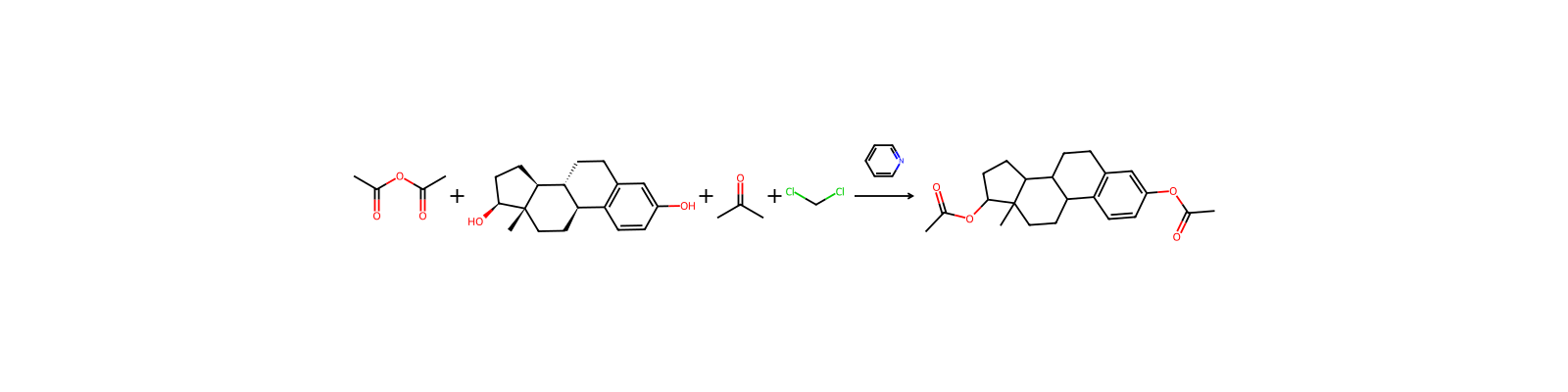


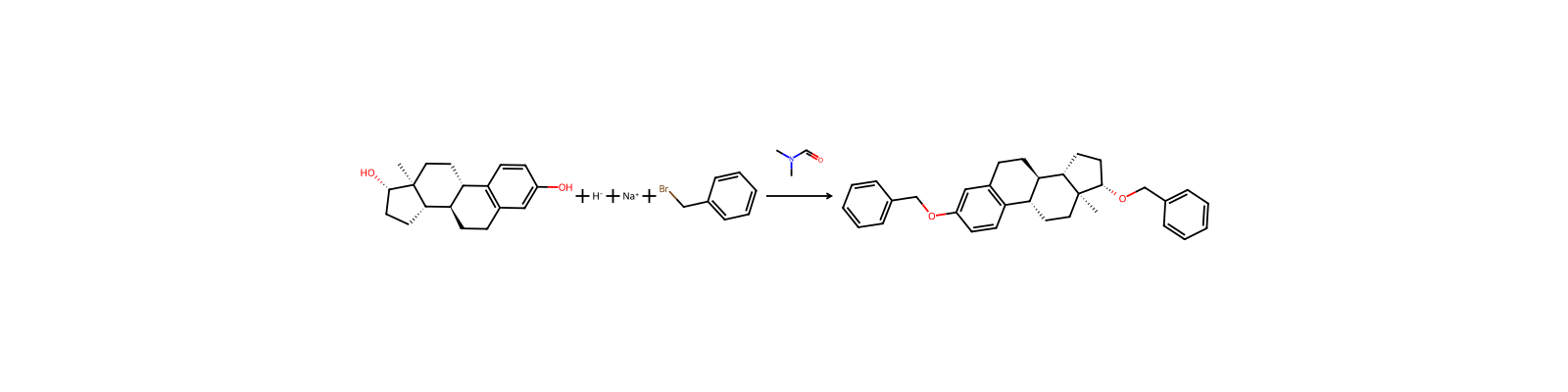

Verknüpfte Notizen
Wird geladen…