

Grundinformationen
- Standard-SMILES
Nc1ncnc2c1ncn2[C@@H]1O[C@H](COP(=O)(O)OP(=O)(O)OP(=O)(O)O)[C@@H](O)[C@H]1O- InChIKey
ZKHQWZAMYRWXGA-KQYNXXCUSA-N- Summenformel
- C10H16N5O13P3
- Durchschnittliche Molmasse
- 507,18 g/mol
- Monoisotopische Masse
- 506,99574546
Überblick
ATP is an adenosine 5'-phosphate in which the 5'-phosphate is a triphosphate group. It is involved in the transportation of chemical energy during metabolic pathways. It has a role as a cofactor, a micronutrient, a nutraceutical and a fundamental metabolite. It is a purine ribonucleoside 5'-triphosphate and an adenosine 5'-phosphate. It is a conjugate acid of an ATP(3-).
Namen und Bezeichner
- Bevorzugter Name
- 5'-Atp
- IUPAC
- [[(2R,3S,4R,5R)-5-(6-aminopurin-9-yl)-3,4-dihydroxyoxolan-2-yl]methoxy-hydroxyphosphoryl] phosphono hydrogen phosphate
- Lokaler Name
- Adenosin-5'-triphosphat
- Englischer Name
- Adenosine triphosphate
- Summenformel
- C10H16N5O13P3
- Molmasse
- 507.18
Namen und Synonyme
Adenosine triphosphate56-65-5TriphosphadenMyotriphosTriadenylGlucobasinAdetolAdynolAtipiAdephosAdenosine 5'-(tetrahydrogen triphosphate)Adenylpyrophosphoric acid
Weitere Namen anzeigen
ADENOSINE 5'-TRIPHOSPHATEATP-H((2R,3S,4R,5R)-5-(6-Amino-9H-purin-9-yl)-3,4-dihydroxytetrahydrofuran-2-yl)methyl tetrahydrogen triphosphateATP Sodium5’-atpATP.H2
5'-AtpAdenosine 5'-triphosphoric acidTriphosphoric acid adenosine esterDTXSID6022559adenosine 5' triphosphateadenylpyrophosphate8L70Q75FXECHEBI:15422
Datenbank-Bezeichner
- CAS
56-65-5- PubChem CID
- 5957
- DTXSID
DTXSID6022559- ChEMBL
CHEMBL14249- ChEBI
CHEBI:15422- UNII
- 8L70Q75FXE
- EC Number
- 200-283-2
- Nikkaji
- J10.680A
Eigenschaften
Berechnete Struktureigenschaften
- XLogP
- -5,7
- Polarare Oberfläche (TPSA)
- 279 Ų
- H-Brücken-Donoren
- 7
- H-Brücken-Akzeptoren
- 17
- Frei drehbare Bindungen
- 8
- Schwere Atome
- 31
- Formalladung
- 0
- Komplexität
- 800
Experimentelle und physikochemische Eigenschaften
DrugsPharmaceuticals -> Listed in ZINC15
Cosmetics
Cosmetic ingredients (Adenosine Triphosphate) -> CIR (Cosmetic Ingredient Review)
Skin conditioning
Solubility1000.0 mg/mL; 862 mg/mL (magnesium salt)
Physical DescriptionSolid
Collision Cross Section
198.86 Ų [M-H]- [CCS Type: DT; Method: stepped-field]
185.74 Ų [M-H]- [CCS Type: DT; Method: single field calibrated with Agilent tune mix (Agilent)]
196.6 Ų [M+H]+ [CCS Type: DT; Method: single field calibrated with ESI Low Concentration Tuning Mix (Agilent)]
204.2 Ų [M+Na]+
Physikochemische Eigenschaften
- Schmelzpunkt
- 144 °C · 144°C (rough estimate)
- Siedepunkt
- 951.4 · 951.4±75.0 °C(Predicted)
- Dichte
- 1 g/mL · 1.0 g/mL at 20 °C
- storage temp.
- -20 °C · Keep in dark place,Inert atmosphere,Store in freezer, under -20°C
- Löslichkeit
- Soluble (water), Na and K salts are easily soluble in water, Ba salts are insoluble in water
- Aggregatzustand
- lyophilized powder
- pka
- 2 · pK2: 4.00(-1);pK3: 6.48(-2) (25°C)
- Farbe
- White to off-white
- PH
- 7 · 7.0 ± 0.1
- Wasserlöslichkeit
- 100 mg/mL · Water : ≥ 100 mg/mL (197.17 mM)
- Kosmetik-Inhaltsstoffe Funktionen
- SKIN CONDITIONING
- InChIKey
- ZKHQWZAMYRWXGA-KQYNXXCUSA-N
- SMILES
- C(OP(=O)(O)OP(O)(=O)OP(O)(O)=O)[C@H]1O[C@@H](N2C3C(=C(N=CN=3)N)N=C2)[C@H](O)[C@@H]1O
- LogP
- -4.18 · -4.180 (est)
- CAS Datenbank
- 56 · 56-65-5(CAS DataBase Reference)
- EPA chemische Informationen
- Adenosine triphosphate (56-65-5)
Sicherheit und Regulatorisches
GHS-Klassifizierung
GHS Classification
This chemical does not meet GHS hazard criteria for 100% (2 of 2) of all reports.
Not Classified
Aggregated GHS information provided per 2 reports by companies from 1 notifications to the ECHA C&L Inventory.
Gefahrenhinweise
Regulatory Information
Chemical: Adenosine 5'-(tetrahydrogen triphosphate)
Adenosine triphosphate: Does not have an individual approval but may be used under an appropriate group standard
Other Safety InformationIMAP assessments - Adenosine 5'-(tetrahydrogen triphosphate): Environment tier I assessment
Hazard Classes and CategoriesNot Classified
Toxikologische Informationen
Toxicity Summary
Safe in the present practices of use and concentration. Ingredient, concentration, and use information are available in documents discoverable at https://cir-reports.cir-safety.org
ATP is able to store and transport chemical energy within cells. ATP also plays an important role in the synthesis of nucleic acids. ATP can be produced by various cellular processes, most typically in mitochondria by oxidative phosphorylation under the catalytic influence of ATP synthase. The total quantity of ATP in the human body is about 0.1 mole. The energy used by human cells requires the hydrolysis of 200 to 300 moles of ATP daily. This means that each ATP molecule is recycled 2000 to 3000 times during a single day. ATP cannot be stored, hence its consumption must closely follow its synthesis.
Carcinogen ClassificationNo indication of carcinogenicity to humans (not listed by IARC).
Toxicity DataOral LD<sub>50</sub> in rats is > 2 g/kg.
Sicherheitsdaten
- wgk
- 3
- tsca
- TSCA listed
- Toxizität
- dni-hmn:lym 10 mmol/L CNREA8 42,2092,82
- safety_code
- 22-24/25
Chemie und Industrie
Pharmakologische Informationen
Pharmacodynamics
Adenosine triphosphate (ATP) is the nucleotide known in biochemistry as the "molecular currency" of intracellular energy transfer; that is, ATP is able to store and transport chemical energy within cells. ATP also plays an important role in the synthesis of nucleic acids. The total quantity of ATP in the human body is about 0.1 mole. The energy used by human cells requires the hydrolysis of 200 to 300 moles of ATP daily. This means that each ATP molecule is recycled 2000 to 3000 times during a single day. ATP cannot be stored, hence its consumption must closely follow its synthesis.
Mechanism of Action
ATP is able to store and transport chemical energy within cells. ATP also plays an important role in the synthesis of nucleic acids. ATP can be produced by various cellular processes, most typically in mitochondria by oxidative phosphorylation under the catalytic influence of ATP synthase. The total quantity of ATP in the human body is about 0.1 mole. The energy used by human cells requires the hydrolysis of 200 to 300 moles of ATP daily. This means that each ATP molecule is recycled 2000 to 3000 times during a single day. ATP cannot be stored, hence its consumption must closely follow its synthesis.
Metabolism/Metabolites
Metabolism of organophosphates occurs principally by oxidation, by hydrolysis via esterases and by reaction with glutathione. Demethylation and glucuronidation may also occur. Oxidation of organophosphorus pesticides may result in moderately toxic products. In general, phosphorothioates are not directly toxic but require oxidative metabolism to the proximal toxin. The glutathione transferase reactions produce products that are, in most cases, of low toxicity. Paraoxonase (PON1) is a key enzyme in the metabolism of organophosphates. PON1 can inactivate some organophosphates through hydrolysis. PON1 hydrolyzes the active metabolites in several organophosphates insecticides as well as, nerve agents such as soman, sarin, and VX. The presence of PON1 polymorphisms causes there to be different enzyme levels and catalytic efficiency of this esterase, which in turn suggests that different individuals may be more susceptible to the toxic effect of organophosphate exposure.
Tissue LocationsAdipose Tissue
Cellular LocationsCytoplasm
Metabolite Pathways2-Hydroxyglutric Aciduria (D And L Form)
Verwendung und Herstellung
Uses
CIR ingredient: Adenosine Triphosphate
For nutritional supplementation, also for treating dietary shortage or imbalance
Use ClassificationCosmetics -> Skin conditioning
General Manufacturing InformationAdenosine 5'-(tetrahydrogen triphosphate): ACTIVE
Anwendungen
BeschreibungAdenosine triphosphate, also known as ATP, is a molecule that carries energy within cells. It is one of the most important biological compounds because of its role in supplying energy for life. ATP is the universal energy carrier used by all organisms to supply energy for biological functions. It is often referred to as the energy currency of cells.ATP also functions as a neurotransmitter that is stored and secreted with other neurotransmitters from the pancreas. ATP is a nucleotide consisting of the nucleoside adenosine with three attached phosphate groups (see Adenine). Like other nucleotides, ATP consists of three parts: a sugar, an amine base, and a phosphate group. The central part of the molecule in ATP is the sugar ribose. The amine base adenine is attached to the ribose, forming adenosine. Opposite the adenine on the ribose is attached a chain of three phosphate groups.
HistoryATP was first isolated by the German chemist Karl Lohmann (1898–1978) from muscle tissue extracts in 1929. Alexander Todd’s (1907–1997) research helped to clarify ATP’s structure, and it was first synthesized by Todd in 1948.
VerwendenAdenosine triphosphate (ATP) plays a critical role in the transport of macromolecules such as proteins and lipids into and out of the cell. The hydrolysis of ATP provides the required energy for active transport mechanisms to carry such molecules across a concentration gradient.
Vor- und nachgelagerte Produkte
Vorgelagerte Rohstoffe
Nachgelagerte Produkte
Anbieter50 Anbieter
北京华美互利生物化工010-56205725 · [email protected]
合肥翰刚医药科技有限公司+8618062405514 · [email protected]
河北展药生物科技有限公司15369953316 +8615369953316 · [email protected]
Baoji Guokang Healthchem co.,ltd+8615604608665 15604608665 · [email protected]
Dayang Chem (Hangzhou) Co.,Ltd.+86-0571-88938639 17705817739 · [email protected]
Hebei Yanxi Chemical Co., Ltd.+86-17531190177 · [email protected]
北京安司莫森技术有限公司010-82954736 13391601435 · [email protected]
韶远科技(上海)有限公司021-50795510 4000665055 · [email protected]
上海将来实业股份有限公司400-0066400 13621662912 · [email protected]
安耐吉化学&3A(安徽泽升科技股份有限公司)400-0056266 · [email protected]
杭州美亚药业股份有限公司021-33686691 18001850931 · [email protected]
上海瀚鸿科技股份有限公司021-54306202 13764082696 · [email protected]
MedChemexpress LLC021-58955995 · [email protected]
武汉丰泰威远科技有限公司+86-27-8746-5837 +86-18627785180 · [email protected]
武汉丰泰威远科技有限公司027-87465837 19945049750 · [email protected]
山东西亚化学有限公司13355009207 13355009207 · [email protected]
HONG KONG IPURE BIOLOGY CO.,LIMITED86 18062405514 18062405514 · [email protected]
上海源叶生物科技有限公司13636370518 · [email protected]
深圳振强药物研发有限公司0755-66853366 13670046396 · [email protected]
上海倍卓生物科技有限公司021-61119791,13386096464 · [email protected]
上海弘邦医药科技有限公司021-021-64975436 18917636693 · [email protected]
上海喀露蓝科技有限公司18149758185 18149758185 · [email protected]
湖北鑫源顺医药化工有限公司13971561712, 13995564702, 027-50664929 · [email protected]
上海湄水化工科技有限公司021-60549325 18616193163
上海将来实业股份有限公司400-0066400 13621662912 · [email protected]
上海将来实业股份有限公司021-61552785 · [email protected]
HBCChem, Inc.+1-510-219-6317 · [email protected]
上海笛柏生物科技有限公司400-008-9730,021-54359730 400-008-9730 · [email protected]
四川省维克奇生物科技有限公司028-81700200 18116577057 · [email protected]
上海麦克林生化科技股份有限公司15221275939 15221275939 · [email protected]
杭州杰恒化工有限公司0571-87396432 · [email protected]
江苏艾康生物医药研发有限公司025-66028182 17714375163 · [email protected]
上海兴鲁化工科技有限公司02120970332 · [email protected]
湖北巨胜科技有限公司027-59599241 18871490274 · [email protected]
Sigma-Aldrich西格玛奥德里奇(上海)贸易有限公司021-61415566 800-8193336 · [email protected]
桦特昇生物科技(武汉)有限公司027-59207879 1972026995 18140587686 · [email protected]
南京熙泽医药科技有限公司025-66023220 15250997978 · [email protected]
天津全和诚科技有限责任公司18630949181 · [email protected]
TargetMol中国(陶术生物)021-021-33632979 15002134094 · [email protected]
湖北康恩化学有限公司180-64105258 18064105258
杭州六可生物科技有限公司+86-571-86912261 19975279805 · [email protected]
上海陶术生物科技股份有限公司+1-781-999-5354; +1-00000000000 · [email protected]
北京诺其雅盛生物科技有限公司4000-819-385 010-62329685 13718666987
芜湖诺威化学技术有限公司0553-8233716 18055326116
Henan Alfa Chemical Co., Ltd+8618339805032 · [email protected]
杭州鼎燕化工有限公司0571-87157530-8003 18267553885 · [email protected]
西安美川生物科技有限公司029-89275612 +8618991951683 · [email protected]
厦门志信化学有限公司+86-5922680277 +86-13806087780 · [email protected]
江苏香地化学有限公司00-13862785 13862785735 · [email protected]
郑州阿尔法化工有限公司0371-53765687 18937137882 · [email protected]
Ergänzende Hinweise
DefinitionAdenosine triphosphate (ATP) is the source of energy for use and storage at the cellular level. It is an adenosine 5'-phosphate in which the 5'-phosphate is a triphosphate group. It is involved in the transportation of chemical energy during metabolic pathways.
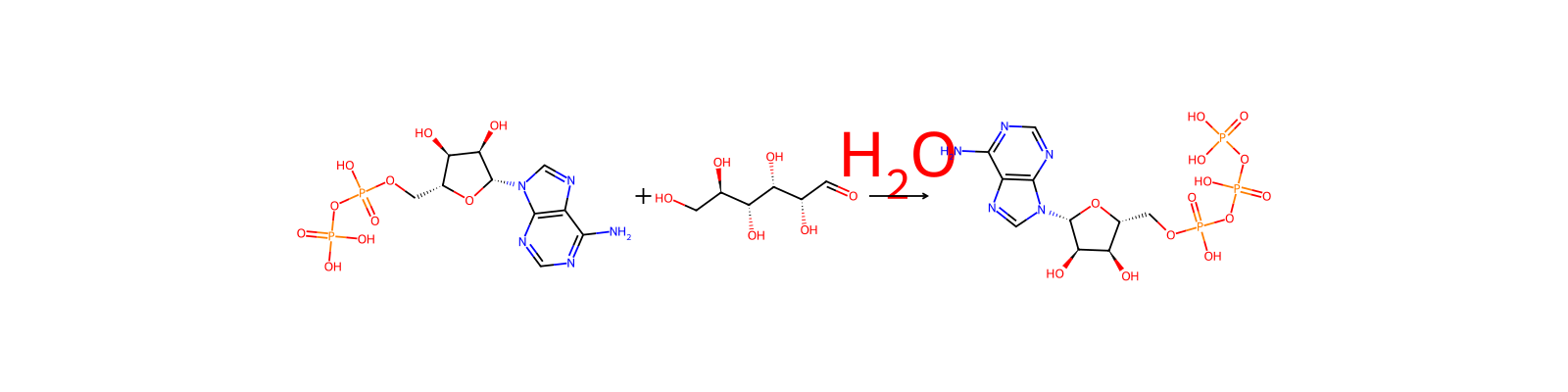
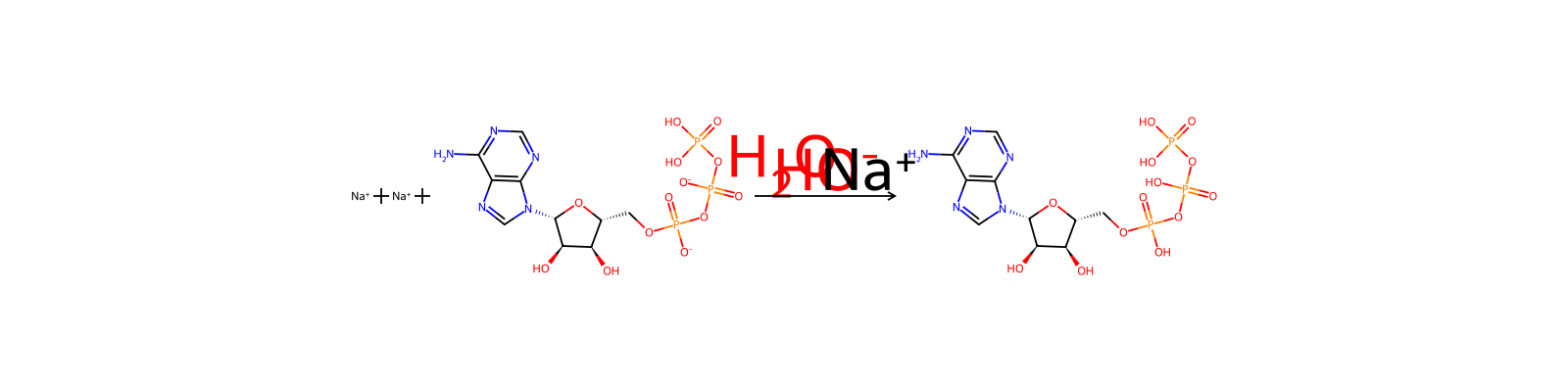
Zugehörige Reaktionen
131





Verknüpfte Notizen
Wird geladen…