

Grundinformationen
- Standard-SMILES
O=C(Cl)C(F)(F)F- InChIKey
PNQBEPDZQUOCNY-UHFFFAOYSA-N- Summenformel
- C2ClF3O
- Durchschnittliche Molmasse
- 132,47 g/mol
- Monoisotopische Masse
- 131,95897696
Überblick
Trifluoroacetyl chloride appears as a colorless gas. Shipped as a liquid under own vapor pressure. Contact with the unconfined liquid may frostbite unprotected skin. Very toxic by inhalation and may severely irritate skin, eyes, and mucous membranes. Under prolonged exposure to fire or heat the containers may rupture violently and rocket.
Namen und Bezeichner
- Bevorzugter Name
- Trifluoroacetyl chloride
- IUPAC
- 2,2,2-trifluoroacetyl chloride
- Lokaler Name
- Trifluoracetylchlorid
- Englischer Name
- Trifluoroacetyl chloride
- Summenformel
- C2ClF3O
- Molmasse
- 132.47
Namen und Synonyme
Trifluoroacetyl chloride354-32-52,2,2-trifluoroacetyl chloridePerfluoroacetyl chlorideACETYL CHLORIDE, TRIFLUORO-A23U71SY9GDTXSID1029176CHEBI:29138TFA chlorideRefChem:191579DTXCID609176206-556-2
Weitere Namen anzeigen
Isoflurane ImpurityTrifluoracetylchloridIsoflurane impurity 20trifluoro-acetylchloridperfluoroacetylchlorideTrifluoroacetylchloride97%TRIFLUOROACETYL CHLORIDE,99%
CF3COClMFCD00039307EINECS 206-556-2UN3057UNII-A23U71SY9GAcetyl chloride, 2,2,2-trifluoro-TrifluoroacetylchlorideIsofluorane Impurity 20
Datenbank-Bezeichner
- CAS
354-32-5- PubChem CID
- 61106
- DTXSID
DTXSID1029176- ChEBI
CHEBI:29138- UNII
- A23U71SY9G
- EC Number
- 206-556-2
- Nikkaji
- J38.904H
Eigenschaften
Berechnete Struktureigenschaften
- XLogP
- 1,9
- Polarare Oberfläche (TPSA)
- 17,1 Ų
- H-Brücken-Donoren
- 0
- H-Brücken-Akzeptoren
- 4
- Frei drehbare Bindungen
- 0
- Schwere Atome
- 7
- Formalladung
- 0
- Komplexität
- 85,4
Experimentelle und physikochemische Eigenschaften
Chemical ClassesToxic Gases & Vapors -> Acid Halides
PFASPFAS -> PFAS identified in REACH Regulation EC No. 1272/2008
SpringerMaterials PropertiesSchoenflies notation
OdorPungent odor
Density1.384 g/mL at 20 °C
Color/Form
Colorless gas
Colorless liquified gas
SolubilityExothermic reaction with water to form water soluble trifluoroacetic acid and byproduct HCl.
CorrosivityCorrosive to materials
Boiling Point-27 °C
DecompositionWhen heated to decomposition it emits very toxic fumes of F- and Cl-.
Vapor Pressure72 psia at 25 °C (3273 mm Hg)
Heat of Vaporization20 kJ/mol
Physikochemische Eigenschaften
- Schmelzpunkt
- 146 °C · −146 °C(lit.)
- Siedepunkt
- 27 °C · −27 °C(lit.)
- Dichte
- 1 · 1,335 g/cm3
- Dampfdichte
- 4.6 · 4.6 (vs air)
- Dampfdruck
- 546.6 kPa · 546.6kPa at 25℃
- Flammpunkt
- -58.1 · -58.1±25.9℃
- BRN
- 1098994 · 1098994
- Henry's Law Constant
- 2 · 2.0×10-2 mol/(m3Pa) at 25℃, Mirabel et al. (1996)
- InChI
- InChI=1S/C2ClF3O/c3-1(7)2(4,5)6
- InChIKey
- PNQBEPDZQUOCNY-UHFFFAOYSA-N
- SMILES
- C(Cl)(C(F)(F)F)=O
- LogP
- 0.79 at · 0.79 at 25℃
- CAS Datenbank
- 354 · 354-32-5(CAS DataBase Reference)
- EPA chemische Informationen
- Trifluoroacetyl chloride (354-32-5)
Sicherheit und Regulatorisches
GHS-Klassifizierung
GHS Classification
Danger
H280 (46.6%): Contains gas under pressure; may explode if heated [Warning Gases under pressure]
P203, P260, P261, P264, P264+P265, P270, P271, P273, P280, P284, P301+P330+P331, P302+P361+P354, P304+P340, P305+P354+P338, P316, P317, P318, P319, P320, P321, P363, P403+P233, P405, P410+P403, and P501 (click each P-code to see the statement)
Aggregated GHS information provided per 73 reports by companies from 4 notifications to the ECHA C&L Inventory. Each notification may be associated with multiple companies.
Danger
H314: Causes severe skin burns and eye damage [Danger Skin corrosion/irritation]
Gefahrenhinweise
Hazards IdentificationToxic/poison by inhalation (TIH/PIH)
Regulatory Information
Acetyl chloride, 2,2,2-trifluoro- is listed on the EPA's Chemical Data Reporting (CDR) system. Manufacturers and importers of Acetyl chloride, 2,2,2-trifluoro- are required to report information about their production and use of this chemical to the EPA under the Toxic Substances Control Act (TSCA). (40 eCFR Part 711)
Status: Active Update: 08-04-2022 https://echa.europa.eu/registration-dossier/-/registered-dossier/10770
The New Jersey Worker and Community Right to Know Act requires public and private employers to provide information about hazardous substances at their workplaces. (N.J.S.A. 34:5A-1 et. seq.)
DOT LabelPoison Gas Corrosive
Fire Hazards
Excerpt from ERG Guide 125 [Gases - Toxic and/or Corrosive]:
· Some may burn but none ignite readily.
Fire PotentialNonflammabale Gas
Health Hazards
Excerpt from ERG Guide 125 [Gases - Toxic and/or Corrosive]:
· TOXIC and/or CORROSIVE; may be fatal if inhaled, ingested or absorbed through skin.
Hazards Summary
Corrosive to skin; [Quick CPC] Evaporating liquid can cause frostbite; A severe skin, eye, and mucous membrane irritant; [CAMEO] Causes dyspnea in inhalation lethal-concentration studies of mice, guinea pigs, and rats; [RTECS] Causes severe burns; Reacts violently with water releasing acidic gas, which in contact with metal, can produce explosive hydrogen gas; Toxic by inhalation--irritating to the respiratory tract; A lachrymator; [MSDSonline]
DOT ID and Guide3057 125
Reactive GroupHalogenated Organic Compounds
Reactivity AlertsStrong Reducing Agent
Reactivity Profile
TRIFLUOROACETYL CHLORIDE is incompatible with strong oxidizing agents, alcohols, amines, alkalis. Reacts vigorously with amines and alkalis. May react vigorously or explosively if mixed with diisopropyl ether or other ethers in the presence of trace amounts of metal salts [J. Haz. Mat., 1981, 4, 291].
DOT Emergency Guidelines
If ... THERE IS NO FIRE, go directly to the Table of Initial Isolation and Protective Action Distances /(see table below)/ ... to obtain initial isolation and protective action distances. IF THERE IS A FIRE, or IF A FIRE IS INVOLVED, go directly to the appropriate guide /(see guide(s) below)/ and use the evacuation information shown under PUBLIC SAFETY.
/GUIDE 125 GASES - CORROSIVE/ Fire or Explosion: Some may burn but none ignite readily. Vapors from liquefied gas are initially heavier than air and spread along ground. Some of these materials may react violently with water. Cylinders exposed to fire may vent and release toxic and/or corrosive gas through pressure relief devices. Containers may explode when heated. Ruptured cylinders may rocket. . For UN1005: Anhydrous ammonia, at high concentrations in confined spaces, presents a flammability risk if a source of ignition is introduced
/GUIDE 125 GASES - CORROSIVE/ Health: TOXIC; may be fatal if inhaled, ingested or absorbed through skin. Vapors are extremely irritating and corrosive. Contact with gas or liquefied gas may cause burns, severe injury and/or frostbite. Fire will produce irritating, corrosive and/or toxic gases. Runoff from fire control may cause pollution.
/GUIDE 125 GASES - CORROSIVE/ Public Safety: CALL Emergency Response Telephone Number on Shipping Paper first. If Shipping Paper not available or no answer, refer to appropriate telephone number listed on the inside back cover. As an immediate precautionary measure, isolate spill or leak area for at least 100 meters (330 feet) in all directions. Keep unauthorized personnel away. Stay upwind, uphill and/or upstream. Many gases are heavier than air and will spread along ground and collect in low or confined areas (sewers, basements, tanks). Ventilate closed spaces before entering.
For more DOT Emergency Guidelines (Complete) data for Trifluoroacetyl chloride (9 total), please visit the HSDB record page.
Sicherheit und Schutzausrüstung
Fire FightingExcerpt from ERG Guide 125 [Gases - Toxic and/or Corrosive]:
Accidental Release Measures
· CALL 911. Then call emergency response telephone number on shipping paper. If shipping paper not available or no answer, refer to appropriate telephone number listed on the inside back cover.
· Do not touch or walk through spilled material.
First Aid
Excerpt from ERG Guide 125 [Gases - Toxic and/or Corrosive]:
General First Aid:
Firefighting HazardsCarbon oxides, Hydrogen chloride gas, Hydrogen fluoride
Exposure Control and Personal Protection
· Wear positive pressure self-contained breathing apparatus (SCBA).
TIH (Toxic Inhalation Hazard) - Term used to describe gases and volatile liquids that are toxic when inhaled. Some are TIH materials themselves, e.g., chlorine, and some release TIH gases when spilled in water, e.g., chlorosilanes. [ERG 2016].
Fire Fighting Procedures
Suitable extinguishing media: Dry powder
Advice for firefighters: Wear self contained breathing apparatus for fire fighting if necessary.
Storage Conditions
Keep container tightly closed in a dry and well-ventilated place. Containers which are opened must be carefully resealed and kept upright to prevent leakage. Never allow product to get in contact with water during storage. Contents under pressure.
Cleanup Methods
ACCIDENTAL RELEASE MEASURES; Personal precautions, protective equipment and emergency procedures: Use personal protective equipment. Avoid breathing vapors, mist or gas. Ensure adequate ventilation. Evacuate personnel to safe areas. Environmental precautions: Do not let product enter drains. Methods and materials for containment and cleaning up: Soak up with inert absorbent material and dispose of as hazardous waste. Do not flush with water. Keep in suitable, closed containers for disposal.
Nonfire Spill ResponseExcerpt from ERG Guide 125 [Gases - Toxic and/or Corrosive]:
Disposal Methods
SRP: Recycle any unused portion of the material for its approved use or return it to the manufacturer or supplier. Ultimate disposal of the chemical must consider: the material's impact on air quality; potential migration in air, soil or water; effects on animal, aquatic and plant life; and conformance with environmental and public health regulations. If it is possible or reasonable use an alternative chemical product with less inherent propensity for occupational harm/injury/toxicity or environmental contamination.
Product: Offer surplus and non-recyclable solutions to a licensed disposal company. Contact a licensed professional waste disposal service to dispose of this material. Dissolve or mix the material with a combustible solvent and burn in a chemical incinerator equipped with an afterburner and scrubber. Contaminated packaging: Dispose of as unused product.
Preventive Measures
Gloves must be inspected prior to use. Use proper glove removal technique (without touching glove's outer surface) to avoid skin contact with this product. Dispose of contaminated gloves after use in accordance with applicable laws and good laboratory practices. Wash and dry hands.
Avoid contact with skin and eyes. Avoid inhalation of vapor or mist.
ACCIDENTAL RELEASE MEASURES; Personal precautions, protective equipment and emergency procedures: Use personal protective equipment. Avoid breathing vapors, mist or gas. Ensure adequate ventilation. Evacuate personnel to safe areas. Environmental precautions: Do not let product enter drains.
Handle in accordance with good industrial hygiene and safety practice. Wash hands before breaks and at the end of workday.
SRP: The scientific literature for the use of contact lenses by industrial workers is inconsistent. The benefits or detrimental effects of wearing contact lenses depend not only upon the substance, but also on factors including the form of the substance, characteristics and duration of the exposure, the uses of other eye protection equipment, and the hygiene of the lenses. However, there may be individual substances whose irritating or corrosive properties are such that the wearing of contact lenses would be harmful to the eye. In those specific cases, contact lenses should not be worn. In any event, the usual eye protection equipment should be worn even when contact lenses are in place.
Isolation and Evacuation
Excerpt from ERG Guide 125 [Gases - Toxic and/or Corrosive]:
Immediate precautionary measure
Small spill:
Small spill:
Toxikologische Informationen
Environmental Fate
TERRESTRIAL FATE: Based on a classification scheme(1), an estimated Koc value of 3(SRC), determined from a structure estimation method(2), indicates that trifluoroacetyl chloride is expected to have very high mobility in soil(SRC). However, trifluoroacetyl chloride hydrolyzes rapidly when contacted with water (half-life of 0.063 seconds at 25 °C)(3); therefore, mobility in moist soil and volatilization from moist soil are not expected to be important fate processes(SRC). Trifluoroacetyl chloride is a gas at standard temperature and pressure(4) and, therefore, is expected to evaporate into the atmosphere when released as a liquid from pressurized containers(SRC).
AQUATIC FATE: Trifluoroacetyl chloride hydrolyzes rapidly when contacted with water(1). The hydrolysis half-life at 25 °C is 0.063 seconds(1). Therefore, hydrolysis is the dominant fate process in water(SRC).
ATMOSPHERIC FATE: Trifluoroacetyl chloride has a vapor pressure of 3273 mm Hg at 25 °C(1) and will exist solely as a gas in the ambient atmosphere. Results of laboratory studies have demonstrated that trifluoroacetyl chloride will react via hydrolysis with water vapor and water in the atmosphere(2,3). The tropospheric lifetime of trifluoroacetyl chloride due to hydrolysis is estimated to range from 0.04 days at 11 °C(2) to 0.2-2 days at 5 °C(3).
Adverse EffectsDermatotoxin - Skin burns.
Toxicity Summary
IDENTIFICATION AND USE: Trifluororacetyl chloride (TFA) is a gas that is used in chemical synthesis. TFA is also a metabolite of halothane. HUMAN STUDIES: Anesthetics such as halothane are believed to trigger hepatitis by covalently linking a TFA hapten (metabolite of halothane) to hepatic proteins. The vast majority of patients with a clinical diagnosis of halothane hepatitis have serum antibodies, which react with one or more specific liver microsomal proteins that have been covalently altered by the TFA. The serum antibodies are specific to halothane hepatitis patients and are not seen in sera of patients with other types of liver pathology. When the purified TFA 57-kD and native 57-kD proteins from liver microsomes of halothane-treated and untreated rats respectively, were used as test antigens in an enzyme-linked immunosorbent assay, serum antibodies from halothane hepatitis patients (n = 40) reacted with both of these proteins to a significantly greater extent than did serum antibodies from control patients (n = 32). In a separate study 25 of 56 (45%) patients diagnosed with halothane hepatitis had autoantibodies that reacted with human cytochrome P450 2E1. In this case cytochrome P450 2E1 became trifluoroacetylated when it oxidatively metabolized halothane. ANIMAL STUDIES: TFA exposure by inhalation at 40 ppm and 90 ppm produced mortality and body weight loss in rats. Exposure of rats over a 90-day period to vapor of TFA at 0.1 ppm caused a predominantly lymphocytic local response in the lungs and local lymph nodes. Antibodies purified from the sera of rabbits sensitized to a TFA-protein adduct cross-reacted with a TFA-phosphatidylethanolamine adduct. These findings suggest that TFA-phosphatidylethanolamine adducts that reside in nonlamellar domains on the hepatocyte surface could be recognition sites for anti-TFA-adduct antibodies and potentially participate in immune-mediated hepatotoxicity. Furthermore, it was suggested that glutathione-S-transferase could be a target for covalent modification in the liver following an inhalation exposure to halothane.
Soil Adsorption/Mobility
Using a structure estimation method based on molecular connectivity indices(1), the Koc of trifluoroacetyl chloride can be estimated to be 3(SRC). According to a classification scheme(2), this estimated Koc value suggests that trifluoroacetyl chloride is expected to have very high mobility in soil. However, trifluoroacetyl chloride hydrolyzes rapidly when contacted with water (half-life of 0.063 seconds at 25 °C)(3); therefore, mobility in moist soil is not expected to be an important environmental fate process(SRC).
Human Toxicity Excerpts
/CASE REPORTS/ Three cases of drug-induced liver injury (DILI) have been reported after desflurane anesthesia. However, no previous reports have detected serum autoantibodies such as that reported with DILI from halothane or isoflurane. We describe the first documentation of cytochrome P450 2E1 IgG4 autoantibodies, as well as 58 kDa endoplasmic reticulum protein and trifluoroacetyl chloride hapten-specific IgG4 antibodies, in a patient who developed DILI after desflurane anesthesia. These findings suggest that allergic and autoimmune mechanisms have critical roles in the development of desflurane DILI.
/ALTERNATIVE and IN VITRO TESTS/ Clinical and laboratory evidence suggests that the fulminant liver failure sometimes associated with the inhalation anesthetic halothane may be an immune-mediated toxicity. Most importantly, the vast majority of patients with a clinical diagnosis of halothane hepatitis have serum antibodies, which react with one or more specific liver microsomal proteins that have been covalently altered by the trifluoroacetyl chloride metabolite of halothane. The serum antibodies are specific to halothane hepatitis patients and are not seen in sera of patients with other types of liver pathology. In this study, a 57-kD trifluoroacetylated liver microsomal neoantigen associated with halothane hepatitis and native 57-kD protein were purified from liver microsomes of halothane-treated and -untreated rats, respectively. When the purified trifluoroacetylated 57-kD and native 57-kD proteins were used as test antigens in an enzyme-linked immunosorbent assay, serum antibodies from halothane hepatitis patients (n = 40) reacted with both of these proteins to a significantly greater extent than did serum antibodies from control patients (n = 32). On the basis of its apparent monomeric molecular mass, isoelectric point and NH2-terminal amino acid and tryptic peptide sequences, the 57-kD protein has been identified as rat liver protein disulfide isomerase. Antibodies raised against rat liver protein disulfide isomerase also reacted with a protein of approximately 58-kD in human liver microsomes. The results of this investigation suggest that trifluoroacetylated protein disulfide isomerase is one of the immunogens associated with halothane hepatitis. In certain patients it might lead either to specific antibodies or, possibly, to specific T cells, which could be responsible for halothane hepatitis.
/OTHER TOXICITY INFORMATION/ Anesthetics are believed to trigger hepatitis by covalently linking a trifluoroacetyl (TFA) chloride hapten to hepatic proteins, forming haptenated self-proteins
Artificial Pollution Sources
Trifluoroacetyl chloride's production and use as an intermediate in the production of pharmaceutical chemicals, agricultural chemicals and other specialized applications(1) may result in its release to the environment through various waste streams(SRC). Gaseous trifluoroacetyl chloride provides a way to introduce trifluoromethyl groups into more complex molecules(1).
Environmental BioconcentrationTrifluoroacetyl chloride hydrolyzes rapidly when contacted with water (half-life of 0.063 seconds at 25 °C)(1); therefore, bioconcentration in aquatic organisms is not expected to be an important fate process(SRC).
Volatilization from Water/Soil
Trifluoroacetyl chloride is a gas at standard temperature and pressure(1) and therefore, is expected to evaporate into the atmosphere when released as a liquid from pressurized containers(SRC). Trifluoroacetyl chloride hydrolyzes rapidly when contacted with water (half-life of 0.063 seconds at 25 °C)(2); therefore, volatilization from water or moist soil may not be important fate processes(SRC).
Non-Human Toxicity Excerpts
/LABORATORY ANIMALS: Acute Exposure/ The purpose of this study was to compare the toxic potential of two batches of different production process of TFAC in rats and to confirm the LC 50 (78 ppm). 20 male and 20 female Sprague Dawley derived rats were randomly distributed in groups of 5 and exposed once for 4 hr via inhalation to TFAC. Target concentrations for both batches were 40 and 90 ppm. The animals were exposed in a cylindrical nose-only exposure chamber of polypropylene. After termination of exposure the animals were observed for 14 days. During this period the animals were observed for clinical symptoms and changes in body weights. All animals were necropsied. The animals were examined for changes of their external appearance and for macroscopical changes in the cervical area and the abdominal and thoracic cavities. The lungs (including the tracheas) were weighed. The mortalities were observed within the first week after exposure. At 40 ppm: no mortality in the group E; 2 mortalities for the group A. At 90 ppm: 4 males and 4 females died in the group B; 4 males and 4 females died in the group D. /Groups A, B, D, and E were divided by production process; no details were provided on the processes/. All animals showed a marked body weight loss during the first 3 days. At the end of the observation period the weight gains of the survivors resumed up to normal values except for the animals exposed to 90 ppm TFAC which showed a lower body weight gain.
/LABORATORY ANIMALS: Subchronic or Prechronic Exposure/ Exposure of rats over a 90-day period to the vapor of TFAC at 2 ppm caused a mild inflammatory response in the lungs consistent with the corrosive nature of this material. Signs of inflammation of similar severity were observed also at the lowest tested concentration, 0.1 ppm, but not at the mid concentration (0.48 ppm). This behavior was tentatively related by the study director to the ability of TFAC to act as a hapten. /It was/ speculated that TFAC could mainly act as a hapten at the lowest concentration, whereas the corrosive properties could play a role in the inflammatory response observed at the highest concentration. However this intrerpretation can hardly explain the total absence of inflammatory changes observed at the mid concentration. Exposure of rats over a 90-day period to vapor of TFAC at 0.1 ppm caused a predominantly lymphocytic local response in the lungs and local lymph nodes which may represent a reaction by the immune system not induced at higher exposure levels. Although there was no effect at 0.5 ppm, a no effect level was not established in this study because exposure at 0.1 ppm elicited an apparent immune response.
/ALTERNATIVE and IN VITRO TESTS/ The delayed fulminant form of halothane hepatotoxicity is thought to be triggered by an immune response to haptenic adducts formed by a metabolite, trifluoroacetyl chloride. In this study we demonstrate that antibodies purified from the sera of rabbits sensitized to a trifluoroacetyl-protein adduct will cross-react with a trifluoroacetyl-phosphatidylethanolamine adduct. Trifluoroacetyl adducts of both rabbit serum albumin (TFA-RSA) and dioleoylphosphatidylethanolamine (TFA-DOPE) were prepared. The TFA-RSA was coupled to an Affigel-10 affinity column to purify hapten-selective immunoglobulin (Ig) G antibodies (anti-TFA-RSA IgG) from the sera of rabbits given i.m. injections of TFA-RSA. The TFA-DOPE was purified by high-performance liquid chromatography and the structure confirmed with direct chemical ionization mass spectrometry. Lamellar liposomes containing a mixture of 5% TFA-DOPE, 71% DOPE and 24% dioleoyl-phosphatidylcholine, as well as hexagonal phase micelles containing 5% TFA-DOPE and 95% DOPE, were prepared by sonication. Anti-TFA-RSA IgG antibodies were added to each of these lipid mixtures for 30 min, fluorescein-conjugated goat-antirabbit IgG antibodies were added next for an additional 30 min and then binding of anti-TFA-RSA IgG antibodies to TFA-DOPE was quantified by flow cytometry. Anti-TFA-RSA IgG antibodies bound to TFA-DOPE only when it was incorporated into hexagonal phase micelles. These findings suggest that TFA-phosphatidylethanolamine adducts that reside in nonlamellar domains on the hepatocyte surface could be recognition sites for anti-TFA-adduct antibodies and potentially participate in immune-mediated hepatotoxicity.
/IMMUNOTOXICITY/ The pathogenesis of immune-mediated drug-induced liver injury (DILI) following halogenated anesthetics, carbamazepine or alcohol has not been fully elucidated. Detecting cytochrome P450 2E1 (CYP2E1) IgG4 auto-antibodies in anesthetic DILI patients suggests a role for IL-4 in this hapten-mediated process. We investigated IL-4-mediated mechanisms using our model of experimental DILI induced by immunizing BALB/c (WT) and IL-4(-/-) (KO) mice with S100 liver proteins covalently modified by a trifluoroacetyl chloride (TFA) hapten formed following halogenated anesthetic metabolism by CYP2E1. WT mice developed more hepatitis, TFA and S100 antibodies (p<0.01), as well as T-cell proliferation to CYP2E1 and TFA (p<0.01) than KO mice. Additionally, WT CD4(+) T cells adoptively transferred hepatitis to naive Rag(-/-) mice (p<0.01). Pro-inflammatory cytokines were expectedly decreased in TFA hapten-stimulated KO splenocyte supernatants (p<0.001); however, IL-2 and IFN-gamma (p<0.05), as well as IL-6 and IL-10 (p<0.001) levels were elevated in CYP2E1-stimulated KO splenocyte supernatants, suggesting dual IL-4-mediated pro-inflammatory and regulatory responses. Anti-IL-10 administered to KO mice increased hepatitis, TFA and CYP2E1 antibodies in KO mice confirming a critical role for IL-4. This is the first demonstration of dual roles for IL-4 in the pathogenesis of immune-mediated DILI by suppressing auto-antigen-induced regulatory responses while promoting hapten-induced pro-inflammatory responses.
For more Non-Human Toxicity Excerpts (Complete) data for Trifluoroacetyl chloride (6 total), please visit the HSDB record page.
Environmental Abiotic Degradation
Based on results of laboratory studies, the tropospheric lifetime of trifluoroacetyl chloride ranges from 0.2-2 days at 5 °C(1). The degradation of trifluoroacetyl chloride in the atmosphere is the result of hydrolysis with water and water vapor. The amount of water vapor in the atmosphere (clouds, rain, etc.) and temperature affect the hydrolysis rate(1). In another laboratory study, the tropospheric lifetime of trifluoroacetyl chloride due to hydrolysis was about 0.04 days at 11 °C(2). The hydrolysis rate constant of trifluoroacetyl chloride in pure water at 25 °C is approximately 11 per second(3) which corresponds to a half-life of 0.063 seconds(SRC).
Probable Routes of Human Exposure
According to the 2016 TSCA Inventory Update Reporting data, 2 reporting facilities estimate the number of persons reasonably likely to be exposed during the manufacturing, processing, or use of trifluoroacetyl chloride in the United States may be as low as 50 to <100 workers and as high as 50 to < 100 workers per plant (1 plant's data was CBI); the data may be greatly underestimated due to confidential business information (CBI) or unknown values(1).
Occupational exposure to trifluoroacetyl chloride may occur through inhalation and dermal contact with this compound at workplaces trifluoroacetyl chloride is produced or used. (SRC)
Environmental Fate/Exposure Summary
Trifluoroacetyl chloride's production and use as an intermediate in the production of pharmaceutical chemicals, agricultural chemicals and other specialized applications may result in its release to the environment through various waste streams. If released to air, a vapor pressure of 3273 mm Hg at 25 °C indicates trifluoroacetyl chloride will exist solely as a gas in the atmosphere. Results of laboratory studies have demonstrated that trifluoroacetyl chloride will react via hydrolysis with water vapor and water in the atmosphere. The tropospheric lifetime of trifluoroacetyl chloride due to hydrolysis is estimated to range from 0.04 to 2 days at 5 to 11 °C. If released to soil, trifluoroacetyl chloride is expected to have very high mobility based upon an estimated Koc of 3. However, trifluoroacetyl chloride hydrolyzes rapidly when contacted with water; therefore, mobility and volatilization from moist soil are not expected to be important fate processes. Trifluoroacetyl chloride is a gas at standard temperature and pressure and therefore, is expected to evaporate into the atmosphere when released as a liquid from pressurized containers. If released into water, hydrolysis will be the dominant fate process. The hydrolysis half-life at 25 °C is 0.063 seconds. Occupational exposure to trifluoroacetyl chloride may occur through inhalation and dermal contact with this compound at workplaces trifluoroacetyl chloride is produced or used. (SRC)
Regulatorische Informationen
DHS Chemicals of Interest (COI)
Trifluoroacetyl chloride
6.93
45
Weapons of Mass Effect chemical material that, if stolen or diverted, can be converted into weapons using simple chemistry, equipment, or techniques.
Sicherheitsdaten
- F
- 4.5-19-21
- wgk
- 2
- tsca
- TSCA listed
- ridadr
- UN 3057
- RTECS-Nr.
- AO7150000
- risk_code
- 14-35-37
- hazard_code
- C
- hazard_note
- Corrosive
- safety_code
- 26-36/37/39-45
- hazard_class
- 2.3
- Giftige Stoffe Daten
- 354-32-5(Hazardous Substances Data)
Chemie und Industrie
Pharmakologische Informationen
Metabolism/Metabolites
We recently showed that when rats were administered the inhalation anesthetic halothane, a 58 kDa liver endoplasmic reticulum protein became covalently trifluoroacetylated by the trifluoroacetyl chloride metabolite of halothane. Although the 58 kDa protein showed 99% identity to that of the deduced amino acid sequence of a cDNA reported to correspond to phosphatidylinositol-specific phospholipase C-alpha, it did not have phosphatidylinositol-specific phospholipase C activity. It was concluded that the reported cDNA of phosphatidylinositol-specific phospholipase C-alpha actually encoded for the 58 kDa endoplasmic reticulum protein of unknown function. Other researchers have come to the same conclusion and have shown that the 58 kDa protein has protein disulfide-isomerase and protease activities. We now report that patients with halothane hepatitis have serum antibodies that react with both purified trifluoroacetylated and native rat liver 58 kDa proteins. These results suggest that when patients are exposed to halothane a human liver orthologue of the rat liver trifluoroacetylated-58 kDa protein is formed. In certain patients, this protein may become immunogenic and lead to the formation of specific antibodies and or specific T-cells, which may react with both trifluoroacetylated and native 58 kDa proteins, and ultimately be responsible, at least in part, for the hepatitis caused by halothane.
The anesthetic halothane is bioactivated by the liver cytochrome P450 system to the reactive intermediate, trifluoroacetyl chloride, which can acylate liver protein. Cytosolic glutathione-S-transferase (GST) was identified as a major target for protein adduct formation in guinea pig liver slices exposed to halothane. To determine if GST is also a target in vivo, male Hartley guinea pigs were exposed to 1% halothane in 40% O2 for 4 hr. At 10 hr post exposure, livers were removed and microsomal and cytosolic fractions prepared. Past studies have shown these conditions resulted in maximal covalent binding of halothane intermediates to hepatic protein. Protein was isolated by ethanol precipitation and washed with trichloroacetic acid to remove unbound metabolites. Cytosolic GST was isolated by gel filtration and S-hexyl-glutathione affinity chromatography to electrophoretic purity. Protein adducts were quantified using a covalently bound fluorine assay. Covalent binding of a halothane intermediate to cytosolic and microsomal protein was determined as 2.0 +/- 0.4 and 13.2 +/- 2.3 nmol F/mg protein, respectively. Liver glutathione depletion by buthionine sulfoximine pretreatment produced an increase in covalent binding only to cytosolic proteins (3.3 +/- 0.4 nmol F/mg protein). Adduct formation to cytosolic GST was determined to be 4.7 +/- 1.6 nmol F/mg protein. Glutathione-S-transferase is a target for covalent modification in the liver following an inhalation exposure to halothane.
Autoantibodies against specific human cytochrome P450s have been found in the sera of patients suffering from a variety of diseases, including those caused by drugs. In the cases of tienilic acid- and dihydralazine-induced hepatitis, patients have serum autoantibodies directed against cytochromes P450 2C9 and P450 1A2, respectively. In the present study, we have found that 25 of 56 (45%) patients diagnosed with halothane hepatitis have autoantibodies that react with human cytochrome P450 2E1 that was purified from a baculovirus expression system. The autoantibodies inhibited the activity of cytochrome P450 2E1 and appeared to be directed against mainly conformational epitopes. In addition, because cytochrome P450 2E1 became trifluoroacetylated when it oxidatively metabolized halothane, it is possible that the covalently altered form of cytochrome P450 2E1 may be able to bypass the immunologic tolerance that normally exists against cytochrome P450 2E1. A similar mechanism may explain the formation of autoantibodies that have been found against other cellular targets of the reactive trifluoroacetyl chloride metabolite of halothane.
Halothane causes an idiosyncratic hepatitis that is thought to result, in part, from immune reactions against one or more lumenal endoplasmic reticulum (ER) proteins that have been covalently modified by the trifluoroacetyl chloride metabolite of halothane. In this study, we have identified a 170 kDa protein target of halothane in the liver of rats. The 170 kDa protein was first detected when proteins in lysates of hepatocytes from halothane-treated rats were immunoprecipitated with antisera against several resident ER proteins. This 170 kDa protein was found to be associated with other protein targets of halothane, including protein disulfide isomerase, a protein disulfide isomerase isoform, a 59 kDa carboxylesterase, and 78 kDa glucose-regulated protein. Immunoblotting with antiserum directed against the trifluoroacetylated hapten indicated that the 170 kDa protein was trifluoroacetylated. Based upon its subcellular localization, molecular mass, N-terminal amino acid sequence, and antigenicity, the trifluoroacetylated 170 kDa protein was identified as UDP-glucose:glycoprotein glucosyltransferase (UGGT), a lumenal ER protein that is thought to have a role in the folding of N-linked glycoproteins. Moreover, treatment of rats with halothane caused a 44% decrease in the activity of liver microsomal UGGT, and at least 36% of the change in the activity of the enzyme could be due to a decrease in the level of the protein. The results suggest that the function of UGGT in folding of N-linked glycoproteins may be affected by other resident ER proteins or xenobiotics such as halothane.
For more Metabolism/Metabolites (Complete) data for Trifluoroacetyl chloride (10 total), please visit the HSDB record page.
Trifluoroacetyl chloride is a known human metabolite of Halothane.
Verwendung und Herstellung
UsesChemical Synthesis, Specialty Gases, Synthetic Reagents
U.S. Production
2023: <75,000 lb
Non-confidential 2016 Chemical Data Reporting (CDR) information on the production and use of chemicals manufactured or imported into the United States. Chemical: Trifluoroacetyl chloride:
Industry UsesIntermediate
General Manufacturing Information
Miscellaneous Manufacturing
Acetyl chloride, 2,2,2-trifluoro-: ACTIVE
Exothermic reaction with water to form water soluble trifluoroacetic acid and byproduct HCl.
Anwendungen
VerwendenWidely used in medicine, pesticides, organic intermediate and fine chemical.
Vor- und nachgelagerte Produkte
Nachgelagerte Produkte
Anbieter50 Anbieter
Hebei Chuanghai Biotechnology Co., Ltd+86-17732866630 · [email protected]
济南溪川化工科技有限公司18615562062 · [email protected]
济南中蓝化工有限公司15169176553; 15169176553 · [email protected]
邹平创新药业有限公司13561560789 · [email protected]
山东德信精细化工有限公司18553366272
杭州摩库生物医药科技有限公司+86-057181025280; +8617767106207 · [email protected]
济南氟泽新材料有限公司00-15169181 15169181281 · [email protected]
VladaChem GmbH+49-7246-3082843 +86-18411632868 · [email protected]
上海遐瑞医药科技有限公司+86-021-61551413 · [email protected]
河北创海生物科技有限公司+86-86-13131129325 · [email protected]
T&W GROUP021-61551611 13296011611 · [email protected]
信联瑞生物医药科技(山东)有限公司0531-84567878 15153173989
武汉绿景丰华生物科技有限公司19972070065 · [email protected]
Syntechem Co.,Ltd[email protected]
上海迈瑞尔生化科技有限公司4006356688 18621169109 · [email protected]
江苏普乐司生物科技有限公司0513-66017706 18551496367 · [email protected]
Allfluoro Pharmaceutical Company Limited+86-400-0216110 +86-15958047586 · [email protected]
南通合润生物科技有限公司18362409333 · [email protected]
上海尚饮思生化医药有限公司021-021-57872719 13761402923 · [email protected]
嘉兴市艾森化工有限公司0573-85285100 18627885956 · [email protected]
西氟科技有限公司0531-85906692 15588812394
时美拓特种气体(上海)有限公司15757158480 · [email protected]
淄博桓明新材料有限公司15264351707 15264351707 · [email protected]
北京伊诺凯科技有限公司15652467323 · [email protected]
越林试剂021-62960152 · [email protected]
浙江化工院科技有限公司+86 575-82730298 · [email protected]
上海丽康新材料有限公司+86-16631818819 +86-17736933208 · [email protected]
Yangzhou Model Electronic Materials Co., Ltd.+8613761402923 · [email protected]
陕西缔都医药化工有限公司+86-29-87569262 +86-15003564040 · [email protected]
嘉兴市德亿化工有限公司0573-85866609 13325730825 · [email protected]
济南启诚化工有限公司0531-15628998092 15628998092
sgtlifesciences pvt ltd+91-8790379245 · [email protected]
陕西缔都医药化工有限公司029-029-81120477 17792793610 · [email protected]
Shenzhen Huayi Brothers Technology Co.,Ltd+86-15914124590 · [email protected]
启源(广东)医药化工有限公司18026564465 · [email protected]
南京艾比克斯生化科技有限公司025-87193546 18652950785 · [email protected]
上海思言生物科技有限公司021-50908862,442785678,326799392 18721037013 · [email protected]
上海嘉化和融生物科技有限公司18916155073
上海依赫生物科技有限公司021-68882955 17721395025 · [email protected]
西氟试剂+86-531-85906692 · [email protected]
山东满堂红新材料有限公司3923611010 13065055261 · [email protected]
上海康曼生物科技有限公司18800375331 · [email protected]
山东小野化学股份有限公司0539-6362799 20)
盼得(上海)国际贸易有限公司80159919 18662931292 · [email protected]
巴师傅(上海)生物医药科技有限公司60662071 18117346937 · [email protected]
河南天孚化工有限公司+86-0371-55170693 +86-19937530512 · [email protected]
厦门盈融达化工有限公司+86-0592-6210733 · [email protected]
career henan chemical co+86-0371-86658258 · [email protected]
杭州氟药药业有限公司+86-0571-85586753 +86-13336034509 · [email protected]
湖南嘉航医药科技有限公司85567275 15200744171 · [email protected]
Zugehörige Reaktionen
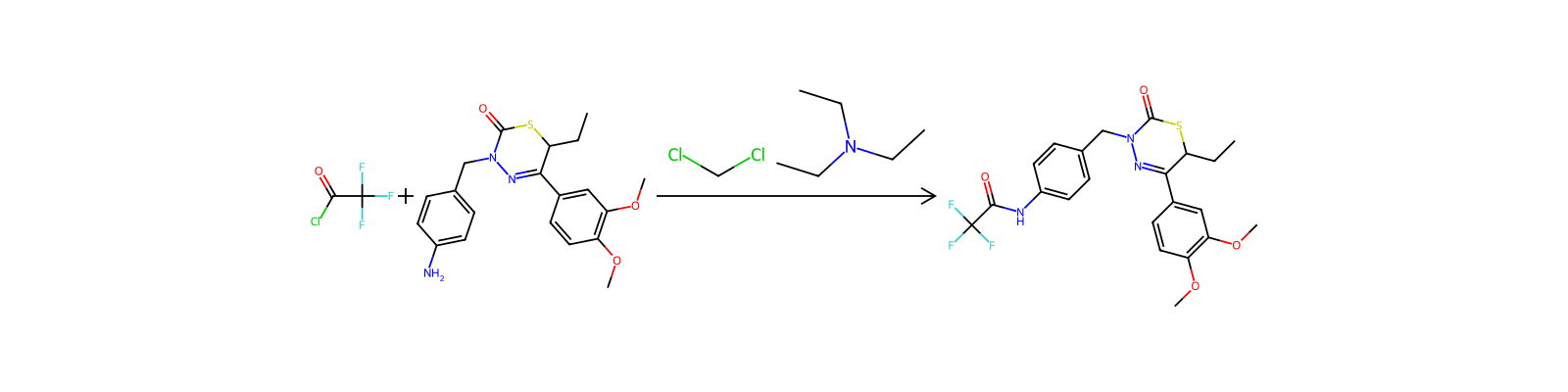
37



Verknüpfte Notizen
Wird geladen…